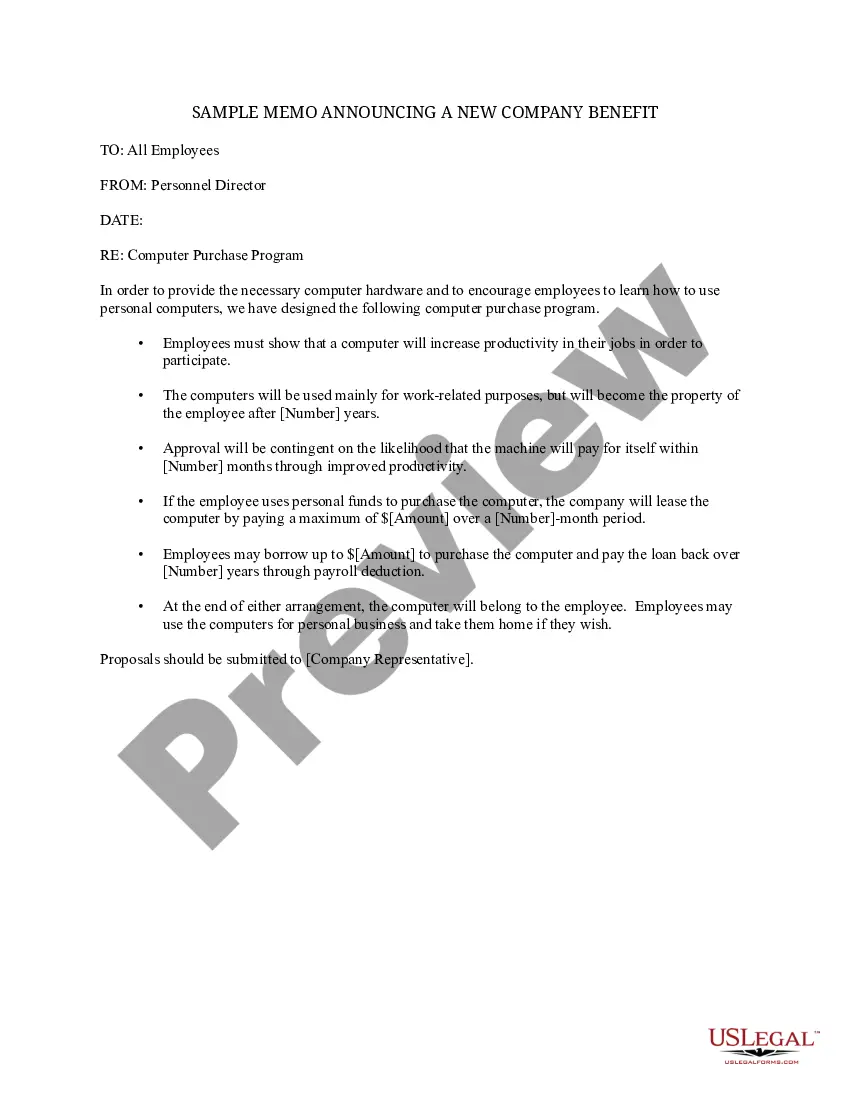
Sample Memo Company Template With Formulas
Description
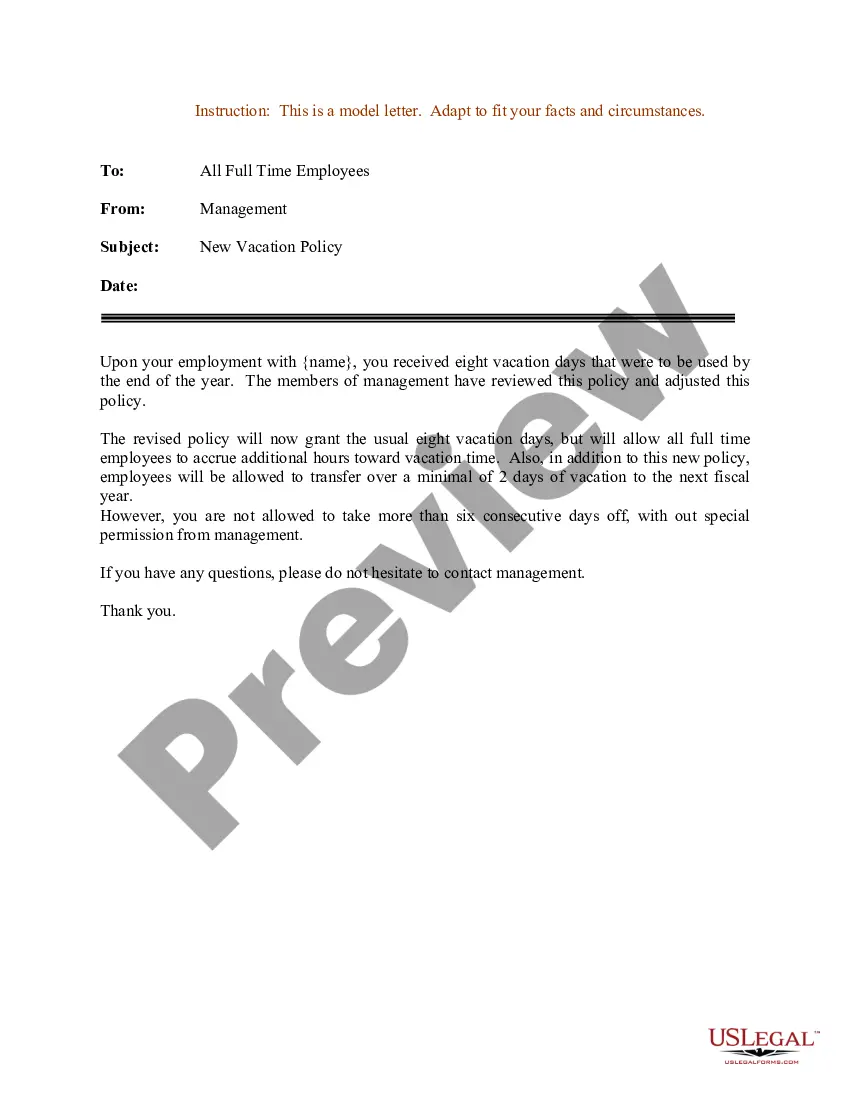
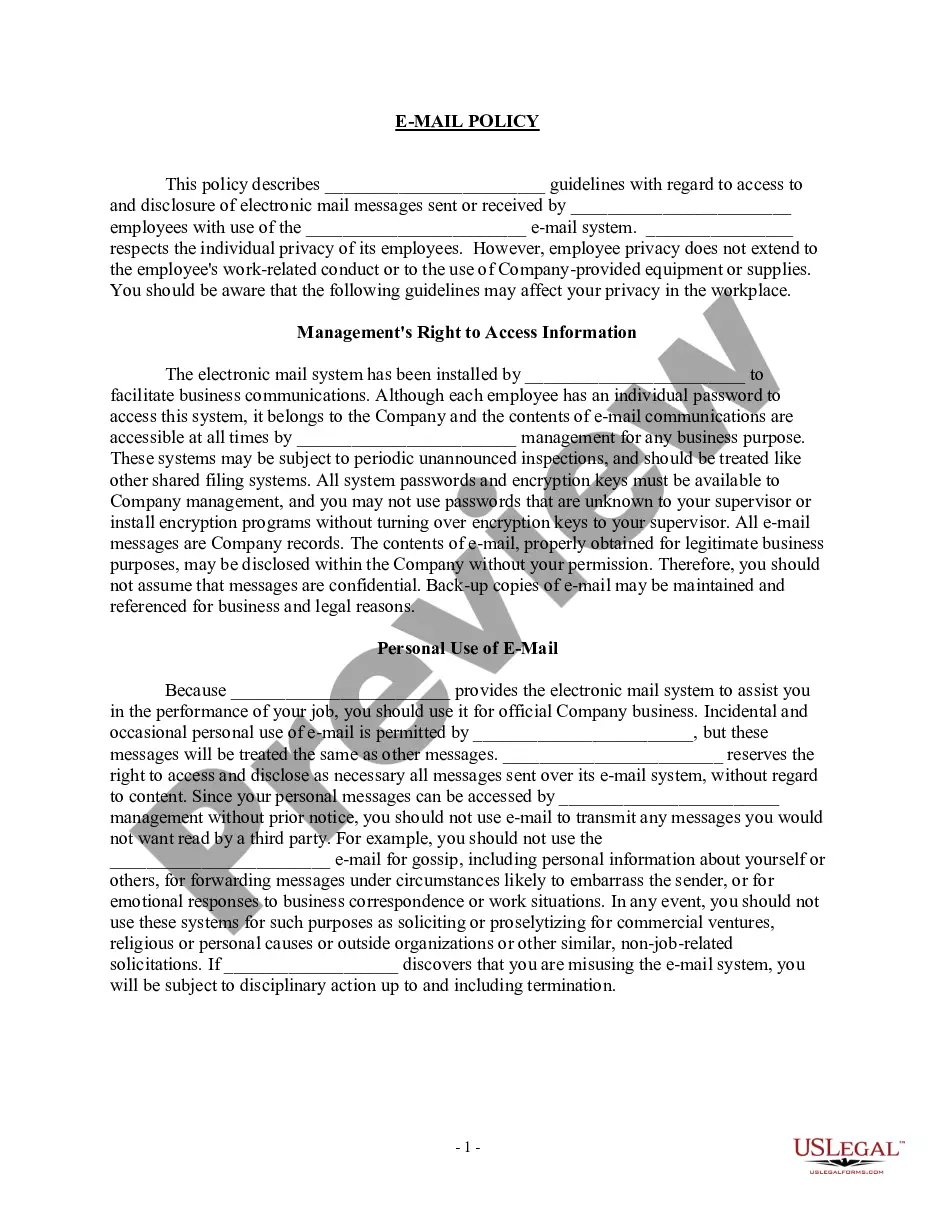
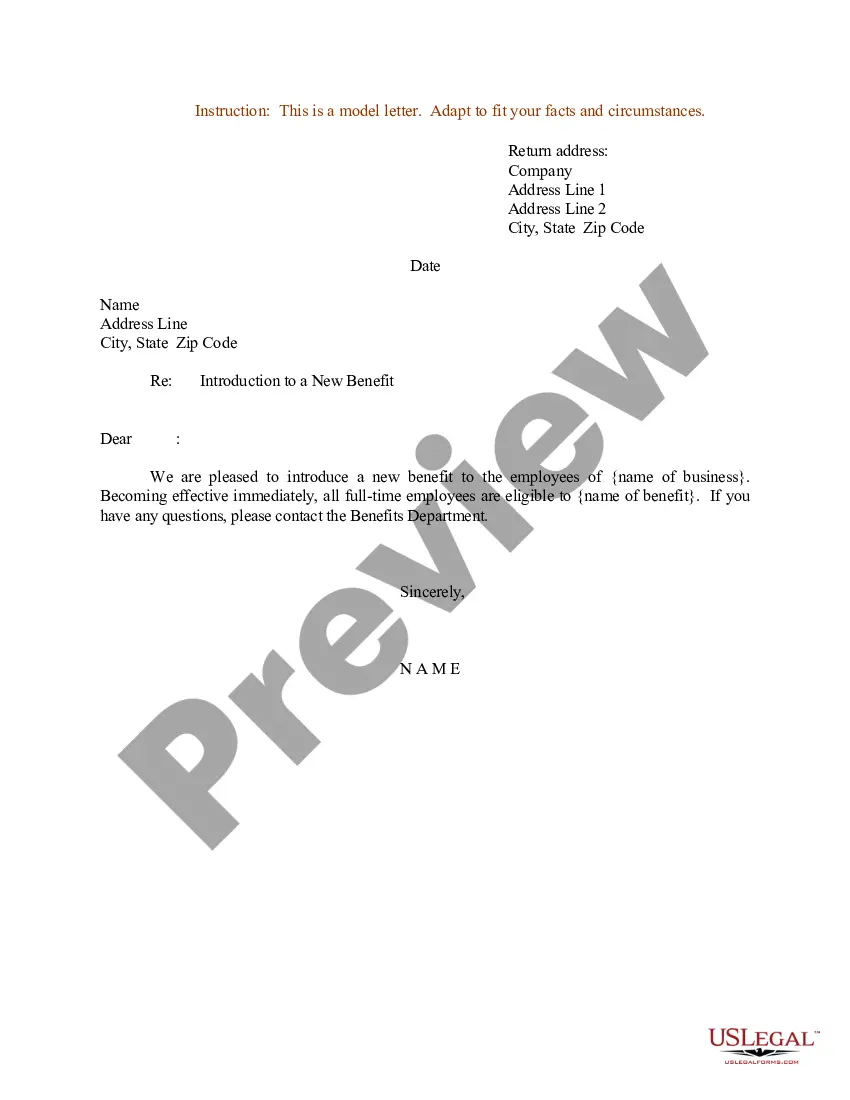



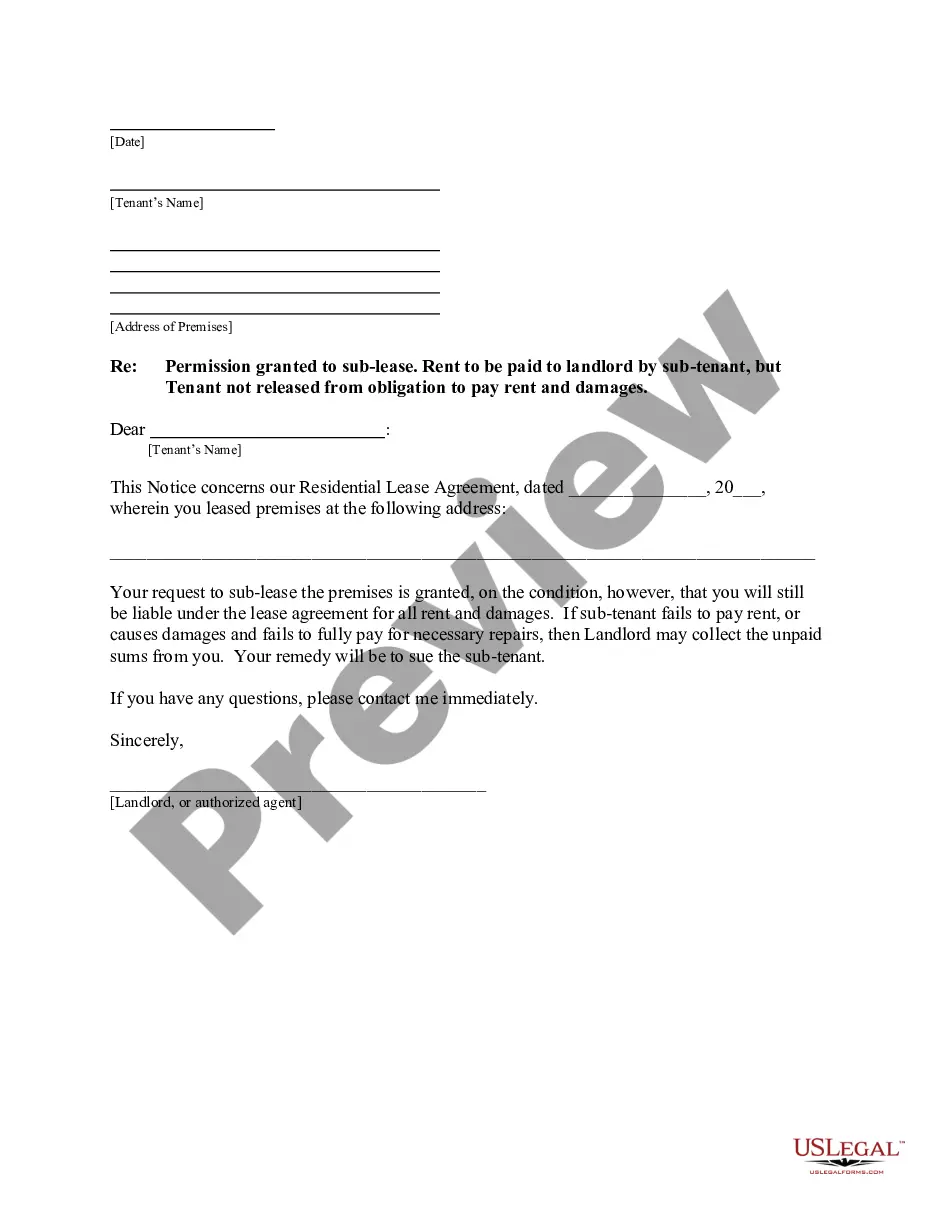
How to fill out Sample Memo Announcing A New Company Benefit?
It’s clear that you cannot transform into a legal expert instantly, nor can you learn how to swiftly create Sample Memo Company Template With Formulas without a specific background.
Assembling legal documents is a lengthy endeavor that demands specialized education and expertise.
So why not entrust the creation of the Sample Memo Company Template With Formulas to the experts.
You can regain access to your documents from the My documents section at any time.
If you are a current customer, you can simply Log In and find and download the template from the same section.
- Locate the document you require by utilizing the search feature at the top of the webpage.
- View it (if this feature is available) and examine the accompanying description to determine if Sample Memo Company Template With Formulas meets your needs.
- Initiate your search again if you need any additional forms.
- Sign up for a complimentary account and choose a subscription plan to purchase the form.
- Click Buy now. Once the payment is completed, you can obtain the Sample Memo Company Template With Formulas, fill it out, print it, and send or mail it to the intended recipients or organizations.
Form popularity
FAQ
Memos are characterized by being brief, direct, and easy to navigate. They are less formal than letters but should maintain a professional, succinct style. Often, the purpose of a business memo is twofold: to identify a problem and propose a solution. Other times, memos may provide or request factual information.
How to write a memo Put together a heading. The heading section contains the name and address of the company. ... Include the recipients. This section is used to identify who the recipients are. ... Mention the sender. ... Specify additional recipients. ... Insert the date. ... Add a subject line. ... Draft the body.
How to write a memo Start with a header that clearly indicates that the communication is a memorandum, the intended recipients, the sender, the date and the subject. Write an introduction that uses a declarative sentence to announce the main topic of the memo.
Maintain a professional, succinct style. To achieve such a style, use short, active sentences. Avoid jargon and pretentious language. Maintain a positive or neutral tone; avoid negative language if possible. In addition to making memos easier to read, a professional writing style also improves the writer's credibility.
A memo is usually a page or two long, single spaced and left justified. Instead of using indentations to show new paragraphs, skip a line between sentences. Business materials should be concise and easy to read. Therefore it is beneficial to use headings and lists to help the reader pinpoint certain information.