Landlord Right To Inspect Property
Description
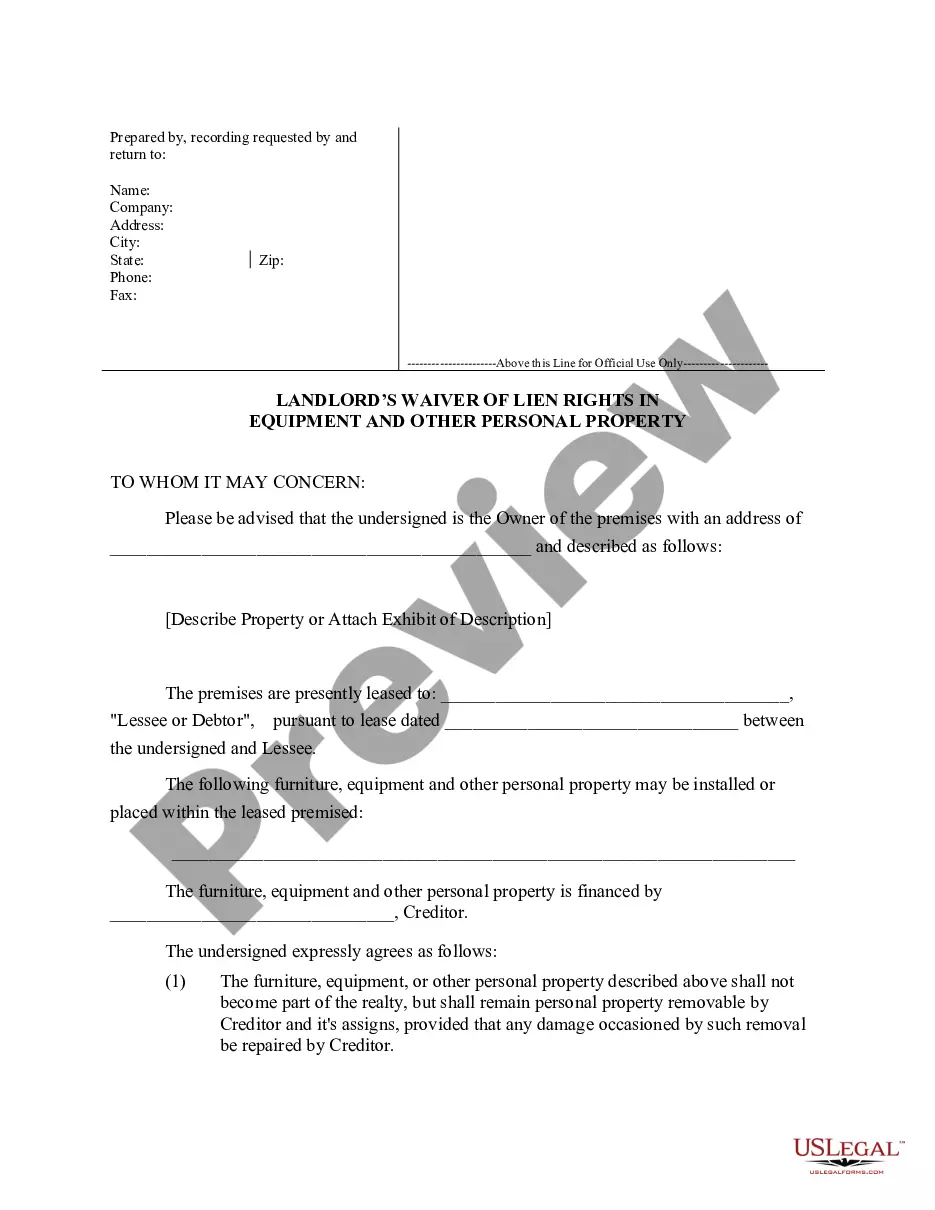
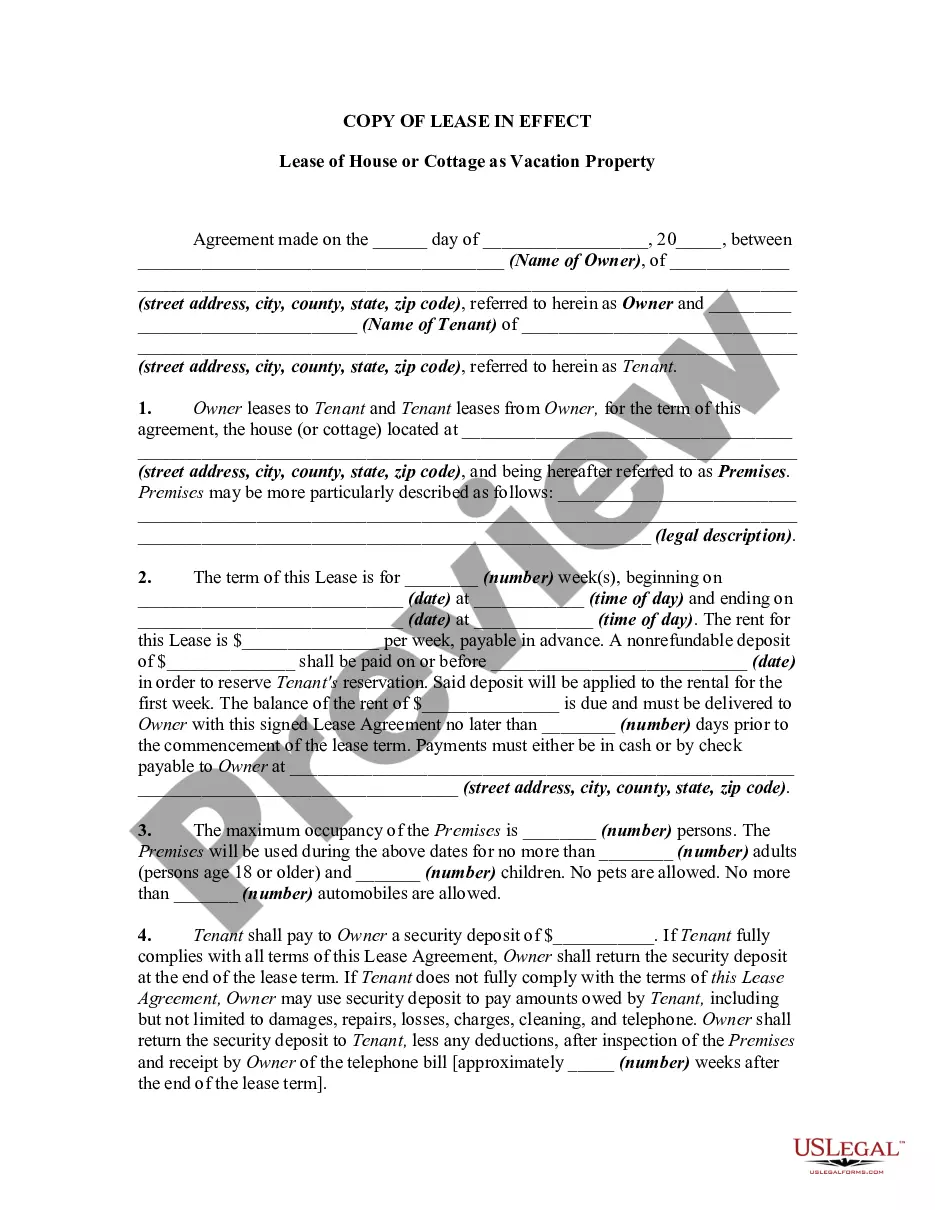
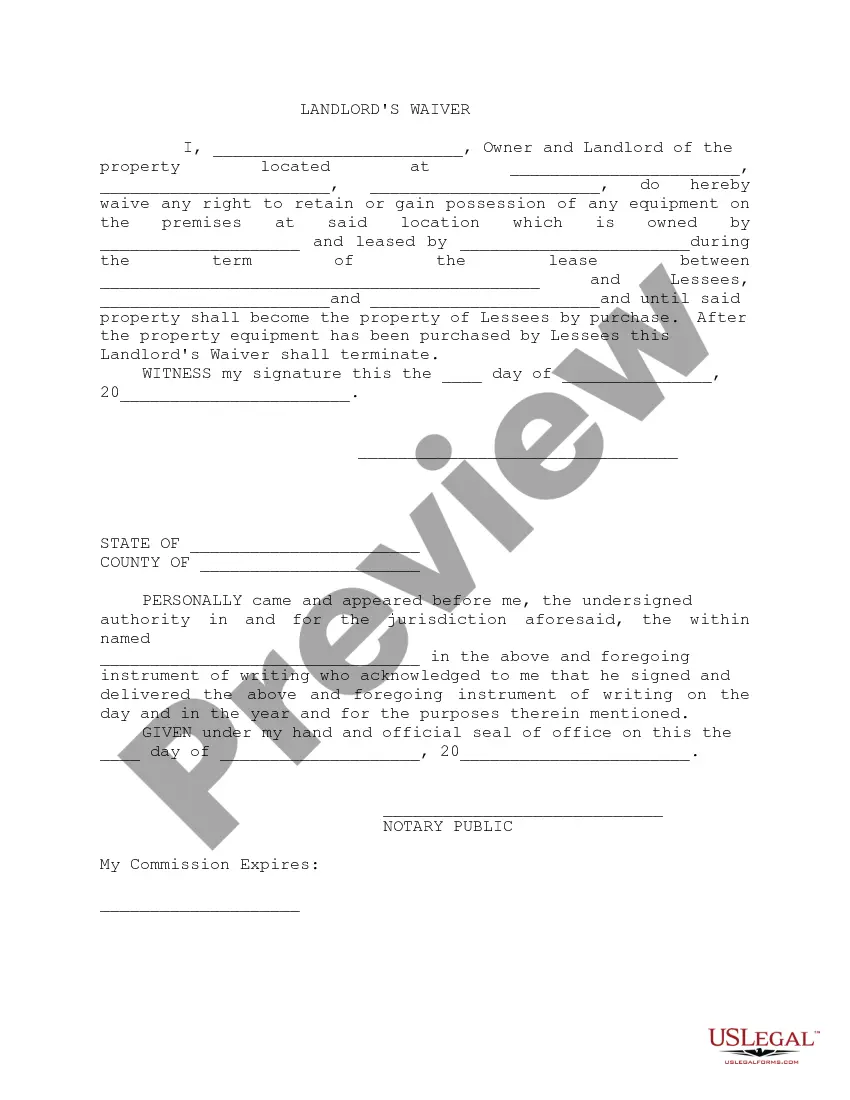
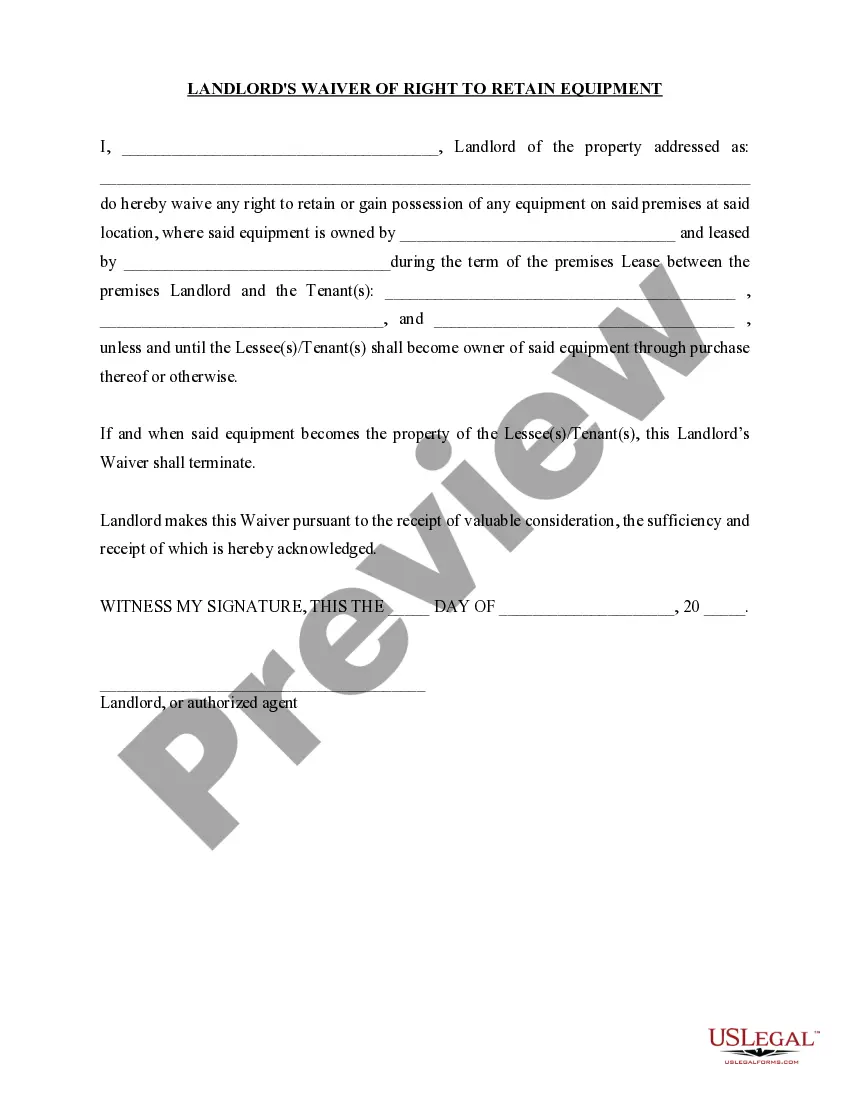
Get your form ready online
Our built-in tools help you complete, sign, share, and store your documents in one place.
Make edits, fill in missing information, and update formatting in US Legal Forms—just like you would in MS Word.
Download a copy, print it, send it by email, or mail it via USPS—whatever works best for your next step.
Sign and collect signatures with our SignNow integration. Send to multiple recipients, set reminders, and more. Go Premium to unlock E-Sign.
If this form requires notarization, complete it online through a secure video call—no need to meet a notary in person or wait for an appointment.
We protect your documents and personal data by following strict security and privacy standards.

Make edits, fill in missing information, and update formatting in US Legal Forms—just like you would in MS Word.

Download a copy, print it, send it by email, or mail it via USPS—whatever works best for your next step.

Sign and collect signatures with our SignNow integration. Send to multiple recipients, set reminders, and more. Go Premium to unlock E-Sign.

If this form requires notarization, complete it online through a secure video call—no need to meet a notary in person or wait for an appointment.

We protect your documents and personal data by following strict security and privacy standards.
Looking for another form?









Form popularity
FAQ
Landlord retaliation occurs when a landlord takes adverse actions against a tenant for exercising their legal rights, such as reporting housing violations. Examples include raising rent or refusing repairs after a tenant has complained. Tenants can often protect themselves if they understand their rights and the landlord right to inspect property, ensuring fair treatment.
In Pennsylvania, landlords cannot engage in self-help eviction methods, such as changing locks or shutting off utilities. Landlords are also prohibited from entering the property without prior notification, except in emergencies. Understanding these limitations is crucial for both landlords and tenants, reinforcing the landlord right to inspect property without infringing on tenant rights.
While it's not a requirement for tenants to be present during a property inspection, it is often beneficial. A tenant's presence allows for direct communication and any concerns can be addressed immediately. Regardless, landlords still maintain the landlord right to inspect property, provided they follow the proper notice procedures.
Tenants in Pennsylvania have various rights, including the right to a habitable living environment and protection against discrimination. Additionally, they have the right to privacy, which includes proper notification prior to a landlord's entry. Understanding these rights reinforces the balance between landlord responsibilities and the landlord right to inspect property.
In Pennsylvania, a landlord must provide a tenant with at least 30 days' notice to vacate the property, especially if the tenant is on a month-to-month lease. For leases with a specific end date, landlords should remind tenants prior to the lease expiration. This notice period ensures both parties understand their rights and responsibilities, including the landlord right to inspect property.
An example letter could start with addressing the tenant by name, followed by a polite request for an inspection notice. Include the date and time of the planned inspection, along with a brief explanation of the reason for the visit. This way, you respect the landlord right to inspect property while maintaining good communication with your tenant.
To fill out a landlord statement, start by including your contact information and the tenant's details. Next, specify the purpose of the statement, such as confirming a rental agreement or detailing the condition of the inspections performed. Providing clear and concise information helps protect your landlord right to inspect property and ensures both parties understand their responsibilities.
In Pennsylvania, a tenant generally cannot refuse entry to their landlord when the landlord has a legitimate reason, such as conducting repairs or inspections. However, the landlord must provide reasonable notice, typically 24 hours, before entering the property. This balance ensures both the landlord right to inspect property and the tenant's right to privacy are respected.
Yes, you have the right to refuse entry to your landlord if they show up without notice or a legitimate reason. This right exists to protect your privacy, and understanding the landlord right to inspect property is essential for ensuring your rights as a tenant. You can seek guidance or assistance from platforms like UsLegalForms to clarify these situations further.
You can refuse a landlord inspection if they have not provided sufficient notice, or if the inspection is not deemed reasonable. However, being aware of the landlord right to inspect property is beneficial for understanding your legal obligations. Open communication often leads to satisfactory outcomes for both the landlord and tenant.