Capital Contribution For Hoa
Description
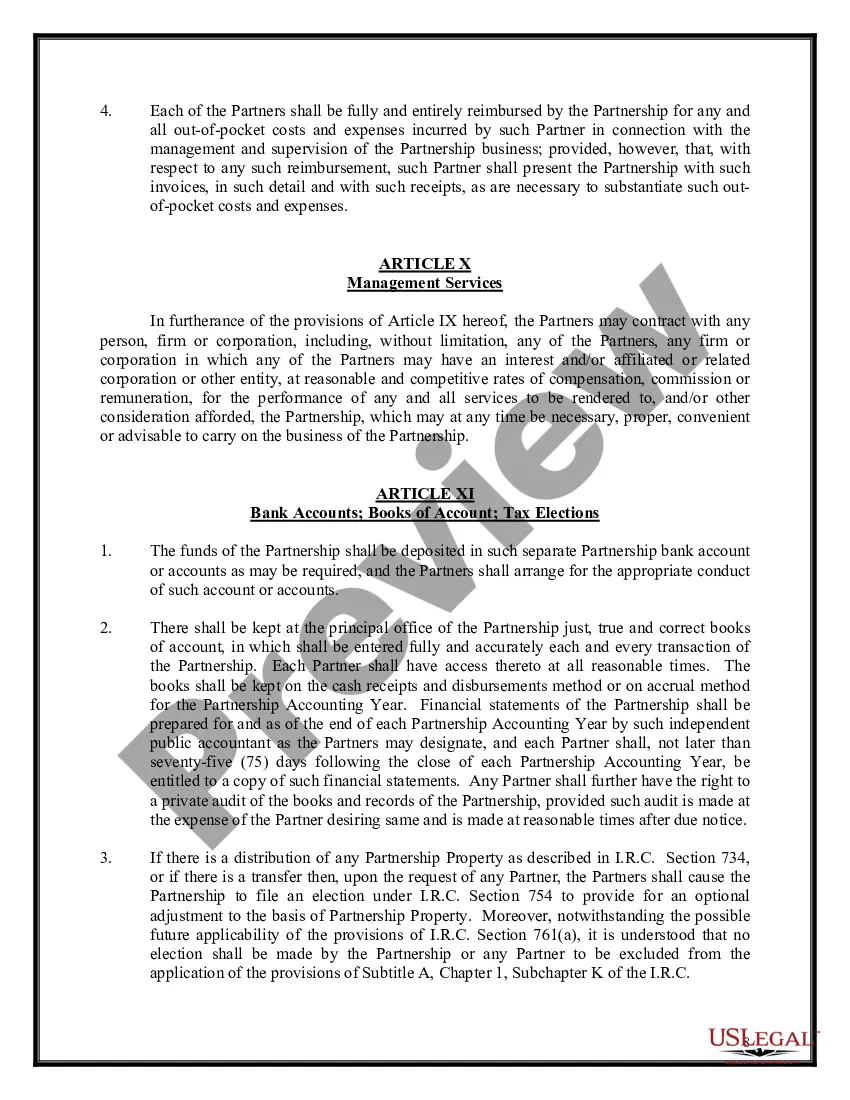
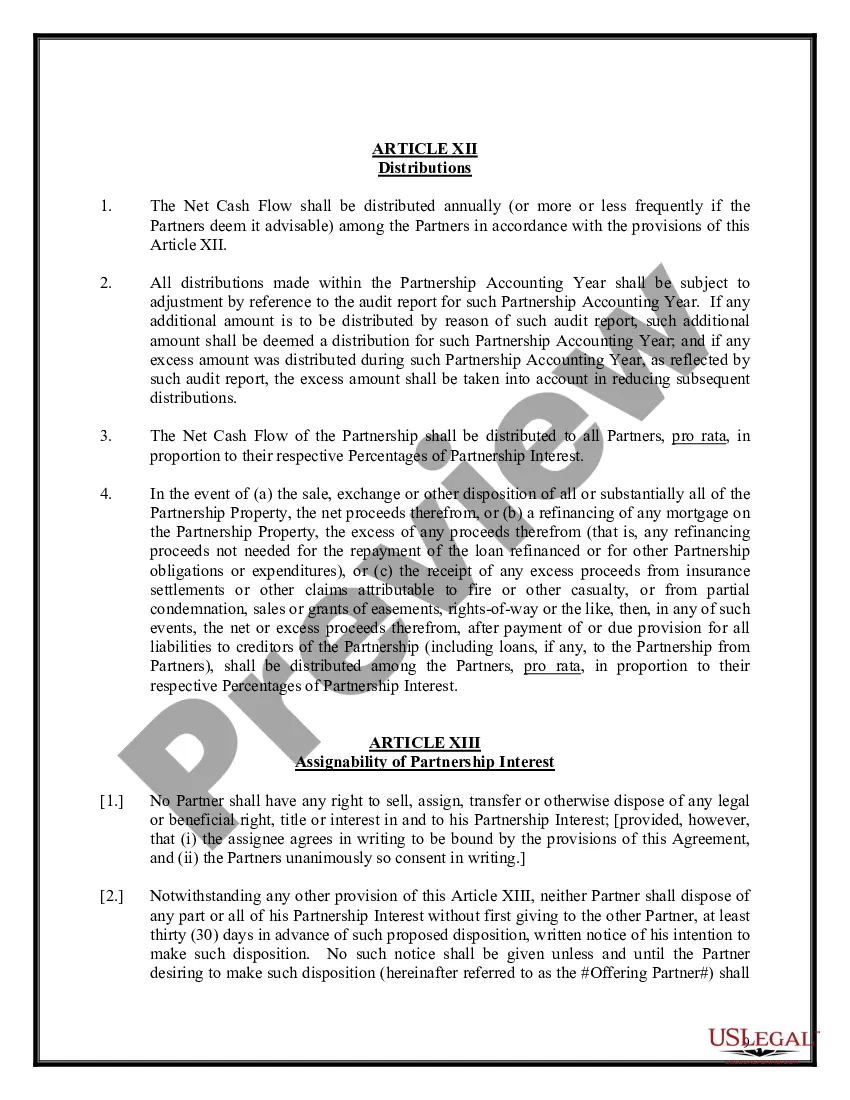

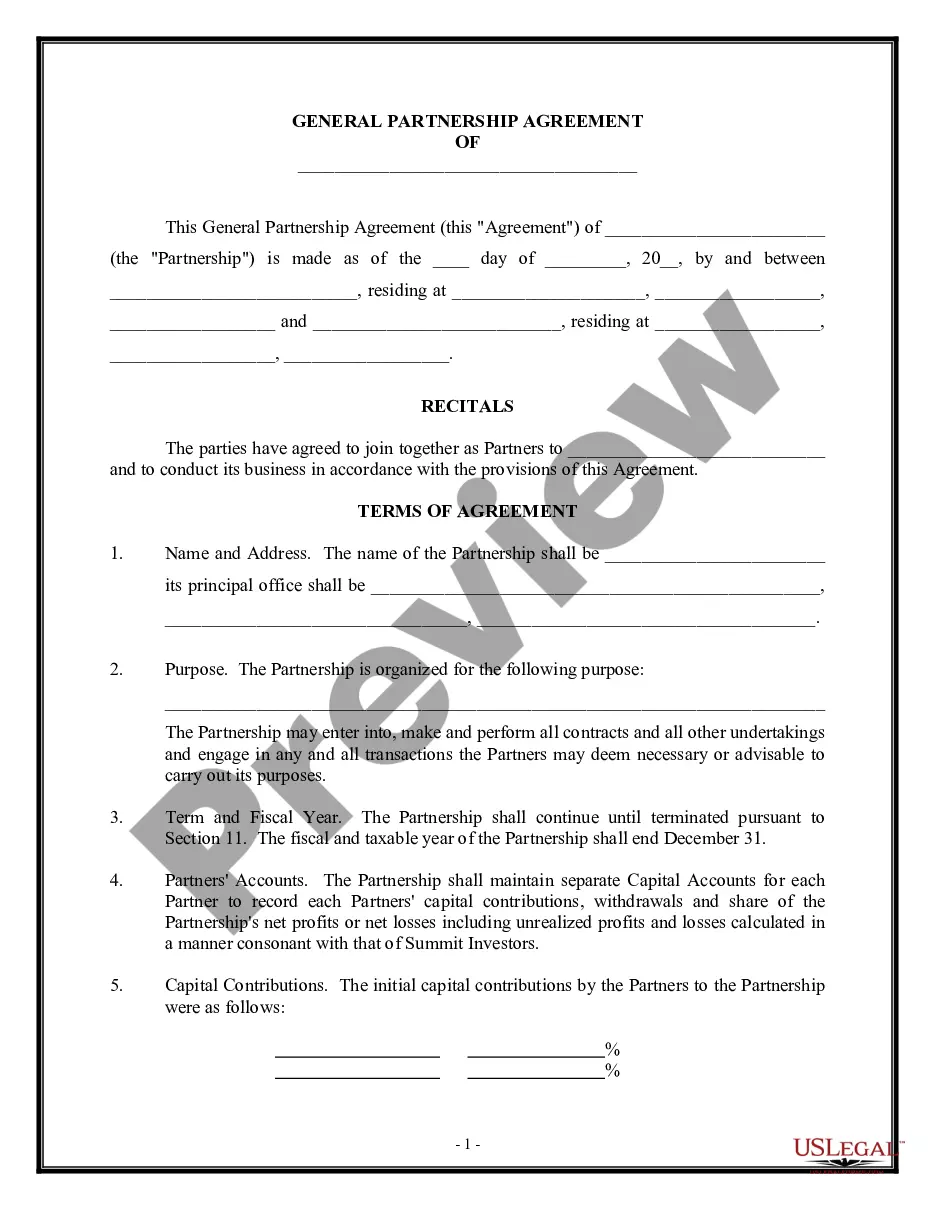
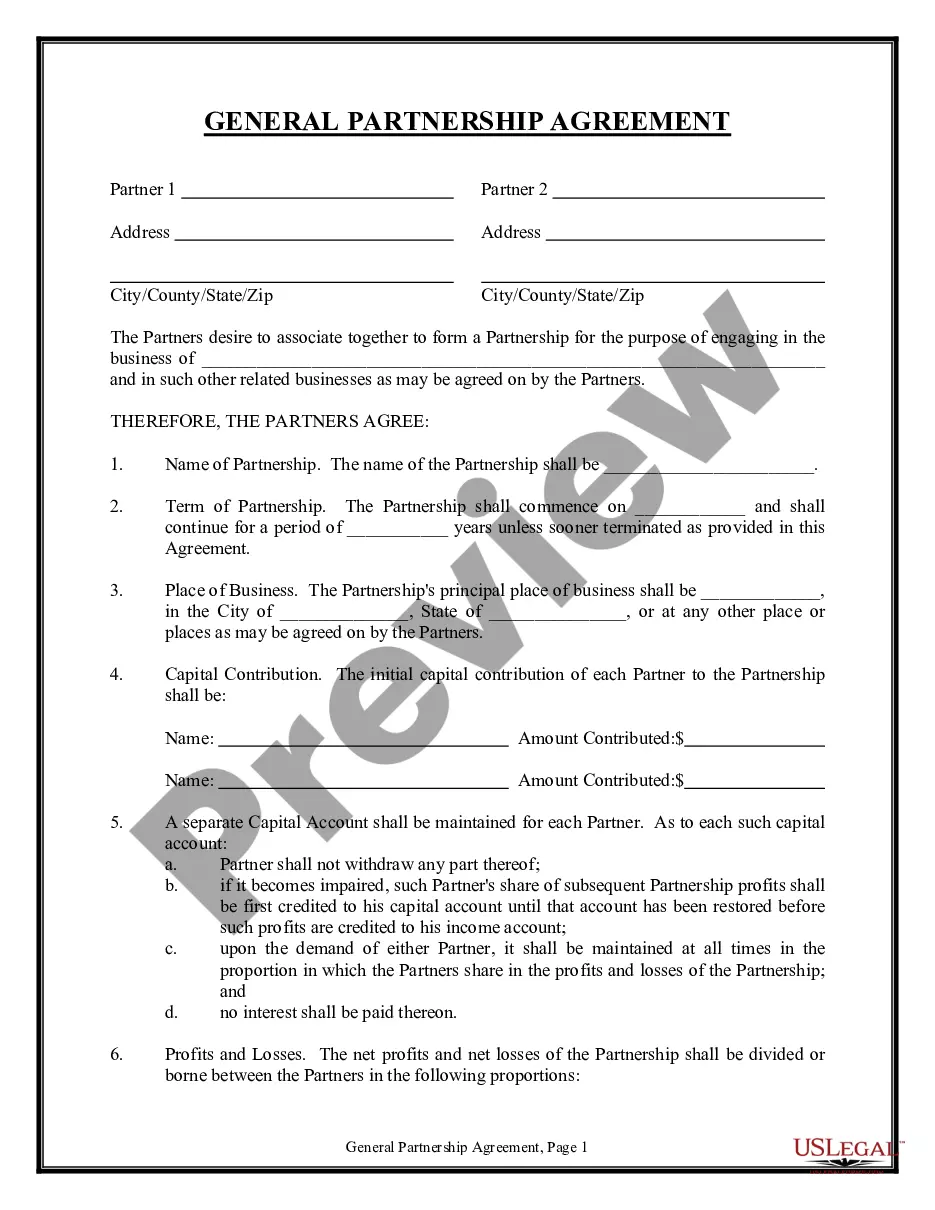
Get your form ready online
Our built-in tools help you complete, sign, share, and store your documents in one place.
Make edits, fill in missing information, and update formatting in US Legal Forms—just like you would in MS Word.
Download a copy, print it, send it by email, or mail it via USPS—whatever works best for your next step.
Sign and collect signatures with our SignNow integration. Send to multiple recipients, set reminders, and more. Go Premium to unlock E-Sign.
If this form requires notarization, complete it online through a secure video call—no need to meet a notary in person or wait for an appointment.
We protect your documents and personal data by following strict security and privacy standards.

Make edits, fill in missing information, and update formatting in US Legal Forms—just like you would in MS Word.

Download a copy, print it, send it by email, or mail it via USPS—whatever works best for your next step.

Sign and collect signatures with our SignNow integration. Send to multiple recipients, set reminders, and more. Go Premium to unlock E-Sign.

If this form requires notarization, complete it online through a secure video call—no need to meet a notary in person or wait for an appointment.

We protect your documents and personal data by following strict security and privacy standards.
Looking for another form?



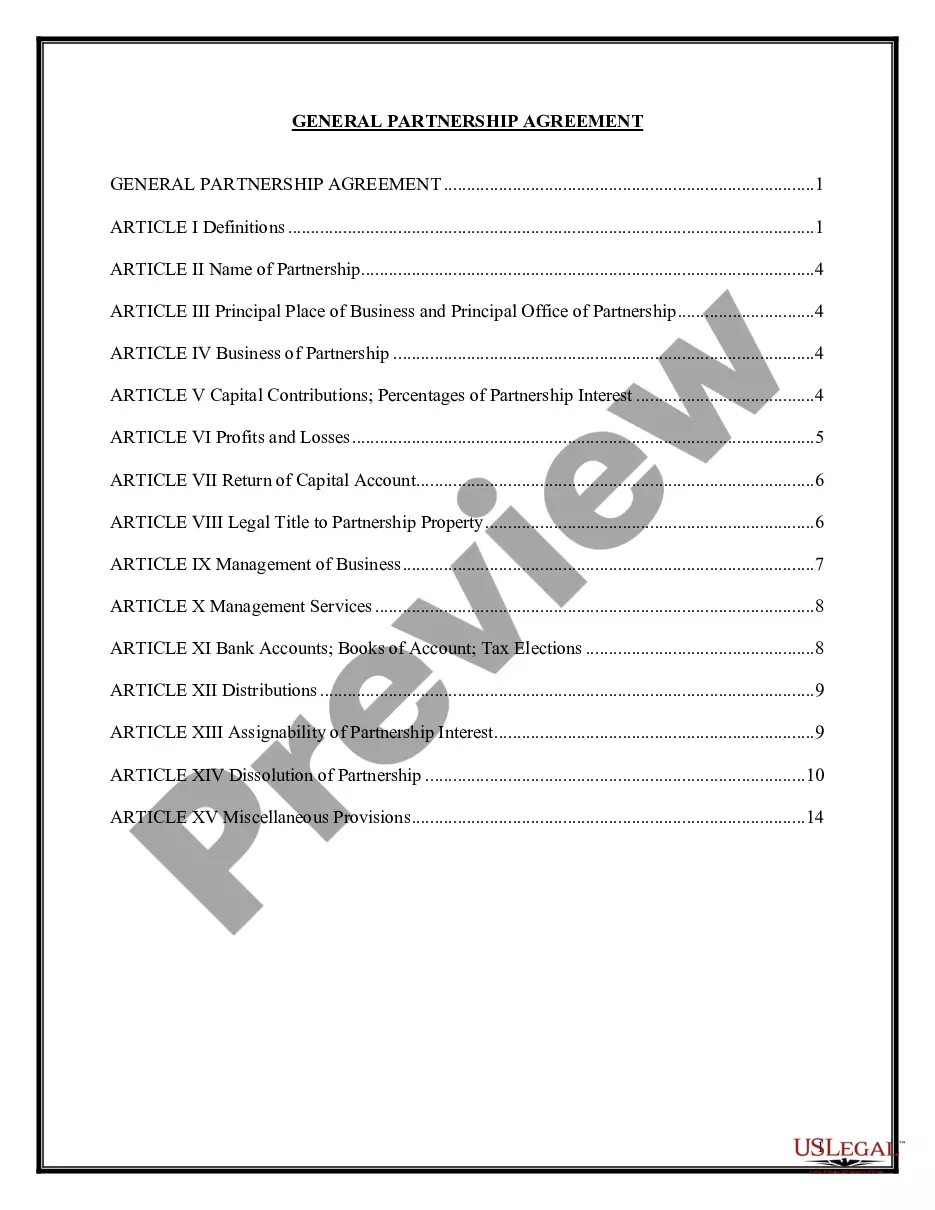
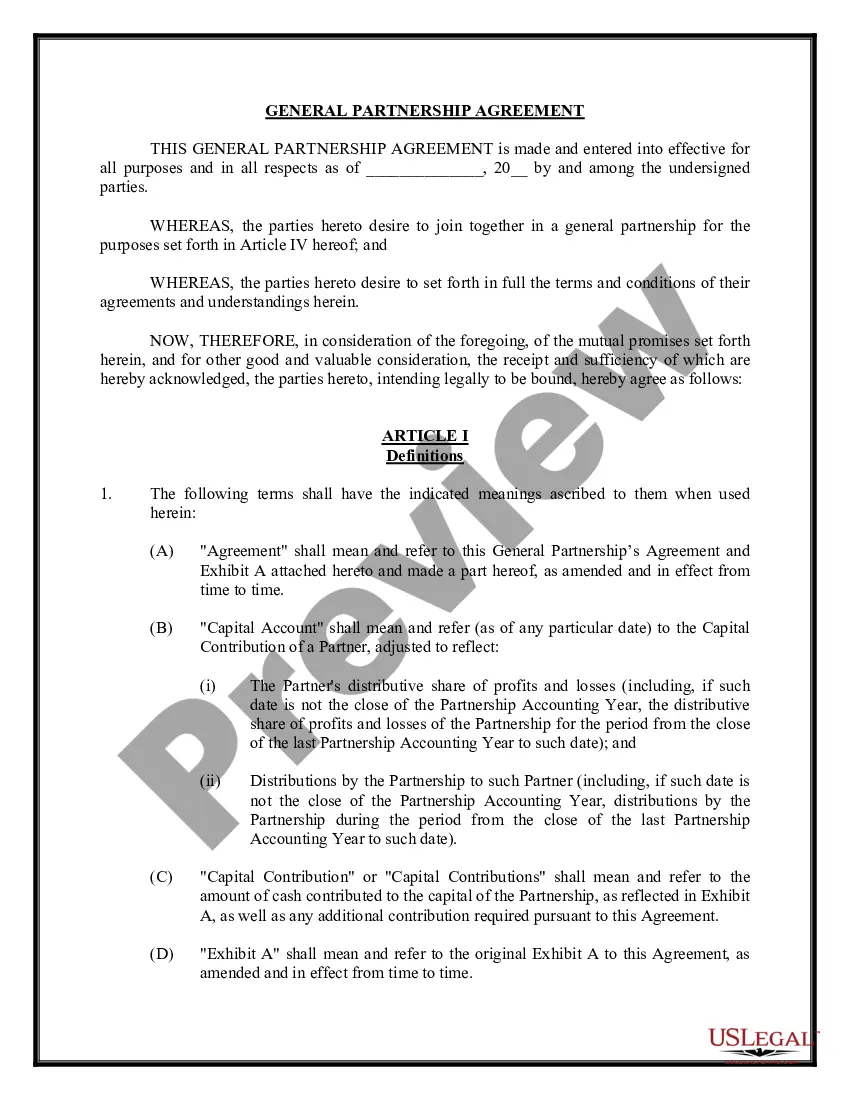
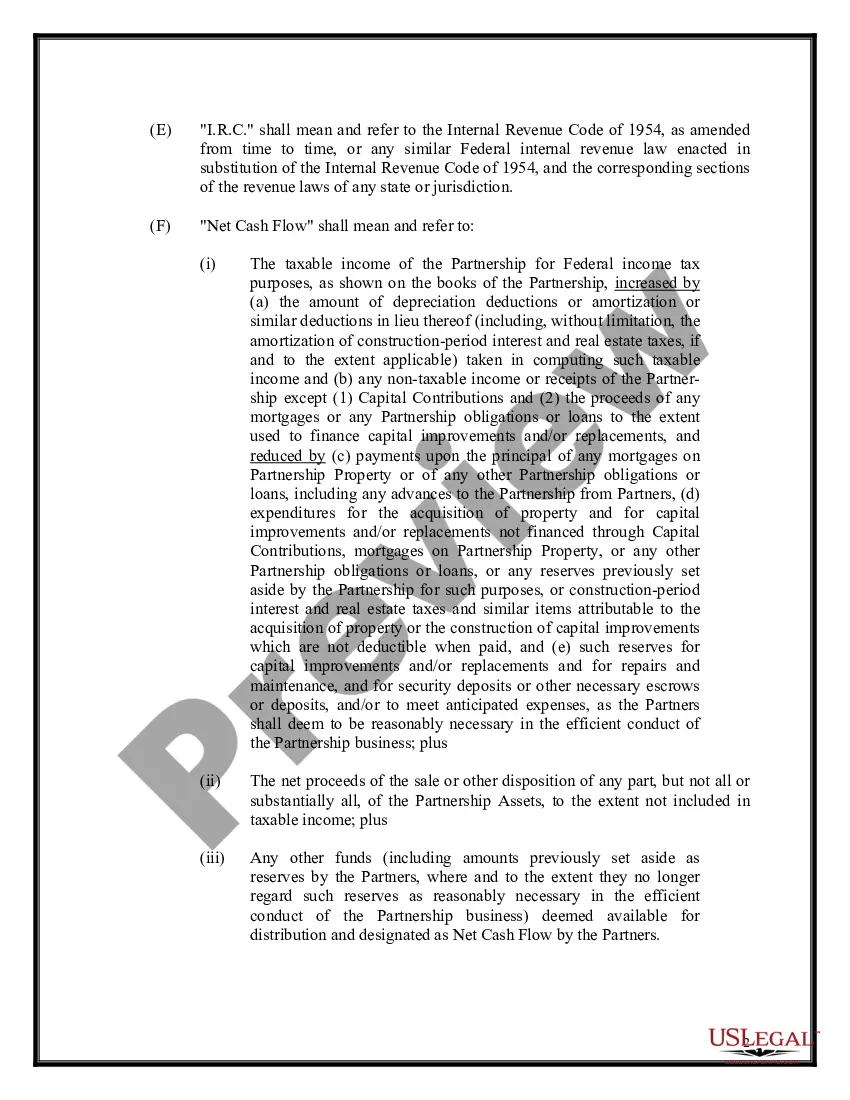
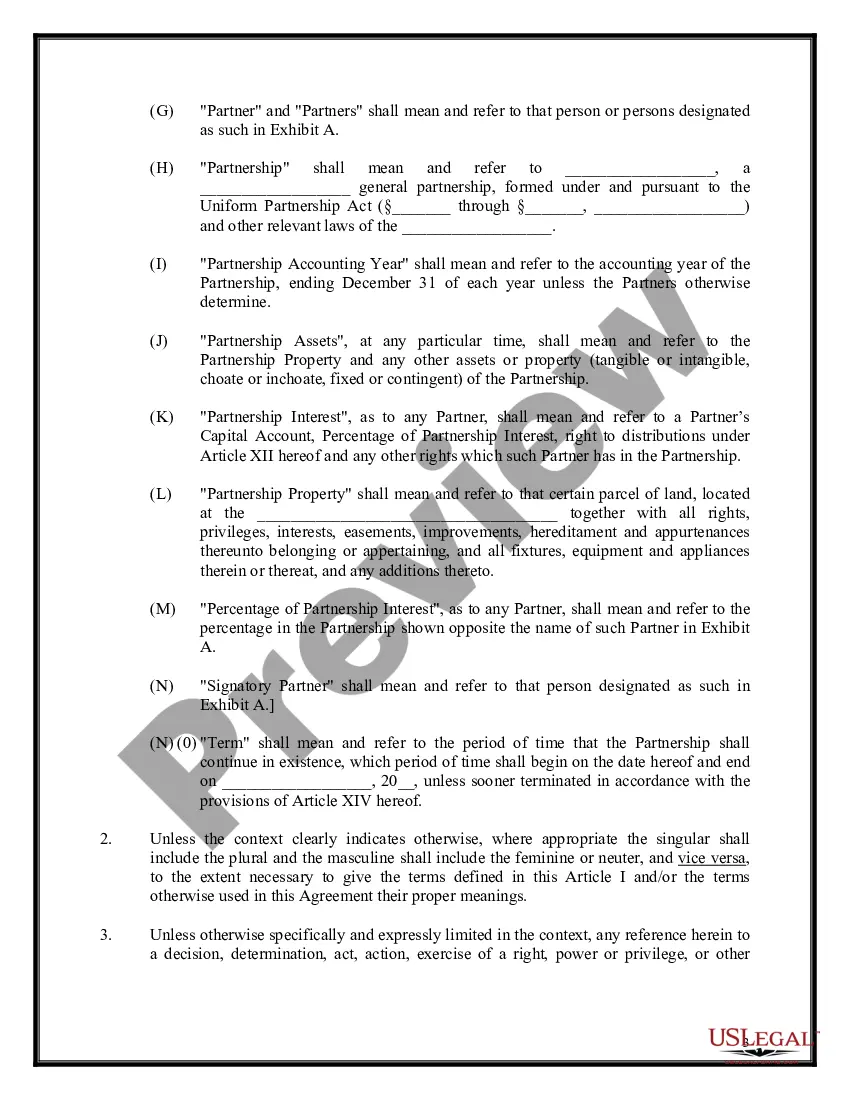
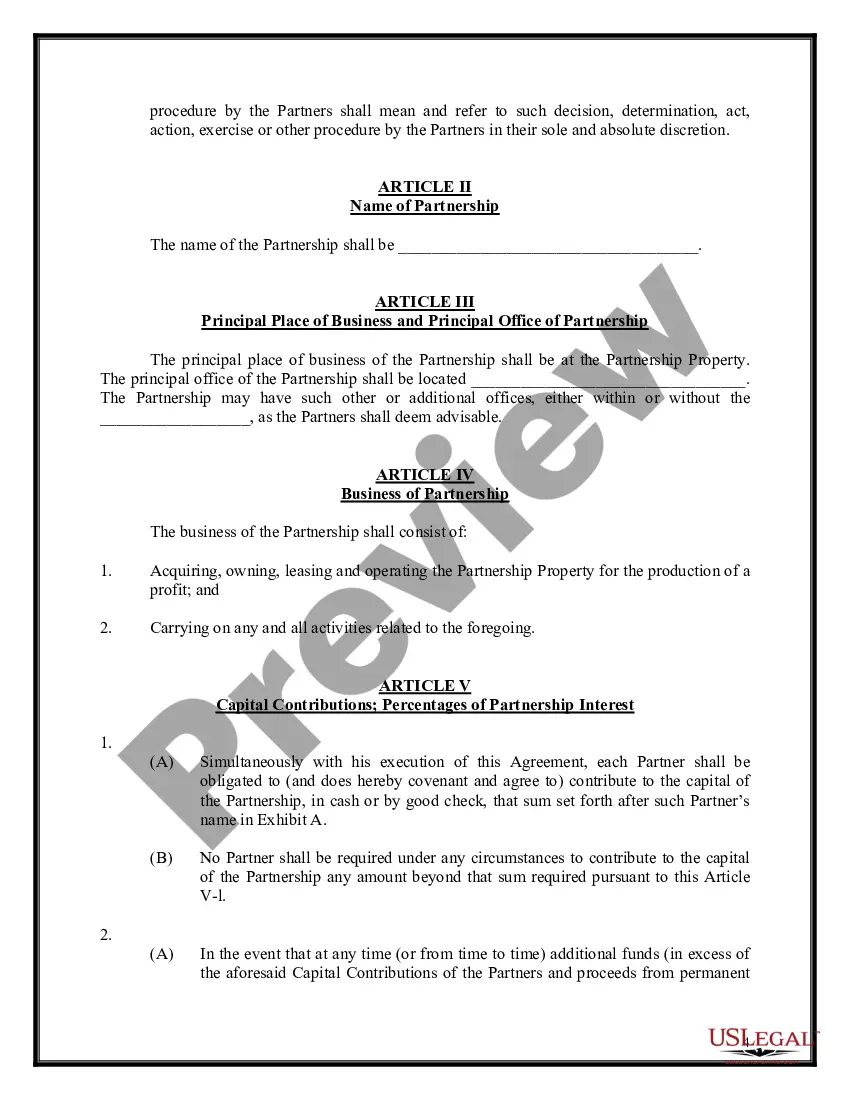
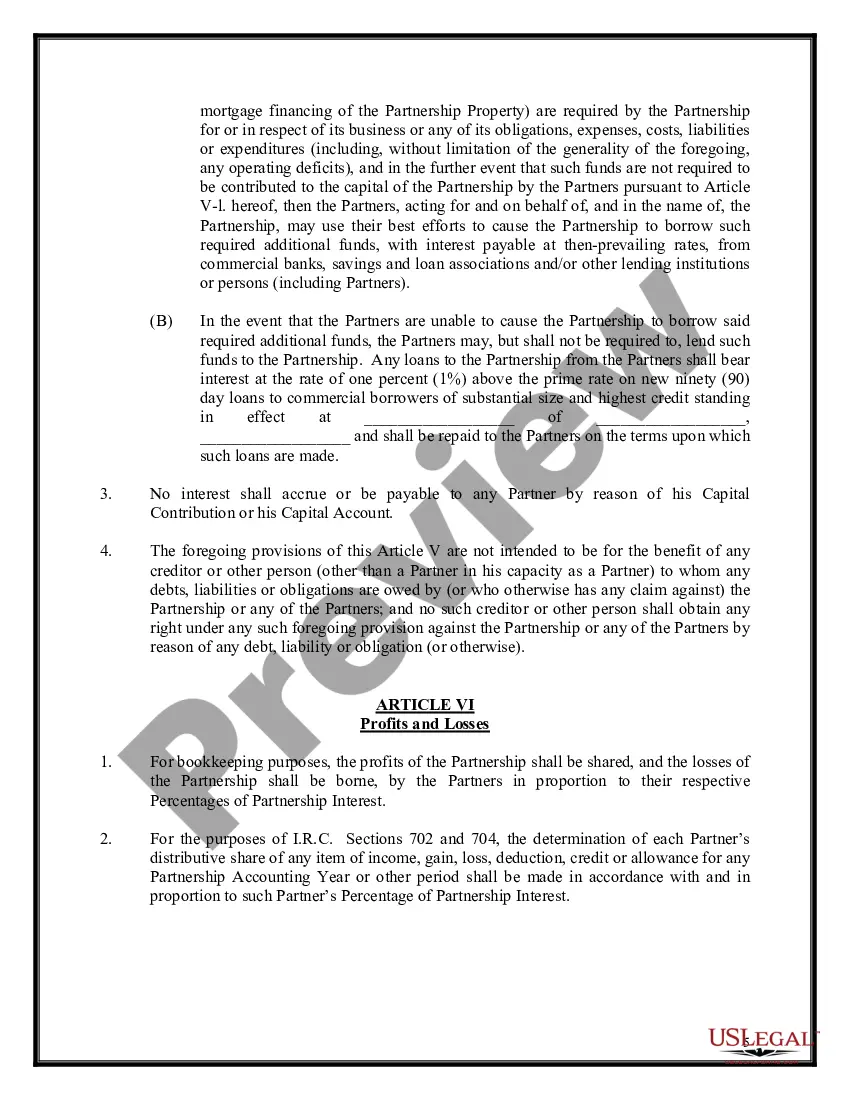
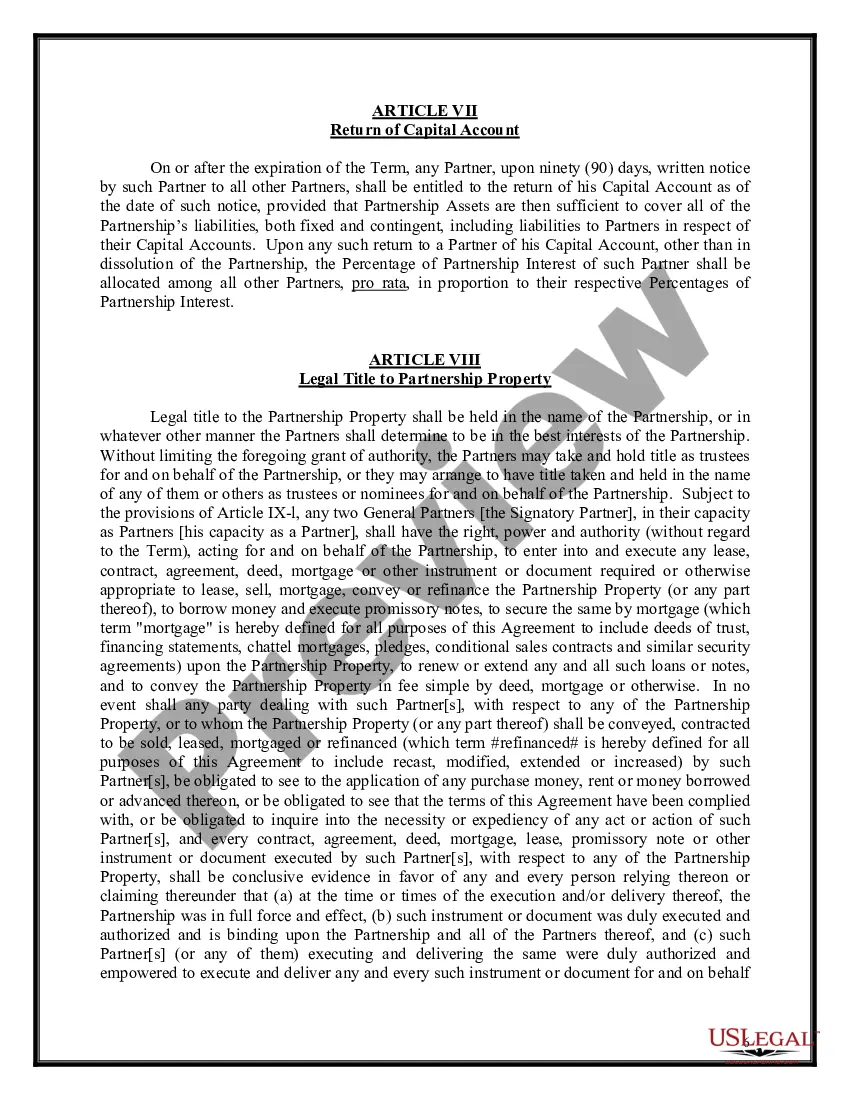
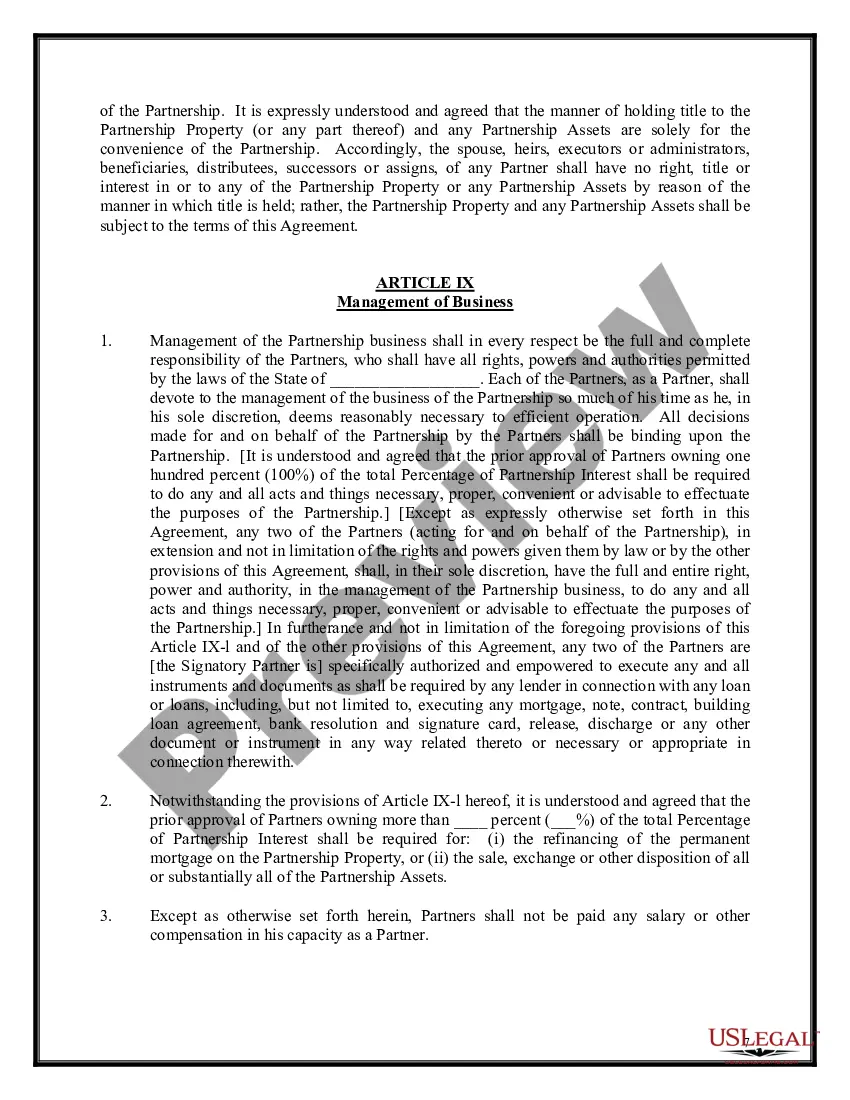
How to fill out General Partnership Agreement - Complex?
Creating legal documents from the ground up can frequently feel daunting.
Certain situations may demand extensive research and significant expenditures.
If you’re looking for a simpler and more affordable method of preparing Capital Contribution For Hoa or any other documentation without unnecessary hassle, US Legal Forms is always within reach.
Our online collection of over 85,000 current legal templates covers nearly every aspect of your financial, legal, and personal affairs.
Check the document preview and descriptions to confirm you have the right form. Ensure the form you pick adheres to the statutes and regulations of your locality. Select the proper subscription plan to acquire the Capital Contribution For Hoa. Download the template, complete it, certify it, and print it out. US Legal Forms enjoys a solid reputation and over 25 years of experience. Join us now and transform form processing into a seamless and efficient experience!
- With just a few clicks, you can swiftly obtain state- and county-compliant forms meticulously crafted by our legal experts.
- Utilize our website whenever you need a dependable and trustworthy service to quickly locate and download the Capital Contribution For Hoa.
- If you’re already familiar with our services and have an existing account, simply Log In to your account, find the template, and download it or retrieve it later from the My documents section.
- Don’t have an account? No problem. Registering takes only a few minutes and allows you to navigate the library.
- But before diving straight into downloading the Capital Contribution For Hoa, keep these pointers in mind.
Form popularity
FAQ
An equipment lease agreement is a contractual agreement where the lessor, who is the owner of the equipment, allows the lessee to use the equipment for a specified period in exchange for periodic payments. The subject of the lease may be vehicles, factory machines, or any other equipment.
Any lease requires two key players. One is the lessor, the party that has an asset available for leasing, and the other is the lessee, the party that pays to use the asset. This lessee vs. lessor dynamic is at the core of lease accounting.
Yes, Microsoft Word has a free lease agreement template that you can customize to create your own contract and minimize any potential problems between tenant and landlord.
Equipment Lease Types Operating Leases. An operating lease is a contract that permits one company to use another company's equipment in exchange for fixed monthly payments over a specific period of time. ... Finance Leases (or Capital Leases) ... $1 Buyout Lease. ... Purchase Option Lease. ... Sale-Leaseback (or Leaseback) ... TRAC Lease.
The two most common types of leases are operating leases and financing leases (also called capital leases). In order to differentiate between the two, one must consider how fully the risks and rewards associated with ownership of the asset have been transferred to the lessee from the lessor.
Every equipment lease should include the following fundamental contract elements: Lessor: The equipment owner who will be renting out the equipment. Lessee: The renter who will be paying for the privilege to use the gear. Term: The length of time the lessee will lease the equipment.
True Lease or Operating Equipment Leases: (Also known as fair market value leases) The most notable feature of this type of lease is that its structure does not contemplate a full payout of the cost of the equipment as is the case in a ?Finance? type lease.
Leasing capital equipment: Lowers upfront costs, compared to buying equipment outright. Reduces the chance that your company gets stuck with obsolete equipment, if your contract specifies upgrades. Transfers the cost of equipment maintenance to the leasing company, again ing to the terms of your contract.