Tenant-landlord
Description
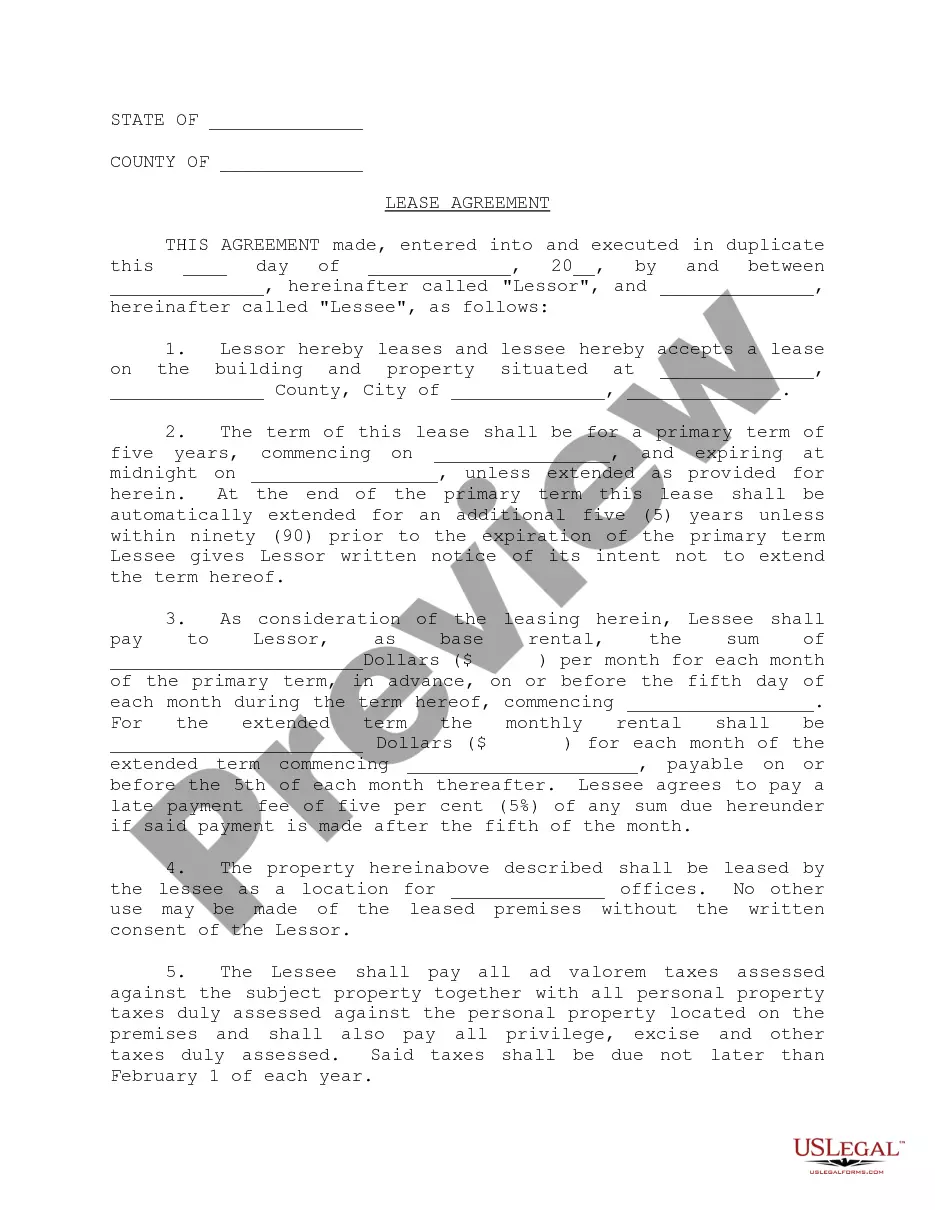
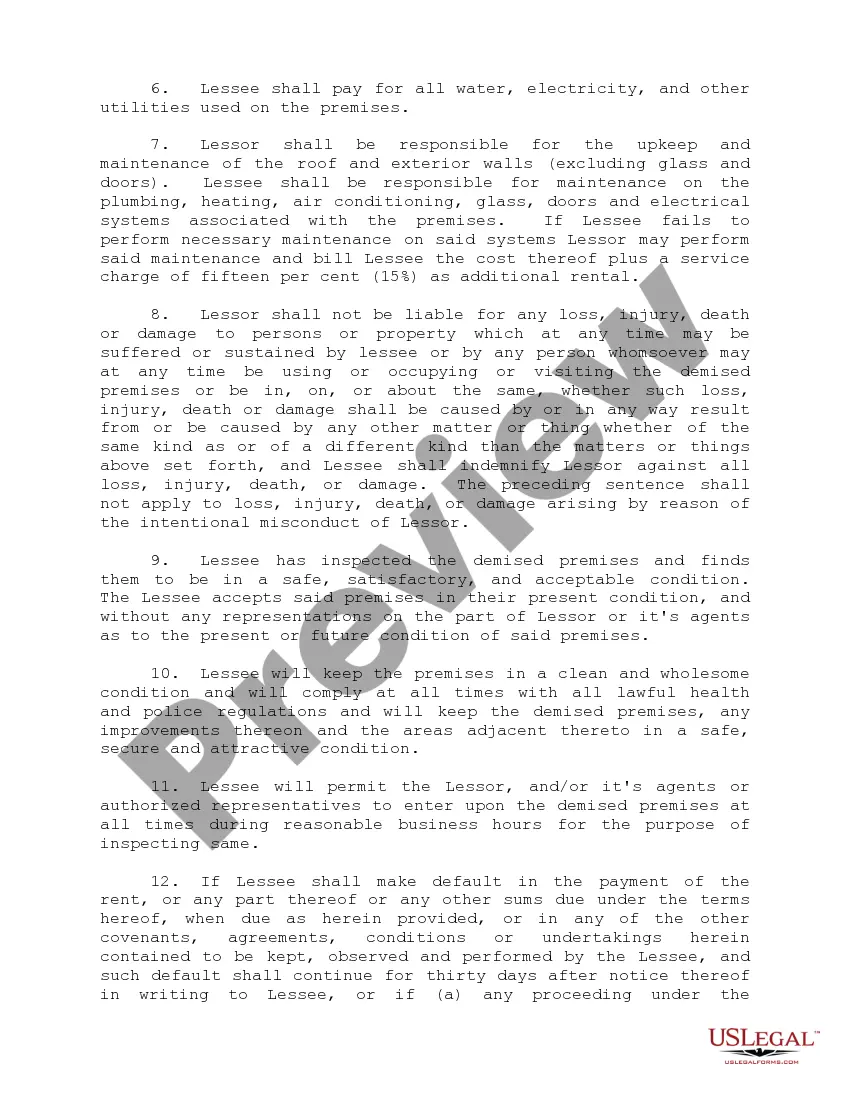
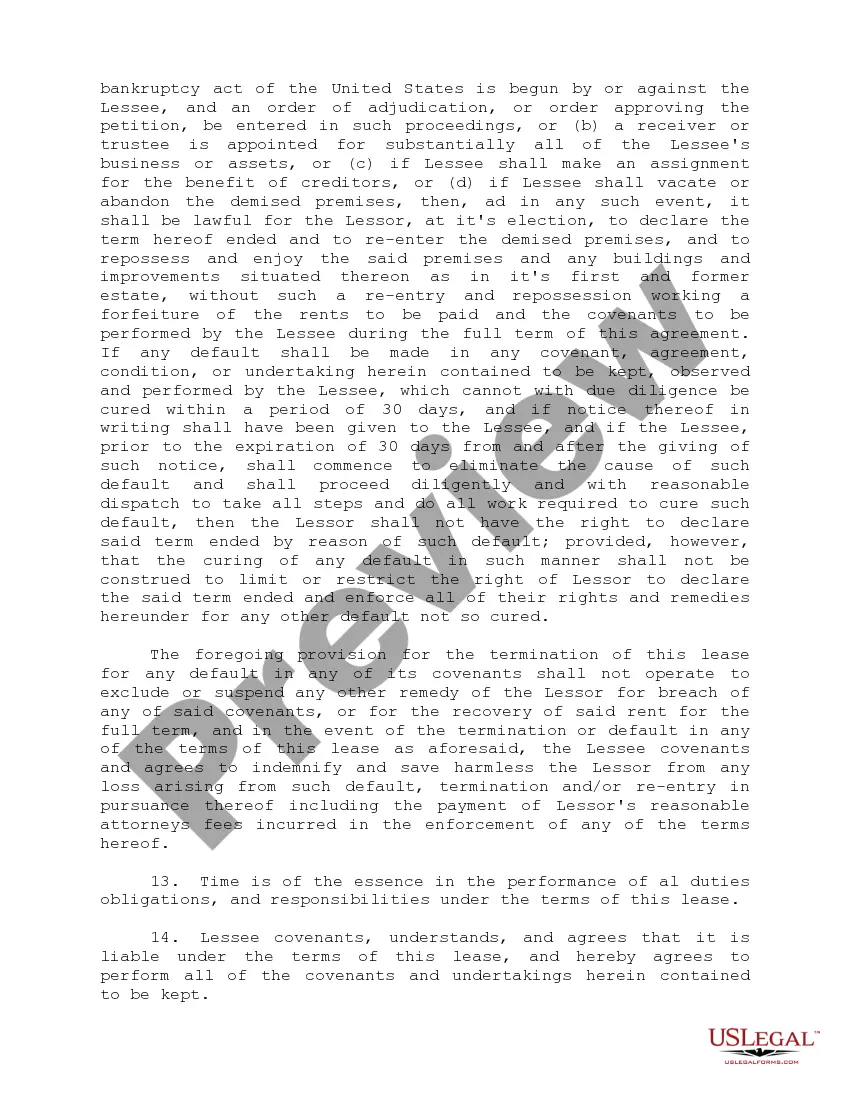
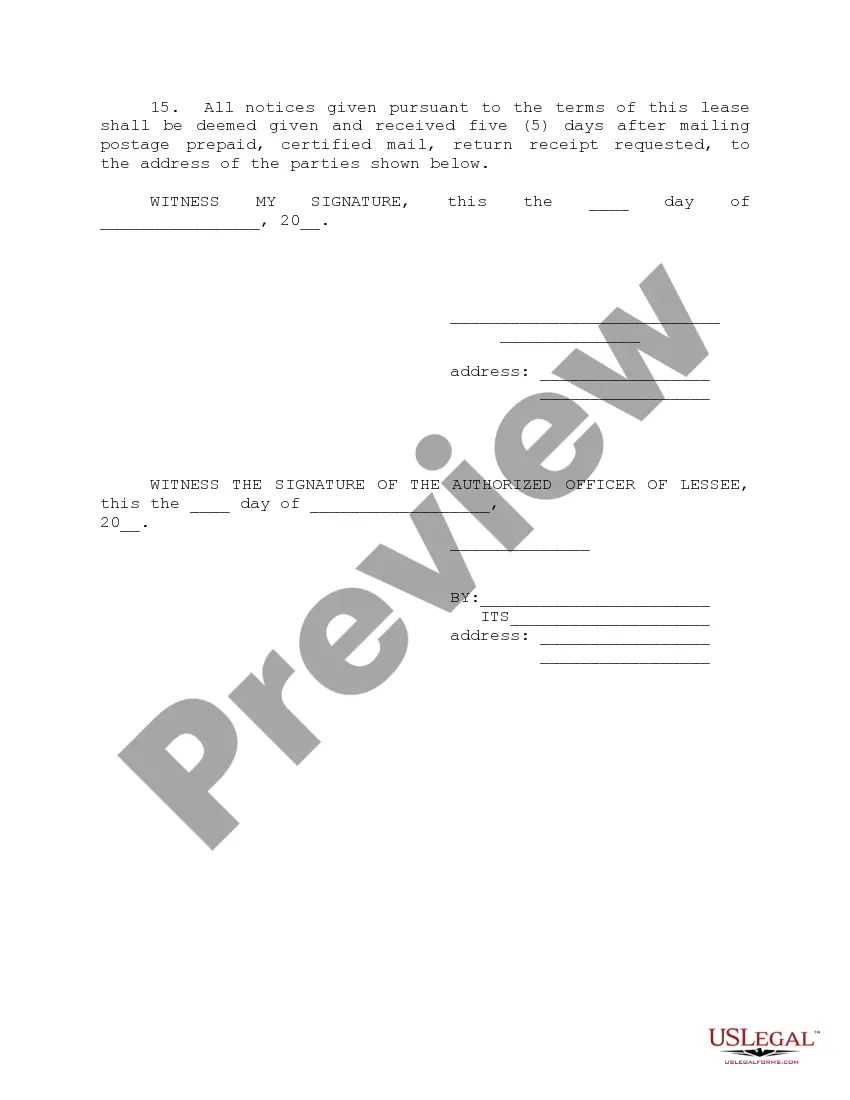


How to fill out Five-Year Building Lease Agreement?
- Log in to your US Legal Forms account if you're a returning user. Ensure your subscription is active to access your documents.
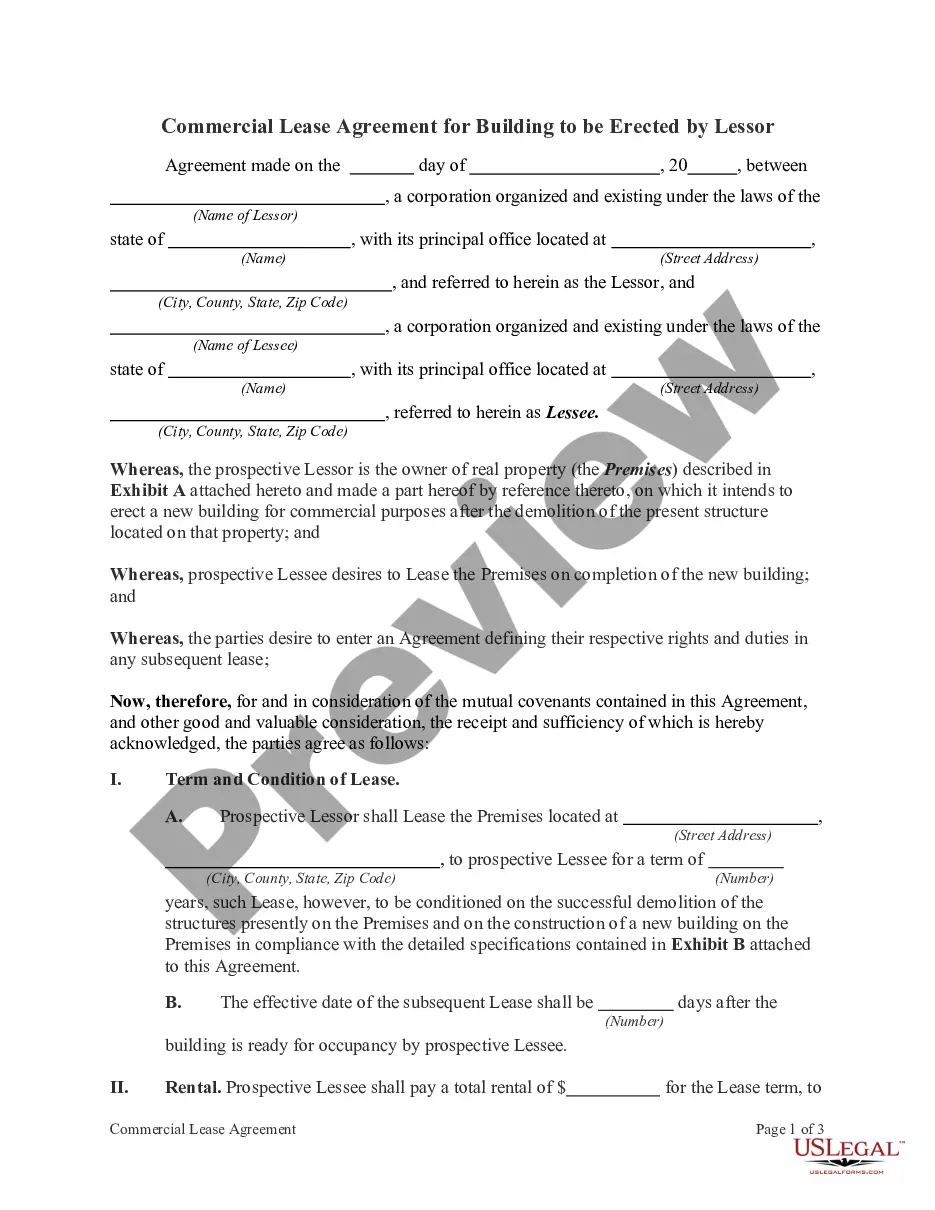
- For new users, start by viewing the form preview and descriptions. Confirm that the template aligns with your specific requirements and local laws.
- If necessary, search for alternative templates using the Search tab to find the perfect match for your situation.
- To purchase the selected document, click on the 'Buy Now' button and choose a subscription plan that fits your needs; you'll need to create an account.
- Next, complete your payment using a credit card or PayPal, then proceed to download the form.
- Finally, access your downloaded document anytime from the 'My Forms' section in your profile for easy completion.
With US Legal Forms, you're not just getting forms; you're empowered with a robust collection that far exceeds competitors. Plus, our library has been designed for ease of use, making the creation of legally sound documents a breeze.
Ready to streamline your tenant-landlord documentation? Sign up at US Legal Forms today and take advantage of expert assistance to ensure your documents are accurate and compliant.
Form popularity
FAQ
Tenant rights in Pennsylvania include the right to a safe and sanitary living environment, protection from unfair eviction, and the return of security deposits within a specified timeline. Tenants also have the right to privacy and reasonable access to their rented space. By understanding these rights, tenants can better navigate their living situations and ensure compliance with the law. Resources like uslegalforms can provide additional guidance on these rights.
In general, owners and renters have distinct rights in the tenant-landlord relationship, but it does not mean one side has more rights than the other. Owners have rights to their property, while renters have rights to privacy and a safe living space. It is essential for both parties to understand their rights to foster a respectful and functional relationship. Clarity on these rights can prevent conflicts down the line.
As a tenant in Pennsylvania, you have specific rights that protect you in the tenant-landlord dynamic. These rights include the right to a habitable living environment, privacy, and the return of your security deposit. If you encounter issues, such as an unaddressed repair need, you can take steps to assert your rights. Knowing your rights empowers you to advocate for your living conditions.
In Montana, a guest can become a tenant if they stay for more than 14 consecutive days. This change in status imposes tenant-landlord responsibilities, which includes obligations regarding rent and property care. Landlords should clearly communicate the guest policy to avoid any confusion. Understanding this timeframe helps both parties maintain a harmonious living situation.
In the tenant-landlord relationship, it is generally advisable for landlords to provide a lease to outline terms clearly. While it is not always illegal to rent without a formal lease, this can lead to disputes and misunderstandings. Without a lease, tenants may find it challenging to establish their rights and responsibilities. Therefore, it is beneficial for both parties to have a written agreement.
Landlords usually check rental history through tenant-landlord background checks, which may involve gathering information from previous landlords, rental applications, and credit reports. This thorough vetting process helps landlords identify responsible tenants and reduces the risk of future issues. Understanding how your rental history is evaluated can help you present yourself as a strong candidate.
In Kansas, you can report your landlord to the Kansas Attorney General's Office or your local housing authority if you experience unfair practices or neglect. These authorities can provide guidance on tenant rights and help resolve disputes efficiently. Knowledge of your rights as a tenant can empower you in these situations.
Negative marks on rental history can include previous evictions, late rent payments, or damages to the property. These issues can significantly impact a tenant's ability to secure a rental agreement in the future. It's important to maintain a positive rental history to foster a successful tenant-landlord relationship.
Landlords commonly use a tenant-landlord background check that assesses various aspects, including credit reports, eviction history, and criminal records. By evaluating these factors, landlords aim to mitigate risk and ensure they select reliable tenants. As a tenant, it’s wise to be aware of what landlords might see in their background checks.
Typically, most apartment background checks can look back over a period of seven years. This time frame allows landlords to gain insight into a tenant's rental history and any legal issues they might have faced. Understanding this can help you prepare for your own renting process and what information may be revealed.