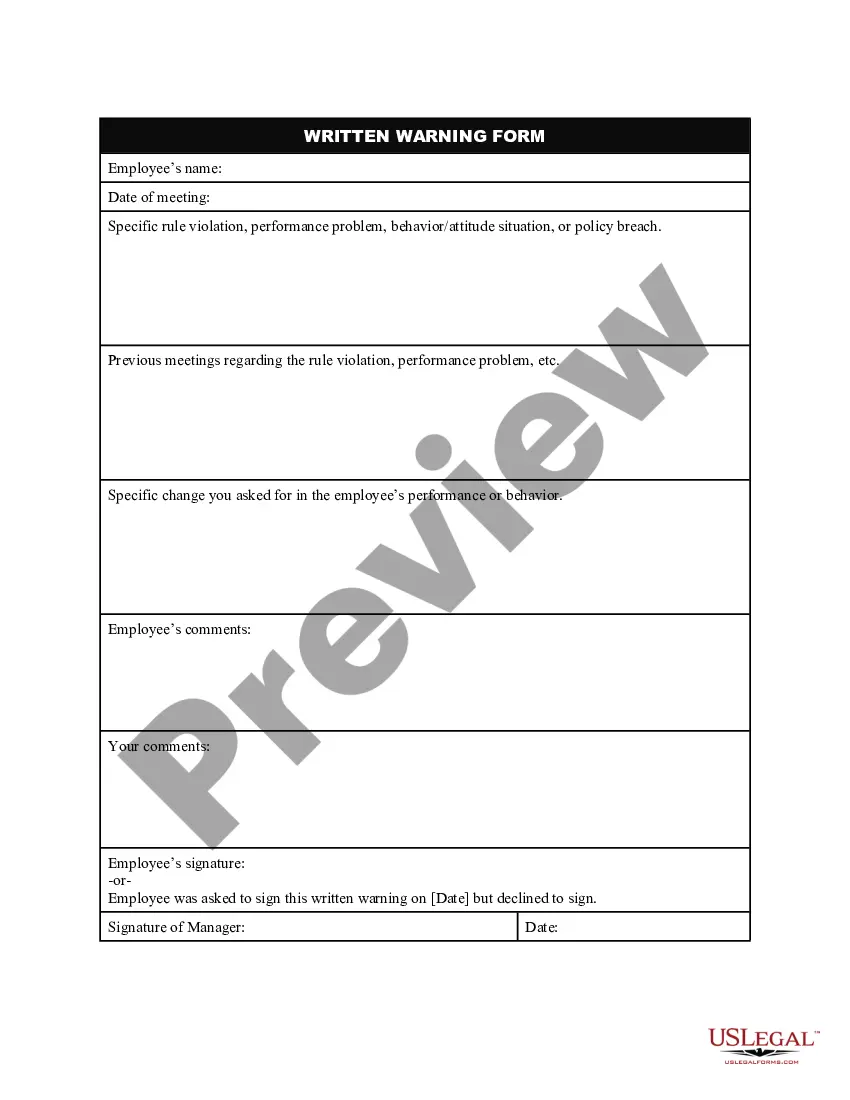
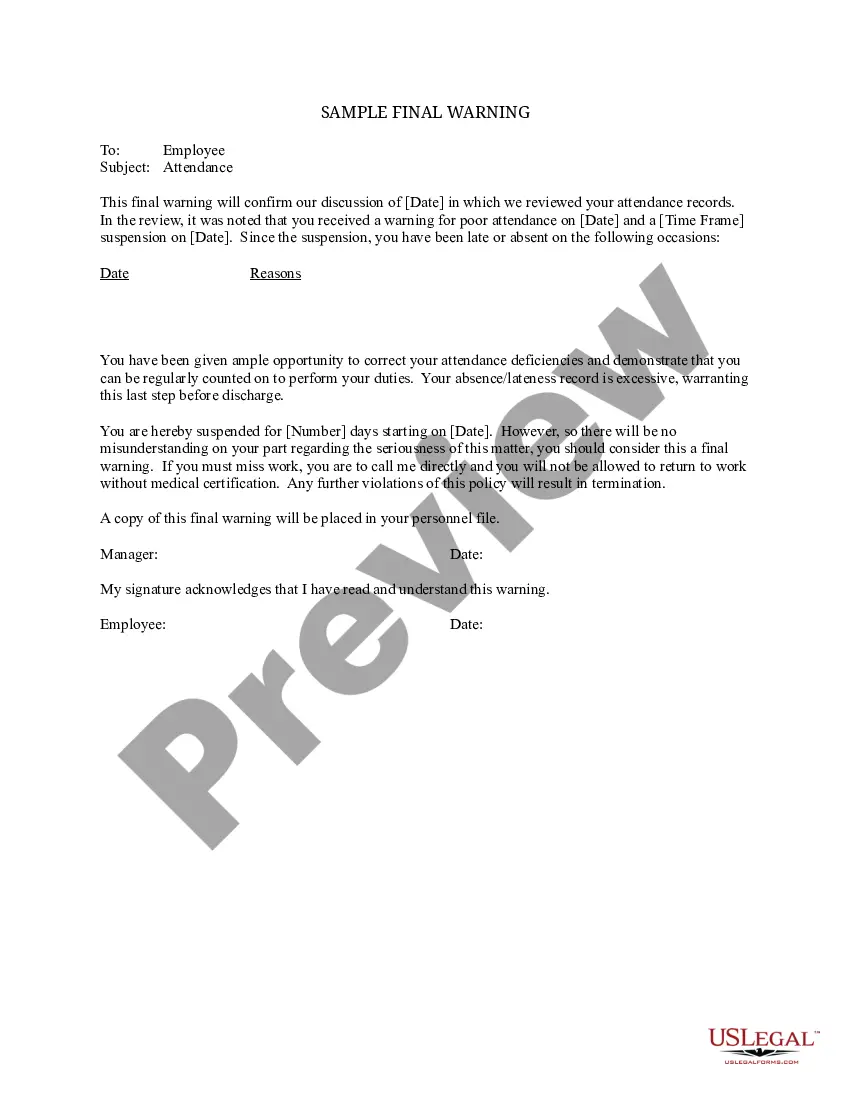
Warning Letter For Safety Non-compliance
Description
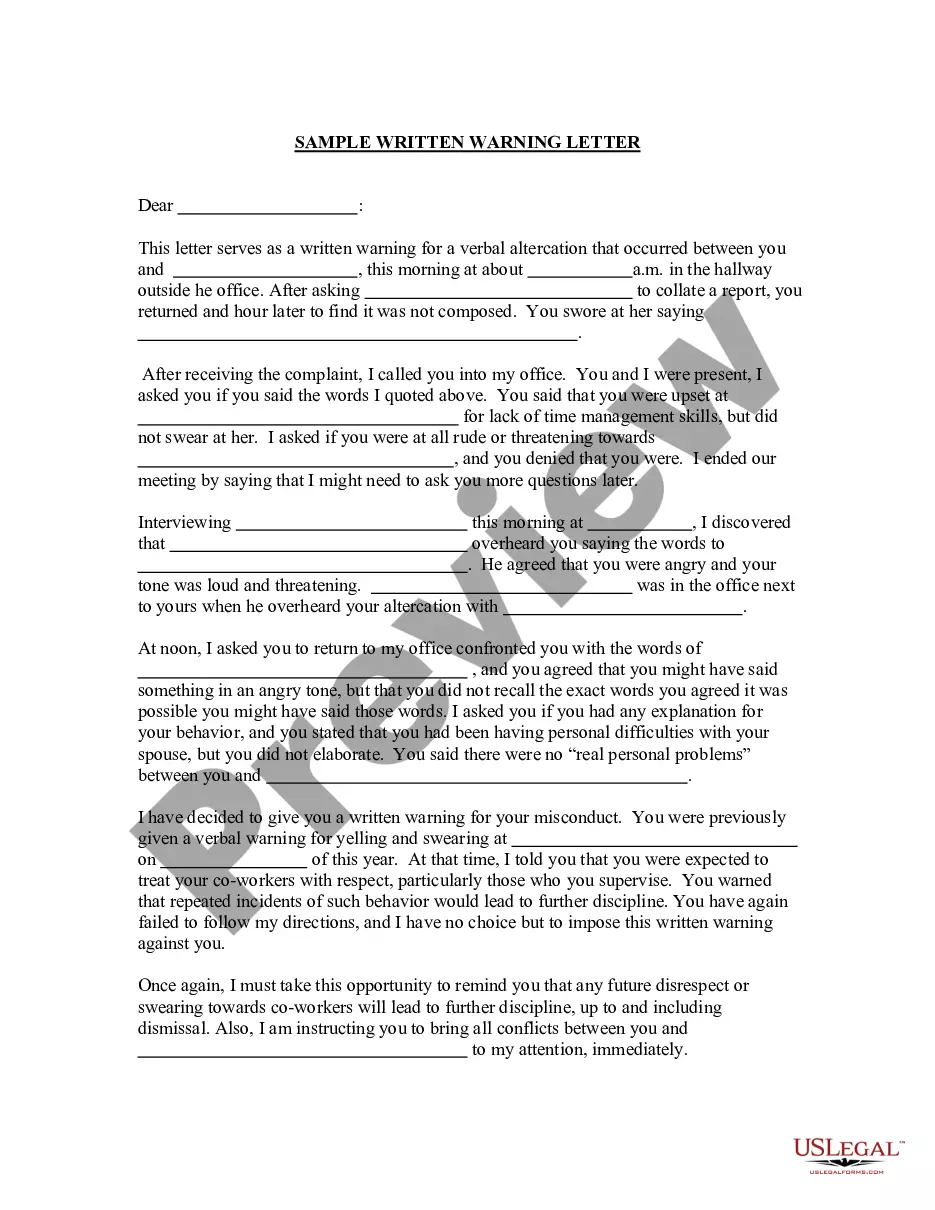
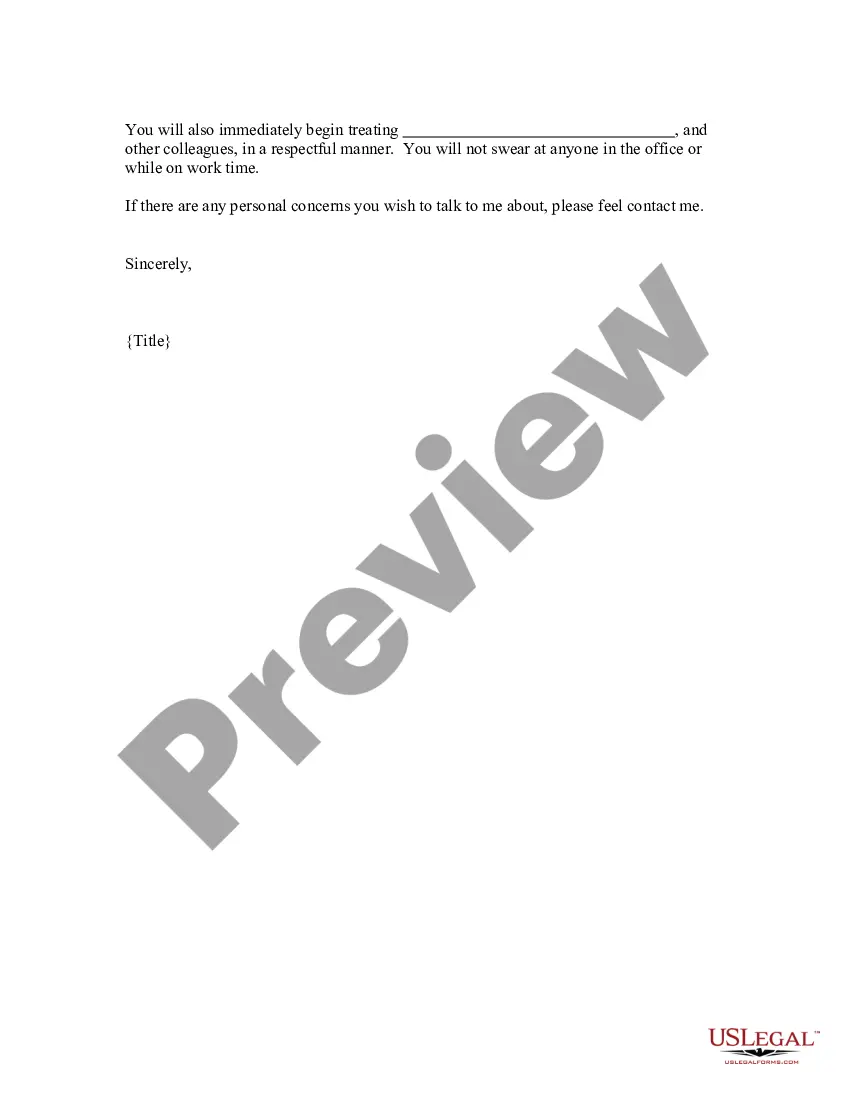
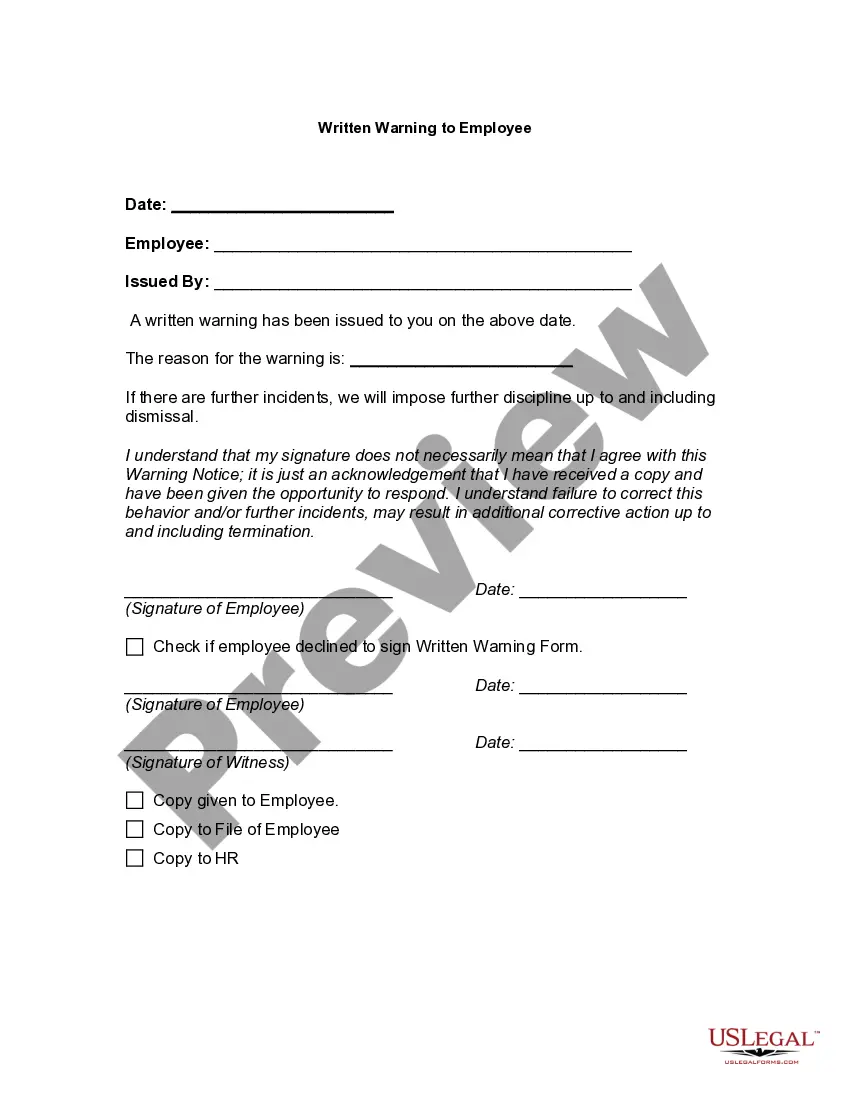
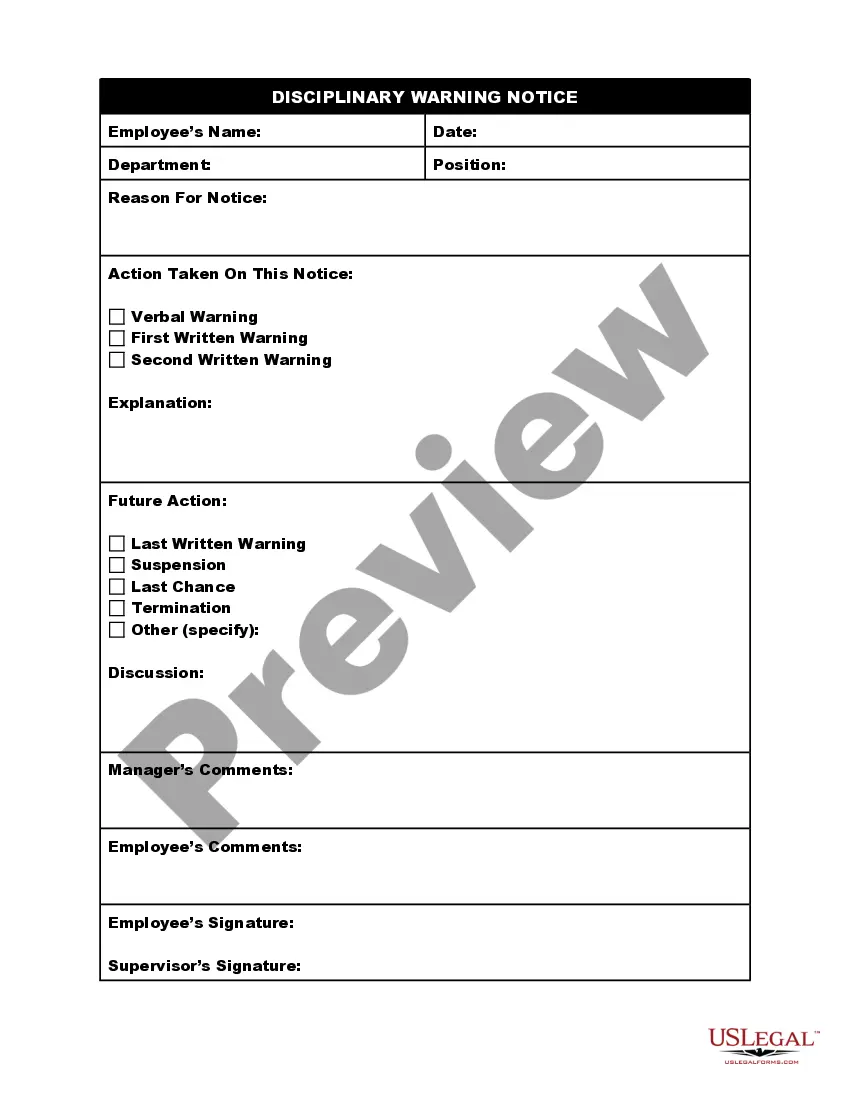
Get your form ready online
Our built-in tools help you complete, sign, share, and store your documents in one place.
Make edits, fill in missing information, and update formatting in US Legal Forms—just like you would in MS Word.
Download a copy, print it, send it by email, or mail it via USPS—whatever works best for your next step.
Sign and collect signatures with our SignNow integration. Send to multiple recipients, set reminders, and more. Go Premium to unlock E-Sign.
If this form requires notarization, complete it online through a secure video call—no need to meet a notary in person or wait for an appointment.
We protect your documents and personal data by following strict security and privacy standards.

Make edits, fill in missing information, and update formatting in US Legal Forms—just like you would in MS Word.

Download a copy, print it, send it by email, or mail it via USPS—whatever works best for your next step.

Sign and collect signatures with our SignNow integration. Send to multiple recipients, set reminders, and more. Go Premium to unlock E-Sign.

If this form requires notarization, complete it online through a secure video call—no need to meet a notary in person or wait for an appointment.

We protect your documents and personal data by following strict security and privacy standards.
Looking for another form?









How to fill out Sample Written Warning Letter?
Bureaucracy requires meticulousness and correctness.
If you don't engage with filling out forms like the Warning Letter For Safety Non-compliance regularly, it may lead to some confusions.
Selecting the appropriate example from the outset will ensure that your document submission proceeds smoothly and avoid any hassles of resending a file or repeating the same task from the start.
If you are not a subscriber, finding the needed sample requires a few extra steps.
- Acquire the correct example for your documentation at US Legal Forms.
- US Legal Forms is the largest online repository of forms, housing over 85 thousand templates across various sectors.
- You can obtain the latest and most suitable version of the Warning Letter For Safety Non-compliance by simply searching the site.
- Find, save, and download templates in your account, or review the description to confirm you possess the correct one.
- With a US Legal Forms account, it’s convenient to gather, keep in one place, and browse the templates you’ve saved for quick access.
- On the website, click the Log In button to sign in.
- Afterward, navigate to the My documents page, where your document list is kept.
- Check the descriptions of the forms and download what you need at any time.
Form popularity
FAQ
Writing an apology letter for a safety violation involves acknowledging the mistake, expressing regret, and outlining the steps you will take to prevent future occurrences. Be sincere and take responsibility, while also offering solutions to improve safety. Remember, a well-crafted warning letter for safety non-compliance can reinforce your commitment to a safe working environment and help rebuild trust with your team.
To write up an employee for disciplinary action, begin by documenting the specific incident that led to the need for action, citing relevant policies or safety violations. Clearly describe the behavior and its impact on the workplace and include the steps taken to address the situation beforehand. Incorporating a warning letter for safety non-compliance in this process can help ensure that the employee understands the seriousness of their actions and the importance of compliance.
A letter of reprimand for non-compliance serves as a formal notice addressing an individual’s failure to adhere to safety regulations or company policies. This letter should precisely detail the non-compliant behavior, its implications for safety, and any previous discussions regarding the issue. Utilizing a warning letter for safety non-compliance is crucial in maintaining workplace safety and accountability.
To write an effective safety concern letter, you should clearly state the issue, provide specific details about the unsafe condition, and indicate how it impacts employees and operations. Use a professional tone and include any potential consequences of ignoring the warning. The warning letter for safety non-compliance should also outline the expected corrective actions and deadlines to ensure swift resolution.
To write someone up for not following procedures, begin with the employee’s name and the date of the incident. Clearly outline the procedures that were not adhered to, providing context for the violation. Emphasize the potential risks associated with non-compliance, reinforcing the necessity of following established safety processes.
Writing someone up for not following directions requires a factual approach. Start with the employee’s name and the date, followed by a description of the specific directions ignored. Attach any supporting details or previous warnings, and emphasize the need for accountability to promote a safer workplace and prevent future violations.
Begin a warning letter to an employee by addressing the individual and clearly indicating the purpose of the letter. Include the specific instructions they failed to follow, along with any incidents that illustrate the pattern of non-compliance. Conclude by stating the expectations moving forward, and the importance of compliance to ensure personal and team safety.
When drafting a letter for disciplinary action, ensure you include the employee’s name, the date, and a brief description of the incident. Reference the specific policies that were violated, and explain the actions taken as a result. This letter serves as a formal documentation of the situation, reinforcing the need for compliance with safety standards.
To write a warning letter for safety non-compliance, start with a clear subject line that addresses the issue directly. Begin the letter by stating the specific instructions that were not followed, providing relevant details and examples. Clearly outline the consequences of repeated non-compliance, and emphasize the importance of adhering to safety protocols to maintain a secure work environment.
An example of a letter of concern might start with the acknowledgment of the recipient's contributions, followed by a detailed discussion of your specific concerns, such as unsafe practices or failure to comply with safety guidelines. Conclude with suggestions for improvement and an invitation for an open dialogue. This format keeps the conversation constructive and solutions-oriented, fostering a better work environment.
