California Quitclaim Deed from Individual
Overview of this form
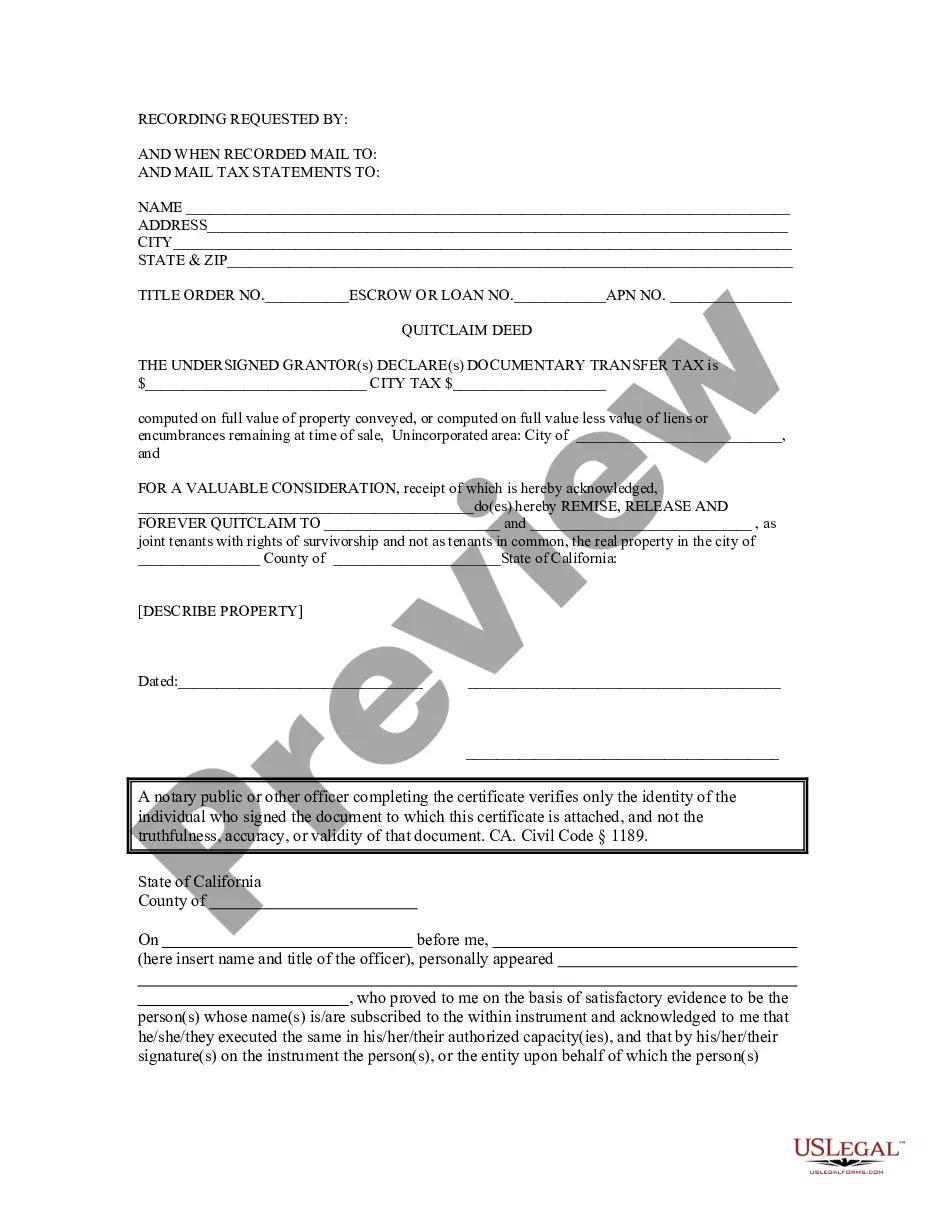
The quitclaim deed from individual is a legal document that allows one person (the grantor) to transfer their interest in a property to another individual (the grantee). Unlike other types of deeds, a quitclaim deed does not warrant that the property is free of claims or encumbrances; it simply releases whatever interest the grantor has. This makes it an efficient way to transfer property ownership when the parties know each other well, such as among family or friends.
Key parts of this document
- Identification of the grantor and grantee.
- Description of the property being transferred.
- Statement of consideration received for the property.
- Signature of the grantor.
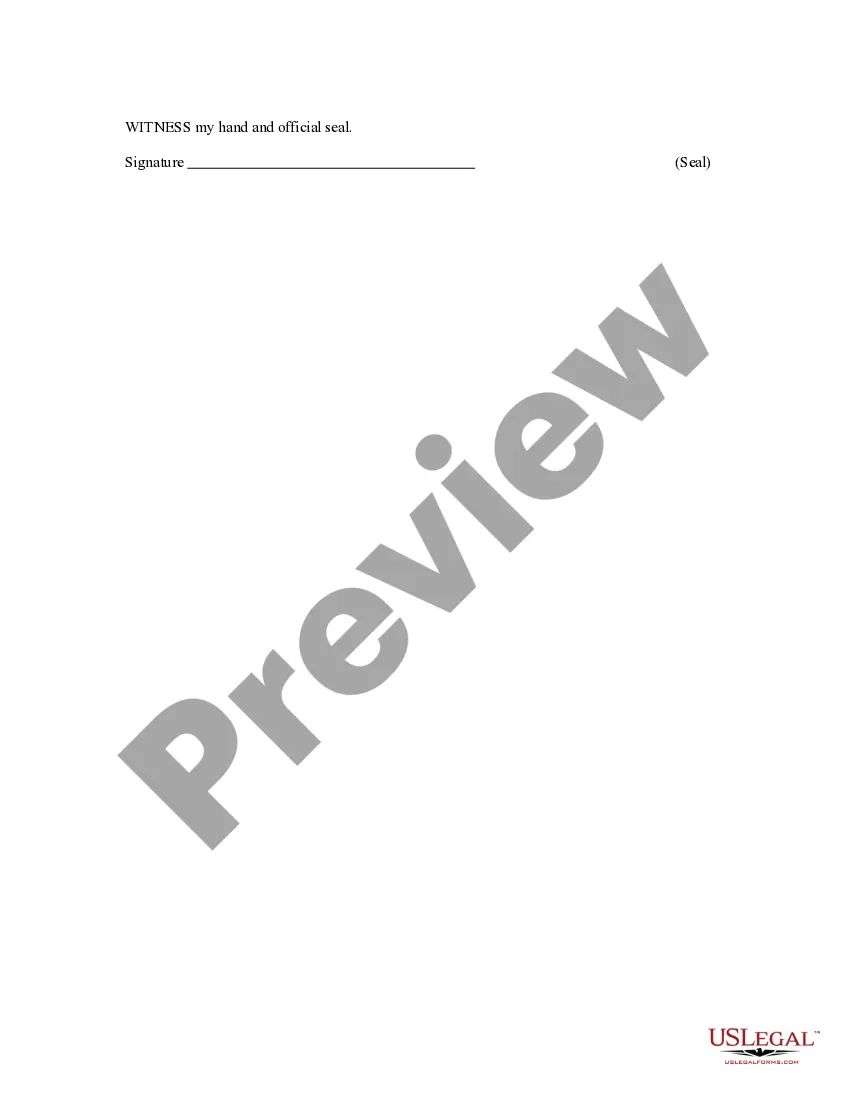
- Notarization section to verify the identity of the grantor.





When this form is needed
This form is useful in situations where property is being transferred without a sale, such as when a parent transfers a property to a child, when a couple gets divorced, or when one co-owner wants to relinquish their interest to another. A quitclaim deed can also be used in estate planning to transfer property to heirs efficiently.
Who should use this form
- Individuals looking to transfer property ownership to another person.
- Family members wishing to gift real estate to others.
- Divorcing spouses needing to transfer property interests.
- Co-owners wishing to clarify ownership among themselves.
Instructions for completing this form
- Identify the parties involved by entering the full names of the grantor and grantee.
- Provide a clear and concise legal description of the property being transferred.
- State the amount of monetary consideration given for the transfer, if applicable.
- Ensure the grantor signs the document in the appropriate section.
- Have the signature notarized to validate the transfer legally.
Notarization requirements for this form
This document requires notarization to meet legal standards. US Legal Forms provides secure online notarization powered by Notarize, allowing you to complete the process through a verified video call, available 24/7.
Get your form ready online
Our built-in tools help you complete, sign, share, and store your documents in one place.
Make edits, fill in missing information, and update formatting in US Legal Forms—just like you would in MS Word.
Download a copy, print it, send it by email, or mail it via USPS—whatever works best for your next step.
Sign and collect signatures with our SignNow integration. Send to multiple recipients, set reminders, and more. Go Premium to unlock E-Sign.
If this form requires notarization, complete it online through a secure video call—no need to meet a notary in person or wait for an appointment.
We protect your documents and personal data by following strict security and privacy standards.

Make edits, fill in missing information, and update formatting in US Legal Forms—just like you would in MS Word.

Download a copy, print it, send it by email, or mail it via USPS—whatever works best for your next step.

Sign and collect signatures with our SignNow integration. Send to multiple recipients, set reminders, and more. Go Premium to unlock E-Sign.

If this form requires notarization, complete it online through a secure video call—no need to meet a notary in person or wait for an appointment.

We protect your documents and personal data by following strict security and privacy standards.
Typical mistakes to avoid
- Failing to provide a complete and accurate property description.
- Not having the document notarized, if required.
- Leaving out signatures or dates.
- Using outdated or incorrect versions of the quitclaim deed.
Benefits of using this form online
- Convenient access to previously drafted templates.
- Easy editing to ensure all information is accurate before submission.
- Reliable formats that comply with state regulations.
- 24/7 availability for form access and completion.
Looking for another form?
Form popularity
FAQ
Yes, you can complete a California Quitclaim Deed from Individual online. Using a reliable platform like US Legal Forms simplifies the process, allowing you to fill out and file the deed from the comfort of your home. You only need to provide the necessary details about the property and the parties involved. Once completed, you can print the deed and follow the specific local filing requirements.
To transfer a deed to a family member in California, you can use a quitclaim deed, which allows for a straightforward transfer of property. Both parties should agree on the terms of the transfer, and it’s vital to complete the deed accurately to avoid any issues. USLegalForms can assist you in creating the necessary California Quitclaim Deed from Individual, making the process smooth and straightforward.
Yes, a quitclaim deed must be notarized in California to be valid. Notarization helps verify the identity of the parties involved and ensures the document is executed properly. When preparing your California Quitclaim Deed from Individual, consider using a service like USLegalForms to ensure all requirements are met, including notarization.
If a quitclaim deed is not recorded in California, the transfer of ownership may not be legally recognized against third parties. This can lead to complications if disputes arise later, such as claims on the property by other individuals. For peace of mind, make sure to record your California Quitclaim Deed from Individual at the county recorder’s office.
Individuals who need to transfer property quickly often benefit from a quitclaim deed. This document is commonly used in transactions between family members or in divorces, allowing for a swift transfer of ownership. If you are looking for an efficient way to handle property transfers, a California Quitclaim Deed from Individual can be an ideal solution.
To remove someone from a deed in California, you typically need to execute a quitclaim deed that transfers their interest to you or another party. You should obtain consent from the person you wish to remove, as it is important for both parties to agree on the change. Consider using USLegalForms for guidance to ensure your California Quitclaim Deed from Individual is properly prepared and filed.
In California, anyone can prepare a quitclaim deed, but it is often recommended that you work with a qualified professional, such as an attorney or a title company. This ensures that the document meets all legal requirements and protects your interests. Using a reputable service like USLegalForms can simplify the process and help ensure your California Quitclaim Deed from Individual is completed correctly.
To execute a quitclaim deed in California, you need to create the document that includes the names of the grantor and grantee, as well as a clear description of the property. Signing the California Quitclaim Deed from Individual requires notarization, ensuring authenticity. After signing, you will need to file the deed with the county recorder's office to make the transfer official. Using platforms like uslegalforms can help simplify this process by providing templates and instructions tailored to your needs.
Yes, you can remove a co-owner from a property deed in California, usually by filing a California Quitclaim Deed from Individual. This type of deed allows one owner to transfer their interest in the property to another party, effectively removing them from the ownership. However, be aware that the remaining owner or owners may need to sign off on this transfer, and legal advice can be helpful to navigate potential disputes. Always ensure the deed is properly recorded for your protection.
When you add someone to a deed in California, it can have significant tax implications, especially concerning property taxes. In many cases, this transfer may trigger reassessment, which can increase the property tax value. Utilizing a California Quitclaim Deed from Individual can simplify this transaction, but you should always consult a tax professional to understand how it affects your specific situation. Staying informed ensures that you make decisions that align with your financial goals.