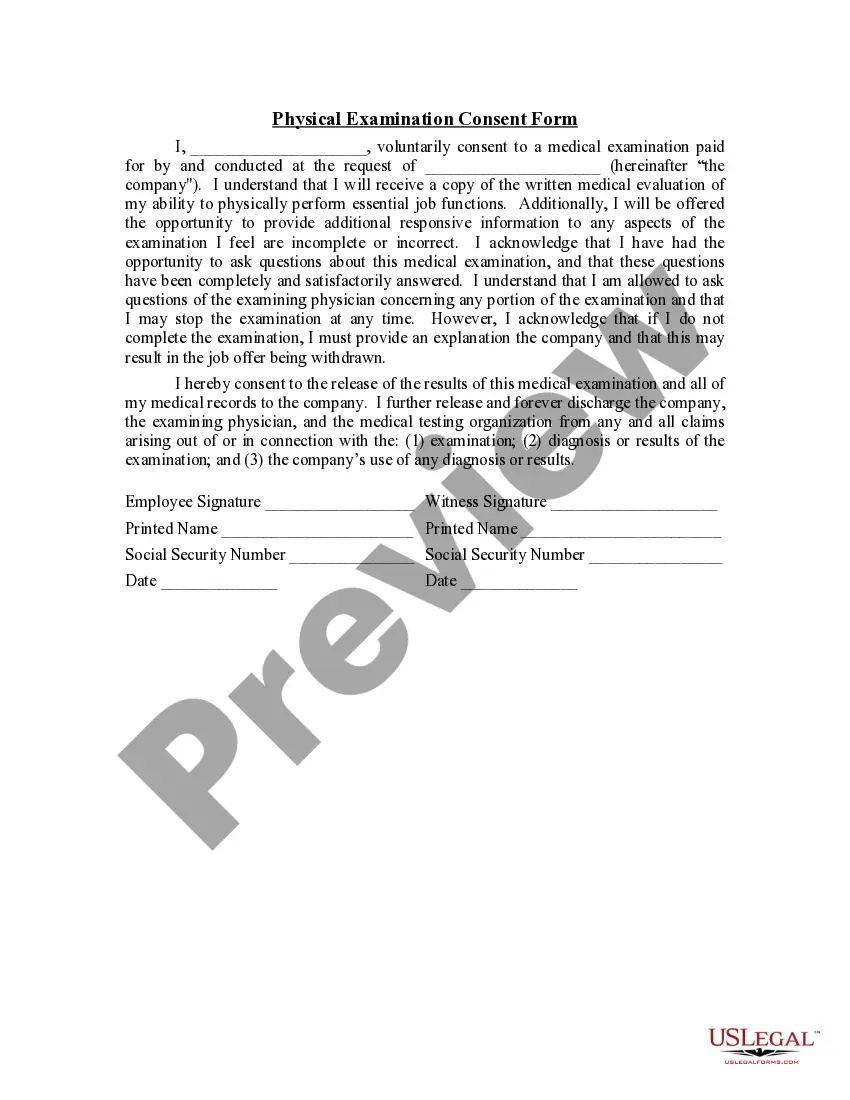
Physical Consent Form For Students
Description
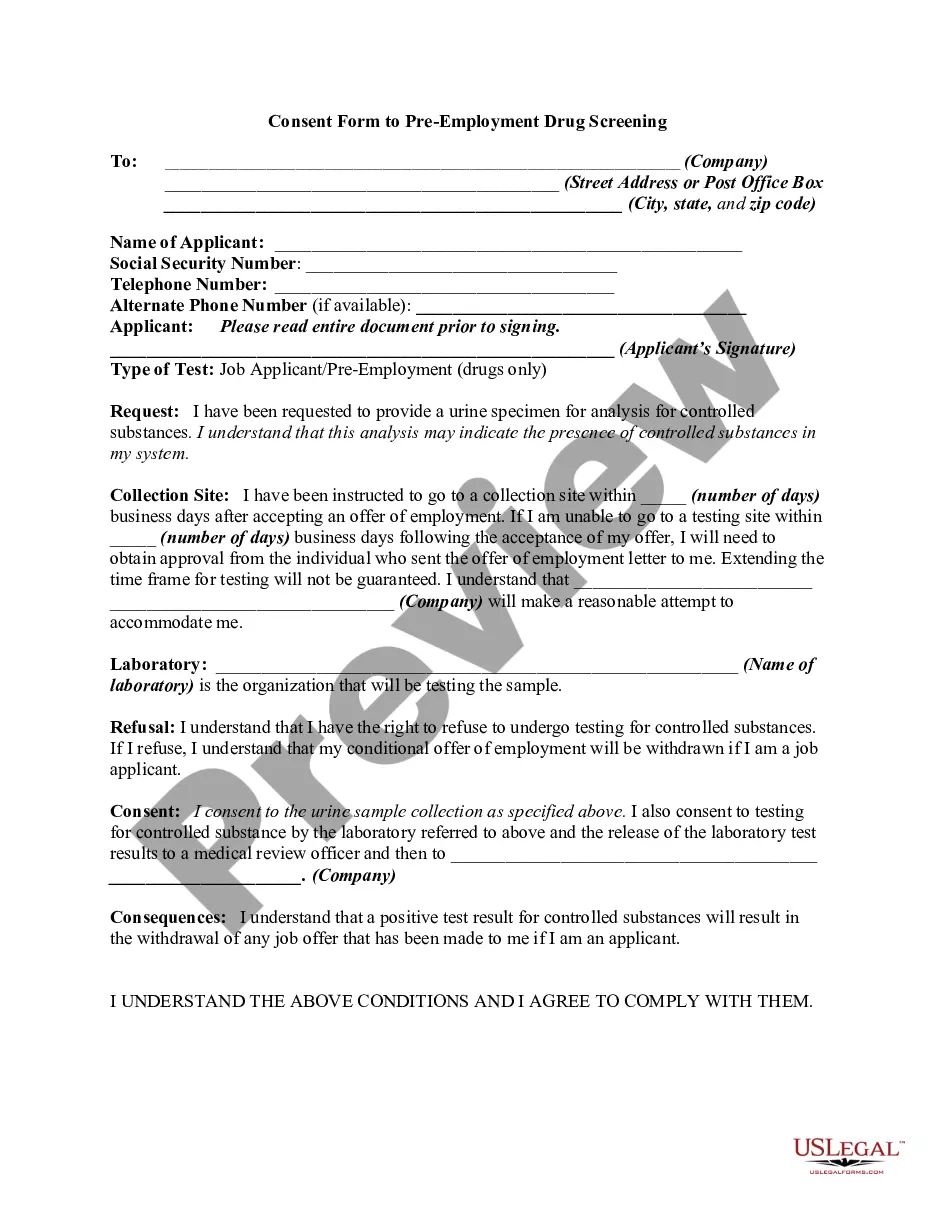
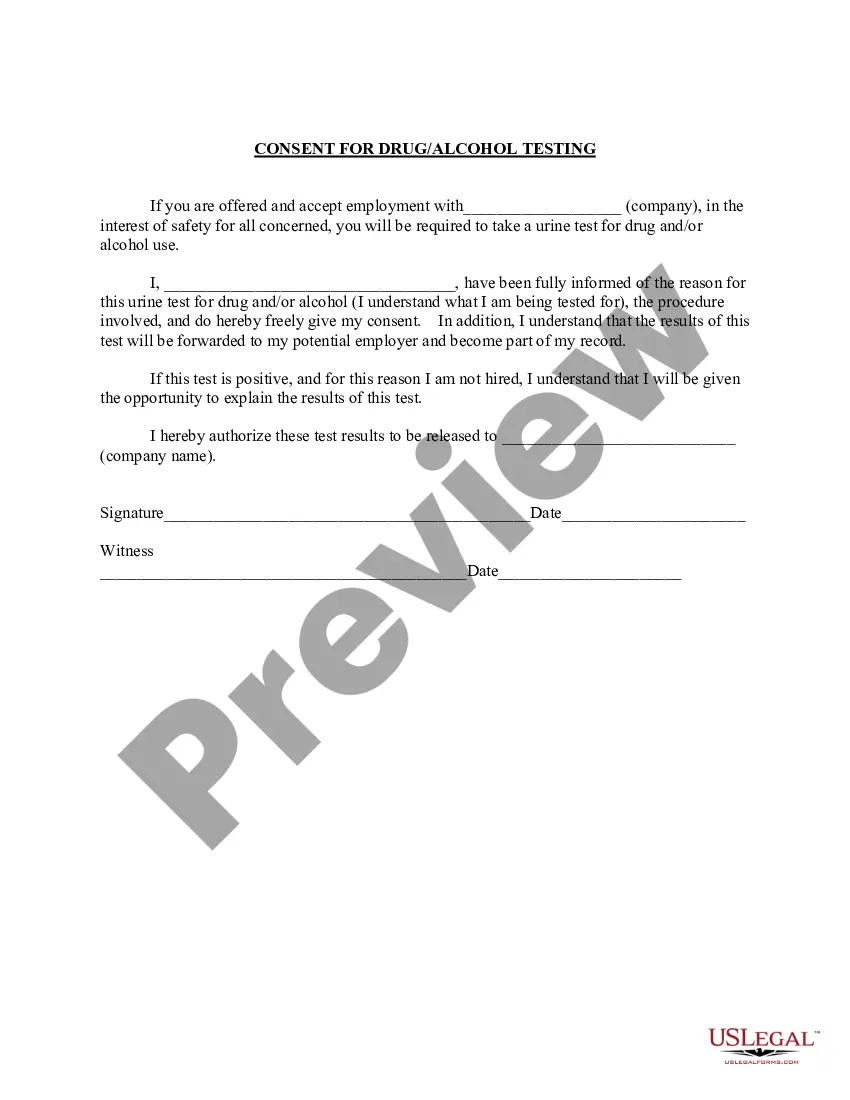
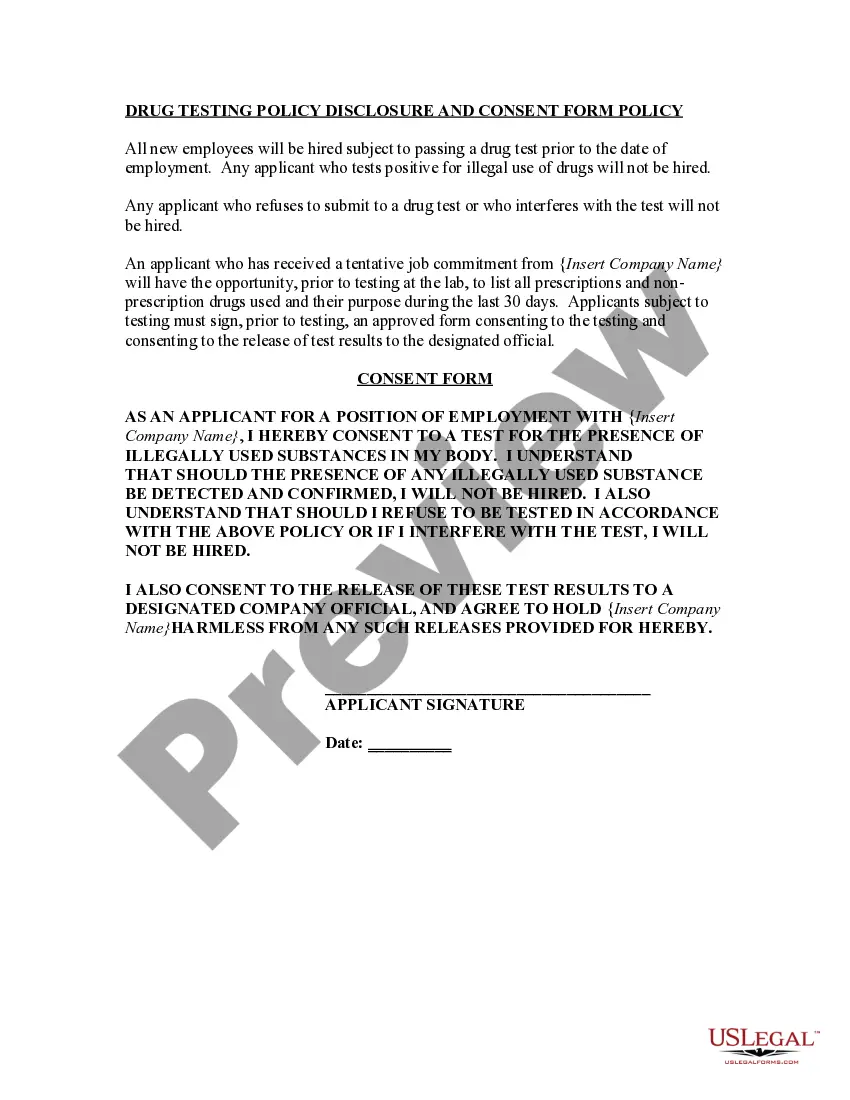
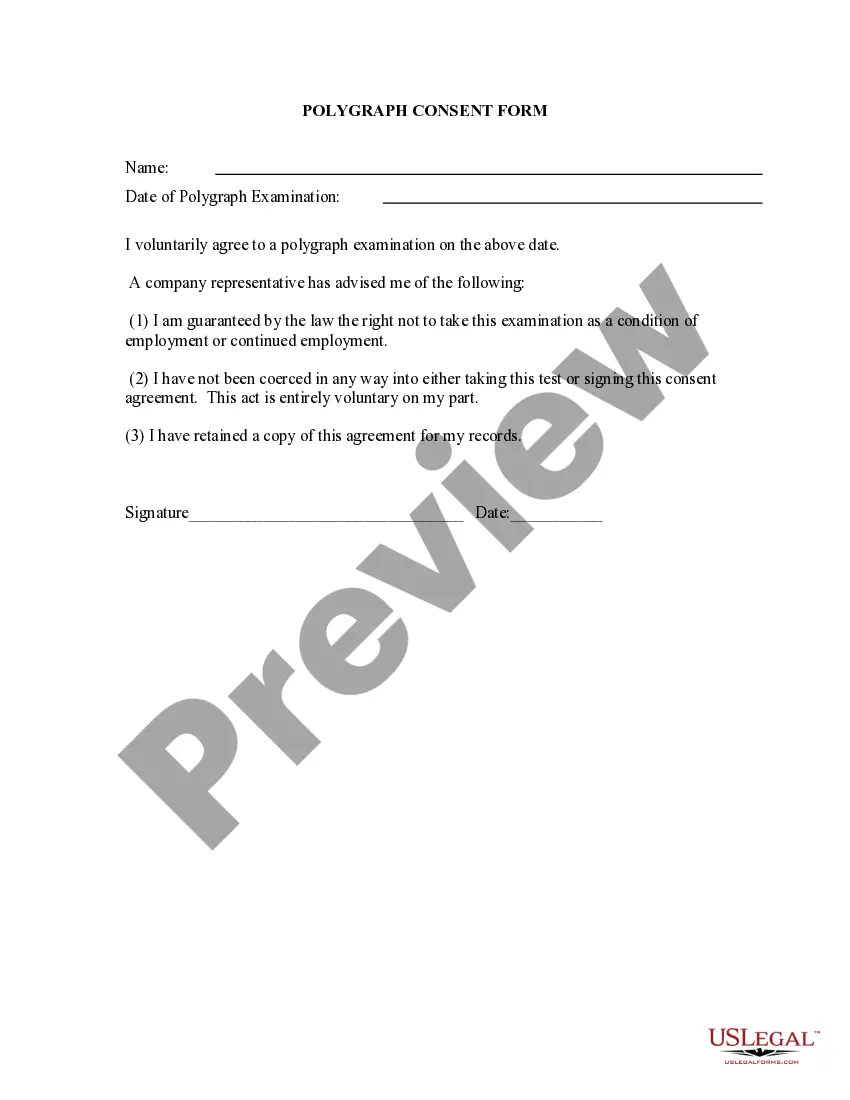




How to fill out Physical Examination Consent Form?
Whether for professional reasons or personal affairs, everyone must handle legal matters at some point in their lives.
Completing legal documentation requires meticulous attention, starting from choosing the appropriate form template.
Once downloaded, you can fill out the form using editing software or print it and complete it manually. With a comprehensive US Legal Forms catalog available, you don't have to waste time searching online for the right sample. Take advantage of the library's easy navigation to find the suitable template for any situation.
- Obtain the template you need by using the search bar or browsing the catalog.
- Review the form's details to ensure it aligns with your situation, state, and location.
- Click on the form's preview to inspect it.
- If it is not the correct form, return to the search feature to locate the Physical Consent Form For Students template you need.
- Download the template if it meets your requirements.
- If you already possess a US Legal Forms account, click Log in to access previously saved documents in My documents.
- If you do not yet have an account, you can acquire the form by clicking Buy now.
- Select the appropriate pricing option.
- Complete the profile registration form.
- Choose your payment method: you can opt for a credit card or PayPal.
- Select the file format you prefer and download the Physical Consent Form For Students.
Form popularity
FAQ
Filling out a physical consent form for students involves completing specific sections, which usually include participant details and conditions of consent. Ensure each part is filled in accurately, as this validates the consent and serves as an official record. Encourage guardians to read through the terms before signing to ensure clarity and understanding.
I consent to participate in the research project and the following has been explained to me: the research may not be of direct benefit to me. my participation is completely voluntary. my right to withdraw from the study at any time without any implications to me.
Drafting tips for preparing consent forms: Divide sentences into two when necessary. Keep paragraphs short and limited to one idea. Use active verbs. Use the second person (you) not third person (the participant) to increase personal identification.
The consent form provides potential research subjects sufficient written information to decide whether to participate in a research study or not based on an explanation of the proposed research and the nature of the participation that is requested of them.
Write directly to the reader, as though you are explaining the facts in person. Informed consent language should be written in the second person (?you?), not in the first person (?I?). Minimize passive voice to the extent possible.
The consent form must state that participation is voluntary and that refusal to participate will not result in any penalty or any loss of benefits that the person is otherwise entitled to receive.