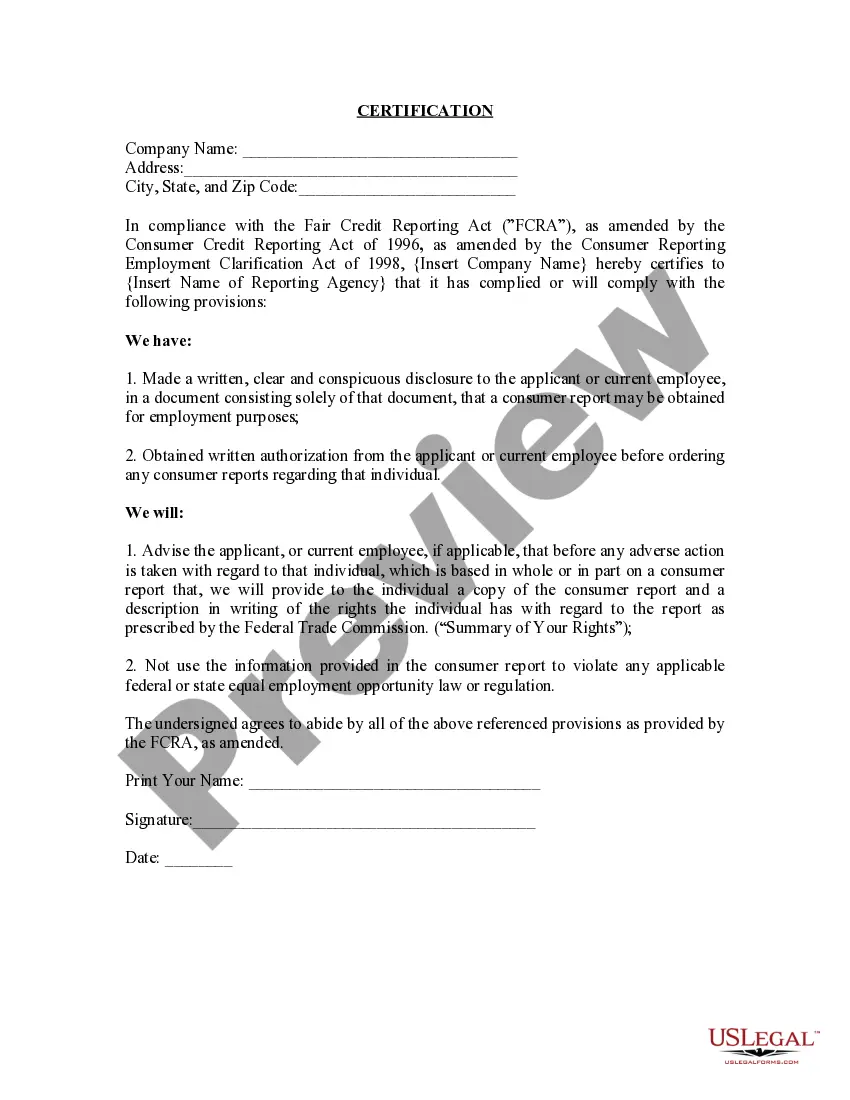
Fcra For Employment Purposes
Description
Get your form ready online
Our built-in tools help you complete, sign, share, and store your documents in one place.
Make edits, fill in missing information, and update formatting in US Legal Forms—just like you would in MS Word.
Download a copy, print it, send it by email, or mail it via USPS—whatever works best for your next step.
Sign and collect signatures with our SignNow integration. Send to multiple recipients, set reminders, and more. Go Premium to unlock E-Sign.
If this form requires notarization, complete it online through a secure video call—no need to meet a notary in person or wait for an appointment.
We protect your documents and personal data by following strict security and privacy standards.

Make edits, fill in missing information, and update formatting in US Legal Forms—just like you would in MS Word.

Download a copy, print it, send it by email, or mail it via USPS—whatever works best for your next step.

Sign and collect signatures with our SignNow integration. Send to multiple recipients, set reminders, and more. Go Premium to unlock E-Sign.

If this form requires notarization, complete it online through a secure video call—no need to meet a notary in person or wait for an appointment.

We protect your documents and personal data by following strict security and privacy standards.
Looking for another form?







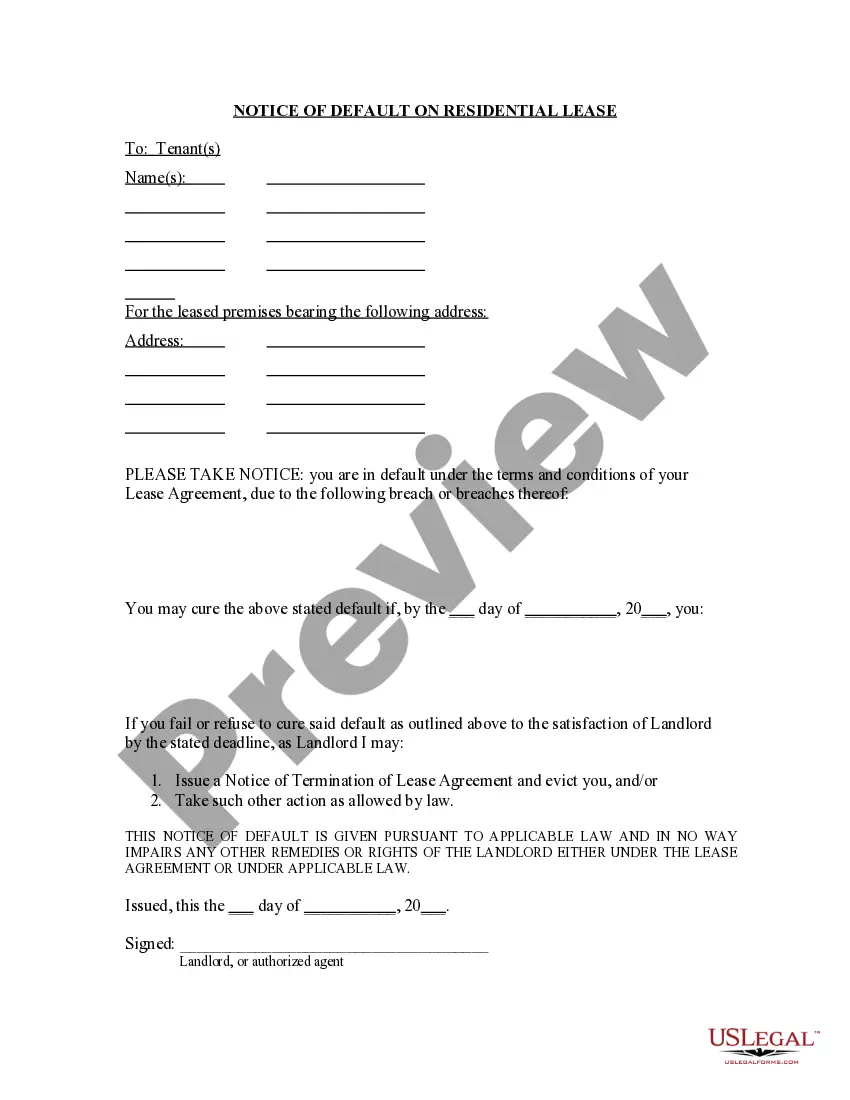
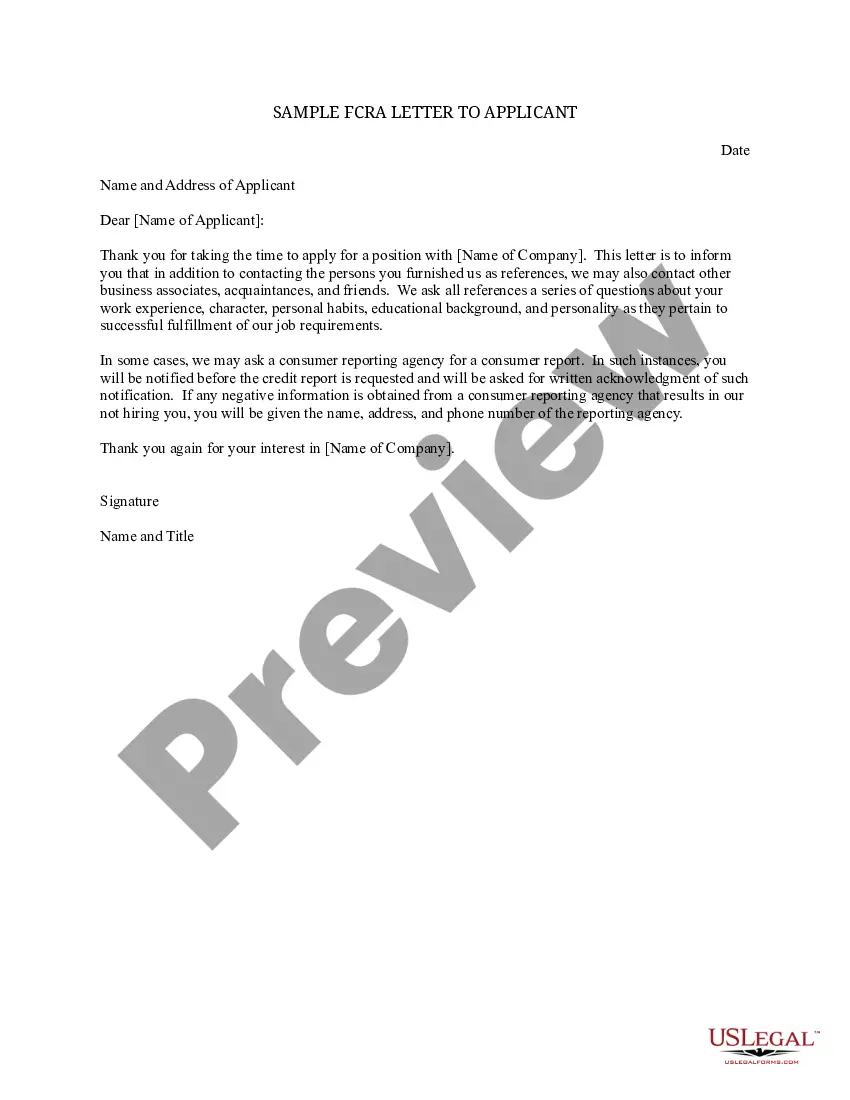
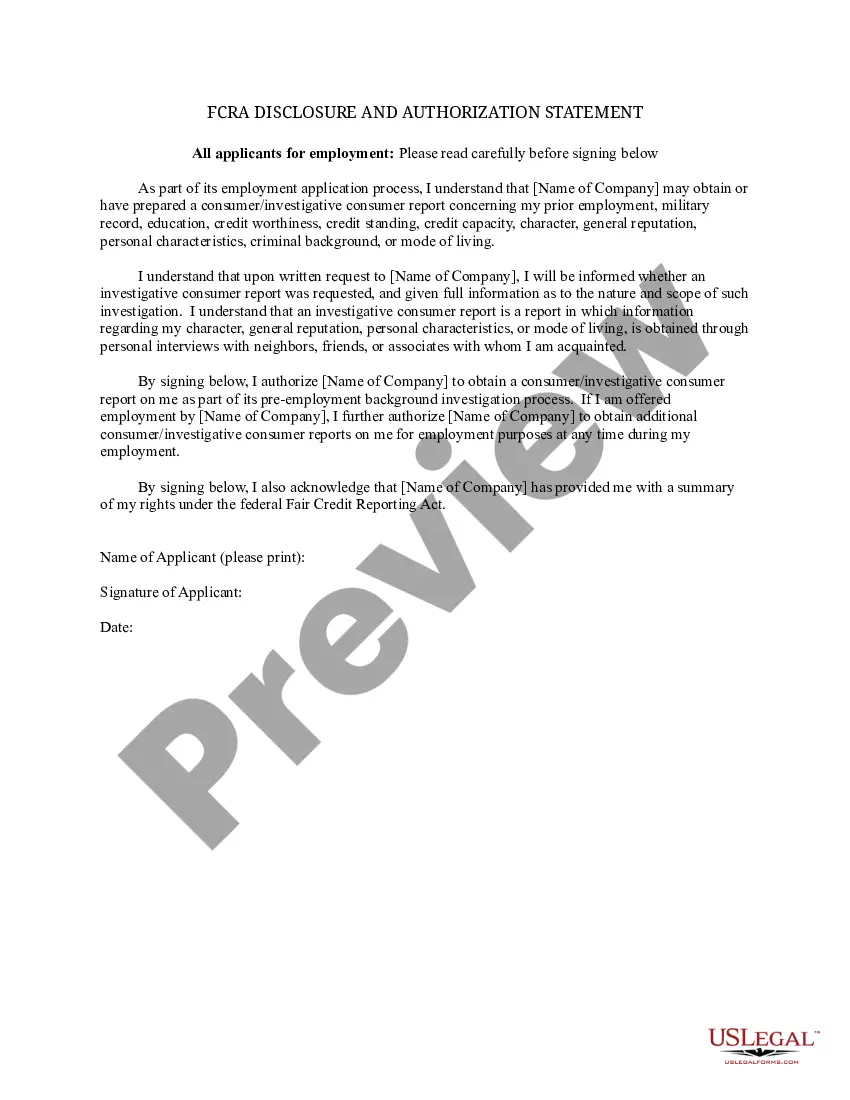
How to fill out FCRA Certification Letter To Consumer Reporting Agency?
- If you are an existing user, start by logging in to your account. Verify that your subscription is active; if not, renew it.
- For first-time users, begin by exploring the Preview mode and form description to determine the appropriate document for your needs, ensuring it aligns with your local jurisdiction.
- Should you need additional templates, use the Search tab at the top of the page to find alternatives that meet your requirements.
- Once you have identified the correct document, click on the Buy Now button and select your desired subscription plan. Be sure to create an account to gain full access.
- Complete your purchase by entering your payment details via credit card or PayPal, finalizing your subscription.
- Finally, download the completed form to your device. You can also find it anytime in the My Forms section of your profile.
Following these steps will ensure that you have easy access to essential FCRA documents for employment purposes, allowing you to stay compliant and informed.
Empower yourself with US Legal Forms today and simplify your legal document processes. Get started and explore our extensive library!
Form popularity
FAQ
Permissible purposes under the FCRA include using consumer reports for employment, insurance, credit, and other related purposes that require a background check. Employers can only access these reports if they have a legitimate reason and the candidate's consent. Understanding these permissible purposes is vital for businesses to ensure they use the FCRA for employment purposes ethically and legally.
FCRA requirements for employers include notifying applicants when a background check will be conducted, securing written consent, and providing a clear process for candidates to dispute any negative information. Employers must also provide a notice if they decide not to hire someone based on the information obtained. Meeting these requirements is crucial for employers who wish to maintain compliance and uphold fair hiring practices.
FCRA compliance for employers involves following specific guidelines when screening job candidates, including obtaining their consent before accessing consumer reports. Employers must also inform candidates if they take adverse action based on the information in these reports. By adhering to FCRA requirements, employers not only protect themselves legally but also foster an atmosphere of trust and respect with their potential employees.
The Fair Credit Reporting Act (FCRA) for HR refers to the regulations governing how employers can use consumer reports during the hiring process. This law ensures that potential employees are treated fairly when employers obtain their credit histories or background checks for employment purposes. Understanding the FCRA is essential for HR professionals to comply with legal standards and to promote transparency with candidates.
The permissible purpose of an FCRA background check includes verifying an applicant’s identity, work history, and qualifications. Employers can use this information to ensure they are making informed hiring decisions. It is essential that these checks are conducted with the applicant’s consent and transparency.
The FCRA for employment purposes refers specifically to regulatory guidelines ensuring that credit reports are used fairly and responsibly in hiring decisions. Employers must follow these rules to protect applicants’ rights and maintain compliance. Understanding the FCRA helps both employers and applicants navigate the employment process smoothly.
Yes, credit reports can be used for employment purposes, subject to strict regulations. Employers must obtain consent from job applicants, ensuring transparency in the hiring process. The FCRA governs this practice, emphasizing that candidates should be informed about the credit report’s role in their employment evaluation.
The permissible purposes of the FCRA extend beyond employment; they also encompass credit transactions, tenant screening, and insurance underwriting. Organizations must ensure their requests align with legal guidelines. This is crucial for maintaining consumer trust and compliance with the law.
Permissible purposes under the FCRA include obtaining credit reports for employment, tenant screening, and underwriting insurance. Employers may request these reports only when they have a legitimate reason to assess an individual’s qualifications. It's vital to inform candidates about the use of their credit information in employment decisions.
The Fair Credit Reporting Act (FCRA) permits various uses of consumer information. It primarily allows the collection and use of credit reports for legal purposes, which include background checks and employment assessments. Employers must obtain consent from applicants before accessing their credit reports for employment purposes.