Fcra For Dummies
Description
Get your form ready online
Our built-in tools help you complete, sign, share, and store your documents in one place.
Make edits, fill in missing information, and update formatting in US Legal Forms—just like you would in MS Word.
Download a copy, print it, send it by email, or mail it via USPS—whatever works best for your next step.
Sign and collect signatures with our SignNow integration. Send to multiple recipients, set reminders, and more. Go Premium to unlock E-Sign.
If this form requires notarization, complete it online through a secure video call—no need to meet a notary in person or wait for an appointment.
We protect your documents and personal data by following strict security and privacy standards.

Make edits, fill in missing information, and update formatting in US Legal Forms—just like you would in MS Word.

Download a copy, print it, send it by email, or mail it via USPS—whatever works best for your next step.

Sign and collect signatures with our SignNow integration. Send to multiple recipients, set reminders, and more. Go Premium to unlock E-Sign.

If this form requires notarization, complete it online through a secure video call—no need to meet a notary in person or wait for an appointment.

We protect your documents and personal data by following strict security and privacy standards.
Looking for another form?





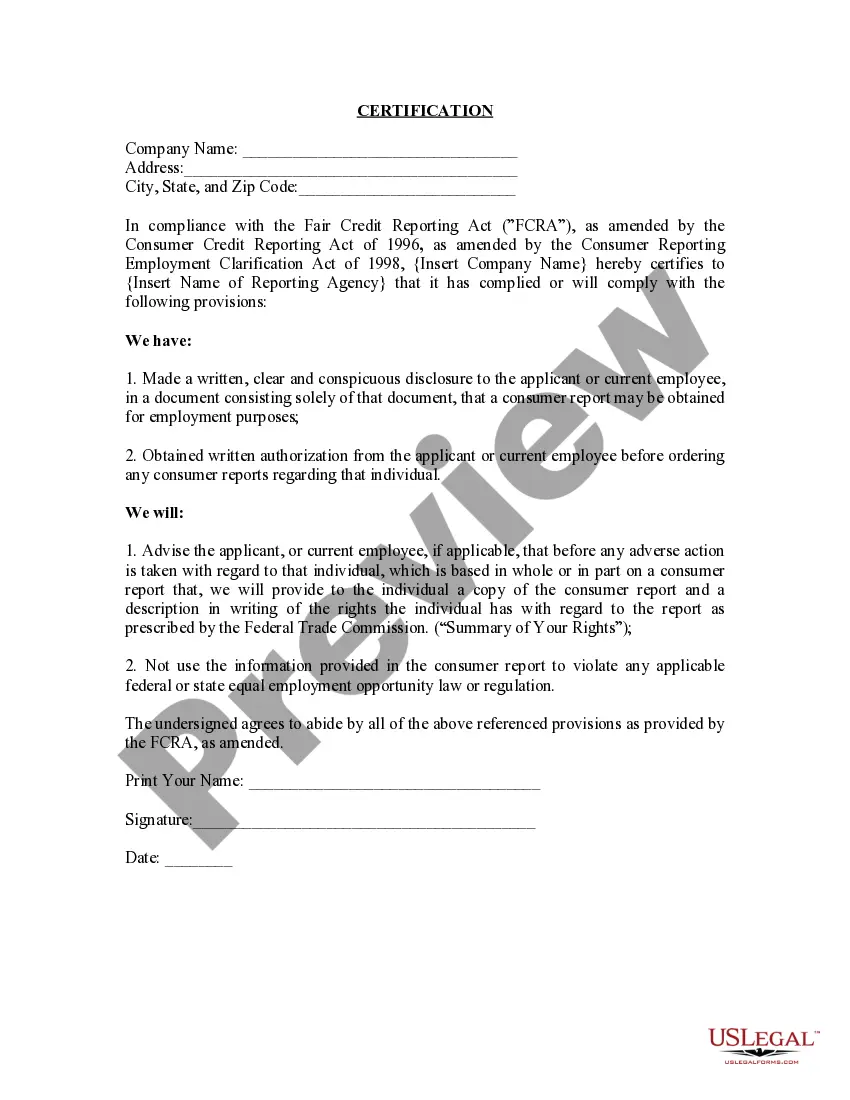
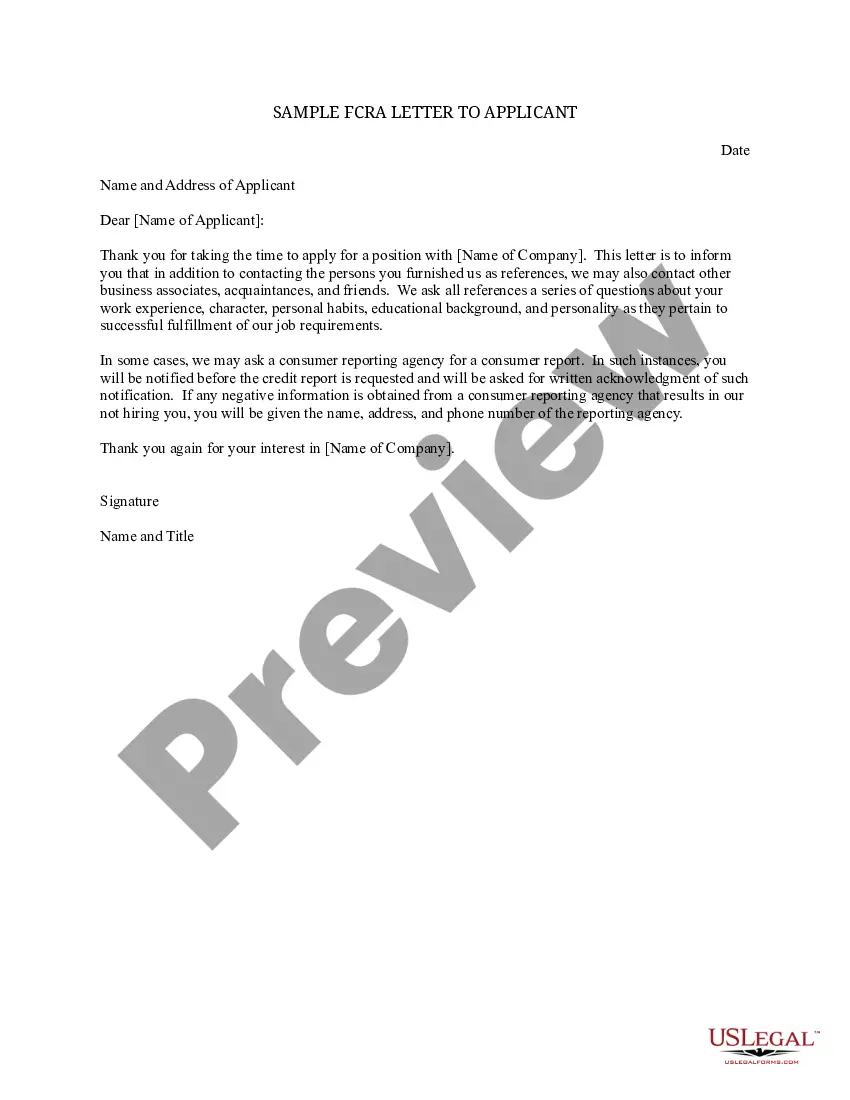
How to fill out FCRA Certification Letter To Consumer Reporting Agency?
- If you already have an account with US Legal Forms, log in and download the required form by simply clicking the Download button. Ensure your subscription is active or renew it as needed.
- For first-time users, start by browsing the available templates. Use the Preview mode and verify that the description aligns with your requirements and local jurisdiction.
- If you find discrepancies in the template, utilize the Search feature to locate a more suitable form. Confirm it fits your needs before proceeding.
- Purchase the document by hitting the Buy Now button and choose a subscription plan that suits you. Registration for an account is necessary to access the extensive library.
- Complete your payment by entering your credit card information or utilizing your PayPal account for a secure transaction.
- After your purchase, download the form to your device. You can access it anytime through the My Forms section of your profile for easy completion.
In conclusion, US Legal Forms offers a robust collection of legal documents that simplifies the process for individuals and attorneys alike. With easy access to over 85,000 forms and expert assistance, you can ensure your paperwork is both precise and legally compliant.
Take the first step towards managing your legal documents with confidence; explore US Legal Forms today!
Form popularity
FAQ
The Fair Credit Billing Act, often confused with the FCRA for dummies, governs the billing process and consumer rights relating to charges made to credit cards. In simple terms, it protects consumers from unfair billing practices and allows them to dispute charges under certain conditions. Understanding this act can help you manage your credit card accounts and resolve issues efficiently.
The basics of the FCRA for dummies include understanding your rights regarding credit reporting, such as the right to access your credit report and the ability to dispute invalid information. This act also covers how long different types of information can stay on your report and what constitutes permissible purpose for accessing your credit data. Knowing these basics allows you to navigate the credit landscape more effectively.
Under the FCRA, agencies can collect and share information about your credit history, but they must follow strict guidelines to protect your privacy. For example, they must obtain your permission before providing your report to potential creditors. Familiarizing yourself with what is allowed under the FCRA for dummies can empower you to take control of your credit information.
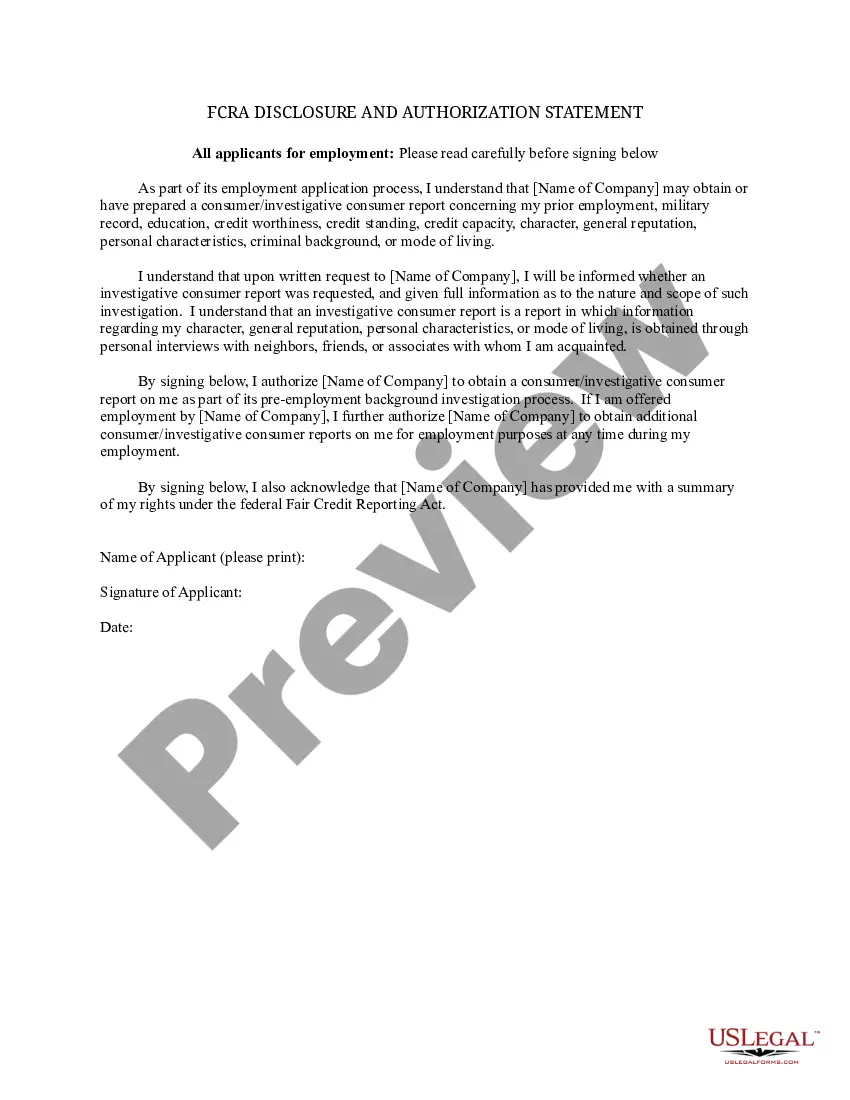
In simple terms, the Fair Credit Reporting Act, or FCRA for dummies, is a law that sets rules for how credit reporting agencies can collect and use consumer information. It grants consumers the right to access their credit reports and dispute incorrect data. This law serves to protect you by ensuring fair practices and holding agencies accountable.
The 7 year rule under the FCRA for dummies indicates that most negative information, such as late payments or bankruptcies, can remain on your credit report for up to seven years. After this period, the information should typically be removed, improving your creditworthiness. Knowing this rule can help you understand how long past mistakes may affect your credit profile.
The Fair Credit Act, commonly referred to as the FCRA for dummies, is a federal law designed to promote the accuracy and privacy of consumer information held by credit reporting agencies. It aims to ensure that individuals have access to their credit reports and the ability to dispute inaccuracies. By understanding the FCRA, you can better manage your credit and address any errors that may arise.
The FCRA requires that a consumer report agency submit an annual return within 30 days to consumers who request it. This annual return helps consumers understand their credit reports and identify any potential inaccuracies. Keeping track of this important requirement is vital for anyone learning about the FCRA for dummies, ensuring they remain informed and protected.
Key FCRA requirements include consumer consent before accessing credit reports and providing consumers with the right to dispute inaccurate information. Organizations must notify consumers when they take adverse actions based on credit report data. Grasping these essentials offers a helpful overview of the FCRA for dummies seeking to navigate the credit reporting landscape effectively.
The most important reporting requirement under the FCRA revolves around maintaining accurate consumer information. Specifically, credit reporting agencies must ensure that the information they provide is fair and accurate. This means regularly updating and correcting any discrepancies. Understanding this requirement is essential for anyone looking to grasp the FCRA for dummies.
The FCRA prohibits several practices to protect consumers, such as including inaccurate or outdated information on credit reports. It also restricts access to your credit information without your consent, ensuring your privacy is respected. Familiarizing yourself with the FCRA for dummies enables you to recognize your rights and take action against any violations you may encounter.