Limited Liability Companies File For Tax
Description
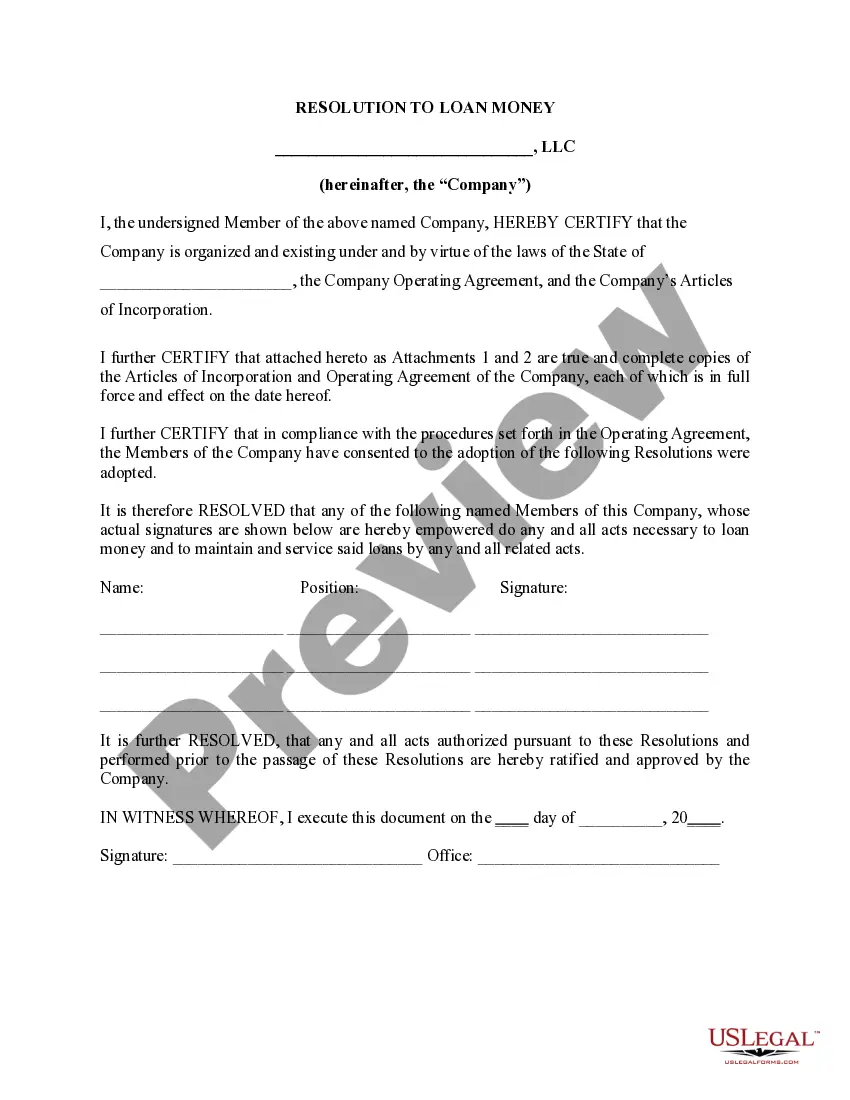
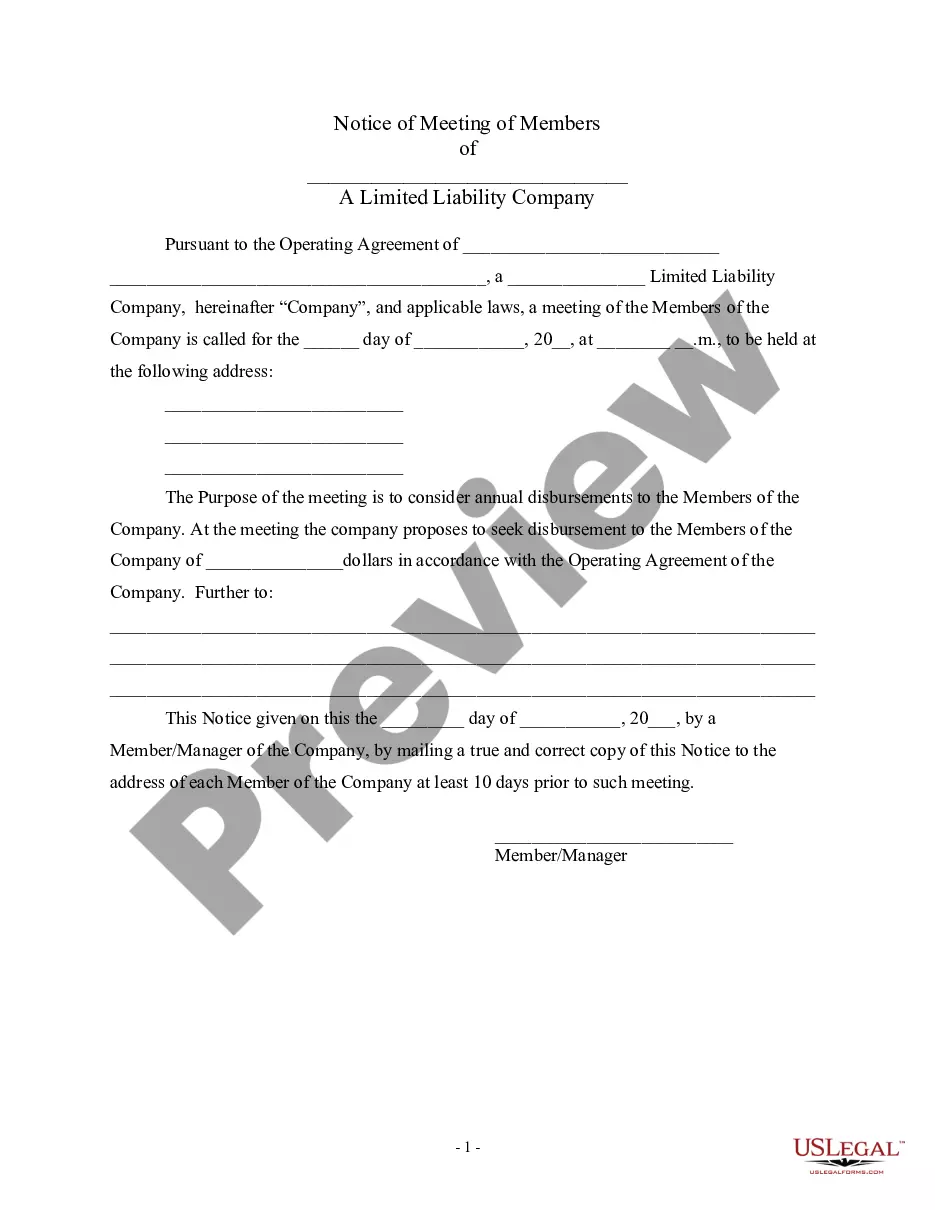
Get your form ready online
Our built-in tools help you complete, sign, share, and store your documents in one place.
Make edits, fill in missing information, and update formatting in US Legal Forms—just like you would in MS Word.
Download a copy, print it, send it by email, or mail it via USPS—whatever works best for your next step.
Sign and collect signatures with our SignNow integration. Send to multiple recipients, set reminders, and more. Go Premium to unlock E-Sign.
If this form requires notarization, complete it online through a secure video call—no need to meet a notary in person or wait for an appointment.
We protect your documents and personal data by following strict security and privacy standards.

Make edits, fill in missing information, and update formatting in US Legal Forms—just like you would in MS Word.

Download a copy, print it, send it by email, or mail it via USPS—whatever works best for your next step.

Sign and collect signatures with our SignNow integration. Send to multiple recipients, set reminders, and more. Go Premium to unlock E-Sign.

If this form requires notarization, complete it online through a secure video call—no need to meet a notary in person or wait for an appointment.

We protect your documents and personal data by following strict security and privacy standards.
Looking for another form?



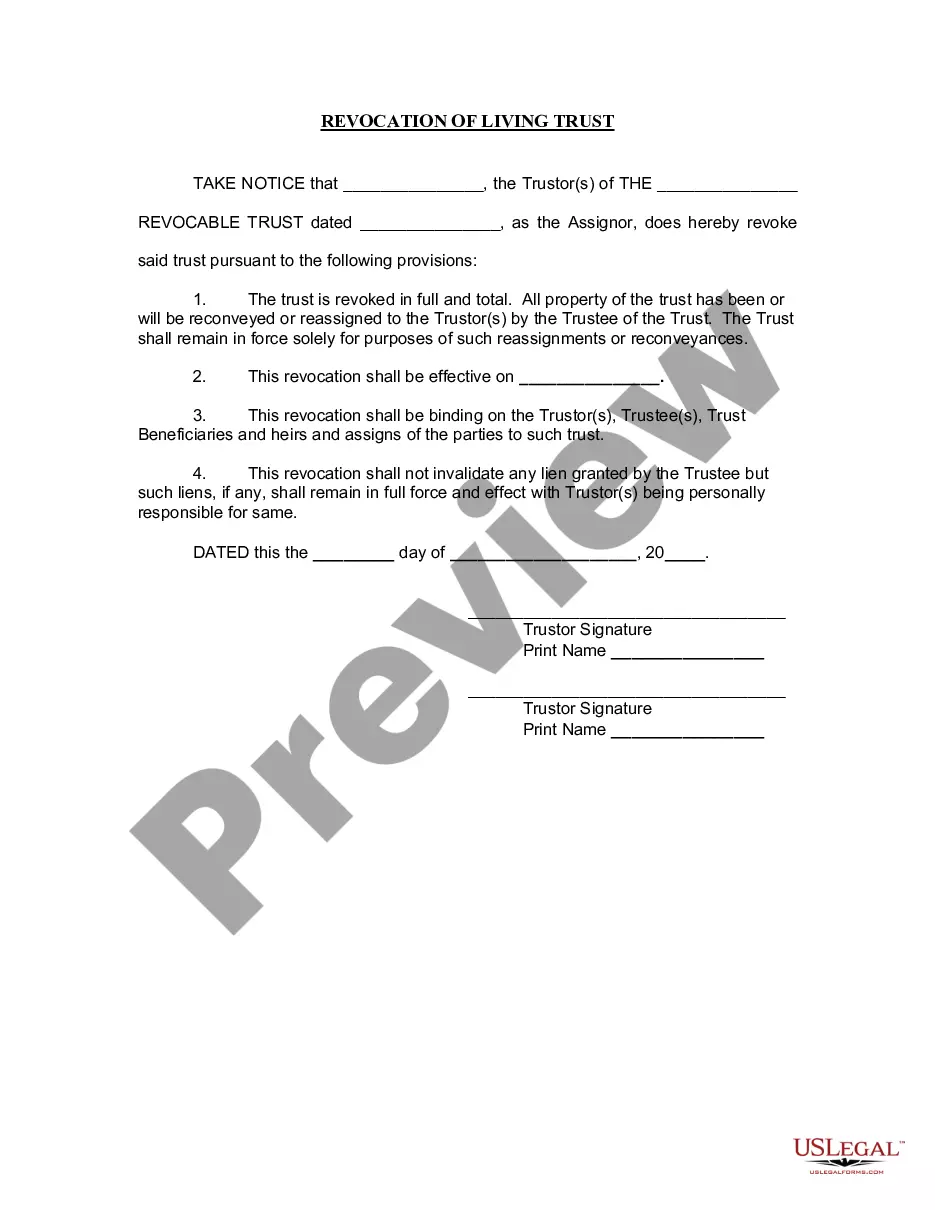


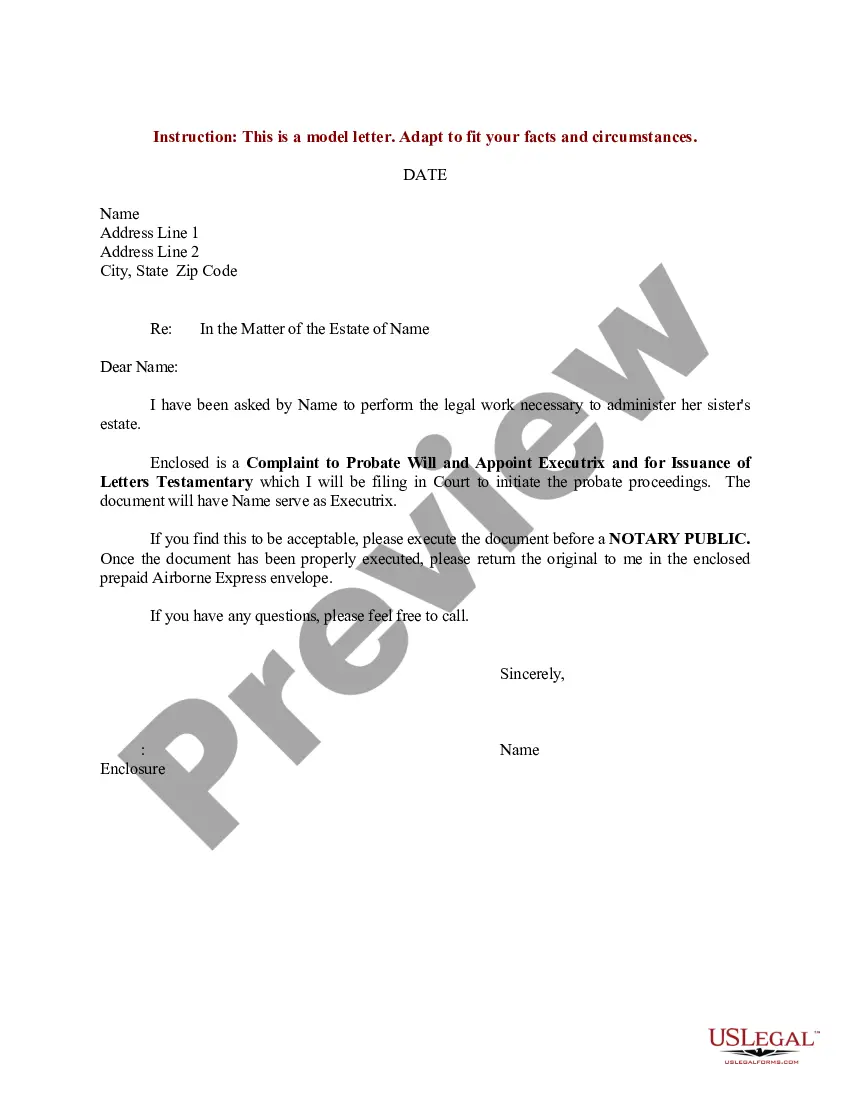

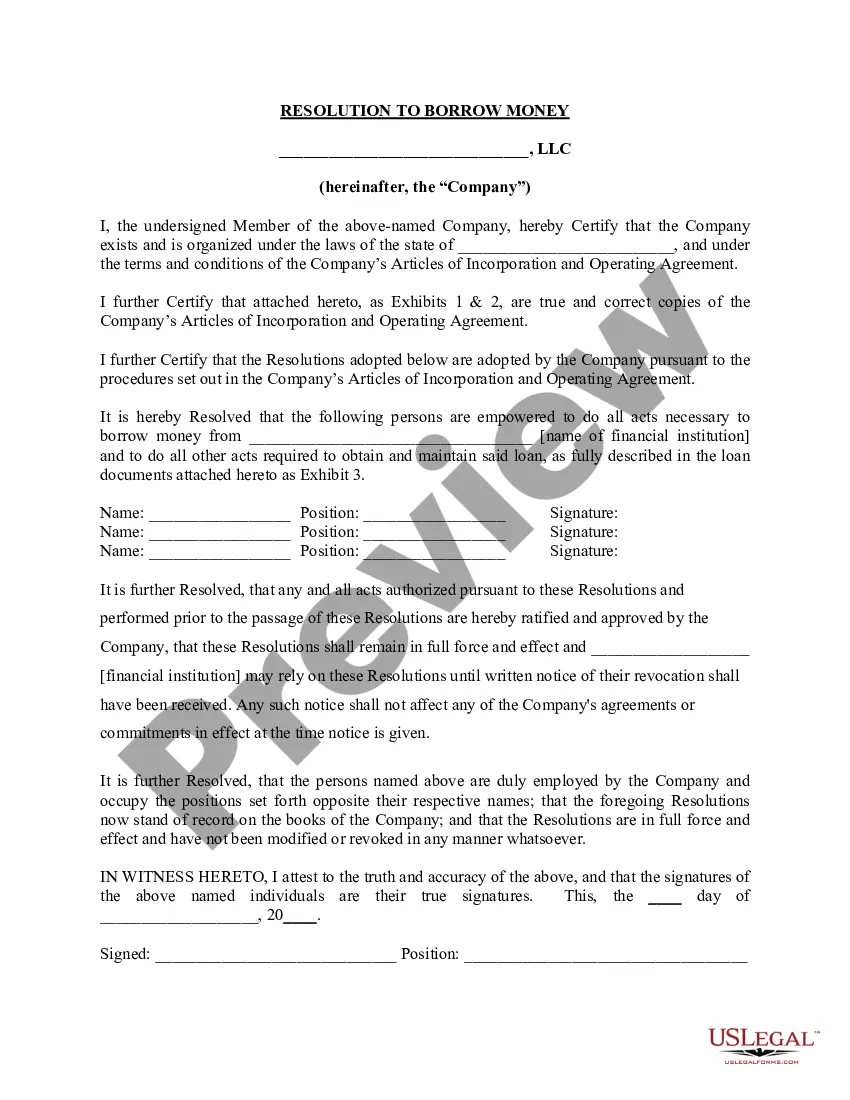
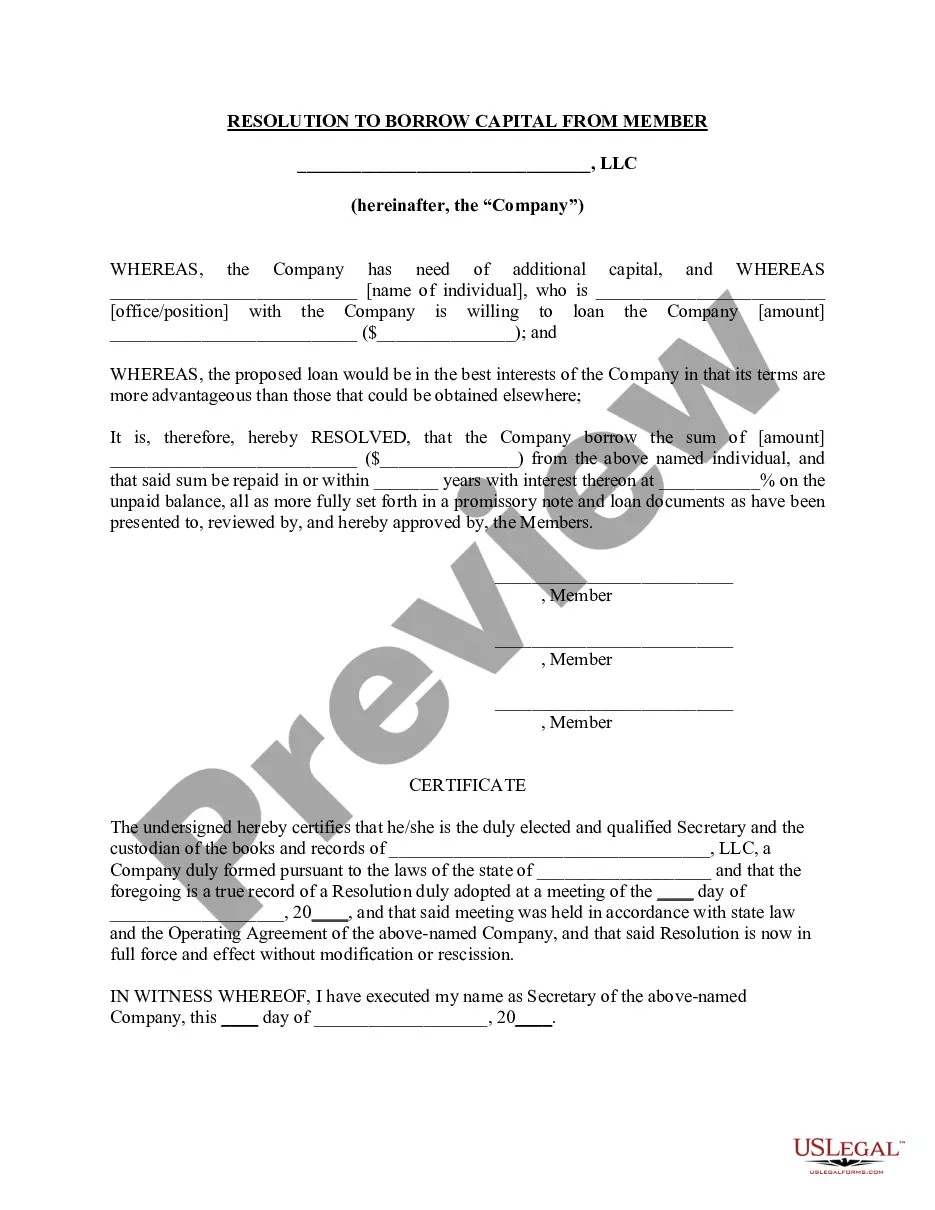
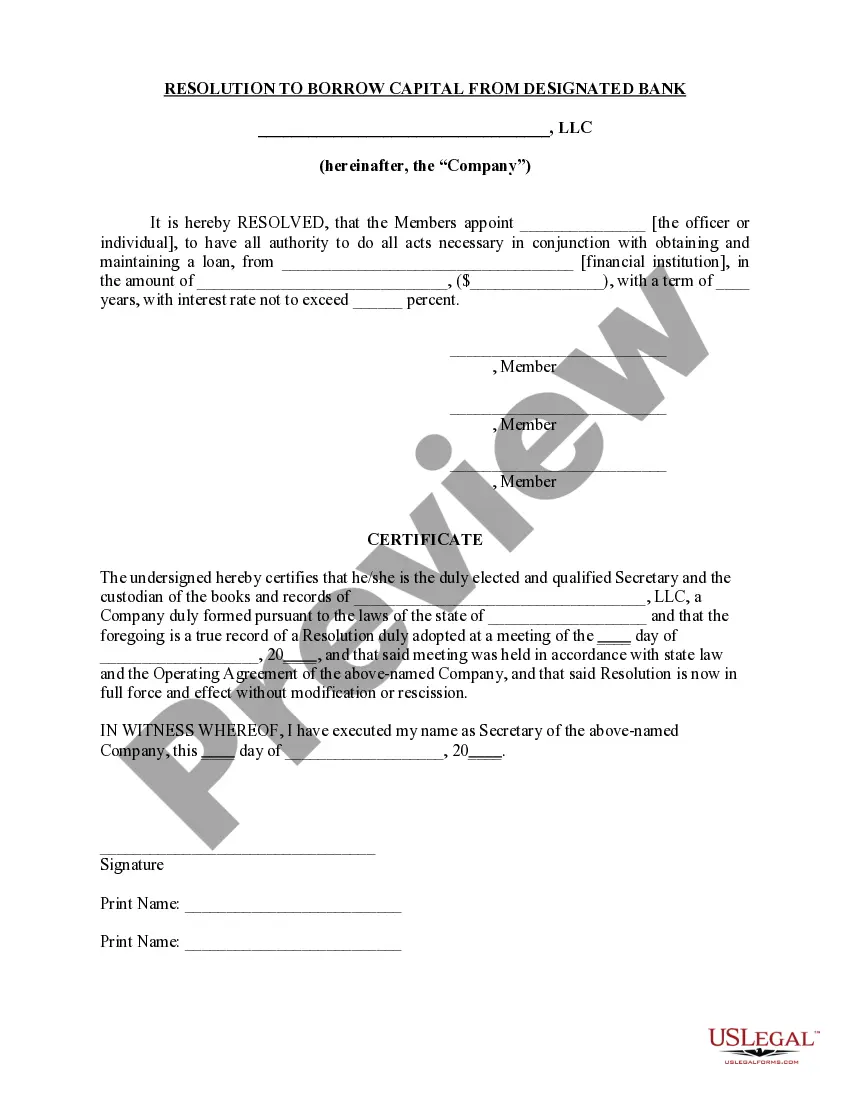
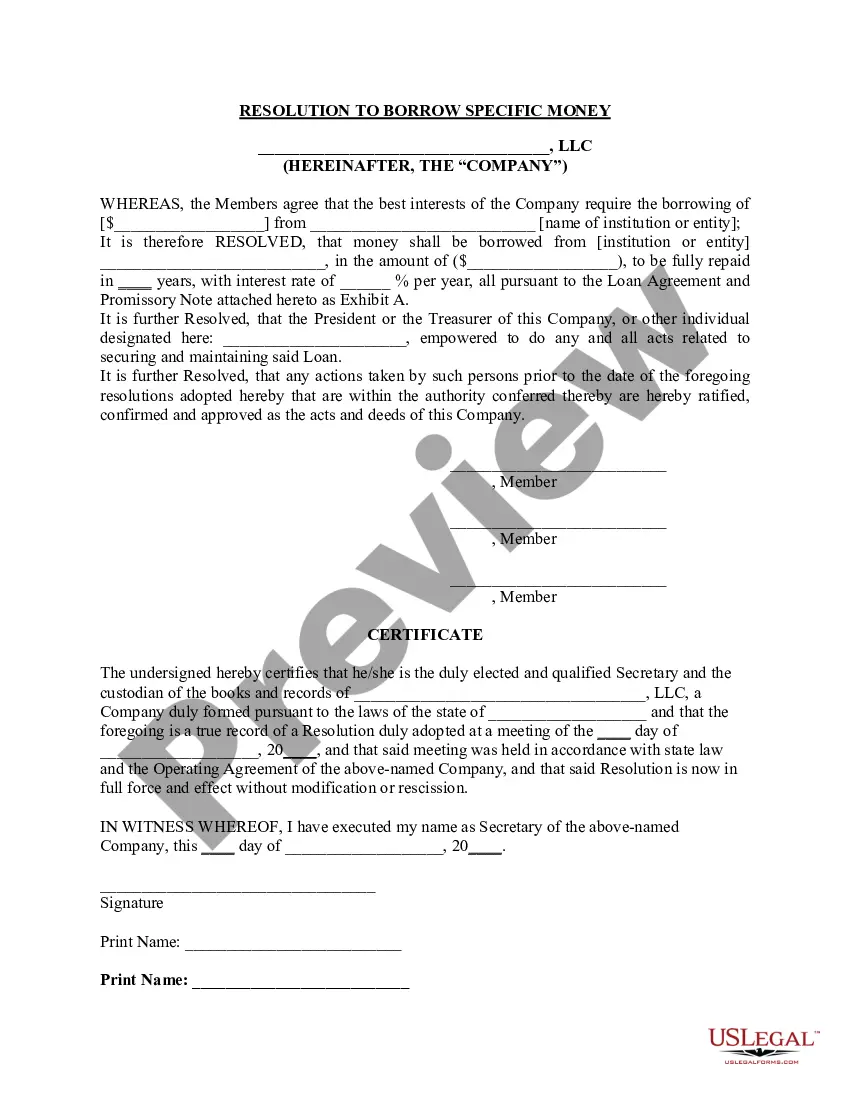
How to fill out Resolution Of Meeting Of LLC Members To Borrow Money?
- Log in to your US Legal Forms account. If you have previously used their service, simply go to the login page and access your account to retrieve the necessary form template by clicking on the Download button. Ensure your subscription is up to date.
- Preview the form you need. Familiarize yourself with the form's details to confirm it suits your needs and complies with your state's regulations.
- Search for additional templates if needed. If the form does not meet your criteria, use the search function to find the correct documentation.
- Purchase the required document. Select the Buy Now option and choose your preferred subscription plan. Registration is necessary to gain full access to their library.
- Complete your purchase. Enter your payment details or use PayPal to finalize your subscription.
- Download and save your form. Access the template from your device and locate it later in the My Forms section of your profile.
By following these straightforward steps, you can navigate the tax filing process for your LLC effortlessly. US Legal Forms provides a robust collection of over 85,000 fillable legal forms, ensuring you find exactly what you need.
Maximize your efficiency today by visiting US Legal Forms and take advantage of expert assistance to ensure your legal documents are accurate.
Form popularity
FAQ
Generally, you do not file your LLC and personal taxes together unless you operate as a single-member LLC. In such cases, the income from the LLC flows through to your personal tax return. For multi-member LLCs, files are typically separate, allowing each member to report their share of profits or lossesindependently. To navigate these complexities, consider using platforms like USLegalForms to simplify the tax filing process.
An LLC does not have a specific income threshold to determine tax filing requirements. Limited liability companies file for tax based on their business activities. This means that even if your earnings are low, filing is often still necessary to maintain good standing with tax authorities. Therefore, it's wise to track every dollar and file accordingly, regardless of income level.
An LLC must file taxes regardless of income if it has business activity during the year. Limited liability companies file for tax starting from their first dollar earned, which includes any revenue from goods or services. It's essential to keep records of all income and expenses, regardless of amount, to ensure compliance with IRS regulations. Thus, even a small amount can require a tax filing.
Limited liability companies file for tax using Form 1065 when they opt for partnership taxation. This form reports the income, deductions, and credits of the business. Members of the LLC then receive a Schedule K-1, which details their share of profits or losses to report on their personal tax returns. By using Form 1065, an LLC can effectively distribute tax responsibilities among its members.
When it comes to taxes, personal and business filings often differ significantly. Limited liability companies file for tax separately from personal income in certain situations. This separation helps protect your personal assets from business liabilities. However, if you choose a single-member LLC, you may report income on your individual tax return using Schedule C.
Failing to file taxes for your LLC can lead to serious consequences. The IRS may impose penalties and interest on any unpaid taxes, even if you do not owe a large amount. Additionally, limited liability companies file for tax diligently to maintain their legal standing, and neglecting this responsibility can jeopardize that status. Ensuring you meet your tax obligations is crucial, and platforms like UsLegalForms can assist you in keeping track of your filings.
Filling out a W-9 for your LLC is straightforward. You will provide your LLC’s name, business type, and Tax Identification Number (TIN) on the form. Make sure to select the correct classification, as limited liability companies file for tax differently than sole proprietorships or corporations. If you're unsure about any part of this process, consider using resources like UsLegalForms for guidance.
When you operate a limited liability company, your personal taxes are impacted based on how the LLC is structured. Generally, limited liability companies file for tax as a pass-through entity, meaning the income is reported on your personal tax return. This structure can help you avoid double taxation often faced by corporations. Remember to consult a tax professional to ensure you meet all your tax obligations.
If your LLC does not file taxes, you risk facing fines, penalties, and potential legal action from tax authorities. Overlooking this duty can lead to severe consequences, such as losing your LLC registration in the state. To prevent such outcomes, always ensure timely filing and consider using platforms like uslegalforms to simplify the process and stay compliant.
When an LLC does not file a tax return, it is usually referred to as being non-compliant. This scenario can create complications for your business, including penalties and increased scrutiny from tax authorities. To maintain compliance, ensure that your limited liability companies file for tax correctly and on time.