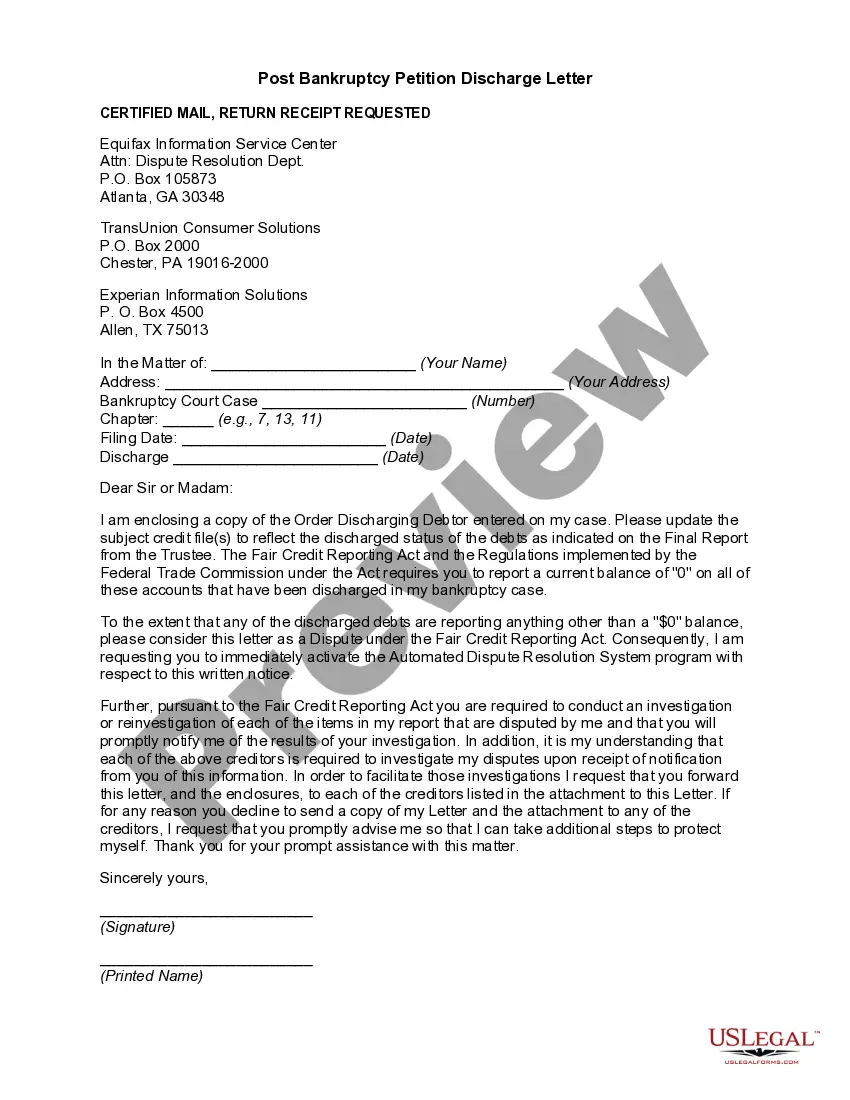
Bankruptcy Case Closed Without Discharge
Description
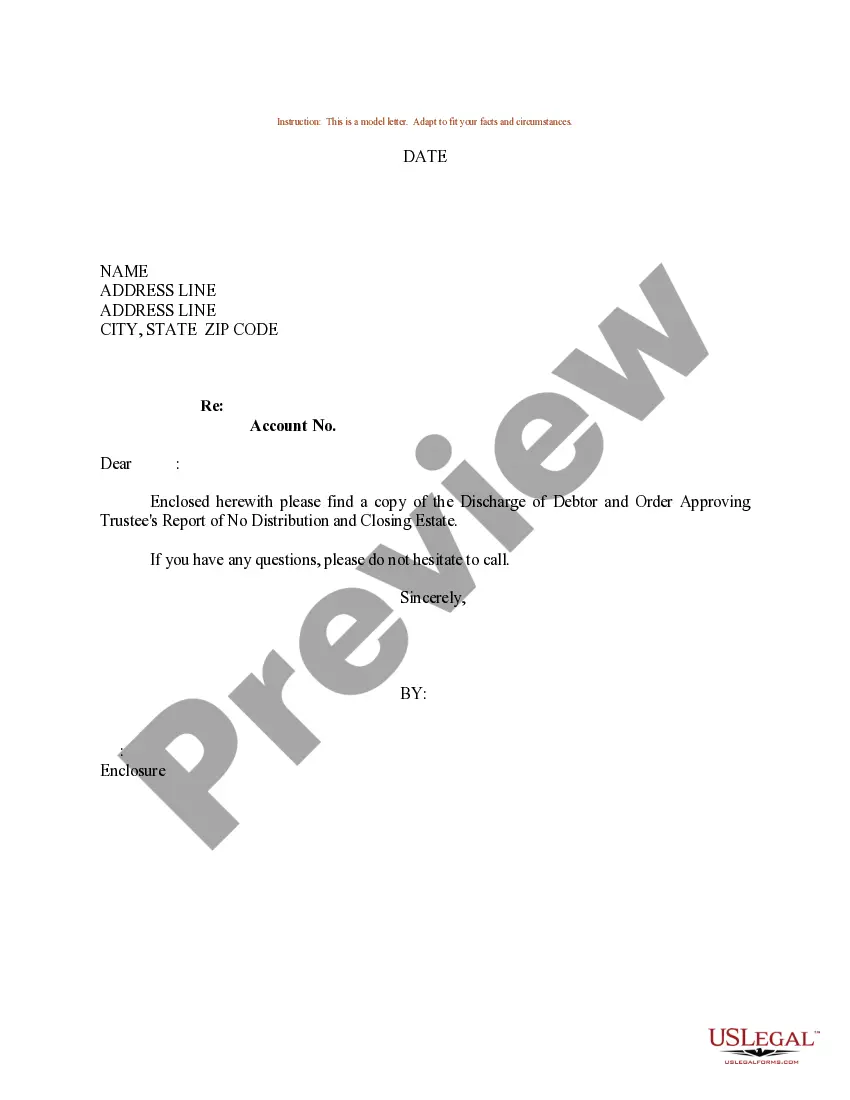
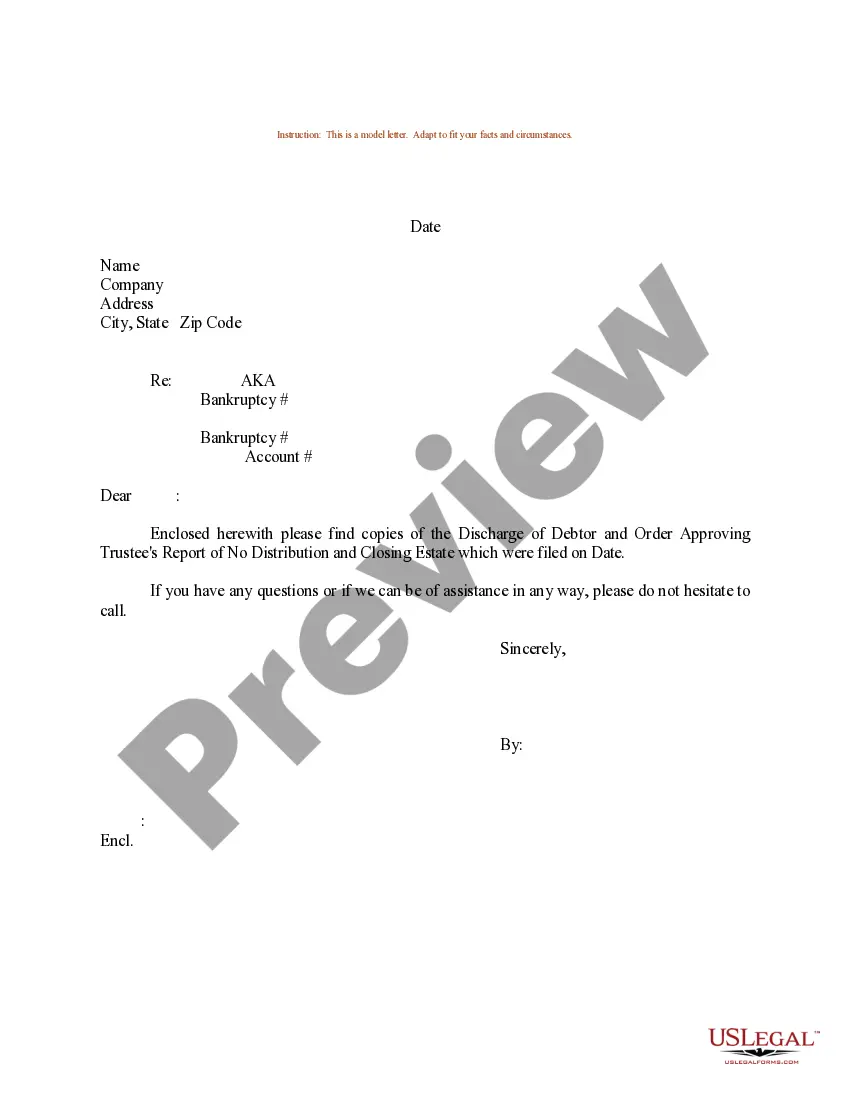
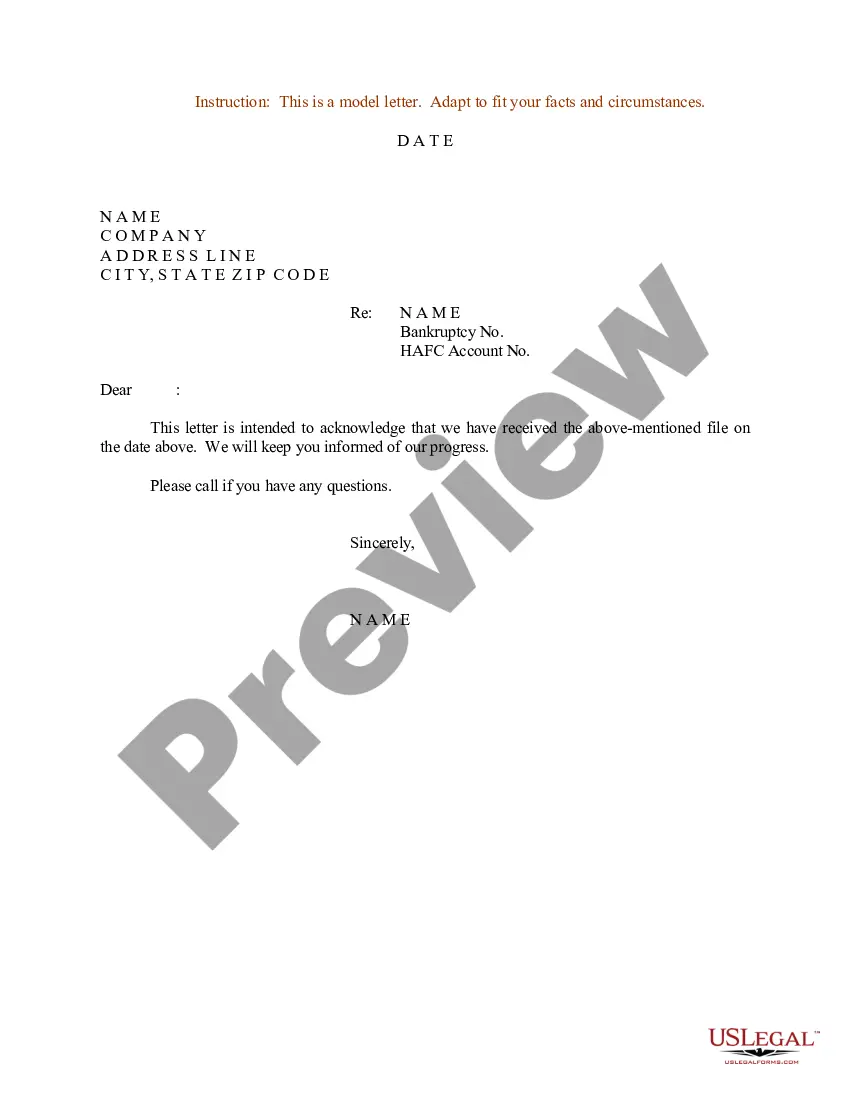
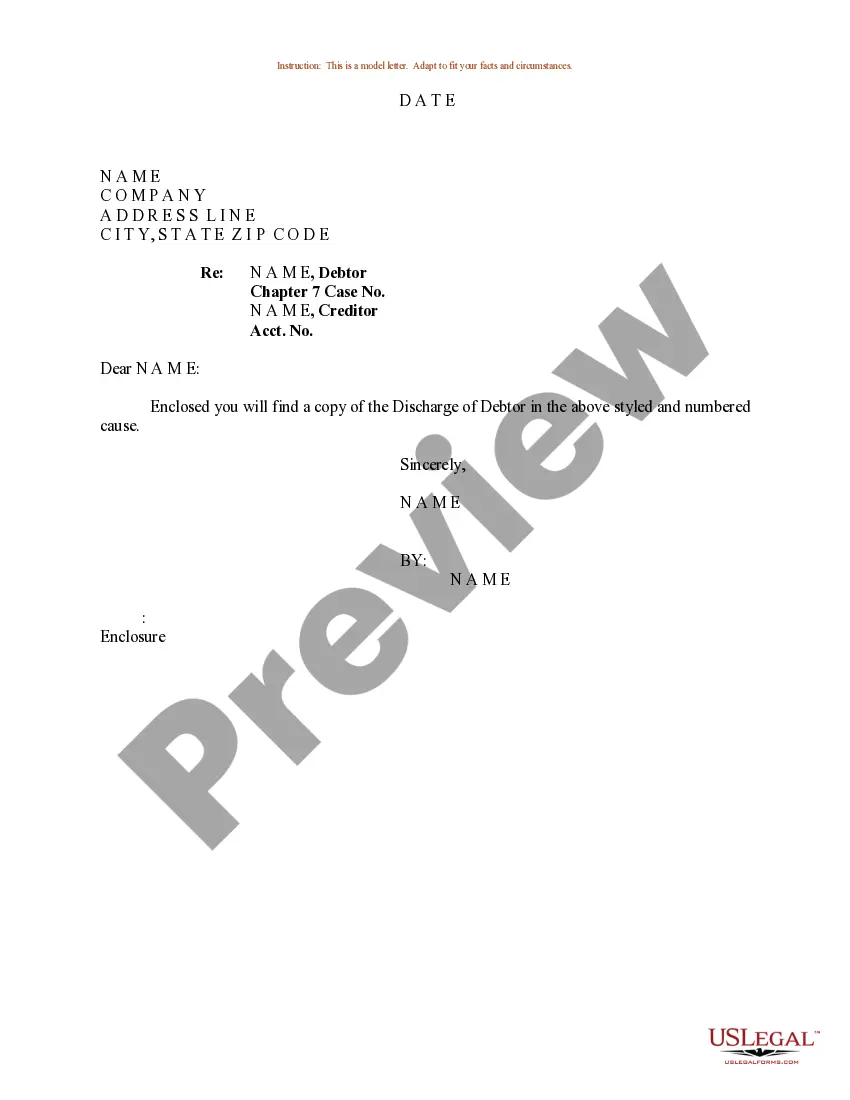
Get your form ready online
Our built-in tools help you complete, sign, share, and store your documents in one place.
Make edits, fill in missing information, and update formatting in US Legal Forms—just like you would in MS Word.
Download a copy, print it, send it by email, or mail it via USPS—whatever works best for your next step.
Sign and collect signatures with our SignNow integration. Send to multiple recipients, set reminders, and more. Go Premium to unlock E-Sign.
If this form requires notarization, complete it online through a secure video call—no need to meet a notary in person or wait for an appointment.
We protect your documents and personal data by following strict security and privacy standards.

Make edits, fill in missing information, and update formatting in US Legal Forms—just like you would in MS Word.

Download a copy, print it, send it by email, or mail it via USPS—whatever works best for your next step.

Sign and collect signatures with our SignNow integration. Send to multiple recipients, set reminders, and more. Go Premium to unlock E-Sign.

If this form requires notarization, complete it online through a secure video call—no need to meet a notary in person or wait for an appointment.

We protect your documents and personal data by following strict security and privacy standards.
Looking for another form?
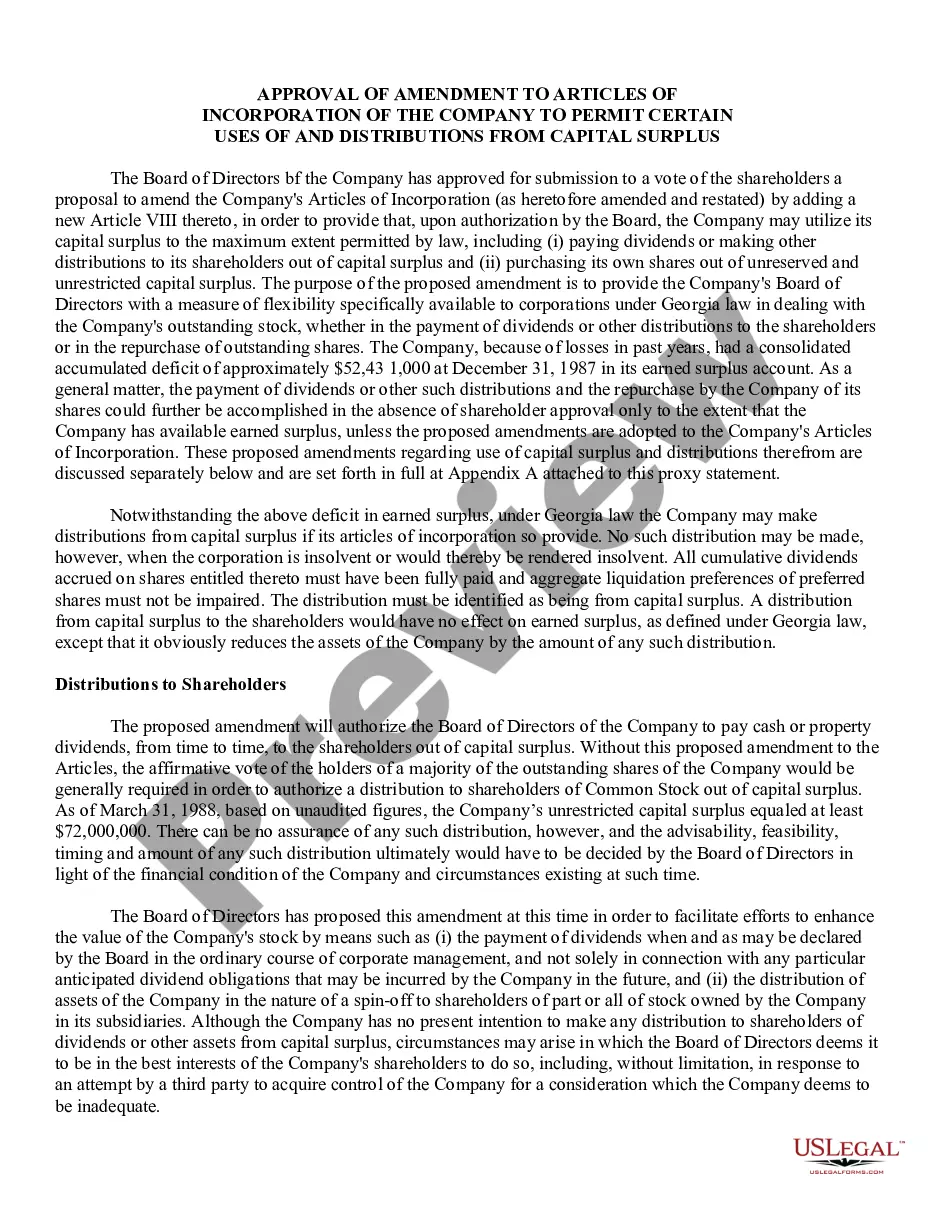







How to fill out Post Bankruptcy Petition Discharge Letter?
It’s clear that you can’t become a legal expert instantly, nor can you swiftly learn how to prepare Bankruptcy Case Closed Without Discharge without a specialized background.
Assembling legal documents is a lengthy process that requires specific education and abilities. So why not entrust the preparation of the Bankruptcy Case Closed Without Discharge to the specialists.
With US Legal Forms, one of the most comprehensive legal document libraries, you can access everything from court forms to templates for internal corporate communication.
Start your search over if you require a different form.
Create a free account and select a subscription option to purchase the form.
- We recognize how crucial compliance and adherence to federal and local laws and regulations are.
- That’s why, on our website, all forms are location-specific and current.
- Here’s how you can begin with our platform and obtain the form you need in just minutes.
- Locate the document you require using the search bar at the top of the page.
- Preview it (if this option is available) and read the supporting description to determine whether Bankruptcy Case Closed Without Discharge is what you need.
Form popularity
FAQ
Your assets remain seizable until after you have been discharged from bankruptcy, meaning your property and finances are not secure from your creditors or Licensed Insolvency Trustee. This can affect assets like inheritances or windfalls.
Closed Without a Discharge Cases are closed without discharge when the debtor does not complete the required debtor education required as a condition of discharge. The court may also close your case without discharge if you failed the last step for getting rid of debt. Your filing may not have been filed timely.
In most bankruptcy cases, shortly after the final discharge order is entered by the court, the case is closed. However, this is not always the case. In some Chapter 7 bankruptcy cases, the case may remain open for months, or even years, after the discharge has been granted.
You cannot remove a discharged debt from your credit report unless the information listed is incorrect. Even though you repaid the debt, partially or in full, or the lender stopped its collection attempts, the entry will remain on your report for seven years.
It usually only occurs when a debtor realizes that the bankruptcy court won't grant a discharge for some other reason, but the debtor still wants the liquidation (or even the repayment plan) to proceed instead of the court dismissing the case.