Authorization Letter Sample To Claim Money
Description
Get your form ready online
Our built-in tools help you complete, sign, share, and store your documents in one place.
Make edits, fill in missing information, and update formatting in US Legal Forms—just like you would in MS Word.
Download a copy, print it, send it by email, or mail it via USPS—whatever works best for your next step.
Sign and collect signatures with our SignNow integration. Send to multiple recipients, set reminders, and more. Go Premium to unlock E-Sign.
If this form requires notarization, complete it online through a secure video call—no need to meet a notary in person or wait for an appointment.
We protect your documents and personal data by following strict security and privacy standards.

Make edits, fill in missing information, and update formatting in US Legal Forms—just like you would in MS Word.

Download a copy, print it, send it by email, or mail it via USPS—whatever works best for your next step.

Sign and collect signatures with our SignNow integration. Send to multiple recipients, set reminders, and more. Go Premium to unlock E-Sign.

If this form requires notarization, complete it online through a secure video call—no need to meet a notary in person or wait for an appointment.

We protect your documents and personal data by following strict security and privacy standards.
Looking for another form?
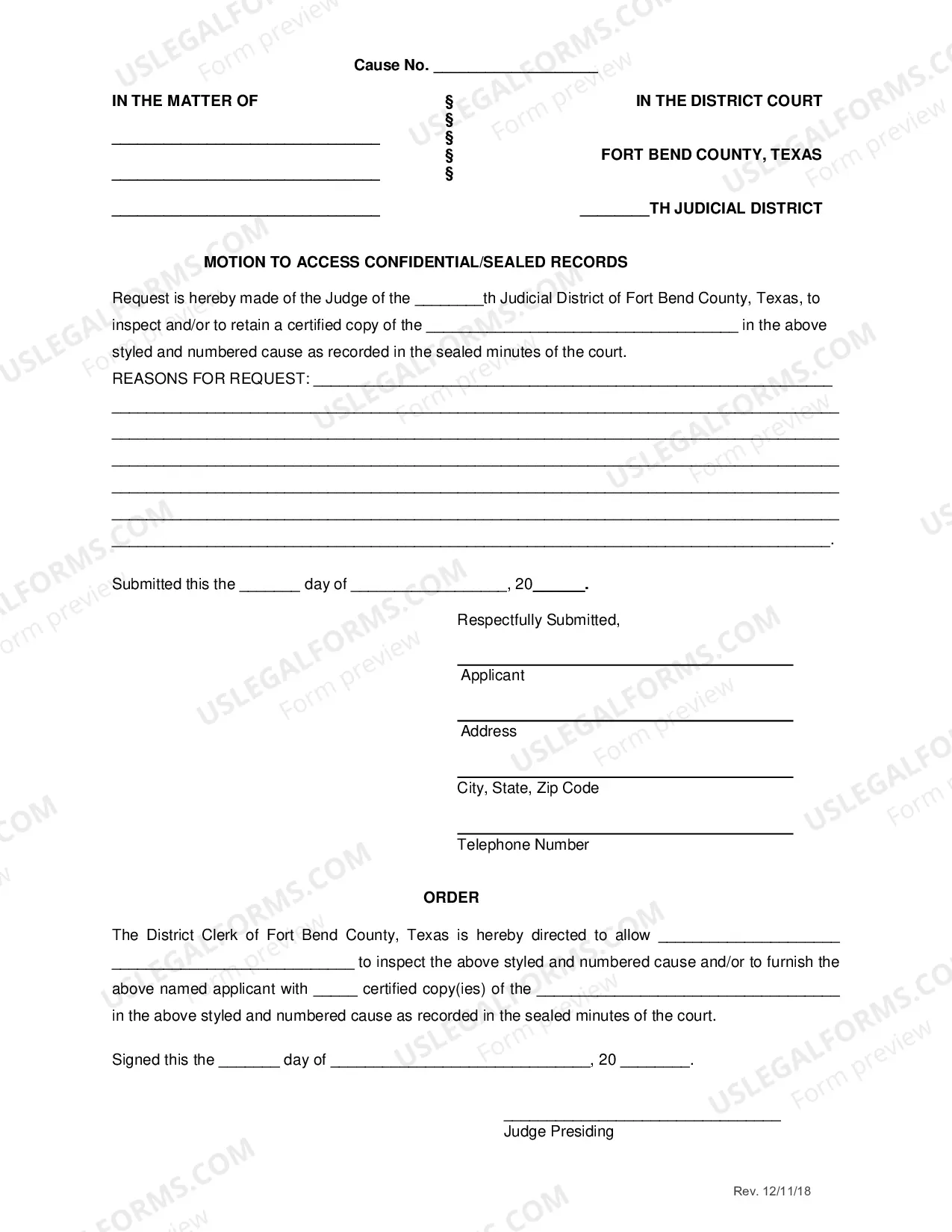

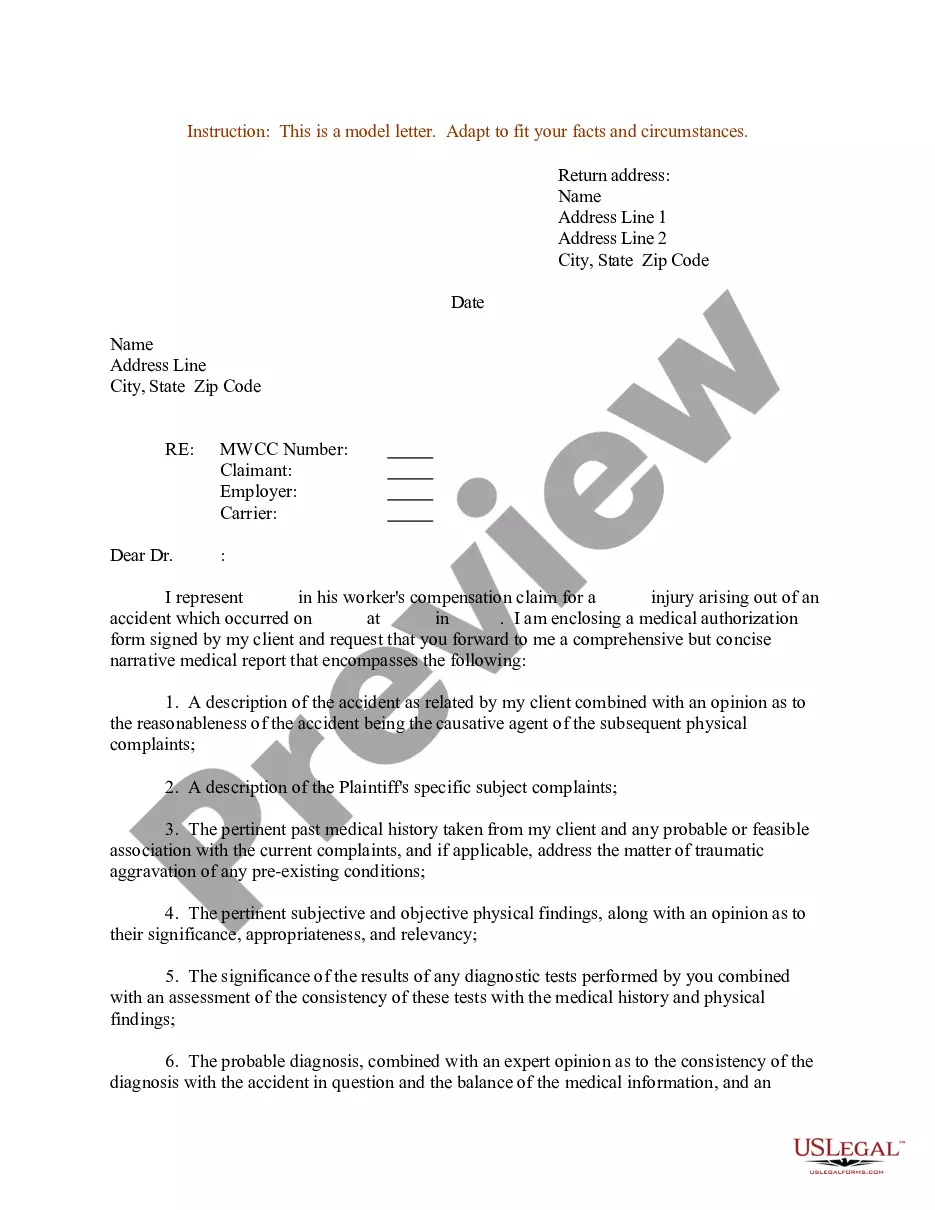
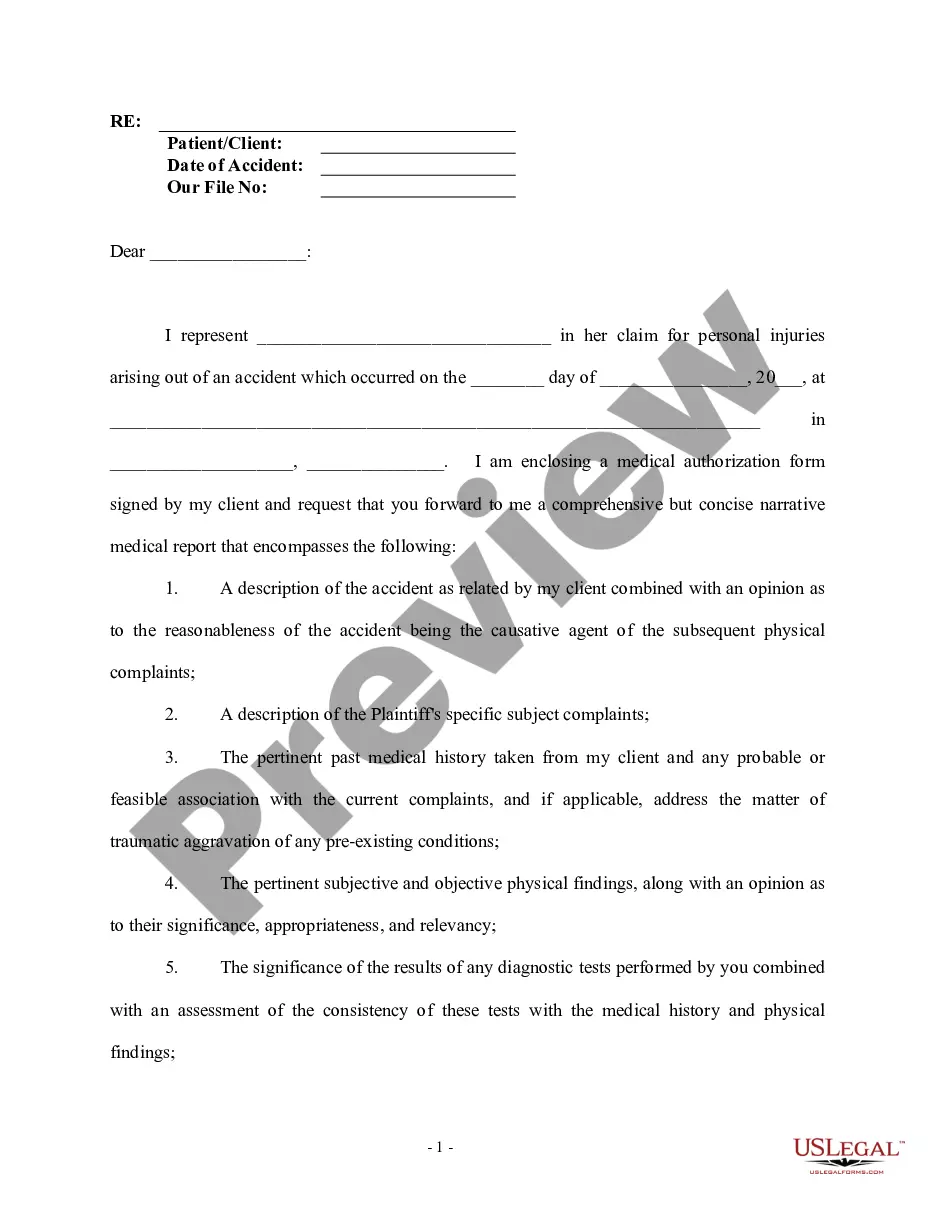
How to fill out Sample Letter For Medical Authorization For Client Medical History?
Whether for commercial purposes or personal matters, everyone must navigate legal circumstances at some stage in their existence.
Completing legal documentation requires meticulous focus, beginning with selecting the appropriate form template.
Once downloaded, you can fill out the form using editing software or print it and fill it in manually. With a vast US Legal Forms catalog available, you do not need to waste time searching for the appropriate template online. Make use of the library’s straightforward navigation to find the correct sample for any situation.
- Obtain the template you require using the search box or catalog browsing.
- Review the form’s details to ensure it suits your situation, state, and county.
- Click on the form’s preview to view it.
- If it is the incorrect form, revert to the search function to locate the Authorization Letter Sample To Claim Money form you need.
- Download the file when it aligns with your requirements.
- If you already possess a US Legal Forms account, simply click Log in to access previously stored templates in My documents.
- If you do not have an account yet, you may acquire the form by clicking Buy now.
- Choose the appropriate pricing option.
- Complete the profile registration form.
- Select your payment method: use a credit card or PayPal account.
- Choose the document format you wish and download the Authorization Letter Sample To Claim Money.
Form popularity
FAQ
Almost all "bad checks" are grounds for a civil lawsuit, but only some form the basis for criminal action. The law, as written by the General Assembly and interpreted by the Georgia Court of Appeals and Supreme Court, determines whether this Magistrate Court can issue a criminal warrant or citation.
A "10-Day Letter" is required on all bad checks eligible for criminal prosecution. The 10-day letter should be sent by certified mail as soon as possible and, in any event, must be sent within 90 days from the date you discovered the check was bad. The law (OCGA 16-9-20) provides a sample letter for Page 2 you to use.
If the check amount was $1,500 or more, then the holder of that check could face a felony charge, which carries a maximum fine of $5,000 and the chance of a maximum three-year imprisonment.
If convicted, you could face a $500 fine or a prison sentence of no more than 12 months. In some cases, check fraud defendants may face imprisonment and a fine. Now, say you passed a check of more than $500 but less than $1,000.
§ 16-9-20. In this section of the Georgia Code, a person may be accused of committing check fraud if they try to deposit a fraudulent check, withdraw funds from an account using a fraudulent check or otherwise try to use a check that is fraudulent in nature.
[1] Further, Georgia law provides penalties that may be imposed on any person who writes a check knowing that it will not be honored by the bank or credit union. O.C.G.A. § 16-9-20. This code section also sets out the procedures to follow if a consumer received a bad check.
You may be responsible for repaying the entire amount of the check. While bank policies and state laws vary, you may have to pay the bank the entire amount of the fraudulent check that you cashed or deposited into your account. You may have to pay overdraft fees.