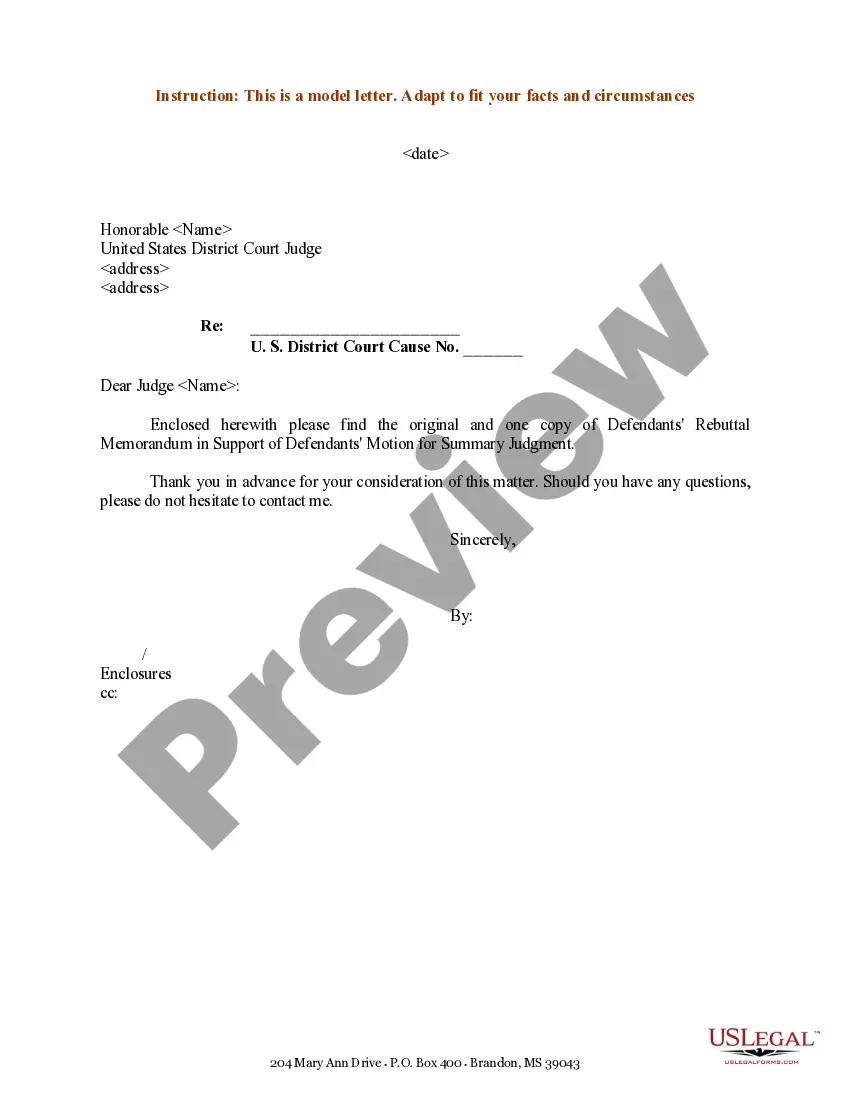
Rebuttal Motion Draft For Summary Judgment
Description
Get your form ready online
Our built-in tools help you complete, sign, share, and store your documents in one place.
Make edits, fill in missing information, and update formatting in US Legal Forms—just like you would in MS Word.
Download a copy, print it, send it by email, or mail it via USPS—whatever works best for your next step.
Sign and collect signatures with our SignNow integration. Send to multiple recipients, set reminders, and more. Go Premium to unlock E-Sign.
If this form requires notarization, complete it online through a secure video call—no need to meet a notary in person or wait for an appointment.
We protect your documents and personal data by following strict security and privacy standards.

Make edits, fill in missing information, and update formatting in US Legal Forms—just like you would in MS Word.

Download a copy, print it, send it by email, or mail it via USPS—whatever works best for your next step.

Sign and collect signatures with our SignNow integration. Send to multiple recipients, set reminders, and more. Go Premium to unlock E-Sign.

If this form requires notarization, complete it online through a secure video call—no need to meet a notary in person or wait for an appointment.

We protect your documents and personal data by following strict security and privacy standards.
Looking for another form?
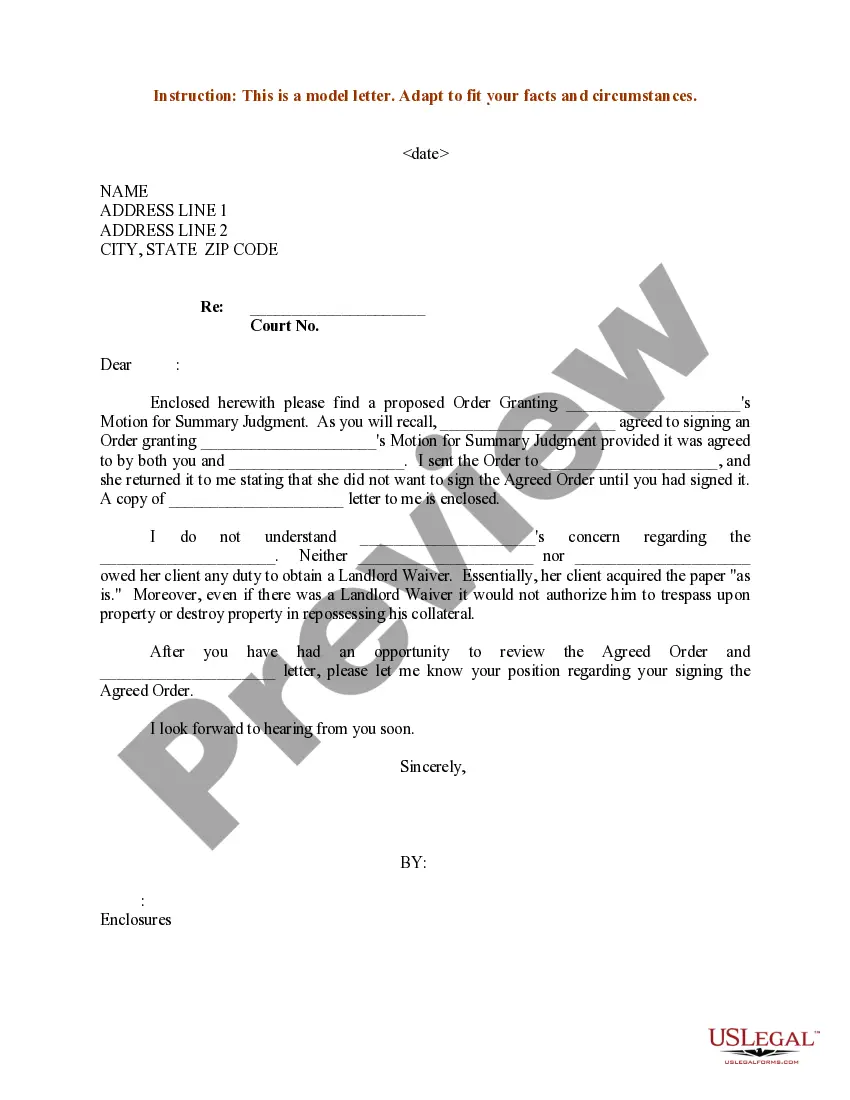
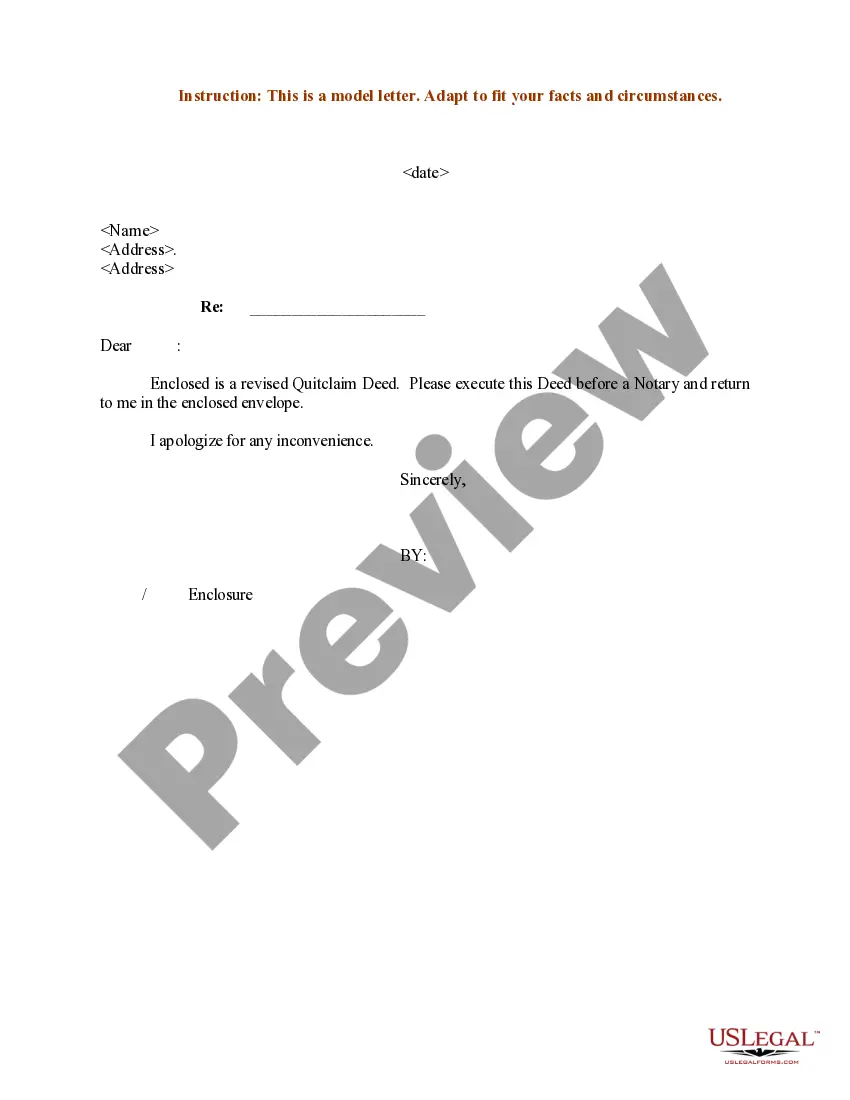
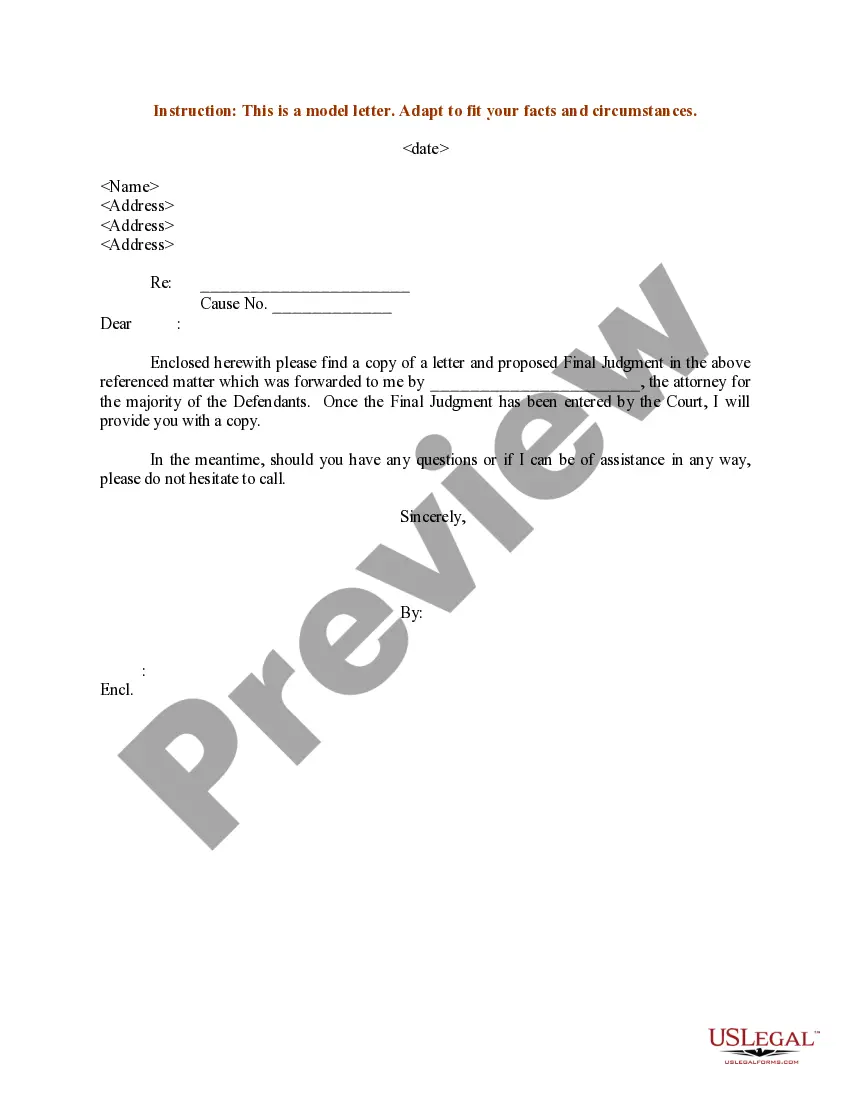
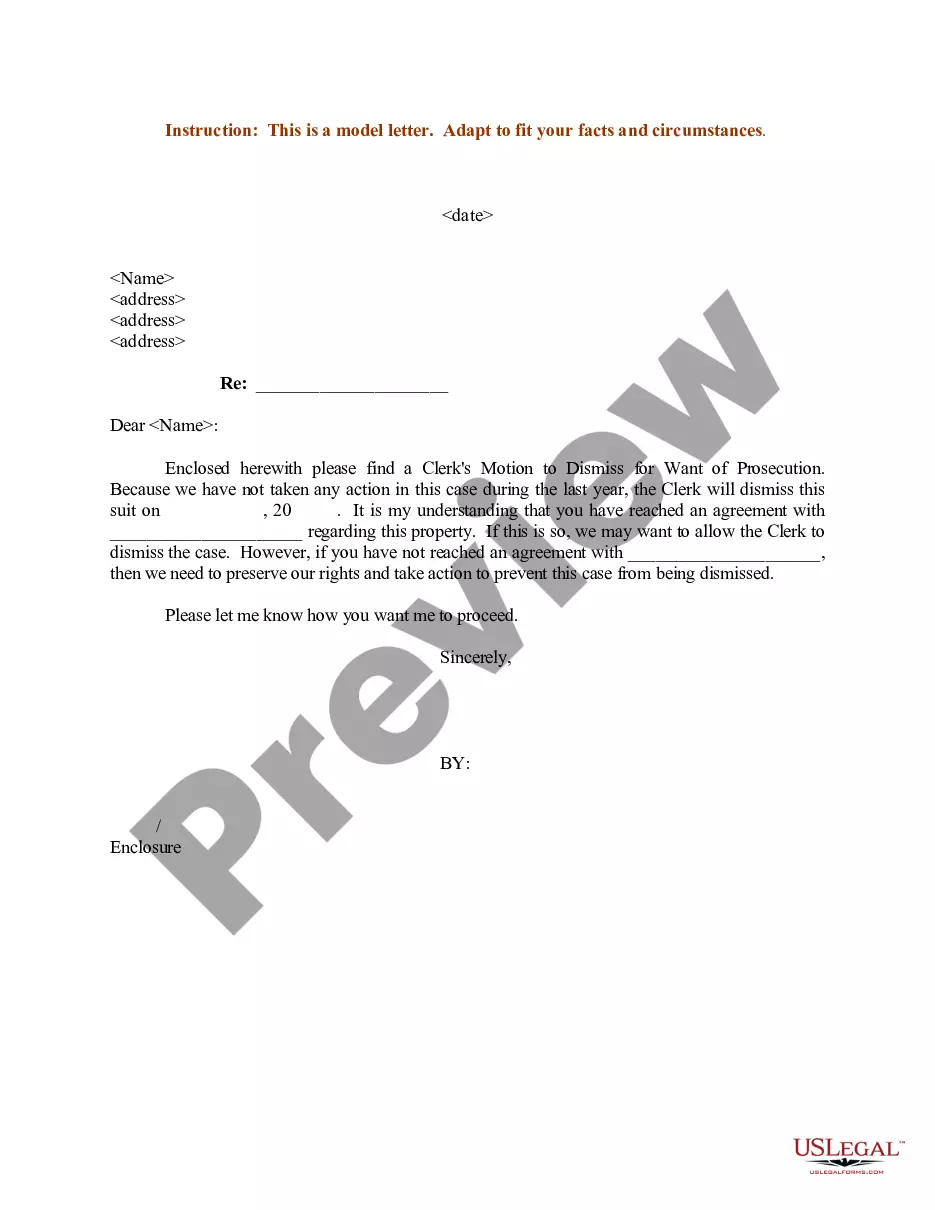
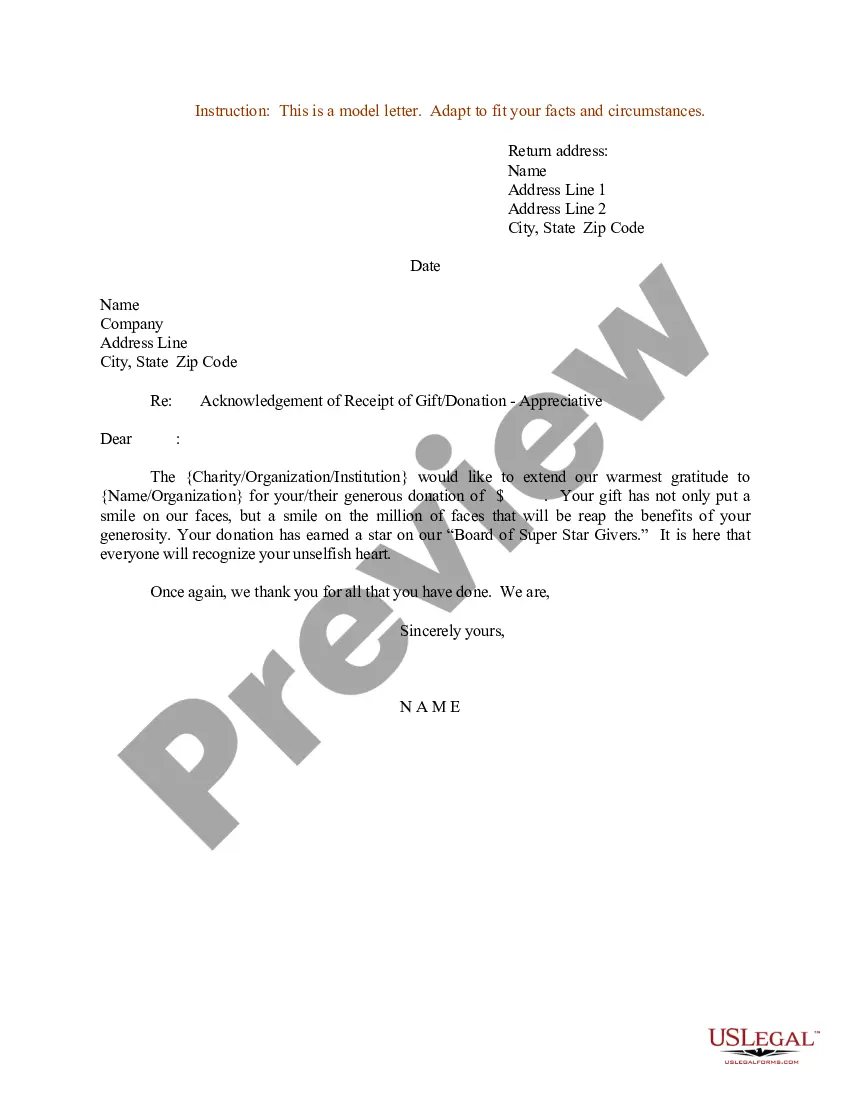
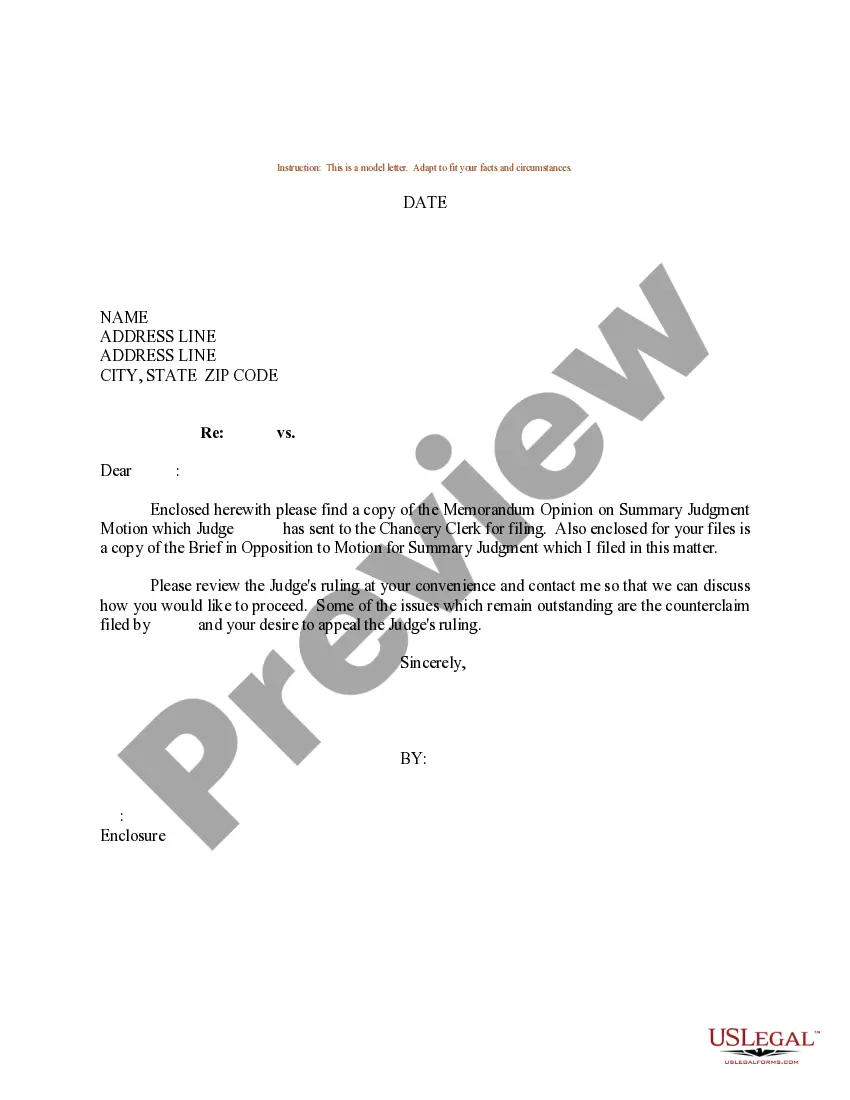
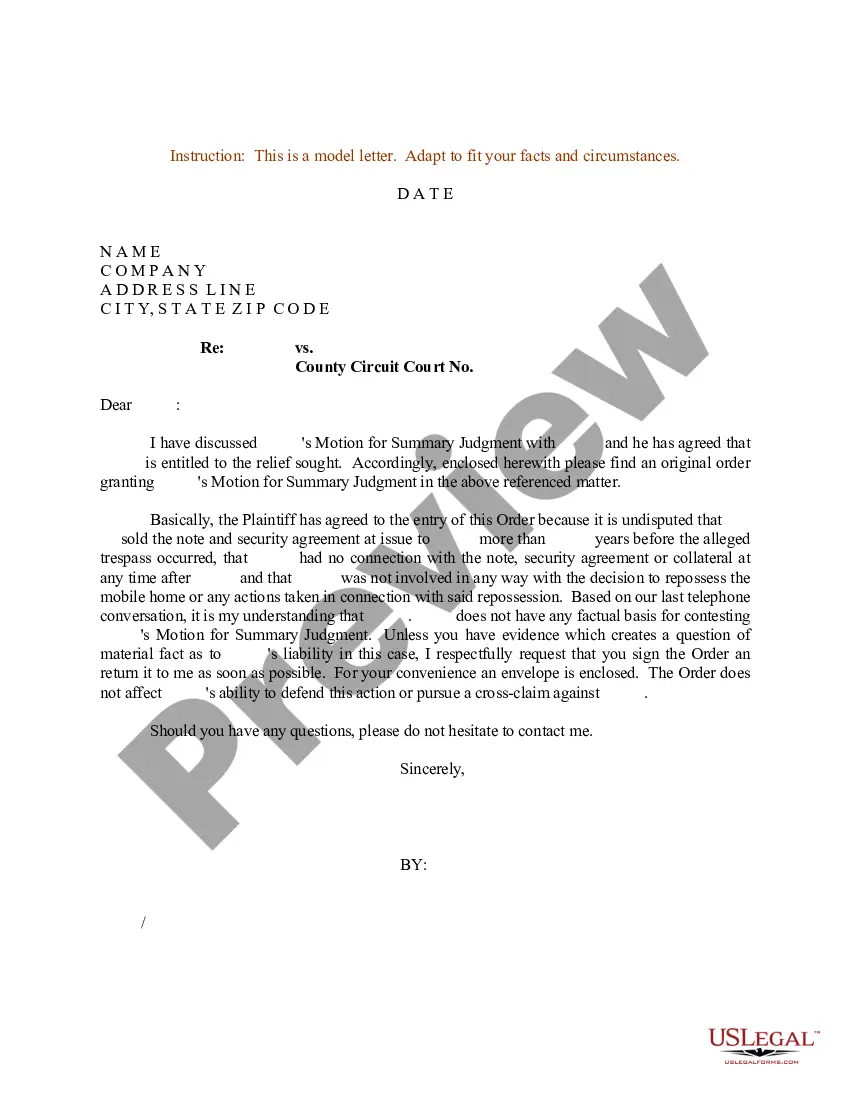
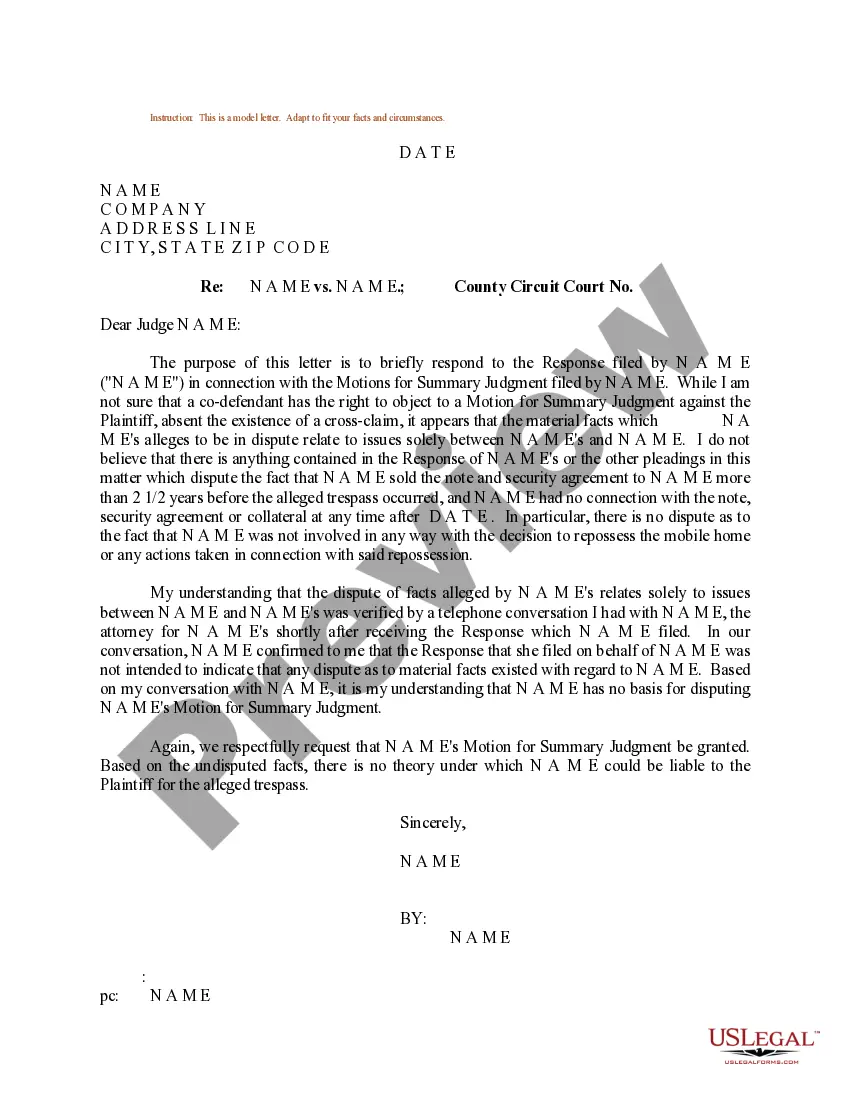
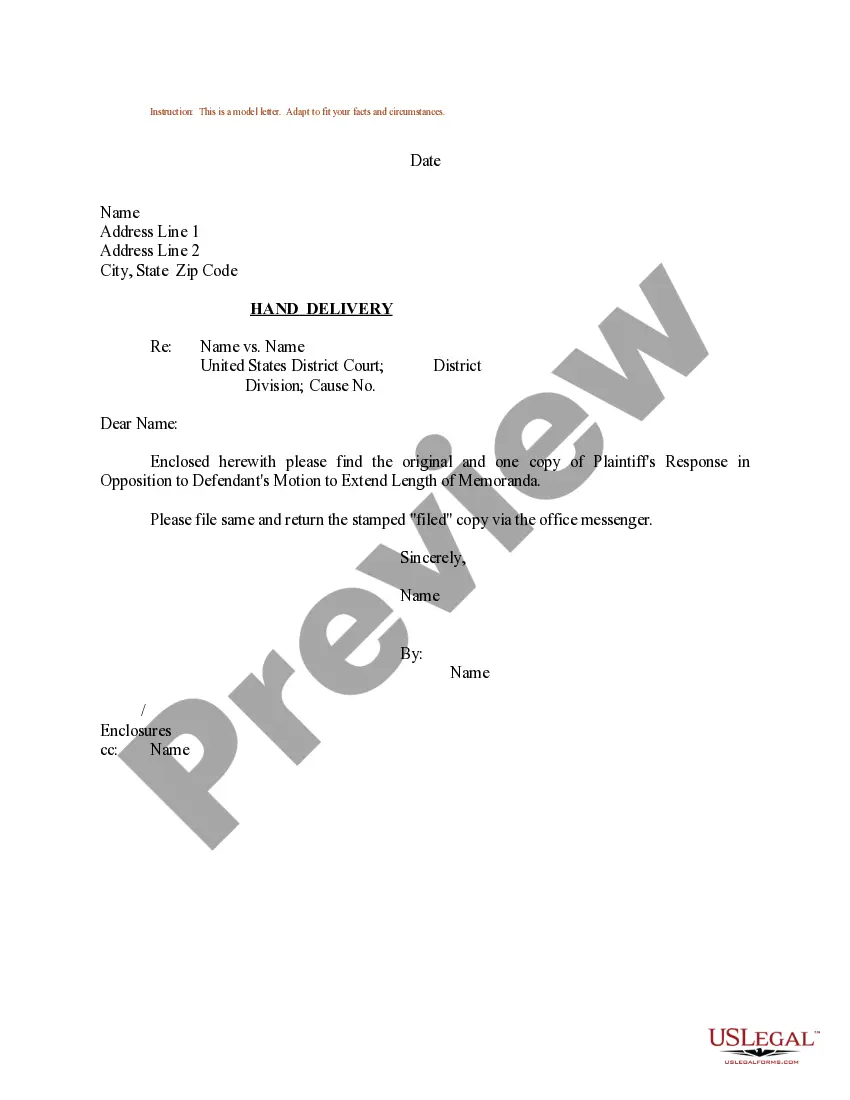
How to fill out Sample Letter Regarding Defendants' Rebuttal Memorandum In Support Of Defendants' Motion For Summary Judgment?
The Rebuttal Motion Draft For Summary Judgment you see on this page is a reusable formal template drafted by professional lawyers in line with federal and state laws and regulations. For more than 25 years, US Legal Forms has provided individuals, businesses, and legal professionals with more than 85,000 verified, state-specific forms for any business and personal scenario. It’s the quickest, easiest and most trustworthy way to obtain the paperwork you need, as the service guarantees the highest level of data security and anti-malware protection.
Acquiring this Rebuttal Motion Draft For Summary Judgment will take you only a few simple steps:
- Search for the document you need and review it. Look through the file you searched and preview it or review the form description to confirm it satisfies your needs. If it does not, make use of the search bar to find the right one. Click Buy Now once you have found the template you need.
- Subscribe and log in. Select the pricing plan that suits you and create an account. Use PayPal or a credit card to make a prompt payment. If you already have an account, log in and check your subscription to continue.
- Get the fillable template. Select the format you want for your Rebuttal Motion Draft For Summary Judgment (PDF, DOCX, RTF) and download the sample on your device.
- Complete and sign the paperwork. Print out the template to complete it manually. Alternatively, use an online multi-functional PDF editor to quickly and accurately fill out and sign your form with a valid.
- Download your paperwork one more time. Utilize the same document again whenever needed. Open the My Forms tab in your profile to redownload any previously downloaded forms.
Subscribe to US Legal Forms to have verified legal templates for all of life’s situations at your disposal.
Form popularity
FAQ
Stated differently, to successfully defend against summary judgment the non-moving party (you) should seek to demonstrate that indeed there are material facts in dispute. Alternatively, the non-moving party (you) can argue that the undisputed facts support a judgment as a matter of law in your favor.
Rule 56 of the Federal Rules of Civil Procedure governs summary judgment for federal courts. Under Rule 56, in order to succeed in a motion for summary judgment, a movant must show 1) that there is no genuine dispute as to any material fact, and 2) that the movant is entitled to judgment as a matter of law.
Show that the law does not support judgment on the undisputed facts. Your legal research may reveal case law that shows judgment isn't warranted in your case, even when no facts are in dispute. Show that discovery is incomplete and could raise a disputed material fact when completed.
If you are opposing a motion for summary judgment, your affidavit or affirmation should attach and refer to any relevant exhibits. You may also attach affidavits or affirmations from other people who have personal knowledge of relevant information regarding the motion.
Answer each numbered fact proposed by the moving party in separate paragraphs, using the same number. The court strongly prefers that the responding party repeat verbatim the moving party's proposed fact and then respond to it. 2. All responses should be succinctly stated.