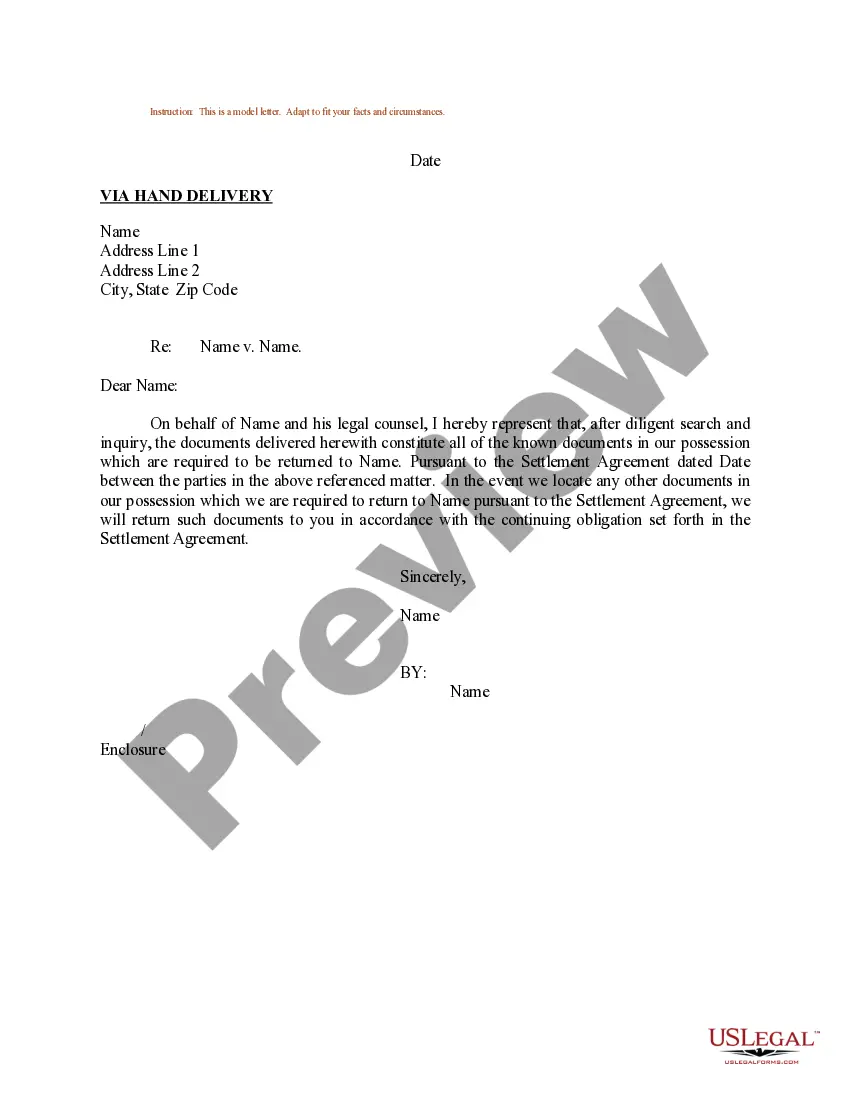
Letter To Uscis With Correction
Description
Get your form ready online
Our built-in tools help you complete, sign, share, and store your documents in one place.
Make edits, fill in missing information, and update formatting in US Legal Forms—just like you would in MS Word.
Download a copy, print it, send it by email, or mail it via USPS—whatever works best for your next step.
Sign and collect signatures with our SignNow integration. Send to multiple recipients, set reminders, and more. Go Premium to unlock E-Sign.
If this form requires notarization, complete it online through a secure video call—no need to meet a notary in person or wait for an appointment.
We protect your documents and personal data by following strict security and privacy standards.

Make edits, fill in missing information, and update formatting in US Legal Forms—just like you would in MS Word.

Download a copy, print it, send it by email, or mail it via USPS—whatever works best for your next step.

Sign and collect signatures with our SignNow integration. Send to multiple recipients, set reminders, and more. Go Premium to unlock E-Sign.

If this form requires notarization, complete it online through a secure video call—no need to meet a notary in person or wait for an appointment.

We protect your documents and personal data by following strict security and privacy standards.
Looking for another form?
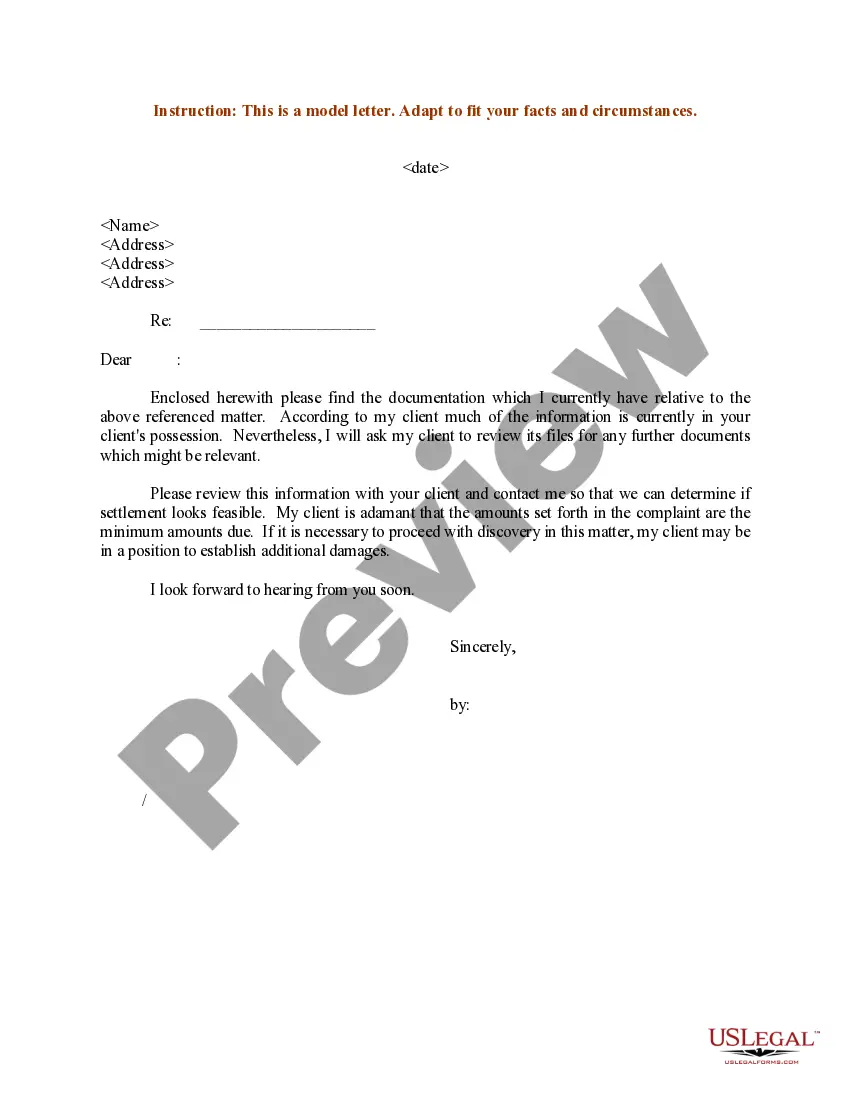
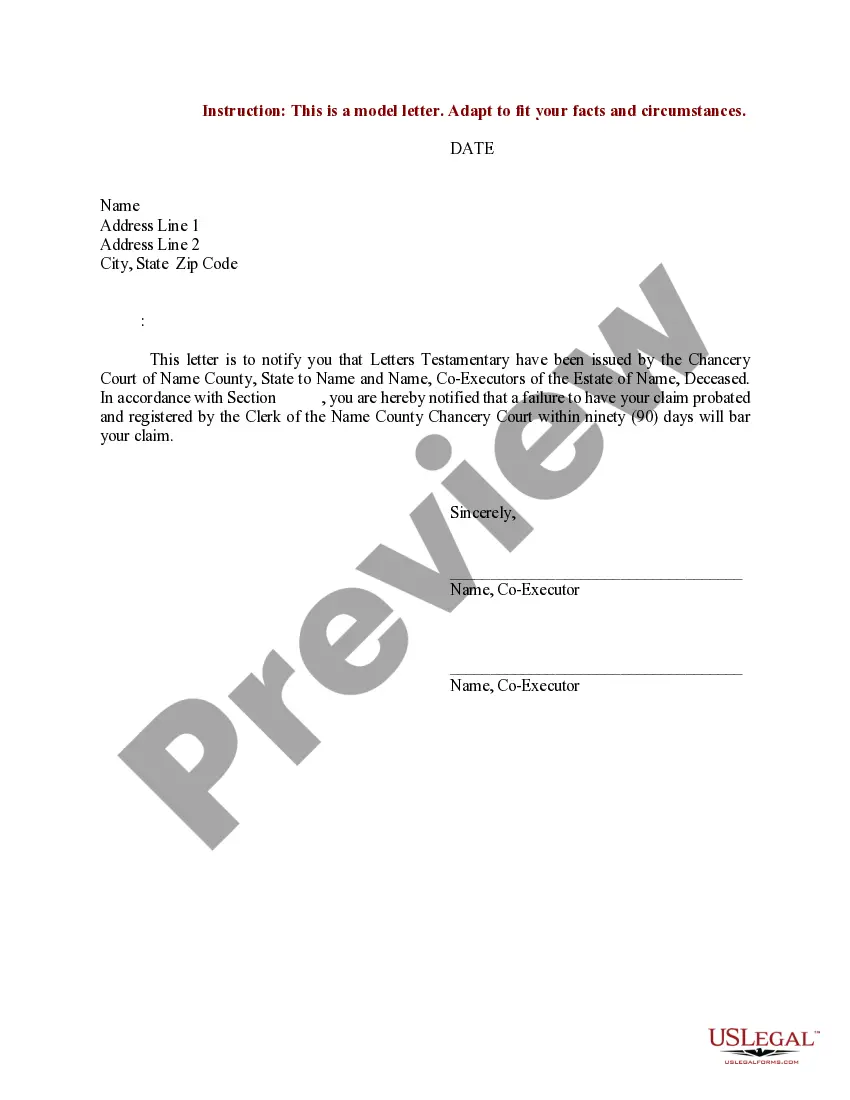
How to fill out Sample Letter For Return Of Documents?
Whether for commercial objectives or personal issues, individuals must address legal situations at various stages in their lives.
Filling out legal documents necessitates meticulous care, starting with choosing the appropriate form template.
With an extensive US Legal Forms catalog available, you do not need to waste time searching for the suitable template across the web. Utilize the library’s user-friendly navigation to find the correct form for any situation.
- For example, if you select an incorrect version of the Letter To Uscis With Correction, it will be rejected upon submission.
- Hence, it is essential to obtain a trustworthy source of legal documents such as US Legal Forms.
- If you need a Letter To Uscis With Correction template, follow these straightforward steps.
- 1. Locate the template you require using the search bar or catalog browsing.
- 2. Review the form’s overview to confirm it suits your circumstances, state, and locality.
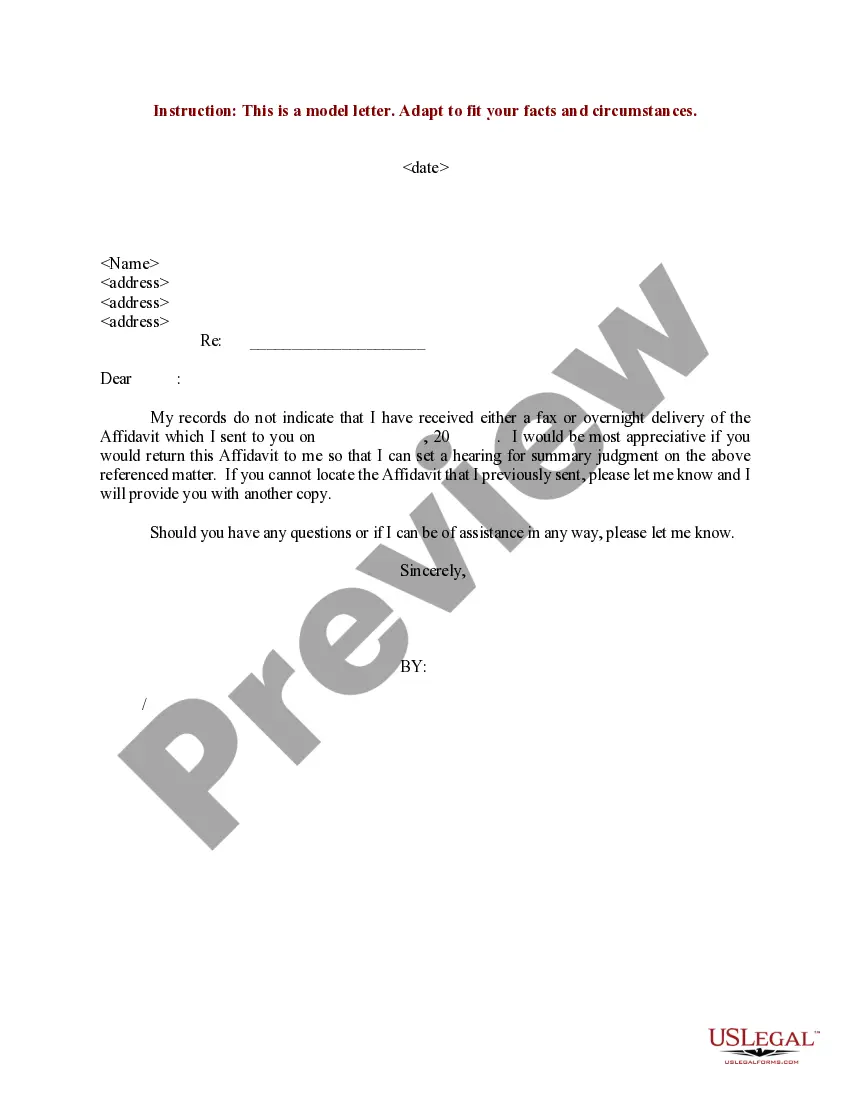
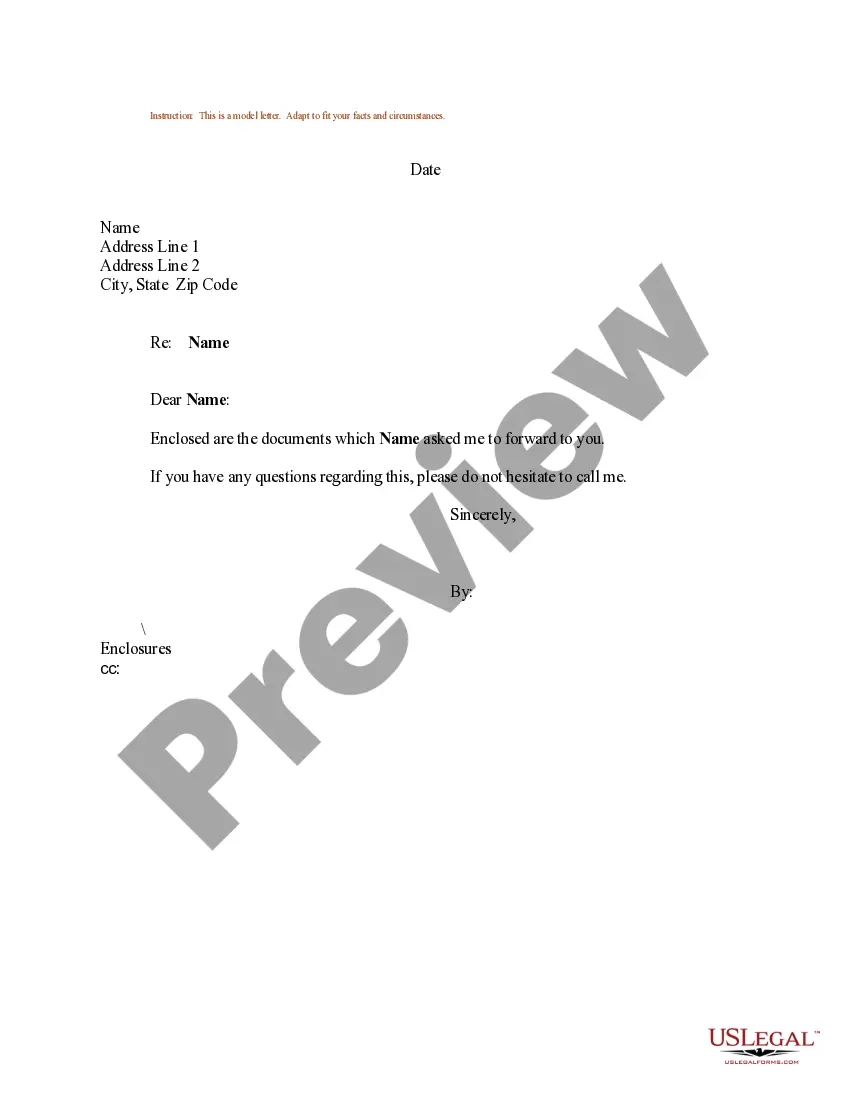
- 3. Click on the form’s preview to examine it.
- 4. If it is the incorrect form, return to the search feature to find the Letter To Uscis With Correction sample you seek.
- 5. Download the file when it aligns with your specifications.
- 6. If you already possess a US Legal Forms account, simply click Log in to access previously stored templates in My documents.
- 7. If you do not have an account yet, you can acquire the form by clicking Buy now.
- 8. Select the appropriate payment option.
- 9. Fill out the registration form for an account.
- 10. Choose your payment method: utilize a credit card or PayPal account.
- 11. Select the desired file format and download the Letter To Uscis With Correction.
- 12. Once downloaded, you can complete the form using editing software or print it and fill it out by hand.
Form popularity
FAQ
To write an explanation letter to USCIS, clearly state the purpose of your letter at the beginning and provide relevant details. It is crucial to maintain a straightforward and respectful tone throughout your letter. Include any necessary corrections in your information to ensure accuracy; a well-composed letter to USCIS with correction can clarify misunderstandings and facilitate processing.
A supportive letter for immigration should express your belief in the applicant's qualifications and character, highlighting their positive contributions. Begin with a clear introduction of your relationship with the applicant, followed by specific examples illustrating their strengths. Crafting a thoughtful letter to USCIS with correction can significantly strengthen the applicant's case.
When writing a letter to USCIS for a change of status, start by clearly stating your current status and the status you wish to change to. Include your personal information, such as your full name and case number, to aid in identification. It’s beneficial to adopt a formal tone while ensuring that your letter to USCIS with correction concisely communicates your request and any supporting documentation.
To notify USCIS of a status change, you should submit a formal letter to USCIS detailing your new status. Be sure to include your full name, case number, and any relevant personal information to help them locate your file. Using the correct format is essential; a well-structured letter to USCIS with correction ensures clarity and expedites the processing of your request.
When writing a formal letter to USCIS, use a standard business letter format. Start with your contact information, followed by USCIS's address, the date, and a proper salutation. Clearly explain the reason for your letter, especially if you need to address and amend details—such as in a letter to USCIS with correction. This structured approach helps ensure clarity and fosters a professional tone.
To correct a mistake on your USCIS application, you should prepare a letter explaining the error. Include your full name, address, and details about the correction. Mention that this letter serves as an official request for correction and label it effectively as the letter to USCIS with correction. It’s important to send this as soon as you notice the mistake to avoid delays in processing.
To write an official letter to USCIS, start by including your name, address, and date at the top. Clearly state the purpose of your letter and include any relevant case number. Be direct and concise in your message, especially if you're addressing a correction; include a specific request for the letter to USCIS with correction included. Consider using platforms like USLegalForms for templates if needed.
The best way to send documents to USCIS is through certified mail with a return receipt. This method provides proof that your documents were mailed and received. You should maintain copies of everything you send, including your letter to USCIS with correction details. This ensures you have documentation in case of any issues.
To write a request letter for immigration, begin with a formal introduction, stating your purpose clearly. Provide your personal information, and detail your request while being specific about any issues or corrections needed. If applicable, note how this is a letter to USCIS with correction, showing the importance of the request. Thoroughly reviewing your letter before sending it can improve chances of a favorable outcome.
Writing a good letter to immigration involves being clear and concise while supporting your main points with relevant information. Start with a formal greeting and provide your details along with the subject of the letter. If your letter involves corrections, ensure you mention it explicitly as a letter to USCIS with correction, and include any necessary documentation to support your request.