Titles With Trust
Description
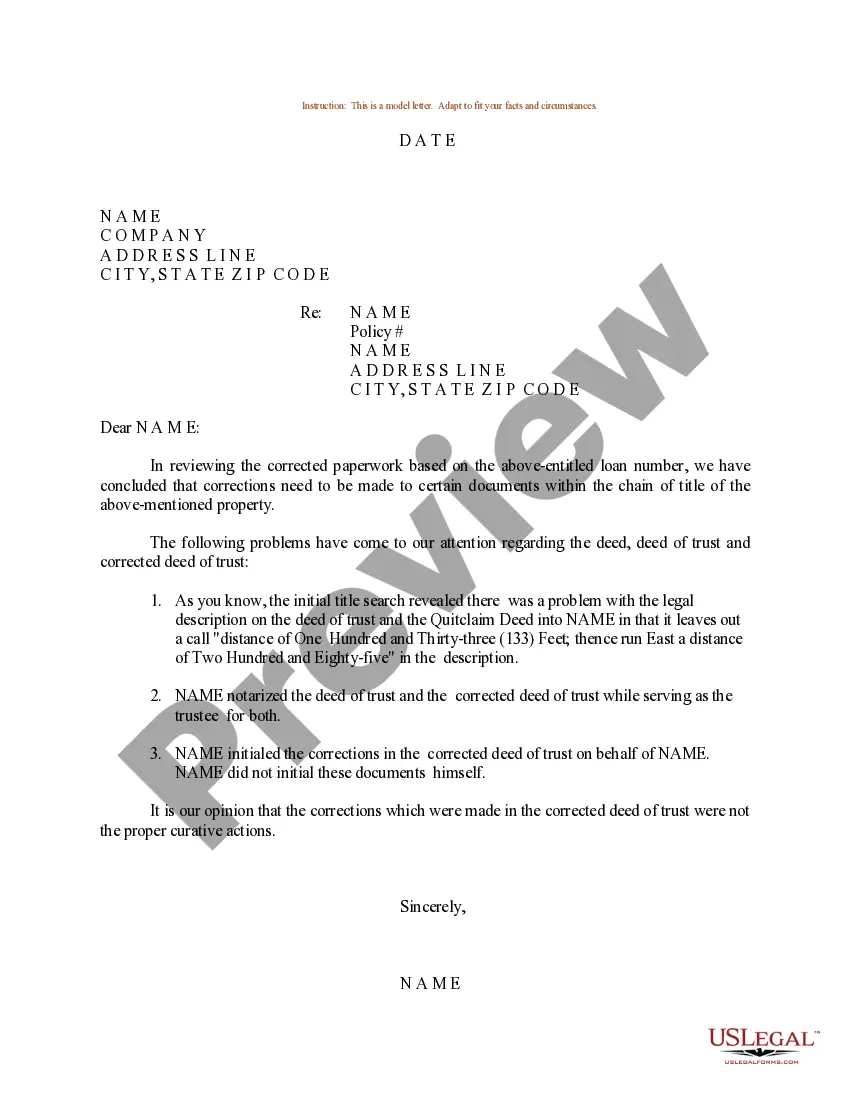
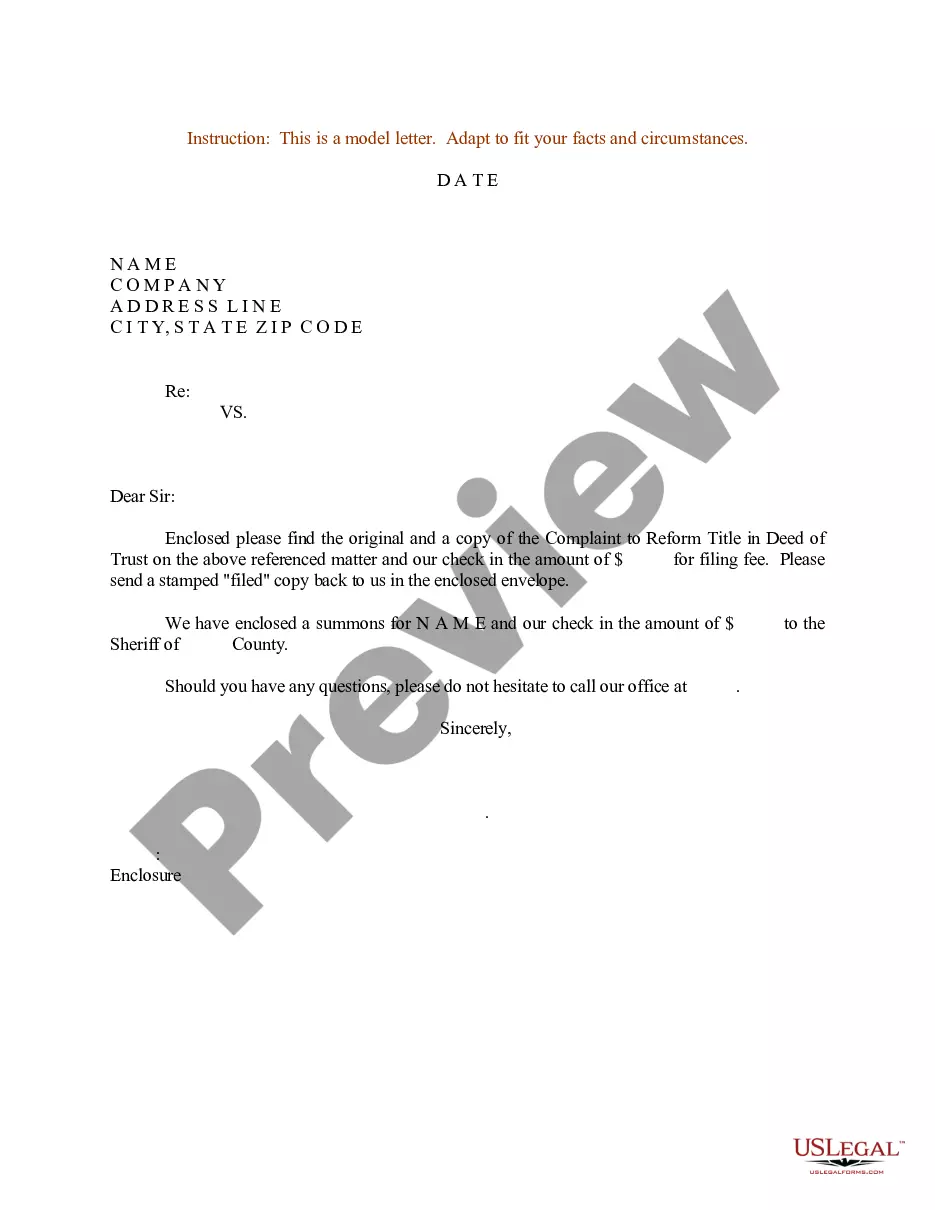
Get your form ready online
Our built-in tools help you complete, sign, share, and store your documents in one place.
Make edits, fill in missing information, and update formatting in US Legal Forms—just like you would in MS Word.
Download a copy, print it, send it by email, or mail it via USPS—whatever works best for your next step.
Sign and collect signatures with our SignNow integration. Send to multiple recipients, set reminders, and more. Go Premium to unlock E-Sign.
If this form requires notarization, complete it online through a secure video call—no need to meet a notary in person or wait for an appointment.
We protect your documents and personal data by following strict security and privacy standards.

Make edits, fill in missing information, and update formatting in US Legal Forms—just like you would in MS Word.

Download a copy, print it, send it by email, or mail it via USPS—whatever works best for your next step.

Sign and collect signatures with our SignNow integration. Send to multiple recipients, set reminders, and more. Go Premium to unlock E-Sign.

If this form requires notarization, complete it online through a secure video call—no need to meet a notary in person or wait for an appointment.

We protect your documents and personal data by following strict security and privacy standards.
Looking for another form?
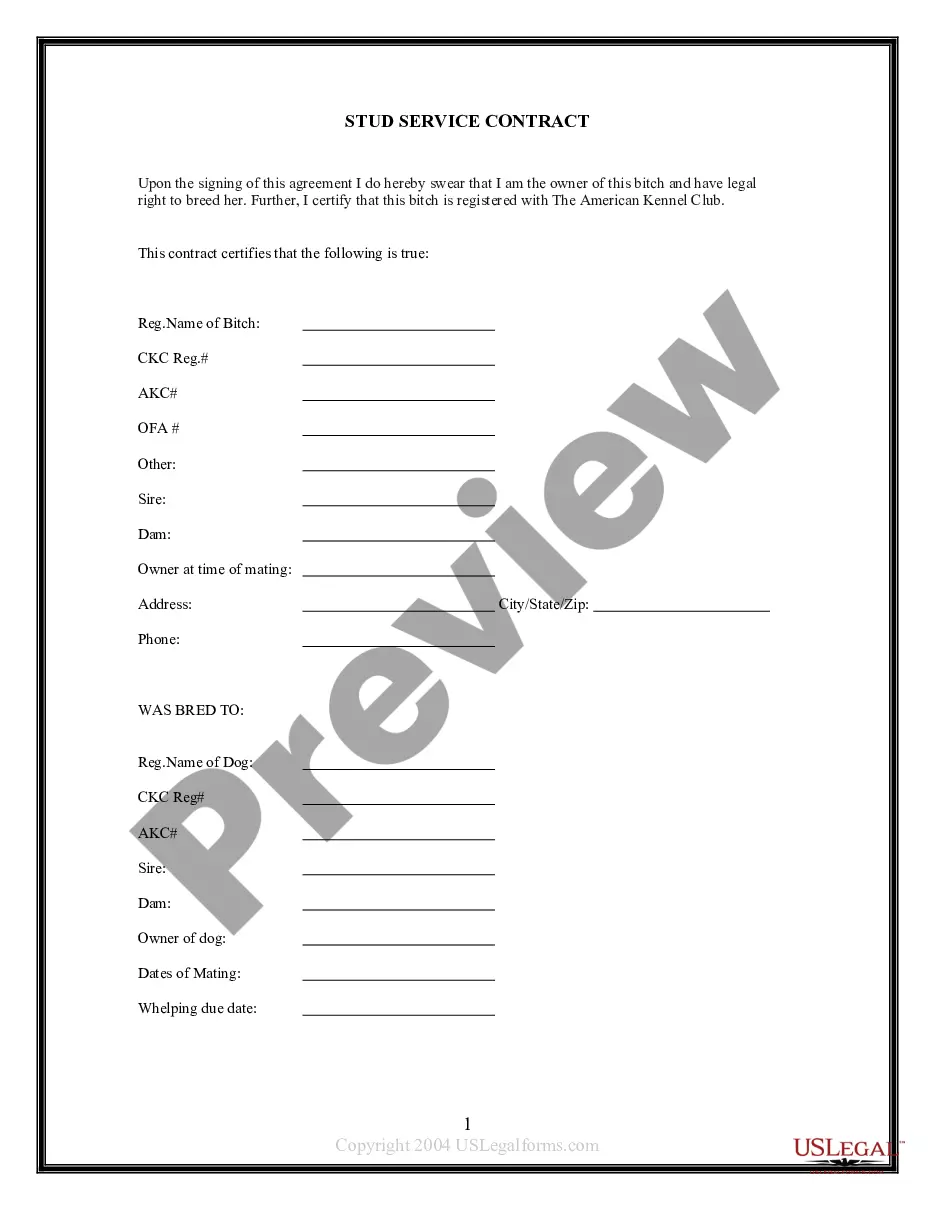

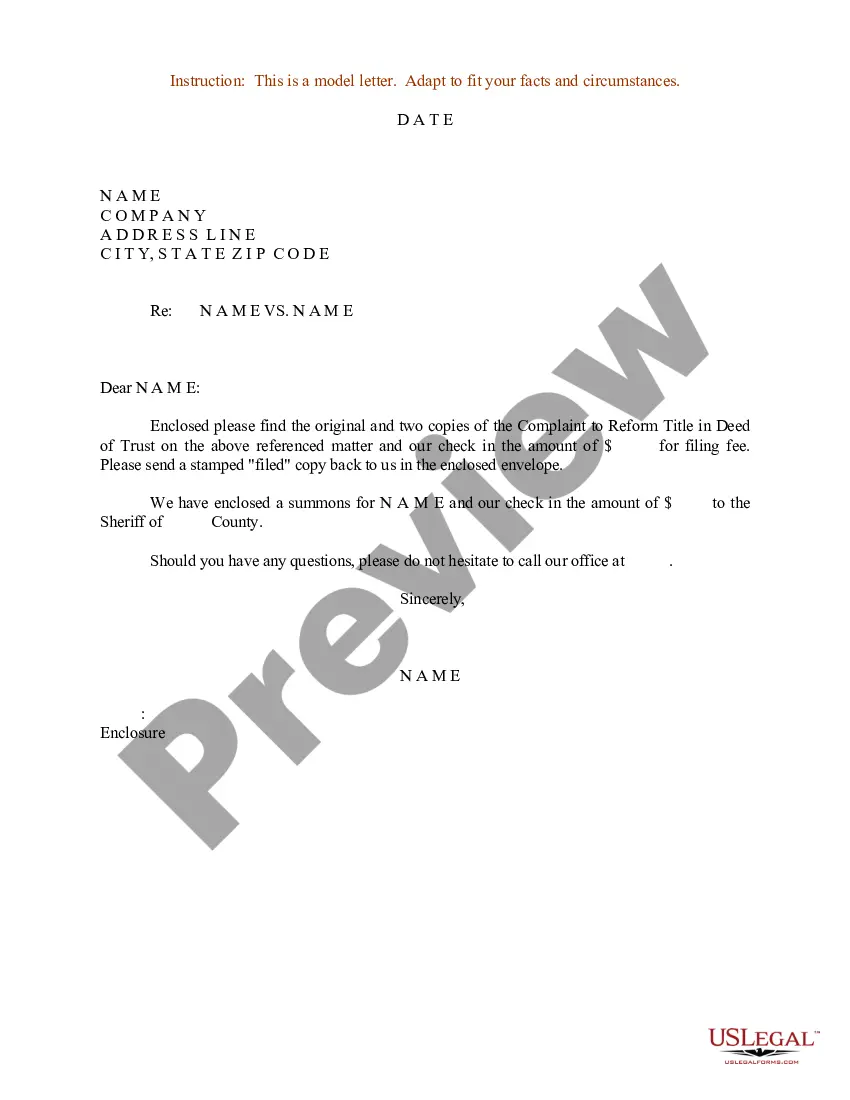
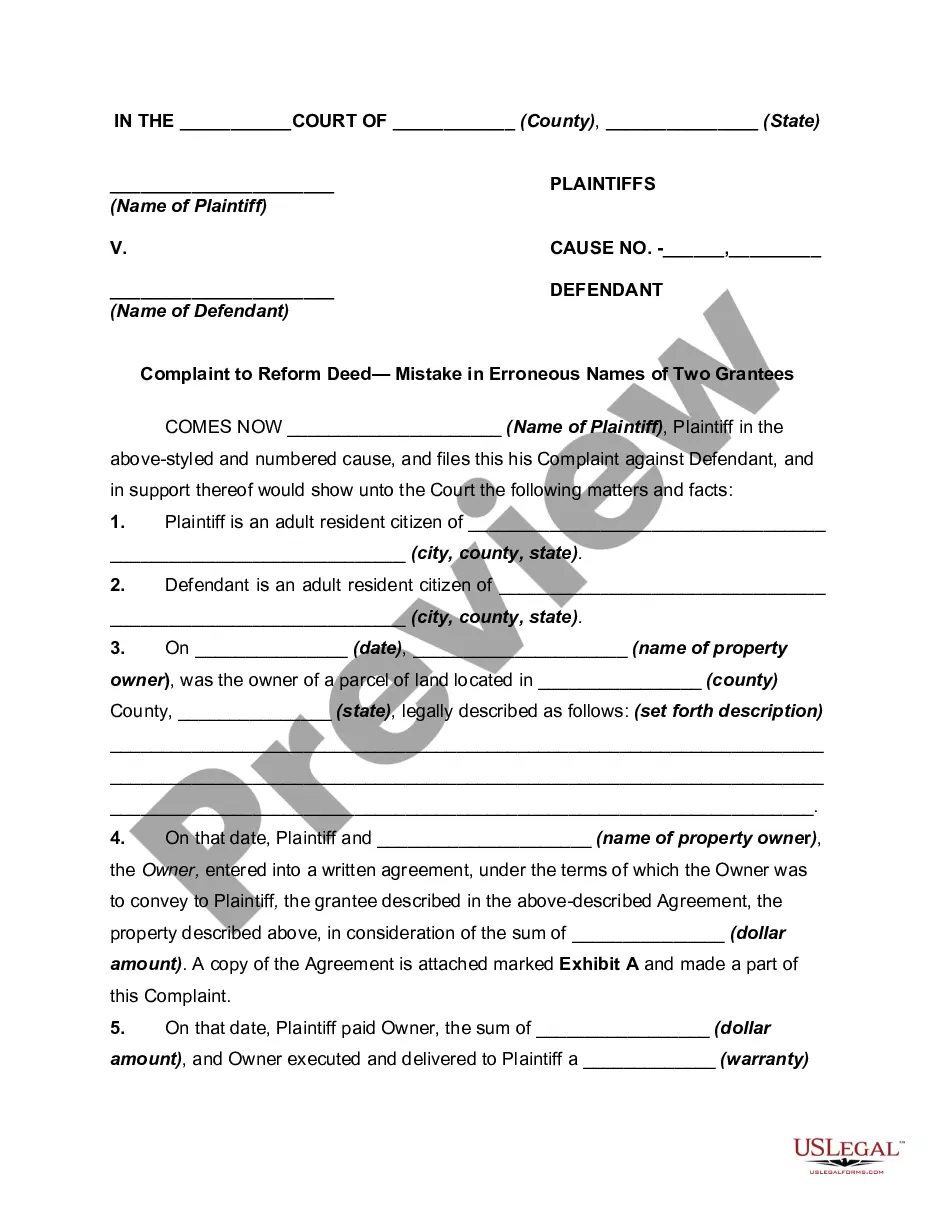
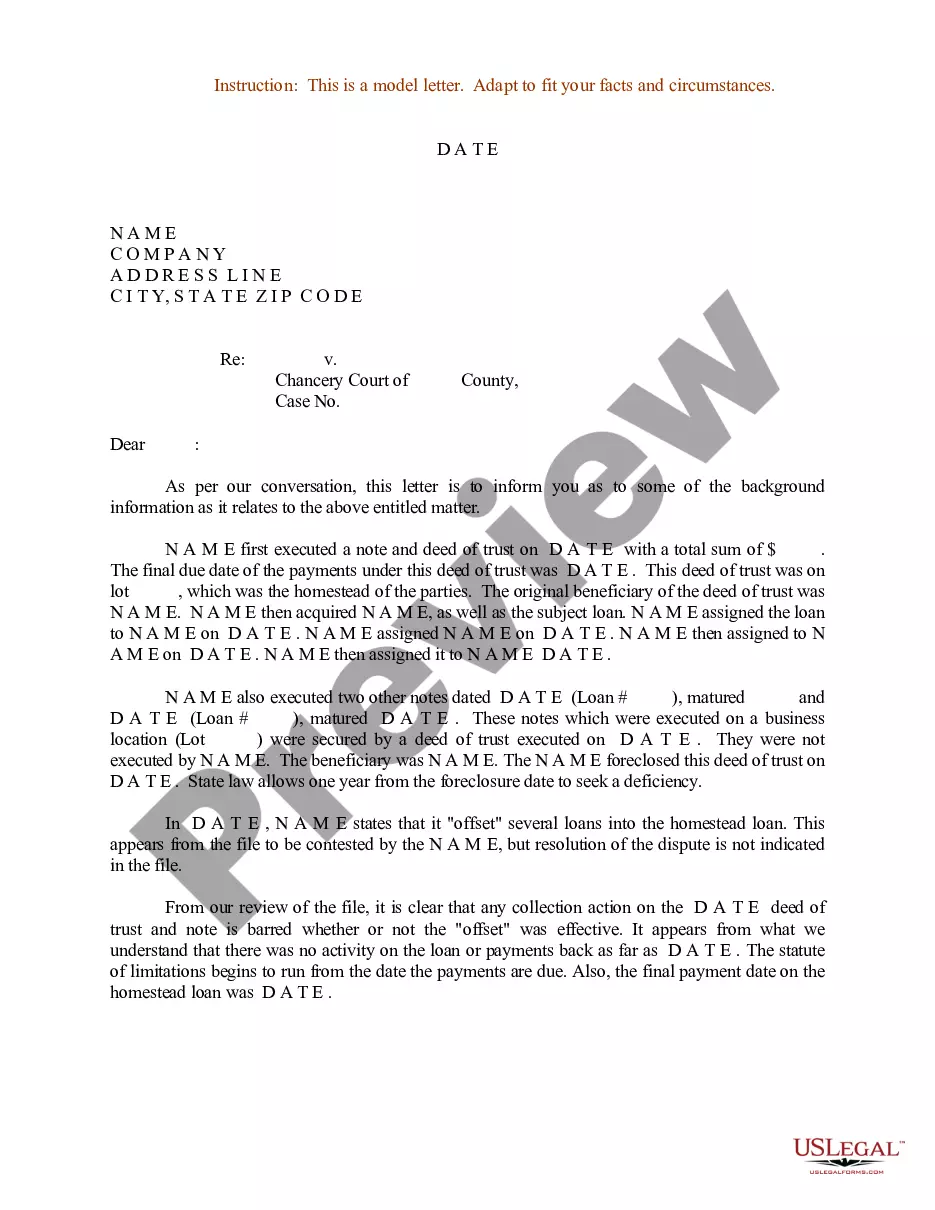
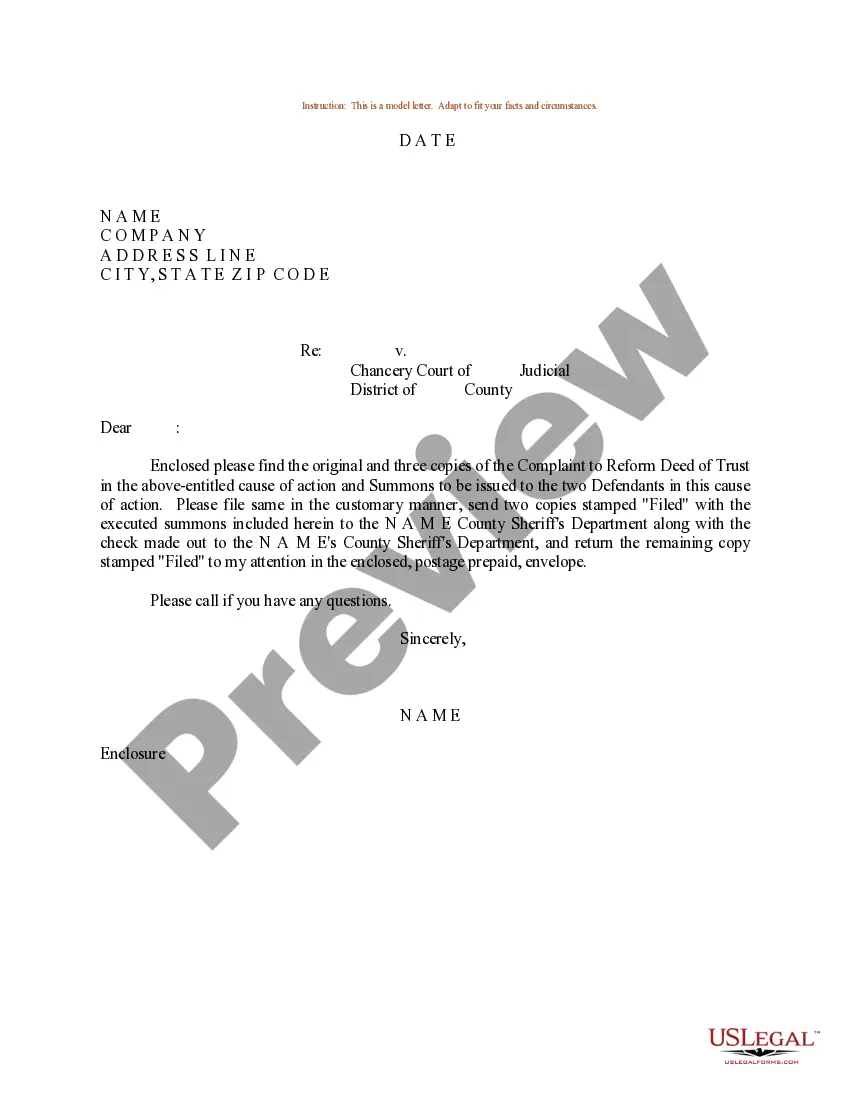
How to fill out Sample Letter For Complaint To Reform Title In Deed Of Trust?
Drafting legal documents from scratch can sometimes be daunting. Some cases might involve hours of research and hundreds of dollars spent. If you’re looking for a an easier and more affordable way of creating Titles With Trust or any other paperwork without jumping through hoops, US Legal Forms is always at your fingertips.
Our online library of more than 85,000 up-to-date legal forms covers virtually every element of your financial, legal, and personal affairs. With just a few clicks, you can instantly access state- and county-compliant forms diligently put together for you by our legal professionals.
Use our platform whenever you need a trusted and reliable services through which you can quickly find and download the Titles With Trust. If you’re not new to our website and have previously set up an account with us, simply log in to your account, locate the template and download it away or re-download it anytime later in the My Forms tab.
Don’t have an account? No problem. It takes minutes to set it up and explore the catalog. But before jumping straight to downloading Titles With Trust, follow these recommendations:
- Review the document preview and descriptions to ensure that you have found the document you are looking for.
- Make sure the template you choose conforms with the requirements of your state and county.
- Choose the right subscription option to purchase the Titles With Trust.
- Download the form. Then fill out, certify, and print it out.
US Legal Forms has a spotless reputation and over 25 years of experience. Join us now and transform document completion into something simple and streamlined!
Form popularity
FAQ
Assets that should not be used to fund your living trust include: Qualified retirement accounts ? 401ks, IRAs, 403(b)s, qualified annuities. Health saving accounts (HSAs) Medical saving accounts (MSAs) Uniform Transfers to Minors (UTMAs) Uniform Gifts to Minors (UGMAs) Life insurance. Motor vehicles.
In light of this requirement, people often choose to shorten the name of the trust?in this example perhaps to the ?Smith Family Trust? rather than the ?John H. and Mildred R. Smith Family Trust.? The title of the trust accounts and real estate would be ?John H. Smith, Trustee of the Smith Family Trust.?
The key disadvantages of placing a house in a trust include the following: Extra paperwork: Moving property in a trust requires the house owner to transfer the asset's legal title. This involves preparing and signing an additional deed, and some people may consider this cumbersome.
?John Smith and Jane Smith Revocable Living Trust Dated November 21, 2022?. There are no legal requirements when it comes to naming a trust. Those examples above are the most common way estate planning attorneys draft them.
Usually you'll consider the grantor/trustor and/or the beneficiary(ies) when picking a name. This leads to the vast majority of trusts being named after the family - Thompson Family Trust for example. Add first names for some variety/specificity - Tye and Tina Thompson Family Trust for example.