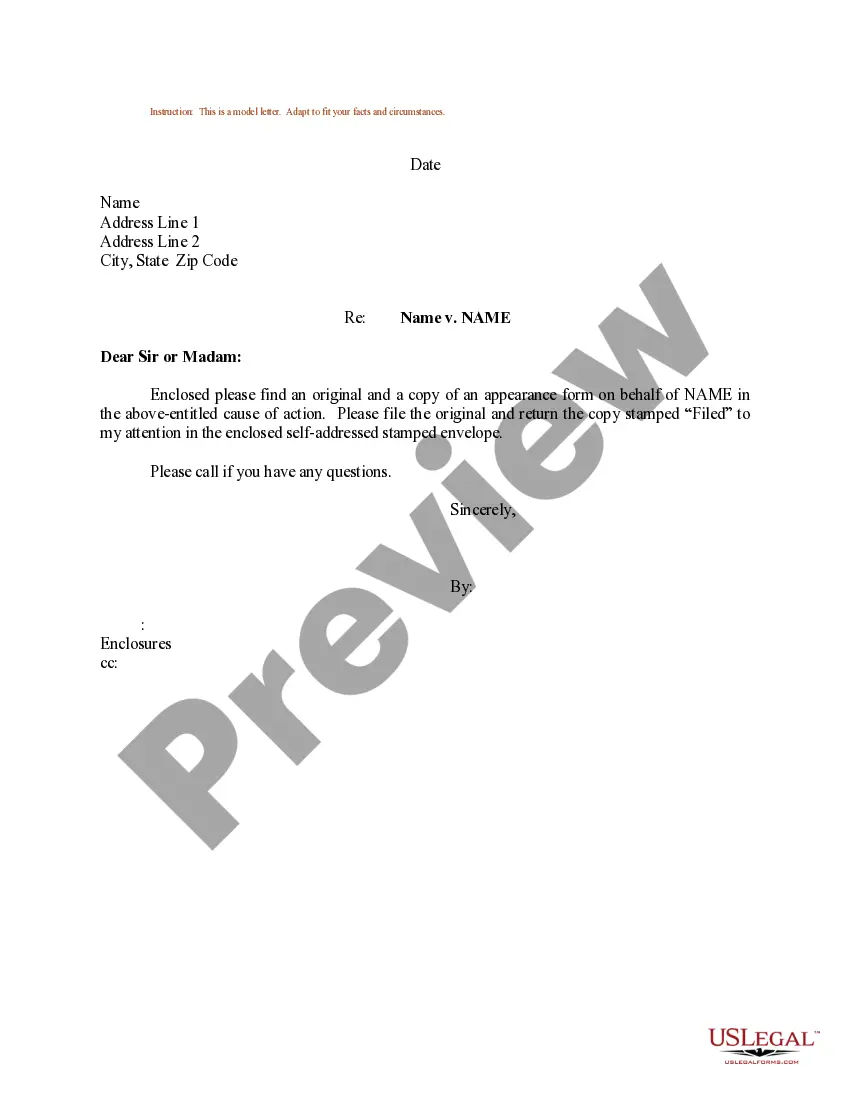
Appearance And Reality Examples
Description
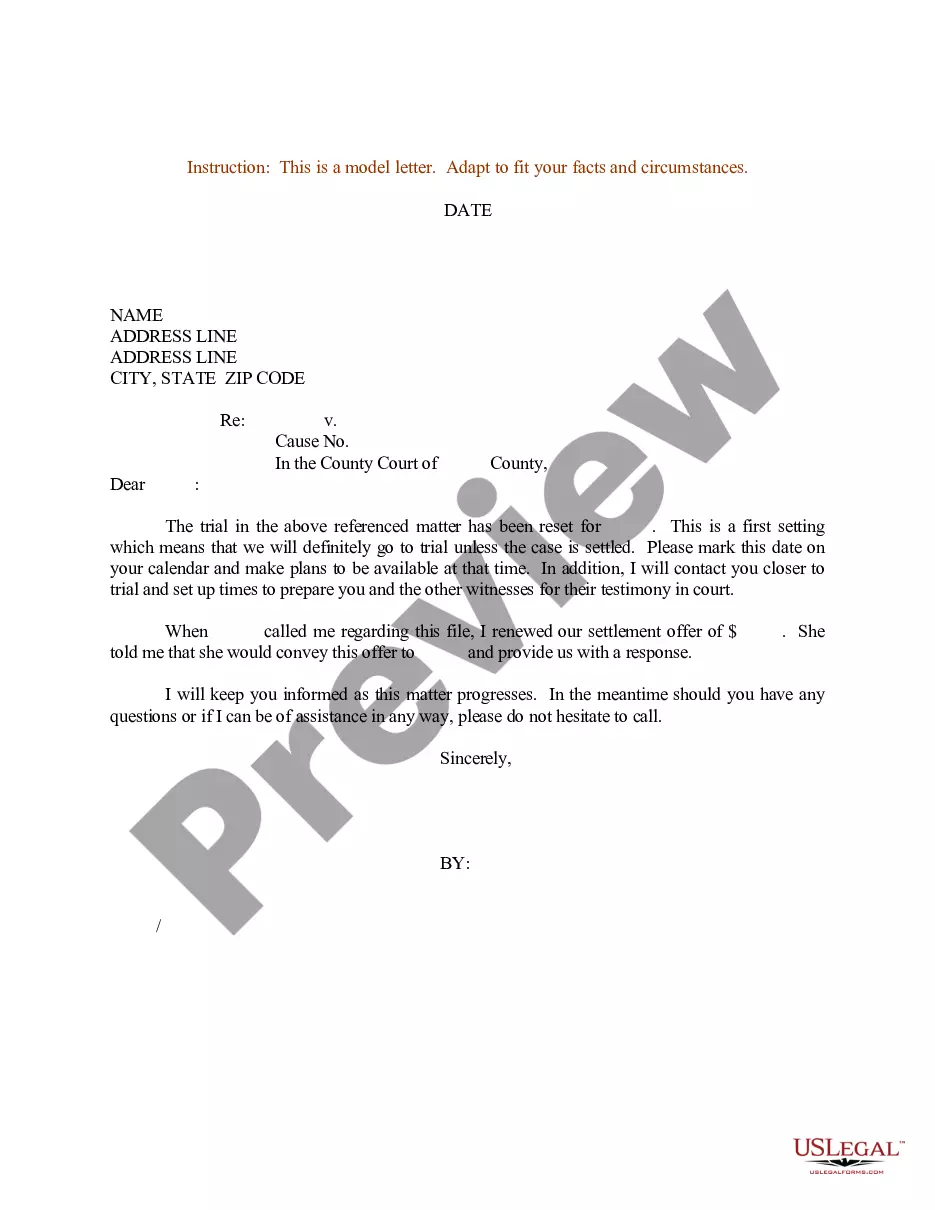
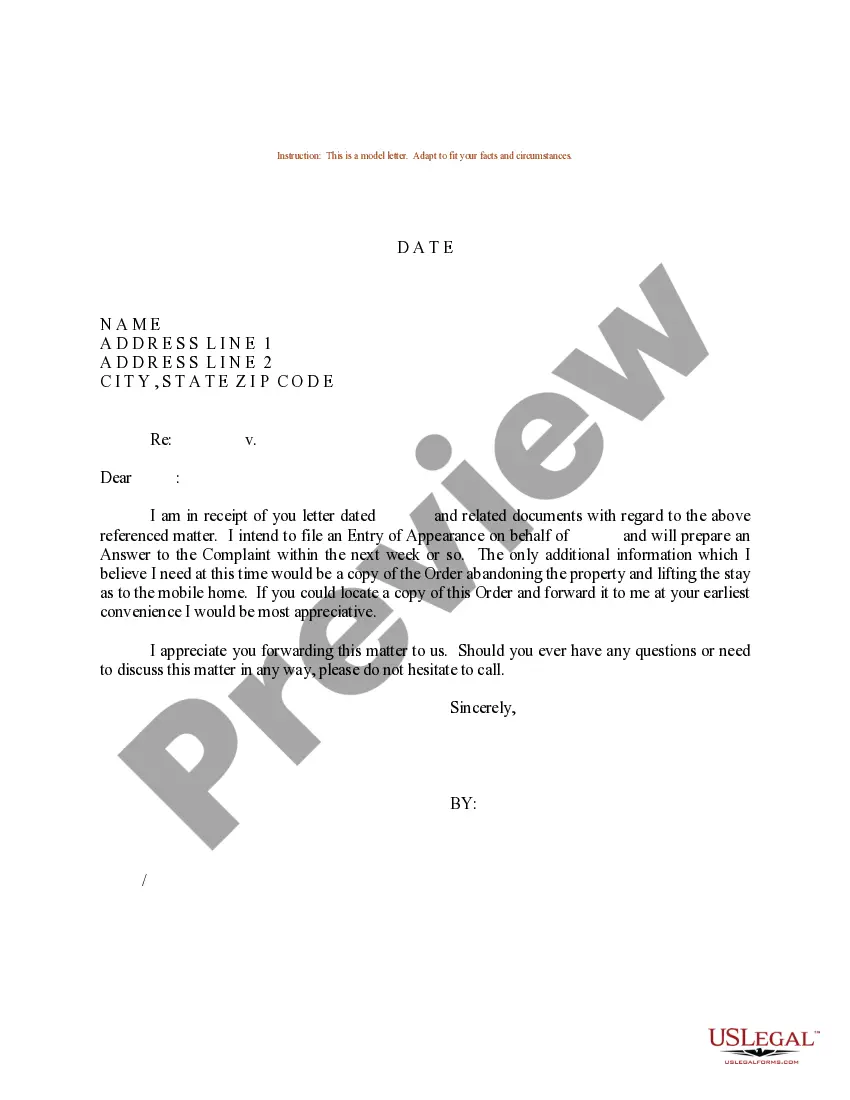
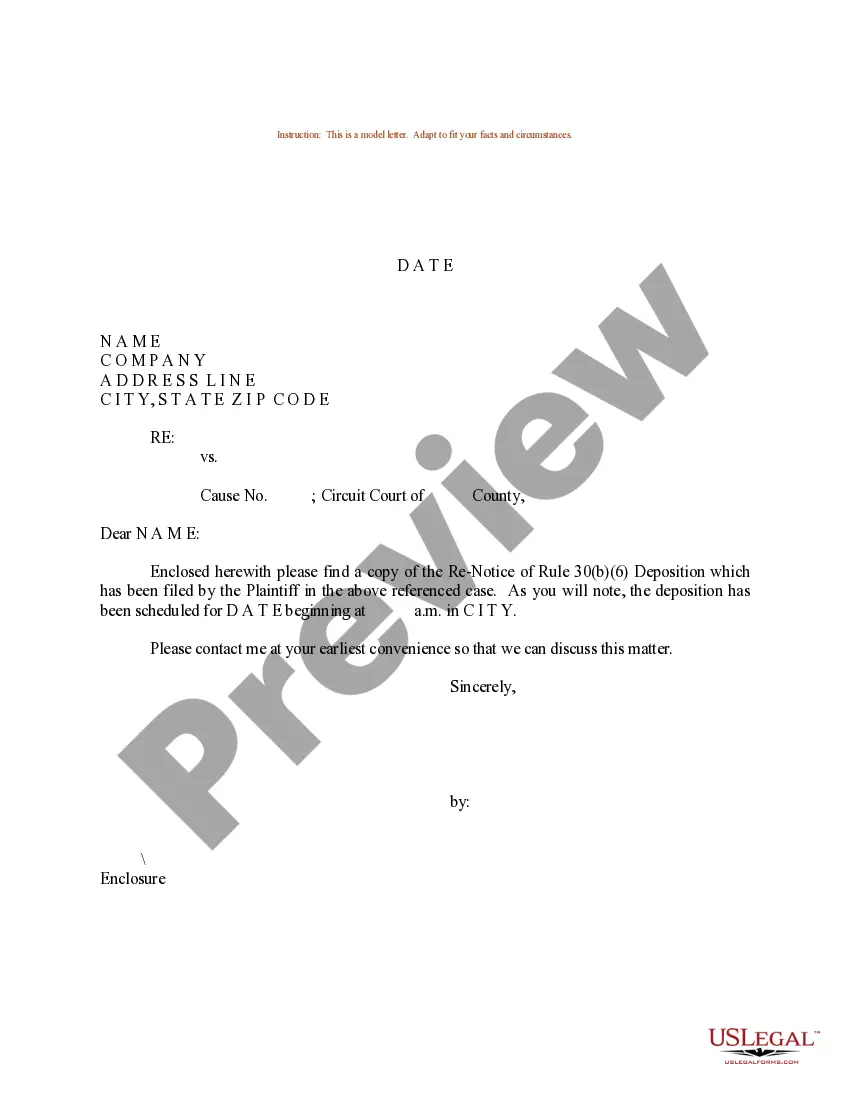
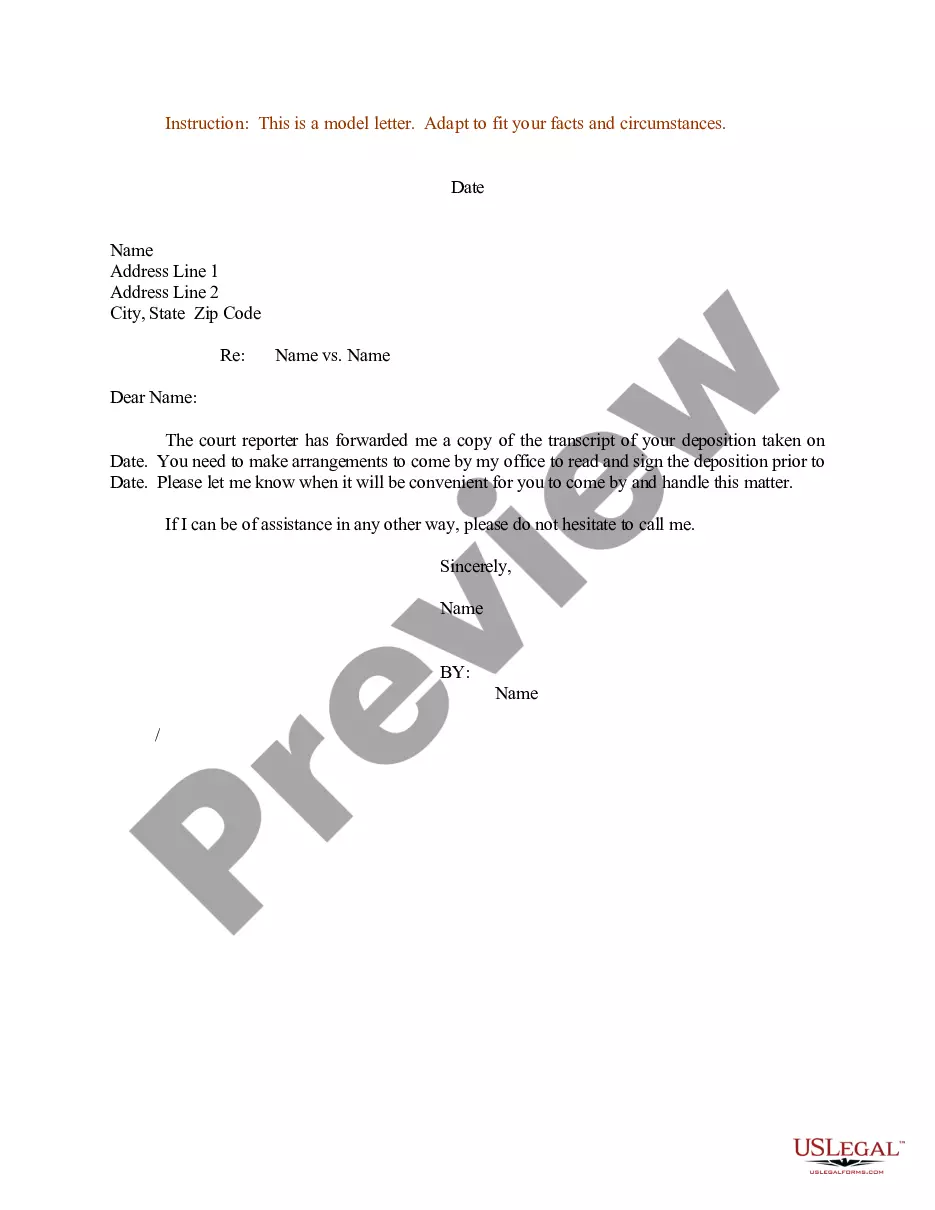
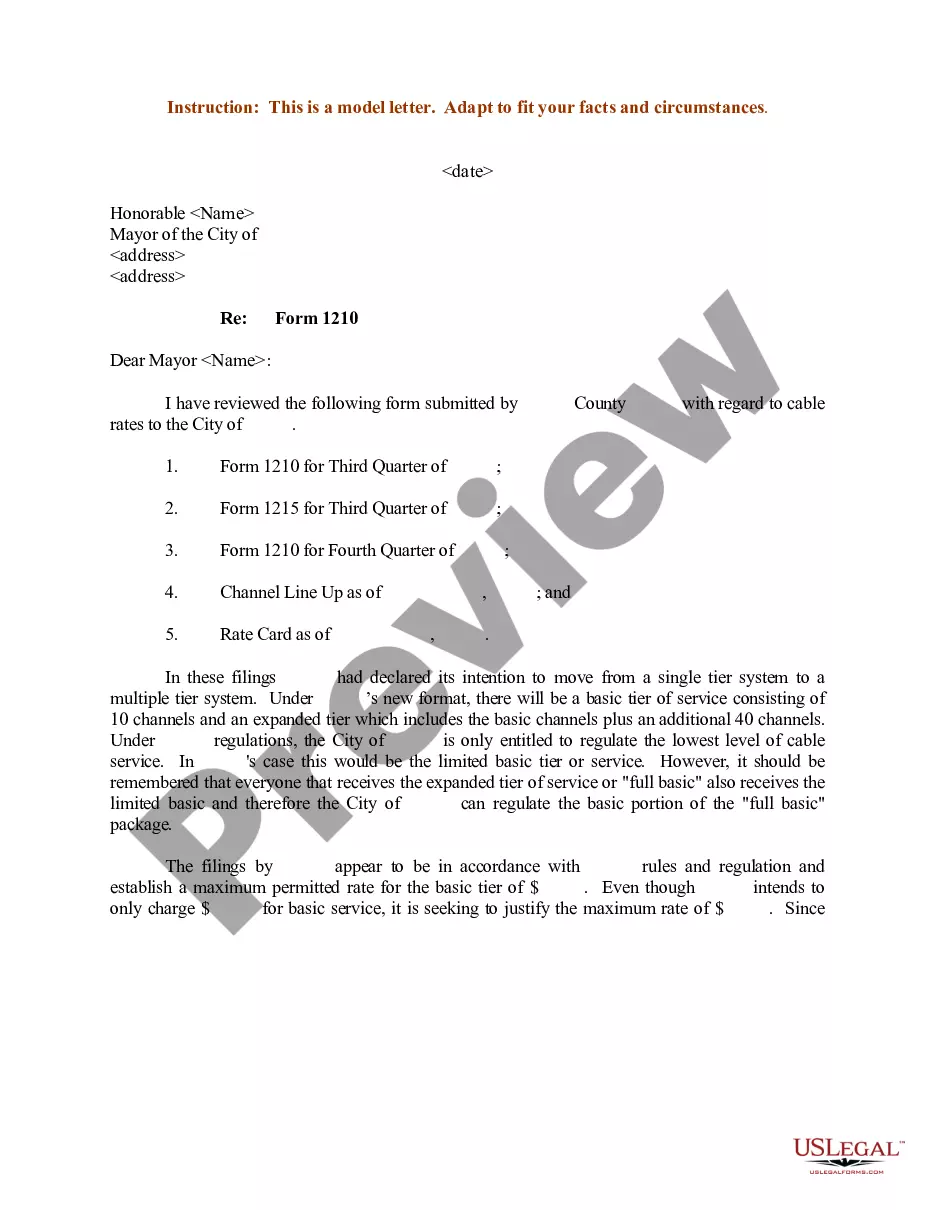
Get your form ready online
Our built-in tools help you complete, sign, share, and store your documents in one place.
Make edits, fill in missing information, and update formatting in US Legal Forms—just like you would in MS Word.
Download a copy, print it, send it by email, or mail it via USPS—whatever works best for your next step.
Sign and collect signatures with our SignNow integration. Send to multiple recipients, set reminders, and more. Go Premium to unlock E-Sign.
If this form requires notarization, complete it online through a secure video call—no need to meet a notary in person or wait for an appointment.
We protect your documents and personal data by following strict security and privacy standards.

Make edits, fill in missing information, and update formatting in US Legal Forms—just like you would in MS Word.

Download a copy, print it, send it by email, or mail it via USPS—whatever works best for your next step.

Sign and collect signatures with our SignNow integration. Send to multiple recipients, set reminders, and more. Go Premium to unlock E-Sign.

If this form requires notarization, complete it online through a secure video call—no need to meet a notary in person or wait for an appointment.

We protect your documents and personal data by following strict security and privacy standards.
Looking for another form?



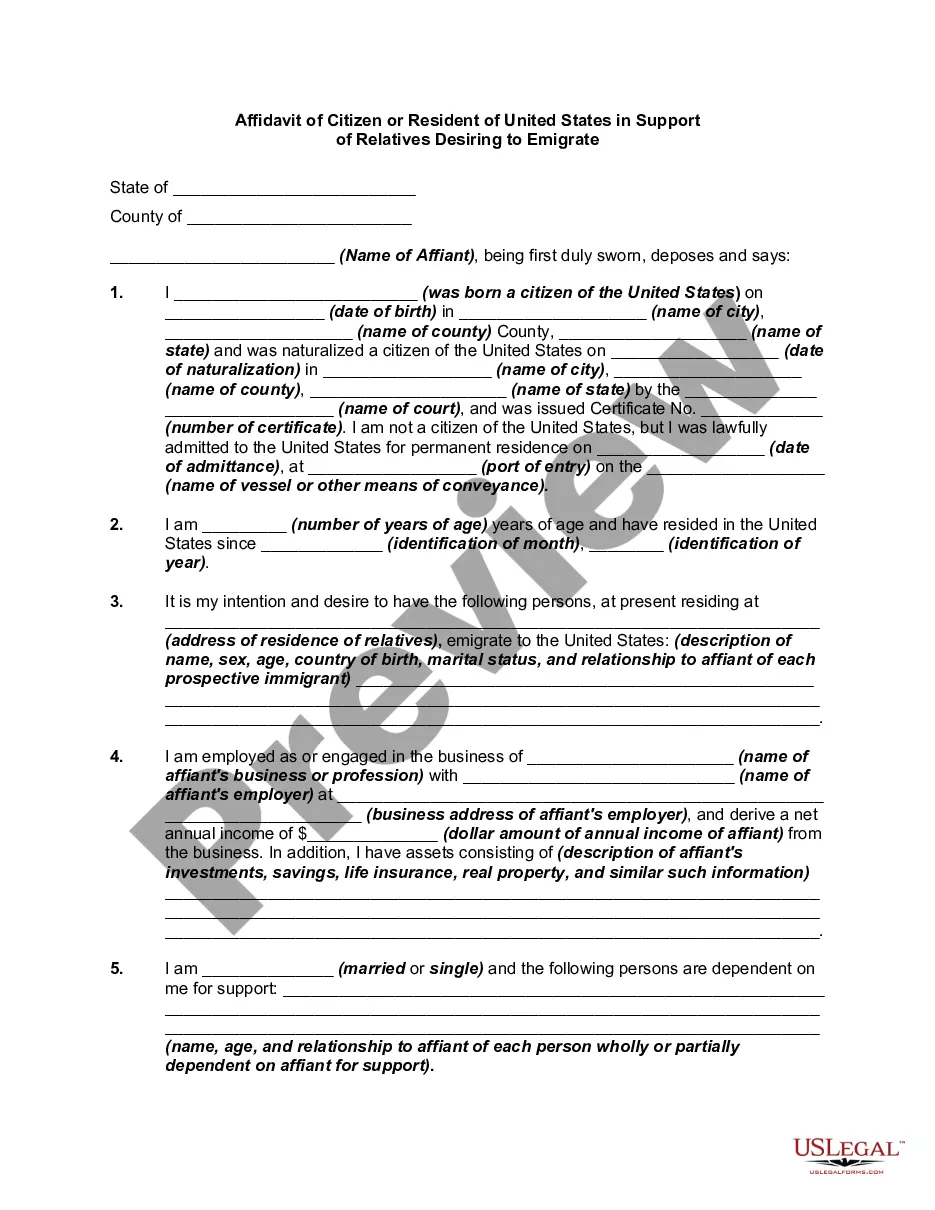
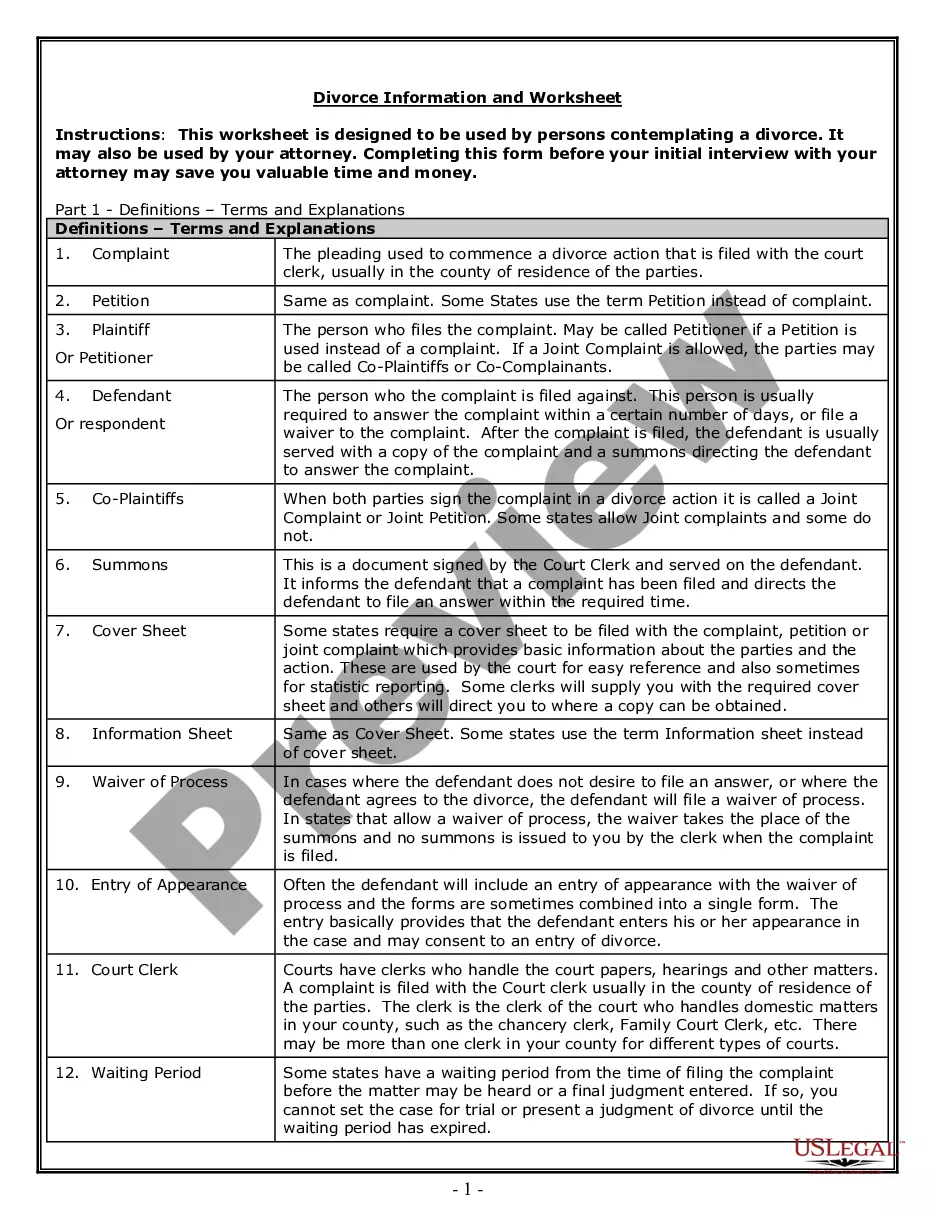


How to fill out Sample Letter Regarding Appearance Form?
Identifying a reliable source for the latest and pertinent legal templates is a significant part of navigating bureaucracy.
Finding the appropriate legal documents necessitates precision and meticulousness, which is why it is essential to obtain samples of Appearance And Reality Examples exclusively from credible sources, such as US Legal Forms.
Once the document is on your device, you can edit it with the editor or print it to fill it out by hand. Eliminate the hassle associated with legal paperwork. Explore the extensive US Legal Forms database where you can find legal templates, assess their applicability to your situation, and download them immediately.
- Utilize the catalog navigation or search bar to find your example.
- Access the form's details to determine if it meets the requirements of your region and state.
- Preview the document, if possible, to ensure it is indeed the form you need.
- Return to the search and locate the correct document if the Appearance And Reality Examples does not fulfill your criteria.
- If you are confident about the form's suitability, download it.
- As an authorized user, click Log in to verify and access your selected templates in My documents.
- If you haven't created an account yet, click Buy now to acquire the template.
- Select the pricing option that fits your needs.
- Move forward with registration to finalize your purchase.
- Complete your transaction by selecting a payment method (credit card or PayPal).
- Choose the file format to download Appearance And Reality Examples.
Form popularity
FAQ
Appearance and Reality (1893; second edition 1897) is a book by the English philosopher Francis Herbert Bradley, in which the author, influenced by Georg Wilhelm Friedrich Hegel, argues that most things are appearances and attempts to describe the reality these appearances misrepresent, which Bradley calls the Absolute ...
When people go to a higher end event they might rent a tuxedo, or buy new shoes, or a watch. All of these things sound so familiar and common to us because they are so common in our society however these are all examples of people changing their appearance in order to seem more wealthy or more successful.
Ing to common sense appearance IS reality: objects that we perceive around us continue to exist when no one is perceiving them; this is known as realism.
Besides the Witches, Lady Macbeth is one of the most significant examples of the difference between appearance and reality, and the ?conflict?between the two. Her ?ambition?fuels her deception of others and she ensures she ?disguises?her true intentions in order to ?gain power?.
Irony: a contrast or discrepancy between appearance and reality, or between what is expected and what actually happens.