Deposition Letter Example
Description
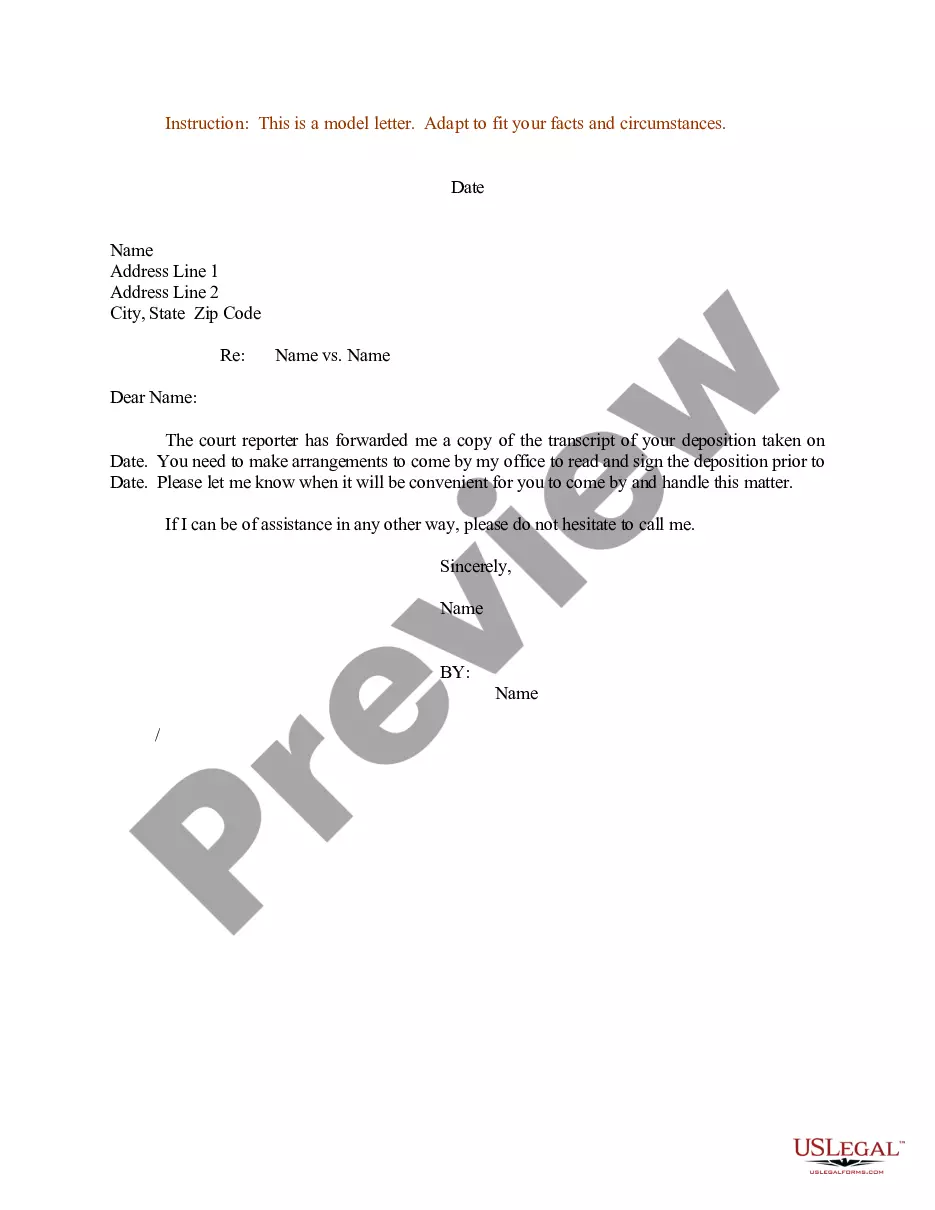

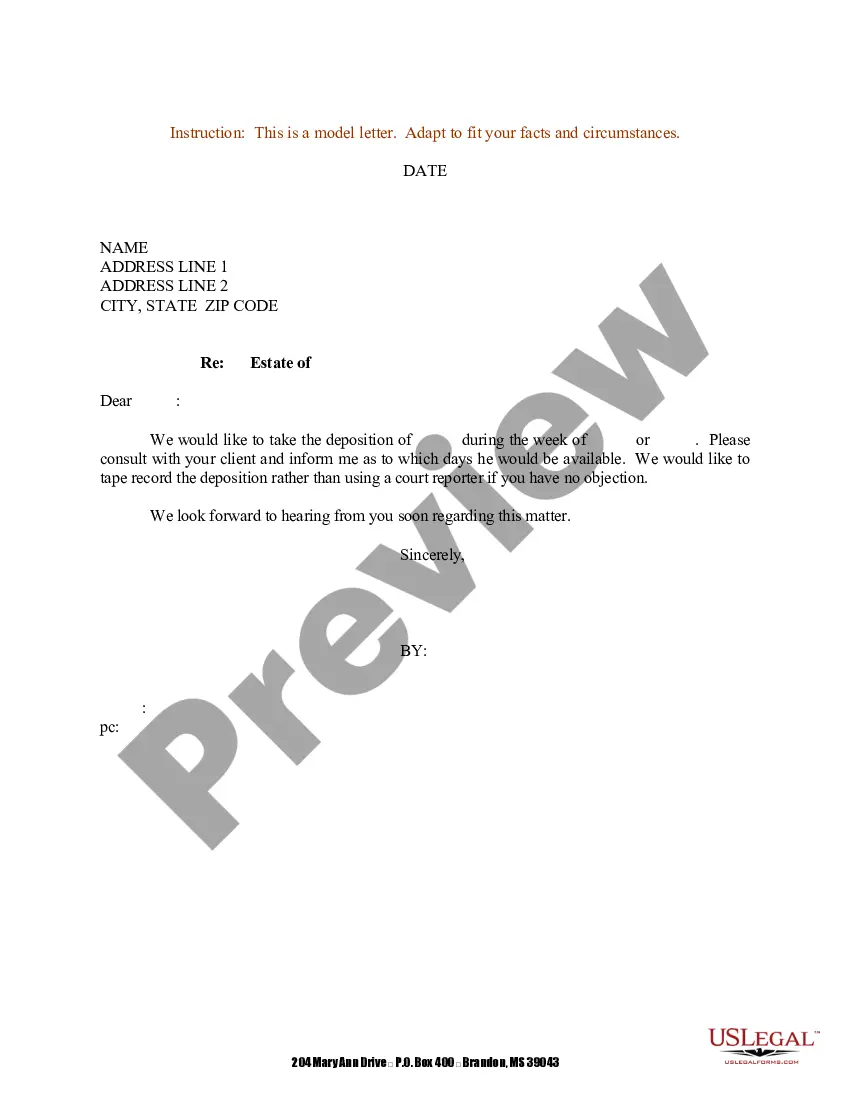
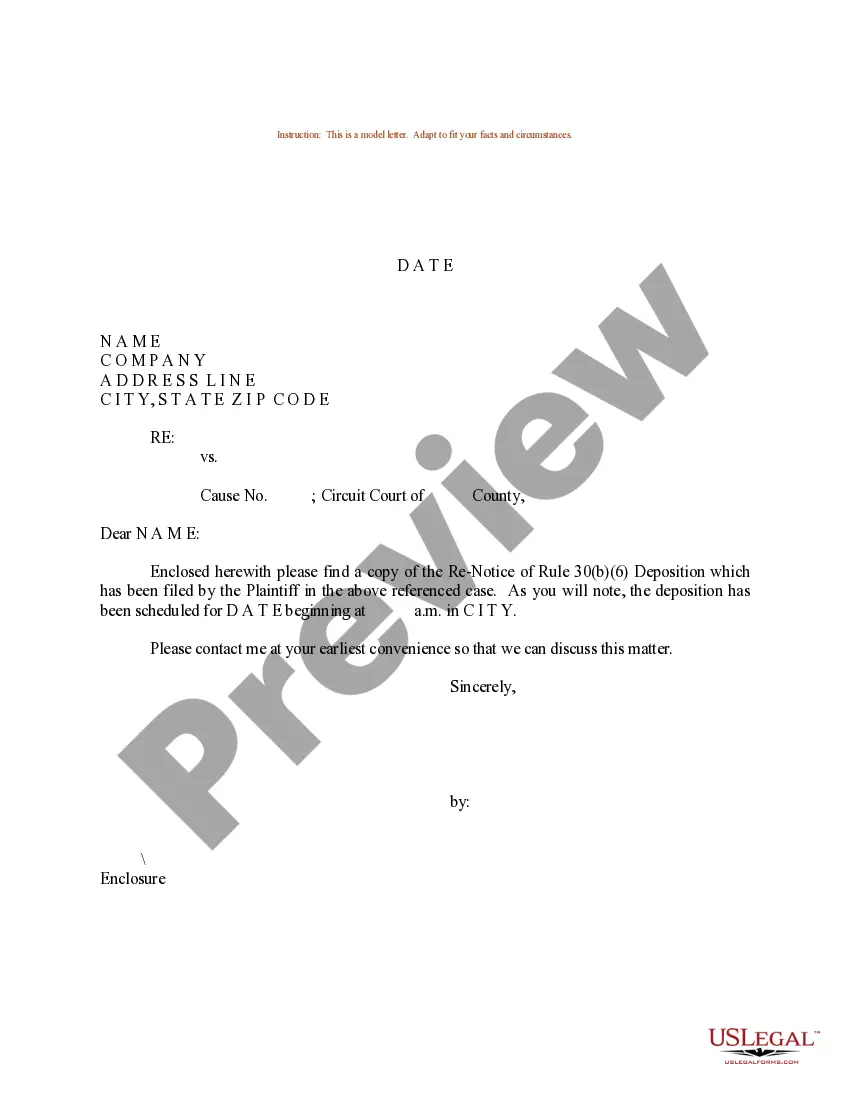
Get your form ready online
Our built-in tools help you complete, sign, share, and store your documents in one place.
Make edits, fill in missing information, and update formatting in US Legal Forms—just like you would in MS Word.
Download a copy, print it, send it by email, or mail it via USPS—whatever works best for your next step.
Sign and collect signatures with our SignNow integration. Send to multiple recipients, set reminders, and more. Go Premium to unlock E-Sign.
If this form requires notarization, complete it online through a secure video call—no need to meet a notary in person or wait for an appointment.
We protect your documents and personal data by following strict security and privacy standards.

Make edits, fill in missing information, and update formatting in US Legal Forms—just like you would in MS Word.

Download a copy, print it, send it by email, or mail it via USPS—whatever works best for your next step.

Sign and collect signatures with our SignNow integration. Send to multiple recipients, set reminders, and more. Go Premium to unlock E-Sign.

If this form requires notarization, complete it online through a secure video call—no need to meet a notary in person or wait for an appointment.

We protect your documents and personal data by following strict security and privacy standards.
Looking for another form?
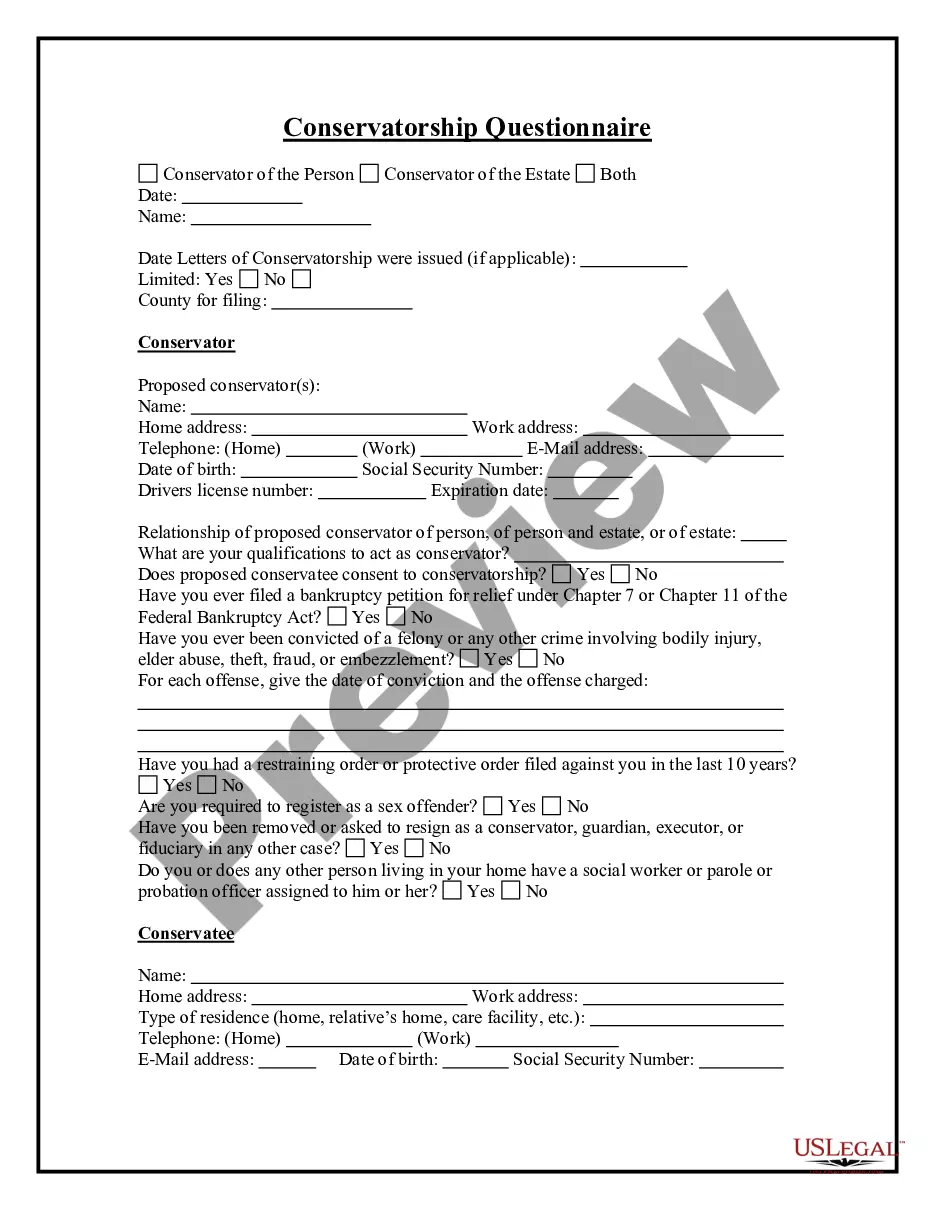

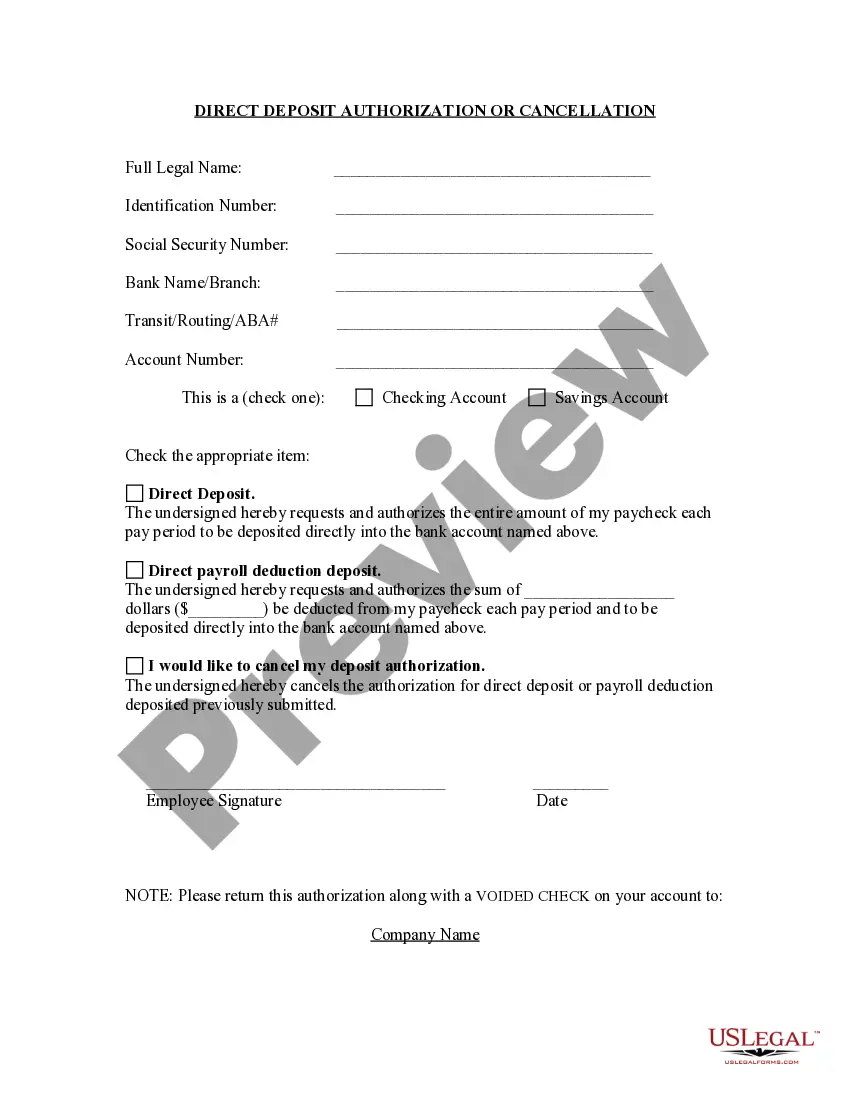
How to fill out Sample Letter Regarding Deposition?
It’s widely recognized that you cannot transform into a legal expert instantly, nor can you quickly learn to draft a Deposition Letter Example without having specific expertise.
Assembling legal paperwork is an elaborate undertaking that necessitates a certain level of education and proficiency. This leads to the question: why not entrust the creation of the Deposition Letter Example to the experts.
With US Legal Forms, which boasts one of the most comprehensive collections of legal templates, you can discover anything ranging from court documents to formats for internal corporate dialogue. We acknowledge the significance of compliance and adherence to federal and state statutes and regulations.
You can revisit your forms anytime through the My documents section. If you are an existing client, you can easily Log In and access and download the template from the same section.
Regardless of the intent behind your forms—whether financial, legal, or personal—our site is equipped to assist you. Experience US Legal Forms today!
- Utilize the search bar located at the top of the site to find the form you require.
- Review it (if this option is available) and examine the accompanying description to ascertain whether the Deposition Letter Example meets your needs.
- If you require any other form, restart your search.
- Create a free account and select a subscription plan to acquire the form.
- Click Buy now. Once the transaction is finalized, you can obtain the Deposition Letter Example, complete it, print it, and send or post it to the relevant individuals or organizations.
Form popularity
FAQ
The summarizing process typically includes three basic steps: reading, annotating and summarizing a deposition transcript. A well-worked summary requires a thorough and thoughtful reading of the entire transcript as well as paying attention to the questions that attorneys ask and the response of witnesses.
A deposition would be required, for instance, if one were to witness an accident that resulted in a liability lawsuit. All parties involved in the case are permitted to attend the deposition. The deponent will be asked a number of questions related to the lawsuit by the attorneys on both sides.
Deposition is the transition of a substance directly from the gas to the solid state on cooling, without passing through the liquid state. Examples: Camphor, Iodine, Ammonium Chloride, Naphthalene, etc.
6 Tips for Conducting a Deposition Fearlessly Be Confident. The first thing to remember when conducting depositions is maintain composure and confidence. ... Be Prepared. ... Use Bullet Points, But Don't Write an Extensive Outline. ... Study the Rules. ... Do Not Be Bullied. ... Review Your Work.
It is generally done outside the court and prior to the commencement of the trial. The deposition is an inseparable part of the process of discovery which will allow both the parties involved in a legal tussle to learn all the relevant facts and find out the views of the other side.