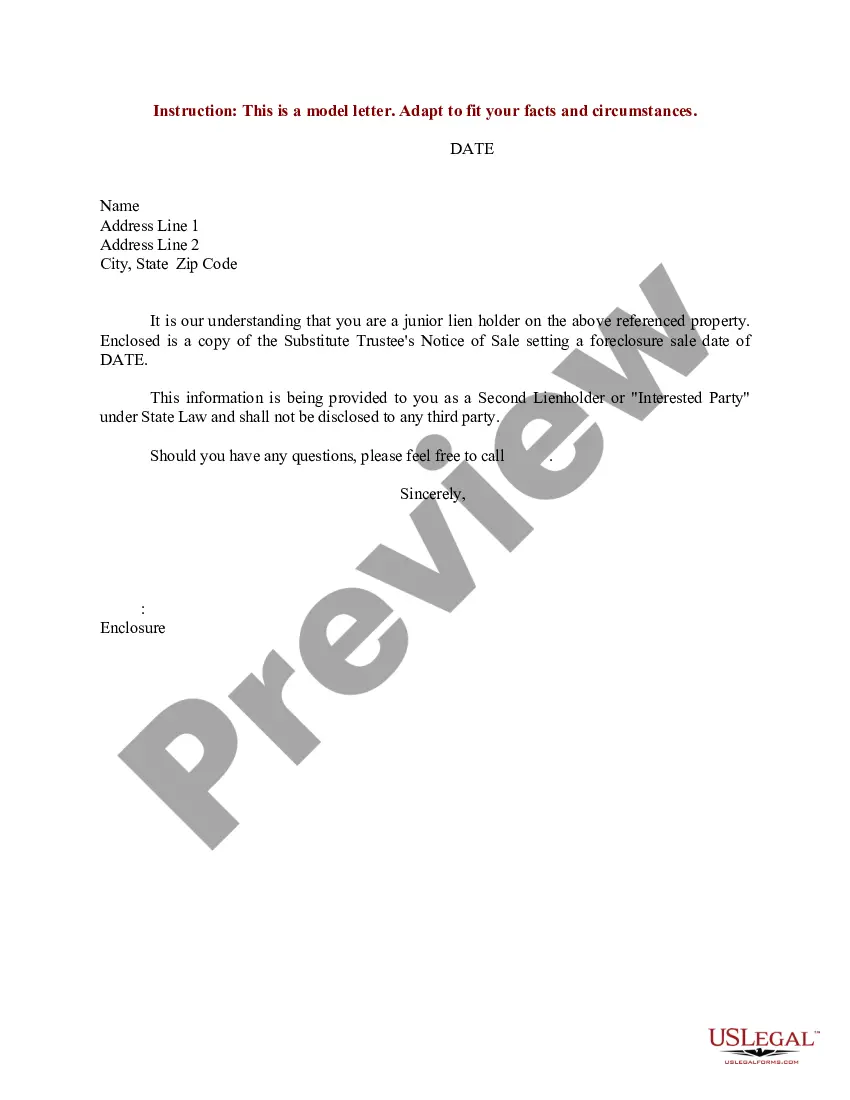
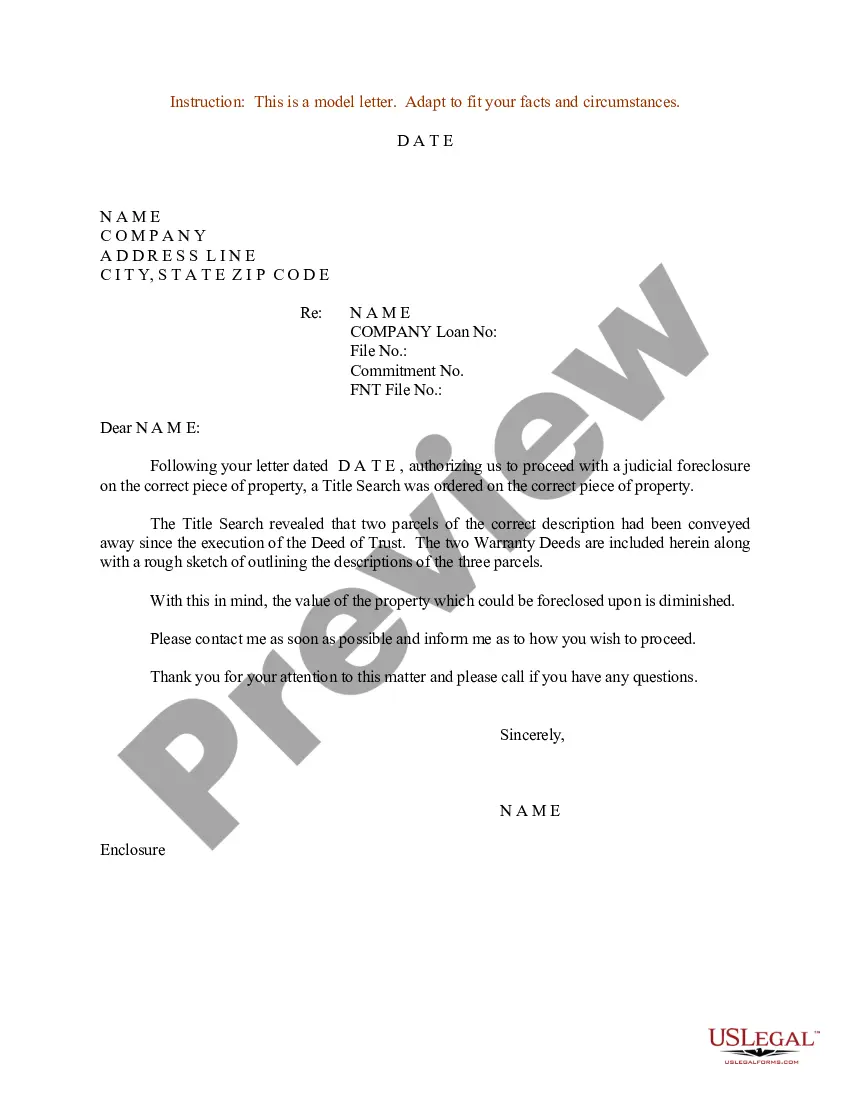
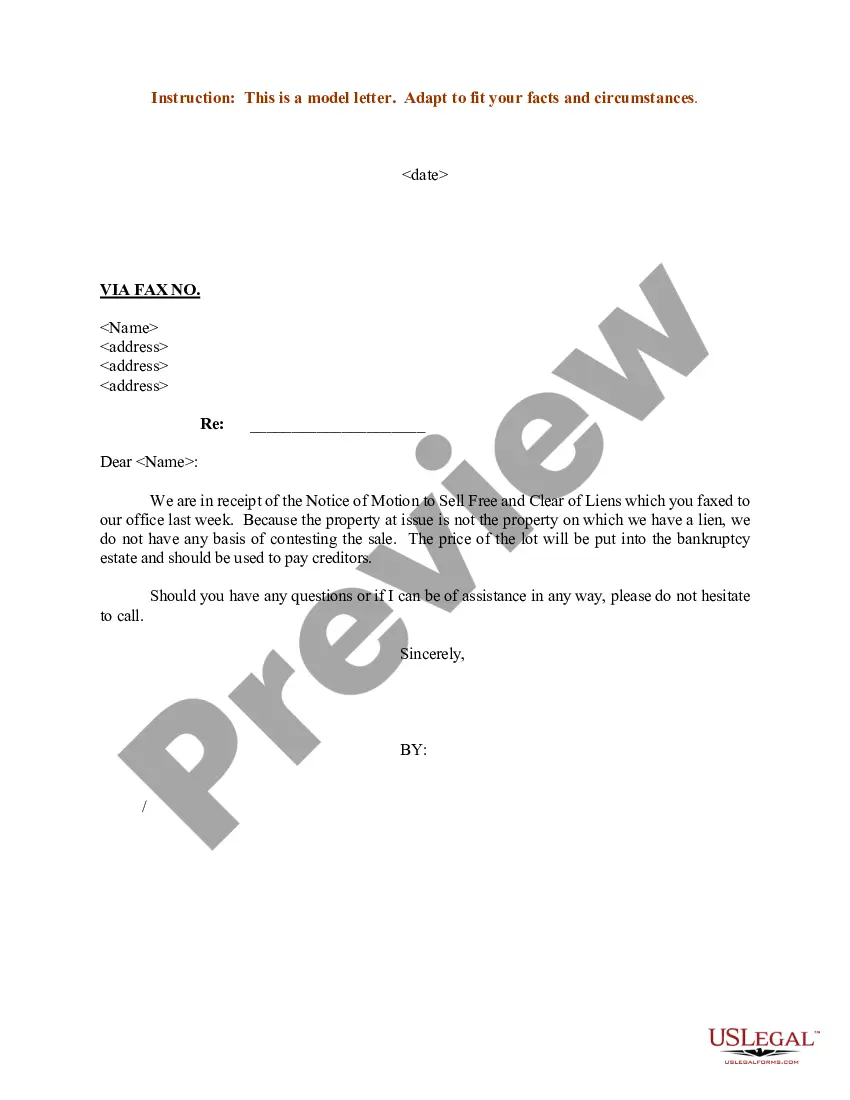
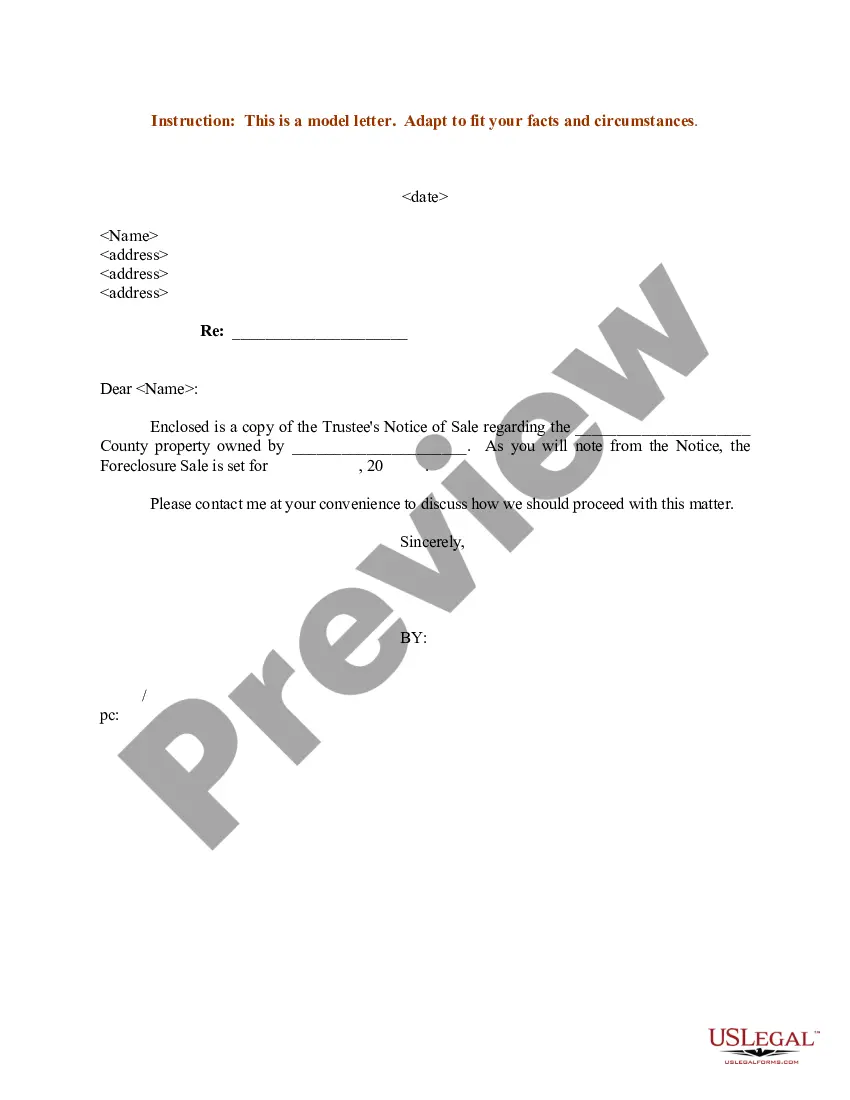
Junior Lien On House
Description


Get your form ready online
Our built-in tools help you complete, sign, share, and store your documents in one place.
Make edits, fill in missing information, and update formatting in US Legal Forms—just like you would in MS Word.
Download a copy, print it, send it by email, or mail it via USPS—whatever works best for your next step.
Sign and collect signatures with our SignNow integration. Send to multiple recipients, set reminders, and more. Go Premium to unlock E-Sign.
If this form requires notarization, complete it online through a secure video call—no need to meet a notary in person or wait for an appointment.
We protect your documents and personal data by following strict security and privacy standards.

Make edits, fill in missing information, and update formatting in US Legal Forms—just like you would in MS Word.

Download a copy, print it, send it by email, or mail it via USPS—whatever works best for your next step.

Sign and collect signatures with our SignNow integration. Send to multiple recipients, set reminders, and more. Go Premium to unlock E-Sign.

If this form requires notarization, complete it online through a secure video call—no need to meet a notary in person or wait for an appointment.

We protect your documents and personal data by following strict security and privacy standards.
Looking for another form?








Form popularity
FAQ
Yes, you can buy a junior lien holder's right of redemption on a house. However, it is crucial to understand the specific terms and conditions tied to the junior lien on the house. This right allows the junior lien holder to reclaim the property by paying off the amount owed, so ensure you conduct thorough research beforehand. Platforms like US Legal Forms can provide you with essential documents and guidance to navigate this process effectively.
A junior lien, often referred to as a partial claim, is a secondary mortgage taken out against the equity of your home. While it provides access to needed funds, it can be risky. If you default, the junior lien on your house might not receive repayment, and it could complicate your financial situation further. Understanding how junior liens work is crucial for making informed decisions.
The most likely candidate for a senior lien is the first mortgage lien. This lien takes precedence over any subsequent loans, ensuring that the lender can recover their investment first. Therefore, when evaluating a junior lien on a house, understanding the senior lien's position is essential for both lenders and borrowers.
While a second lien often refers specifically to a second mortgage on a property, junior debt is a broader term that encompasses all subordinate debts. Therefore, a second lien is a type of junior debt, but not all junior debt involves a second lien on a house. Understanding this distinction is crucial when navigating financial obligations.
In lending, senior loans hold a higher priority claim over collateral compared to junior loans. Senior lenders are compensated first in foreclosure situations, which minimizes their risk. Conversely, junior lien on a house places junior lenders at a greater risk since they are second in line to receive repayment. This prioritization affects interest rates and lending terms.
A common example of a junior lien is a second mortgage. In this case, the homeowner borrows additional funds against their house, which is already secured by a first mortgage. If the owner defaults, the first lender has priority over the proceeds from the sale of the house. This positioning makes junior liens riskier for lenders.