Trustor With Forgiveness
Description
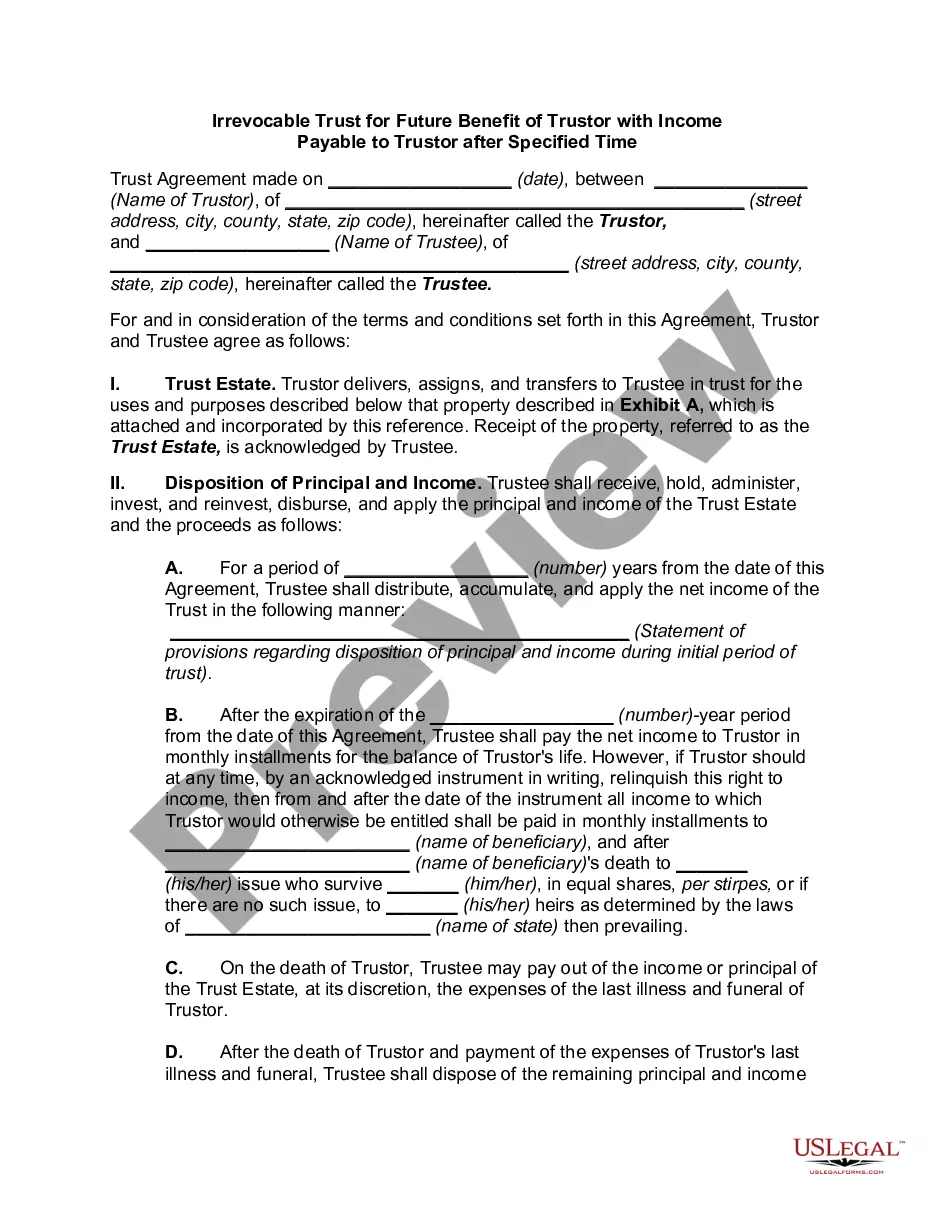
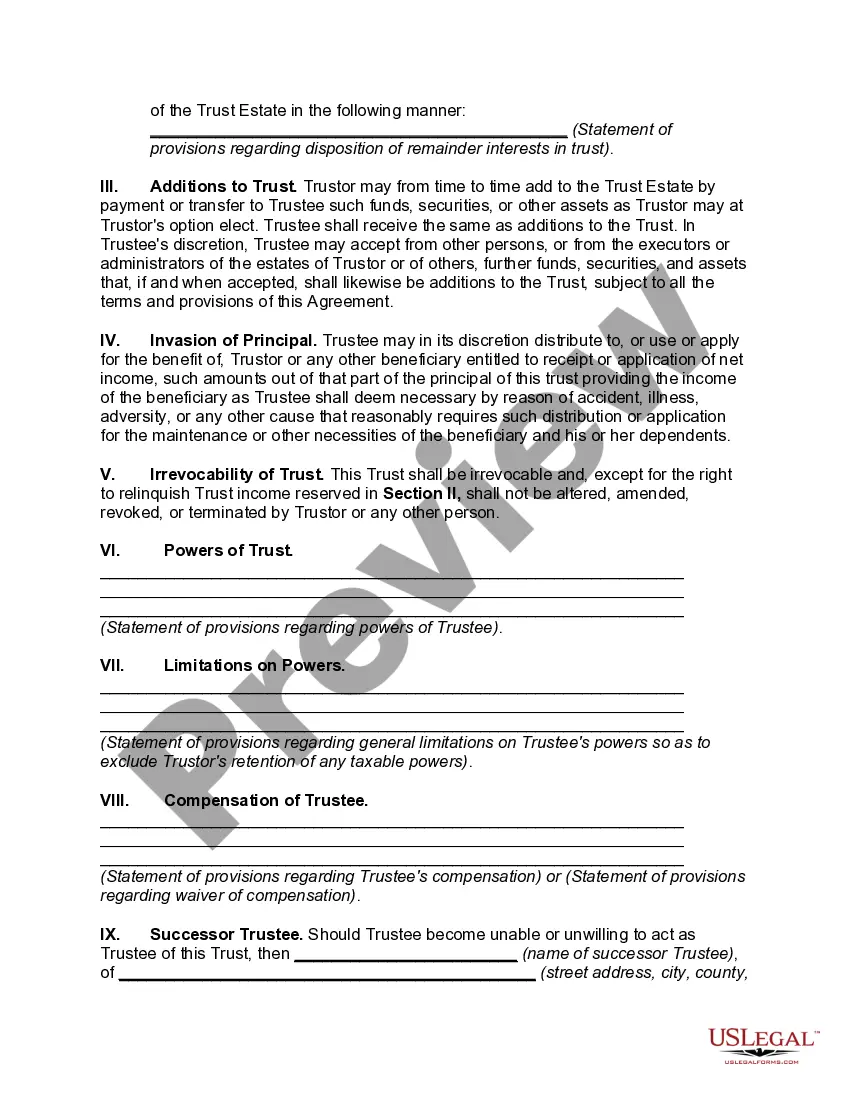
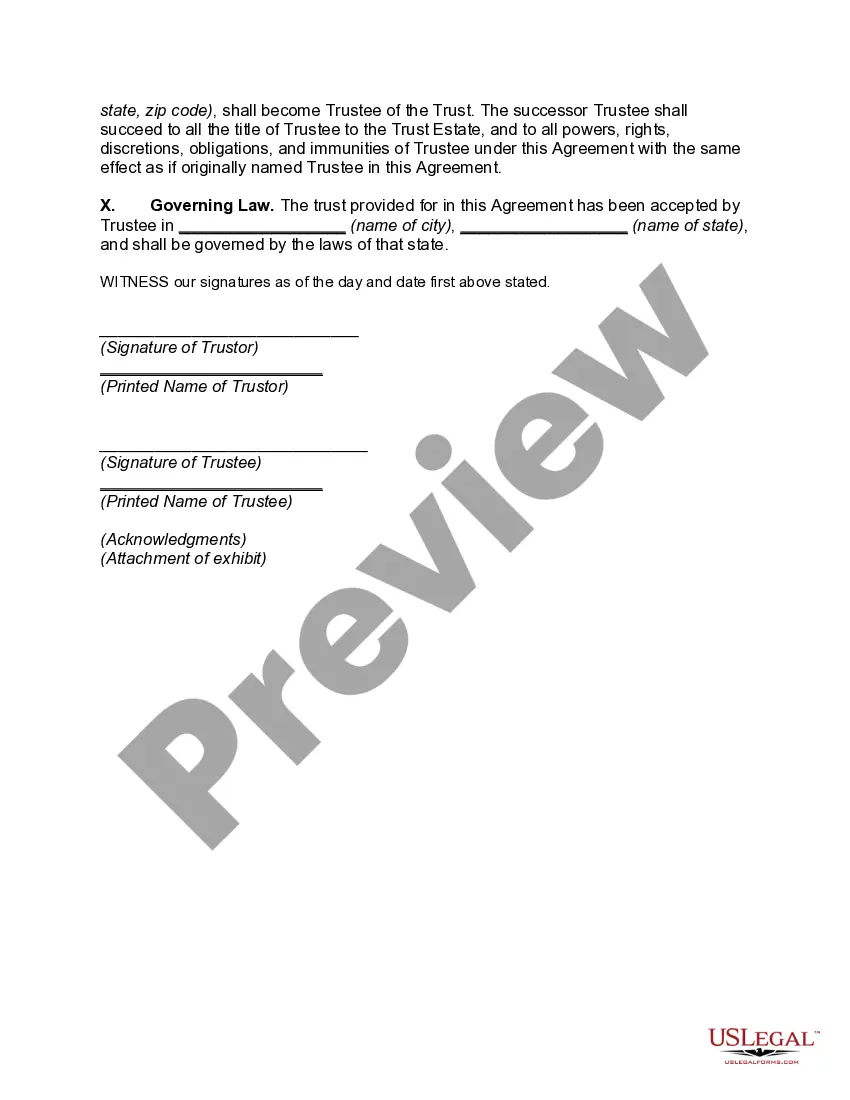
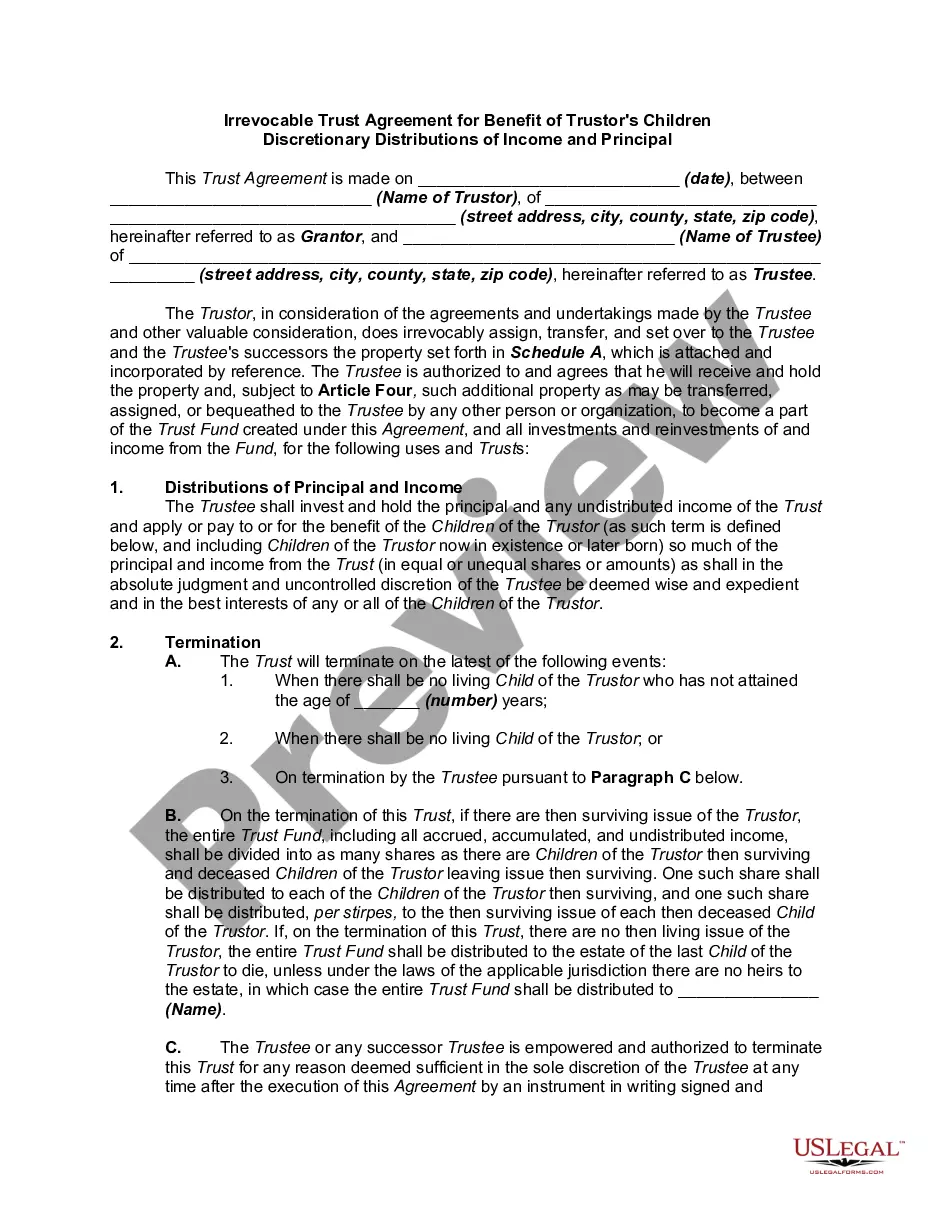
Get your form ready online
Our built-in tools help you complete, sign, share, and store your documents in one place.
Make edits, fill in missing information, and update formatting in US Legal Forms—just like you would in MS Word.
Download a copy, print it, send it by email, or mail it via USPS—whatever works best for your next step.
Sign and collect signatures with our SignNow integration. Send to multiple recipients, set reminders, and more. Go Premium to unlock E-Sign.
If this form requires notarization, complete it online through a secure video call—no need to meet a notary in person or wait for an appointment.
We protect your documents and personal data by following strict security and privacy standards.

Make edits, fill in missing information, and update formatting in US Legal Forms—just like you would in MS Word.

Download a copy, print it, send it by email, or mail it via USPS—whatever works best for your next step.

Sign and collect signatures with our SignNow integration. Send to multiple recipients, set reminders, and more. Go Premium to unlock E-Sign.

If this form requires notarization, complete it online through a secure video call—no need to meet a notary in person or wait for an appointment.

We protect your documents and personal data by following strict security and privacy standards.
Looking for another form?






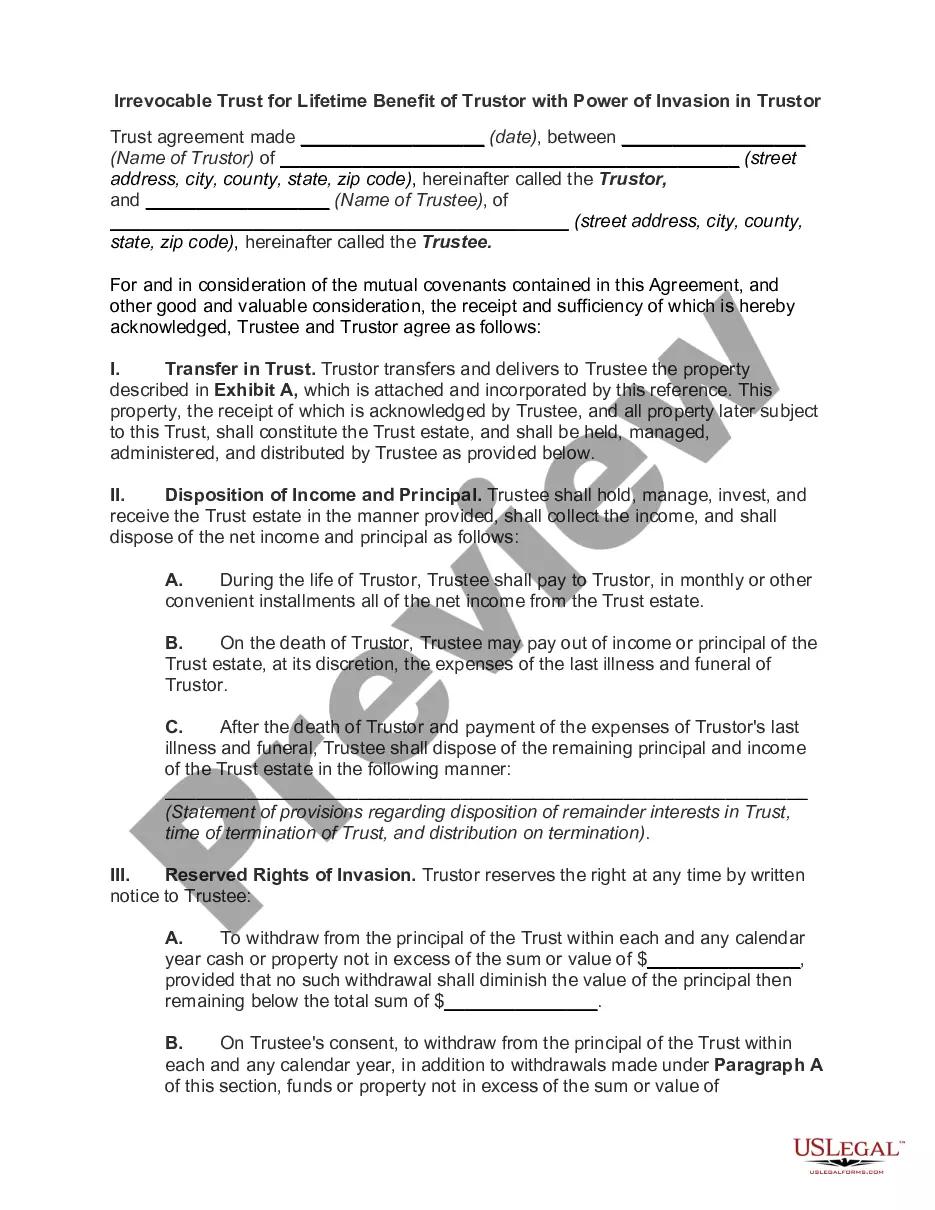
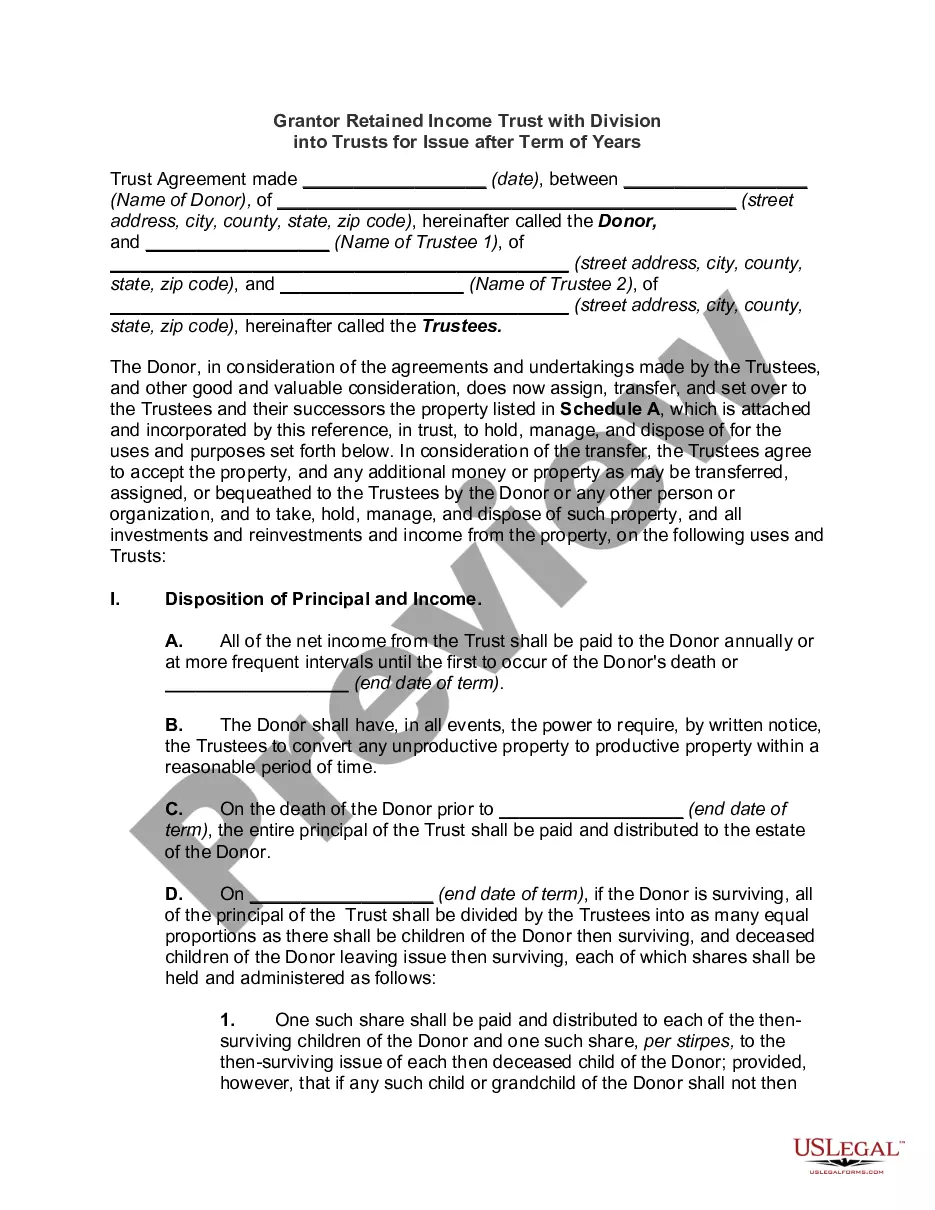
How to fill out Irrevocable Trust For Future Benefit Of Trustor With Income Payable To Trustor After Specified Time?
- If you're a returning user, simply log in to your account, and download the desired form template by clicking the Download button. Ensure your subscription is active; otherwise, renew it based on your chosen payment plan.
- For first-time users, start by checking the Preview mode and form description. Verify that you have selected the correct document that meets your needs and complies with your local jurisdiction's requirements.
- If there's a mismatch, utilize the Search function at the top to find the appropriate template. Once you locate a suitable form, proceed to the next step.
- Make a purchase by clicking the Buy Now button to select your preferred subscription plan. You’ll need to create an account to access the extensive resources in the library.
- Once payment is complete, provide your credit card details or use your PayPal account. After purchase, you can easily download the form to complete it and later access it via the My Forms section of your profile at any time.
US Legal Forms equips individuals and attorneys with a vast array of over 85,000 fillable legal forms and packages. The platform not only ensures easier access to documents but also connects users with premium experts for guidance in form completion, ensuring your documents are precise and legally sound.
In conclusion, US Legal Forms streamlines the process of legal documentation, making it accessible and efficient. Start your journey with ease and take control of your legal needs today!
Form popularity
FAQ
Starting the forgiveness process involves being willing to let go of grudges and facing your emotions. A trustor with forgiveness should take time to reflect on what happened, then express your feelings, whether in writing or through conversation. Utilizing resources like the US Legal Forms platform can provide tools and templates to guide you in articulating these feelings effectively.
Recovering from a breach of trust involves both emotional and practical steps. First, acknowledge your feelings and give yourself permission to heal. Next, a trustor with forgiveness can seek support, whether from friends, family, or even professional help. Additionally, learning from the experience can help prevent future breaches and facilitate personal growth.
Forgiveness involves letting go of resentment and the desire for revenge, whereas reconciliation is about restoring the relationship. A trustor with forgiveness can forgive without necessarily needing to reconcile, especially if trust cannot be rebuilt. It’s important to realize that reconciliation may not be feasible in every situation, but forgiveness can still foster personal growth.
To forgive someone who broke your trust, begin by acknowledging the hurt and pain caused. It's essential to reflect on your feelings and how you can move forward. A trustor with forgiveness should communicate openly with the person involved, if possible, to rebuild understanding. Ultimately, the goal is to release the burden and find peace within yourself.
The four D's of forgiveness include decision, dialogue, declaration, and depth. First, a trustor with forgiveness must make the decision to forgive. Then, dialogue about the feelings and actions can help in the healing process. Next, declaration is about expressing that forgiveness, while depth involves understanding the roots of the trust breach.
Yes, it is possible to forgive someone while still maintaining a lack of trust. Forgiveness is about your emotional freedom, while trust involves confidence in someone's future actions. You can choose to forgive for your peace, but rebuilding trust may require more effort and time. As a Trustor with forgiveness, recognize the difference and allow yourself space to heal.
Forgiveness requires an honest acknowledgment of the hurt and a genuine desire to let go of anger. It often involves empathy towards the wrongdoer, as understanding their perspective can ease resentment. Moreover, being a Trustor with forgiveness means you are ready to commit to a journey of emotional healing. Utilizing platforms like USLegalForms can help you navigate your feelings and outline your path forward.
Forgiveness generally precedes trust in relationships. When you forgive someone, you release emotional baggage, which allows you to evaluate your feelings clearly. However, while forgiveness lays the foundation, rebuilding trust requires consistent actions and time. As a Trustor with forgiveness, you must be willing to engage in this process.
After forgiveness, you may experience healing and an opportunity for personal growth. It is essential to communicate openly about your feelings, which can lead to rebuilding relationships. Trust may take time to restore, but a mindset of a Trustor with forgiveness encourages progress. This process can pave the way for stronger connections.
To forgive someone who has betrayed your trust, first, acknowledge the pain caused by their actions. Reflect on the reasons behind their behavior and how it affected you. With time, work towards understanding your feelings, and gradually release the anger. Embracing forgiveness can empower you as a Trustor with forgiveness in your relationships.