Trustor Vs Trustee Withdrawn
Description
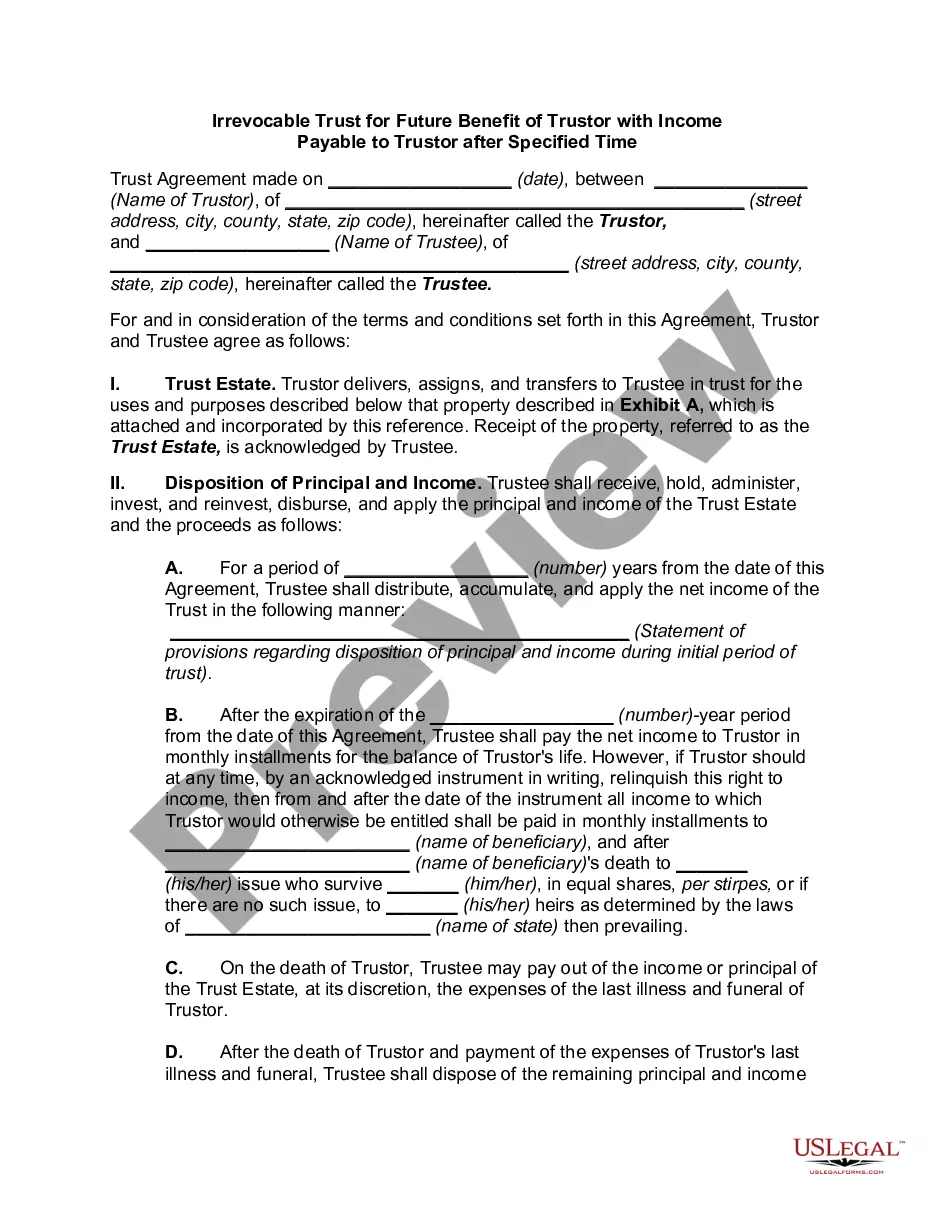
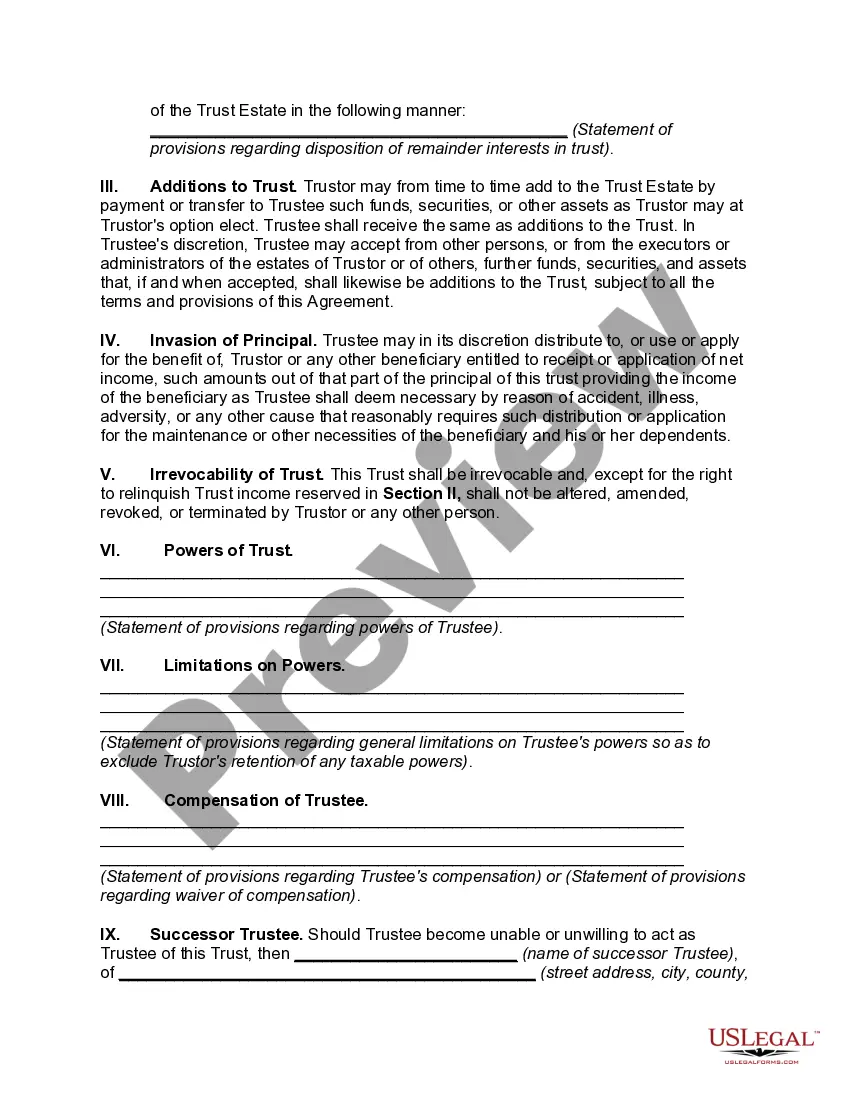
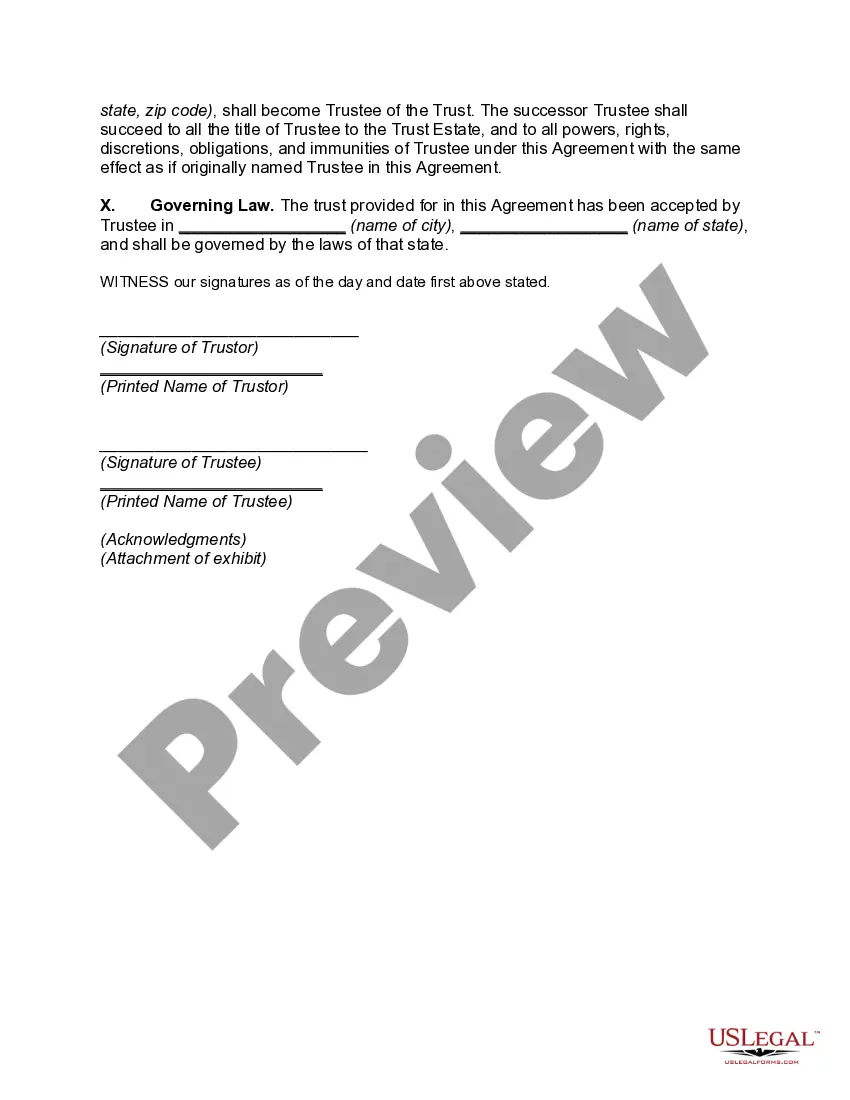
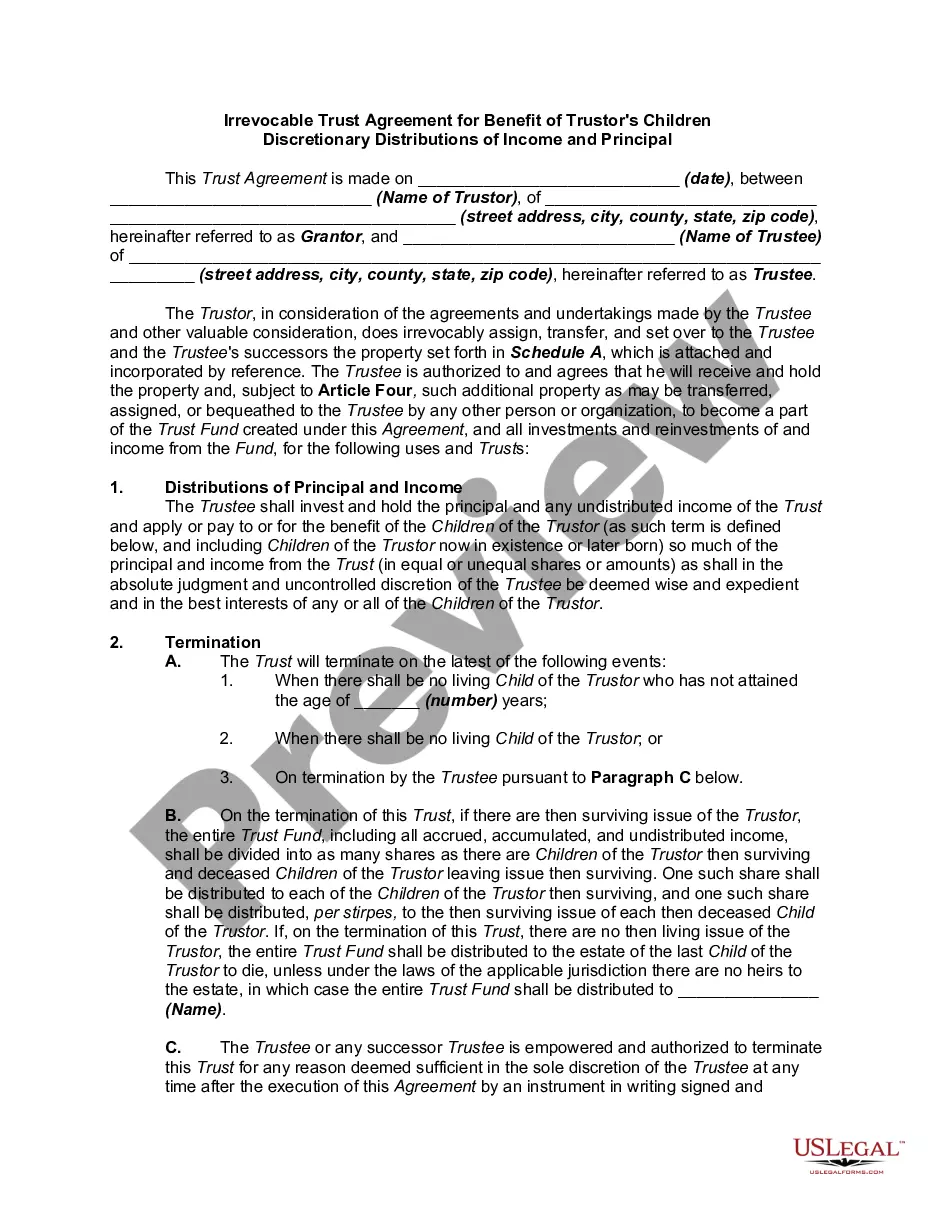
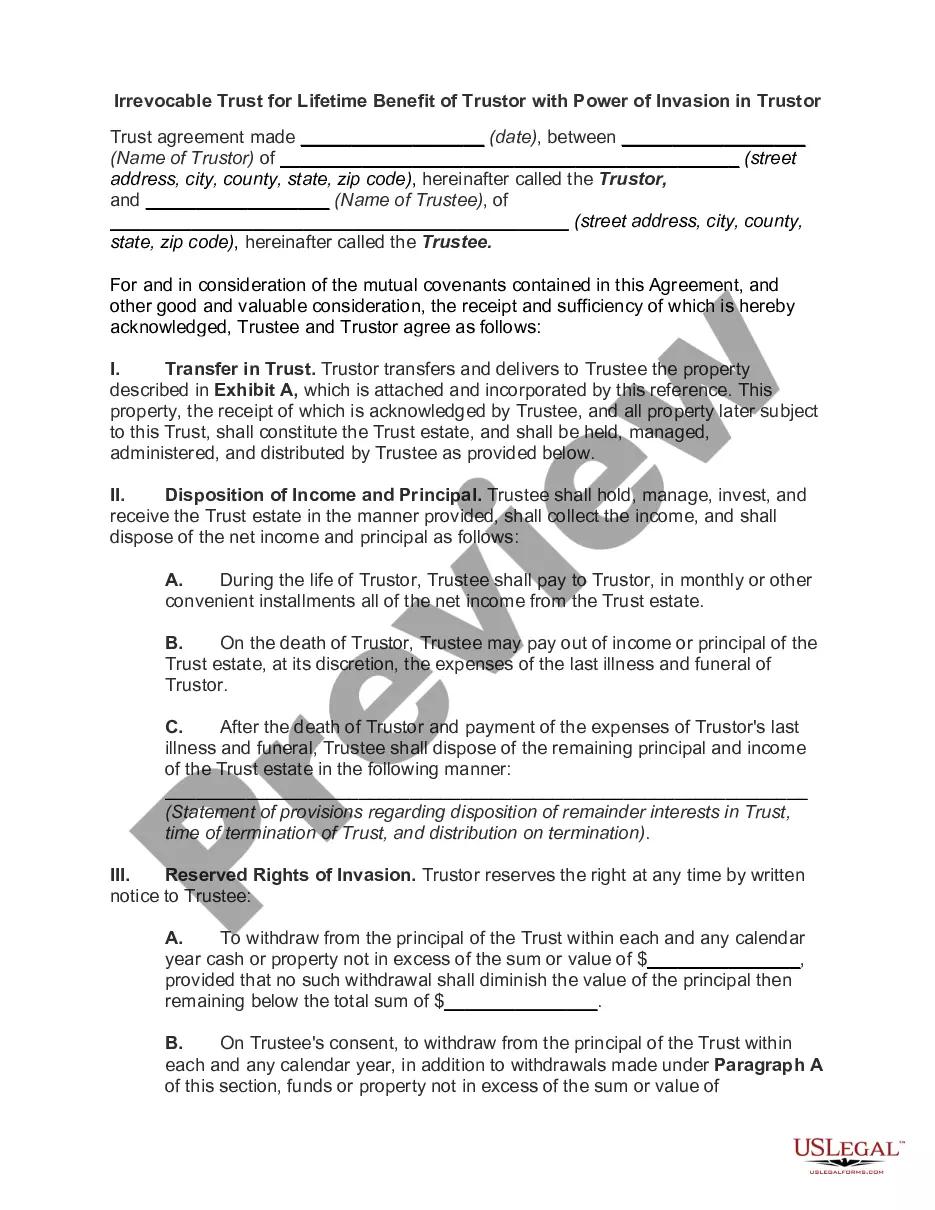
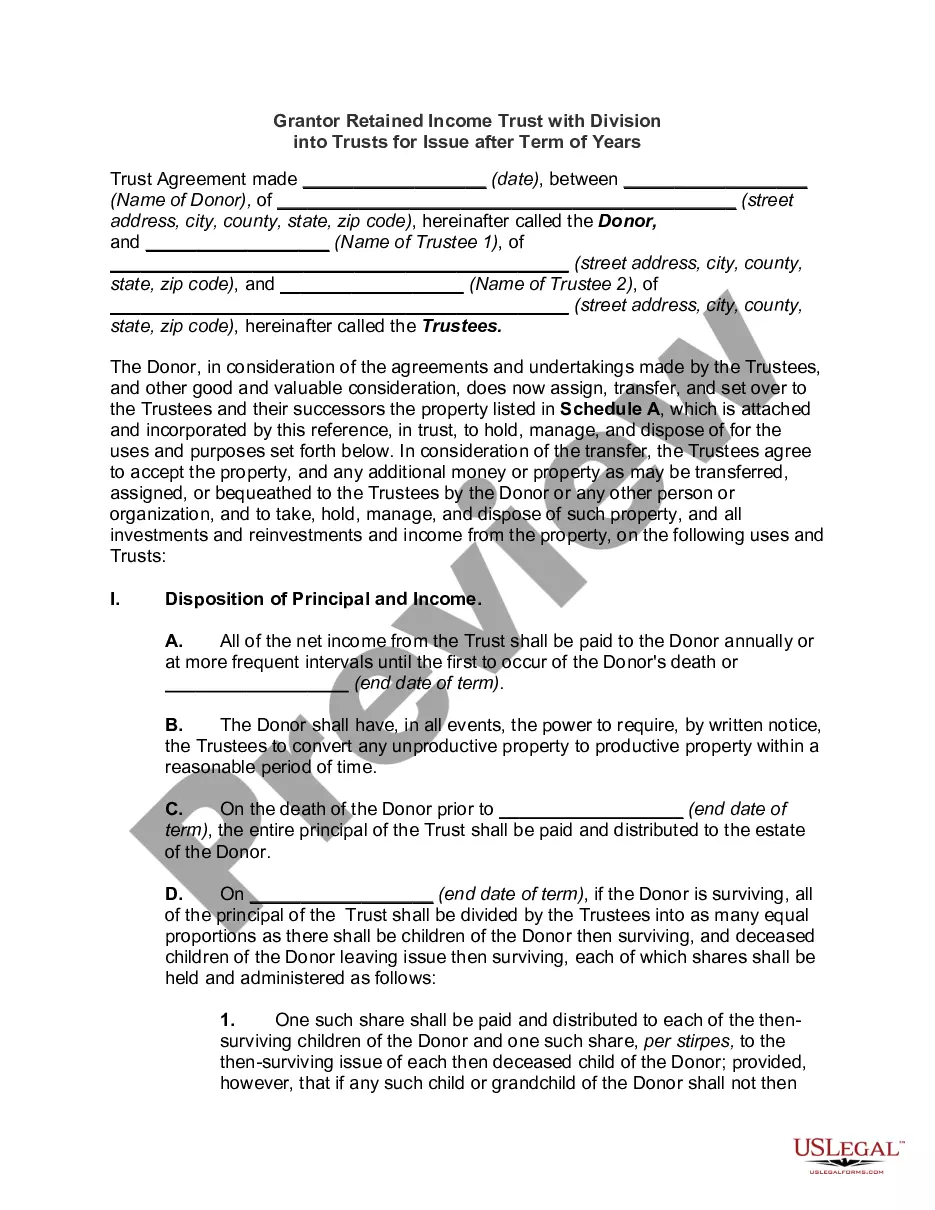
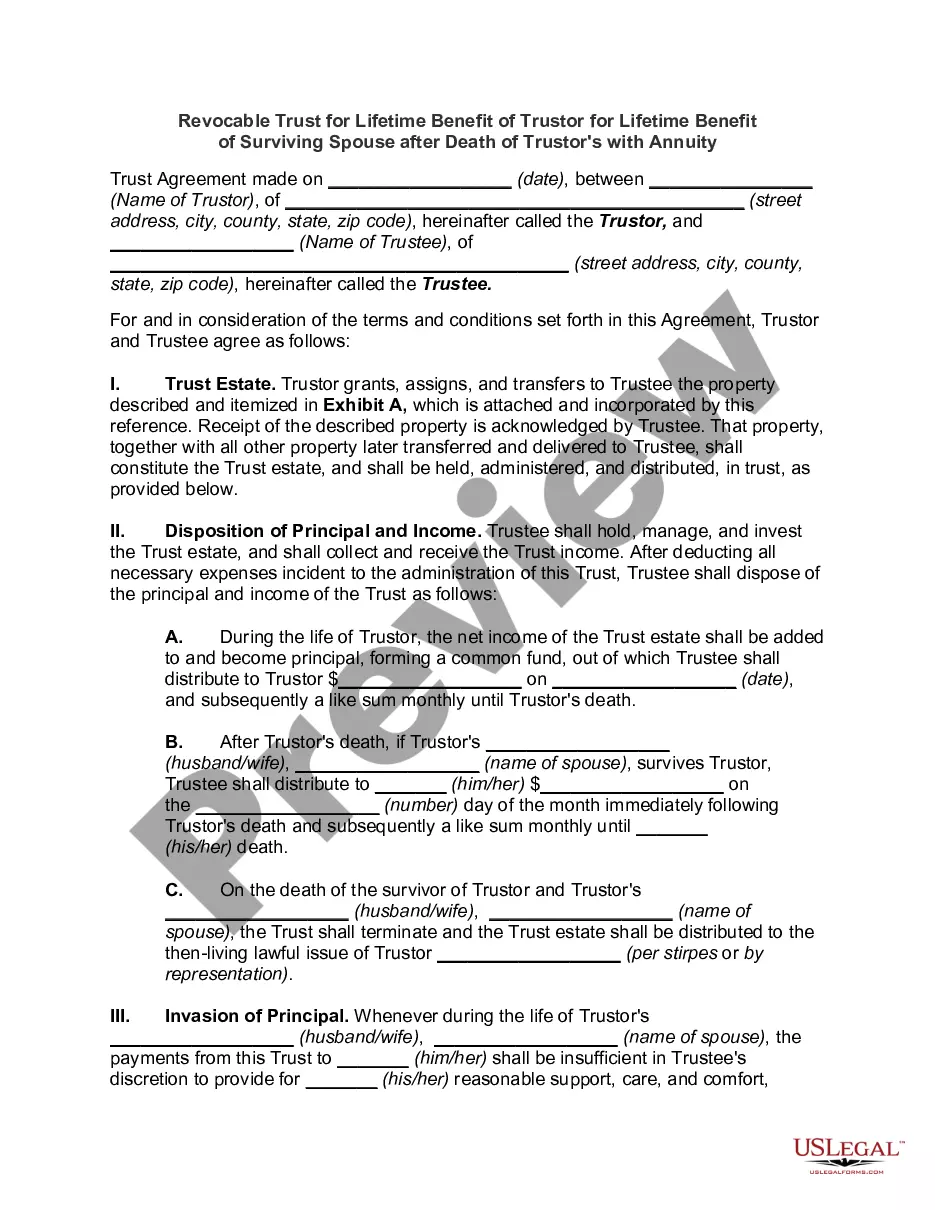
Get your form ready online
Our built-in tools help you complete, sign, share, and store your documents in one place.
Make edits, fill in missing information, and update formatting in US Legal Forms—just like you would in MS Word.
Download a copy, print it, send it by email, or mail it via USPS—whatever works best for your next step.
Sign and collect signatures with our SignNow integration. Send to multiple recipients, set reminders, and more. Go Premium to unlock E-Sign.
If this form requires notarization, complete it online through a secure video call—no need to meet a notary in person or wait for an appointment.
We protect your documents and personal data by following strict security and privacy standards.

Make edits, fill in missing information, and update formatting in US Legal Forms—just like you would in MS Word.

Download a copy, print it, send it by email, or mail it via USPS—whatever works best for your next step.

Sign and collect signatures with our SignNow integration. Send to multiple recipients, set reminders, and more. Go Premium to unlock E-Sign.

If this form requires notarization, complete it online through a secure video call—no need to meet a notary in person or wait for an appointment.

We protect your documents and personal data by following strict security and privacy standards.
Looking for another form?


How to fill out Irrevocable Trust For Future Benefit Of Trustor With Income Payable To Trustor After Specified Time?
Whether for commercial objectives or for personal matters, everyone has to handle legal circumstances at some stage in their life.
Filling out legal papers requires meticulous focus, beginning with selecting the appropriate template example.
With an extensive US Legal Forms catalog available, you do not need to waste time searching for the suitable template online. Leverage the library’s user-friendly navigation to obtain the correct form for any scenario.
- For instance, if you select an incorrect version of the Trustor Vs Trustee Withdrawn, it will be dismissed once you submit it.
- Thus, it is crucial to have a reliable source of legal documents like US Legal Forms.
- If you need to acquire a Trustor Vs Trustee Withdrawn sample, follow these straightforward steps.
- Locate the template you require by utilizing the search bar or catalog navigation.
- Review the form’s details to ensure it suits your case, state, and county.
- Click on the form’s preview to inspect it.
- If it is not the correct document, return to the search feature to find the Trustor Vs Trustee Withdrawn sample you need.
- Download the template when it satisfies your requirements.
- If you already have a US Legal Forms account, simply click Log in to access previously saved documents in My documents.
- If you do not have an account, you can download the form by clicking Buy now.
- Select the correct pricing option.
- Fill out the profile registration form.
- Choose your payment method: use a credit card or PayPal account.
- Select the document format you prefer and download the Trustor Vs Trustee Withdrawn.
- Once it is saved, you are able to fill out the form with the help of editing software or print it and complete it manually.
Form popularity
FAQ
Yes, you can withdraw from being a trustee, but it involves a specific process. The first step is to check the terms laid out in the trust agreement. If the trust allows for a trustee to resign, you must follow the guidelines to ensure a smooth transition. This situation often requires the trustor to appoint a new trustee to maintain the trust's effectiveness, highlighting the importance of understanding the roles of trustor vs trustee withdrawn.
Changing the beneficiaries of an irrevocable trust is often not permitted, as the terms are set at the trust's creation. However, there may be specific circumstances or provisions that allow for adjustments. Grasping the concept of Trustor vs trustee withdrawn can clarify your options. Consulting platforms like US Legal Forms offers essential documents and guidance to examine any possible changes effectively.
To remove someone from an irrevocable trust, it generally requires legal action or a modification if the trust permits it. The process can be complex, making it crucial to review the trust document itself for possible removal clauses. Understanding Trustor vs trustee withdrawn can help in navigating these difficulties, and using US Legal Forms can provide the templates necessary to initiate this process.
The 5-year rule for irrevocable trusts refers to the period you must wait before the trust can escape certain taxes, particularly Medicaid-related scenarios. This rule essentially means that any transfers into the trust may be scrutinized for five years to determine eligibility for benefits. It's essential to be aware of the ramifications of Trustor vs trustee withdrawn to make informed decisions about asset protection. Consulting legal resources can clarify this timeline and its implications.
One of the biggest mistakes parents make is failing to communicate their intentions clearly with their children. This lack of communication can lead to misunderstandings and disputes later on. Parents should ensure that they establish roles clearly to avoid confusion between Trustor vs trustee withdrawn. Utilizing resources like US Legal Forms can aid in drafting comprehensive trust documents.
Yes, a trustee can be removed from an irrevocable trust, but this typically involves a legal process. The reason for removal must be documented, and it often requires a court's approval, depending on state law. Understanding the dynamics of Trustor vs trustee withdrawn is crucial in this scenario, and leveraging resources like US Legal Forms can simplify the legal requirements.
Removing someone from an irrevocable trust can be quite challenging due to the nature of the trust's terms. It often requires clear documentation and legal proceedings to ensure compliance with state laws. Consulting a legal professional is advisable to navigate this process smoothly and to understand the implications of Trustor vs trustee withdrawn. Using platforms like US Legal Forms can provide necessary templates and guidance to help you through the paperwork.
A trustee and beneficiary possess different rights within the trust relationship. A trustee holds the responsibility to manage the trust according to its terms while acting in the best interests of the beneficiaries. Beneficiaries, however, have the right to receive benefits from the trust. Understanding the nuances of 'trustor vs trustee withdrawn' is crucial for both parties to assert their rights effectively.
Removing a trustee can vary in difficulty based on the trust's terms and local laws. If grounds for removal exist, such as misconduct, the process may be straightforward. However, it may become complicated if the trustee contests the removal. Consulting resources like USLegalForms can simplify the legal process and clarify the steps involved in removing a trustee.
Misconduct of a trustee includes failing to follow the trust's terms, mismanaging assets, or acting in self-interest at the expense of beneficiaries. This behavior undermines the trust's purpose and can justify removal. Recognizing these misconduct signs early can prevent further complications. Engaging with professionals familiar with 'trustor vs trustee withdrawn' principles can provide valuable insights.