Annuity With Trust As Beneficiary
Description
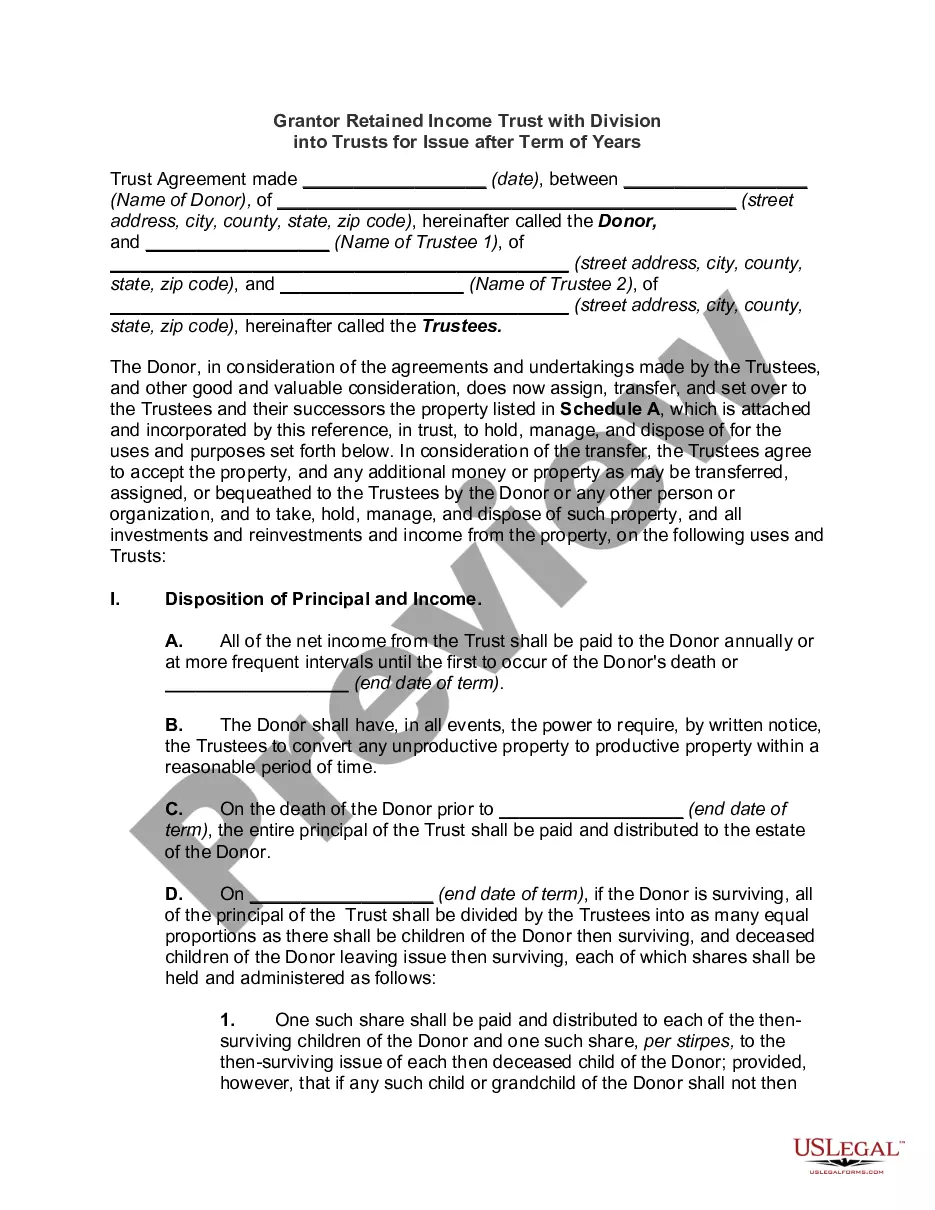
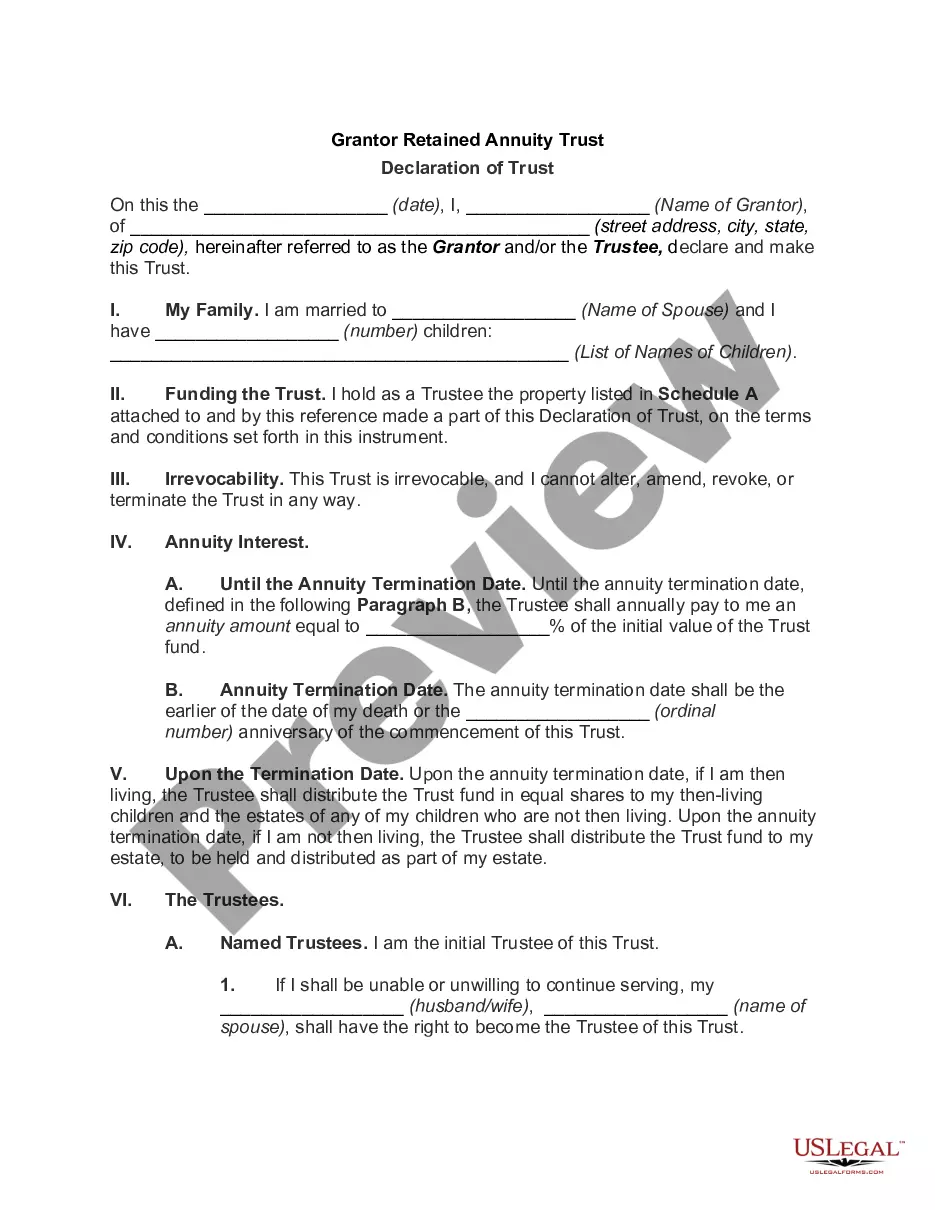
Get your form ready online
Our built-in tools help you complete, sign, share, and store your documents in one place.
Make edits, fill in missing information, and update formatting in US Legal Forms—just like you would in MS Word.
Download a copy, print it, send it by email, or mail it via USPS—whatever works best for your next step.
Sign and collect signatures with our SignNow integration. Send to multiple recipients, set reminders, and more. Go Premium to unlock E-Sign.
If this form requires notarization, complete it online through a secure video call—no need to meet a notary in person or wait for an appointment.
We protect your documents and personal data by following strict security and privacy standards.

Make edits, fill in missing information, and update formatting in US Legal Forms—just like you would in MS Word.

Download a copy, print it, send it by email, or mail it via USPS—whatever works best for your next step.

Sign and collect signatures with our SignNow integration. Send to multiple recipients, set reminders, and more. Go Premium to unlock E-Sign.

If this form requires notarization, complete it online through a secure video call—no need to meet a notary in person or wait for an appointment.

We protect your documents and personal data by following strict security and privacy standards.
Looking for another form?










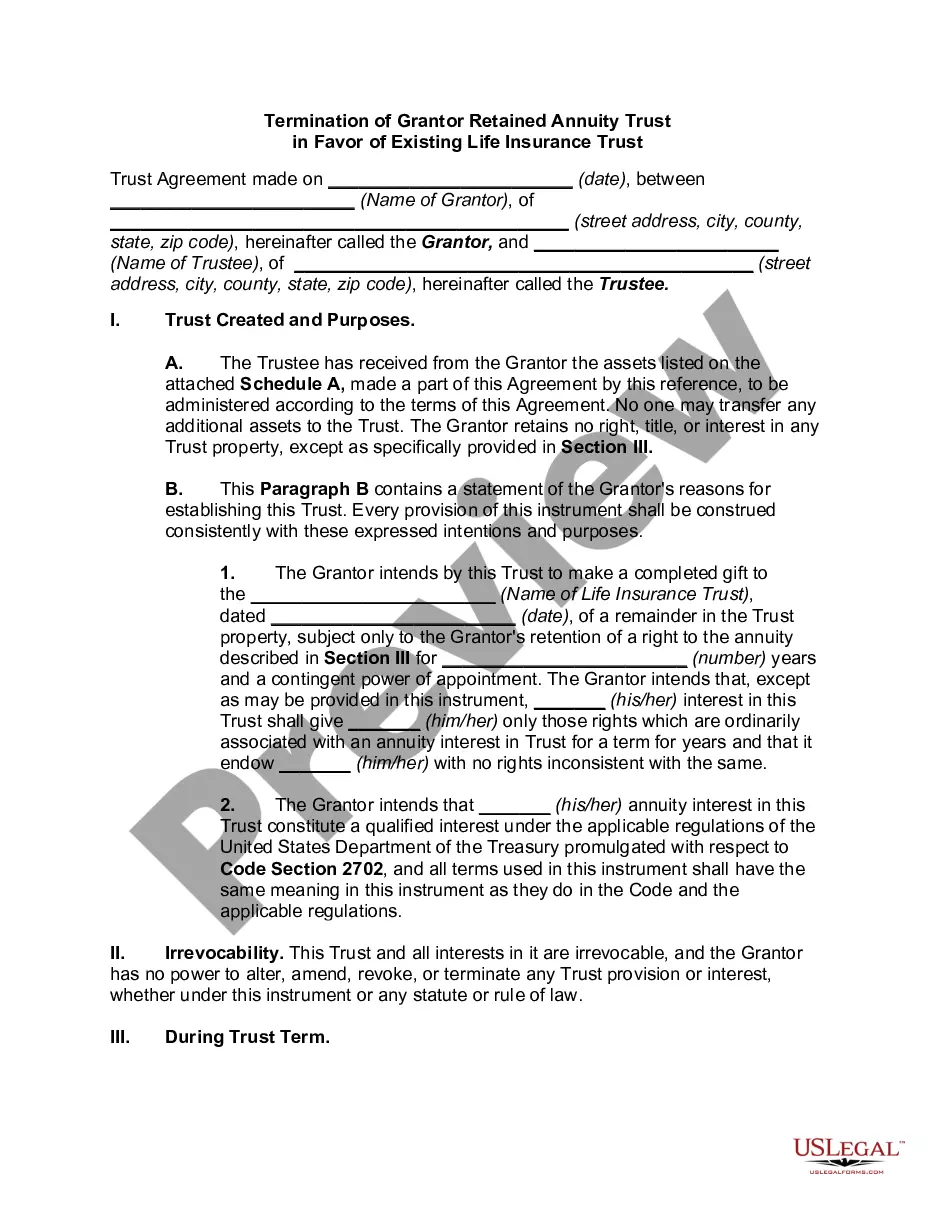
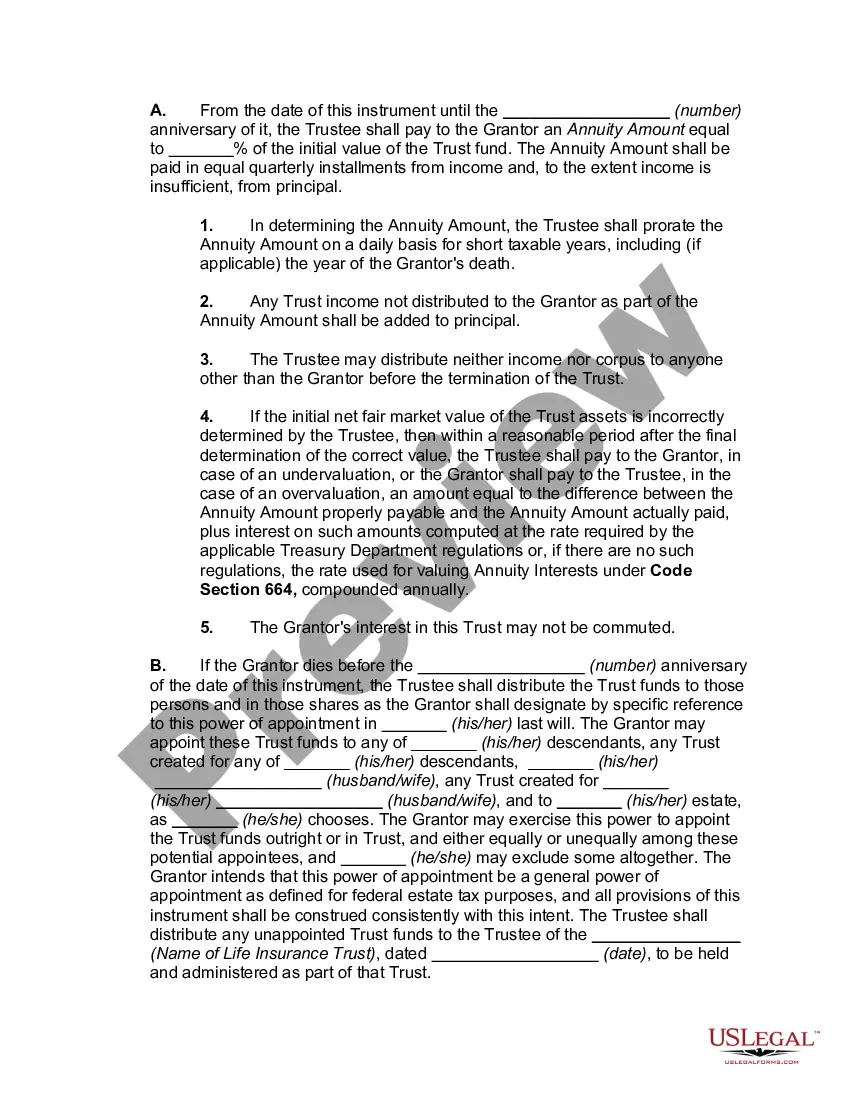
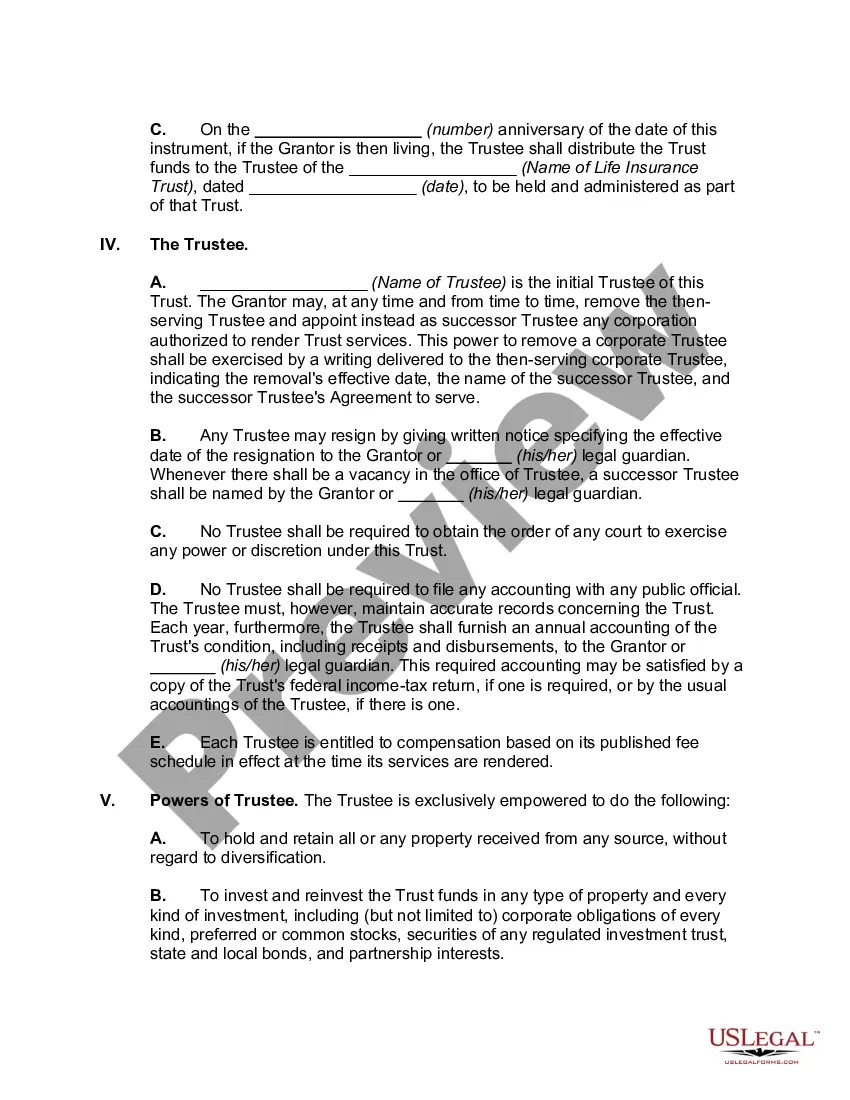
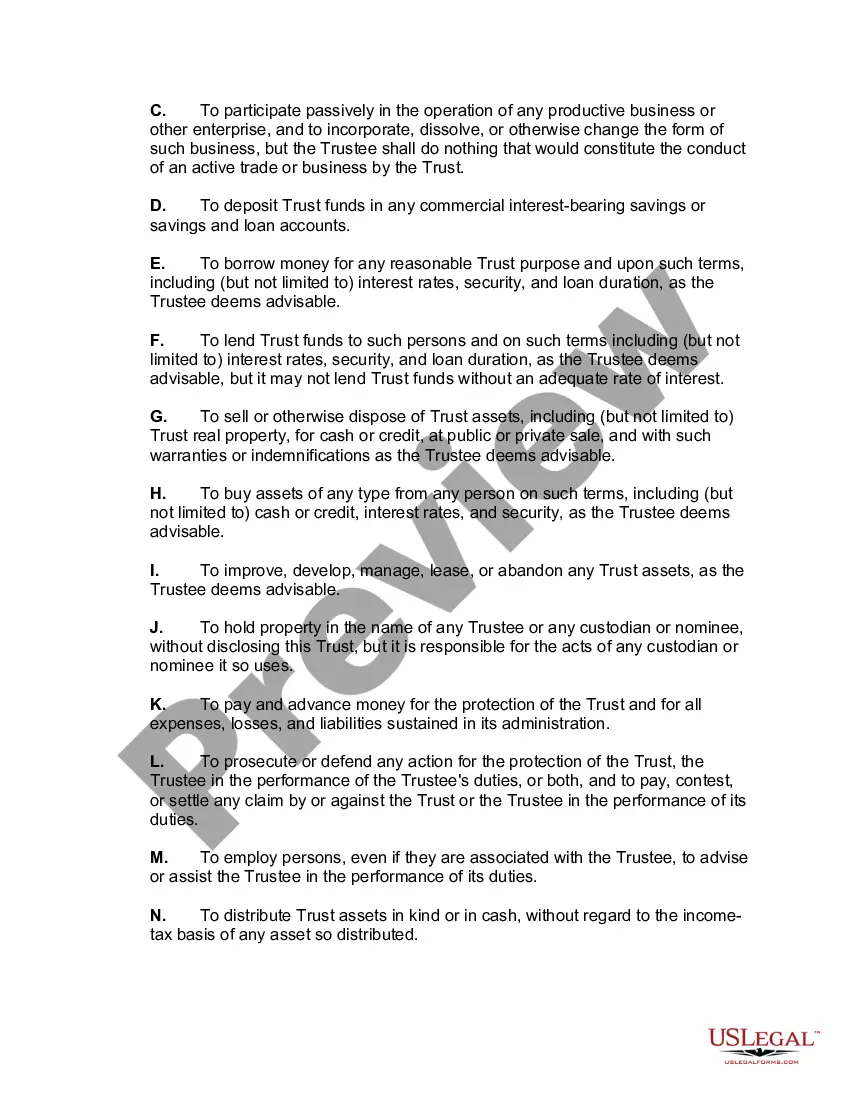
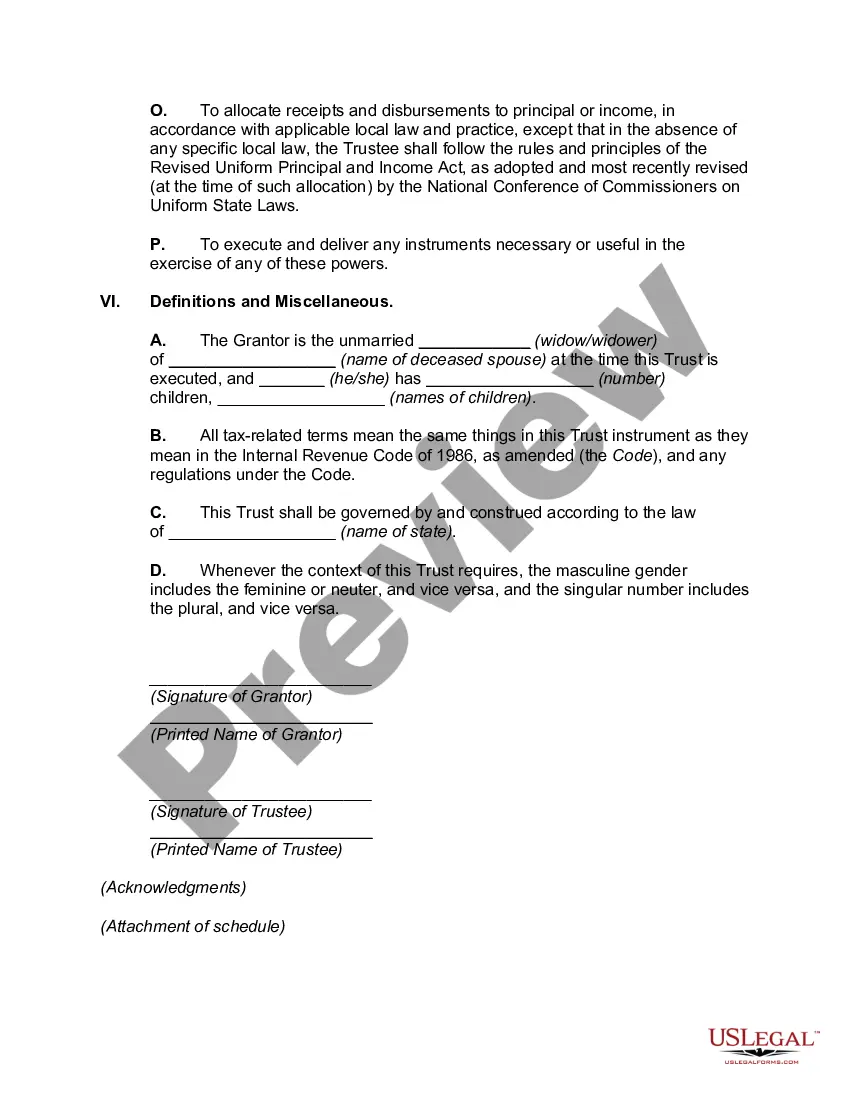
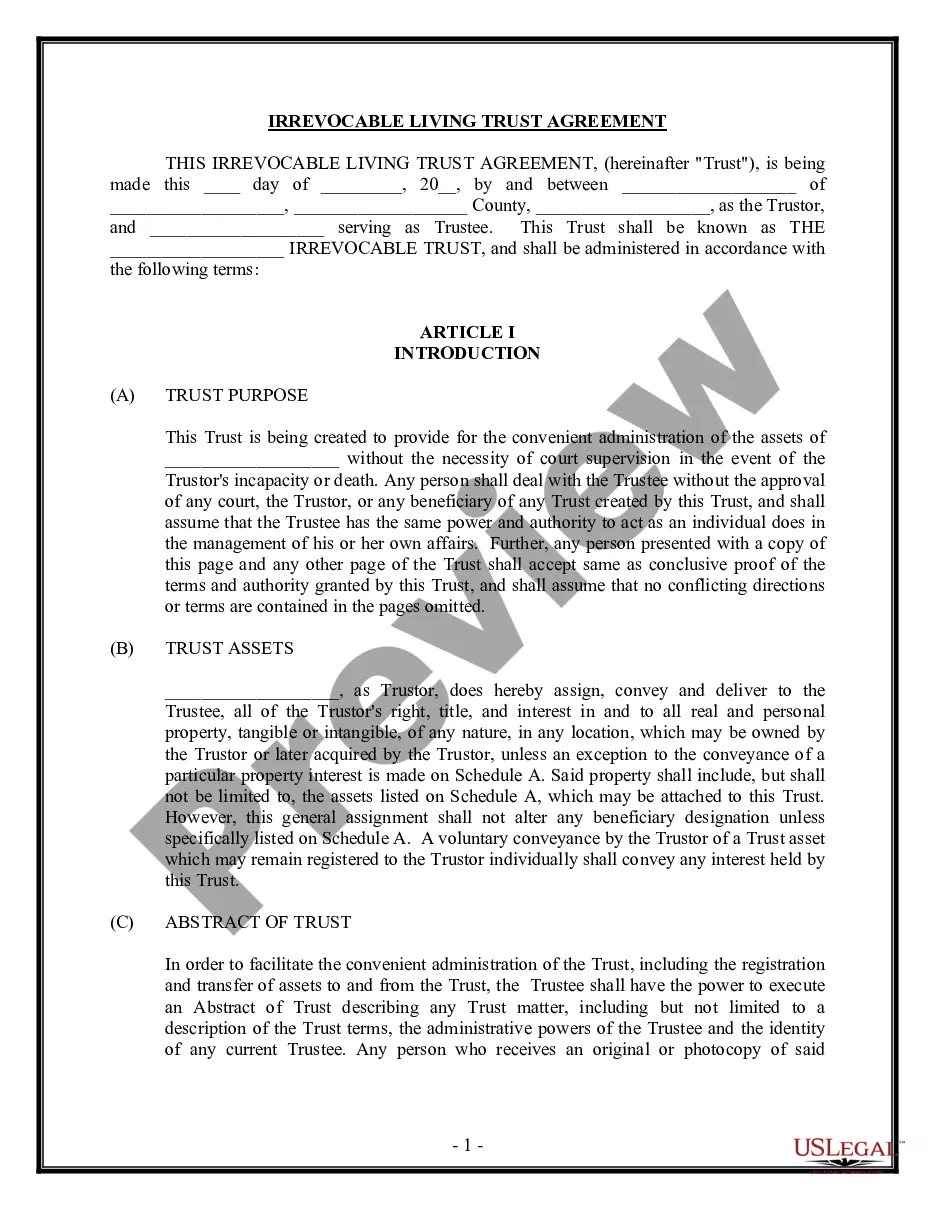
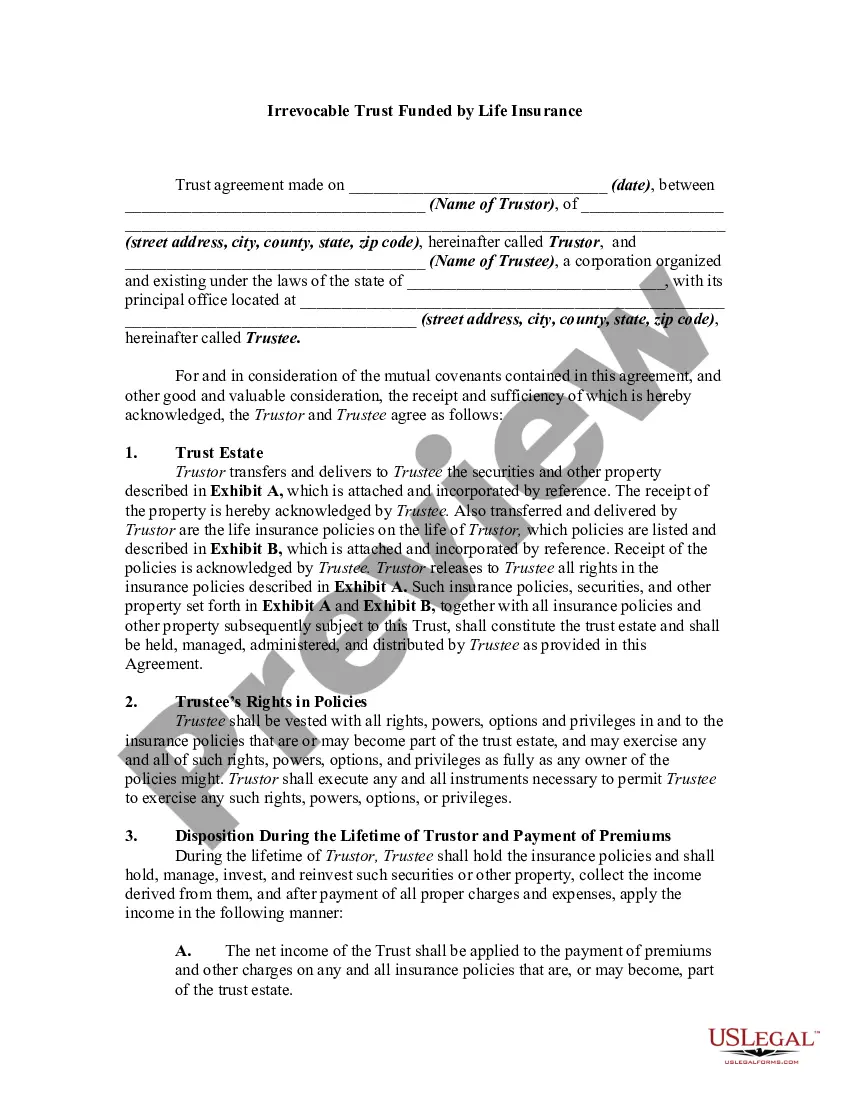
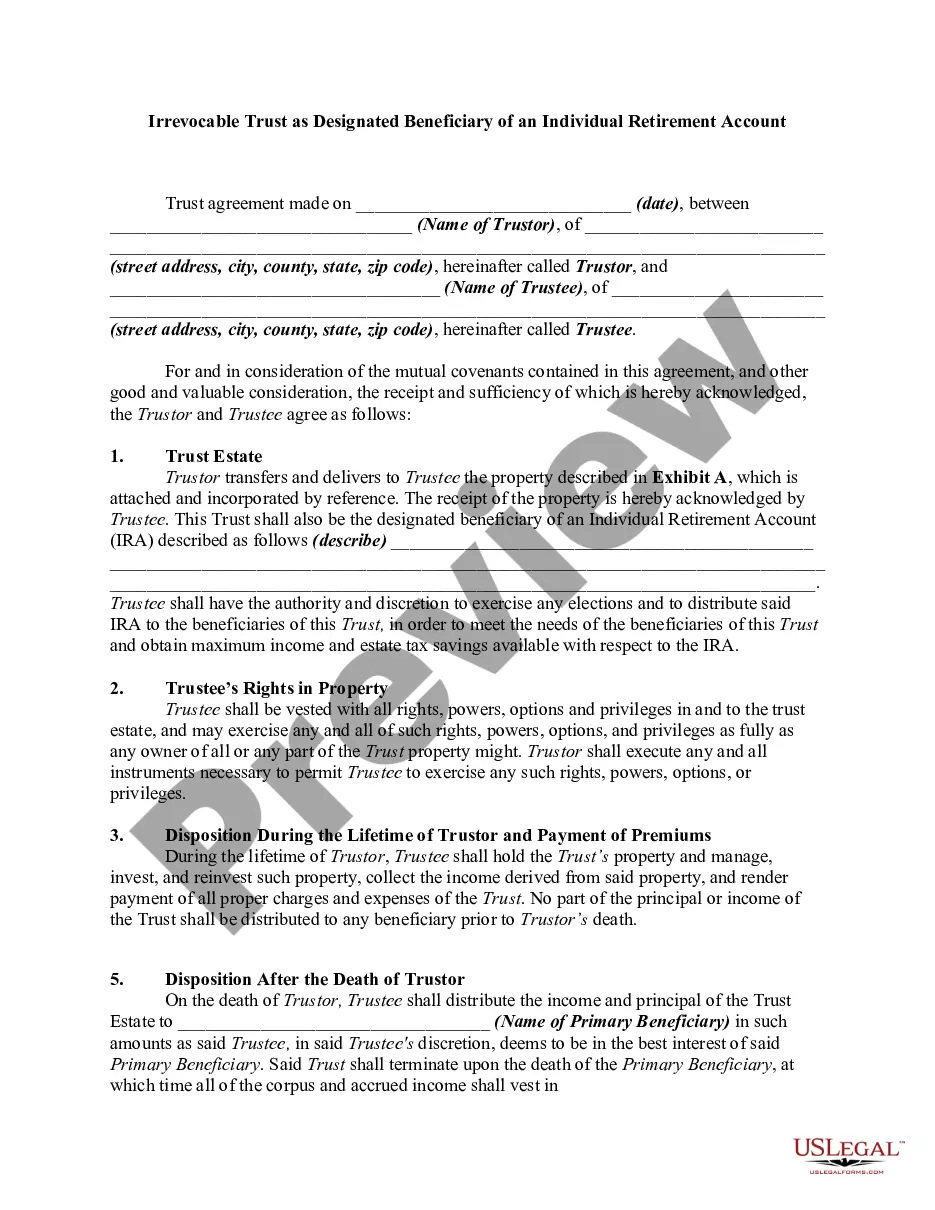
How to fill out Termination Of Grantor Retained Annuity Trust In Favor Of Existing Life Insurance Trust?
- If you’re a returning user, log into your account and download the required form template by clicking the Download button. Ensure that your subscription is active; renew if necessary according to your plan.
- For first-time users, begin by browsing through the Preview mode and form description to identify the correct document that meets your needs and aligns with your jurisdiction’s requirements.
- If adjustments are needed, utilize the Search tab to find alternative templates. Once you find a suitable form, proceed to the next step.
- Purchase the chosen document by clicking the Buy Now button and selecting your preferred subscription plan. You must create an account for complete library access.
- Complete your transaction by entering your credit card details or using your PayPal account to finalize the payment.
- Download your form directly to your device, allowing you to complete it efficiently. You can also access it anytime in the My Forms section of your profile.
US Legal Forms revolutionizes the way individuals manage legal paperwork by providing access to over 85,000 fillable and editable forms and packages. With a robust collection surpassing competitors, it’s easy to find exactly what you need.
Don't hesitate to utilize premium expert support for assistance with form completion to ensure your documents are precise and legally sound. Start your journey toward a secure financial future today!
Form popularity
FAQ
To avoid taxes on an annuity death benefit, consider naming a trust as the beneficiary. This strategy can help in managing tax implications, as the trust can receive the funds without incurring immediate taxation. Additionally, you might explore specific accounts or trusts designed to shelter these funds from taxation. Utilizing resources like US Legal Forms can guide you in structuring your annuity with trust as beneficiary to optimize your estate plan.
Yes, you can designate a trust as the beneficiary of your annuity. This approach allows you to manage how the annuity funds are distributed after your passing. By naming a trust instead of individual beneficiaries, you can provide more structure and control over the distribution process. Thus, using an annuity with trust as beneficiary can enhance your estate planning strategy.
When a trust is the beneficiary of an annuity, the annuity's death benefit typically goes to the trust. This arrangement allows for controlled distributions to the beneficiaries named in the trust. Moreover, it helps to avoid probate, as the proceeds pass directly to the trust. Overall, designating a trust as the beneficiary of your annuity with trust as beneficiary can streamline estate management.
Claiming an annuity with trust as beneficiary is a straightforward process. First, the beneficiary must contact the insurance company that issued the annuity. They will need to provide necessary documents, such as the death certificate and proof of trust, to verify their identity and relationship to the deceased. Once the necessary paperwork is submitted and approved, the insurance company will begin processing the claim, ensuring that the trust receives the benefits stipulated in the annuity.
Certainly, a trust can be established as a beneficiary of an annuity. Doing so grants you control over how the annuity proceeds are distributed upon your passing, ensuring your financial legacy aligns with your values. This arrangement can protect your assets and provide protection for your loved ones. If you're interested in this option, consider leveraging resources like uslegalforms for guidance and efficient handling.
Yes, a trust can serve as a beneficiary of an annuity. Naming a trust allows you to specify how the annuity benefits will be managed and distributed according to the trust's terms. This method can provide clarity and security for your beneficiaries, as it outlines your intentions and provides structure for financial management. If you're exploring this option, utilizing a platform like uslegalforms can help streamline the process.
When naming beneficiaries for an annuity, you have several options to consider. You may choose an individual, such as a family member, or designate a trust, ensuring that your assets are handled according to your wishes. Additionally, you can opt for multiple beneficiaries or even organization entities, which can offer flexibility in how the assets are distributed upon your passing. Always review these choices in the context of your overall estate plan.
Yes, a special needs trust can be designated as the beneficiary of an annuity. This arrangement can protect the assets in the trust from affecting eligibility for government assistance programs. By utilizing a special needs trust, you can provide financial support for a loved one without jeopardizing their benefits. It's crucial to set this up correctly to align with legal requirements for special needs planning.
Yes, you can transfer ownership of an annuity to a trust. This process may help you manage your assets and ensure that your beneficiaries receive benefits according to your wishes. When you designate a trust as the owner of the annuity, it becomes part of the trust's assets, and distributions will follow the trust's terms. This approach can provide a layer of financial protection and control.