Trusts Issue For The Future
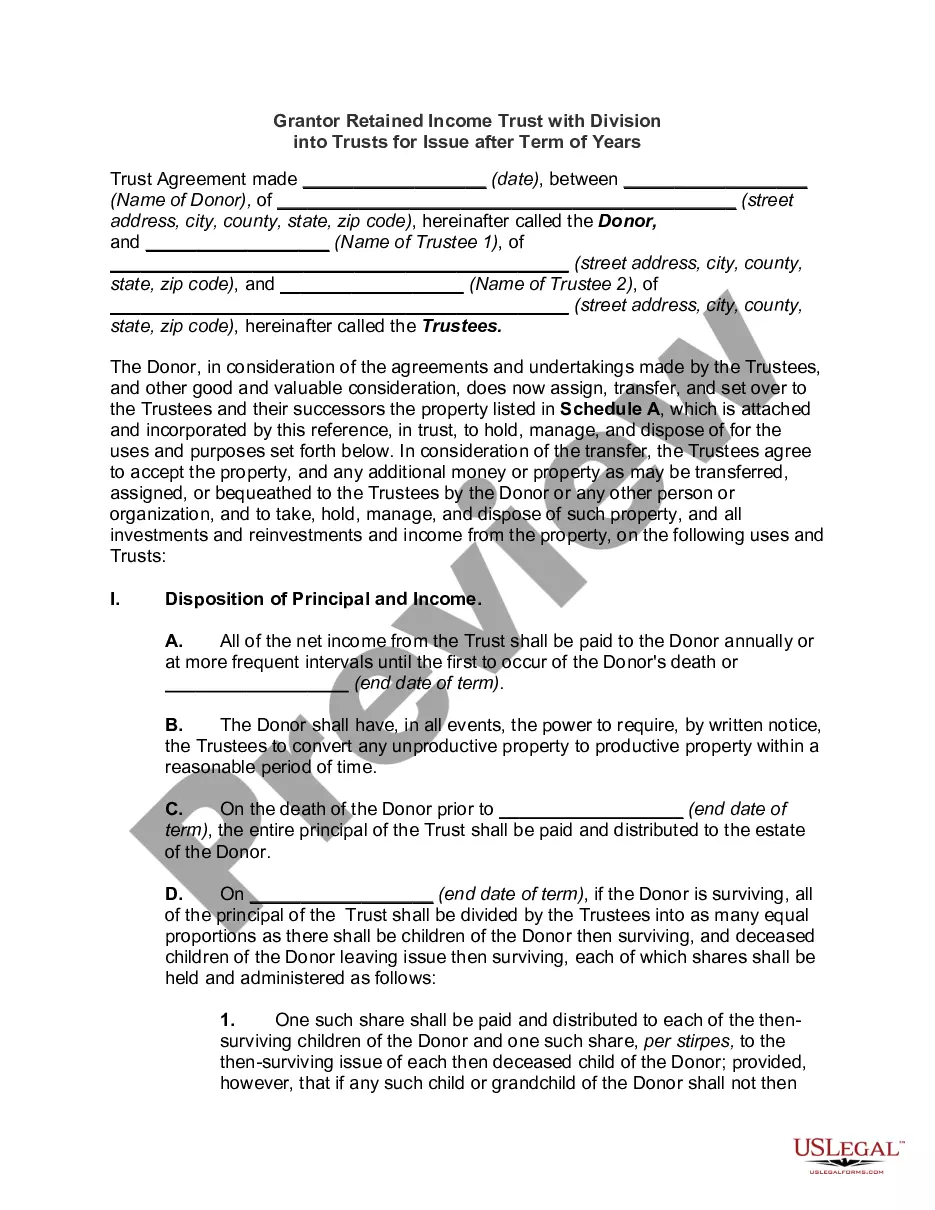
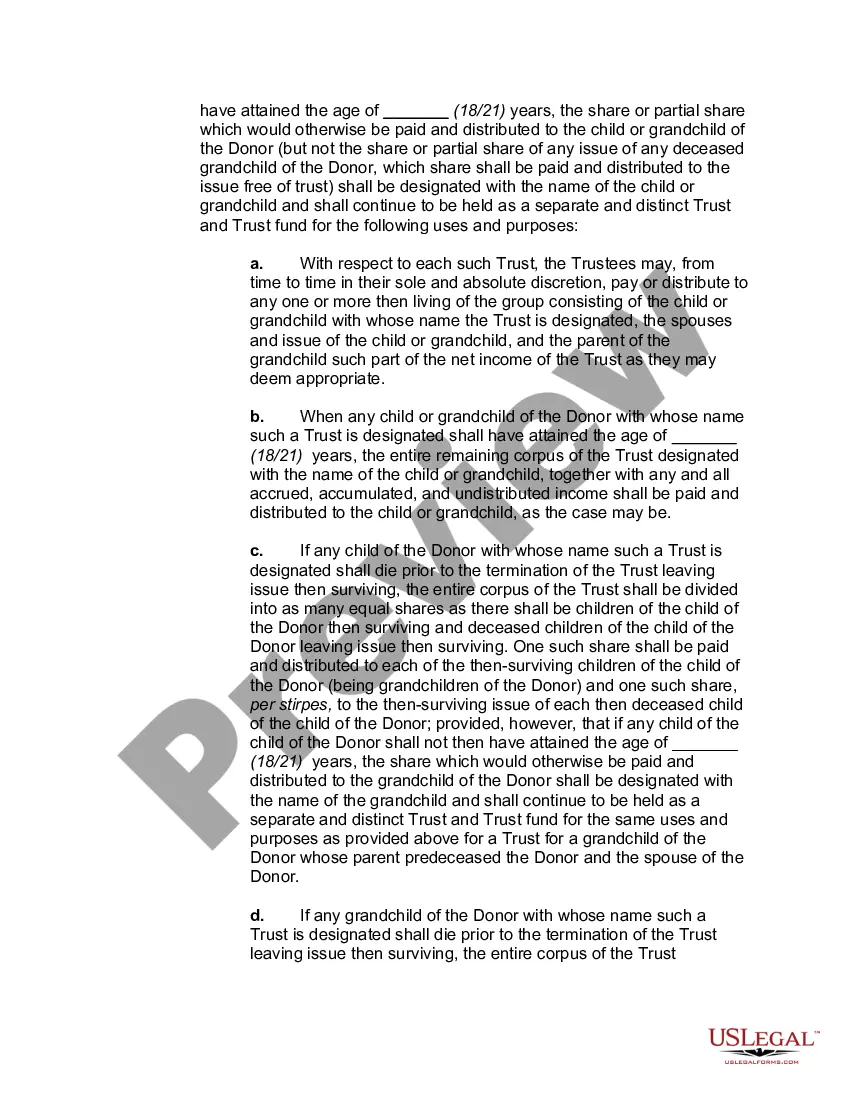
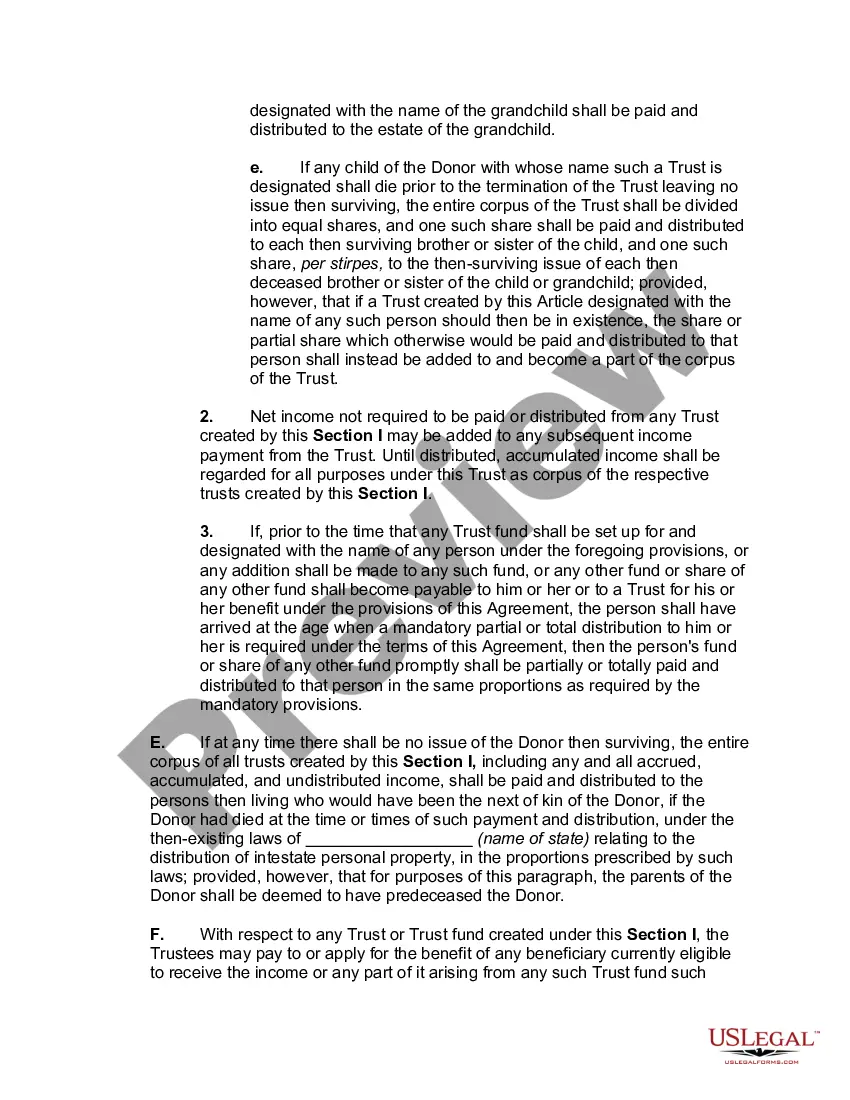
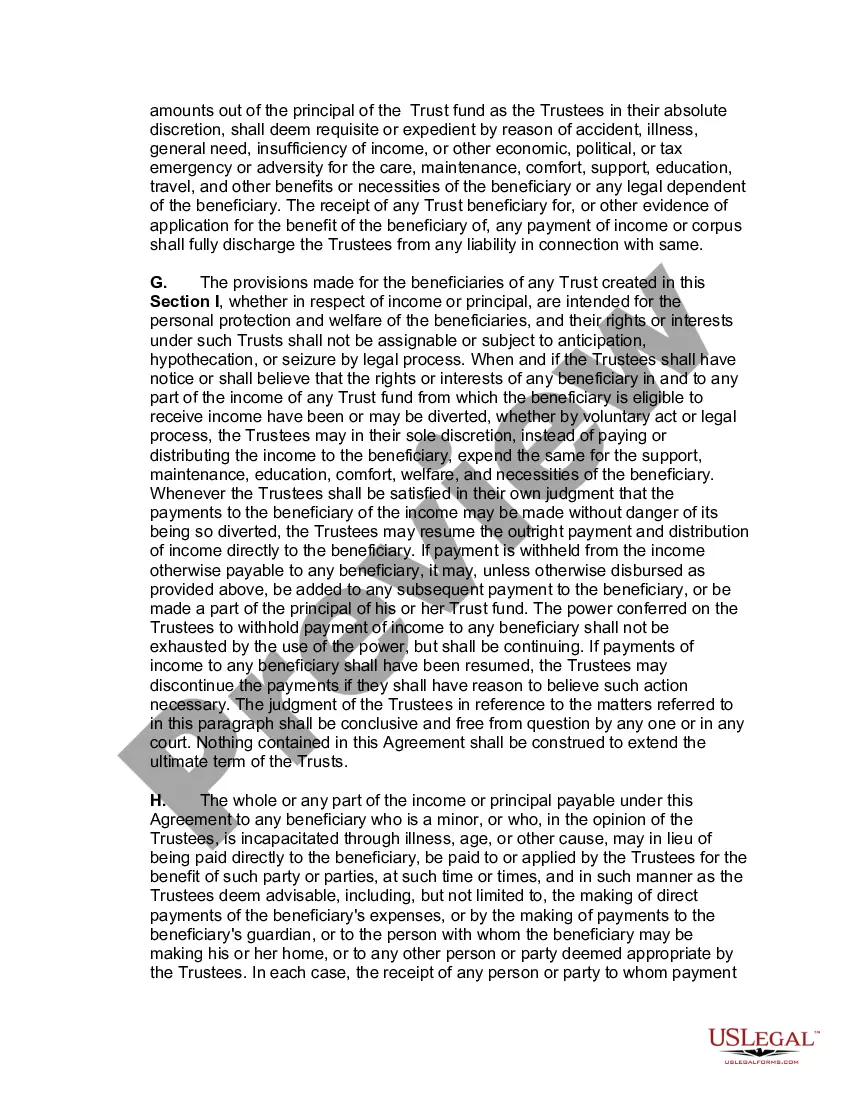
Description
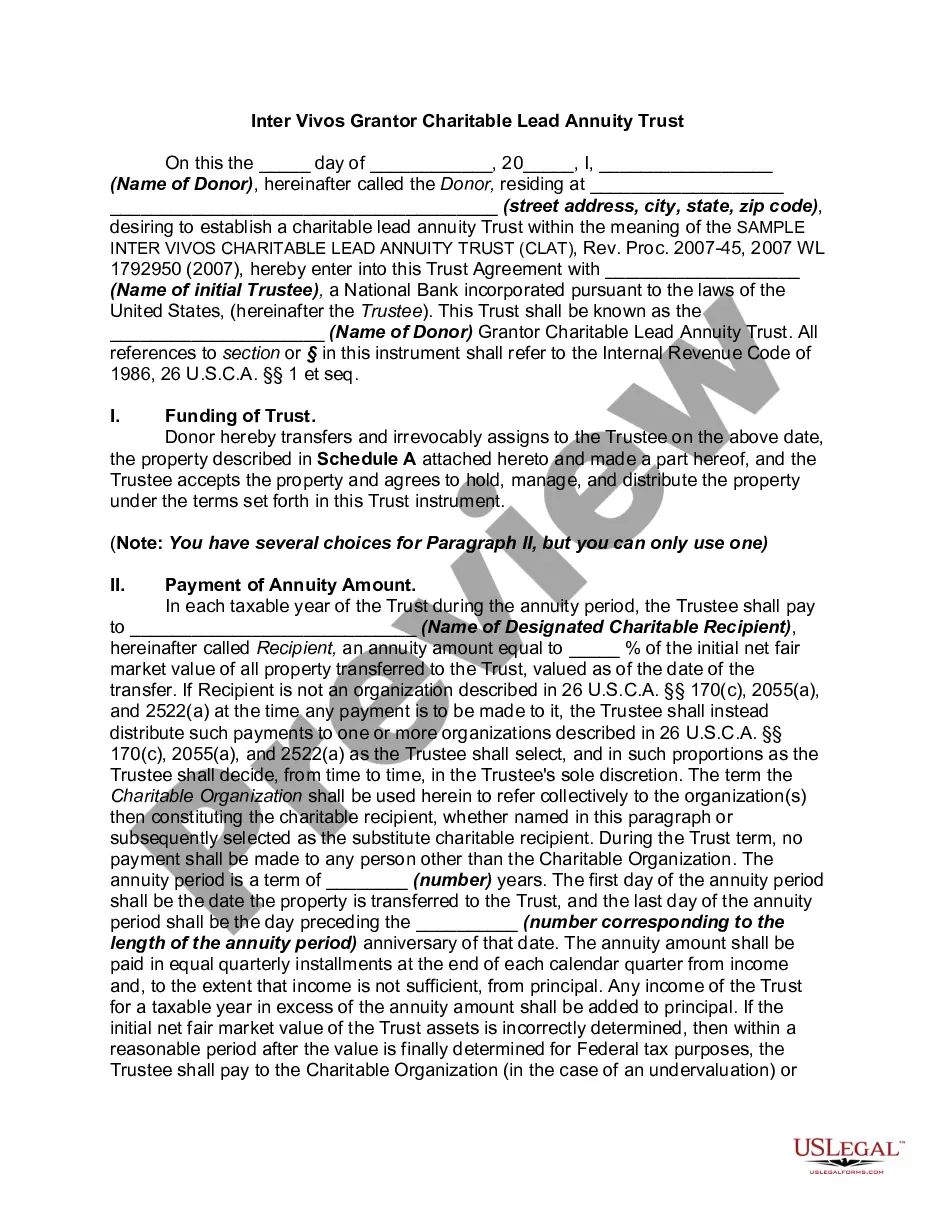
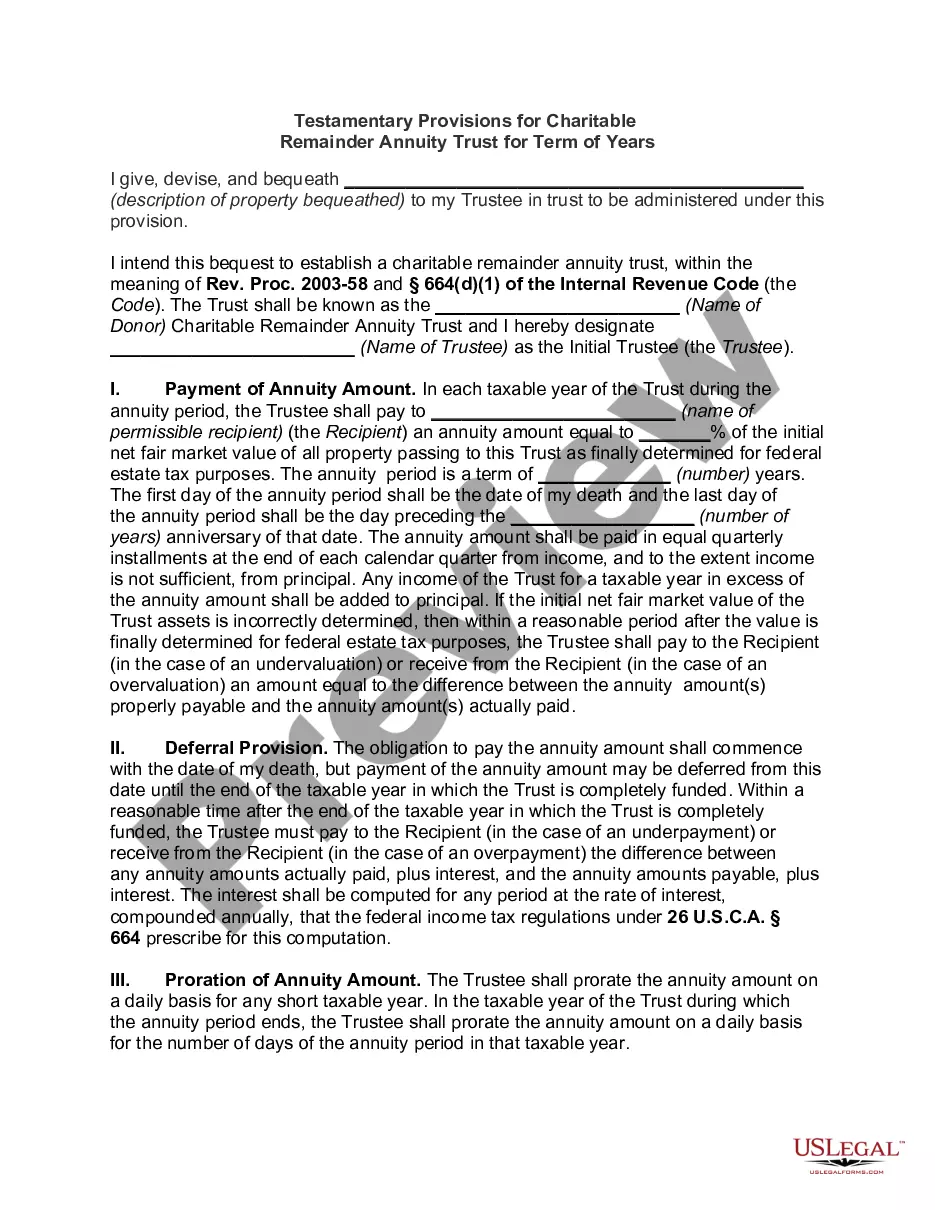
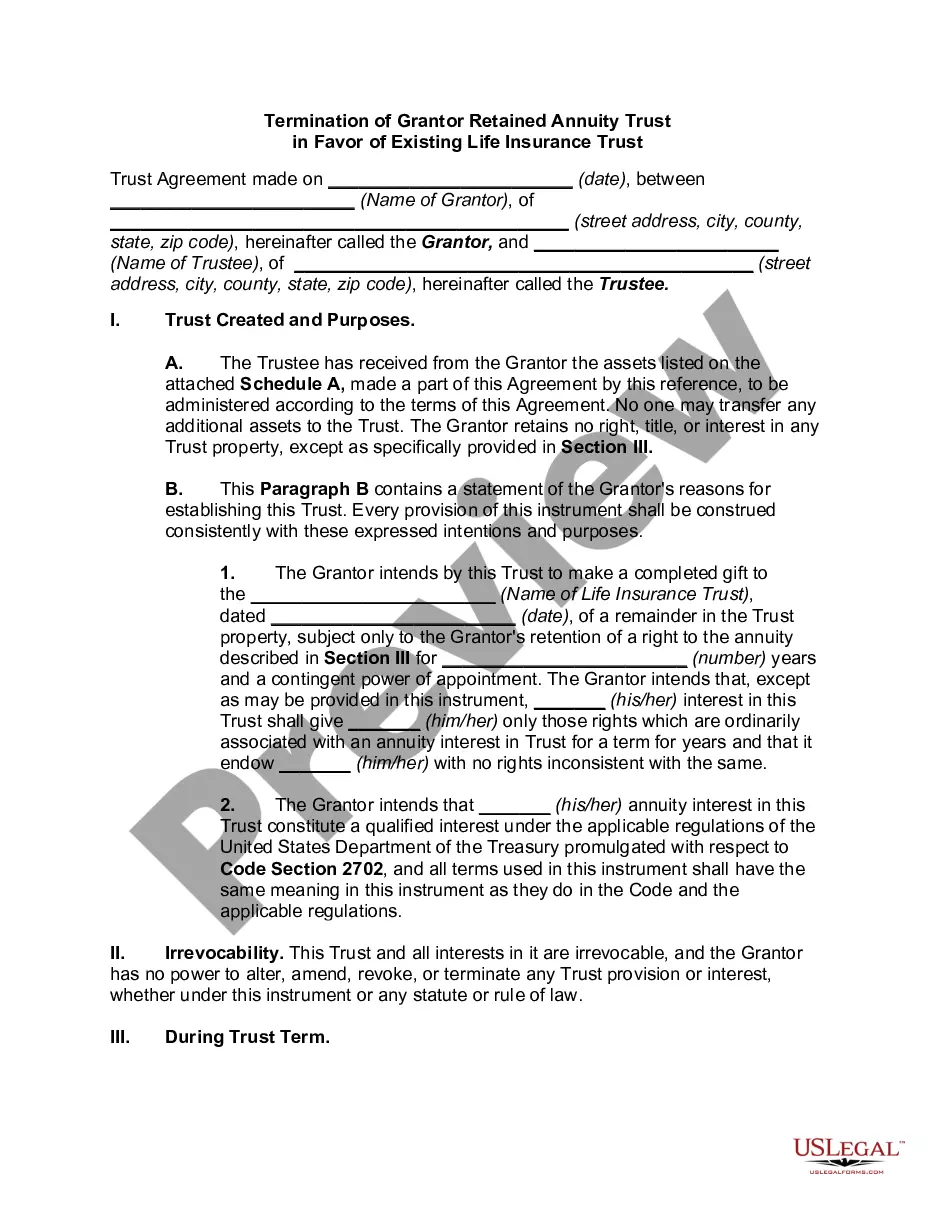
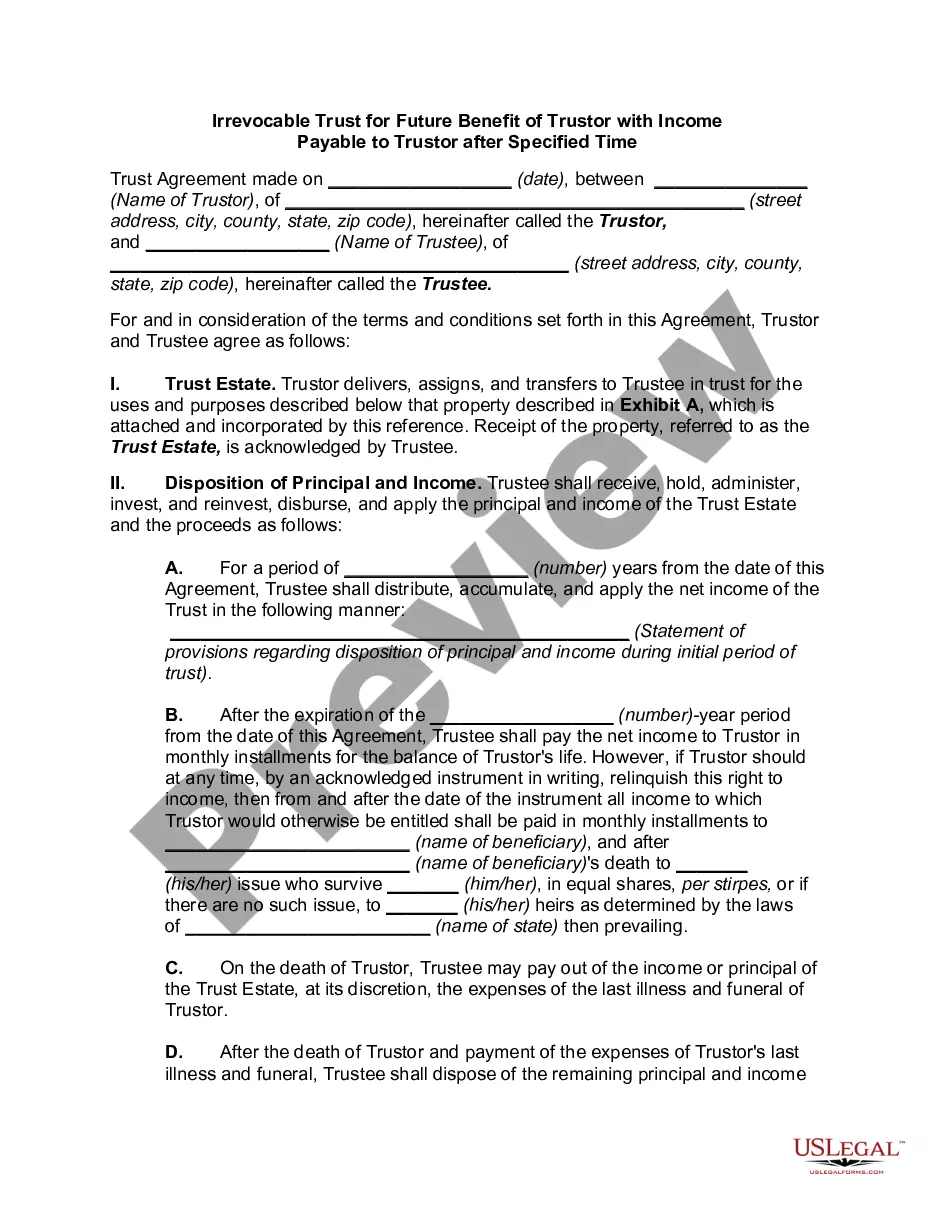
Get your form ready online
Our built-in tools help you complete, sign, share, and store your documents in one place.
Make edits, fill in missing information, and update formatting in US Legal Forms—just like you would in MS Word.
Download a copy, print it, send it by email, or mail it via USPS—whatever works best for your next step.
Sign and collect signatures with our SignNow integration. Send to multiple recipients, set reminders, and more. Go Premium to unlock E-Sign.
If this form requires notarization, complete it online through a secure video call—no need to meet a notary in person or wait for an appointment.
We protect your documents and personal data by following strict security and privacy standards.

Make edits, fill in missing information, and update formatting in US Legal Forms—just like you would in MS Word.

Download a copy, print it, send it by email, or mail it via USPS—whatever works best for your next step.

Sign and collect signatures with our SignNow integration. Send to multiple recipients, set reminders, and more. Go Premium to unlock E-Sign.

If this form requires notarization, complete it online through a secure video call—no need to meet a notary in person or wait for an appointment.

We protect your documents and personal data by following strict security and privacy standards.
Looking for another form?




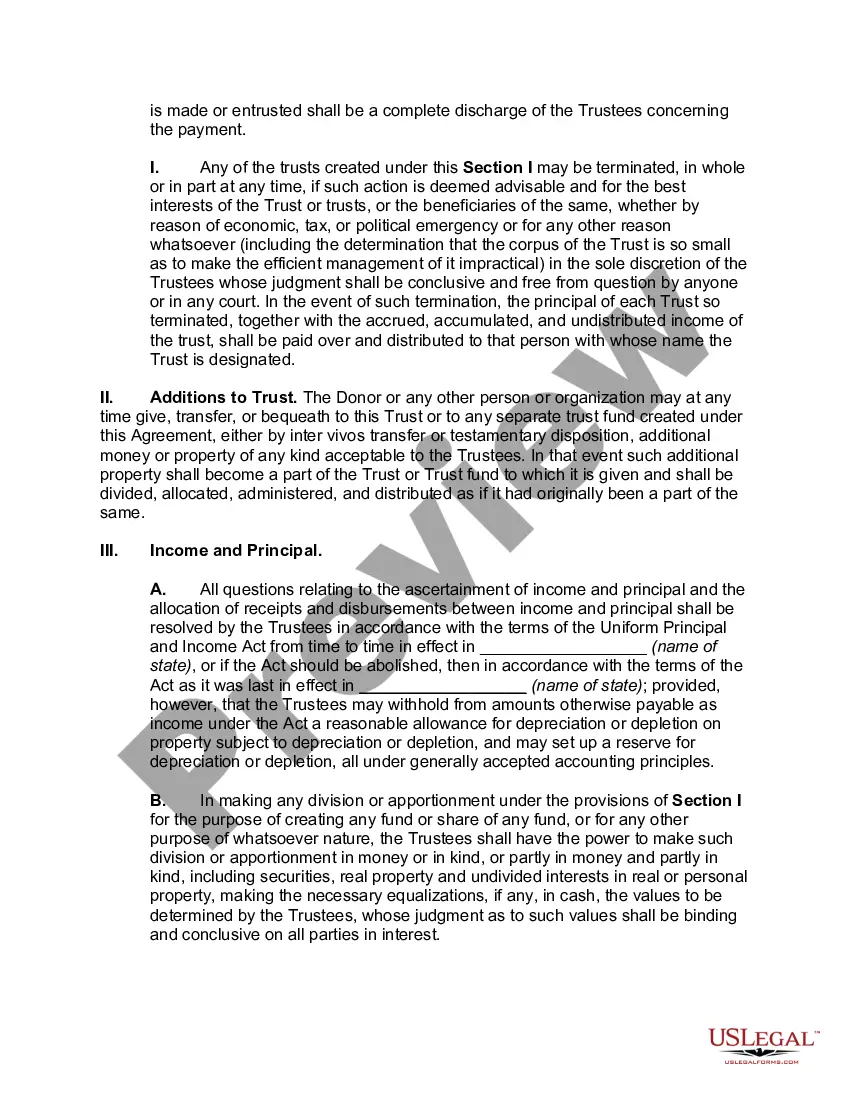
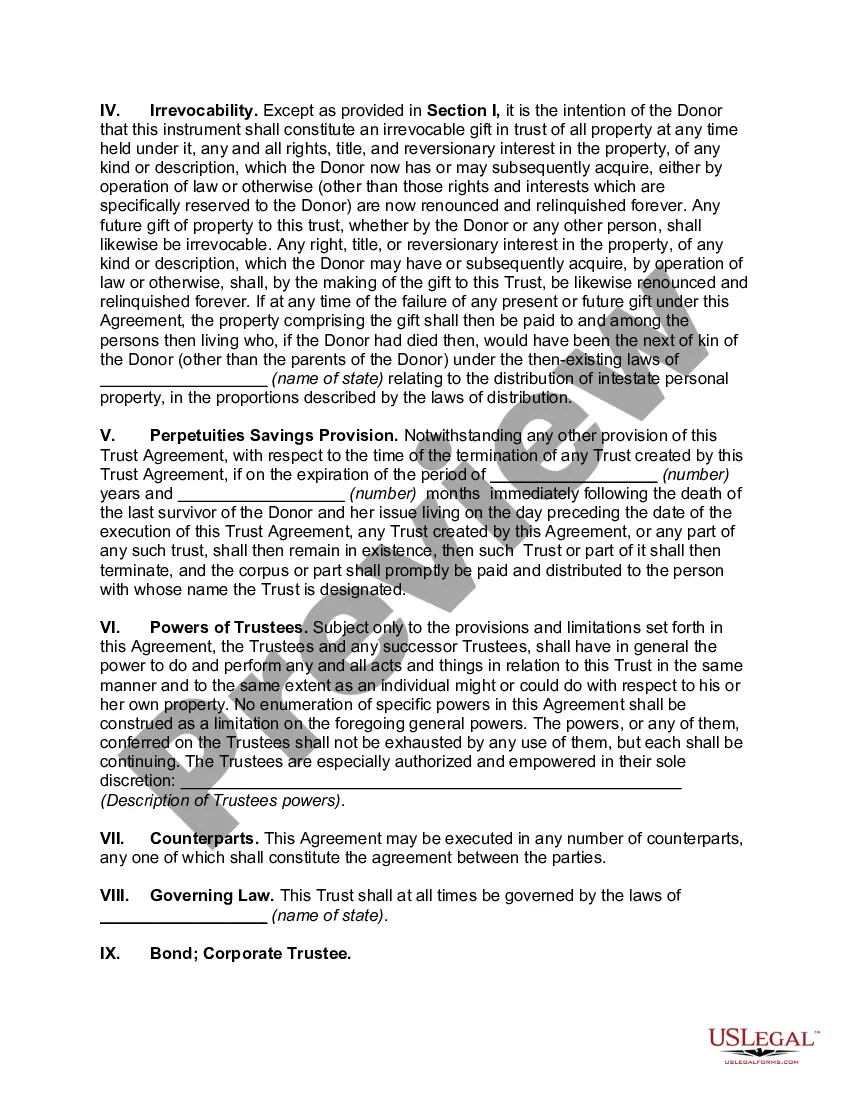
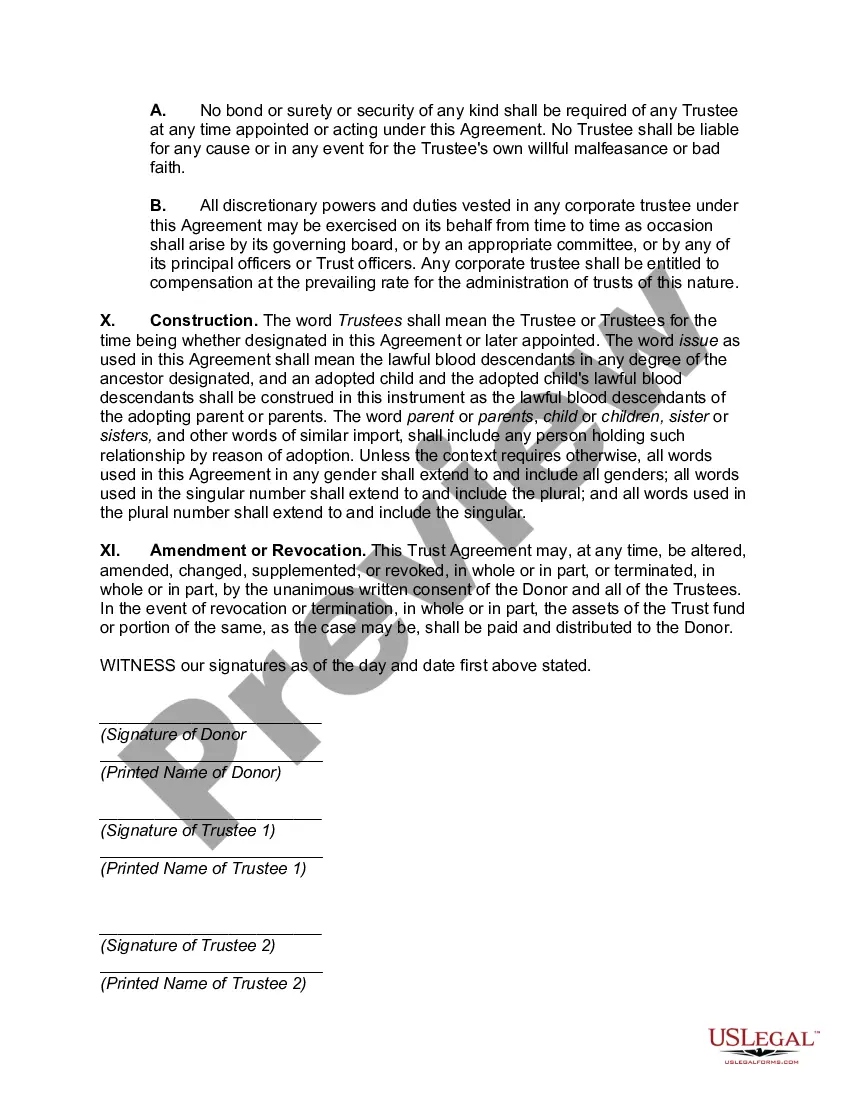
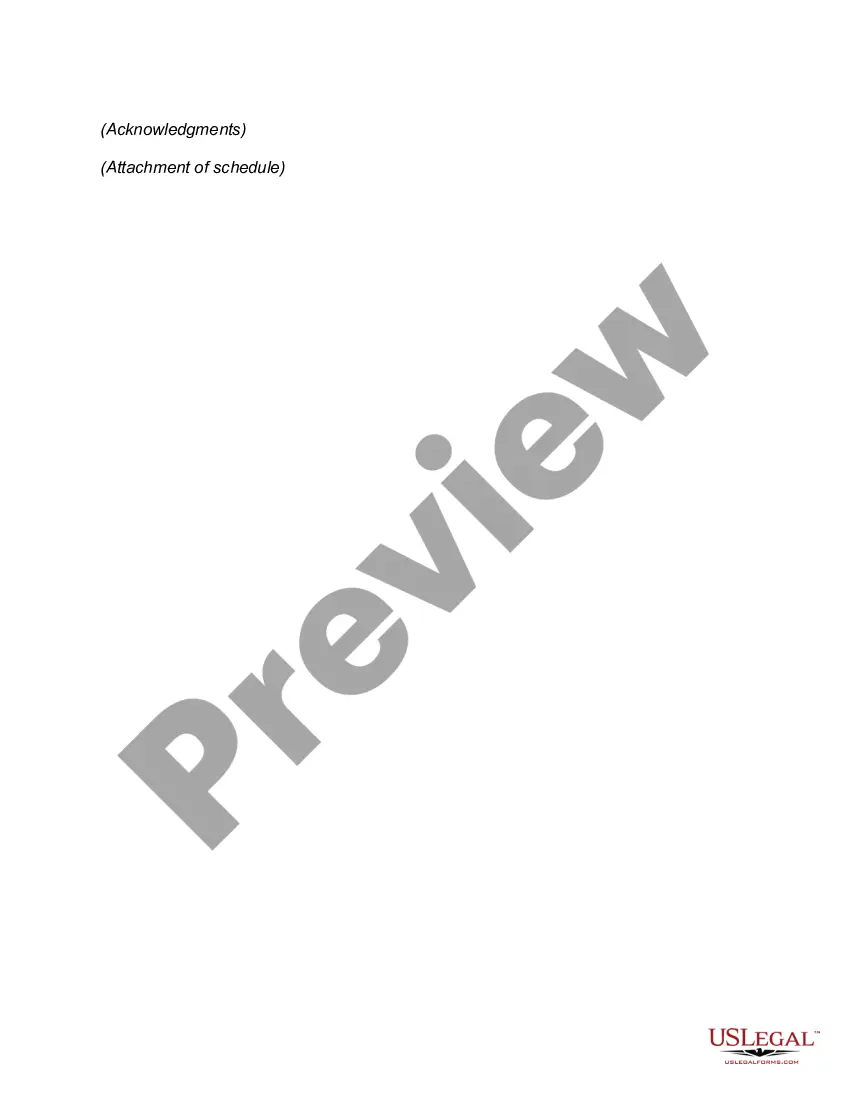
How to fill out Grantor Retained Income Trust With Division Into Trusts For Issue After Term Of Years?
- If you already have an account, log in and download your required form template using the Download button. Check that your subscription is active and renew if necessary.
- For first-time users, start by exploring the Preview mode and detailed descriptions of available forms. Confirm that the selected document aligns with your needs and complies with local jurisdiction laws.
- If the form doesn’t meet your requirements, utilize the Search bar to locate an appropriate template. Proceed to the next step once you find a suitable match.
- Purchase the necessary document by clicking the Buy Now button, then choose your preferred subscription plan. You’ll need to register an account to access the complete library.
- Complete your purchase by entering your credit card information or using your PayPal account. This secures your subscription.
- Once your transaction is successful, download the form to your device. You can always revisit and access it through the My Forms section of your account.
In conclusion, US Legal Forms is an indispensable resource for anyone looking to handle trusts issue for the future efficiently. By following these steps, you can easily obtain the legal documents you need.
Start your journey to simplified legal paperwork today with US Legal Forms!
Form popularity
FAQ
Generation-skipping trusts are excellent for preserving generational wealth. These trusts allow wealth to be transferred to grandchildren or later generations, skipping the immediate children, helping to minimize estate taxes. By considering generation-skipping trusts, you can proactively manage trusts issues for the future, ensuring your assets benefit your family for years to come and creating a lasting legacy.
Wealthy individuals frequently utilize irrevocable trusts. These trusts remove assets from personal ownership, providing specific tax benefits and protecting wealth from creditors. By establishing irrevocable trusts, you can address various trusts issues for the future, ensuring assets are managed and distributed according to your long-term financial goals while safeguarding them for future generations.
A testamentary trust is often considered the best option for inheritance purposes. This type of trust is established through your will and takes effect after your death, creating clear guidelines for asset distribution to your beneficiaries. By using a testamentary trust, you can effectively manage trusts issues for the future, ensuring that your loved ones receive their inheritance according to your wishes while also providing for their needs over time.
Suze Orman often advocates for revocable living trusts. These trusts allow you to manage your assets during your lifetime and simplify the transfer of your estate after your passing. By utilizing a revocable living trust, you can address many trusts issues for the future, ensuring your wishes are fulfilled without the lengthy probate process. It’s a practical way to maintain control and flexibility over your assets.
To avoid capital gains tax in an irrevocable trust, consider strategies such as holding onto assets longer or employing tax-exempt investments. It's also beneficial to consult with tax professionals who can provide tailored advice for your specific situation. Preparing ahead can make a significant difference in managing your trusts issue for the future.
The new IRS rule on trusts places greater emphasis on disclosure and compliance for both irrevocable and revocable trusts. This rule helps the IRS enforce tax regulations more effectively while protecting beneficiaries. Understanding these updates is vital for navigating the complexities of trusts issue for the future.
Currently, Form 5227, which is used to report information for charitable trusts, cannot be filed electronically. You will need to complete this form manually and submit it via traditional mail. Staying updated on filing methods can benefit your management of trusts issue for the future.
The new IRS $600 rule indicates that trusts and estates need to report any income over $600 received during the tax year. This change is significant for trust administrators to understand, as it affects how income is declared and taxed. Knowing this rule helps in effective planning for trusts issue for the future.
Generally, irrevocable trusts are required to file tax returns each year, as they are seen as separate entities by the IRS. This means filing Form 1041 annually to report income, deductions, and credits. Staying compliant with annual filings is essential for preventing any complications related to your trusts issue for the future.
Yes, there is a Schedule B for Form 1041, which is used to report income received by estates and trusts. This schedule helps in detailing the income sources that the trust has generated during the tax year. Ensuring proper documentation like Schedule B can play a significant role in managing your trusts issue for the future.