Foreign Non Grantor Trust With Us Beneficiaries
Description
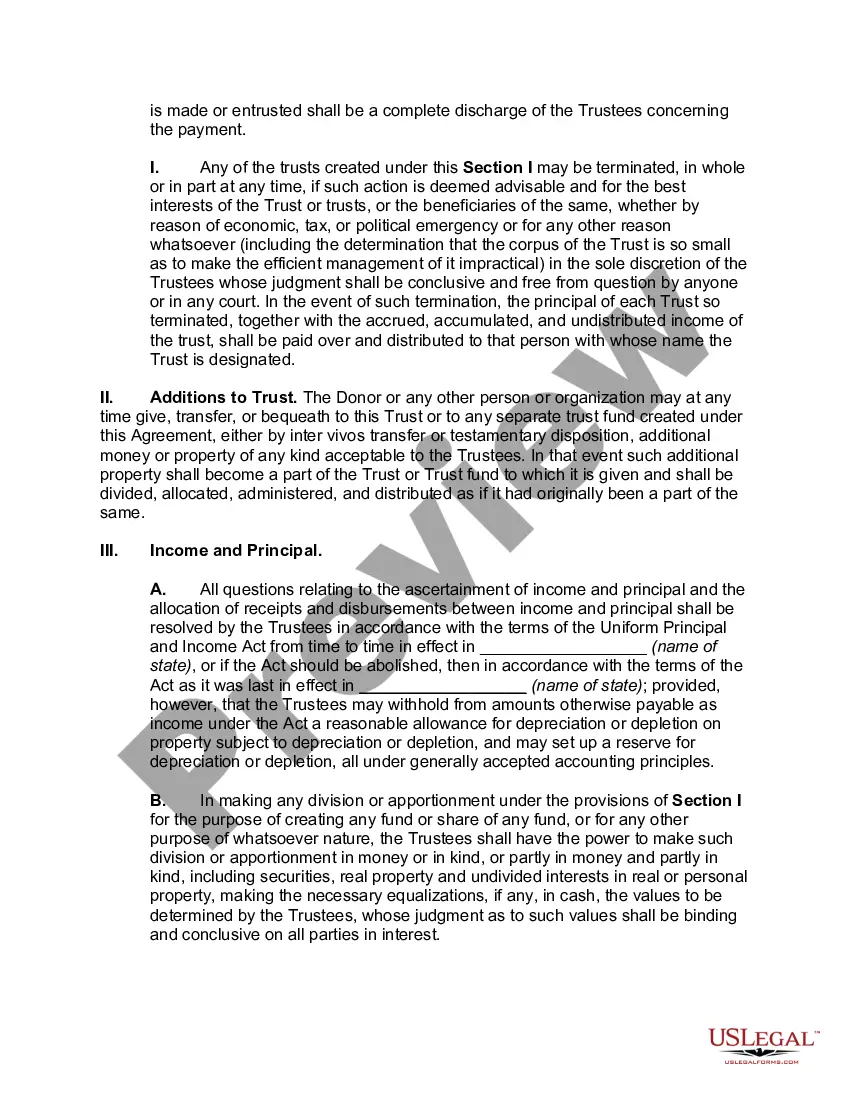
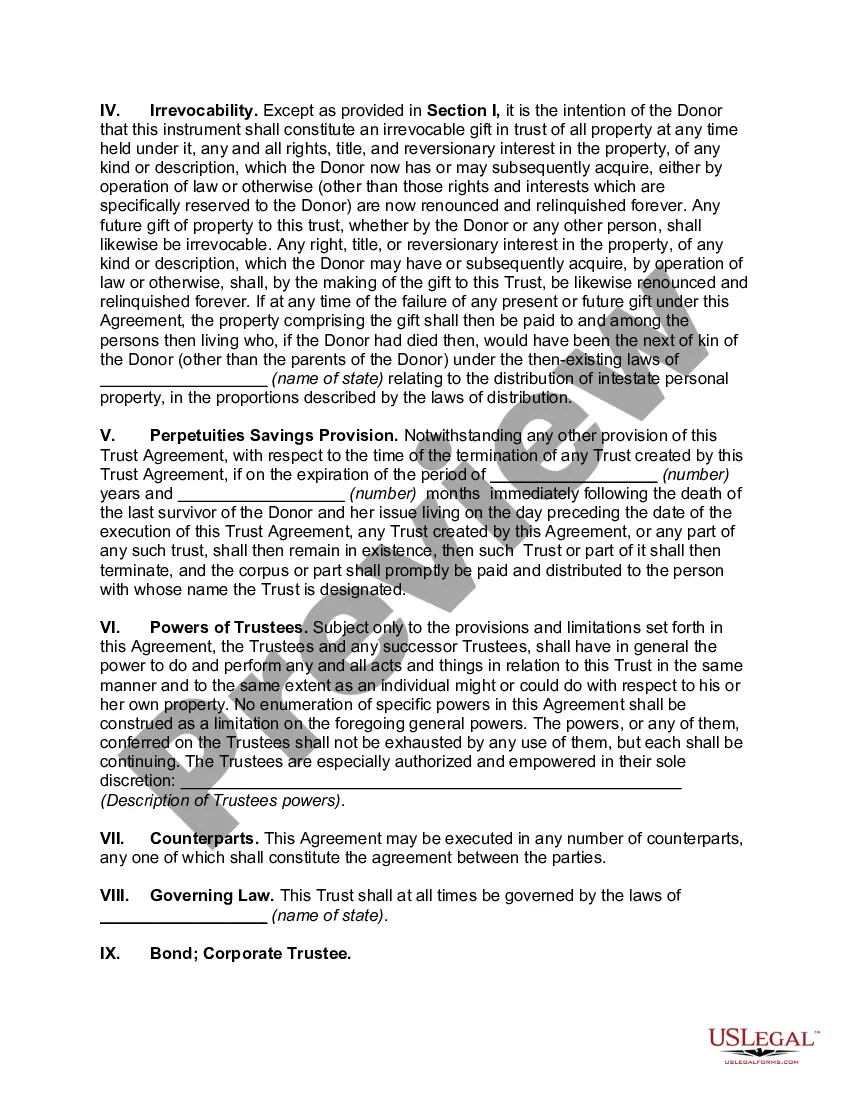
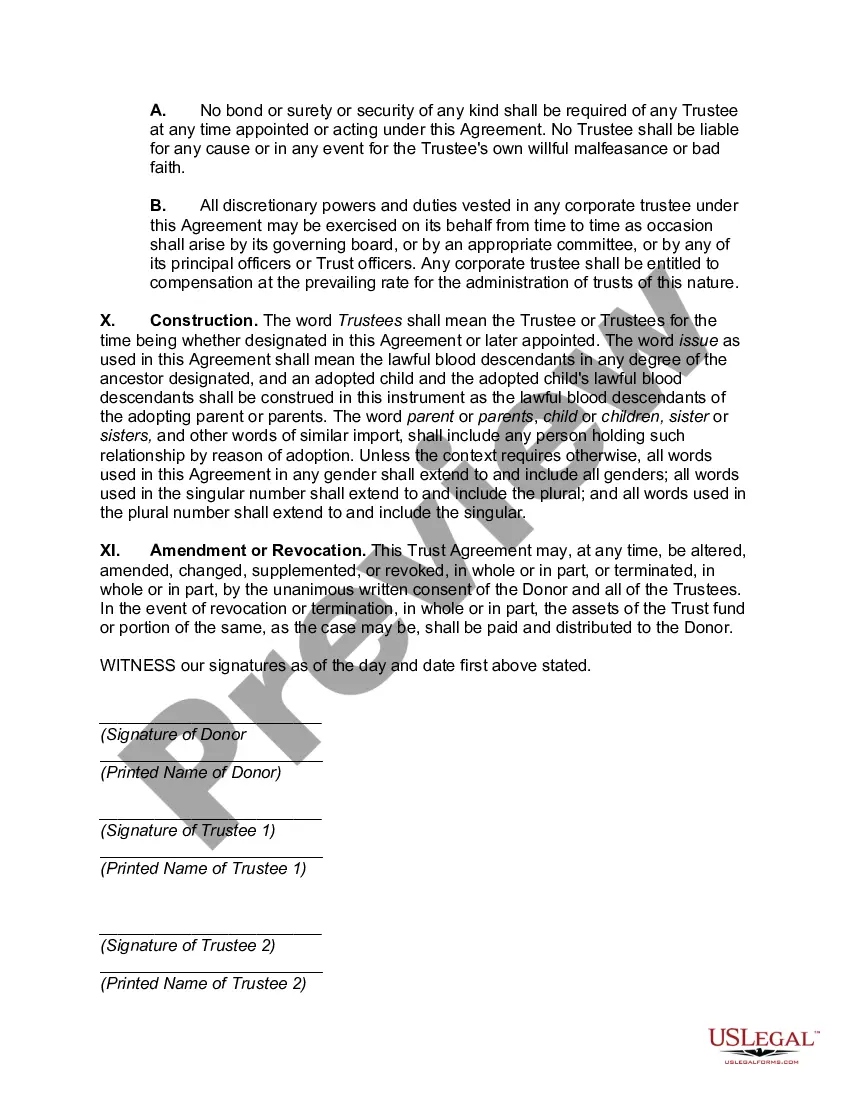

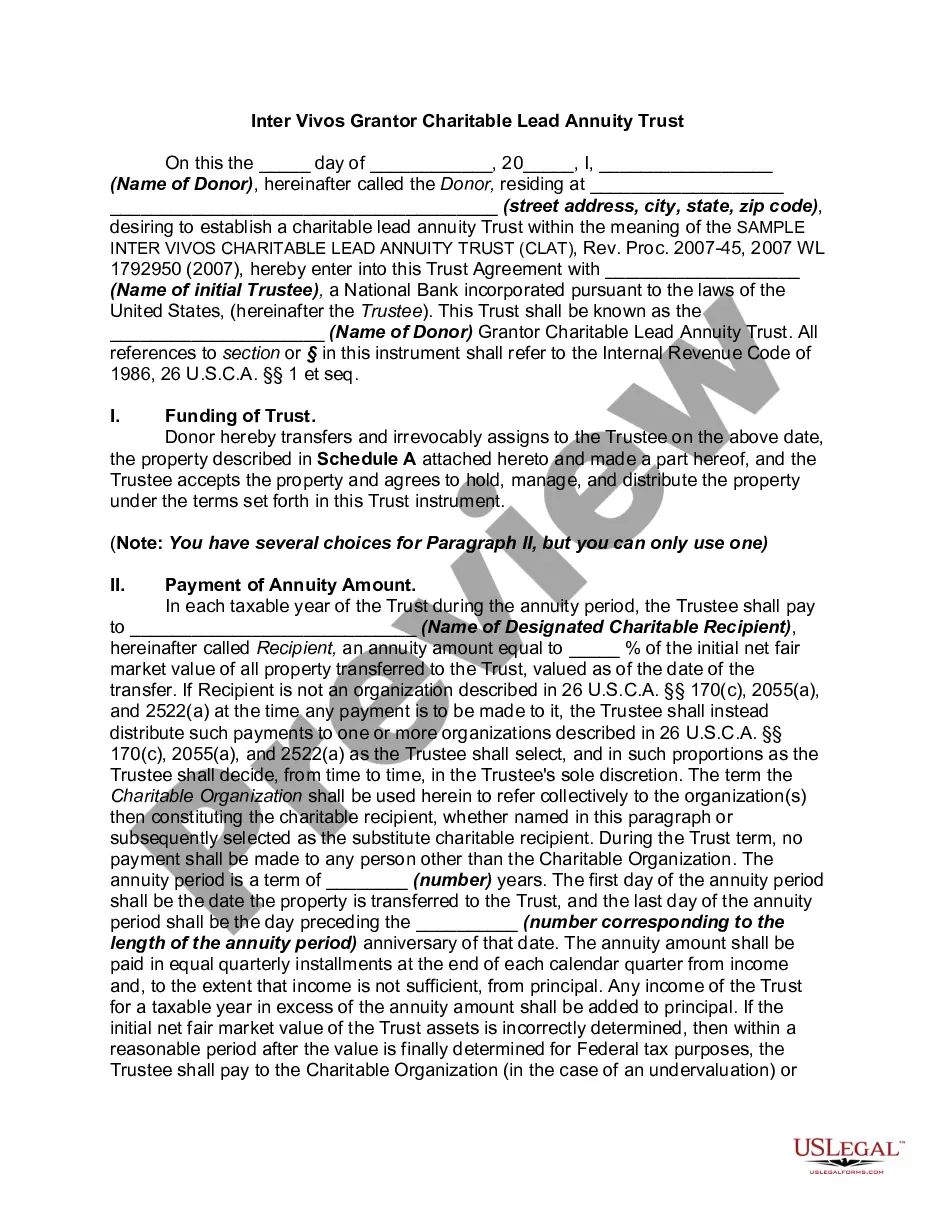
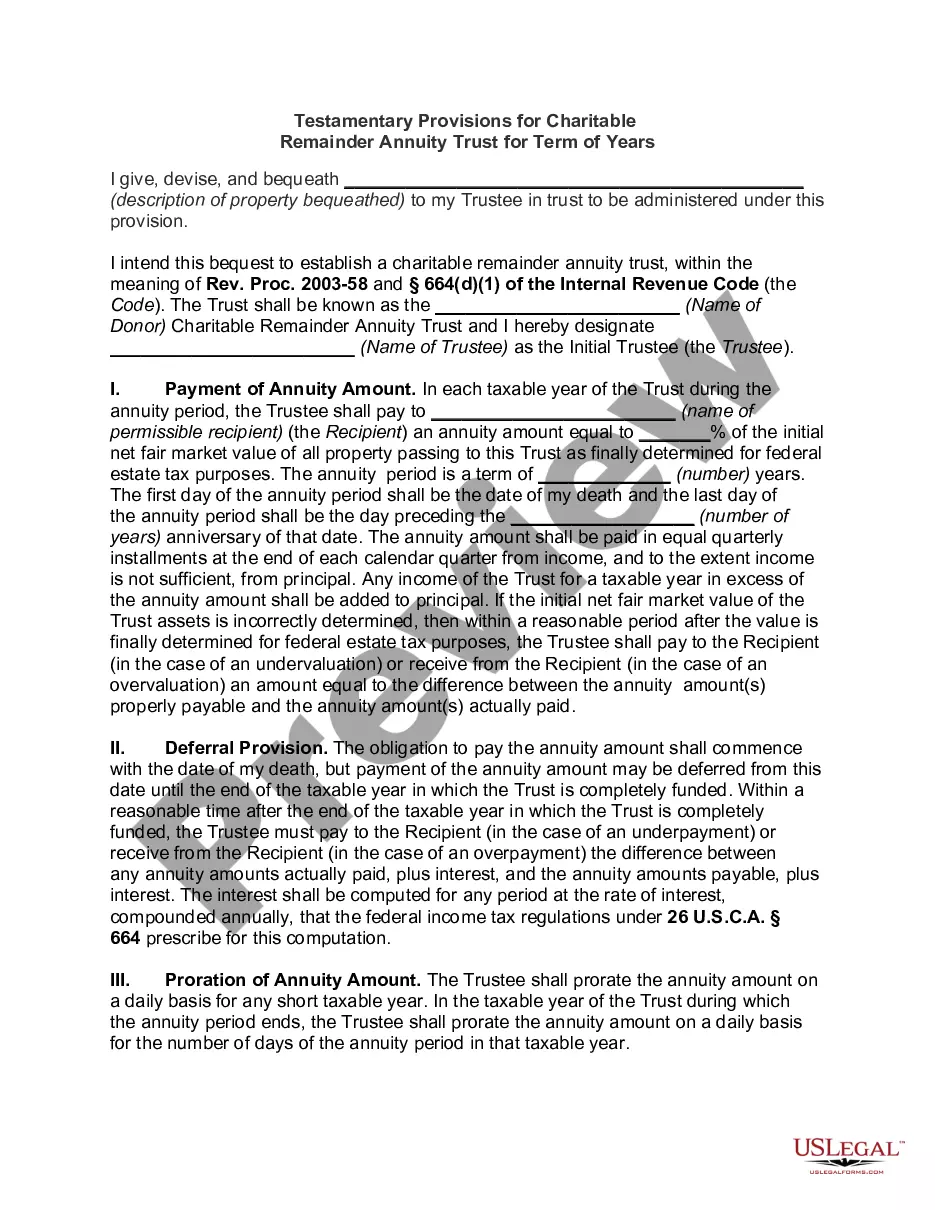
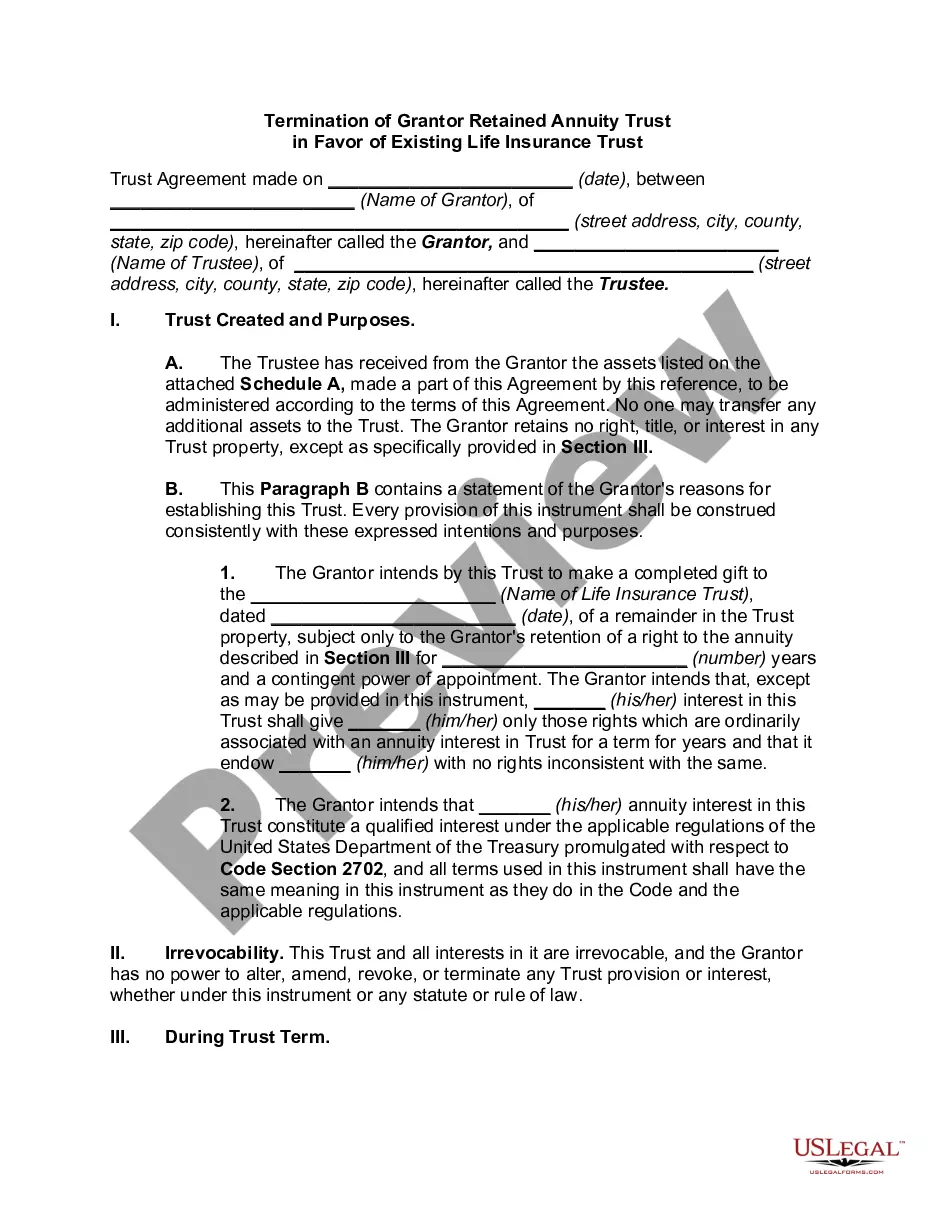
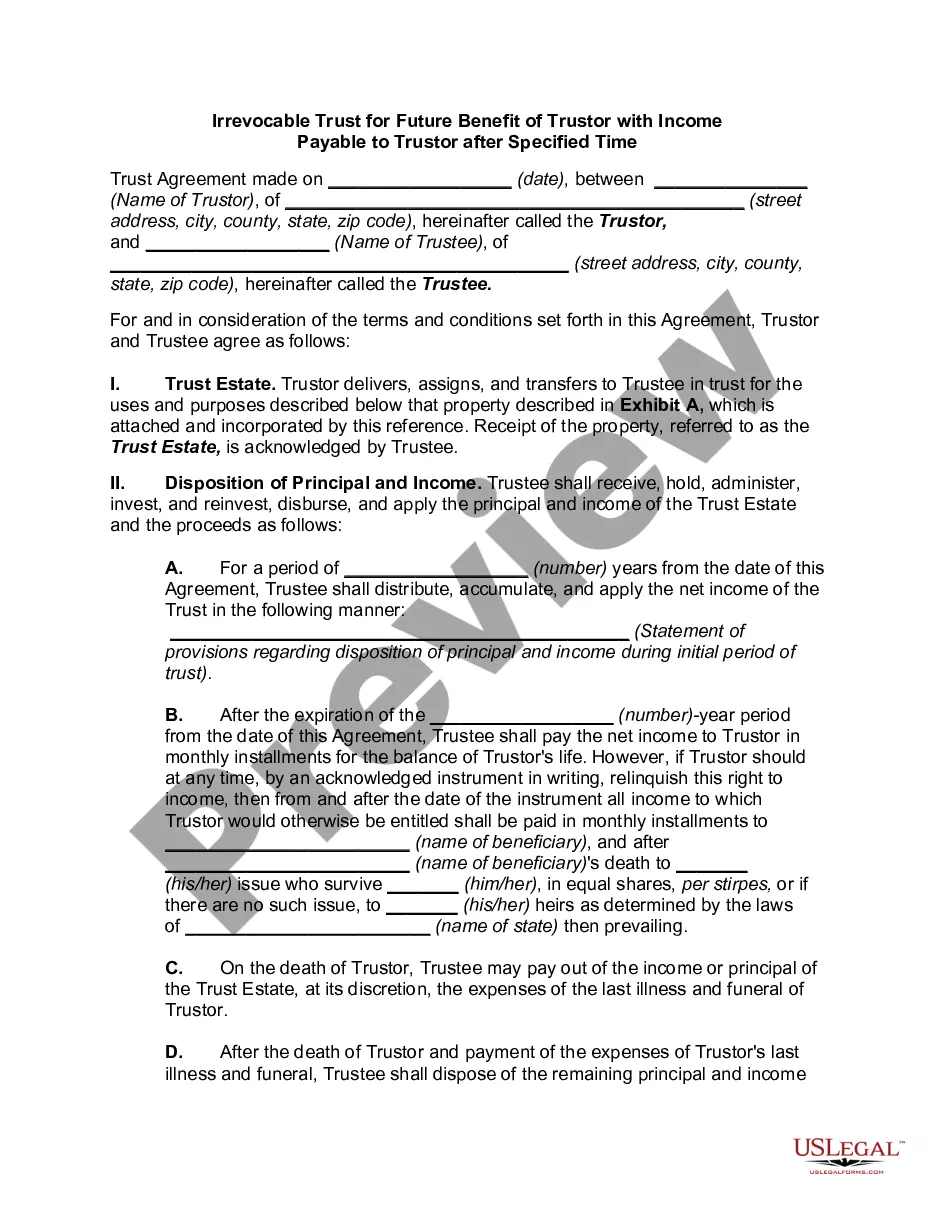
Get your form ready online
Our built-in tools help you complete, sign, share, and store your documents in one place.
Make edits, fill in missing information, and update formatting in US Legal Forms—just like you would in MS Word.
Download a copy, print it, send it by email, or mail it via USPS—whatever works best for your next step.
Sign and collect signatures with our SignNow integration. Send to multiple recipients, set reminders, and more. Go Premium to unlock E-Sign.
If this form requires notarization, complete it online through a secure video call—no need to meet a notary in person or wait for an appointment.
We protect your documents and personal data by following strict security and privacy standards.

Make edits, fill in missing information, and update formatting in US Legal Forms—just like you would in MS Word.

Download a copy, print it, send it by email, or mail it via USPS—whatever works best for your next step.

Sign and collect signatures with our SignNow integration. Send to multiple recipients, set reminders, and more. Go Premium to unlock E-Sign.

If this form requires notarization, complete it online through a secure video call—no need to meet a notary in person or wait for an appointment.

We protect your documents and personal data by following strict security and privacy standards.
Looking for another form?
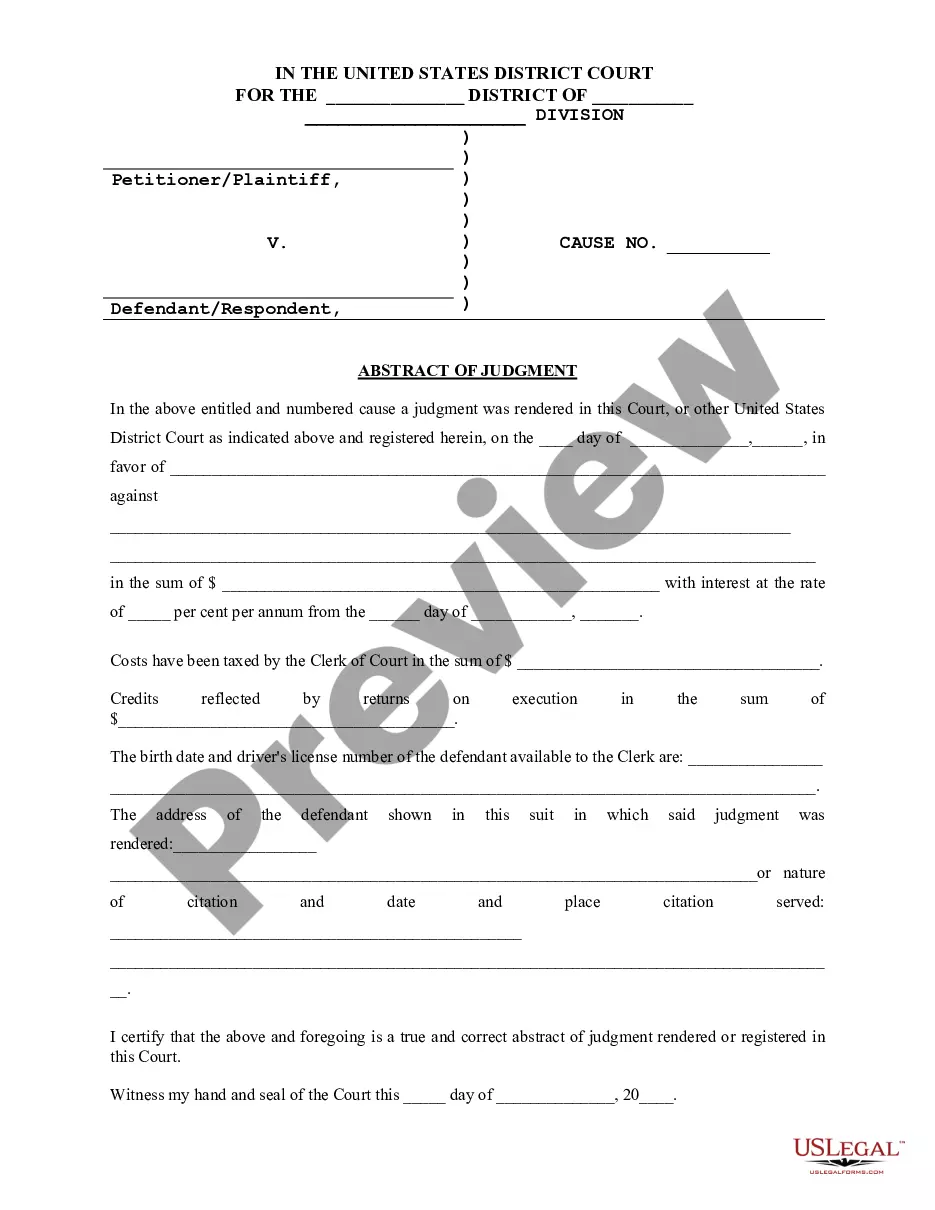






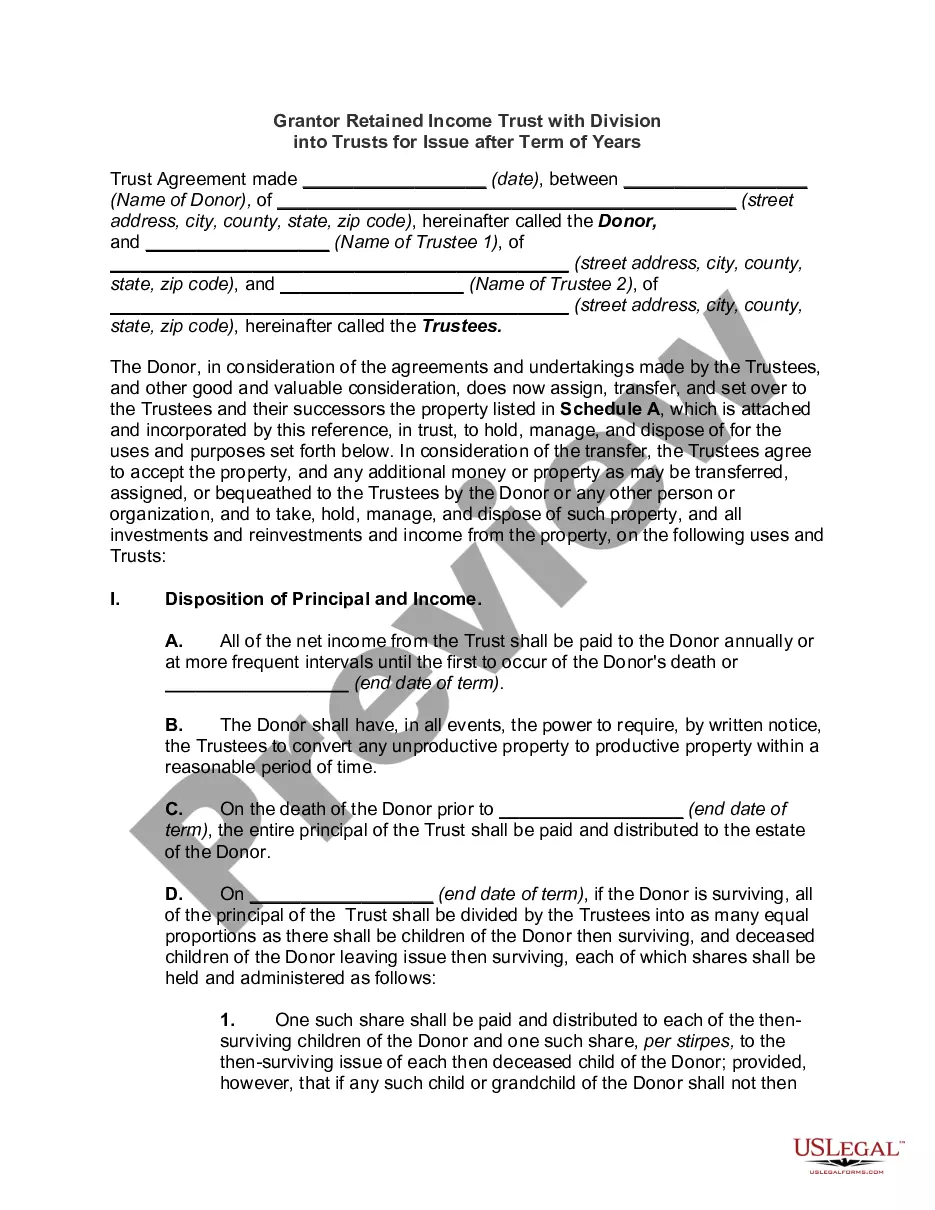
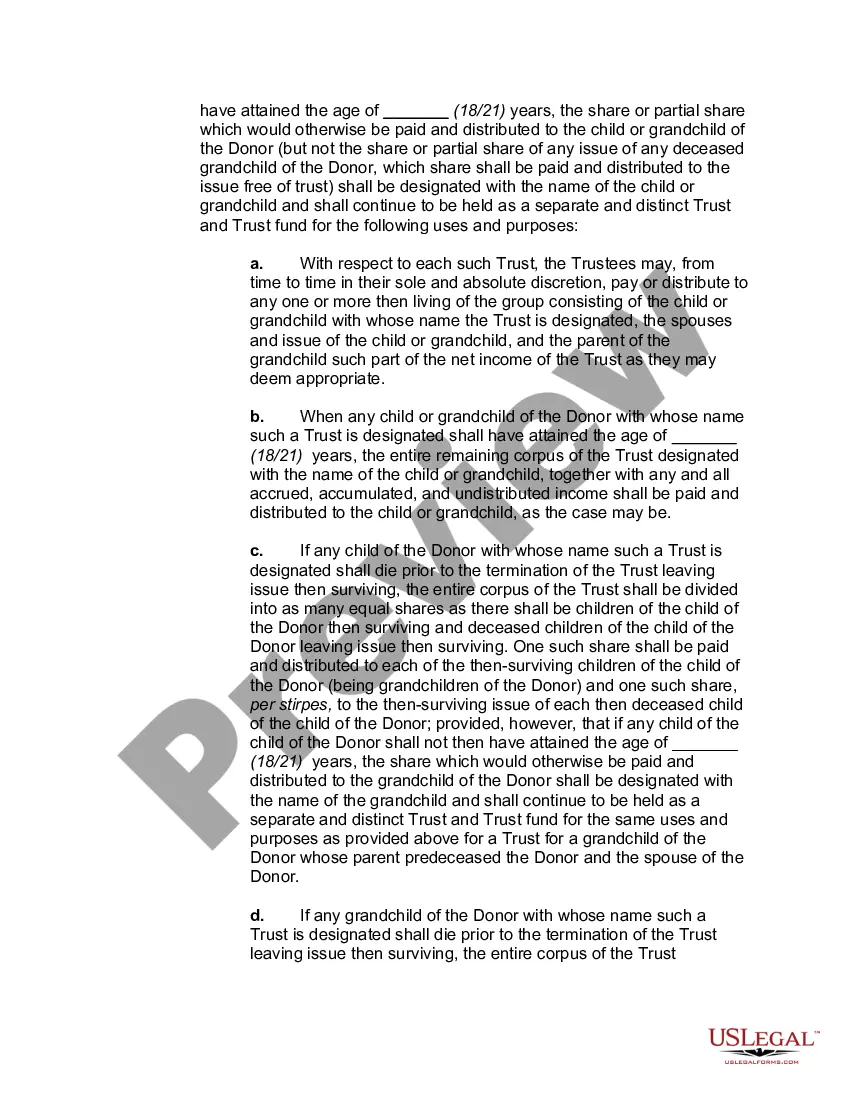
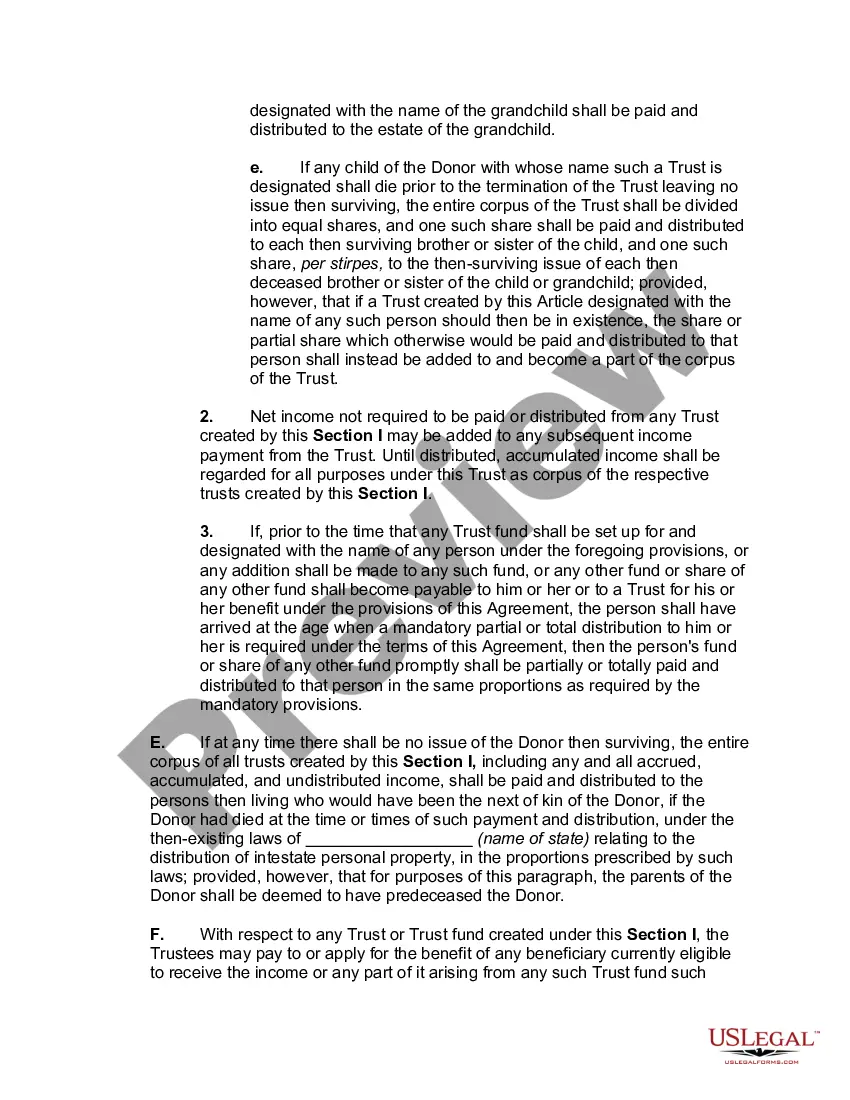
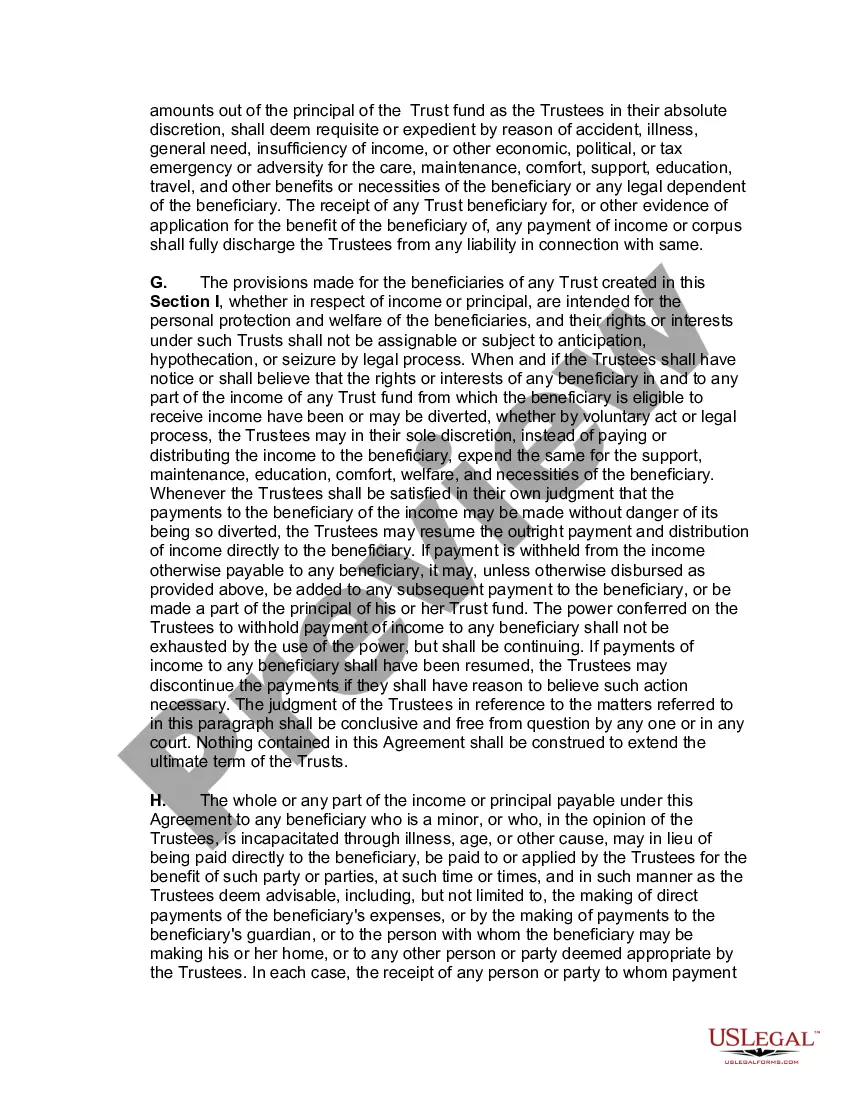
How to fill out Grantor Retained Income Trust With Division Into Trusts For Issue After Term Of Years?
- If you're a returning user, log in to access your account. Check your subscription status before proceeding to download the required form template.
- New users should first check the form preview and description to confirm it suits your needs and complies with local jurisdiction.
- If you need a different template, utilize the Search tab to find the correct one. Ensure it meets your requirements before continuing.
- To purchase the document, click the Buy Now button and select your preferred subscription plan. Registration is required for library access.
- Complete your purchase by entering your credit card information or PayPal account details.
- Finally, download the completed form to your device and access it anytime via the My Forms section of your profile.
By utilizing US Legal Forms, users benefit from a robust library with over 85,000 legal forms and packages. This extensive collection allows individuals and attorneys to quickly execute accurate legal documents.
In conclusion, US Legal Forms streamlines the process of obtaining vital legal forms efficiently, empowering users with the tools they need. Start your journey towards secure legal compliance today!
Form popularity
FAQ
A US trust typically becomes a foreign trust when the grantor or certain trustees are non-US persons. This change can affect taxation and reporting requirements significantly. If you're considering transitioning to a foreign non-grantor trust with US beneficiaries, it is wise to consult with legal experts to ensure you understand all financial and regulatory implications.
In the USA, a trustee can be an individual or an institution as long as they have the legal capacity to manage the trust assets. This includes individuals who are citizens or residents, as well as foreign individuals, depending on the trust's setup. Understanding the role of the trustee is vital for the successful administration of a foreign non-grantor trust with US beneficiaries.
Certainly, a trustee can be a foreign person when managing a US trust. This setup may introduce unique tax and legal considerations that need careful evaluation. It's advisable to consult with a legal professional to ensure that both the trust and its beneficiaries comply with relevant regulations.
To establish a foreign grantor trust, you must draft a trust agreement that follows legal guidelines, ensuring it aligns with the requirements for US beneficiaries. You may consider utilizing services like USLegalForms to navigate the complexities of trust formation. This ensures the trust is set up correctly and complies with applicable laws.
As mentioned earlier, the 5-year rule primarily addresses how distributions from foreign non-grantor trusts are taxed in relation to US beneficiaries. If a distribution occurs, it may be subject to taxation in the year received, emphasizing the importance of strategic planning and timing. Consulting a tax advisor can simplify this aspect and help maximize benefits.
Yes, a US trust can have a foreign trustee. However, this could lead to specific tax reporting responsibilities for both the trust and its beneficiaries. Understanding the legal and tax implications is crucial, especially if the trust is characterized as a foreign non-grantor trust with US beneficiaries.
To obtain an Employer Identification Number (EIN) for a foreign grantor trust with US beneficiaries, you'll need to complete Form SS-4. You must provide specific information about the trust, including the foreign grantor's details. Working through USLegalForms, you can streamline this process and ensure compliance with IRS requirements.
The 5-year rule for foreign trusts dictates that if a US beneficiary receives distributions from a foreign non-grantor trust, these distributions may be taxed in the year they are received. This rule requires careful monitoring of trust distributions to understand their impact on both the grantor and the beneficiaries. It’s often beneficial to seek professional advice for managing these transactions.
Yes, a US trust can have a foreign grantor. This relationship can help create a foreign non-grantor trust with US beneficiaries. However, it is essential to understand the tax implications that may arise from such arrangements. Engaging with a legal expert can help navigate these complexities.
Yes, the beneficiary of a foreign non-grantor trust with US beneficiaries is typically subject to US taxes on distributions received from the trust. The taxable amount will depend on the character of the income and the source of the trust's assets. Beneficiaries must report this income on their tax returns, but specific deductions and credits may apply. Therefore, understanding your tax obligations in this context is crucial for compliance.