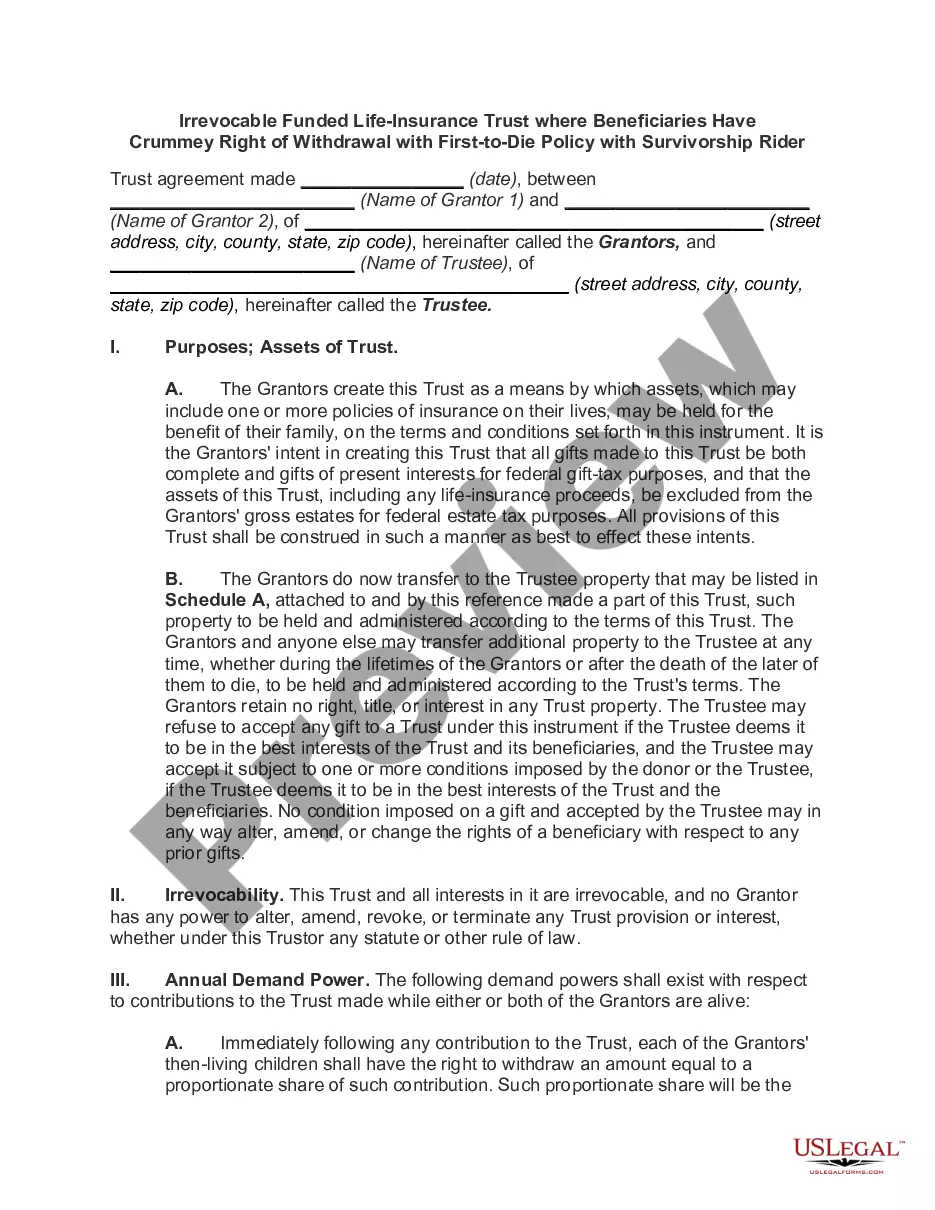
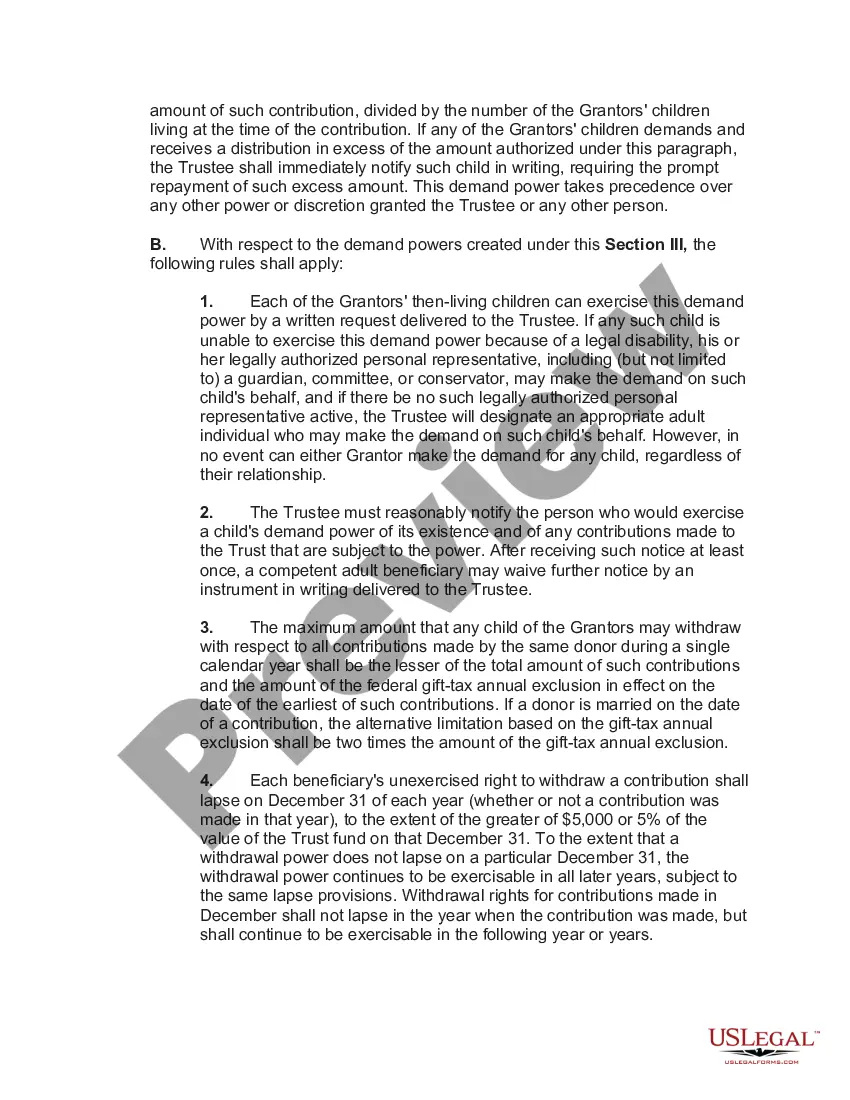
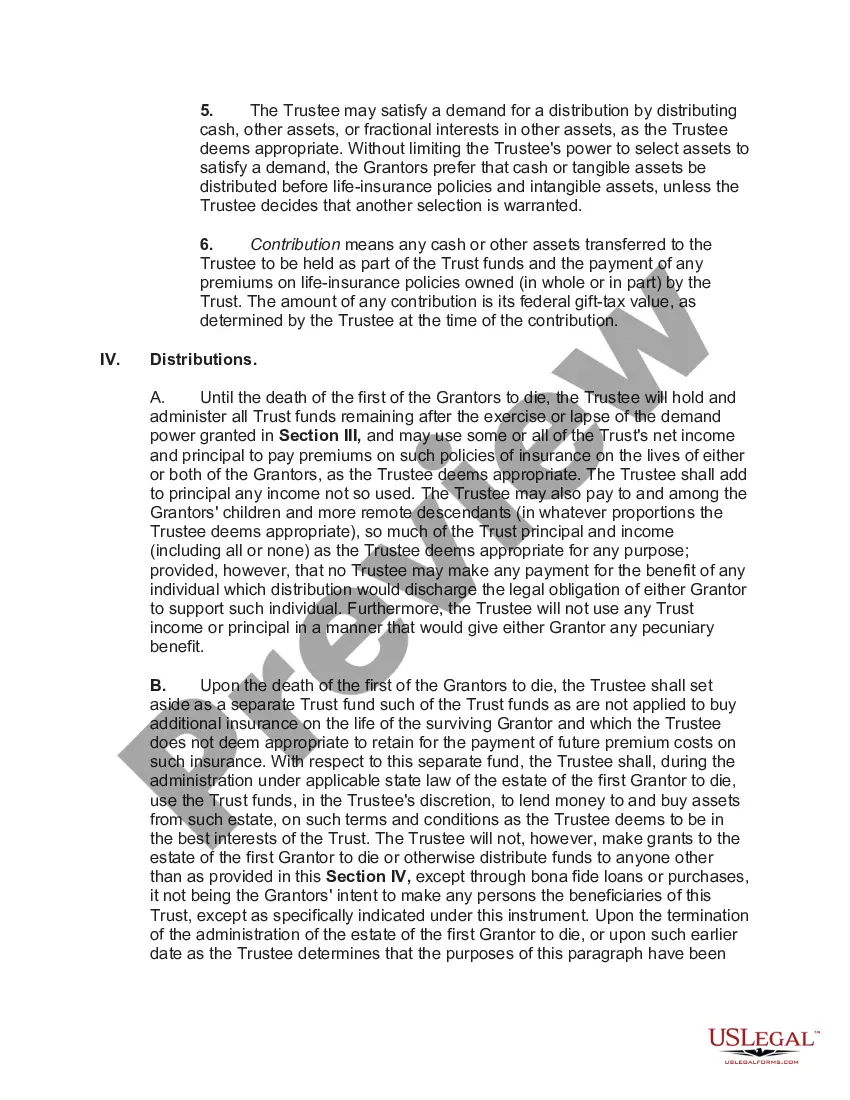
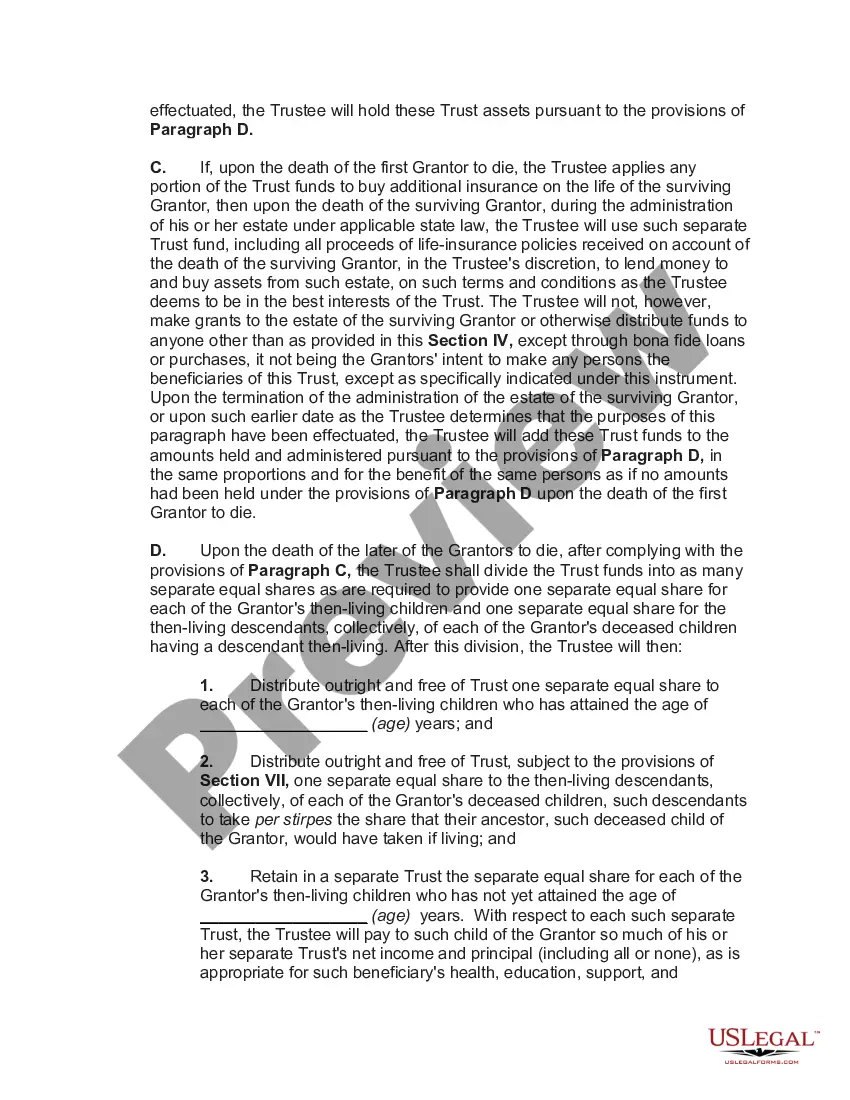
Trust Owned Life Insurance
Description
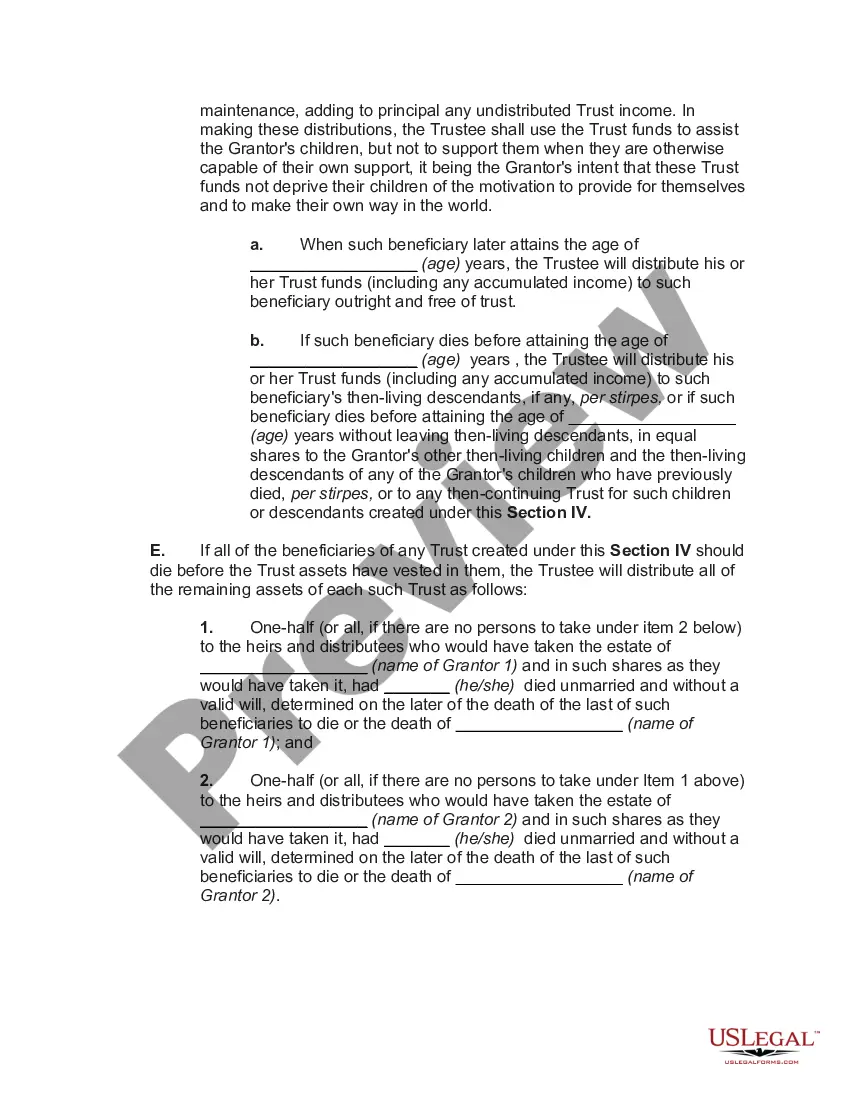
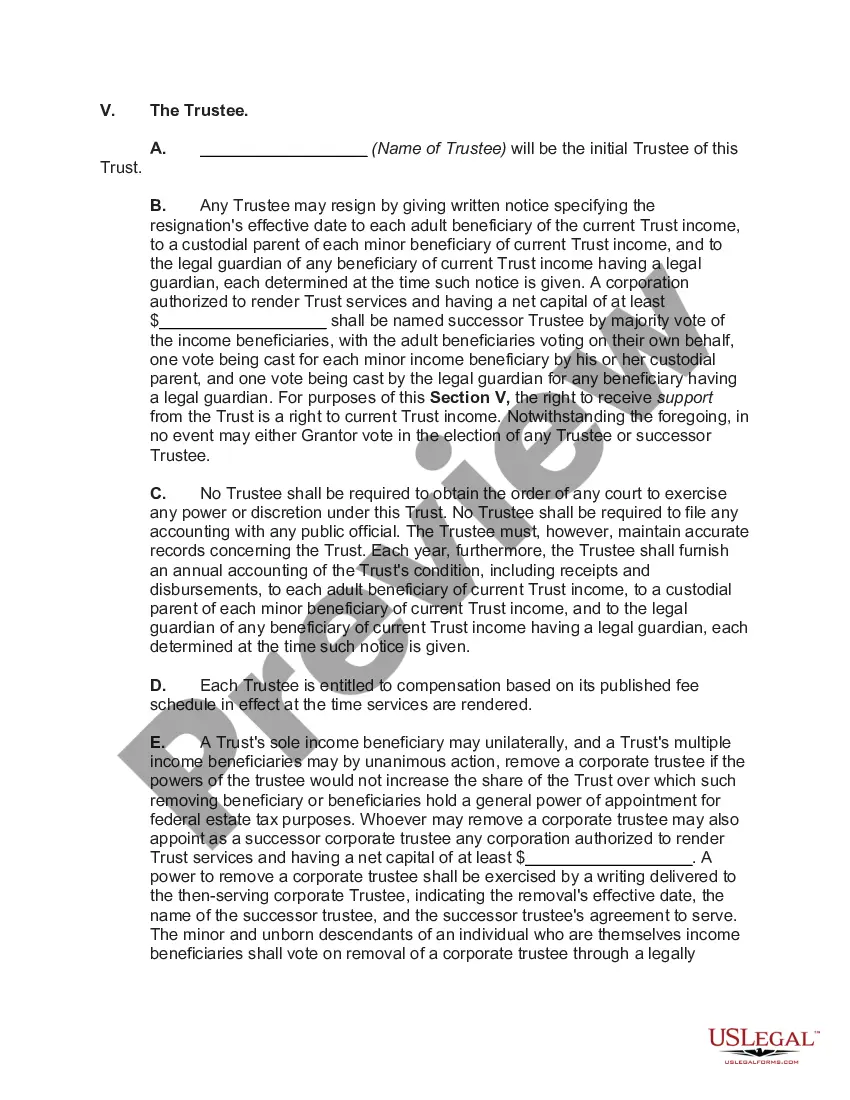
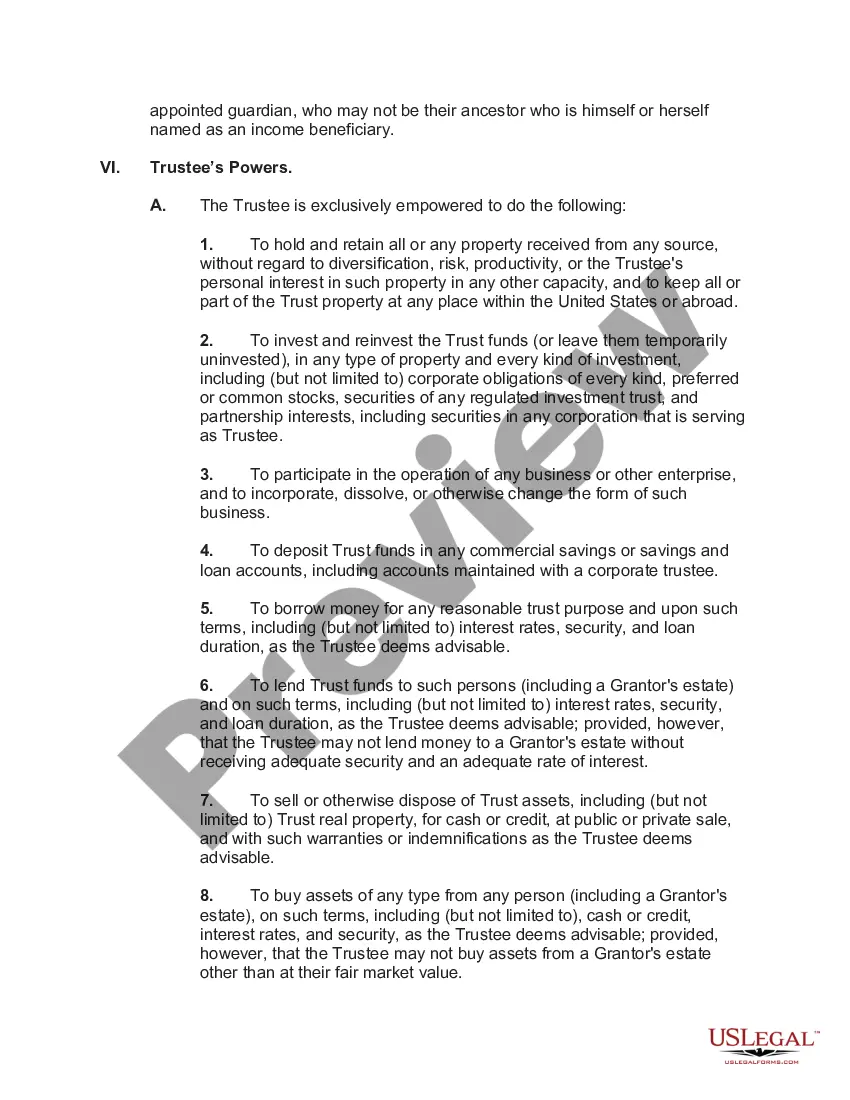
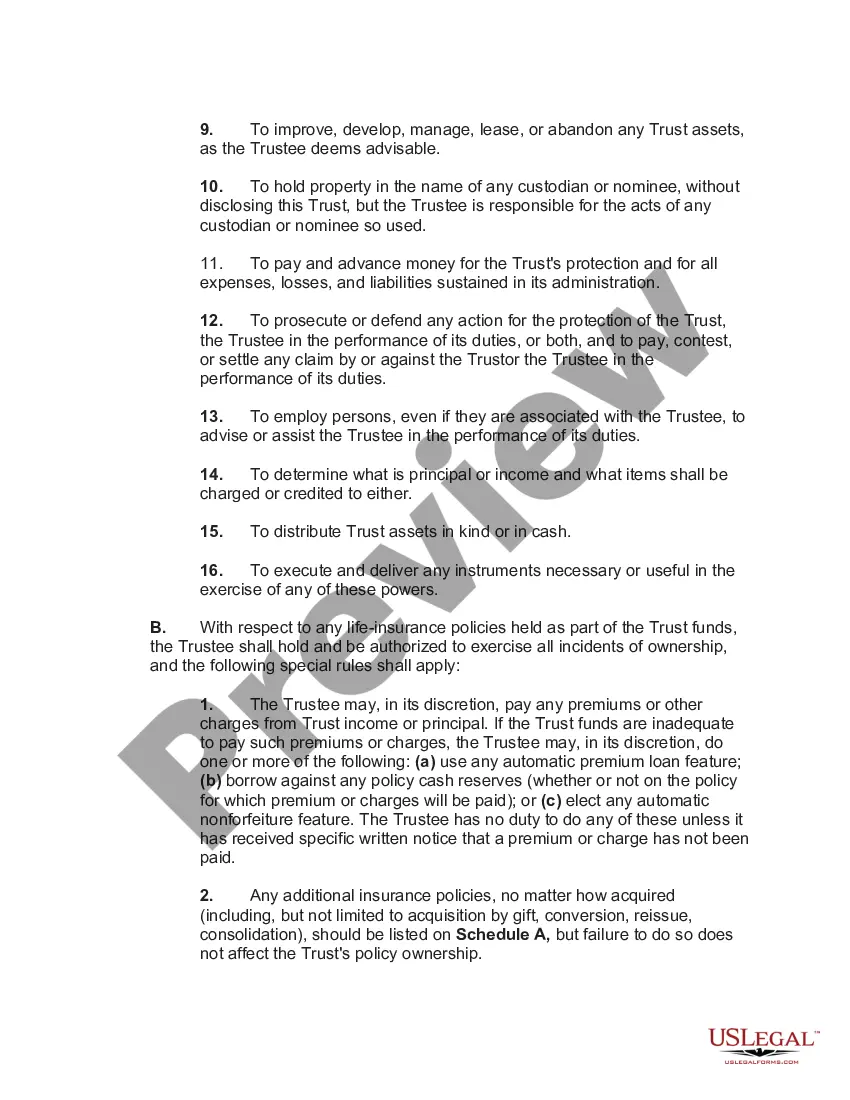
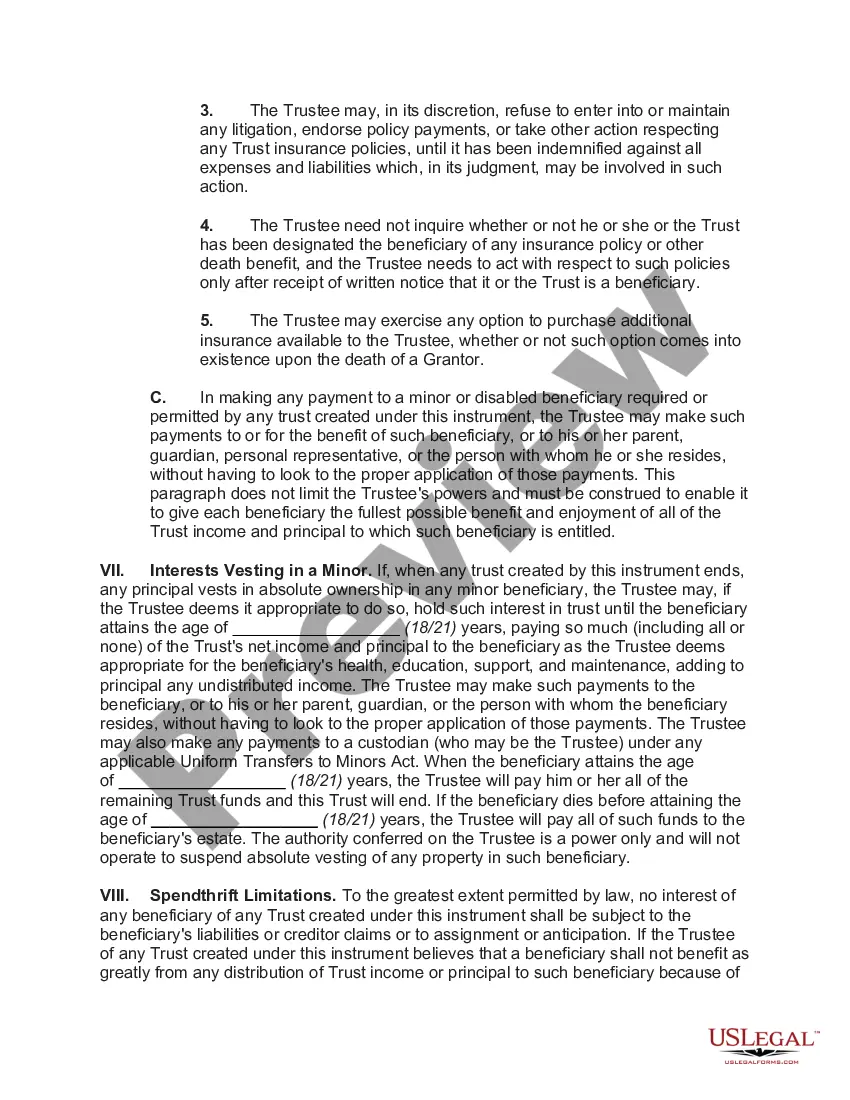
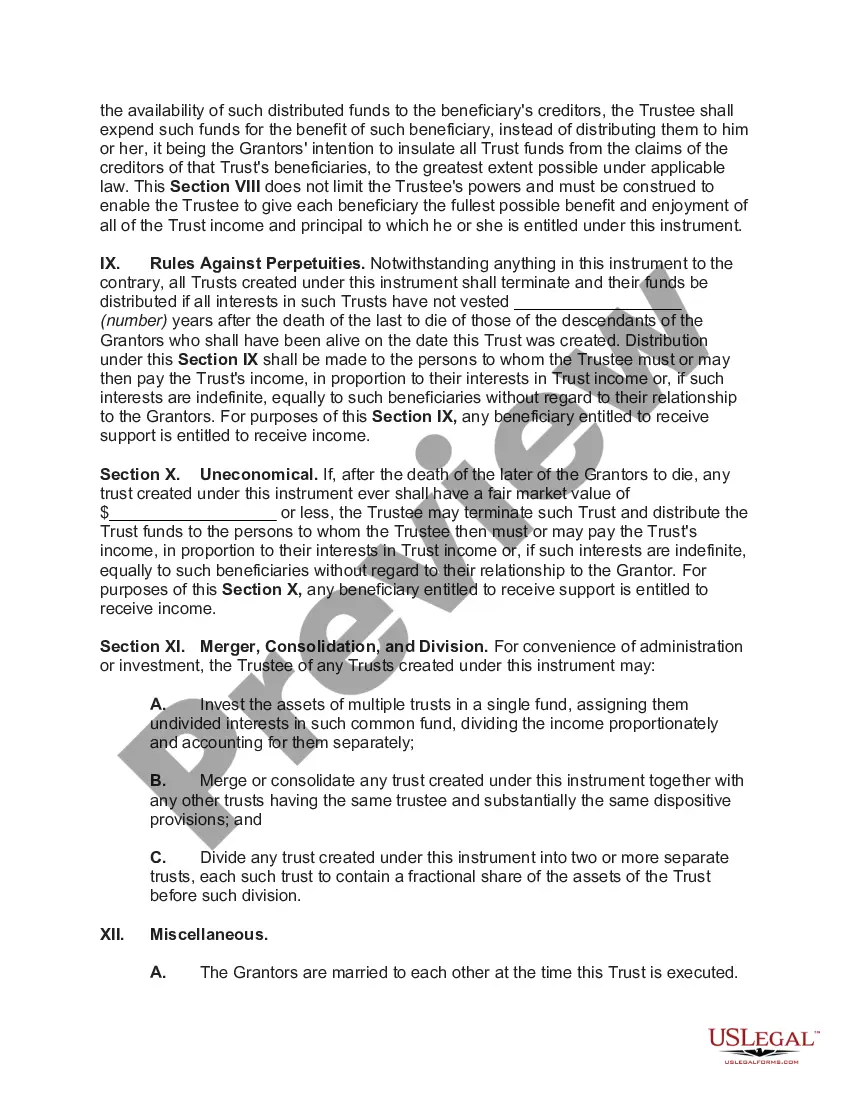

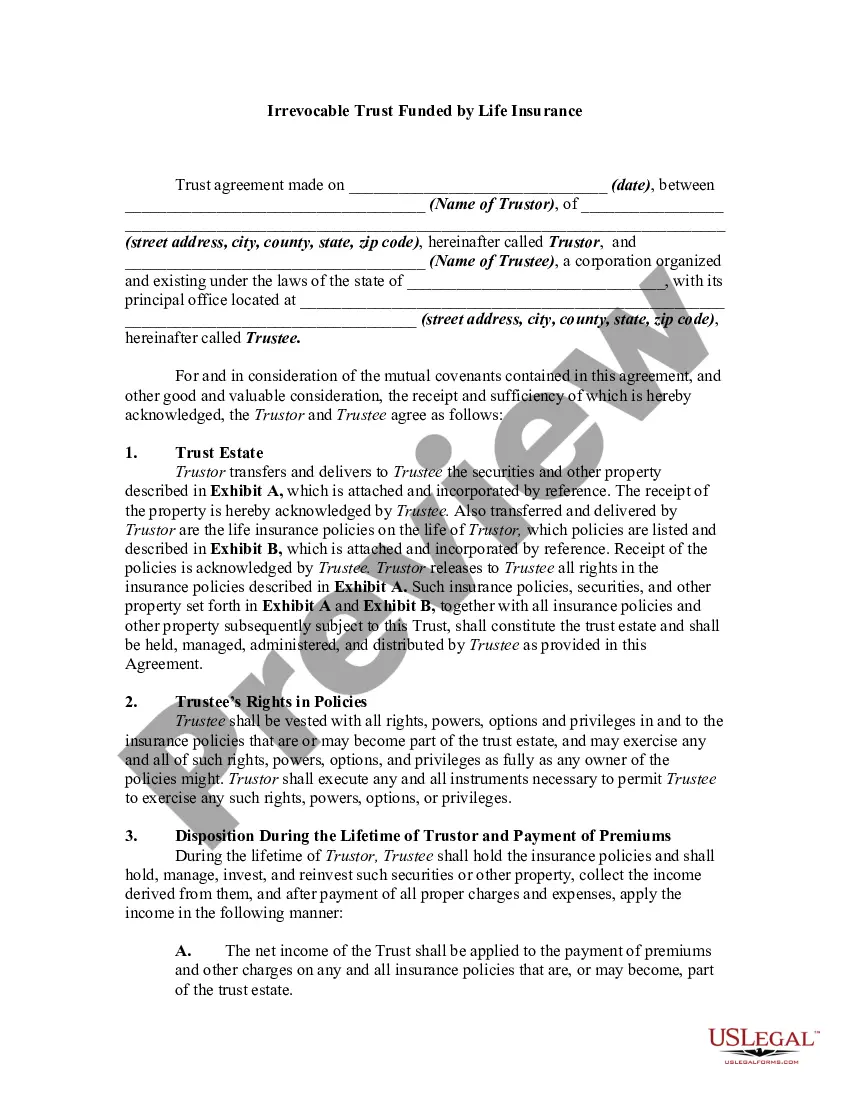
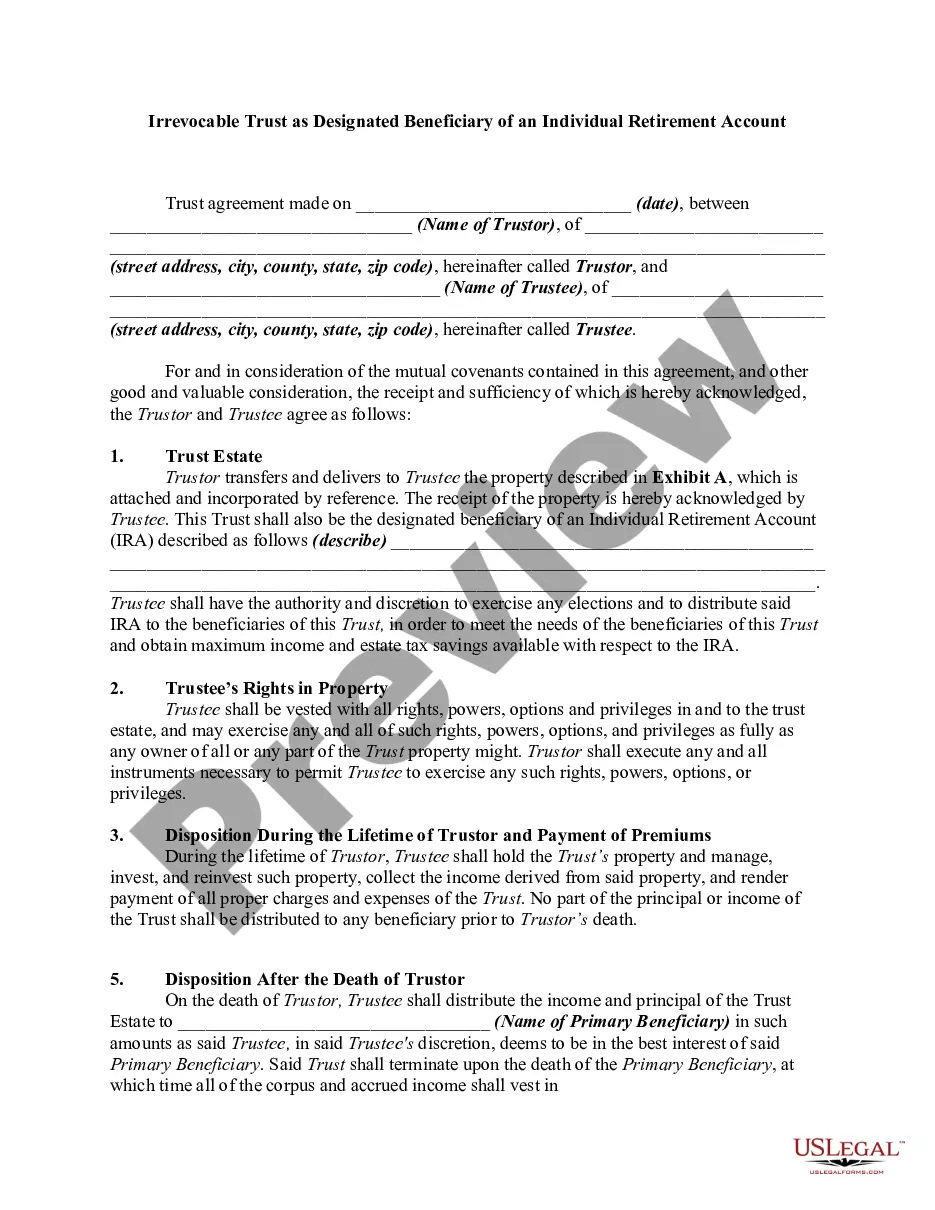
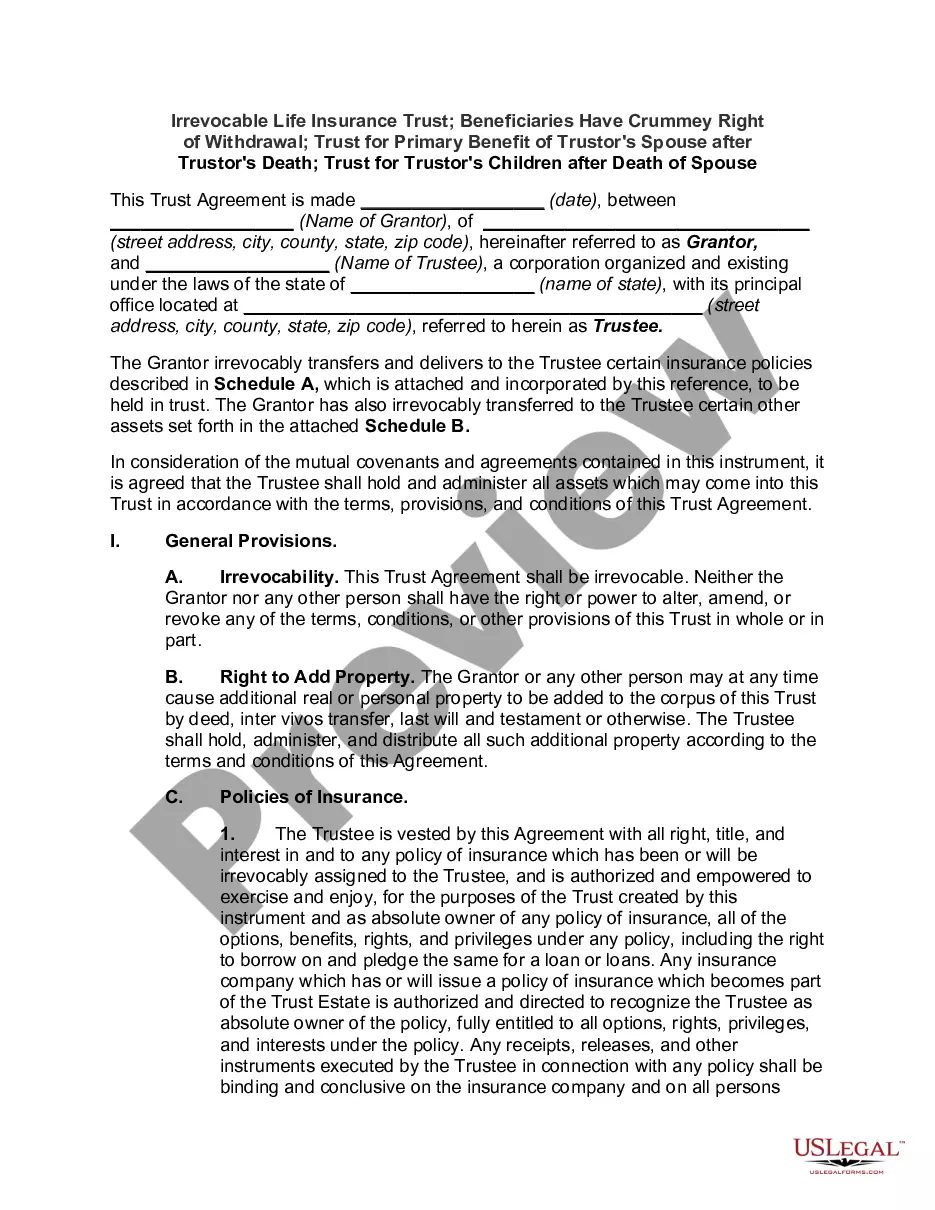
Get your form ready online
Our built-in tools help you complete, sign, share, and store your documents in one place.
Make edits, fill in missing information, and update formatting in US Legal Forms—just like you would in MS Word.
Download a copy, print it, send it by email, or mail it via USPS—whatever works best for your next step.
Sign and collect signatures with our SignNow integration. Send to multiple recipients, set reminders, and more. Go Premium to unlock E-Sign.
If this form requires notarization, complete it online through a secure video call—no need to meet a notary in person or wait for an appointment.
We protect your documents and personal data by following strict security and privacy standards.

Make edits, fill in missing information, and update formatting in US Legal Forms—just like you would in MS Word.

Download a copy, print it, send it by email, or mail it via USPS—whatever works best for your next step.

Sign and collect signatures with our SignNow integration. Send to multiple recipients, set reminders, and more. Go Premium to unlock E-Sign.

If this form requires notarization, complete it online through a secure video call—no need to meet a notary in person or wait for an appointment.

We protect your documents and personal data by following strict security and privacy standards.
Looking for another form?








How to fill out Irrevocable Funded Life Insurance Trust Where Beneficiaries Have Crummey Right Of Withdrawal With First To Die Policy With Survivorship Rider?
- If you are a returning user, log in to your account and click the Download button next to the desired form template, ensuring your subscription is active. If it’s expired, renew according to your payment plan.
- For first-time users, begin by browsing through the available templates. Use the Preview mode to assess the form description and confirm it aligns with your local jurisdiction's requirements.
- If necessary, utilize the Search tab to find alternative templates that meet your needs. Once you locate a suitable form, confidently proceed to the next step.
- Select your desired document by clicking the Buy Now button and choosing a subscription plan that fits your needs. You'll need to create an account to access the full library.
- Complete your purchase by providing payment details via credit card or PayPal to secure your subscription.
- Once payment is confirmed, download your form and save it on your device. You can also access it anytime via the My Forms section in your profile.
By leveraging the services of US Legal Forms, you empower yourself to manage legal documentation with ease and confidence. The platform stands out with its extensive library, featuring over 85,000 editable legal forms and access to premium experts for assistance.
Start navigating your legal needs today by exploring US Legal Forms and experience a smoother path to achieving your legal goals!
Form popularity
FAQ
Deciding to put your life insurance policy in your trust depends on your personal goals and circumstances. If you want to ensure that the benefits go directly to your chosen beneficiaries without probate delays, it can be beneficial. A trust owned life insurance strategy allows for streamlined distributions and helps manage your estate effectively. Consulting with a professional or using USLegalForms can help you make the best choice.
Putting life insurance in a trust can be a smart financial move for many individuals. This strategy helps control how and when your beneficiaries receive the policy's benefits, protecting them from tax implications and estate taxes. Additionally, trust owned life insurance can provide peace of mind, knowing your loved ones receive the financial support they need without delays or complications.
Setting up a trust owned life insurance requires a few key steps. First, you should establish a trust by drafting the necessary legal documents, which detail the trust's terms and beneficiaries. Then, you will need to transfer your life insurance policy into the trust. Utilizing a platform like USLegalForms can simplify this process by providing you with the right forms and guidance to ensure everything is set up correctly.
Yes, a life insurance trust may need to file a tax return depending on its structure and income. When it qualifies as a grantor trust, the trust owner may report the income on their personal tax return. However, if the trust is irrevocable and generates taxable income, it must file its own tax return. Understanding the tax implications of trust owned life insurance is crucial for proper financial planning.
The primary downside of an ILIT is the irrevocable nature of the trust. Once assets are transferred, you lose control and cannot amend the terms or reclaim assets. Additionally, establishing and maintaining an ILIT can involve legal complexities and costs. Therefore, it is critical to weigh these factors in conjunction with the benefits of trust owned life insurance.
owned life insurance policy is a life insurance policy that a trust owns instead of an individual. This arrangement allows the trust to be the beneficiary of the death benefit, providing tax efficiencies and avoiding probate. Trust owned life insurance offers estate planning benefits that ensure your loved ones receive financial support without delay. Understanding this concept is vital for effective estate management.
Placing your life insurance policy in a trust, particularly an ILIT, provides significant advantages. It ensures that the policy's death benefit goes directly to your beneficiaries, bypassing probate and potential estate taxes. This approach also promotes efficient asset management, allowing your loved ones immediate access to funds when they need it most. It's a wise strategy for those focused on trust owned life insurance.
While irrevocable trusts, such as ILITs, offer substantial benefits, they also come with some drawbacks. Once you place your assets into an irrevocable trust, you can no longer modify it or access those assets. Furthermore, you must ensure that the trust complies with all legal requirements, or it may not provide the expected protection. Understanding these aspects is crucial when considering trust owned life insurance.
Placing assets in a trust can provide benefits for your parents by simplifying estate management and possibly reducing tax liabilities. Trusts typically allow for more control over asset distribution compared to wills. However, your parents should evaluate their specific situation and consult a professional to determine if a trust is the right choice for them.
A common mistake parents make is failing to include all their assets in the trust. This oversight can lead to confusion and unintended consequences after death. Additionally, neglecting to update the trust as circumstances change can create unnecessary complications. Regularly reviewing the trust with an expert can help avoid these pitfalls.