Trust For Life
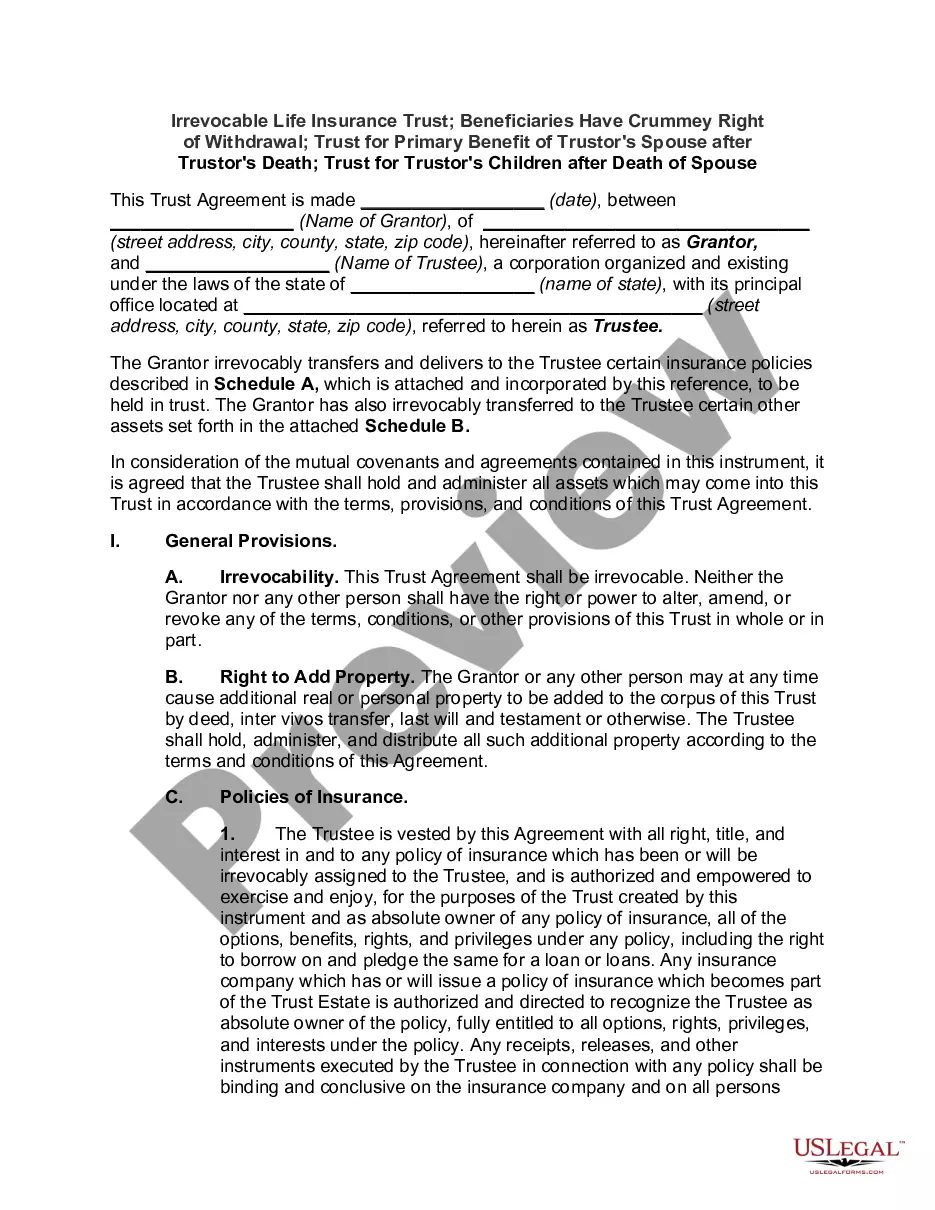
Description
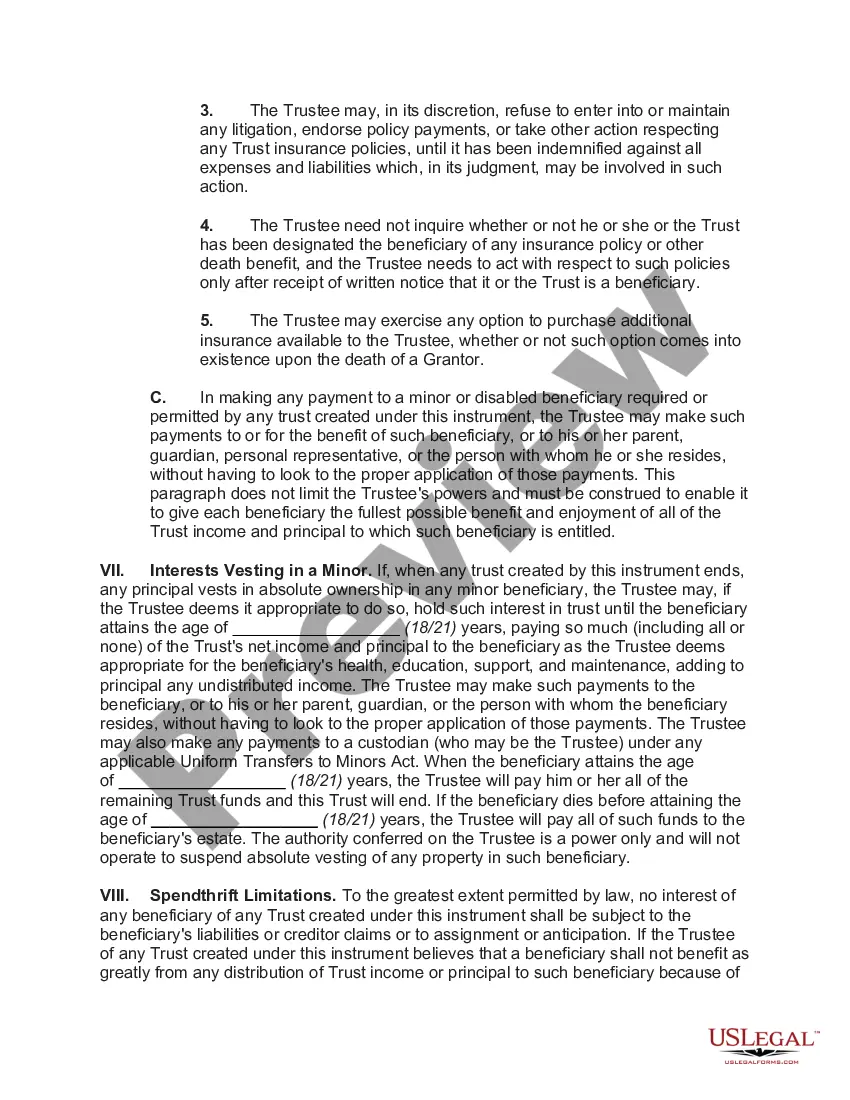
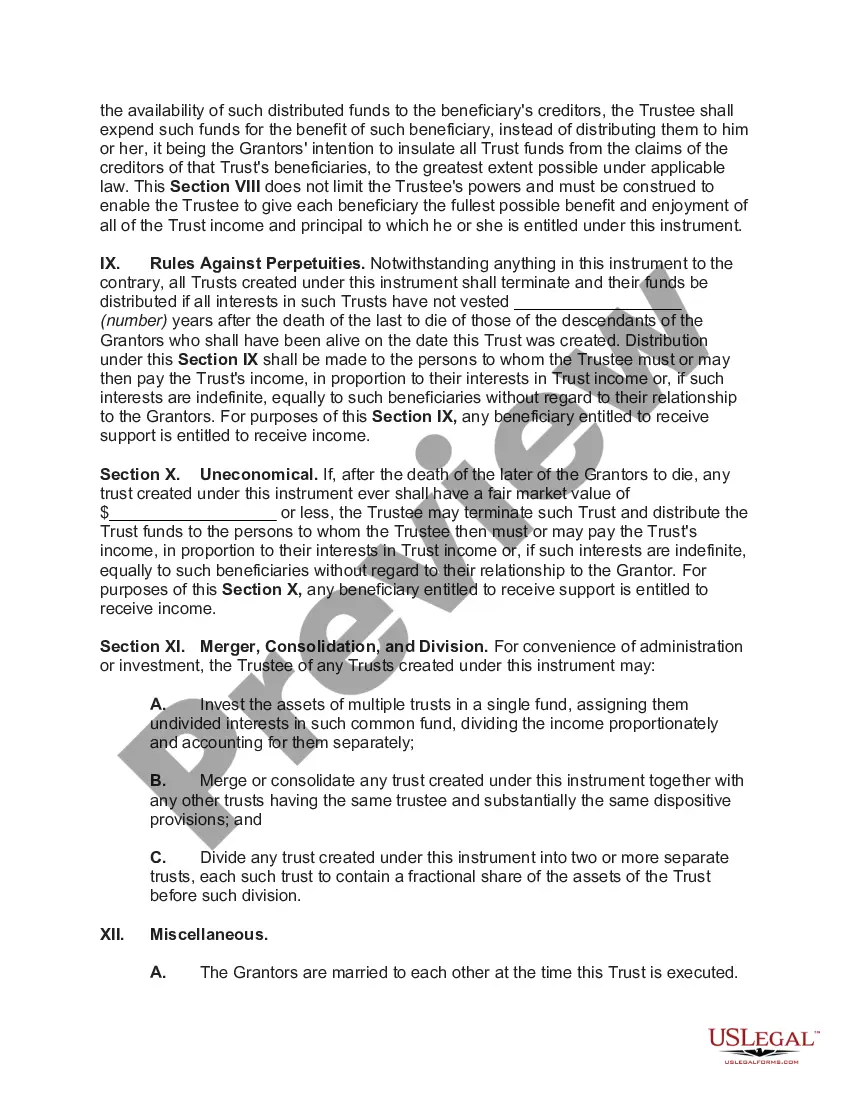

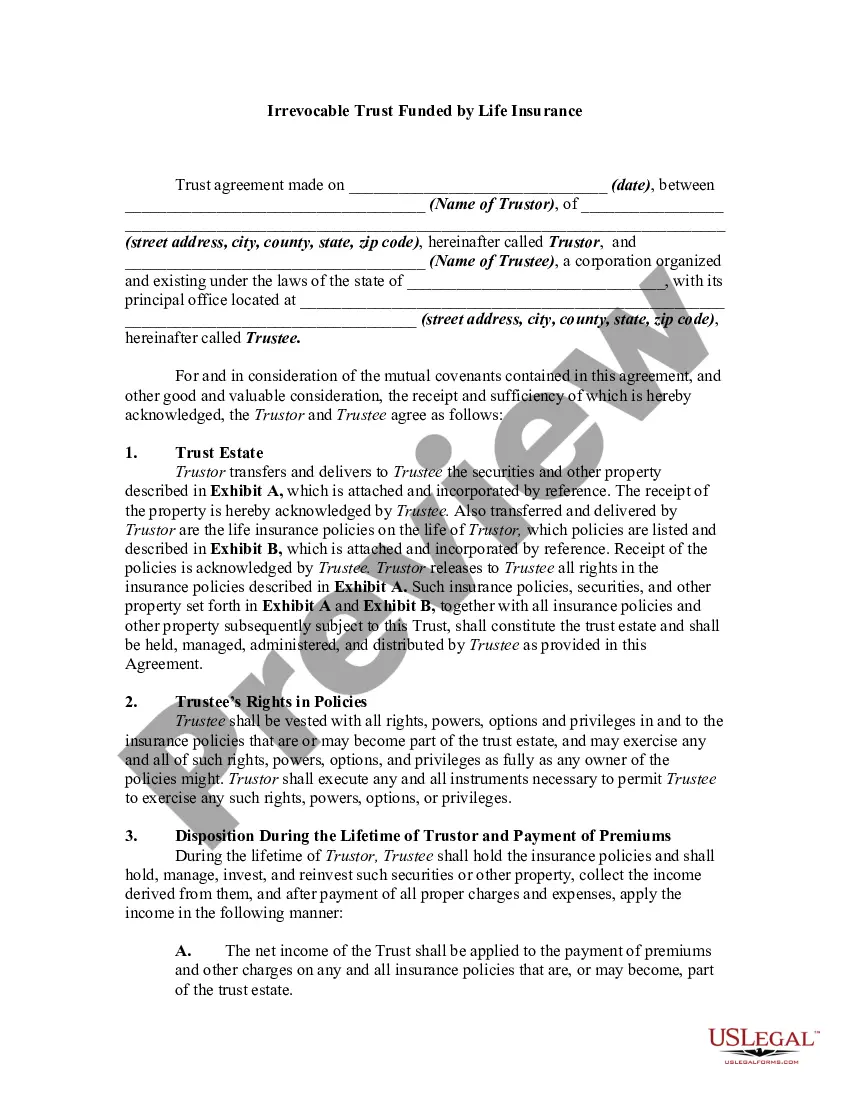
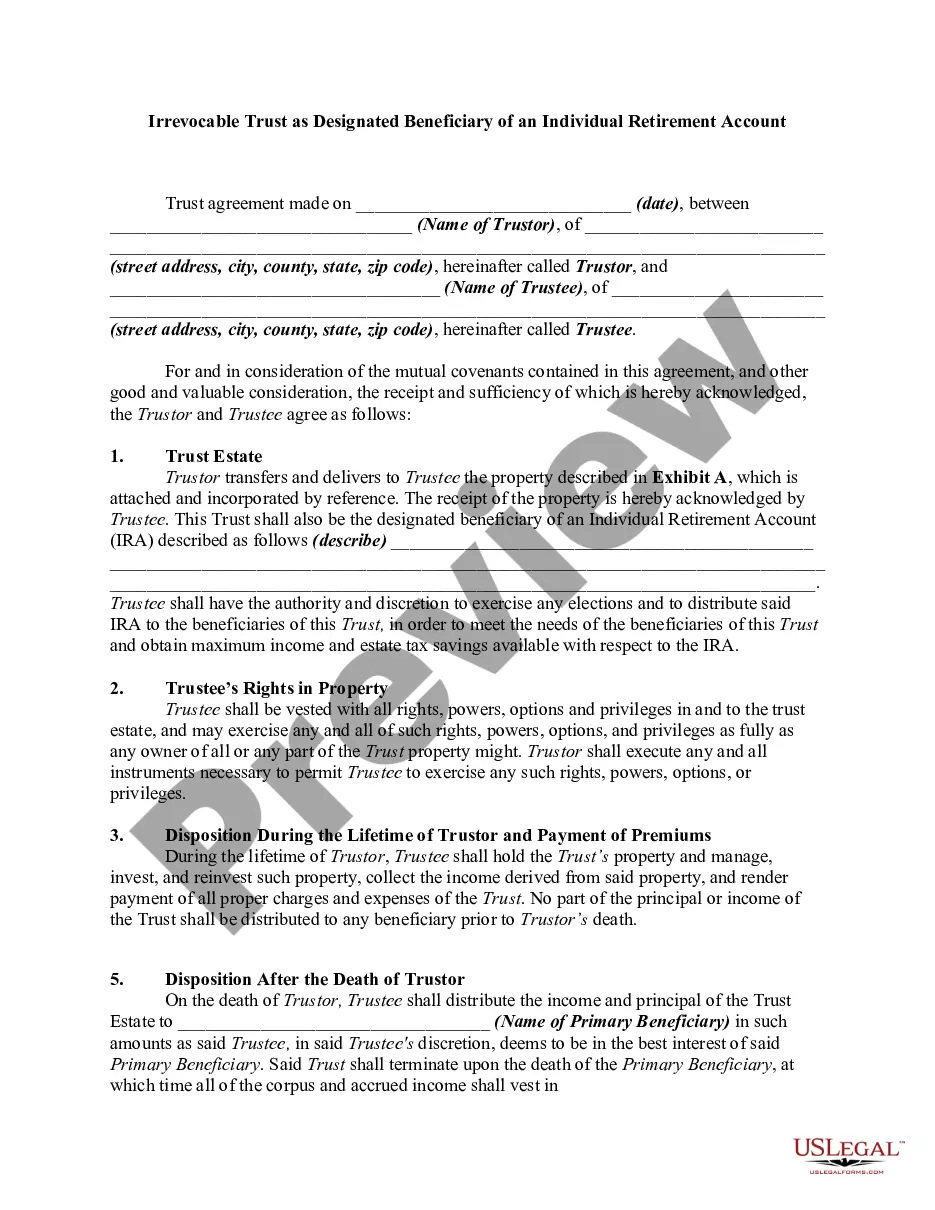
Get your form ready online
Our built-in tools help you complete, sign, share, and store your documents in one place.
Make edits, fill in missing information, and update formatting in US Legal Forms—just like you would in MS Word.
Download a copy, print it, send it by email, or mail it via USPS—whatever works best for your next step.
Sign and collect signatures with our SignNow integration. Send to multiple recipients, set reminders, and more. Go Premium to unlock E-Sign.
If this form requires notarization, complete it online through a secure video call—no need to meet a notary in person or wait for an appointment.
We protect your documents and personal data by following strict security and privacy standards.

Make edits, fill in missing information, and update formatting in US Legal Forms—just like you would in MS Word.

Download a copy, print it, send it by email, or mail it via USPS—whatever works best for your next step.

Sign and collect signatures with our SignNow integration. Send to multiple recipients, set reminders, and more. Go Premium to unlock E-Sign.

If this form requires notarization, complete it online through a secure video call—no need to meet a notary in person or wait for an appointment.

We protect your documents and personal data by following strict security and privacy standards.
Looking for another form?
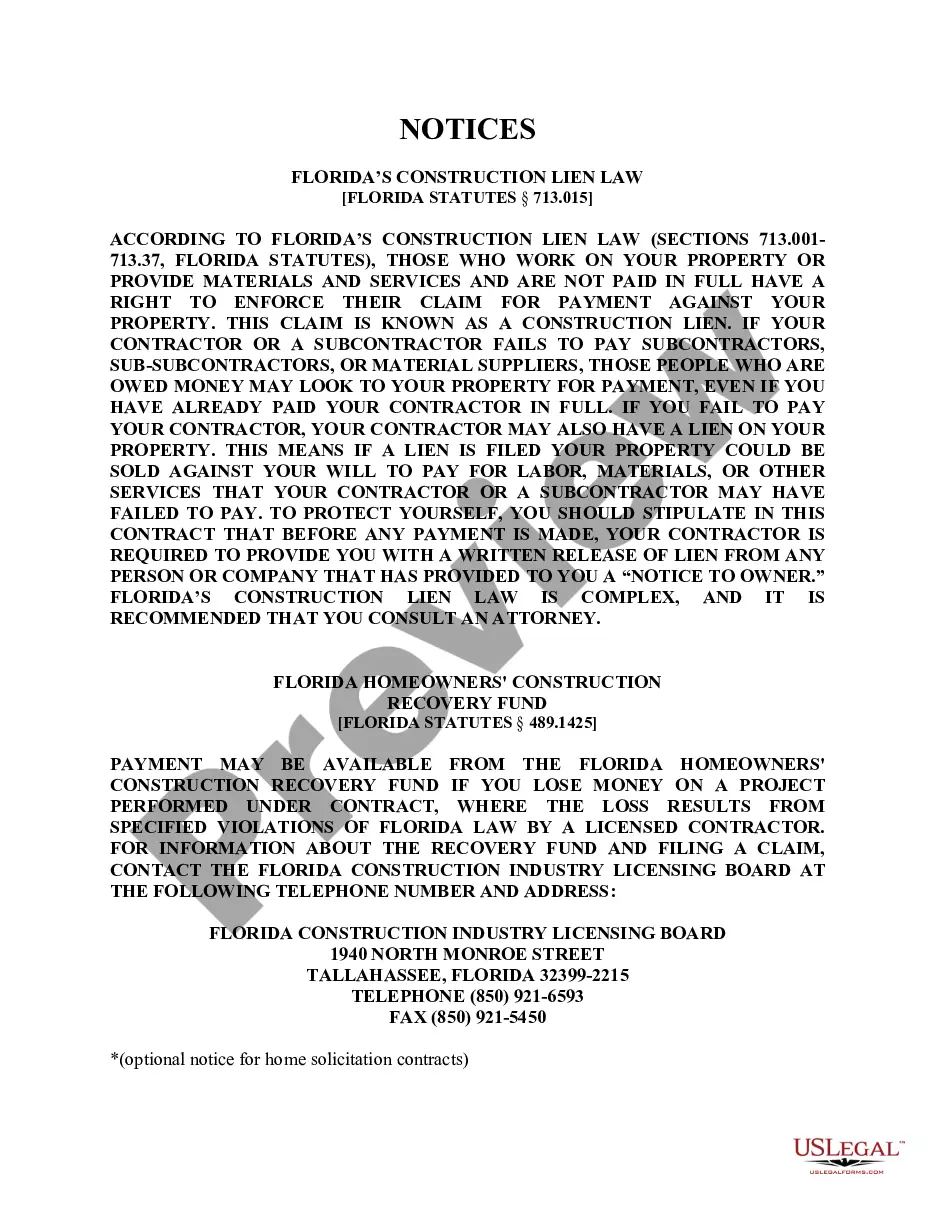





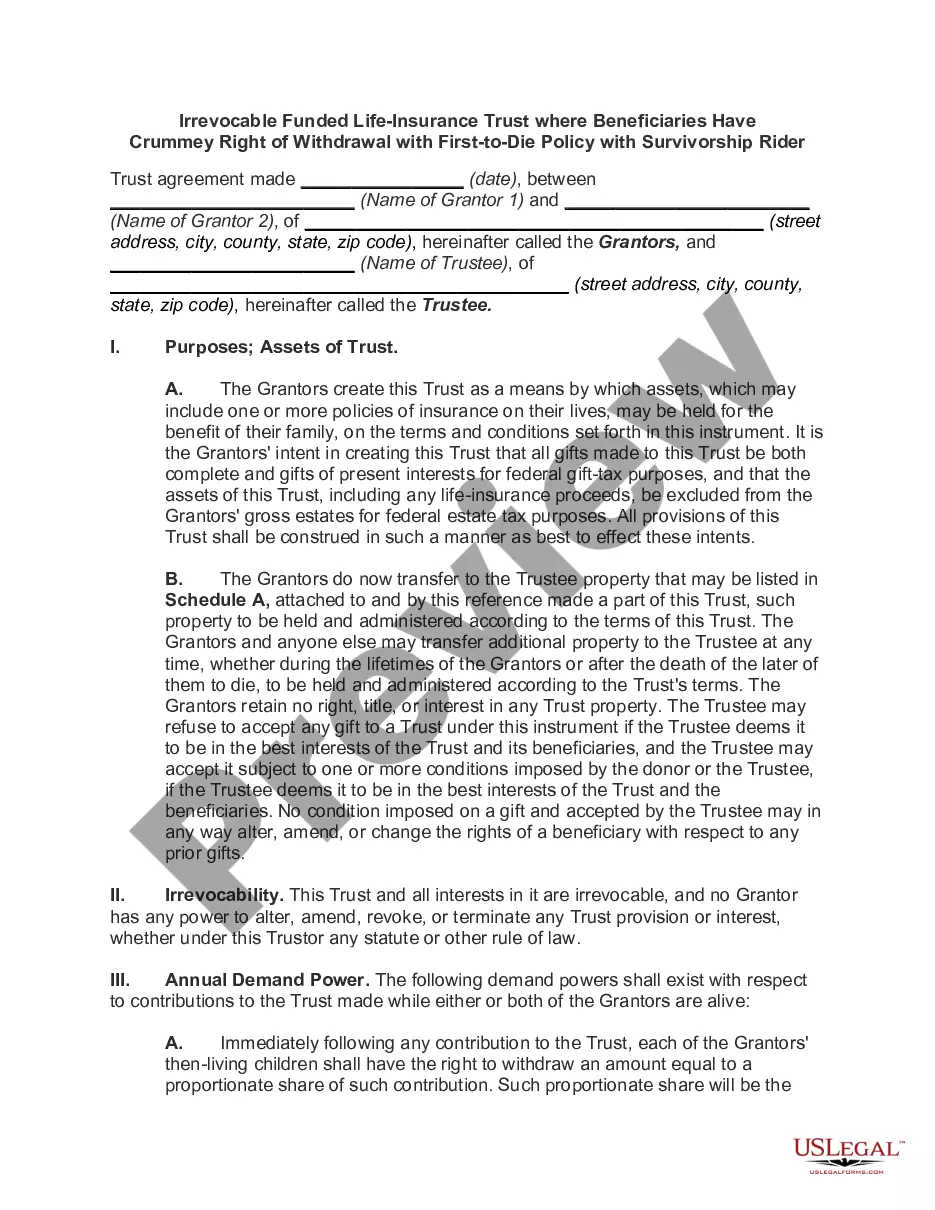
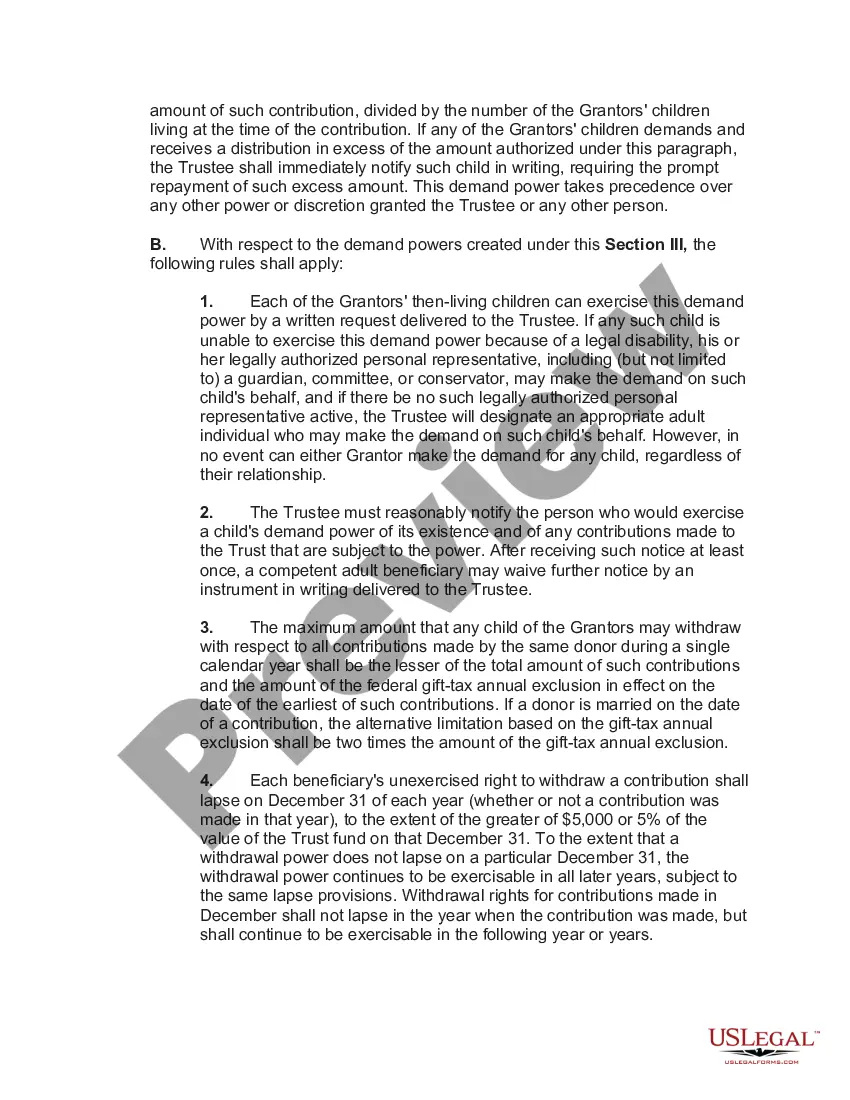
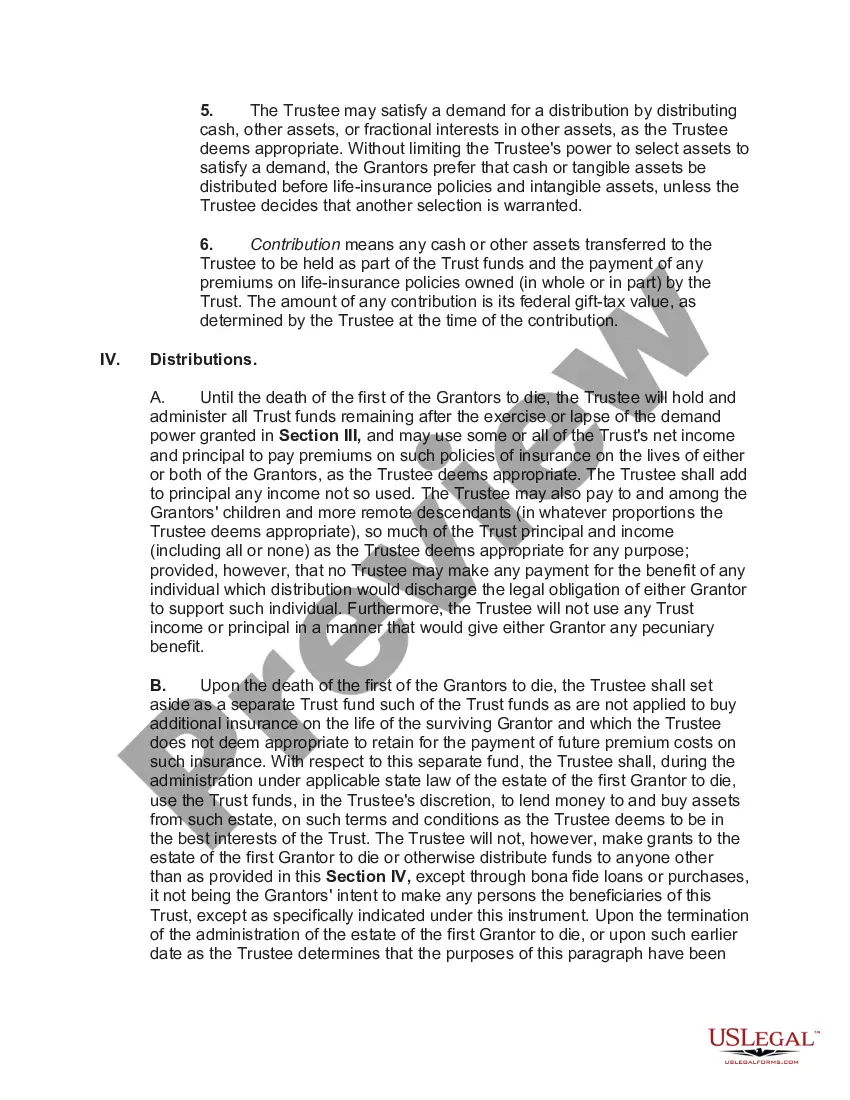
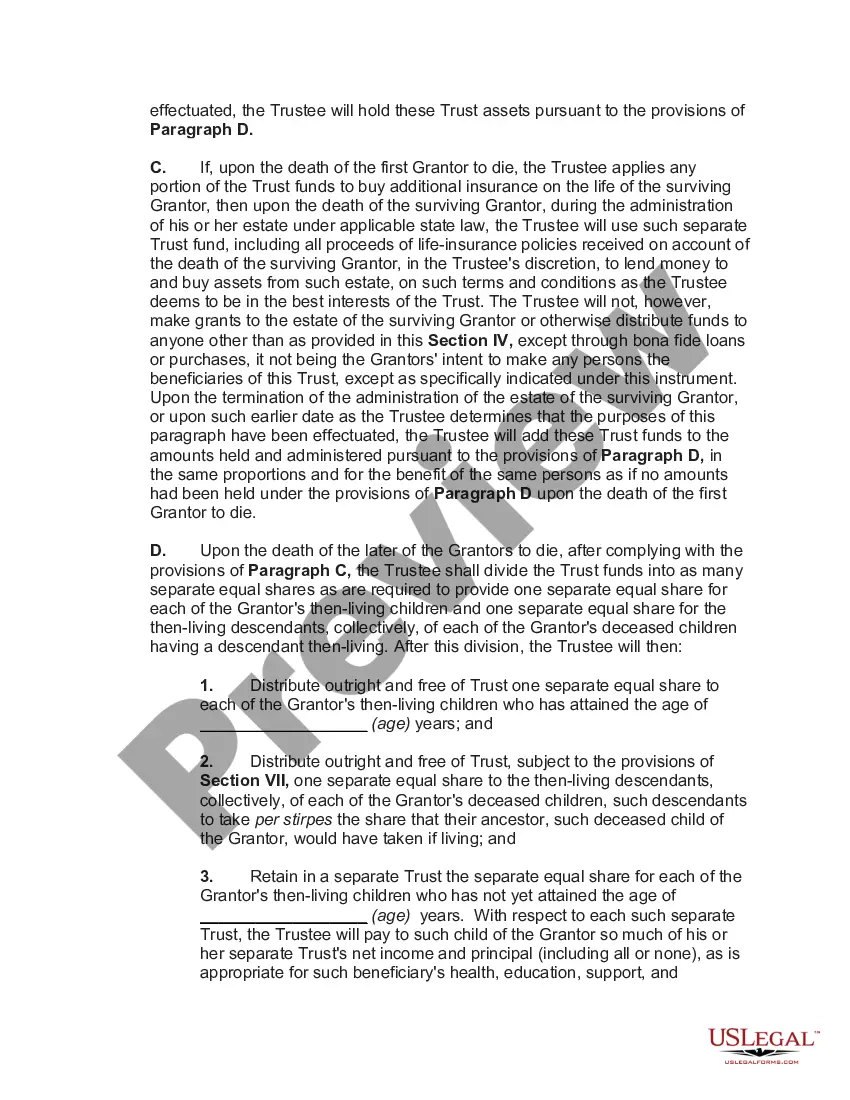
How to fill out Irrevocable Funded Life Insurance Trust Where Beneficiaries Have Crummey Right Of Withdrawal With First To Die Policy With Survivorship Rider?
- If you are a returning user, log in to your account to access your past forms and initiate a download.
- For first-time users, start by browsing the extensive online library. Use the Preview mode and form description to ensure you select the appropriate document for your needs.
- If the chosen form does not meet your requirements, utilize the Search tab to explore alternative templates tailored to your local jurisdiction.
- After selecting the correct document, click on the Buy Now button. Choose your preferred subscription plan and create an account to unlock the full library.
- Complete your purchase by entering your payment details, whether through credit card or PayPal.
- Once your transaction is confirmed, download your form directly to your device to fill it out. Additionally, you can access your documents anytime from the My Forms section.
In conclusion, US Legal Forms provides a comprehensive and easy-to-navigate library that empowers users to efficiently obtain legal documents. With over 85,000 fillable forms and access to premium expert advice, you can trust that your legal needs will be reliably met.
Start your journey to confident legal compliance today by exploring US Legal Forms!
Form popularity
FAQ
Gaining trust in life involves building strong relationships through honesty, openness, and reliability. When you demonstrate consistency in your actions and communicate effectively, others will naturally respond positively. Just like establishing a trust for life, it requires patience and effort to create a solid foundation. Trust earned over time leads to stronger bonds in both personal and professional settings.
Yes, you can create a trust with no assets at the onset. Establishing a trust for life can provide a framework for managing your assets in the future. By setting up a trust, you ensure that once you acquire assets, they can be easily transferred into the trust. This proactive approach allows you to plan for your financial future effectively.
Filling out a living trust is a straightforward process when you follow the right steps. Begin by gathering all necessary information, including details about your assets and the individuals you wish to designate as beneficiaries. You can then use a reliable tool, like the US Legal Forms platform, to guide you through creating a Trust for life that suits your specific needs. Remember to sign the completed document in front of a notary, as this adds legal validity and ensures your wishes are honored.
Yes, an irrevocable trust is typically subject to the 5-year rule regarding certain transfers and benefits. When you create an irrevocable trust, asset transfers may affect your eligibility for Medicaid or other benefits for five years. This rule is vital for planning, as it impacts how and when you can access your assets. Utilizing services like US Legal Forms can help ensure your trust for life complies with these essential regulations.
The 5-year rule for trusts usually refers to the period required for certain distributions to avoid penalties. For example, if you transfer assets into an irrevocable trust, you may need to wait five years to qualify for certain benefits or exemptions. Knowing this timeframe is crucial for effective estate planning, especially if you want to protect your assets. Using US Legal Forms can help you better understand how to implement this rule within your trust for life.
The payout rule generally dictates when and how funds are distributed from a trust. Most trusts require that distributions occur at specific intervals or upon certain events, such as a beneficiary reaching a certain age. Understanding this rule helps ensure that your beneficiaries receive their inheritance as intended. Consulting a trusted resource like US Legal Forms can provide clarity on structuring your trust for life effectively.
One common mistake parents make when setting up a trust fund is failing to update the trust as family circumstances change. This can lead to outdated beneficiaries or unintended consequences if relationships evolve over time. It's crucial to regularly review and adjust the trust to ensure it aligns with your family's current situation. Using a reliable platform like US Legal Forms can help streamline this process and keep your trust for life relevant.
Several factors can disqualify you from being an organ donor after death, including severe infections, certain cancers, and organ damage or disease. It’s crucial to understand that each case is examined carefully by medical professionals. Trust for life continuously works to clarify these rules, helping individuals make informed decisions about organ donation.
Trust for life is an initiative focused on promoting organ donation and raising awareness about its importance. This program connects potential donors with recipients, ensuring that everyone knows their options. By participating in Trust for life, you can make a difference in someone's life, and feel empowered in your decisions regarding organ donation.
You can no longer be an organ donor if you have specific medical conditions or if your organ quality is not suitable for transplantation at the time of death. Age does not automatically disqualify you, as many factors come into play. To learn more about how Trust for life can guide you through organ donation decisions, consider accessing valuable resources on our platform.