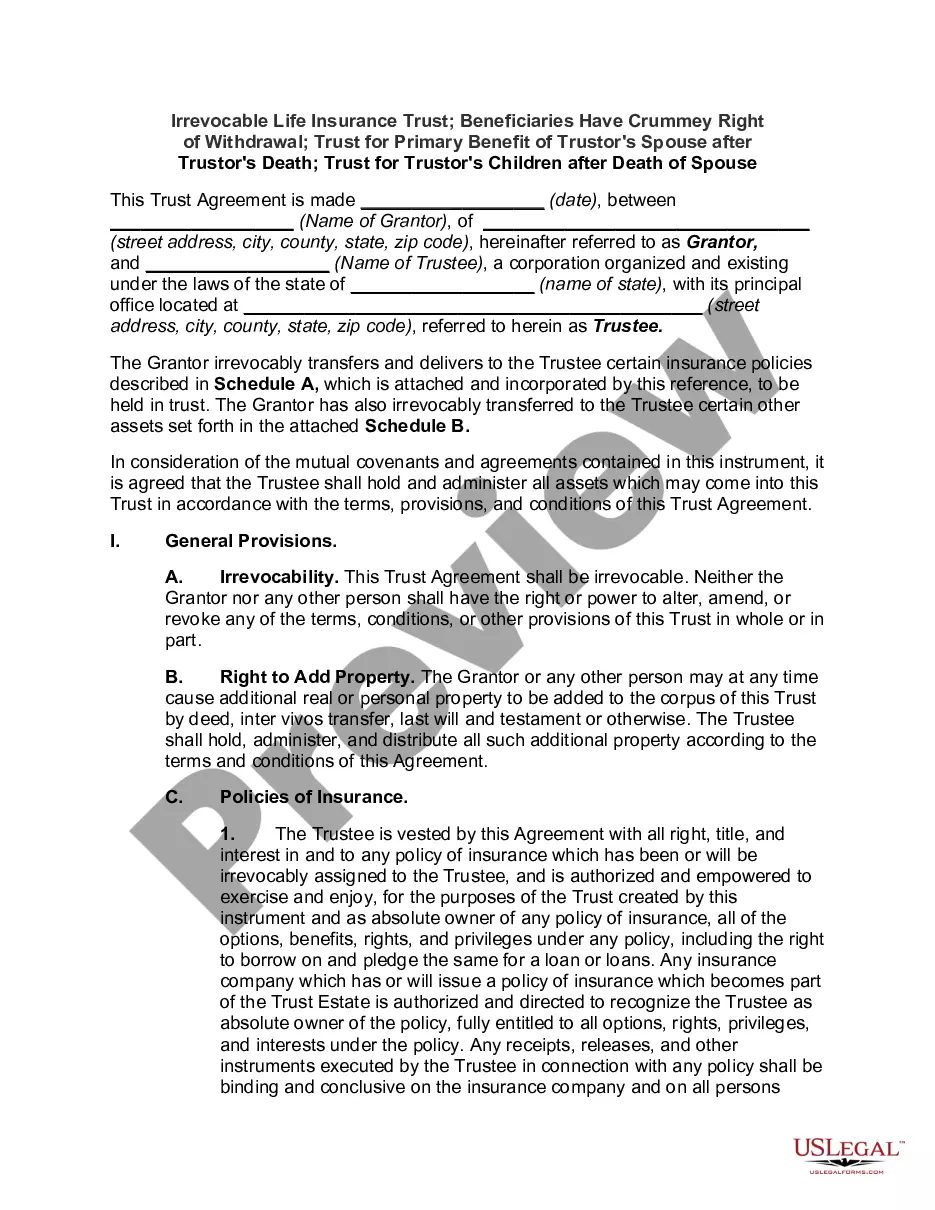
Irrevocable Trust Beneficiaries With A Trust
Description
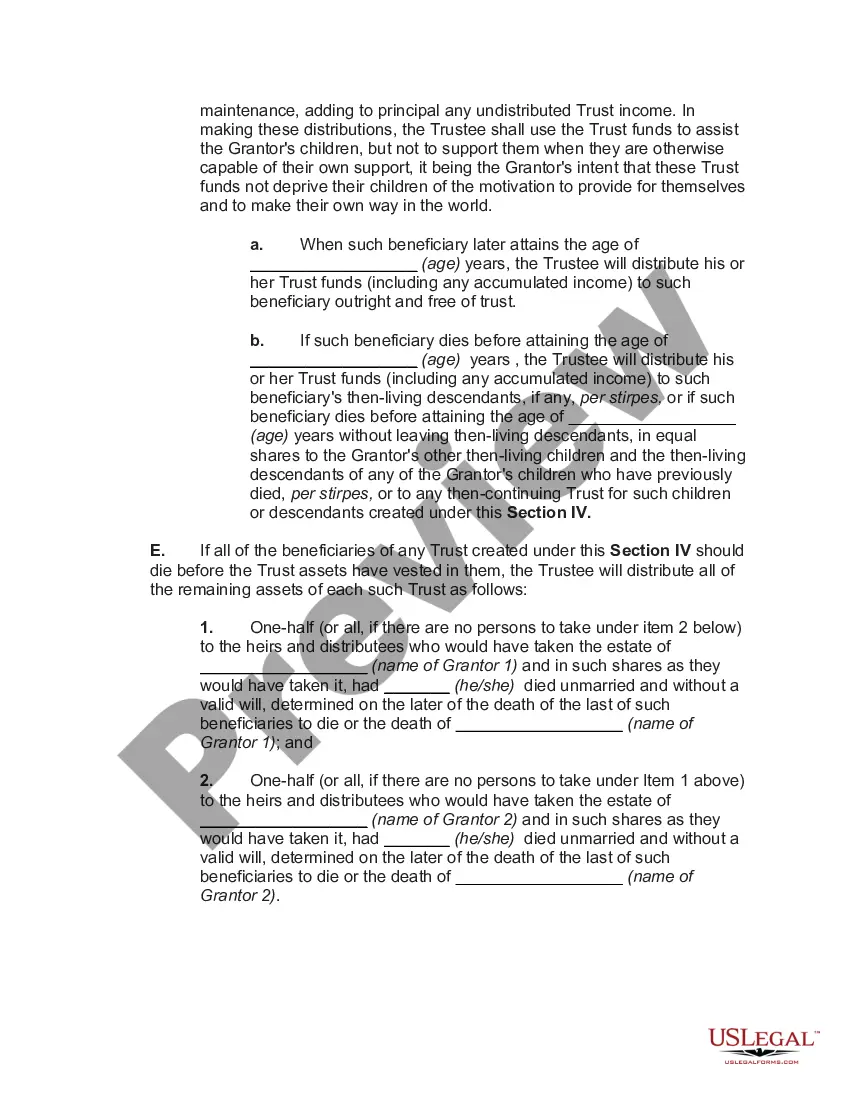
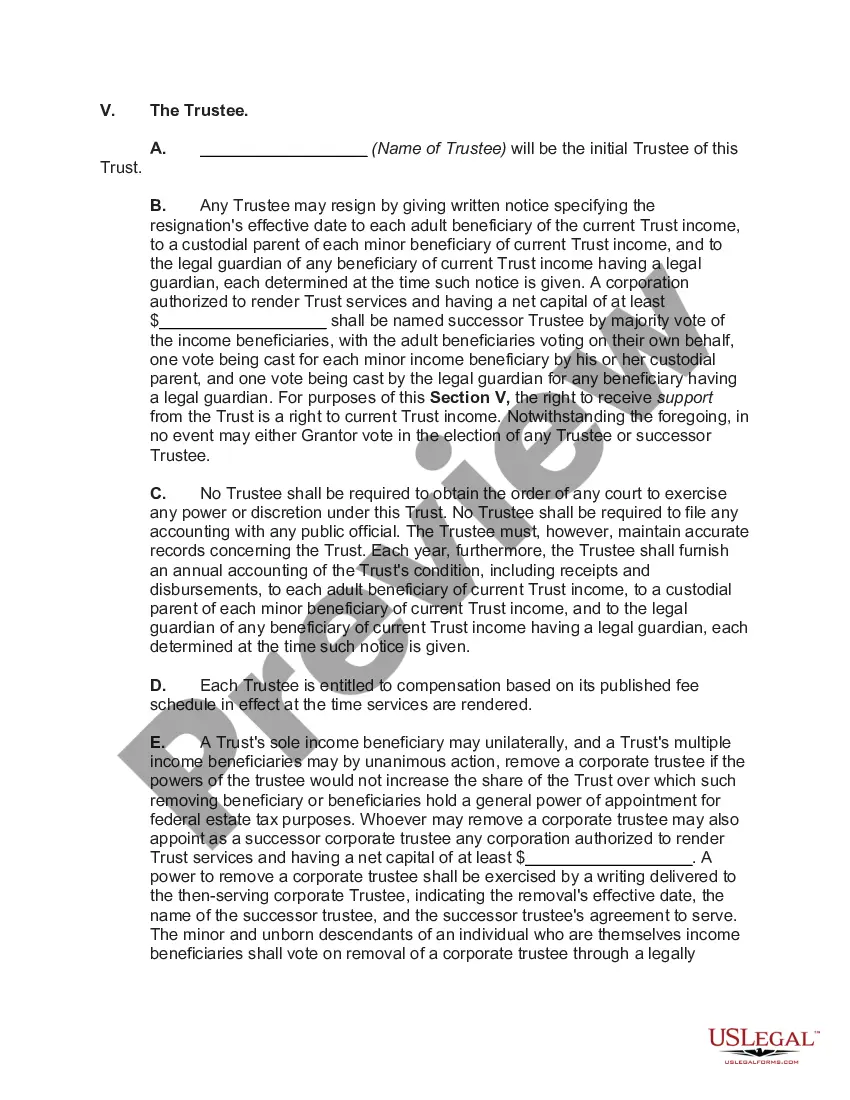
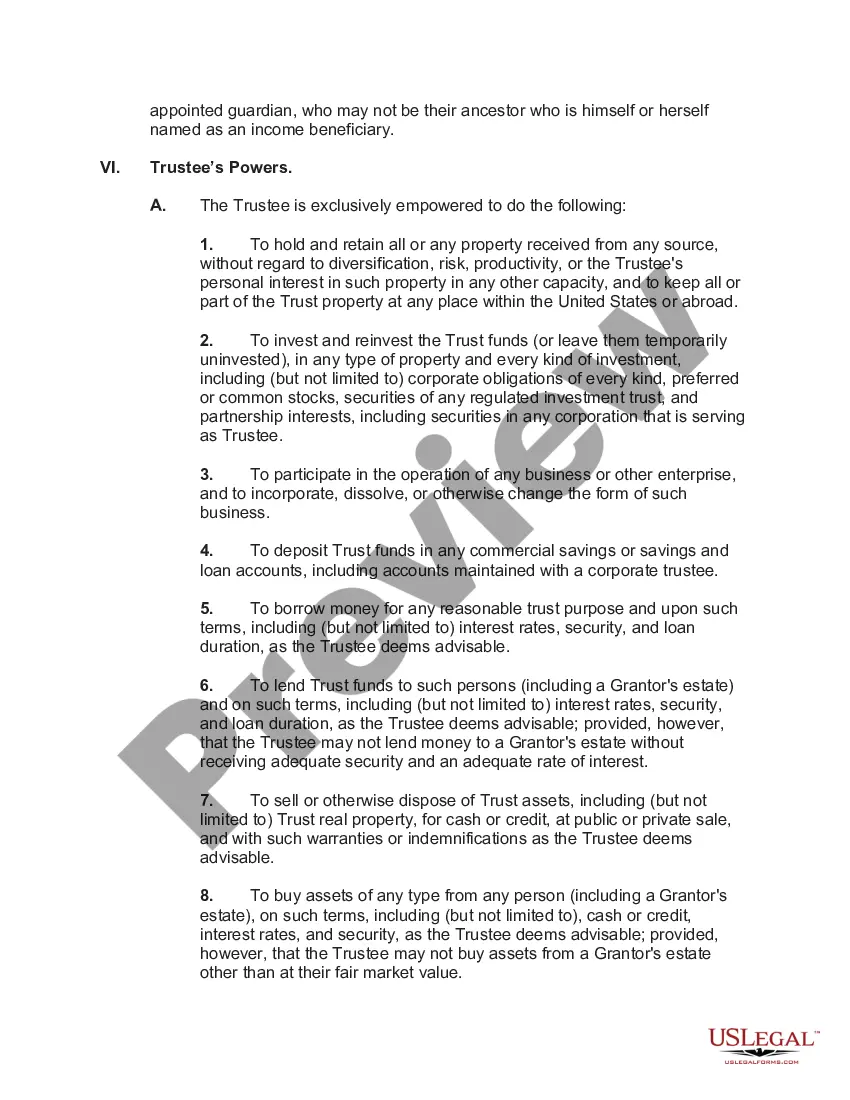
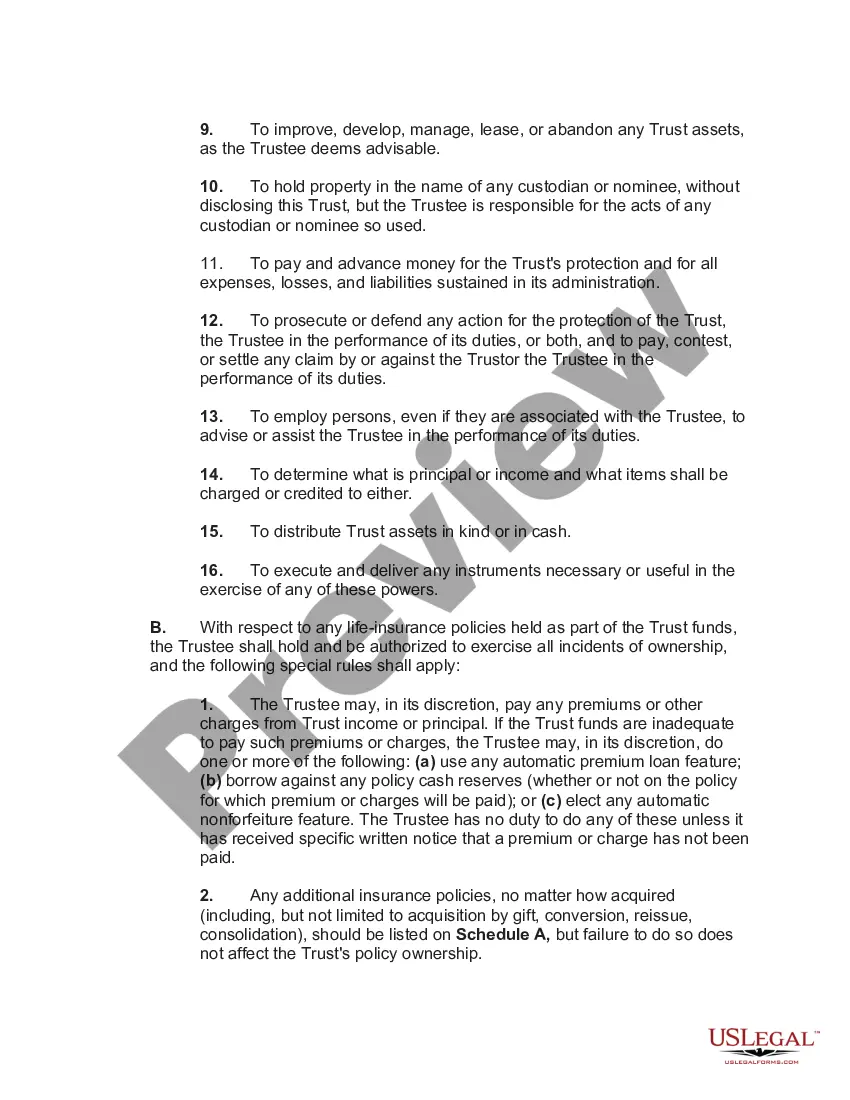
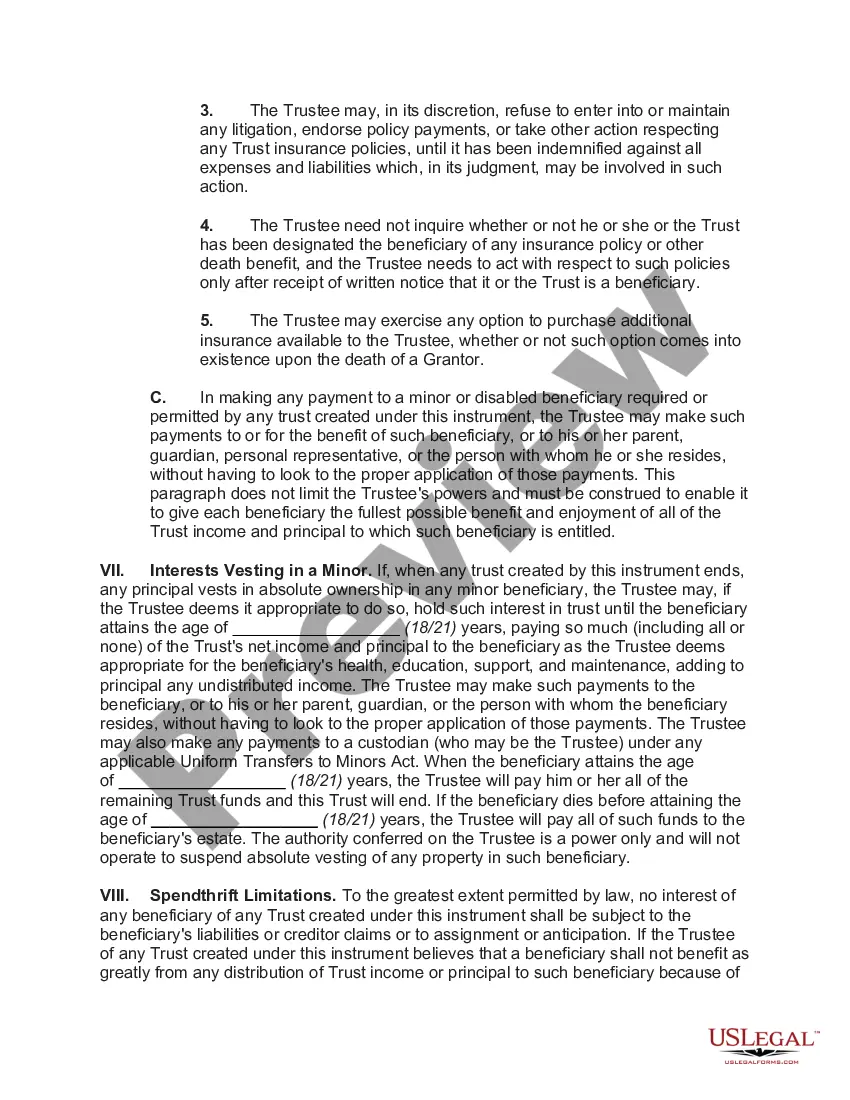
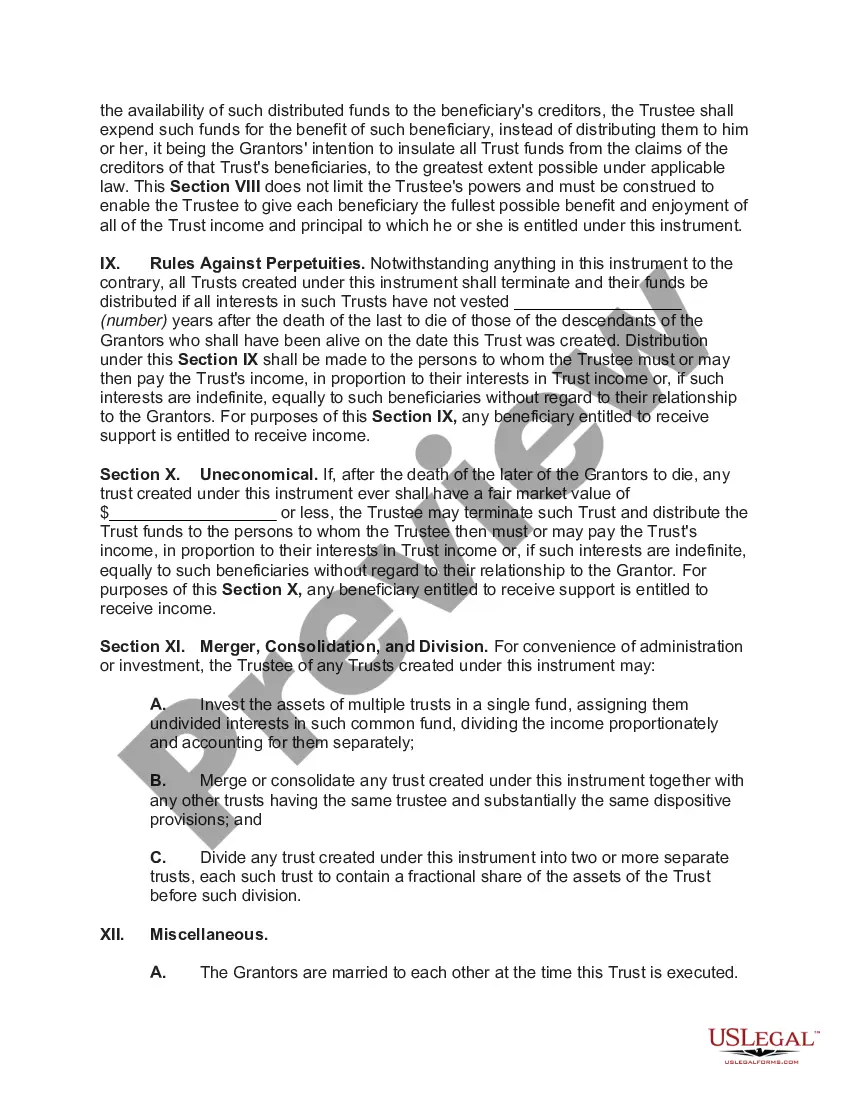

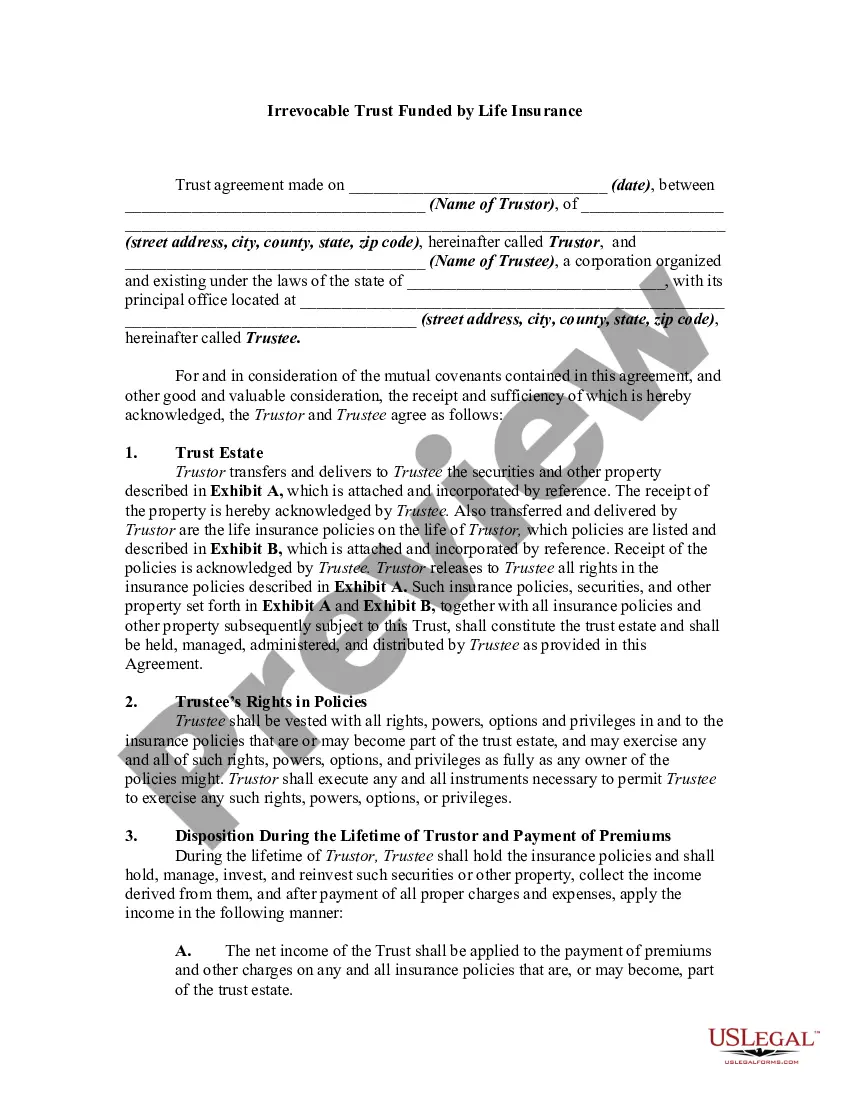
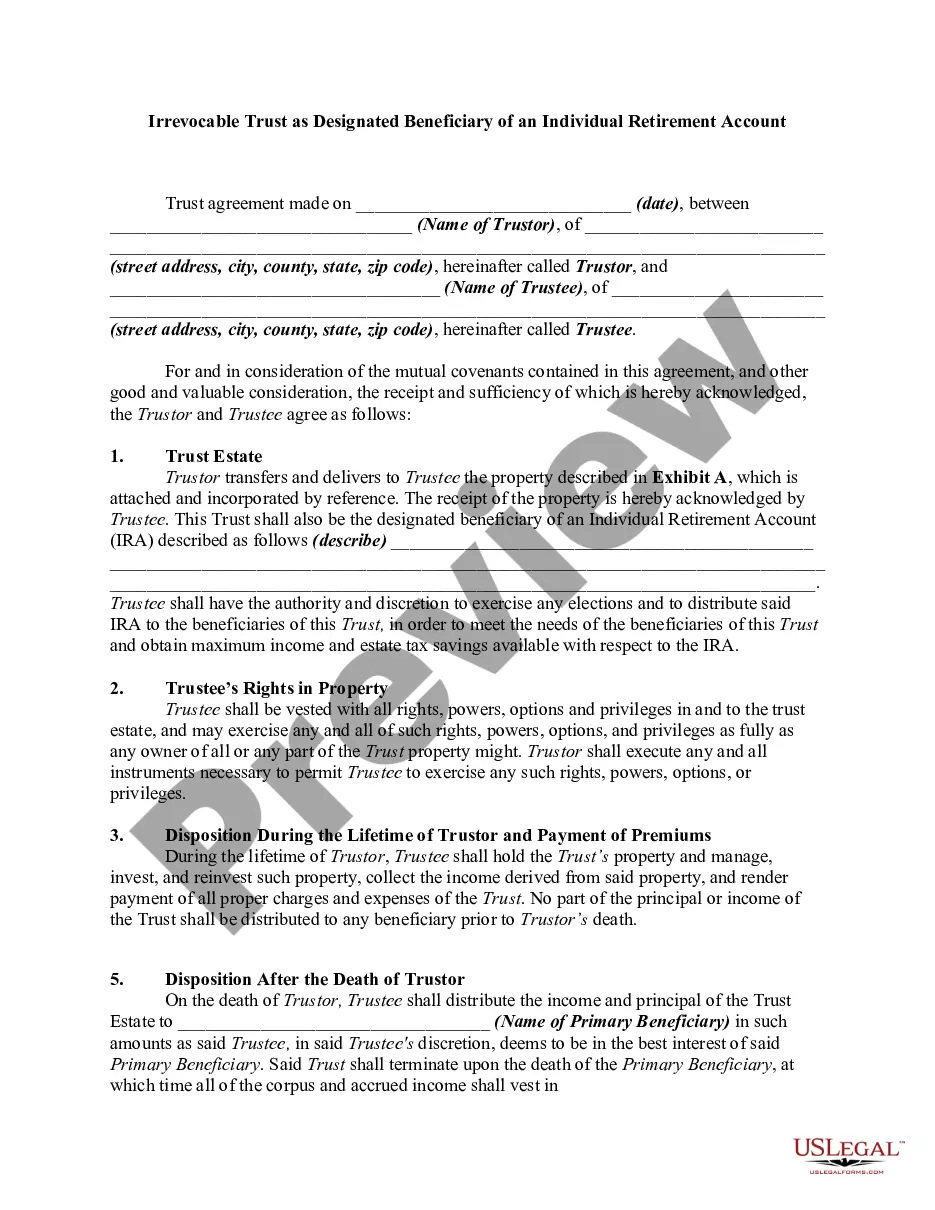
Get your form ready online
Our built-in tools help you complete, sign, share, and store your documents in one place.
Make edits, fill in missing information, and update formatting in US Legal Forms—just like you would in MS Word.
Download a copy, print it, send it by email, or mail it via USPS—whatever works best for your next step.
Sign and collect signatures with our SignNow integration. Send to multiple recipients, set reminders, and more. Go Premium to unlock E-Sign.
If this form requires notarization, complete it online through a secure video call—no need to meet a notary in person or wait for an appointment.
We protect your documents and personal data by following strict security and privacy standards.

Make edits, fill in missing information, and update formatting in US Legal Forms—just like you would in MS Word.

Download a copy, print it, send it by email, or mail it via USPS—whatever works best for your next step.

Sign and collect signatures with our SignNow integration. Send to multiple recipients, set reminders, and more. Go Premium to unlock E-Sign.

If this form requires notarization, complete it online through a secure video call—no need to meet a notary in person or wait for an appointment.

We protect your documents and personal data by following strict security and privacy standards.
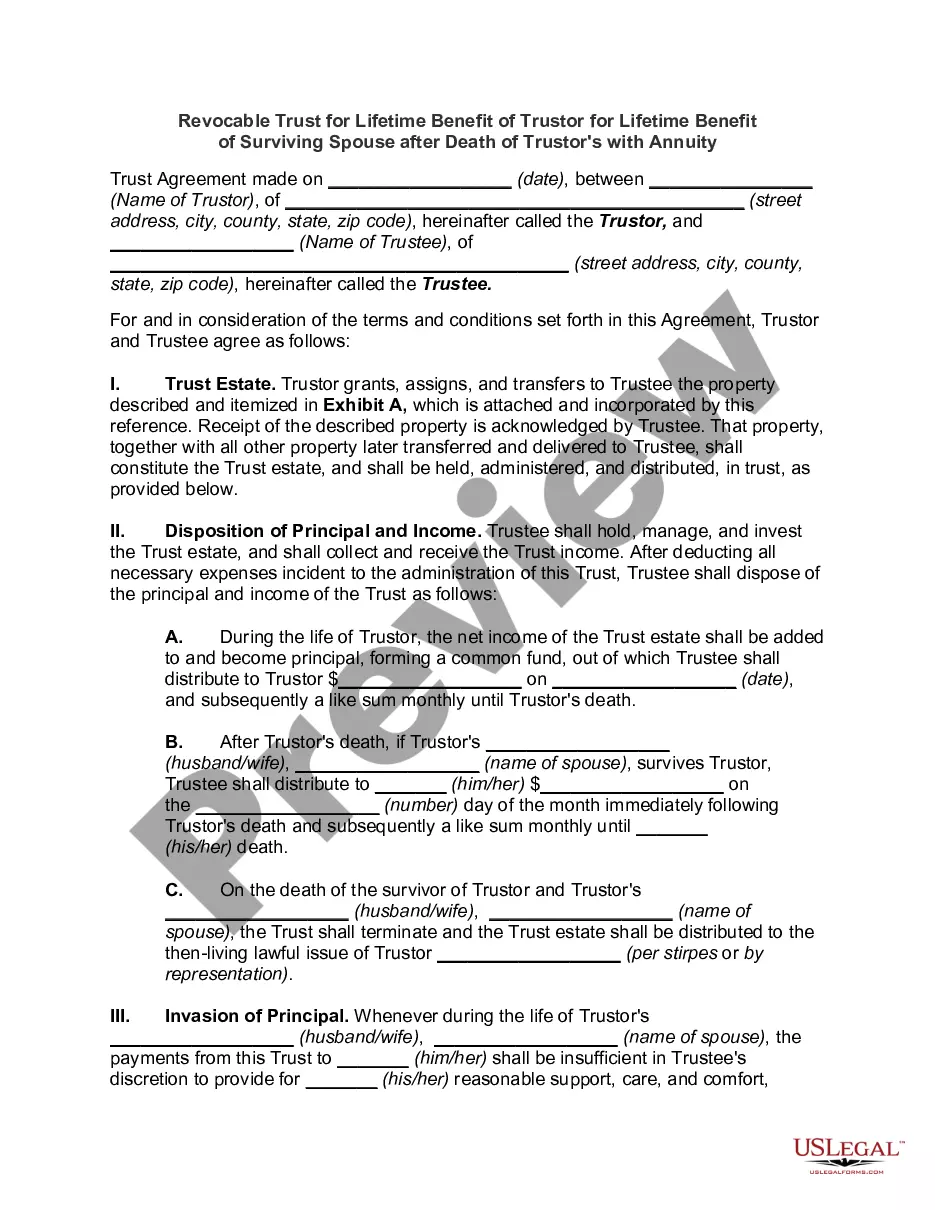
Looking for another form?





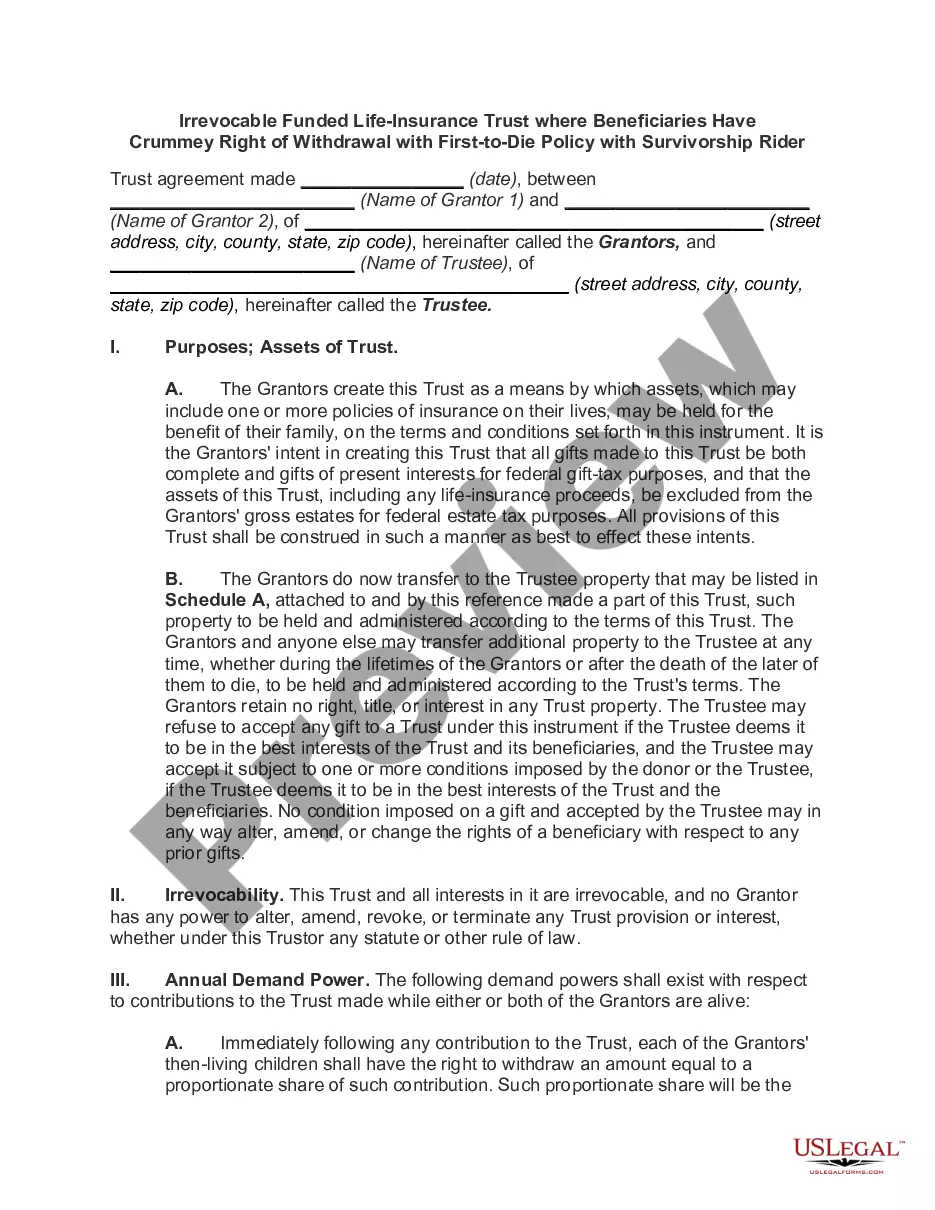
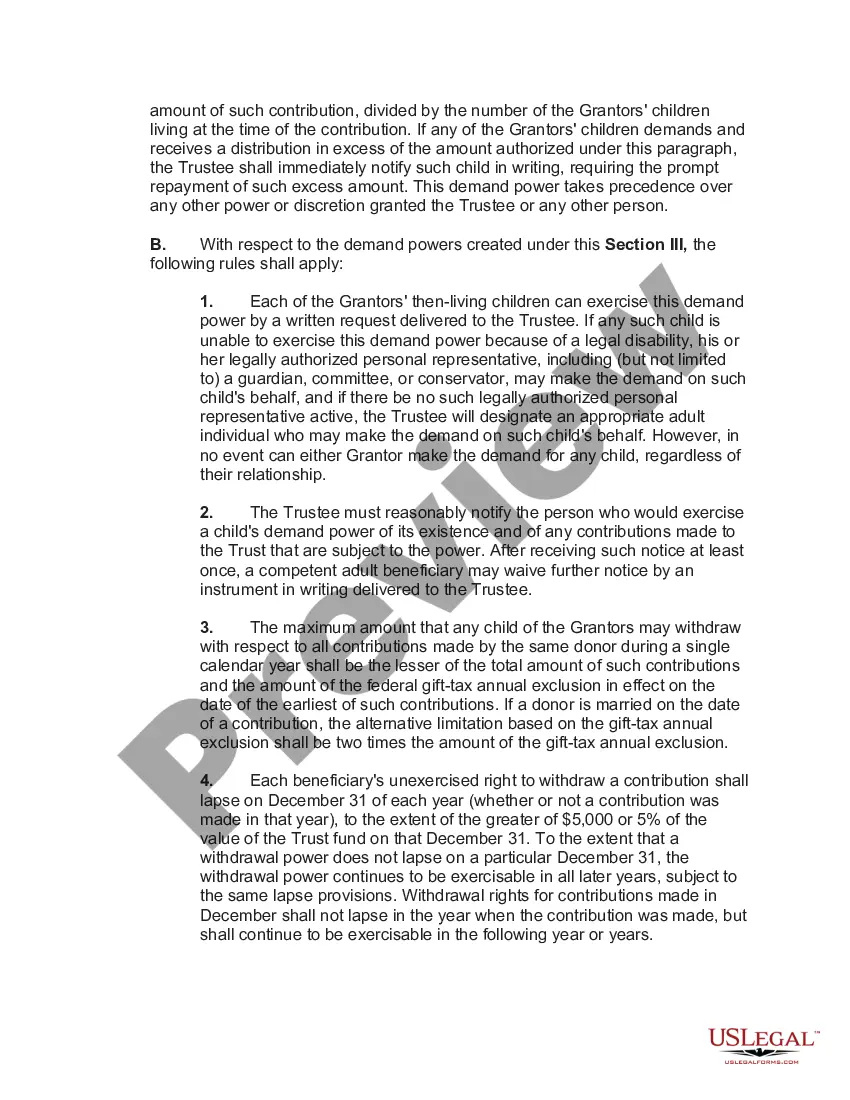
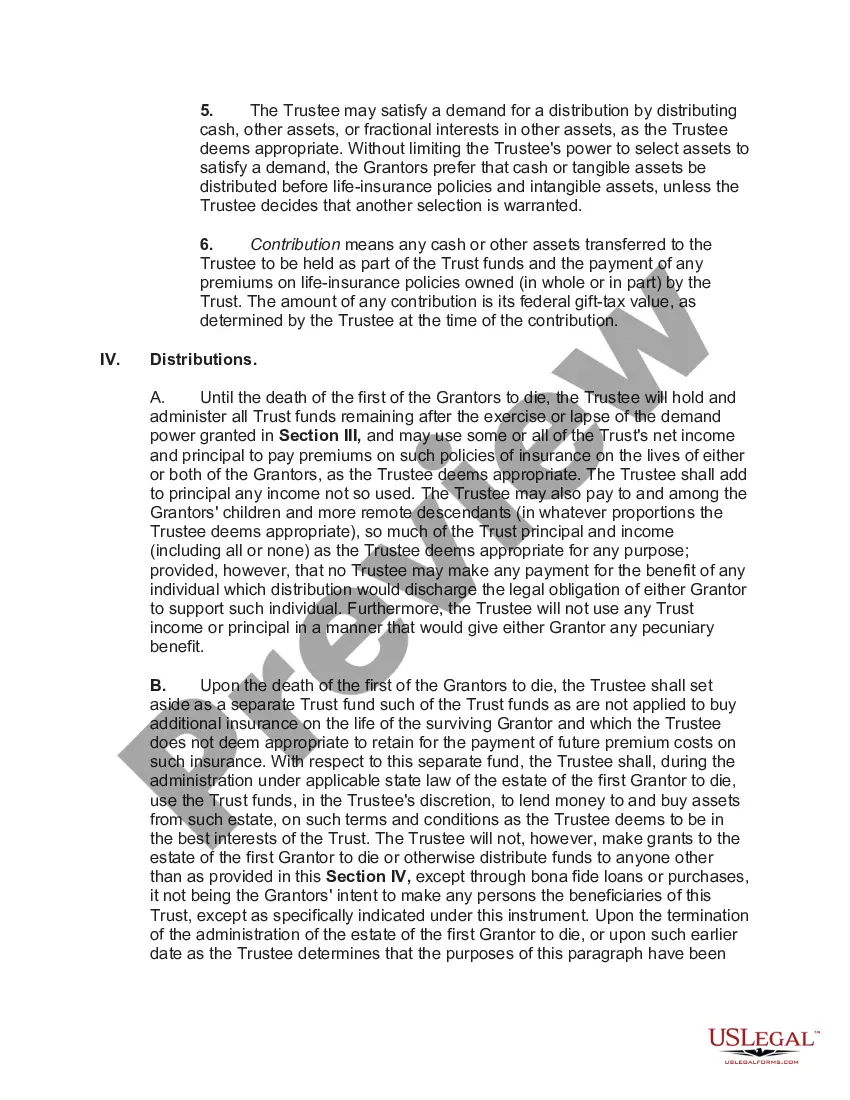
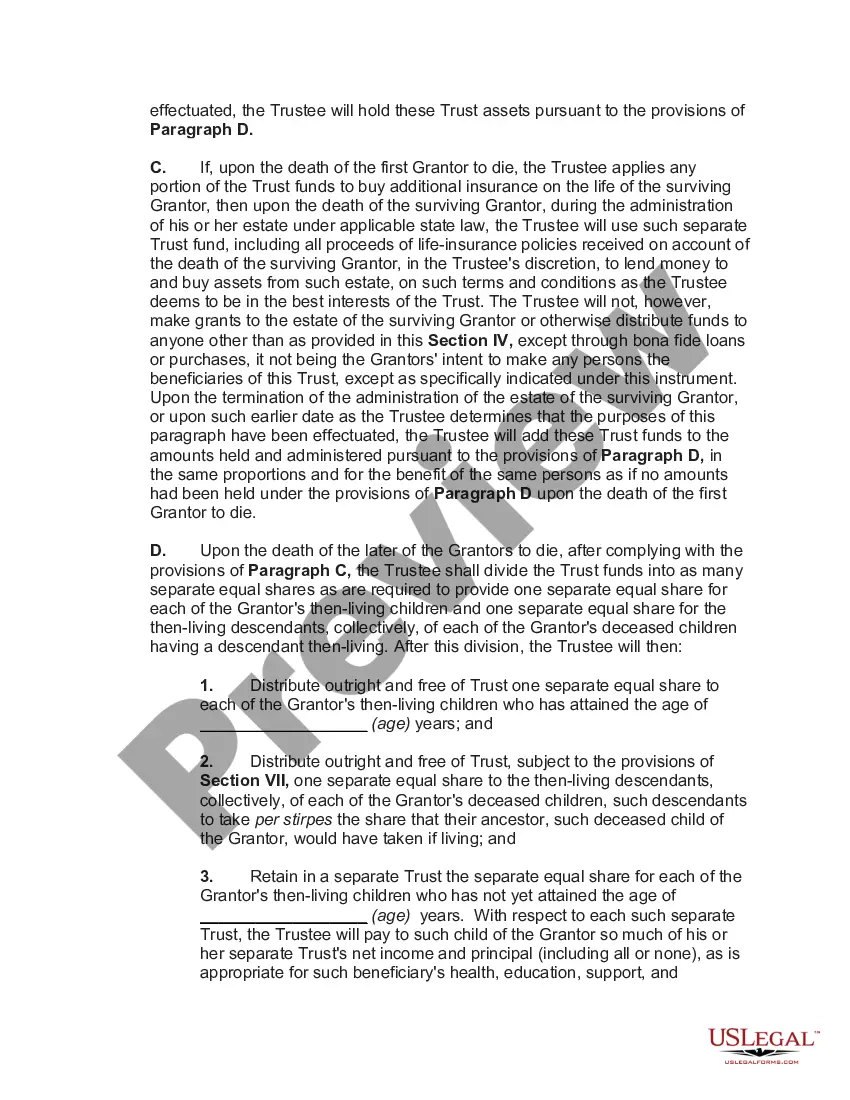
How to fill out Irrevocable Funded Life Insurance Trust Where Beneficiaries Have Crummey Right Of Withdrawal With First To Die Policy With Survivorship Rider?
- If you're a returning customer, log in to your account and locate the necessary form template. Click on the Download button after verifying your subscription is active.
- For first-time users, start by reviewing the form descriptions in Preview mode. Ensure your choice meets your needs and complies with local jurisdiction requirements.
- If you can't find what you need, use the Search tab to locate a different template. Move forward once you've identified the appropriate document.
- Select your product by clicking the Buy Now button and choose your desired subscription plan. You'll need to create an account to access the complete library of forms.
- Complete your purchase by entering your payment information—either a credit card or PayPal—to activate your subscription.
- Finally, download the form and save it for completion. You can find it anytime in the My Forms section of your profile.
US Legal Forms simplifies the process of obtaining essential legal documents, empowering users with access to a robust collection of forms. With over 85,000 editable resources, you can ensure your legal documents are precise and aligned with your needs.
Don't hesitate—explore US Legal Forms today to confidently manage your legal documentation and secure your estate planning.
Form popularity
FAQ
In most cases, the trustee and the trust are separate entities. The trustee manages the trust but does not own it. However, an individual can serve as both the trustee and the beneficiary, creating certain rights and responsibilities. It's critical to establish clear boundaries to maintain the integrity of the trust structure.
The irrevocable trust itself is responsible for filing its own tax returns, separate from the individual tax returns of the grantor or beneficiaries. Typically, the trustee oversees this process, ensuring all necessary forms are submitted accurately. Trusts may have tax obligations, and understanding the implications of irrevocable trust beneficiaries with a trust is essential. Consulting a tax professional can clarify the requirements.
Yes, an individual trustee can also be a beneficiary of the trust, but this may complicate matters. It is important to weigh any potential conflicts that may arise from holding both roles. The trustee has a fiduciary duty to manage the trust in the best interest of all beneficiaries. Understanding these dynamics is essential for effective trust management.
The beneficiaries of an irrevocable trust can be individuals, charities, or even organizations specified in the trust document. Typically, the grantor designates beneficiaries who will receive assets according to the trust's terms. Understanding the roles and rights of irrevocable trust beneficiaries with a trust allows for more effective planning. Each beneficiary's share is clearly defined, creating transparency in asset distribution.
Generally, adding a beneficiary to an irrevocable trust after its establishment is not permissible without specific provisions allowing amendments. The trust is designed to remain unchanged, reflecting the grantor's wishes. If you want to include additional beneficiaries, you should consult with a legal expert. They can guide you on how to structure a new trust if flexibility is essential.
In most cases, it is not advisable for the grantor, trustee, and beneficiary to all be the same person in an irrevocable trust. This arrangement can lead to potential conflicts and legal complications. It's essential to separate these roles to preserve the trust's integrity and purposes. Seeking advice from experts can help you navigate these decisions effectively.
Absolutely, an irrevocable trust can have beneficiaries, and this is one of its key features. The trust document outlines who will benefit from the trust assets, ensuring that the intentions of the grantor are respected. Understanding the role of irrevocable trust beneficiaries with a trust is crucial for effective estate planning. This structure can efficiently manage and safeguard assets for designated individuals.
Yes, a beneficiary of an irrevocable trust can also serve as the trustee. However, doing so can complicate the management of the trust, as it creates possible conflicts of interest. It's essential to consider the implications carefully when structuring your trust. For many, consulting with a legal professional can provide clarity on managing irrevocable trust beneficiaries with a trust.
When the person who established the irrevocable trust passes away, the trust typically remains in effect, as it is designed to manage the distribution of assets according to its terms. The irrevocable trust beneficiaries with a trust will receive their designated shares as outlined in the trust document. The trust assets often avoid probate, ensuring a smoother transfer process. Overall, the trust continues to function independently of the grantor's death.
Yes, the beneficiary of an irrevocable trust can also serve as the trustee. This combination offers flexibility and control over trust management while allowing the trustee to benefit from the trust's provisions. However, ensure transparency to prevent disputes and ensure compliance with the trust's terms. Using platforms like US Legal Forms can streamline the process and provide necessary legal documents to facilitate this arrangement.