Irrevocable Have With You Tradução
Description
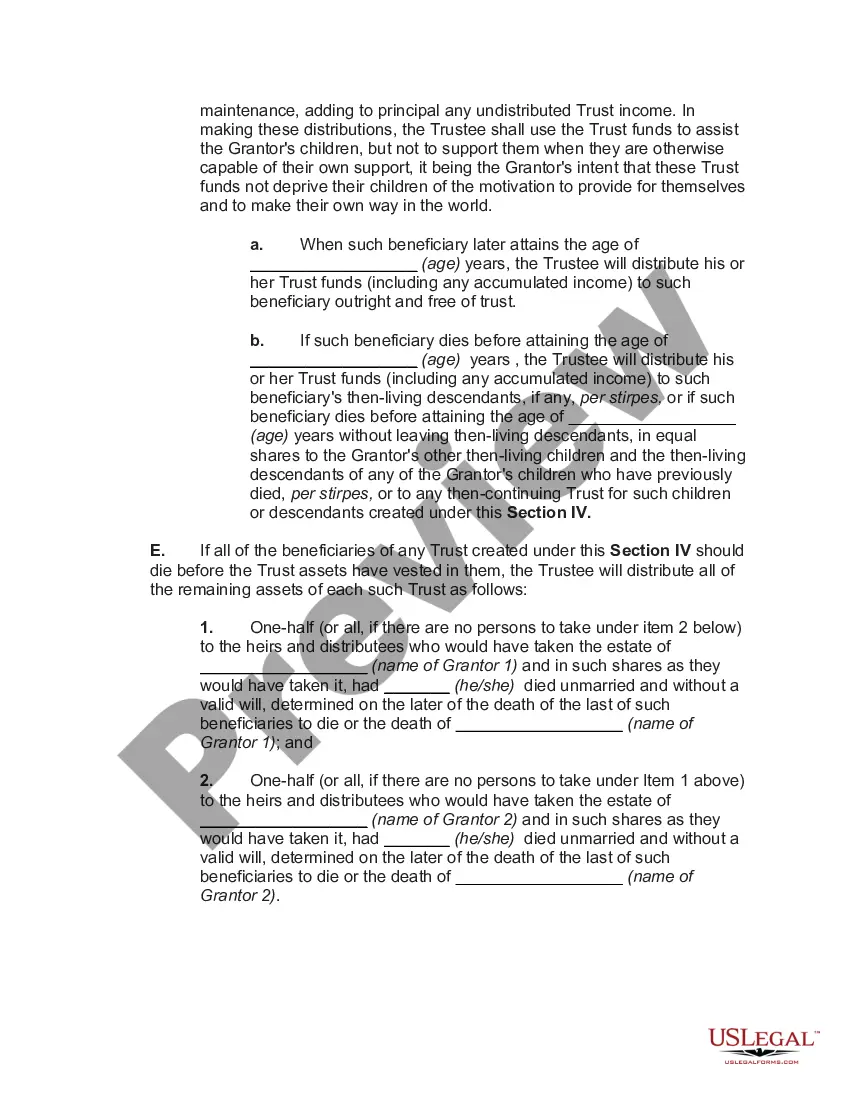
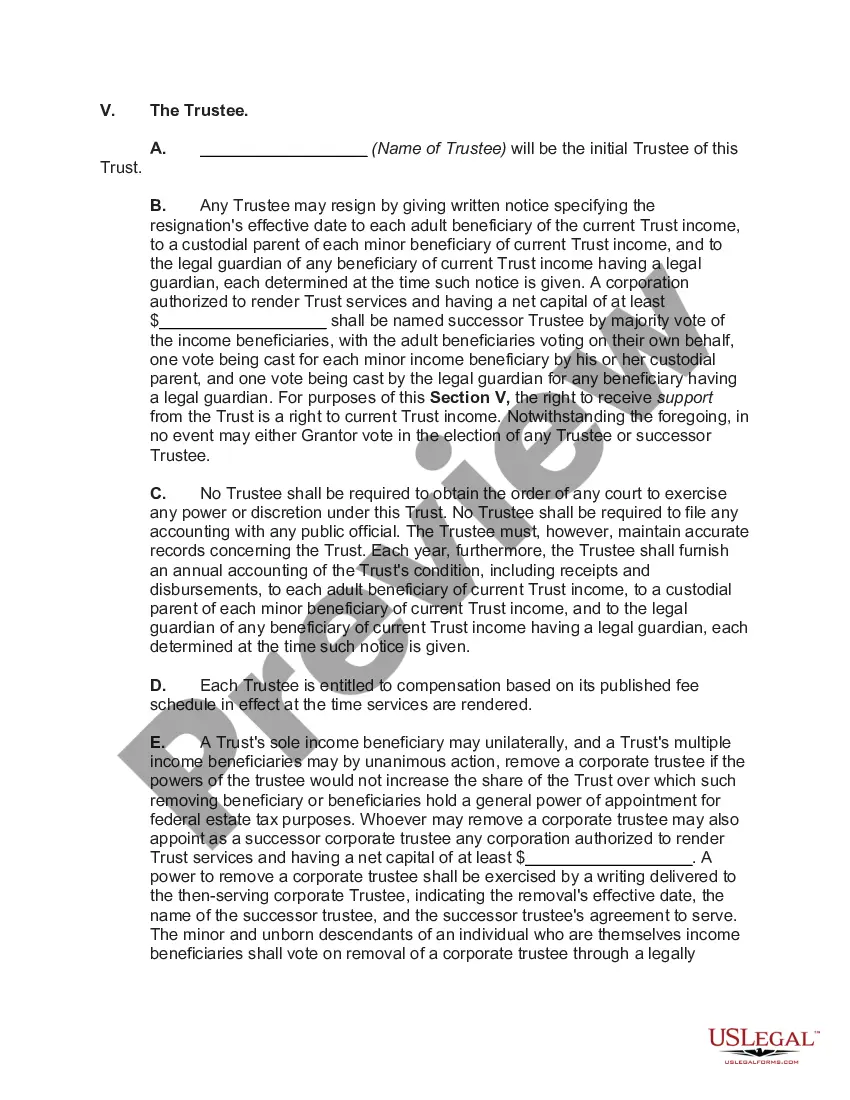
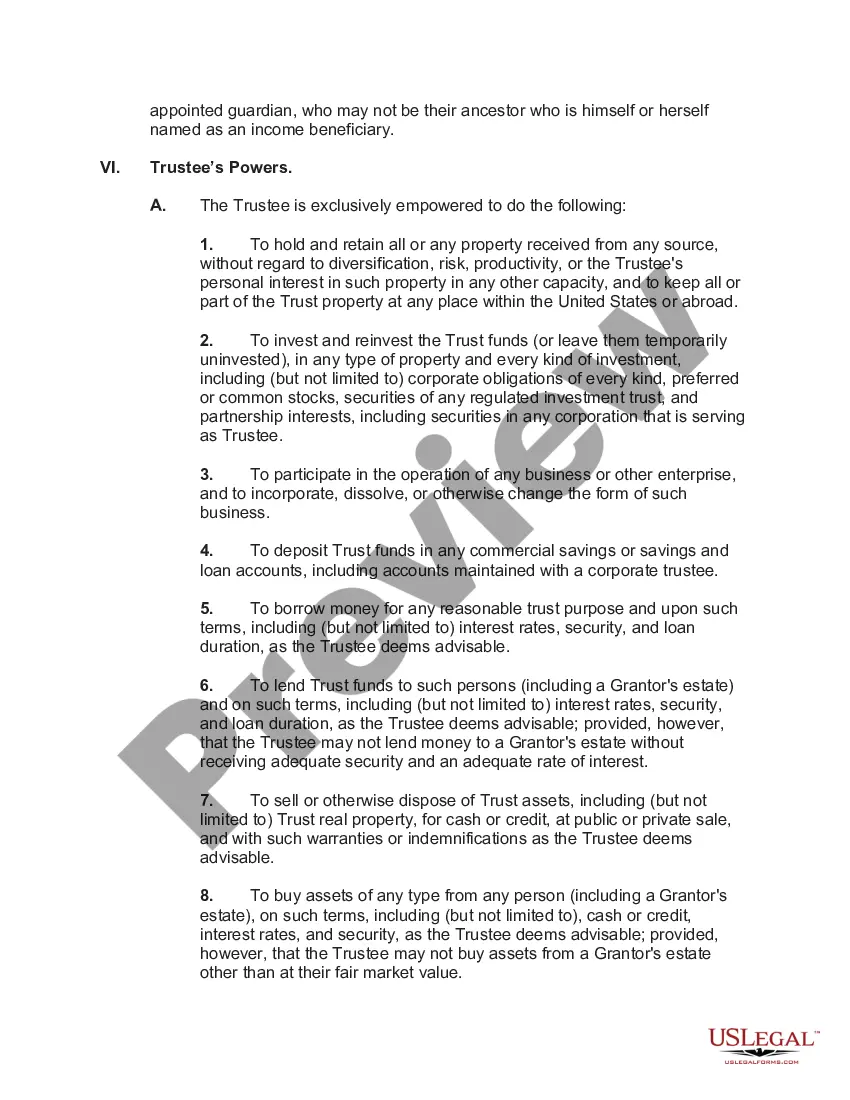
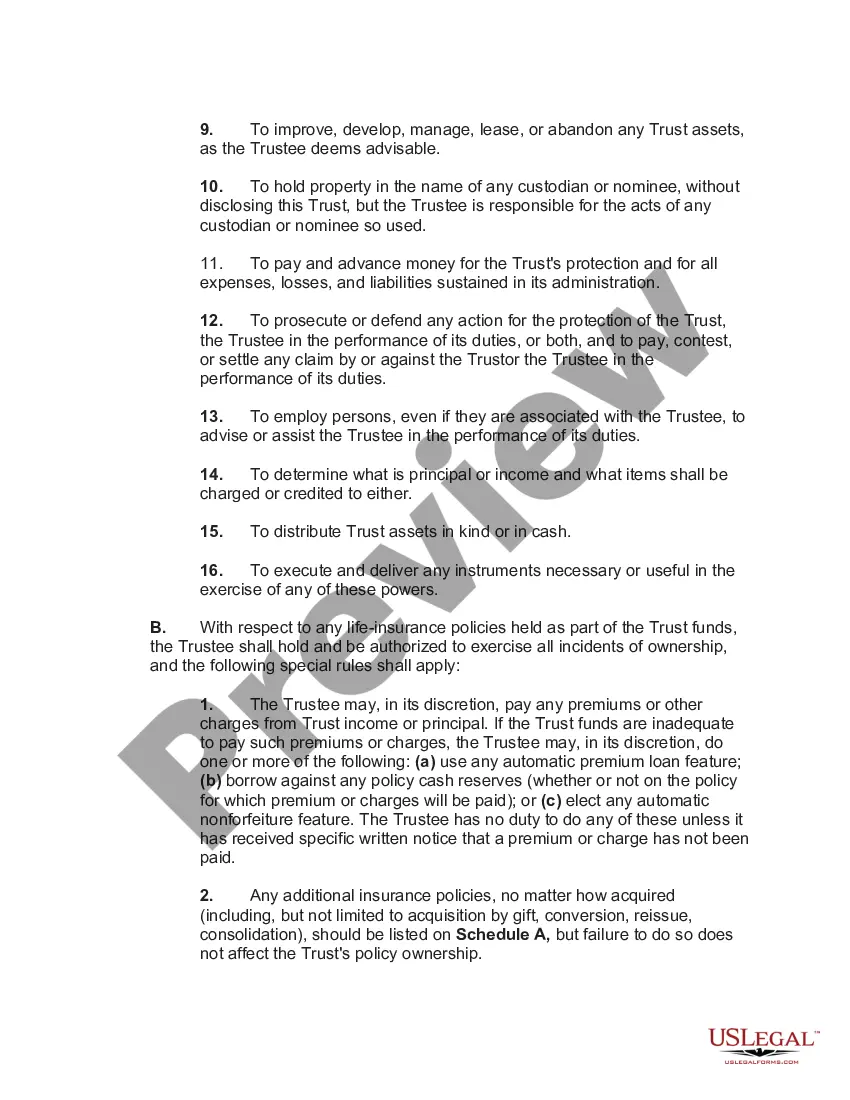
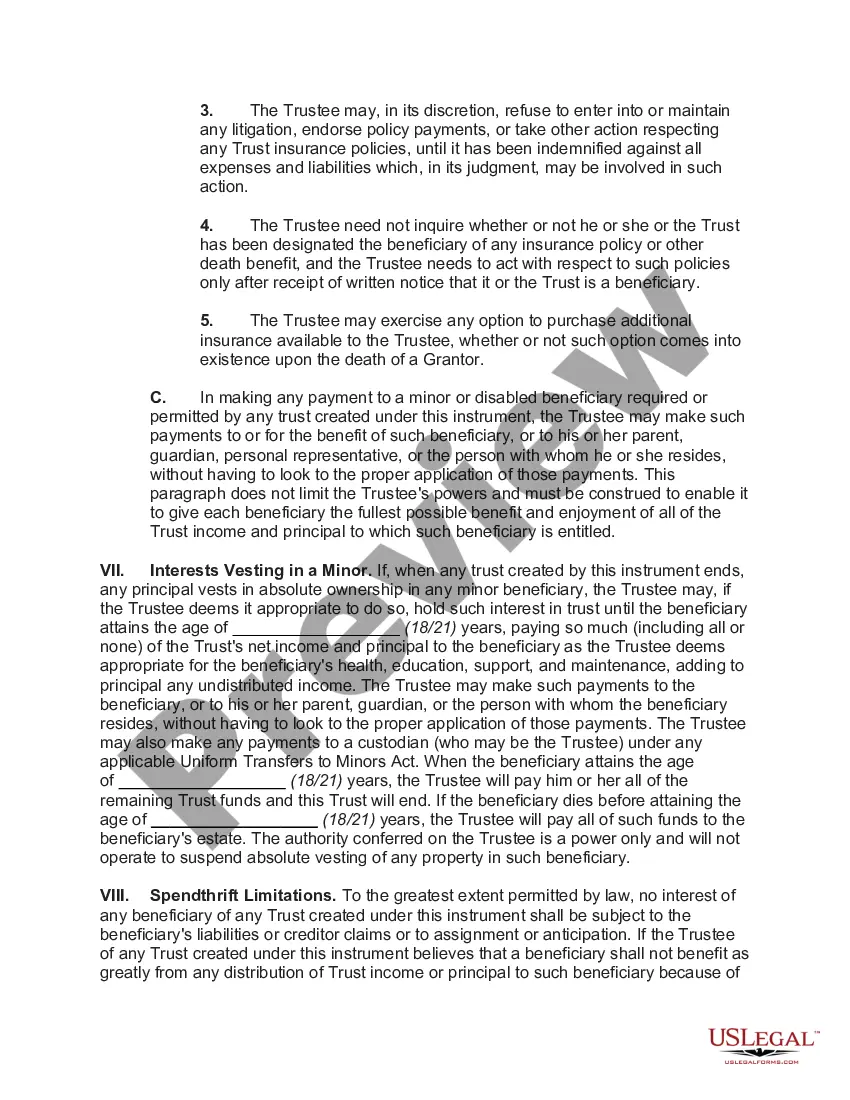
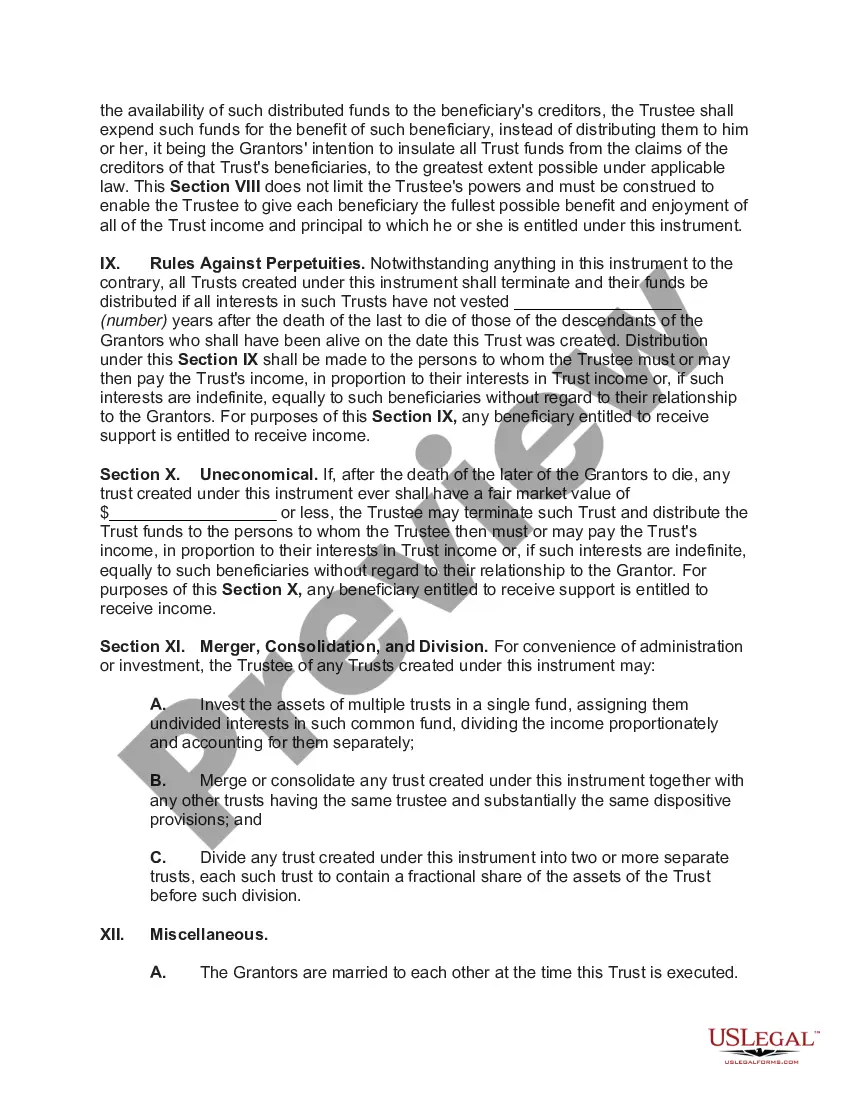

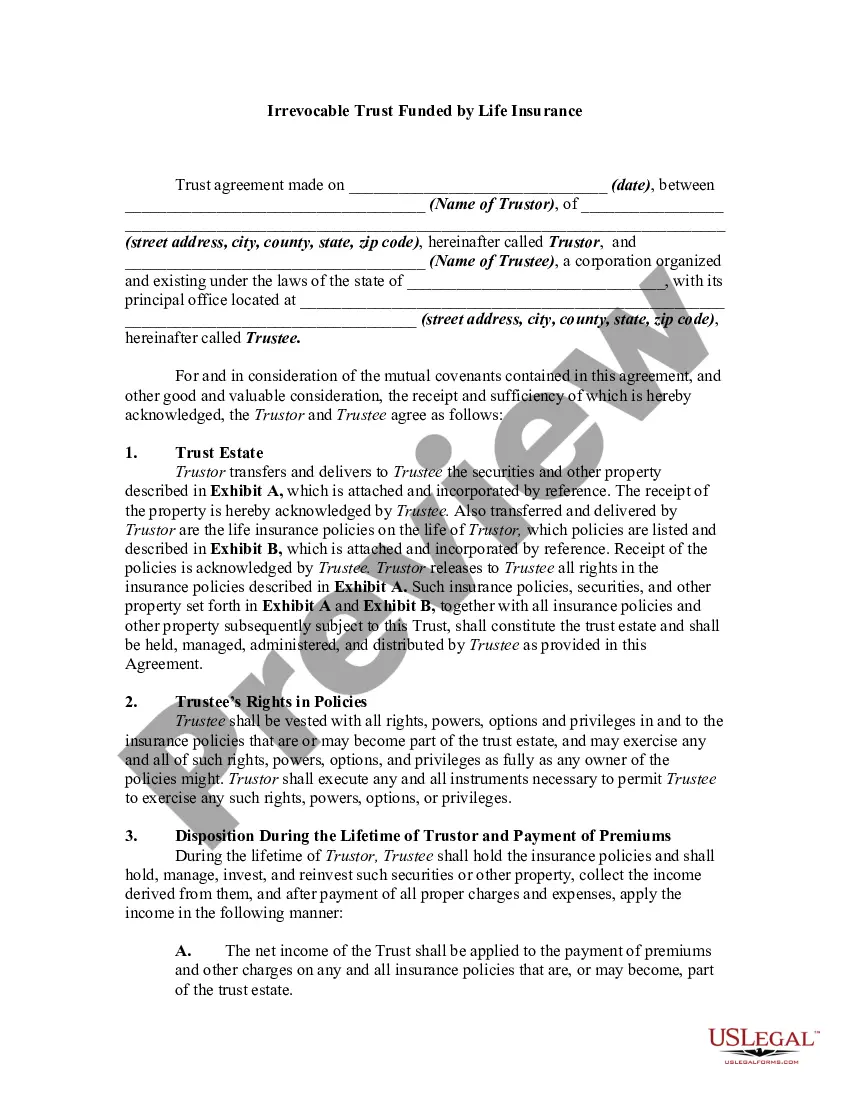
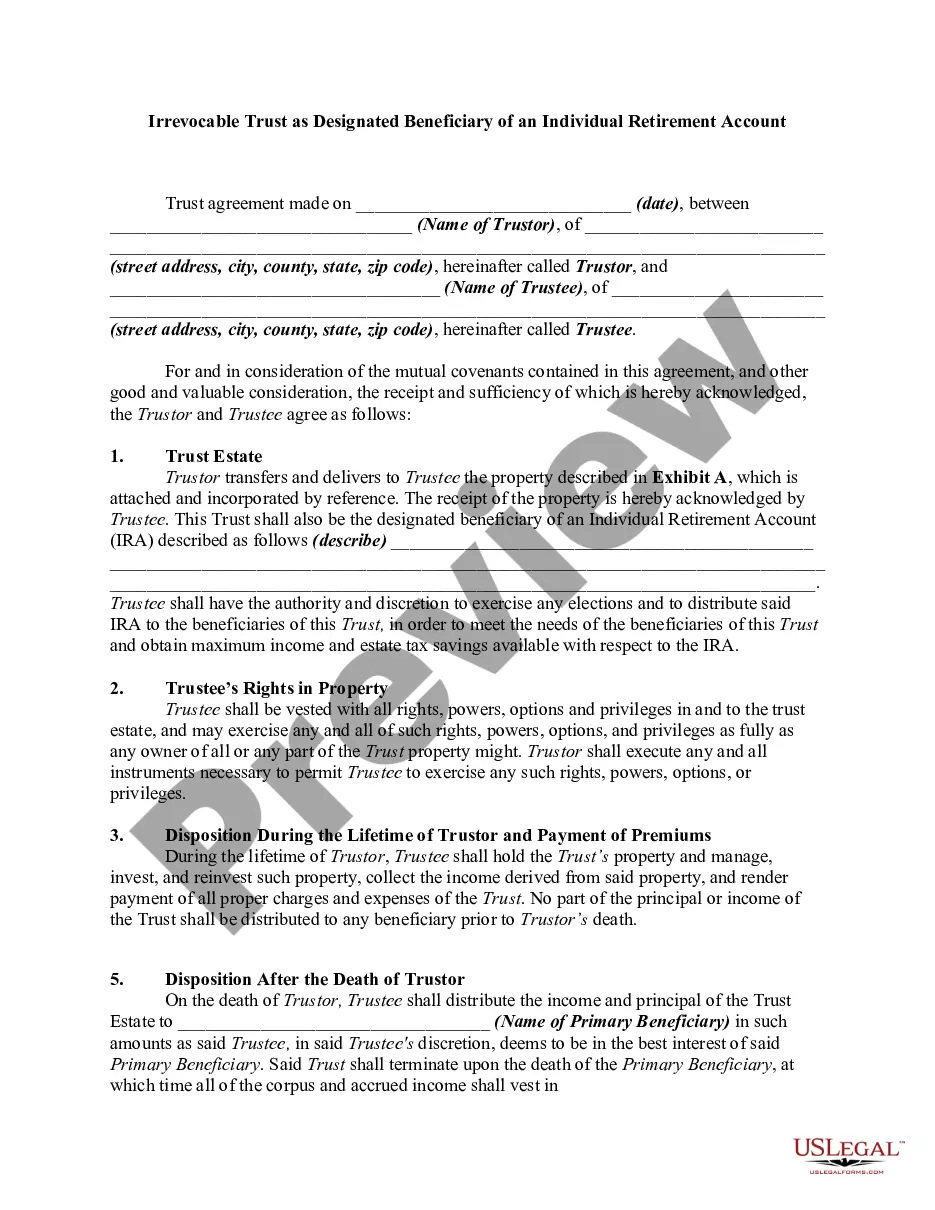
Get your form ready online
Our built-in tools help you complete, sign, share, and store your documents in one place.
Make edits, fill in missing information, and update formatting in US Legal Forms—just like you would in MS Word.
Download a copy, print it, send it by email, or mail it via USPS—whatever works best for your next step.
Sign and collect signatures with our SignNow integration. Send to multiple recipients, set reminders, and more. Go Premium to unlock E-Sign.
If this form requires notarization, complete it online through a secure video call—no need to meet a notary in person or wait for an appointment.
We protect your documents and personal data by following strict security and privacy standards.

Make edits, fill in missing information, and update formatting in US Legal Forms—just like you would in MS Word.

Download a copy, print it, send it by email, or mail it via USPS—whatever works best for your next step.

Sign and collect signatures with our SignNow integration. Send to multiple recipients, set reminders, and more. Go Premium to unlock E-Sign.

If this form requires notarization, complete it online through a secure video call—no need to meet a notary in person or wait for an appointment.

We protect your documents and personal data by following strict security and privacy standards.
Looking for another form?









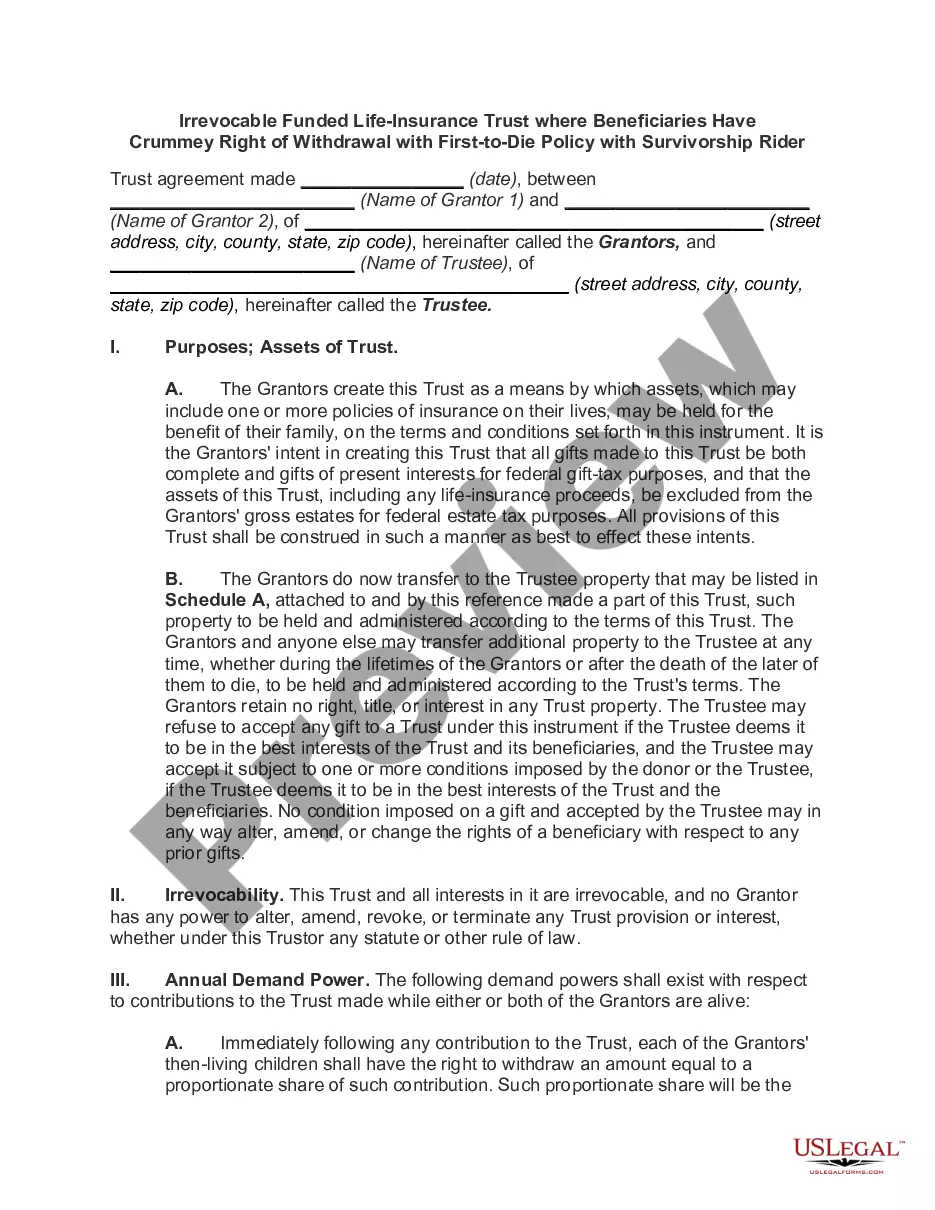
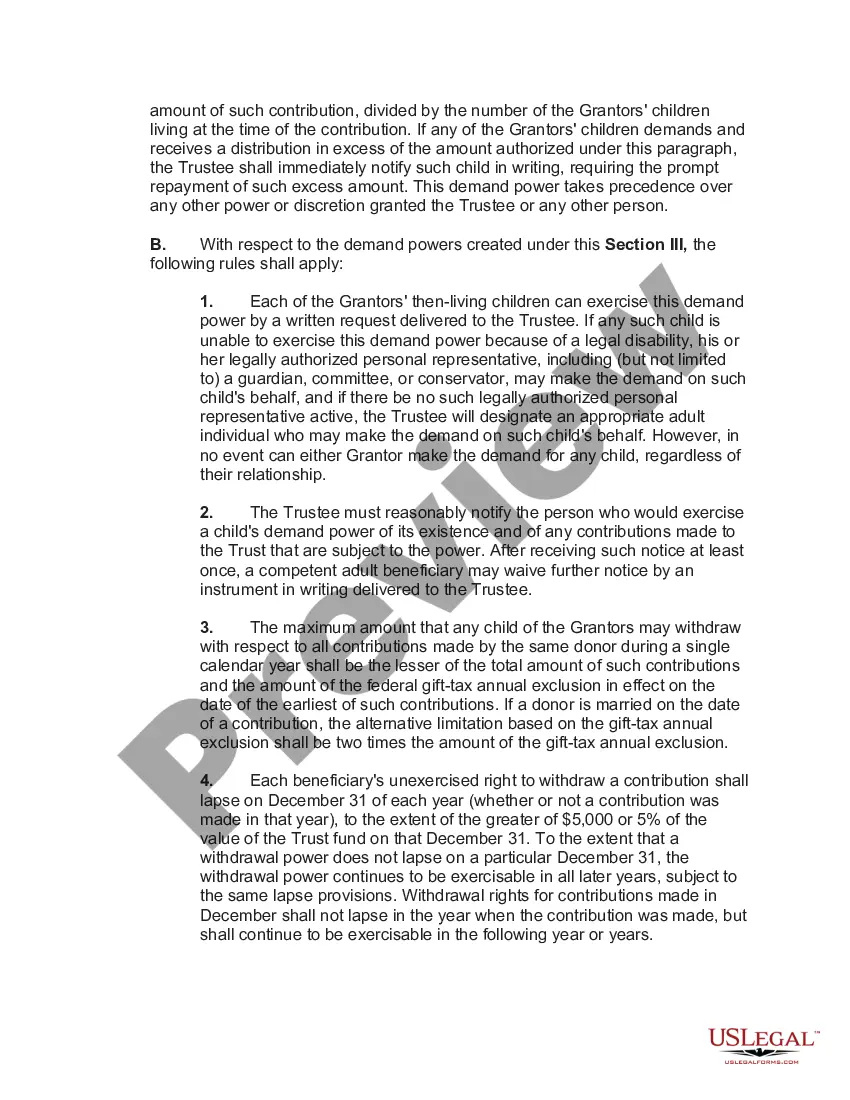
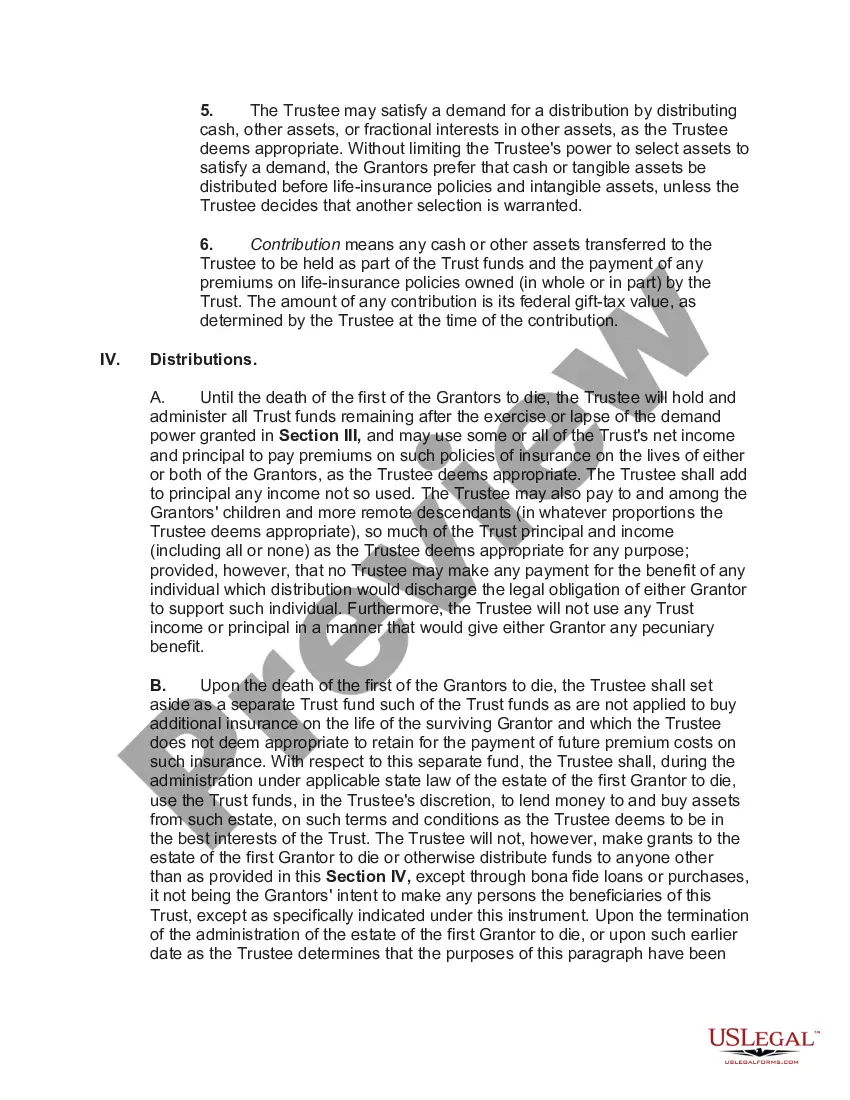
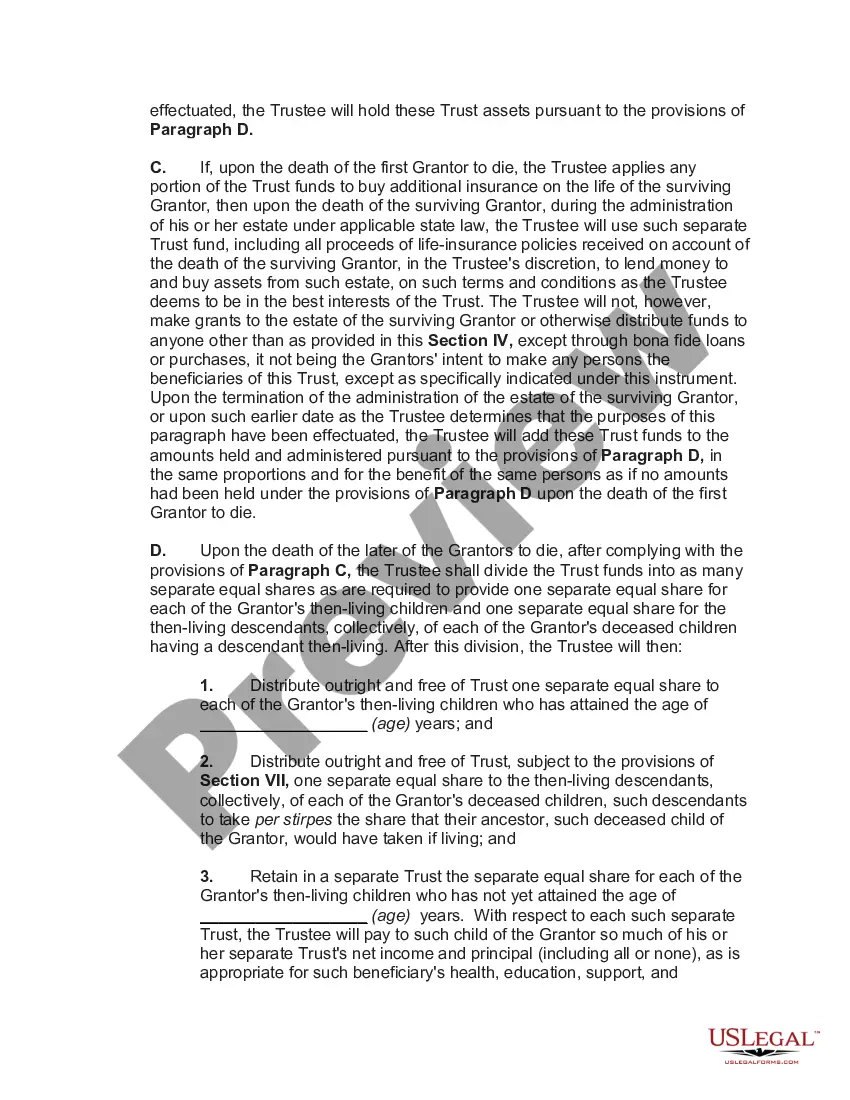
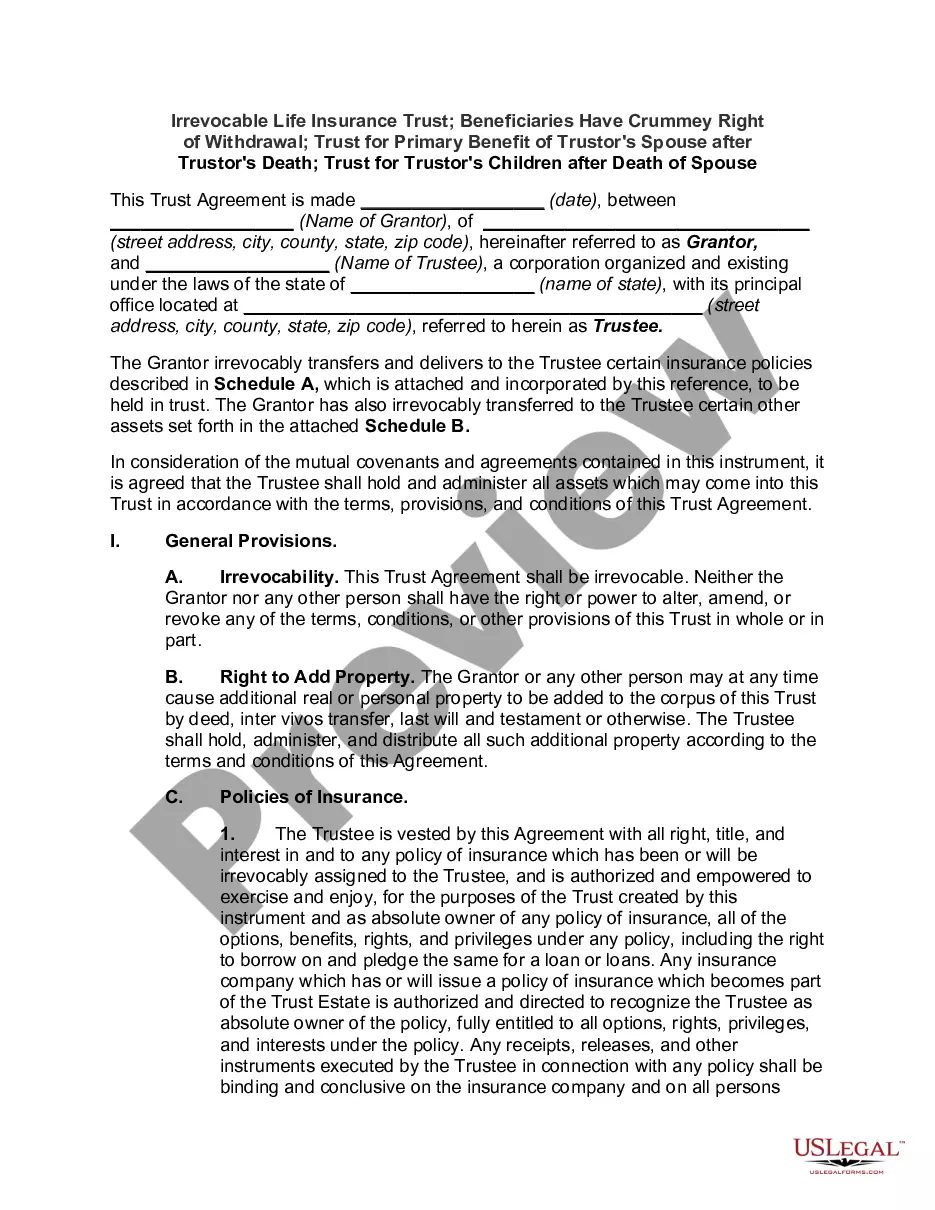
How to fill out Irrevocable Funded Life Insurance Trust Where Beneficiaries Have Crummey Right Of Withdrawal With First To Die Policy With Survivorship Rider?
- For returning users, log in to your account. Ensure your subscription is active before proceeding to download the desired template by clicking the Download button.
- If you are new to US Legal Forms, start by reviewing the form in Preview mode. Confirm it aligns with your jurisdiction's requirements.
- If the selected form doesn't fit your needs, utilize the Search tab to find a more suitable template.
- When you find the right document, click the Buy Now button to purchase it and select your preferred subscription plan.
- Complete the payment process by entering your credit card information or using your PayPal account.
- Once purchased, download the form to your device. You can access it later in the My Forms section of your account.
In conclusion, US Legal Forms empowers you by providing a comprehensive library of legal forms and expert assistance to ensure your documents are correctly filled out and legally sound.
Start your journey to hassle-free legal documentation today!
Form popularity
FAQ
You file your irrevocable trust's tax form, typically Form 1041, with the IRS, following their guidelines on submission. It’s essential to verify your state-specific requirements as local regulations may apply. Consulting with legal services like US Legal Forms can clarify where and how to properly file your trust documents and information. Ensuring accurate filing safeguards against potential issues with the IRS.
Irrevocable trusts must file tax returns using Form 1041 if they have income. This includes reporting all income generated by trust assets and any capital gains. The requirements can vary based on the income amount and the number of beneficiaries. Consulting a legal advisor or using services such as US Legal Forms can provide clarity on your specific tax obligations, ensuring smooth management of your trust.
The primary form to file for an irrevocable trust is IRS Form 1041. This form captures the trust's income and deductions, ensuring compliance with tax laws. It's essential to keep comprehensive records associated with the trust's activities. Should you need assistance, platforms like US Legal Forms offer helpful resources to guide you through the filing requirements and processes.
Yes, if your irrevocable trust generates income, you will need to file IRS Form 1041. This form allows you to report any income, deductions, and credits related to the trust. The trustee is responsible for ensuring timely and accurate filing, which is vital to comply with tax requirements. Utilizing online resources like US Legal Forms can help simplify the filing process, providing the necessary forms and guidance.
Yes, you can file your own irrevocable trust, especially with the assistance of online platforms like US Legal Forms. These resources provide templates and step-by-step instructions, making the process much easier for individuals. However, creating a legally binding trust requires careful attention to detail, so consider seeking professional advice if you're unsure about any aspect. Taking the right steps ensures your trust is set up correctly and meets your goals.
Generally, an irrevocable trust does not need to be filed with the court to be valid. However, depending on state laws, you might need to record the trust or notify certain parties. It’s wise to check with a local attorney or legal service like US Legal Forms to understand your specific requirements. Proactively managing these details helps maintain the trust’s integrity and benefits all involved.
To set up an irrevocable trust, you'll need legal documents that outline the trust's terms. You typically need to identify the assets you want to transfer into the trust and name the trustee and beneficiaries. Using a platform like US Legal Forms can help streamline this process, providing templates and guidance to ensure everything is properly documented. Remember, planning is essential, so consider consulting a legal professional for personalized advice.
The main tax form for an irrevocable trust is IRS Form 1041. This form allows the trustee to report income generated by the trust’s assets. By filing this form, the trustee ensures that all income is accounted for according to tax regulations. Using the right tax form is crucial for managing an irrevocable trust effectively, and understanding this process can greatly simplify your trust management.
Getting assets out of an irrevocable trust is generally challenging, as the nature of the trust prevents revocation without consent from beneficiaries. However, there are specific legal processes that may allow for asset withdrawal under certain conditions. It's advisable to review the trust document and consult legal professionals or firms like US Legal Forms to navigate these complexities easily.
Yes, an EIN is typically required for an irrevocable grantor trust. Even if the grantor retains certain powers, the trust’s income must be reported to the IRS separately. Therefore, acquiring an EIN helps in executing the requirements for tax reporting effectively.