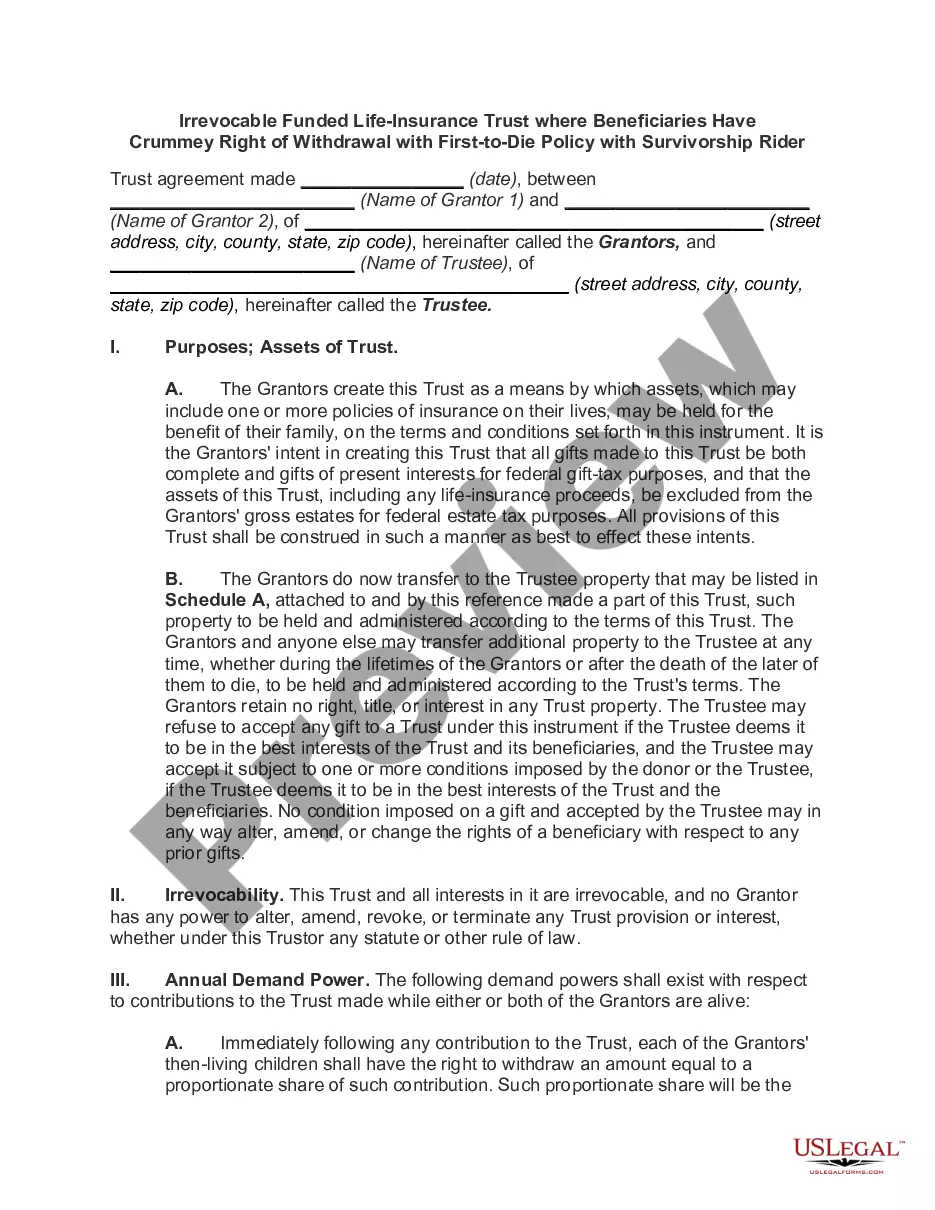
Irrevocable Have With You
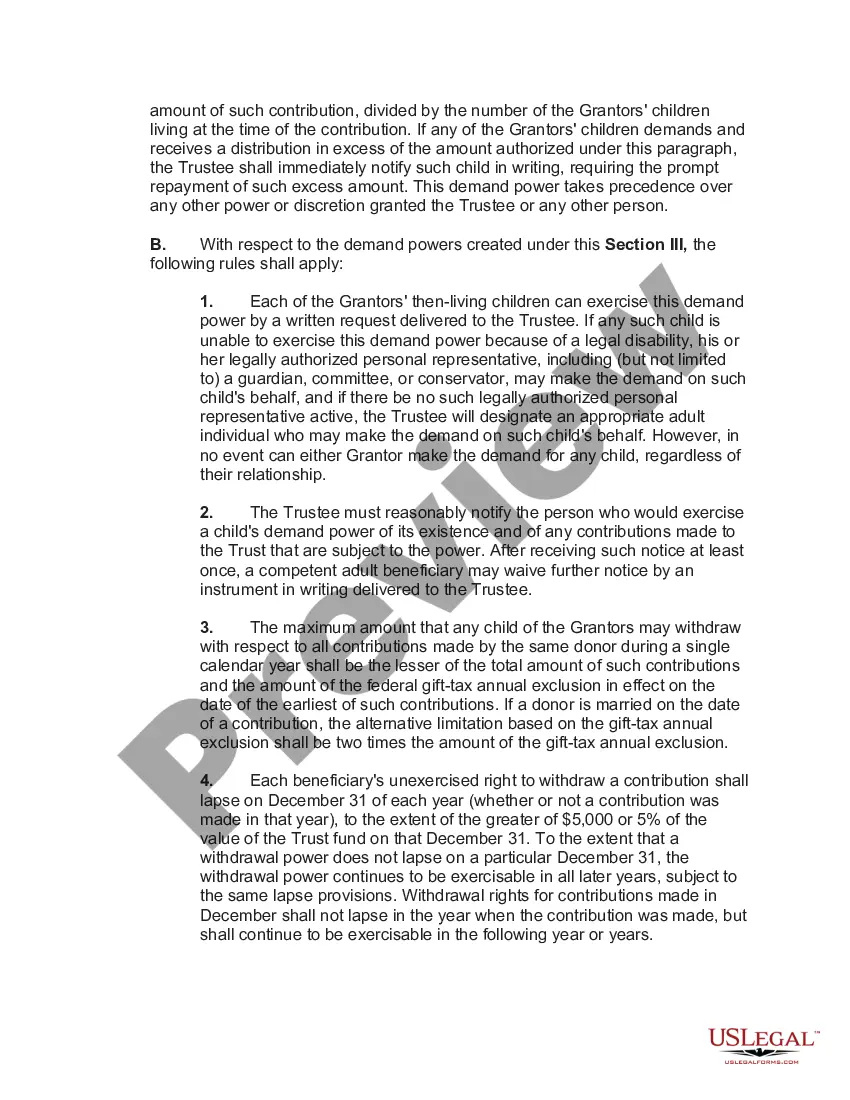
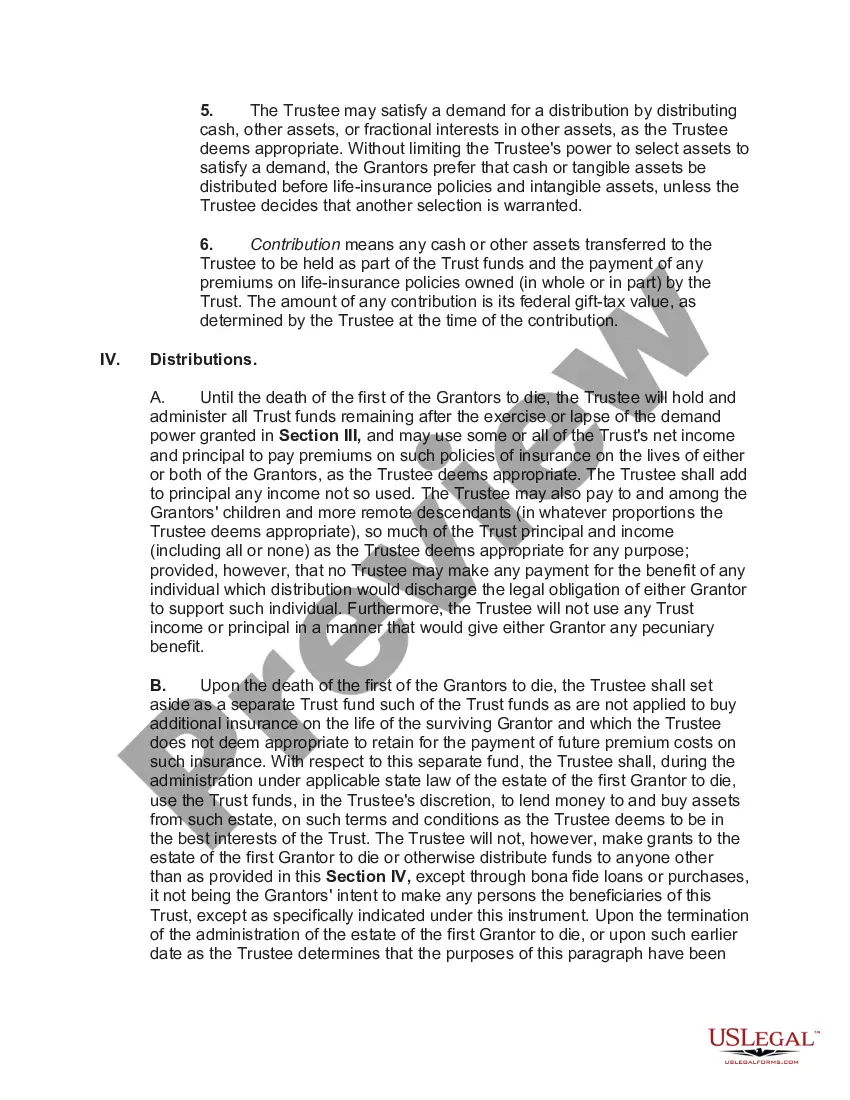
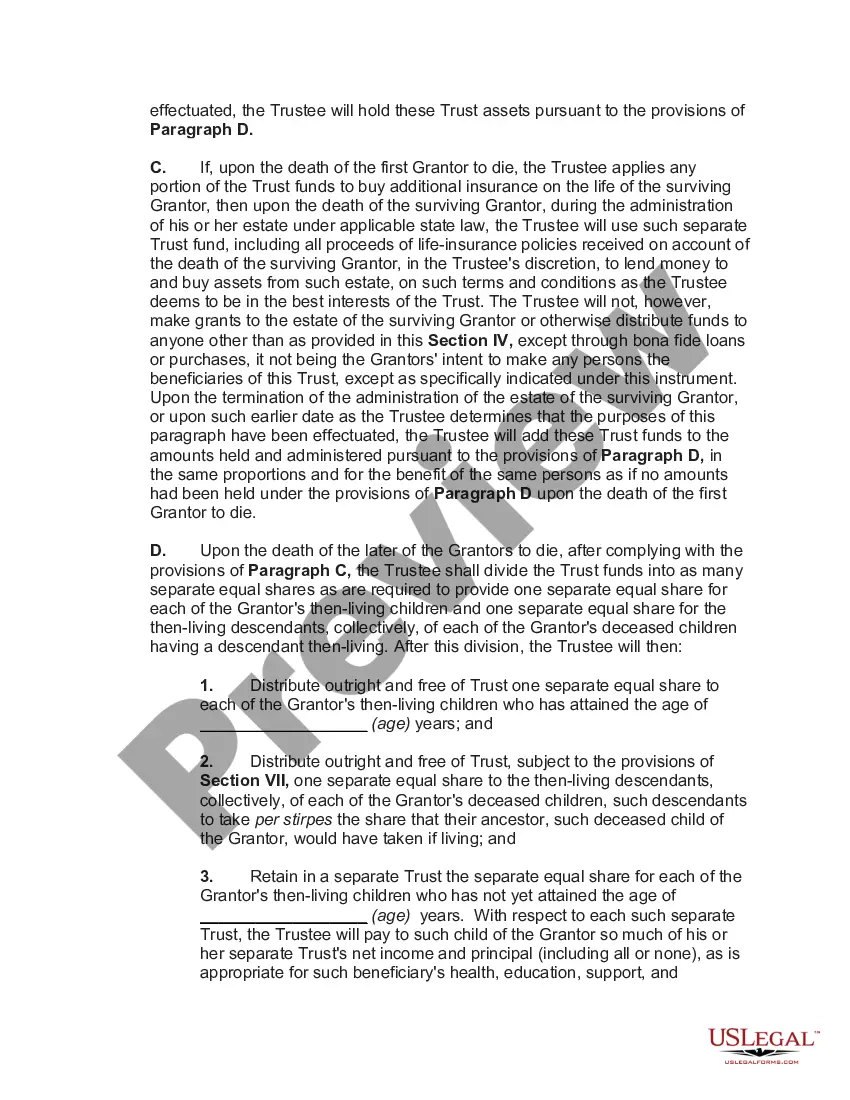
Description
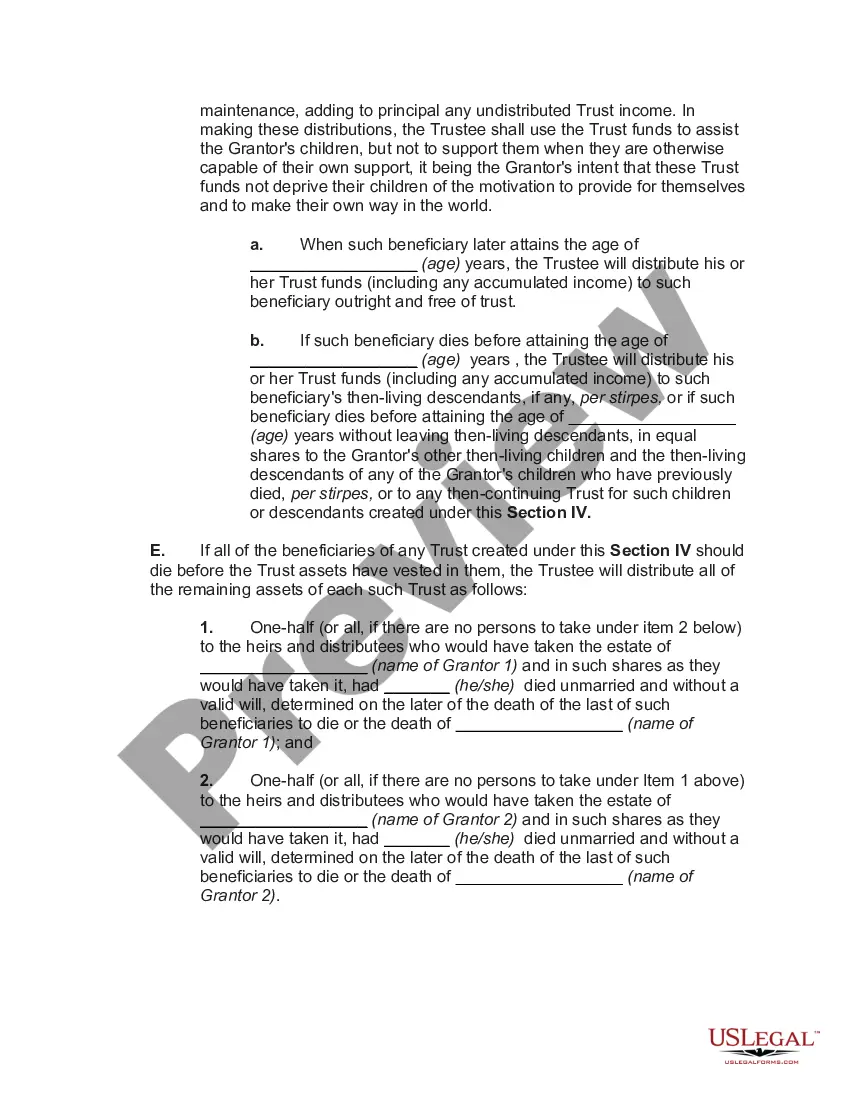
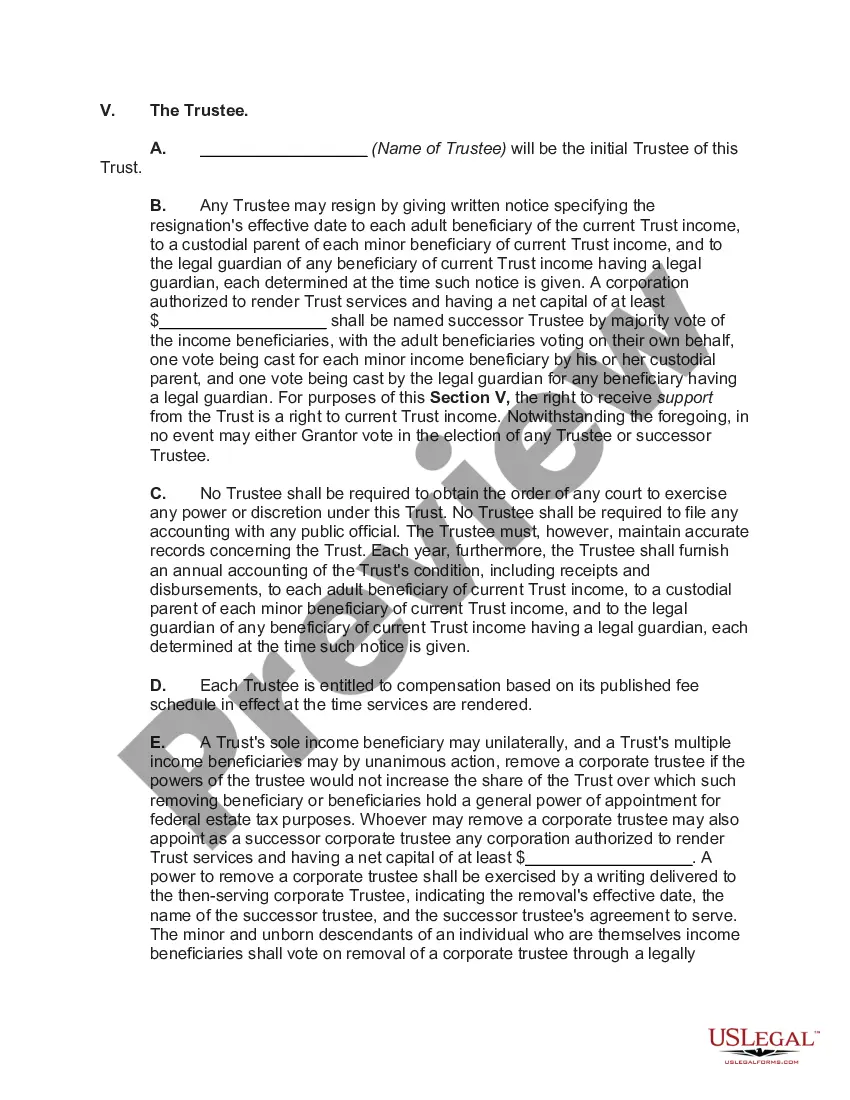
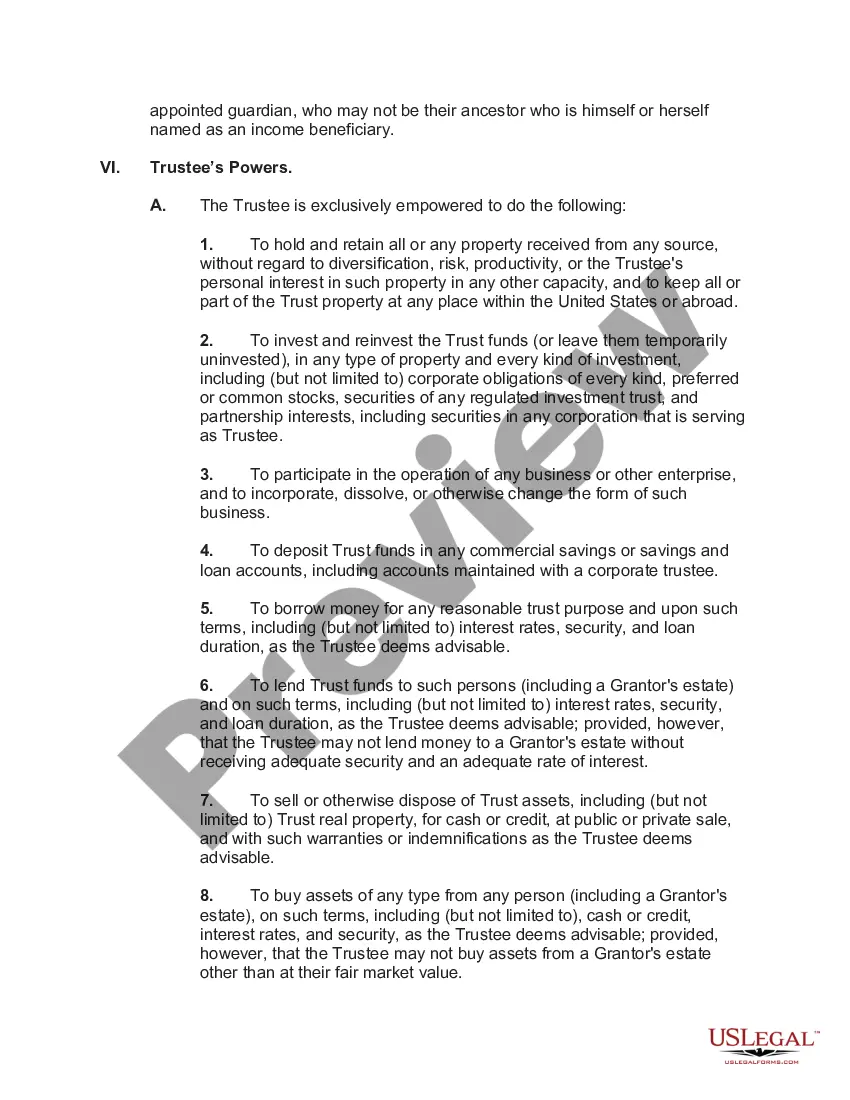
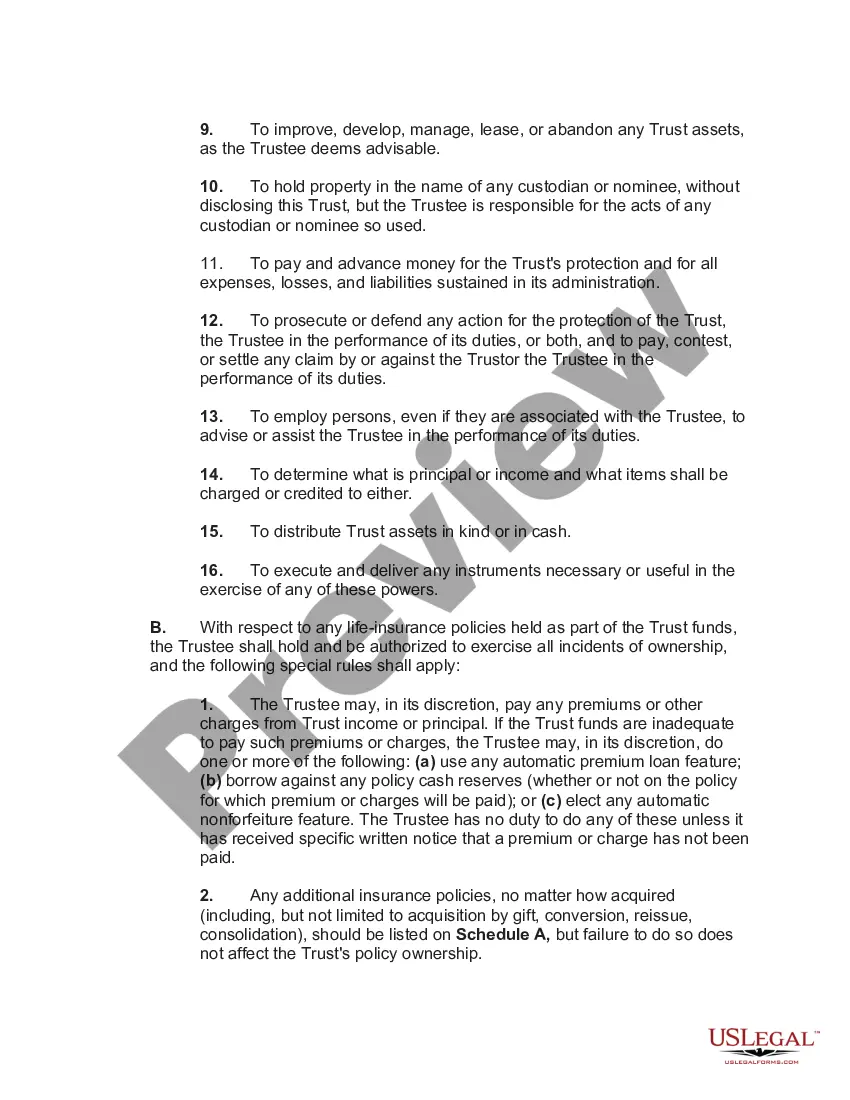
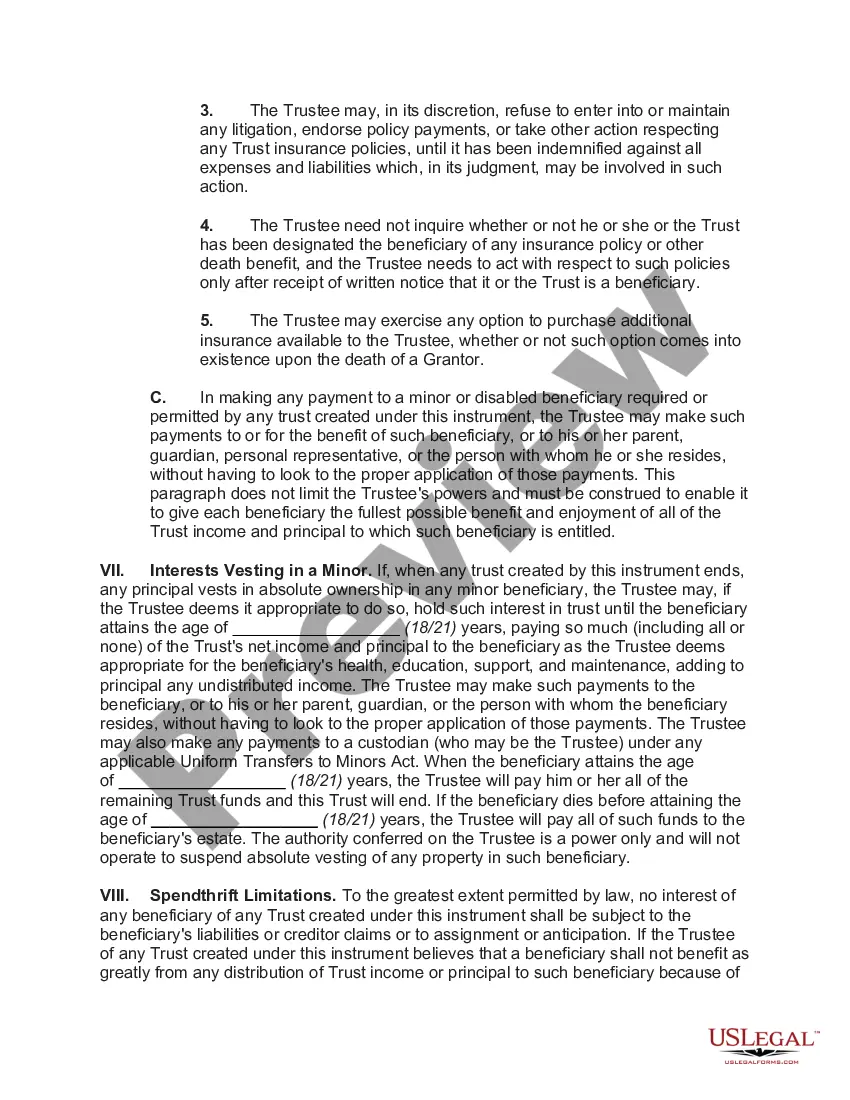
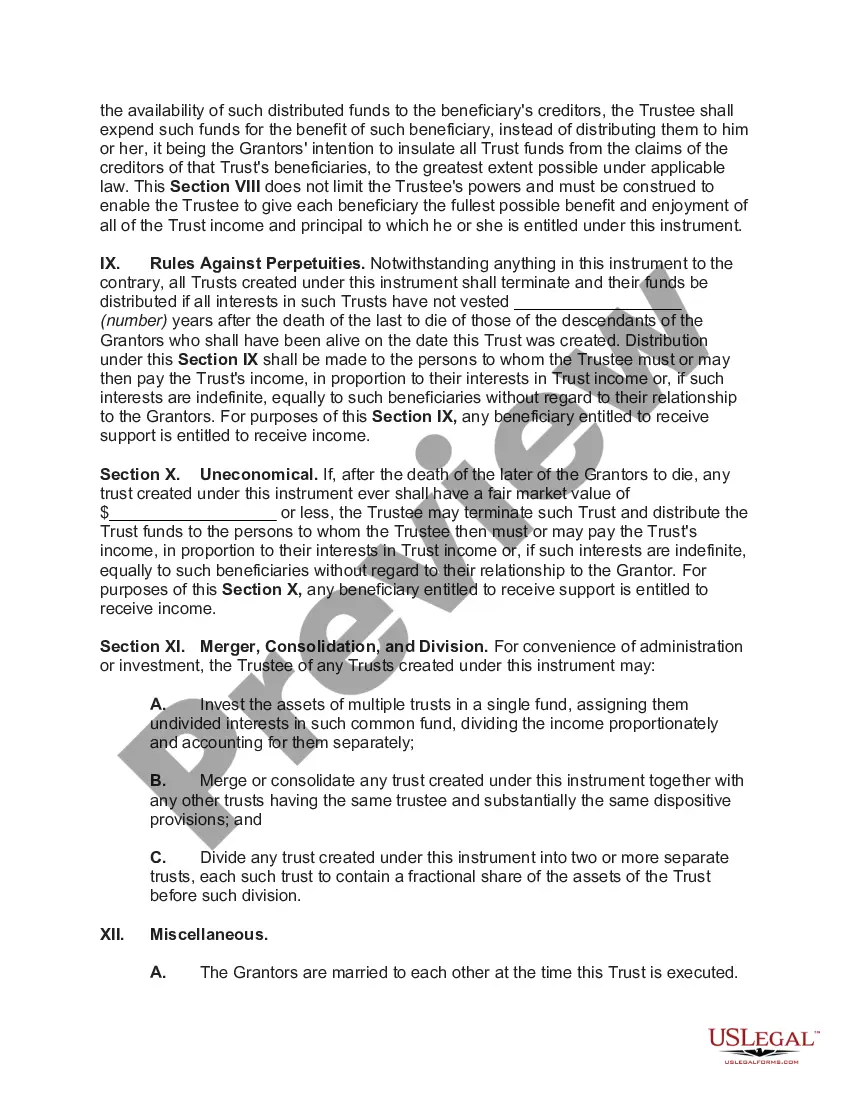

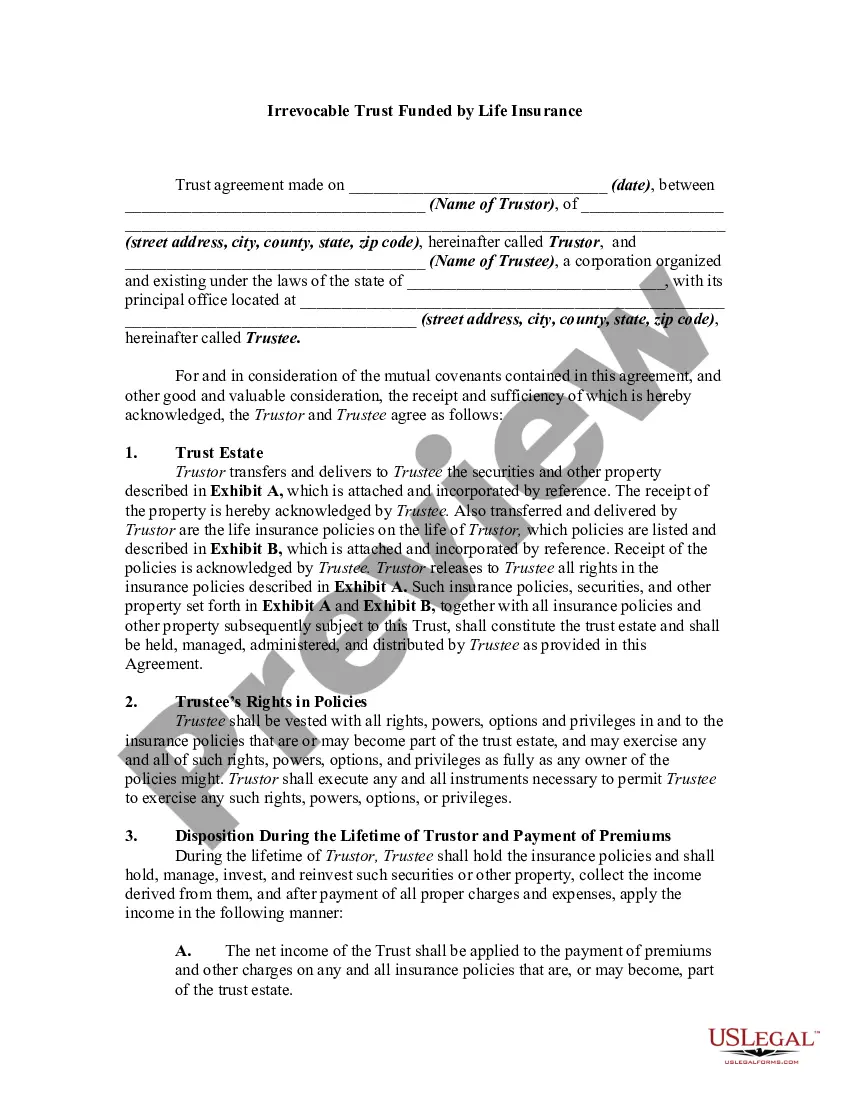
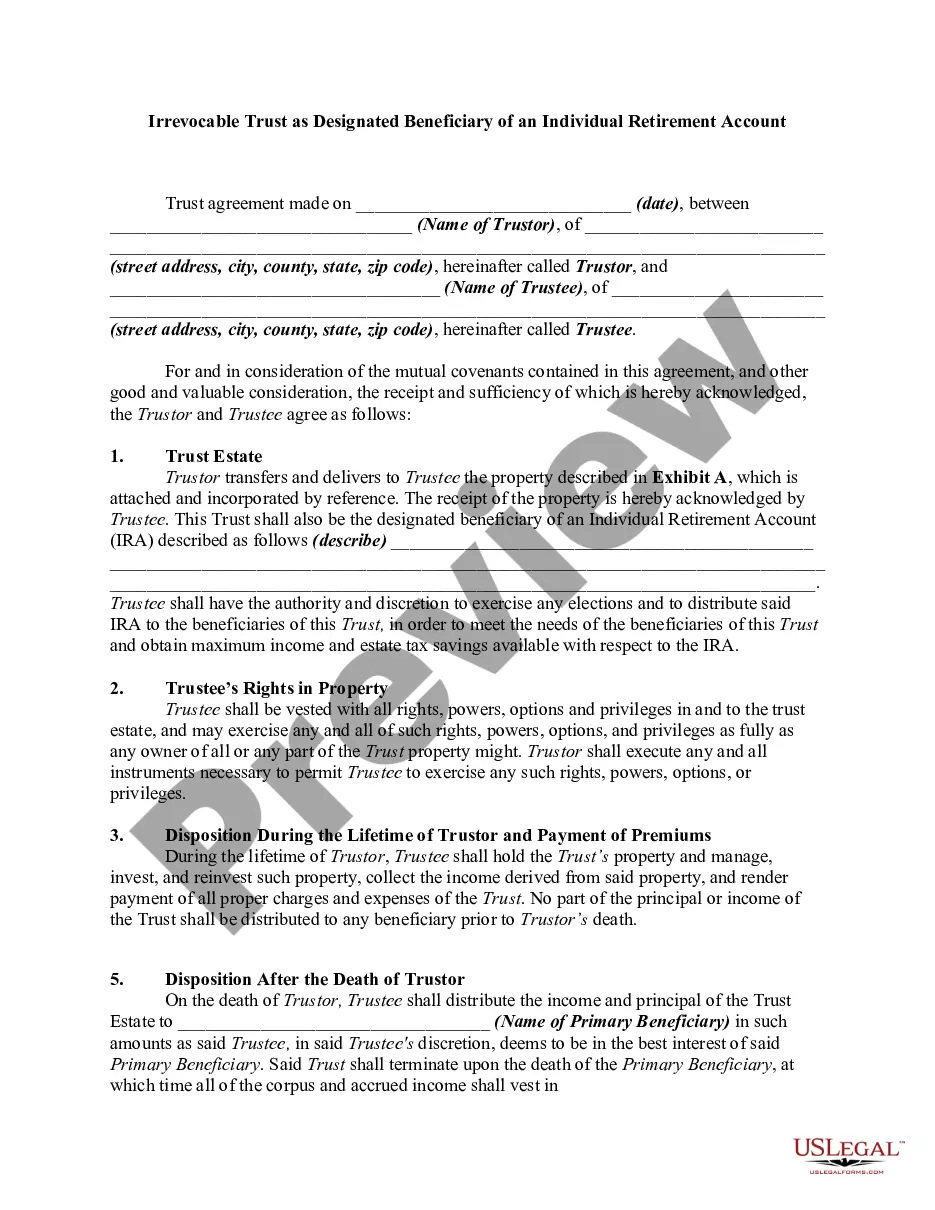
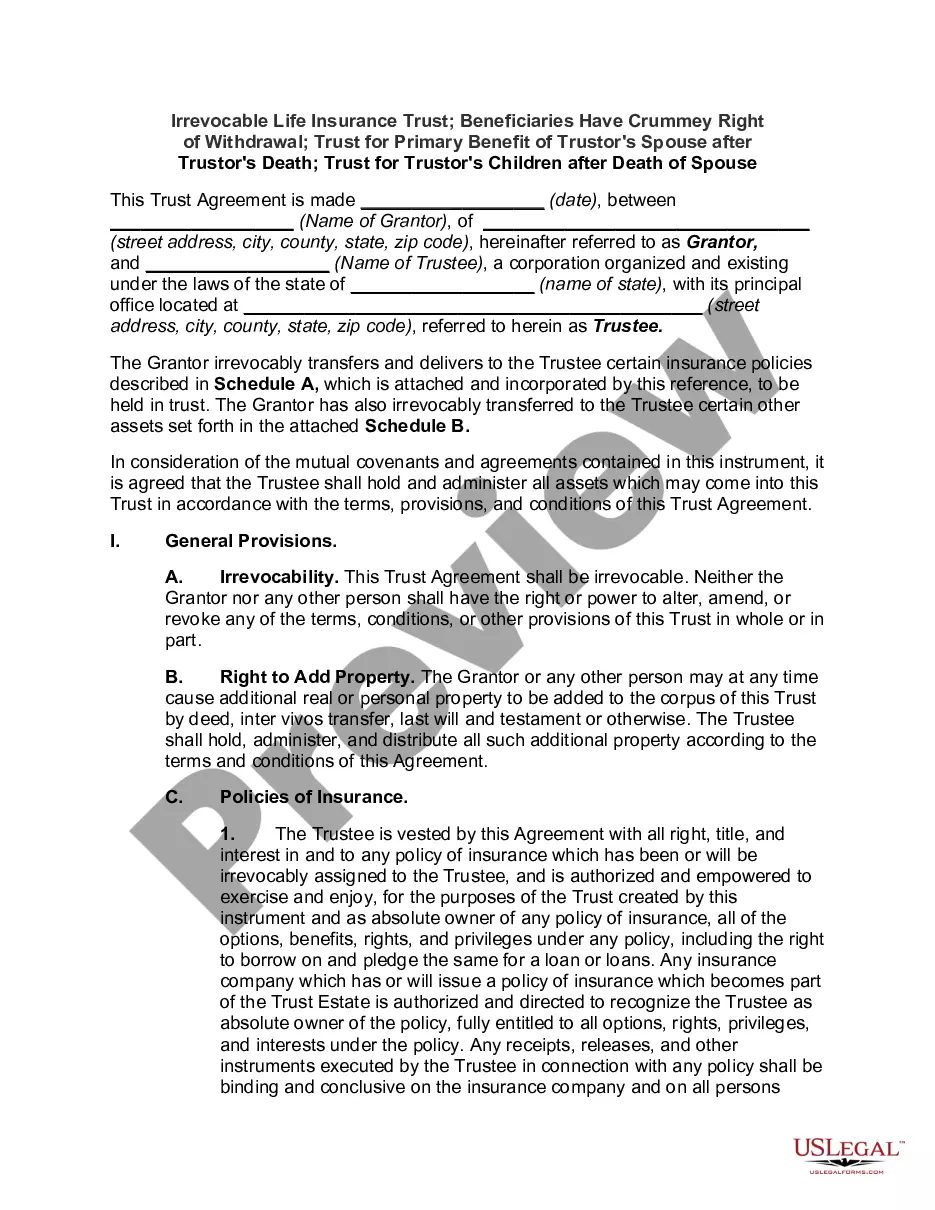
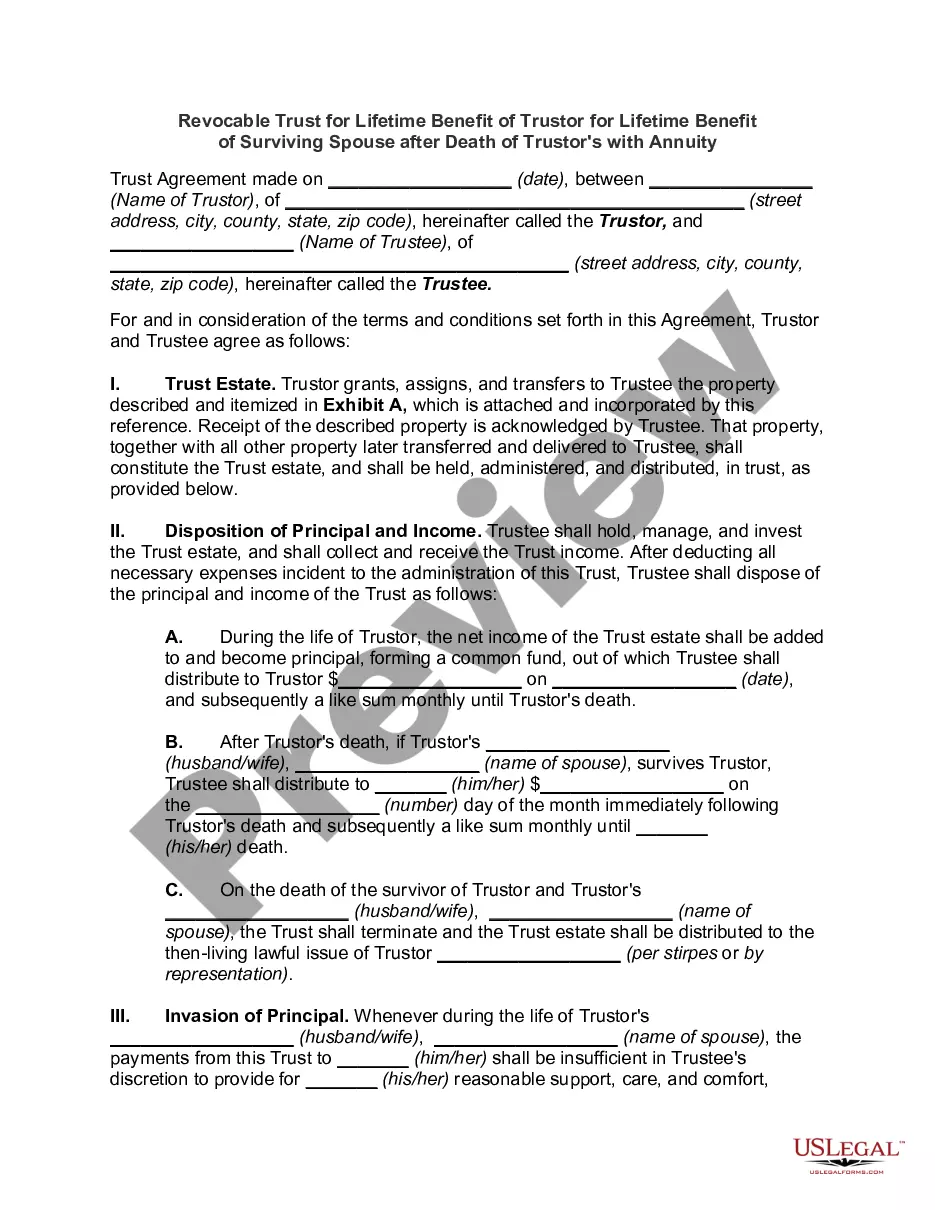
Get your form ready online
Our built-in tools help you complete, sign, share, and store your documents in one place.
Make edits, fill in missing information, and update formatting in US Legal Forms—just like you would in MS Word.
Download a copy, print it, send it by email, or mail it via USPS—whatever works best for your next step.
Sign and collect signatures with our SignNow integration. Send to multiple recipients, set reminders, and more. Go Premium to unlock E-Sign.
If this form requires notarization, complete it online through a secure video call—no need to meet a notary in person or wait for an appointment.
We protect your documents and personal data by following strict security and privacy standards.

Make edits, fill in missing information, and update formatting in US Legal Forms—just like you would in MS Word.

Download a copy, print it, send it by email, or mail it via USPS—whatever works best for your next step.

Sign and collect signatures with our SignNow integration. Send to multiple recipients, set reminders, and more. Go Premium to unlock E-Sign.

If this form requires notarization, complete it online through a secure video call—no need to meet a notary in person or wait for an appointment.

We protect your documents and personal data by following strict security and privacy standards.
Looking for another form?

How to fill out Irrevocable Funded Life Insurance Trust Where Beneficiaries Have Crummey Right Of Withdrawal With First To Die Policy With Survivorship Rider?
- For returning users, log into your account and download the necessary form template by clicking the 'Download' button. Ensure your subscription is active; renew if needed.
- If you’re using US Legal Forms for the first time, start by checking the Preview mode and form description. Confirm it meets your requirements and adheres to your local jurisdiction's rules.
- If the form doesn't fit your needs, use the Search tab above to locate a more suitable template.
- Once you find the correct document, proceed by clicking the 'Buy Now' button and select your preferred subscription plan. Create an account to access the library's features.
- Complete your purchase by entering your credit card details or using your PayPal account for a seamless transaction.
- Finally, download the form and save it to your device. Access it anytime via the My Forms section of your profile.
With US Legal Forms, you gain access to a vast collection of over 85,000 legal forms tailored to various needs. This platform not only offers documents but also connects users with premium experts for form completion.
Empower yourself with user-friendly legal solutions today! Start using US Legal Forms to streamline your legal document processes.
Form popularity
FAQ
Not all assets can be placed in an irrevocable trust. For example, personal items, like cars or collectibles, are often best kept outside the trust due to practical management concerns. Additionally, assets that you require immediate access to, such as your primary residence or retirement accounts, may not be suitable. Understanding these limits can help you make informed decisions, and using uslegalforms can clarify which assets fit best within the framework of an irrevocable trust.
Typically, assets such as real estate, investment accounts, and life insurance policies are ideal for an irrevocable trust. These assets benefit from increased protection against creditors and potential tax advantages. However, consider the long-term implications before deciding which assets to include, as this choice will impact your financial future. Additionally, using the uslegalforms platform can simplify the process of identifying and transferring the right assets.
To fill out an irrevocable trust, start by gathering necessary information about the assets you want to include and the beneficiaries you wish to name. Carefully complete each section of the form, ensuring you fulfill legal requirements for your state. It may be beneficial to consult with a legal expert or use the uslegalforms platform to ensure accuracy and compliance. This way, you can confidently create a trust that aligns with your intentions, knowing you've taken the right steps.
One key disadvantage of placing your house in an irrevocable trust is the loss of control over the asset. Once you transfer property into this trust, you cannot modify or revoke it without taking specific legal steps. This means that if your financial situation changes, you may find yourself unable to access funds tied up in the trust. Essentially, while irrevocable trusts provide benefits like asset protection, they also require a commitment that may not suit everyone’s needs.
You can't create an irrevocable trust for yourself in the traditional sense, because once established, the assets effectively belong to the trust, not to you. However, you can initiate the process for your benefit, allowing a designated trustee to manage your assets according to your wishes. Platforms like US Legal Forms provide guidance and resources to help you navigate this process. Choosing the right structure can give you confidence in your financial strategy and estate planning.
One significant downside of an irrevocable trust is the lack of flexibility. Once you put assets into this trust, you cannot change your mind without legal action, which may be complex and costly. Furthermore, since the assets are no longer owned by you, you have limited control over them, which can create concerns. It's crucial to weigh these factors when deciding whether this option is right for you.
Many people consider an irrevocable trust for asset protection and tax benefits. By establishing this type of trust, you can effectively manage your assets and possibly reduce estate taxes. Additionally, creating an irrevocable trust allows you to specify how your assets will be distributed, providing peace of mind. Remember, the irrevocable trust can be a strong tool, as it allows you secure planning options for your future.
In an irrevocable trust, a designated trustee controls the assets on behalf of the beneficiaries. The trustee is responsible for managing the trust according to the terms set out in the trust document, which makes it vital for you to understand what you irrevocable have with you. If you're unsure about choosing a trustee, consider resources like US Legal Forms for expert assistance.
The primary downside to an irrevocable trust is the loss of control over the assets placed in it. Once established, you cannot easily alter the terms or reclaim the assets without the beneficiaries' consent. Knowing what you irrevocable have with you helps you decide whether this trust type suits your financial strategy. US Legal Forms can guide you through the complexities of these decisions.
For an irrevocable trust to be valid, it must meet several requirements, including clear identification of beneficiaries, defined terms, and proper execution according to state laws. Understanding what you irrevocable have with you and ensuring conformity with legal standards is crucial. Utilizing services like US Legal Forms can simplify the creation of a legally binding trust.