Testamentary Trust For Disabled Person
Description
Get your form ready online
Our built-in tools help you complete, sign, share, and store your documents in one place.
Make edits, fill in missing information, and update formatting in US Legal Forms—just like you would in MS Word.
Download a copy, print it, send it by email, or mail it via USPS—whatever works best for your next step.
Sign and collect signatures with our SignNow integration. Send to multiple recipients, set reminders, and more. Go Premium to unlock E-Sign.
If this form requires notarization, complete it online through a secure video call—no need to meet a notary in person or wait for an appointment.
We protect your documents and personal data by following strict security and privacy standards.

Make edits, fill in missing information, and update formatting in US Legal Forms—just like you would in MS Word.

Download a copy, print it, send it by email, or mail it via USPS—whatever works best for your next step.

Sign and collect signatures with our SignNow integration. Send to multiple recipients, set reminders, and more. Go Premium to unlock E-Sign.

If this form requires notarization, complete it online through a secure video call—no need to meet a notary in person or wait for an appointment.

We protect your documents and personal data by following strict security and privacy standards.
Looking for another form?



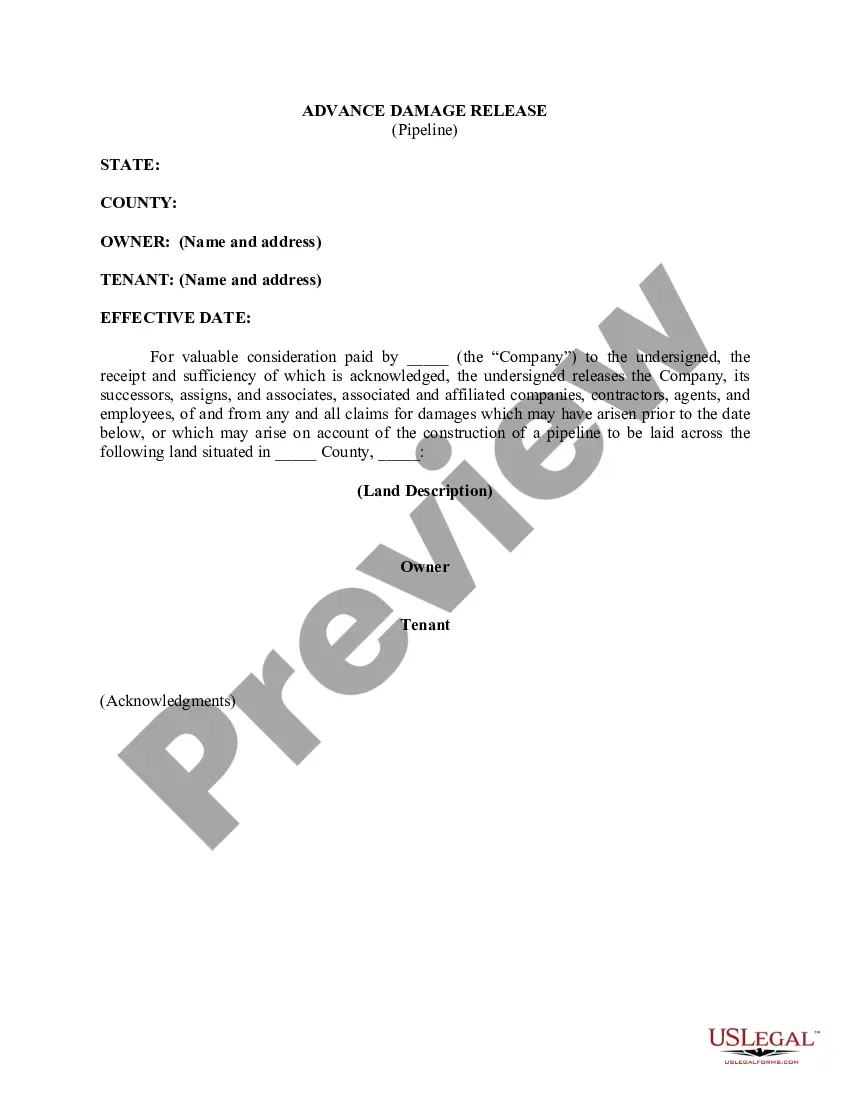
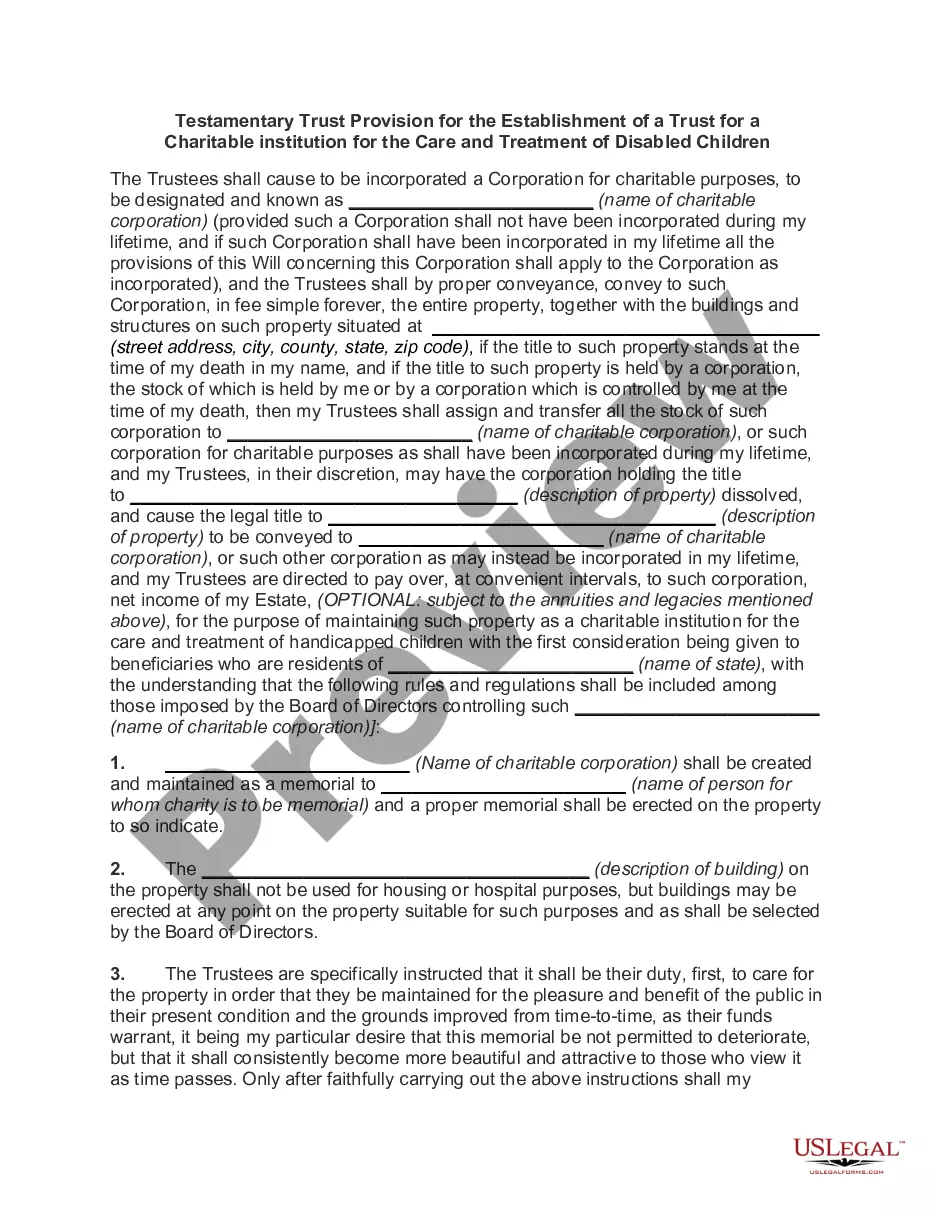
How to fill out Testamentary Trust Provision For The Establishment Of A Trust For A Charitable Institution For The Care And Treatment Of Disabled Children?
- Log into your existing US Legal Forms account. If you haven't created one yet, take a moment to sign up.
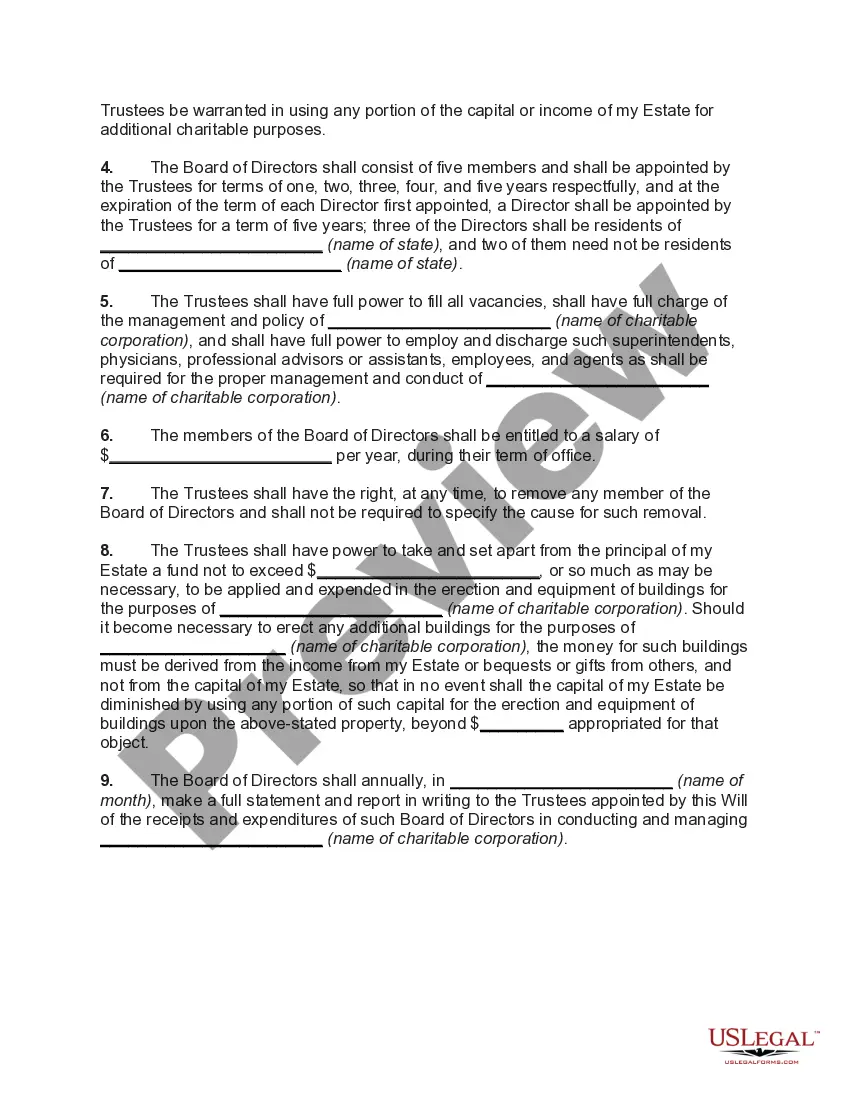
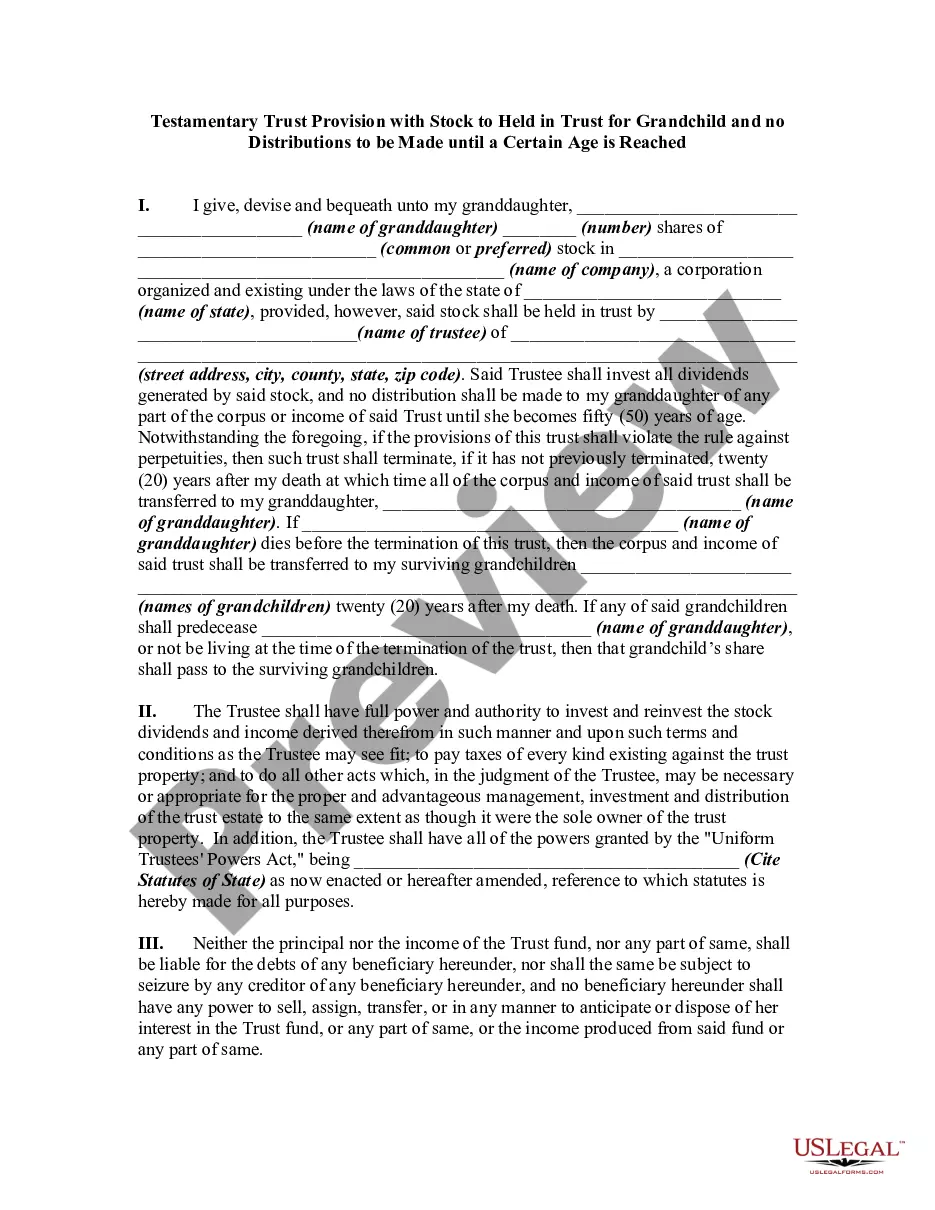
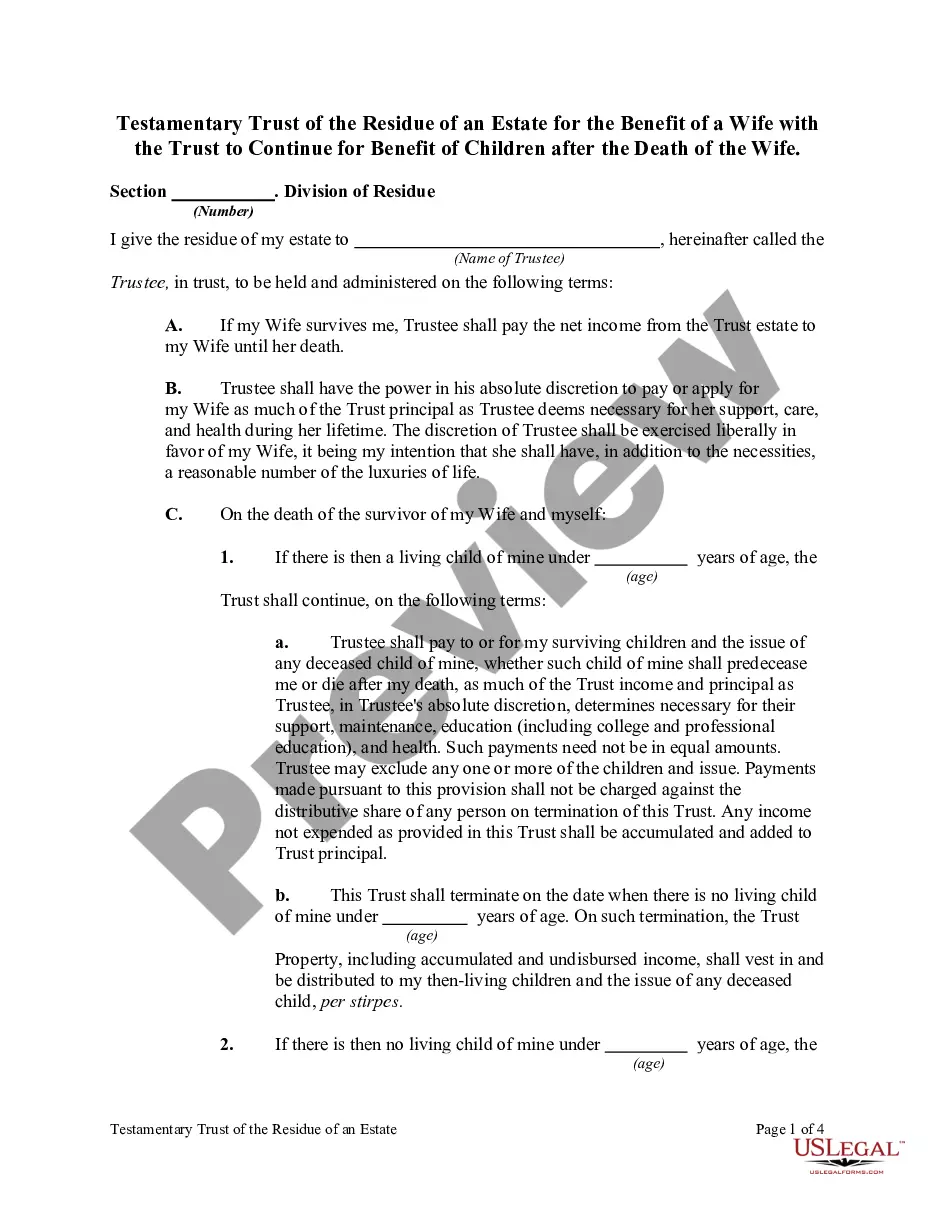
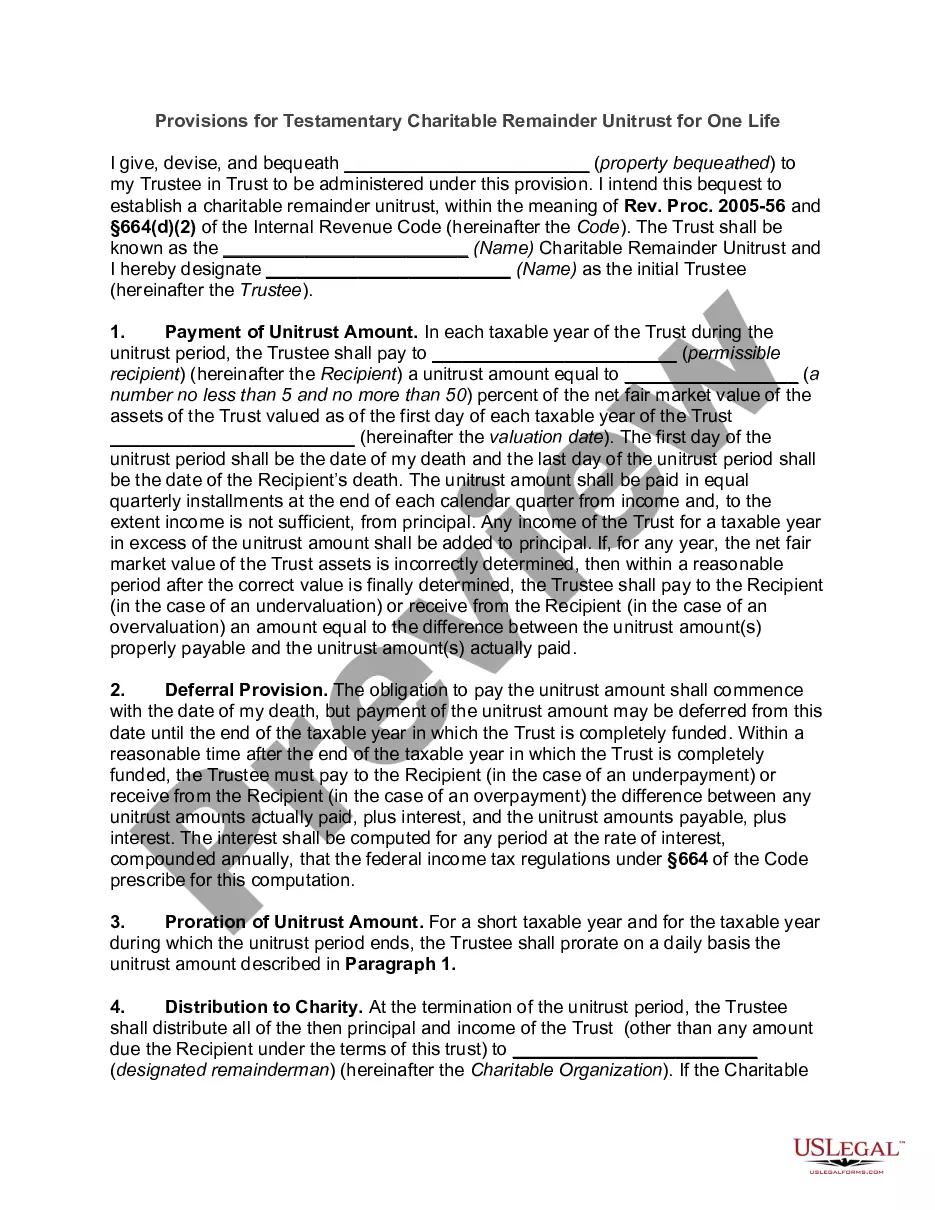
- Search for 'testamentary trust for disabled person' in the preview mode. Review the form description to ensure it meets your needs and adheres to your local jurisdiction requirements.
- If the form does not fit your criteria, utilize the search feature to find the appropriate document.
- Once you find the right form, click 'Buy Now' and select your desired subscription plan. You'll need to register for account access to benefit from the comprehensive library.
- Complete your purchase using your credit card or PayPal account.
- After payment, download the completed template to your device. You can always revisit your documents later in the 'My Forms' section of your profile.
Using US Legal Forms simplifies the creation of a testamentary trust, providing a robust collection of over 85,000 legal forms.
Don't hesitate; start your journey towards providing financial security today by visiting US Legal Forms!
Form popularity
FAQ
To set up a testamentary trust for a disabled person, start by consulting with an estate planning attorney. They will guide you through drafting a will that establishes the trust upon your passing. It's important to identify the disabled person as the beneficiary and specify how the trust will manage and distribute assets. By utilizing services like US Legal Forms, you can access the necessary documents and resources to streamline this process effectively.
Advantages of a testamentary trust for disabled person include the ability to control distributions after your death and the potential to protect assets from creditors. However, disadvantages include the probate process and possible delays in support for your loved ones. Weighing these factors is essential to making the best decision for your family's future.
One disadvantage of a testamentary trust for disabled person is that it may take time to become effective. Since it starts at the testator's death, there may be delays in accessing funds. Additionally, the need for a will as part of the setup means that it undergoes the probate process, which can be lengthy and public.
The assets in a testamentary trust for disabled person are owned by the trust itself, not by the individual beneficiaries. The trustee manages these assets according to the terms of the trust. This structure helps ensure that the assets are used for the intended purpose, providing secure support for your loved ones.
Yes, a special needs trust can be structured as a testamentary trust for disabled person. This allows the trust to take effect after your death, providing essential resources for the beneficiary. By doing this, you not only address their needs but also avoid jeopardizing any governmental assistance they may be receiving.
Establishing a testamentary trust for disabled person can be a wise decision if you want to provide long-term financial support. It ensures that your loved ones receive assistance while also protecting their eligibility for government benefits. Considering your family's unique situation is key when determining if this type of trust is right for you.
A testamentary trust for disabled person typically lasts until the assets are fully distributed according to the terms set in the will. This trust comes into effect after the passing of the person who created it. Therefore, its lifespan is dependent on the duration needed to manage the assets and fulfill the goals outlined in the trust document.
To write a testamentary trust, start by detailing your intentions in your will regarding how the trust will operate. It’s essential to include information like the trustee’s responsibilities, how assets will be used for the disabled person, and any specific conditions for distributions. Utilizing resources from US Legal Forms can help guide you in structuring your testamentary trust effectively, ensuring it meets legal standards and fulfills your wishes.
Writing a testamentary document involves outlining your wishes regarding asset distribution after your passing. To create a clear testamentary trust for a disabled person, it is significant to specify the terms, such as who will administer the trust and how funds should be allocated for their care. Drafting this document with the help of US Legal Forms can simplify the process, ensuring that all necessary legal language and requirements are fulfilled.
An example of a testamentary trust for a disabled person is a trust set up to provide ongoing financial support for that individual’s medical care and living expenses. For instance, a parent might establish a trust that funds therapy sessions and medication costs, ensuring that their child has access to necessary support without risking government benefits. This demonstrates how a testamentary trust can be a powerful tool for enhancing the quality of life of a disabled loved one.