Special Trust Disabled Contract For Employees
Description

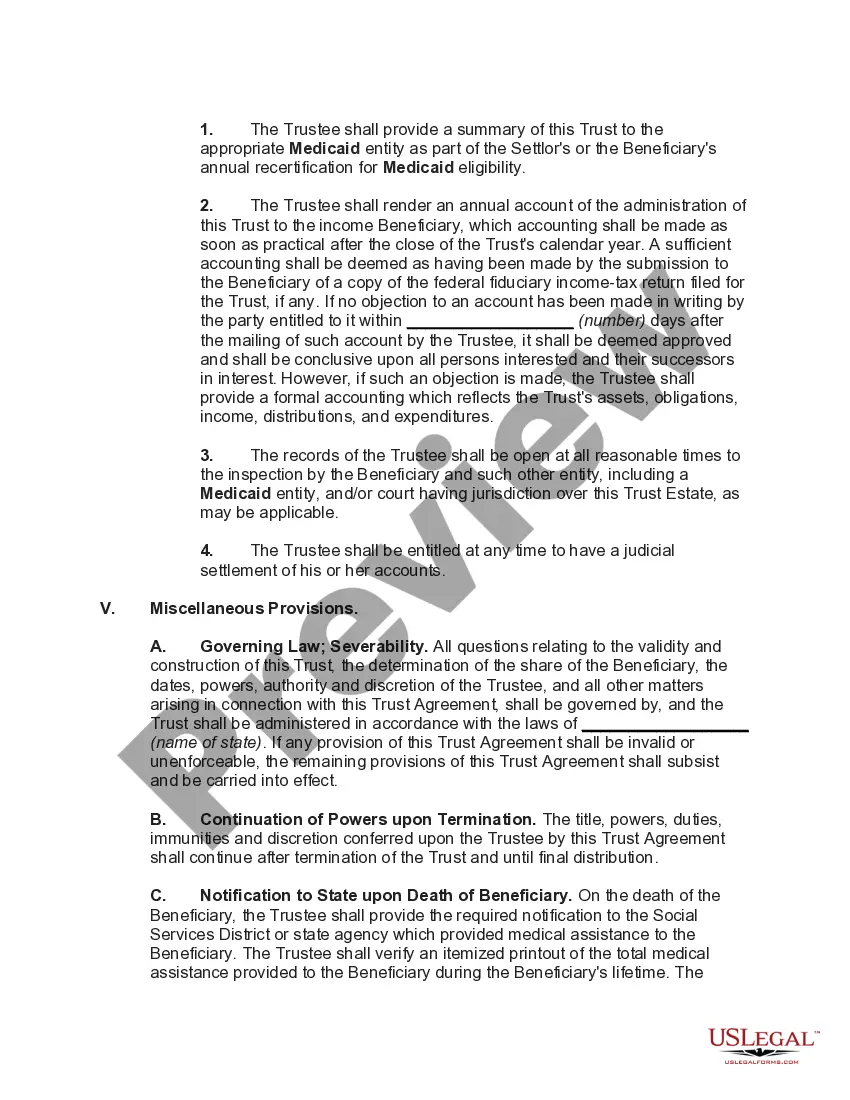
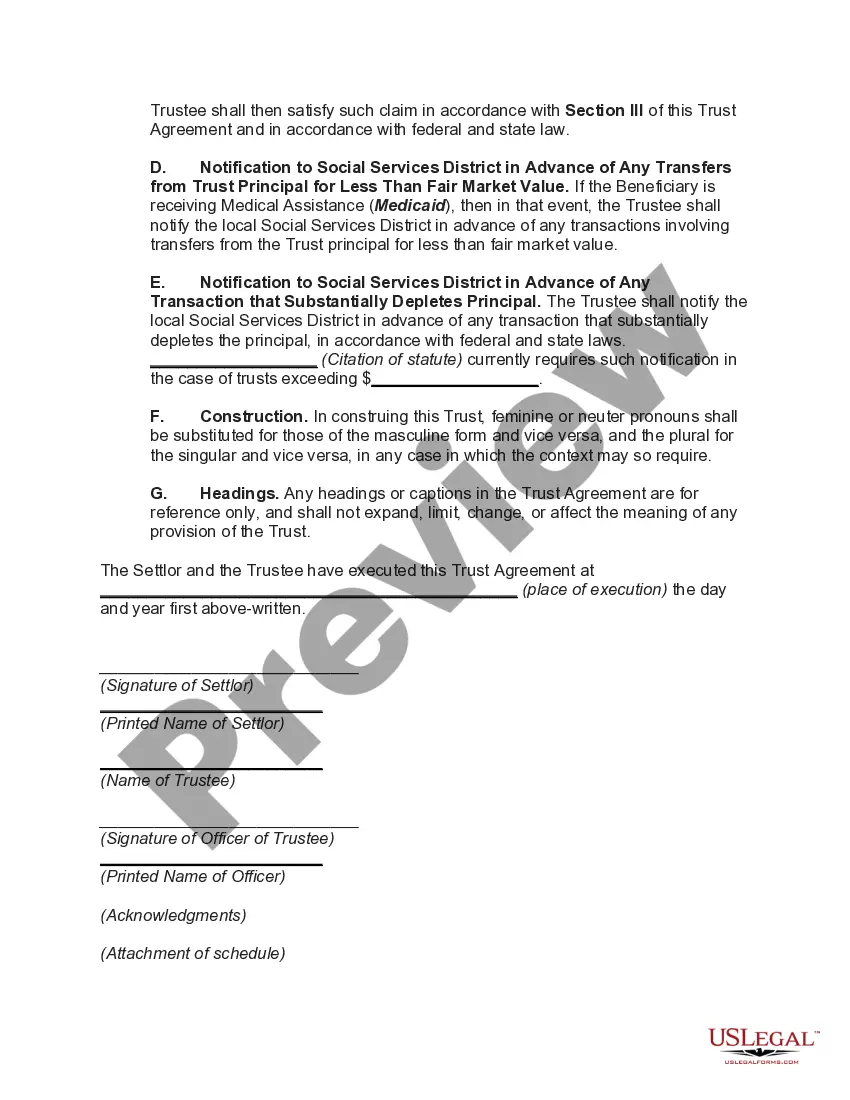
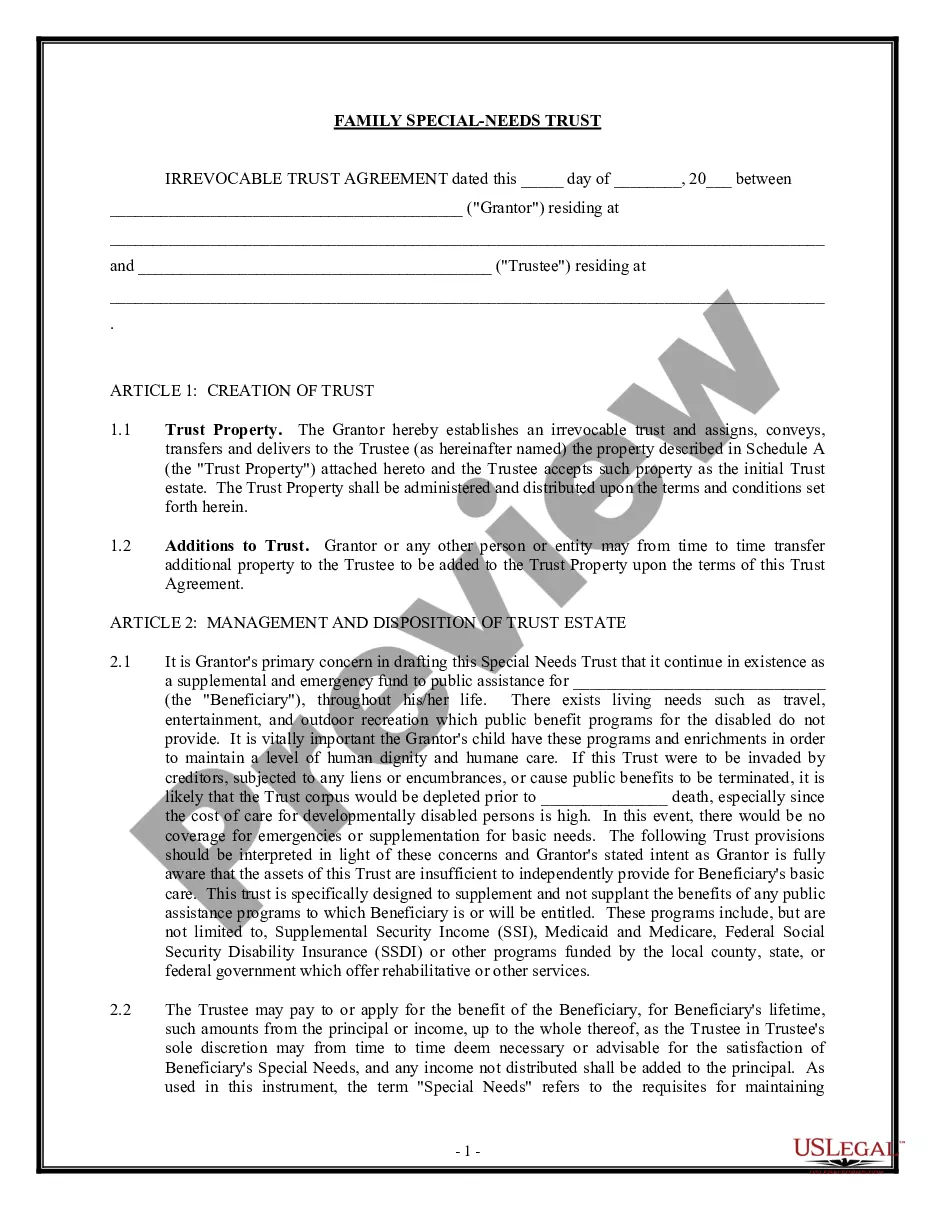



Get your form ready online
Our built-in tools help you complete, sign, share, and store your documents in one place.
Make edits, fill in missing information, and update formatting in US Legal Forms—just like you would in MS Word.
Download a copy, print it, send it by email, or mail it via USPS—whatever works best for your next step.
Sign and collect signatures with our SignNow integration. Send to multiple recipients, set reminders, and more. Go Premium to unlock E-Sign.
If this form requires notarization, complete it online through a secure video call—no need to meet a notary in person or wait for an appointment.
We protect your documents and personal data by following strict security and privacy standards.

Make edits, fill in missing information, and update formatting in US Legal Forms—just like you would in MS Word.

Download a copy, print it, send it by email, or mail it via USPS—whatever works best for your next step.

Sign and collect signatures with our SignNow integration. Send to multiple recipients, set reminders, and more. Go Premium to unlock E-Sign.

If this form requires notarization, complete it online through a secure video call—no need to meet a notary in person or wait for an appointment.

We protect your documents and personal data by following strict security and privacy standards.
Looking for another form?

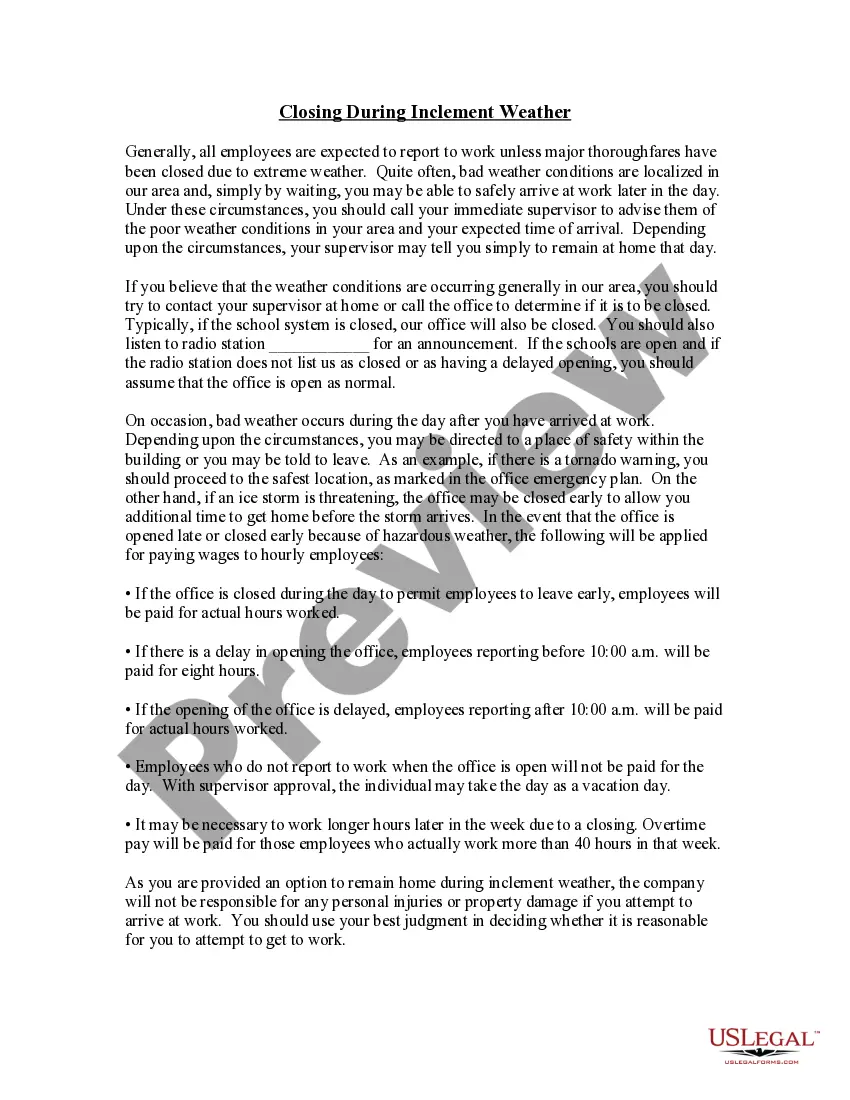
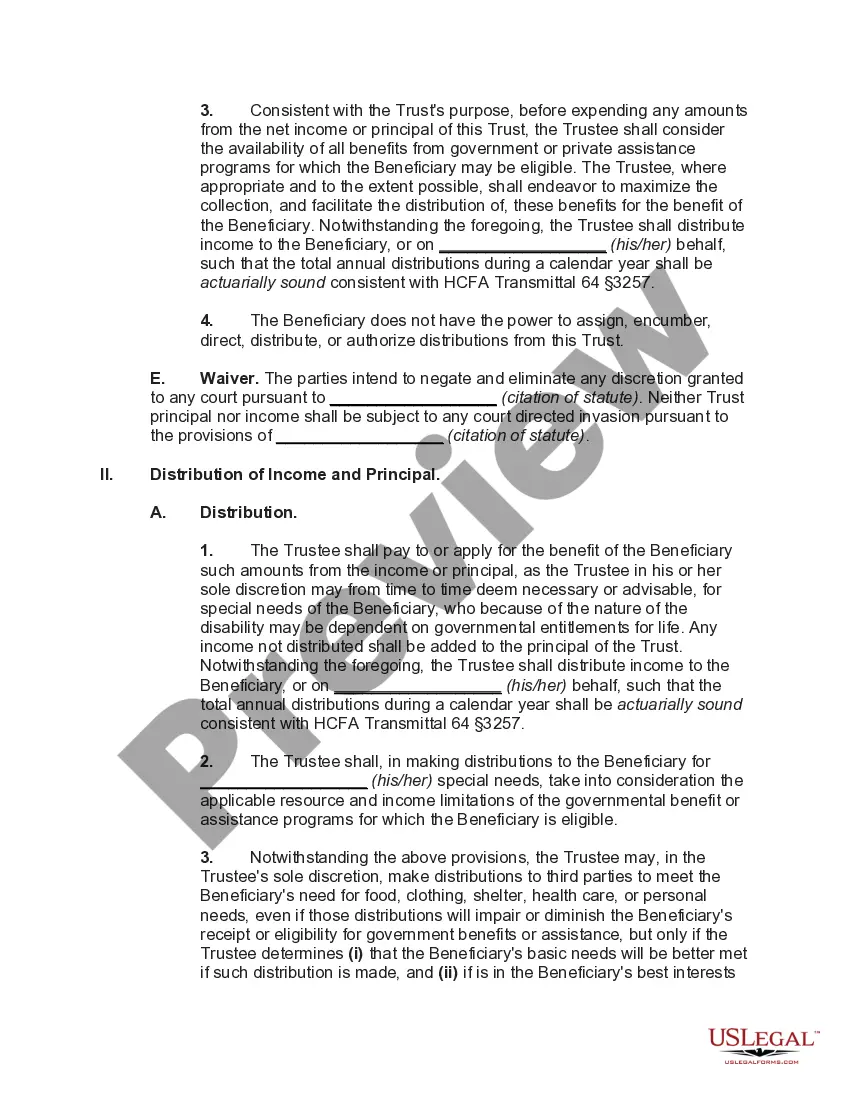
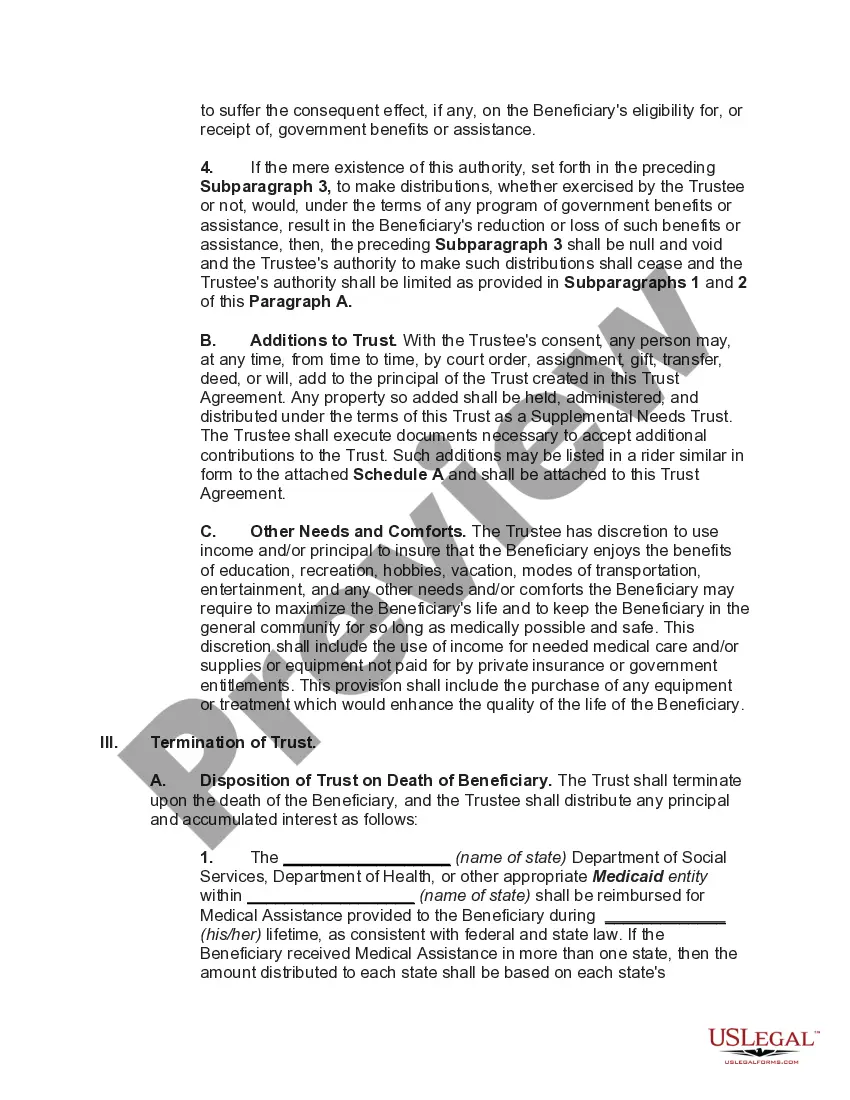
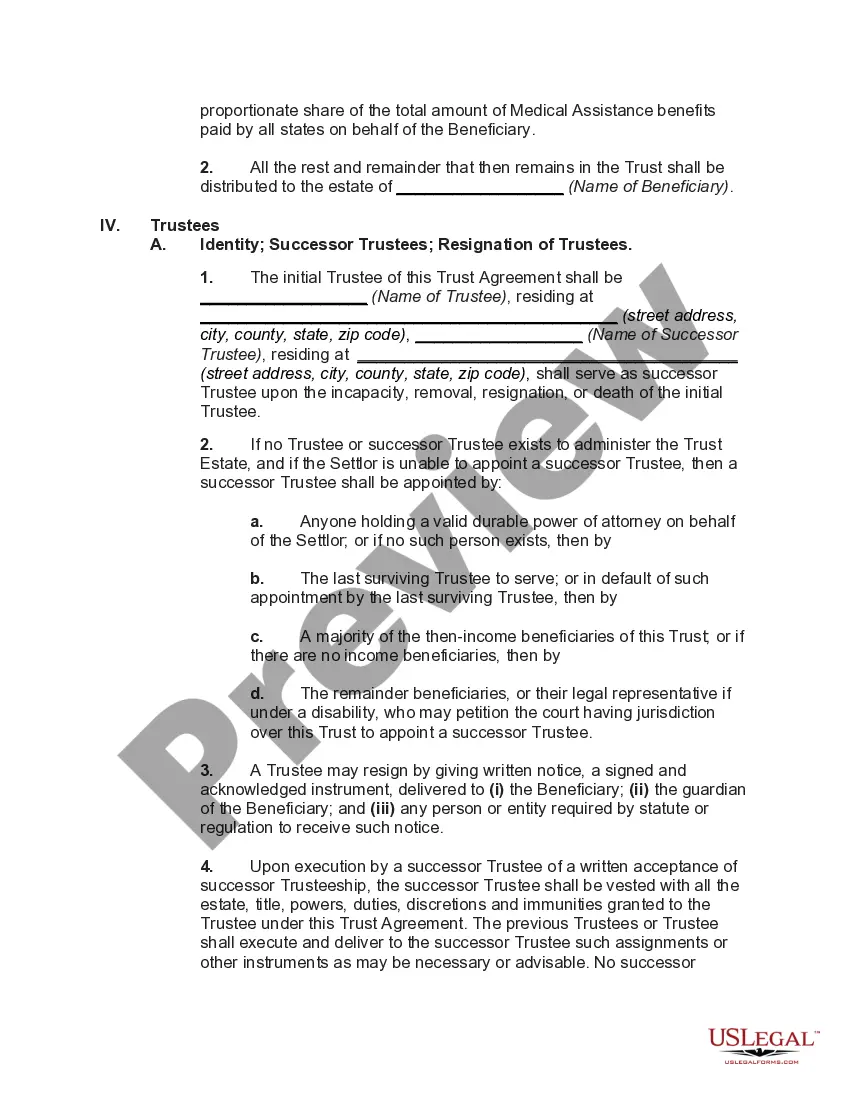
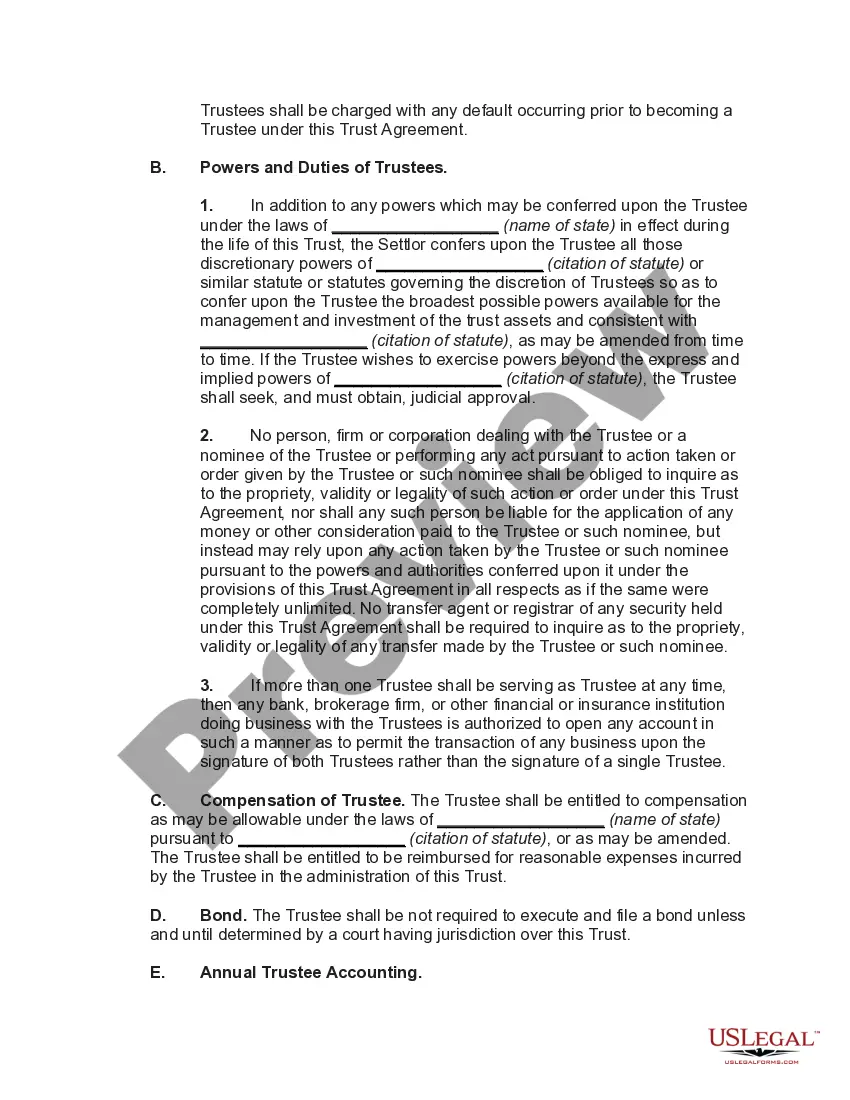
How to fill out Special Needs Irrevocable Trust Agreement For Benefit Of Disabled Child Of Trustor?
- If you're a returning user, log in to your account and select the desired form from the library. Ensure that your subscription is current; if it's expired, renew it as per your payment plan.
- For first-time users, begin by checking the Preview mode of the form you need, making sure it fits your requirements and complies with local jurisdiction criteria.
- If you need a different template, use the Search tab to explore other options that might be more suitable. Once you find the right document, proceed to the next step.
- Purchase your chosen document by clicking the Buy Now button and selecting your preferred subscription plan. You will need to set up an account to unlock access to the extensive library.
- Finalize your purchase by entering your payment details either through credit card or PayPal. After the transaction is complete, you can download your form.
- Store the downloaded template on your device for easy access. You can also find it anytime in the My Forms section of your profile.
In conclusion, US Legal Forms simplifies the process of obtaining legal documents, ensuring that users have access to a robust legal library and expert support. With over 85,000 easily fillable forms, it’s a reliable solution for legal needs.
Start your journey today and empower yourself with the legal resources you need!
Form popularity
FAQ
Setting up a trust fund for a disabled person involves several key steps, starting with identifying the type of trust that best meets the individual's needs. You'll need to select a trustworthy trustee and determine specific guidelines for fund distribution, while also considering tax implications. With services like USLegalForms, you can easily create a special trust disabled contract for employees, ensuring a smooth and effective setup process.
Qualifying for a disability trust often involves having a diagnosed physical or mental condition that limits daily life activities. Individuals may also need to demonstrate that they require additional financial support to maintain their quality of life. Establishing a special trust disabled contract for employees can help families navigate the qualification process and ensure that their loved ones receive the benefits they need.
The best trust for a disabled person generally is a special needs trust, as it is specifically designed to enhance the quality of life without disqualifying them from government assistance. This type of trust allows for flexible fund use while protecting assets from being counted against eligibility thresholds. By leveraging a special trust disabled contract for employees, families can tailor their approach to meet individual needs effectively.
Disability for a special needs trust typically refers to physical or mental impairments that substantially limit major life activities. This includes conditions like intellectual disabilities, autism, and chronic illnesses. When establishing a special trust disabled contract for employees, it’s important to clearly define the nature of the disability to ensure the trust meets legal requirements and provides the necessary support.
Yes, a disability trust is generally taxable. The income generated by the trust is subject to taxation, similar to other types of trusts. However, the specific tax implications can vary based on the trust's structure and the distributions made to beneficiaries. Considering a special trust disabled contract for employees can help ensure compliance and tax efficiency.
Filing taxes for a special needs trust requires careful attention to detail. The trust must obtain a Tax Identification Number (TIN) and file Form 1041, just like other trusts. Furthermore, any income generated must be reported, and beneficiaries must adhere to the rules surrounding distributions. Utilizing resources from USLegalForms can simplify this process for a special trust disabled contract for employees.
A special needs trust is not the same as a qualified disability trust. While both serve to support individuals with disabilities, a special needs trust is often used to protect assets without affecting government benefits. In contrast, a qualified disability trust has specific tax benefits and requirements. Understanding these distinctions is essential for creating a special trust disabled contract for employees.
You can create a special needs trust for yourself, often in the context of estate planning. However, this type of trust is typically designed to benefit others, such as a disabled family member. If you are considering a special trust disabled contract for employees, it is wise to seek professional guidance to structure the trust effectively and in compliance with regulations.
While it is not mandatory to hire a lawyer for a special needs trust, it is highly recommended. A legal professional can ensure that the trust document is correctly drafted and compliant with relevant laws, thereby avoiding complications. This is especially important for someone setting up a special trust disabled contract for employees, as individual circumstances may vary significantly.
Yes, you can create a trust fund for yourself, often referred to as a self-settled trust. This type of trust allows you to manage your assets while protecting them from creditors or ensuring they pass to your heirs. However, if you are disabled, a special trust disabled contract for employees may offer additional protections and benefits, so consider this option carefully.