Special Trust Disabled Complete With This Application
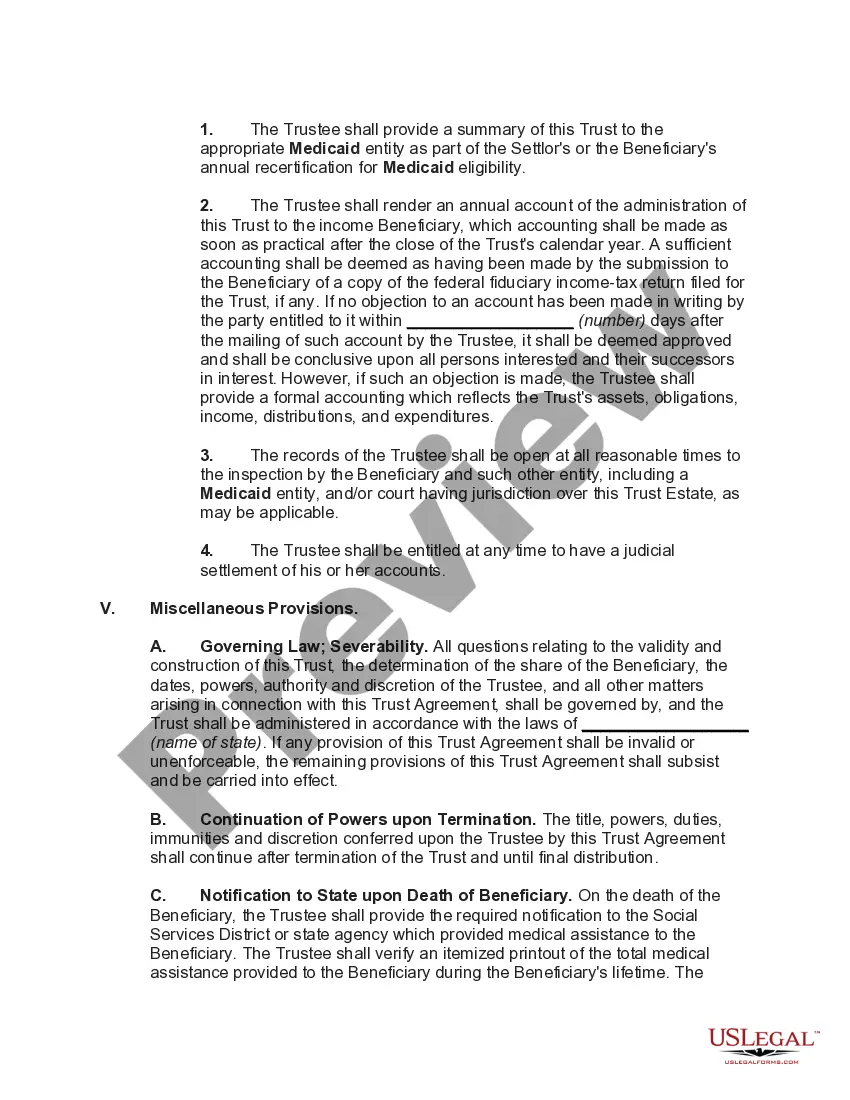
Description

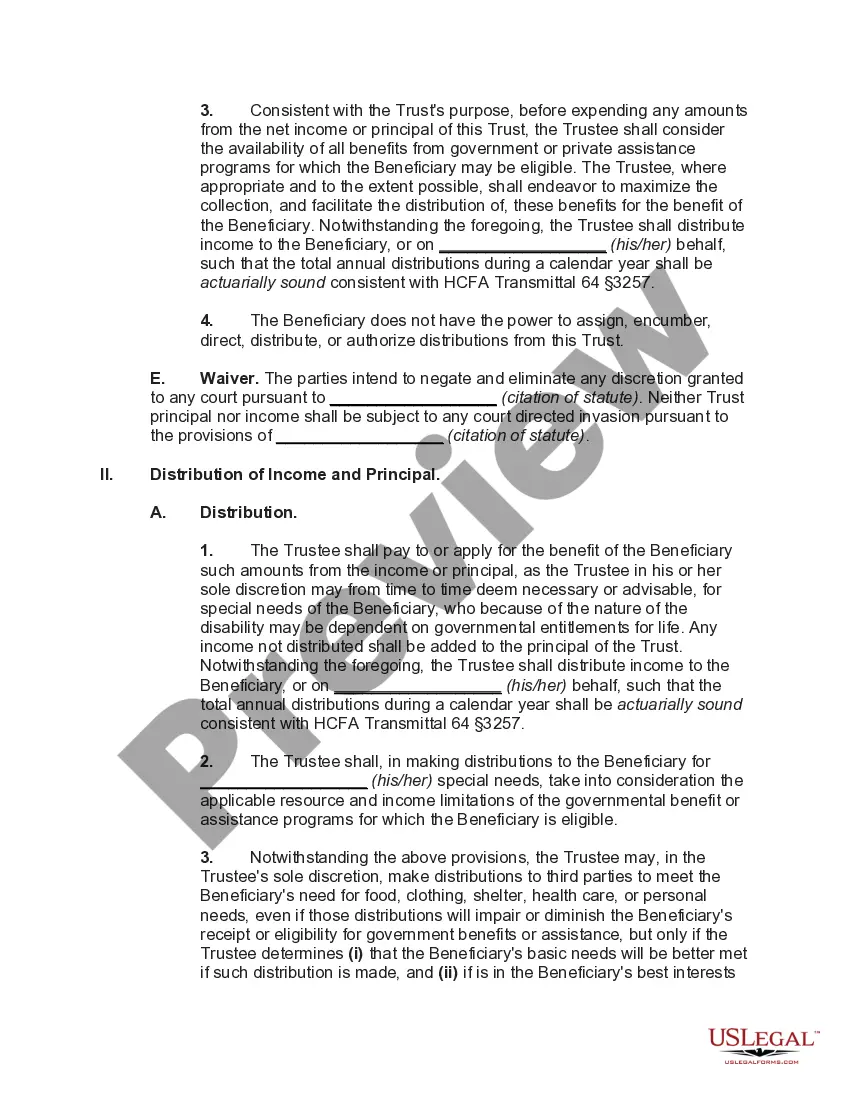
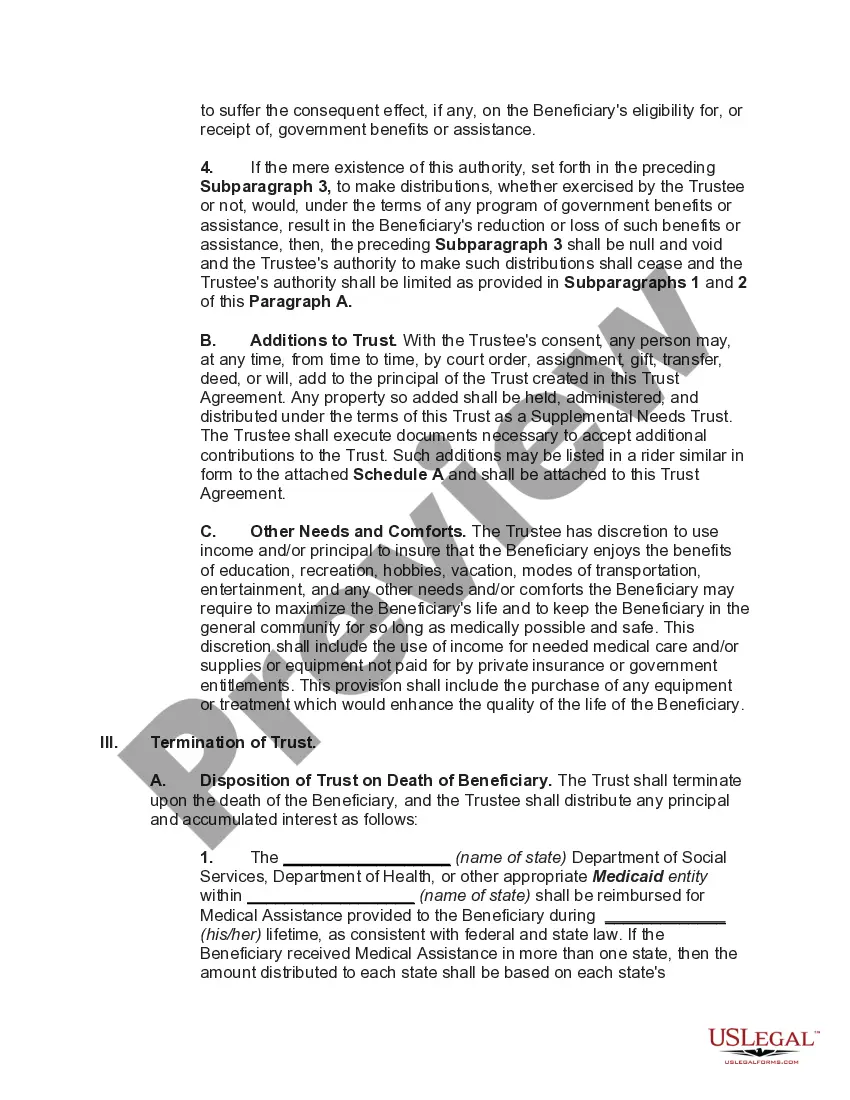
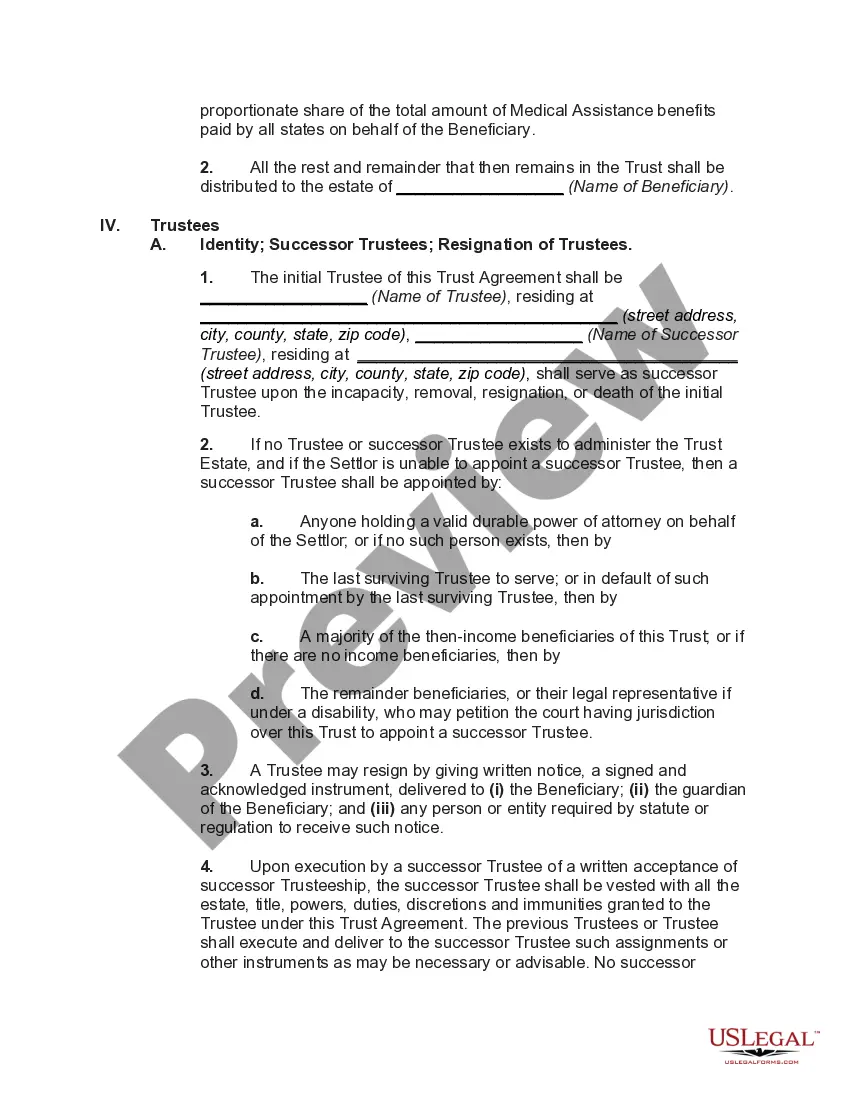
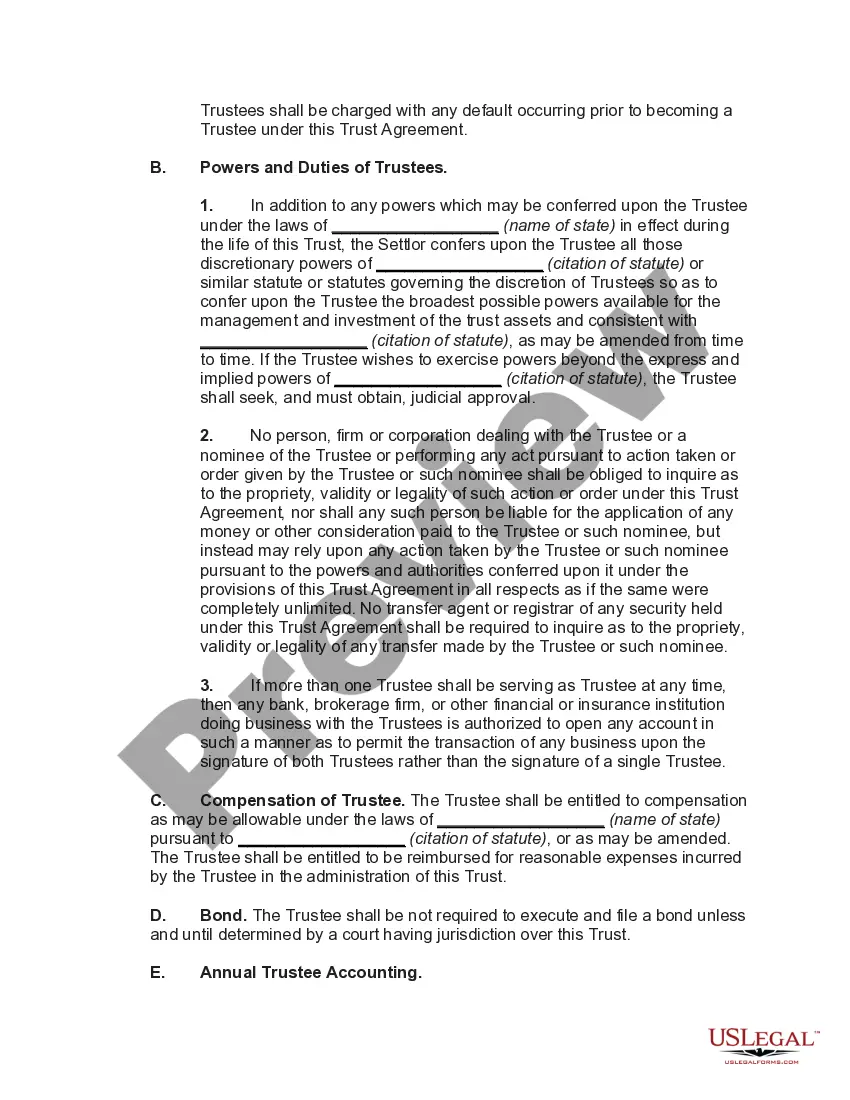



Get your form ready online
Our built-in tools help you complete, sign, share, and store your documents in one place.
Make edits, fill in missing information, and update formatting in US Legal Forms—just like you would in MS Word.
Download a copy, print it, send it by email, or mail it via USPS—whatever works best for your next step.
Sign and collect signatures with our SignNow integration. Send to multiple recipients, set reminders, and more. Go Premium to unlock E-Sign.
If this form requires notarization, complete it online through a secure video call—no need to meet a notary in person or wait for an appointment.
We protect your documents and personal data by following strict security and privacy standards.

Make edits, fill in missing information, and update formatting in US Legal Forms—just like you would in MS Word.

Download a copy, print it, send it by email, or mail it via USPS—whatever works best for your next step.

Sign and collect signatures with our SignNow integration. Send to multiple recipients, set reminders, and more. Go Premium to unlock E-Sign.

If this form requires notarization, complete it online through a secure video call—no need to meet a notary in person or wait for an appointment.

We protect your documents and personal data by following strict security and privacy standards.
Looking for another form?








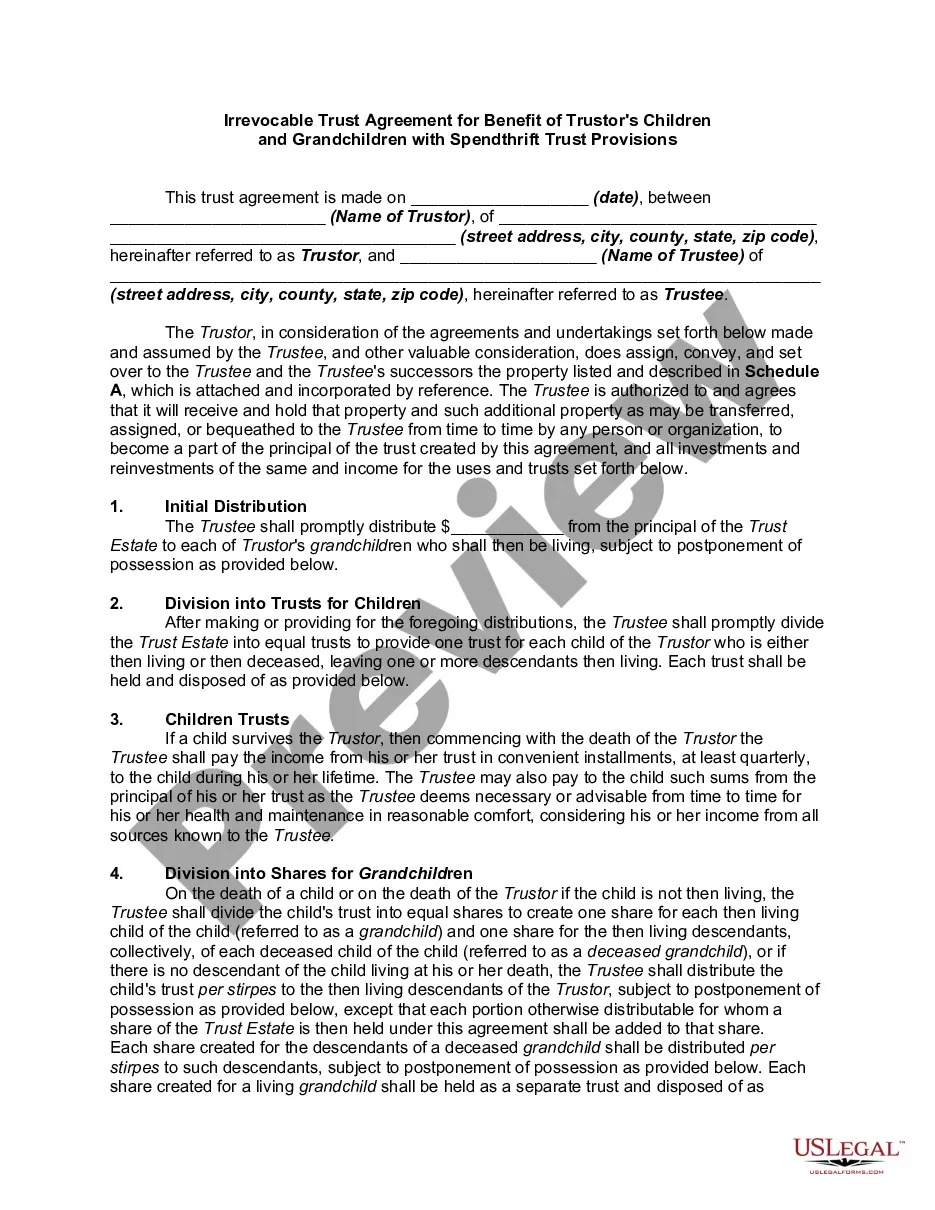
How to fill out Special Needs Irrevocable Trust Agreement For Benefit Of Disabled Child Of Trustor?
- If you're a returning user, log into your account and check that your subscription is active. If it's expired, renew it to continue accessing our extensive library of forms.
- For first-time users, begin by exploring the Preview mode and form descriptions. Ensure that you select a form that fully aligns with your specific requirements and legal jurisdiction.
- Should you encounter any issues in finding the right template, utilize the Search tab to locate alternatives that better fit your needs.
- Once you've identified the correct form, click the Buy Now button and select your preferred subscription plan. You'll need to register a new account if you haven't done so yet.
- Proceed to make your payment by entering your credit card information or using a PayPal account to finalize your purchase.
- Finally, download the form to your device and access it at any time through the My Forms section of your profile.
By following these straightforward steps, you can easily access US Legal Forms' vast library, which includes over 85,000 fillable and editable legal forms.
Start your journey towards hassle-free legal documentation today—access US Legal Forms and create your special trust with confidence!
Form popularity
FAQ
Filing a tax return for a special needs trust involves completing IRS Form 1041 for income generated by the trust. The trust must file taxes annually, detailing all income and expenses in compliance with IRS regulations. Understanding the specific obligations for a special trust disabled complete with this application helps in maintaining legal standing and ensures that you fulfill tax responsibilities. For assistance, use US Legal Forms to access resources that guide you through the complex filing process.
A qualified disability trust must meet specific IRS criteria, primarily designed to benefit individuals with disabilities. This type of trust allows income to be taxed at lower rates than individual income tax, ultimately maximizing benefits for the disabled person. Ensuring that your trust fulfills all legal definitions helps in protecting assets while maintaining access to necessary government programs. Consider using US Legal Forms to draft a compliant trust agreement that meets all necessary criteria.
To qualify for a special needs trust, the individual must have a disability that significantly impairs their daily functioning. The trust must be established to benefit the disabled person without jeopardizing their eligibility for government assistance programs. Completing this application correctly ensures compliance with legal requirements, allowing you to set aside funds for your loved one’s special needs. Use US Legal Forms to navigate this process smoothly and efficiently.
A qualified disability trust is taxed similarly to other trusts, with specific provisions for its beneficiaries. The trust itself may be required to file a tax return if it has taxable income. However, qualified disability trusts often allow beneficiaries to account for certain income exclusions. Seeking assistance from experts at uslegalforms can help clarify these tax responsibilities for a special trust disabled complete with this application.
Filing taxes on a special needs trust involves filling out IRS Form 1041, the U.S. Income Tax Return for Estates and Trusts. You will report the income, deductions, and any distributions made to the beneficiaries on this form. It’s essential to keep accurate records and receipts to support your filings. Having resources like uslegalforms can assist you with your special trust disabled complete with this application.
Yes, you generally need to file a tax return for a trust, including special needs trusts. Trusts are recognized as separate tax entities, and they must report income generated from assets held in the trust. Filing ensures that any tax obligations are met. Utilizing a service like uslegalforms can simplify this process for your special trust disabled complete with this application.
To terminate a special needs trust, you must follow legal procedures outlined in the trust document. Typically, both the trustee and the beneficiaries need to agree on the termination. Once consent is obtained, you can file a petition in court if required. Always consider consulting a professional to navigate the complexities of managing a special trust disabled complete with this application.
Some downsides of a special needs trust include the requirement of careful management and potential legal complexities. If not created or managed correctly, it could affect eligibility for government benefits. Additionally, establishing a trust incurs initial setup costs and ongoing maintenance fees. However, using our platform to create a special trust disabled complete with this application can greatly simplify the process while addressing these concerns.
The individual benefiting from the special needs trust is often referred to as the beneficiary, not the owner. The owner is typically the person who creates the trust, known as the grantor or settlor. The designated trustee manages the assets within the trust to serve the beneficiary's needs. You can establish a special trust disabled complete with this application on our platform for an organized and efficient setup.
A common example of a special trust is a special needs trust, which is established to benefit individuals with disabilities. This trust allows them to receive support without jeopardizing their eligibility for government benefits. Such arrangements ensure that beneficiaries receive financial assistance while keeping their needs at the forefront. Our platform can help you create a special trust disabled complete with this application efficiently.