Special Trust Child Statement Withholding
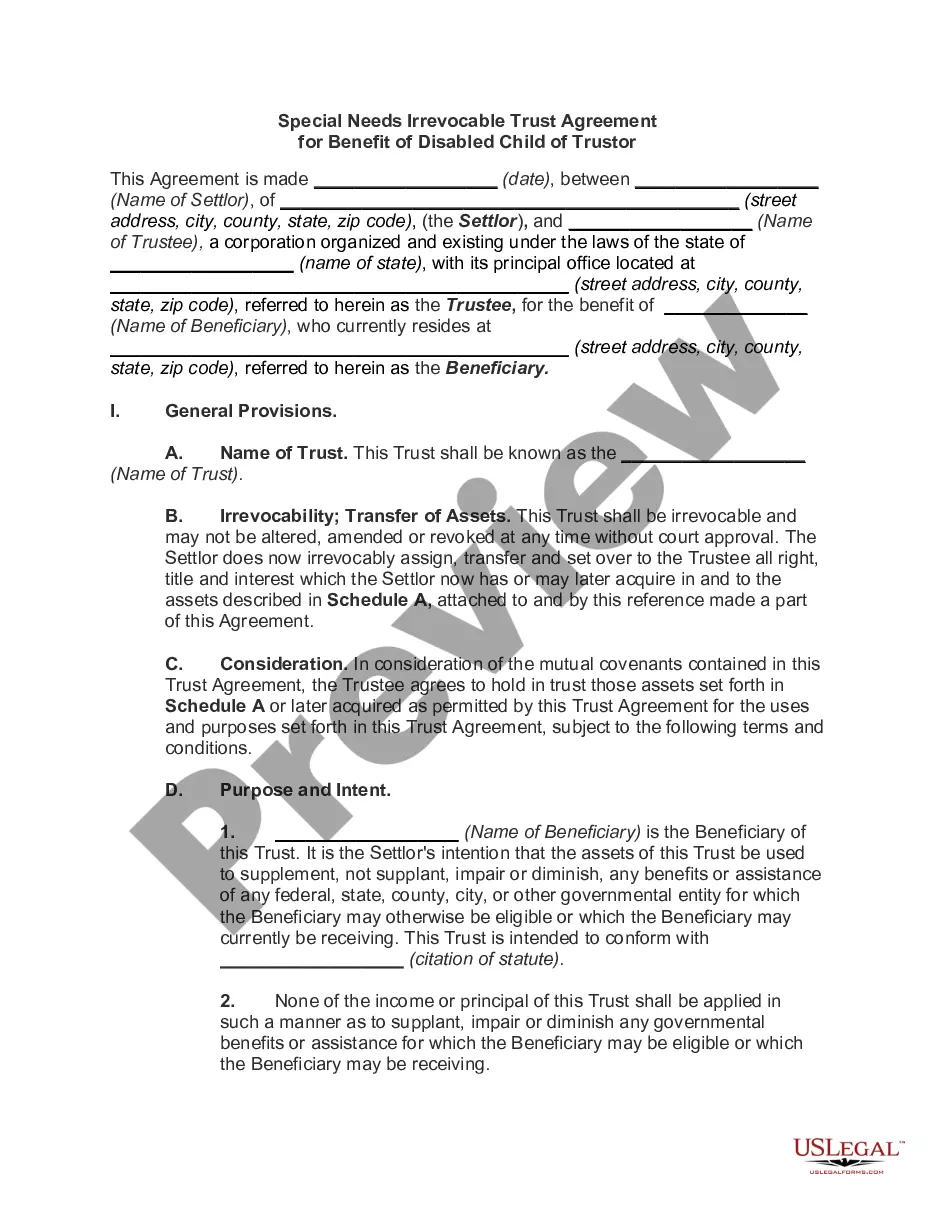
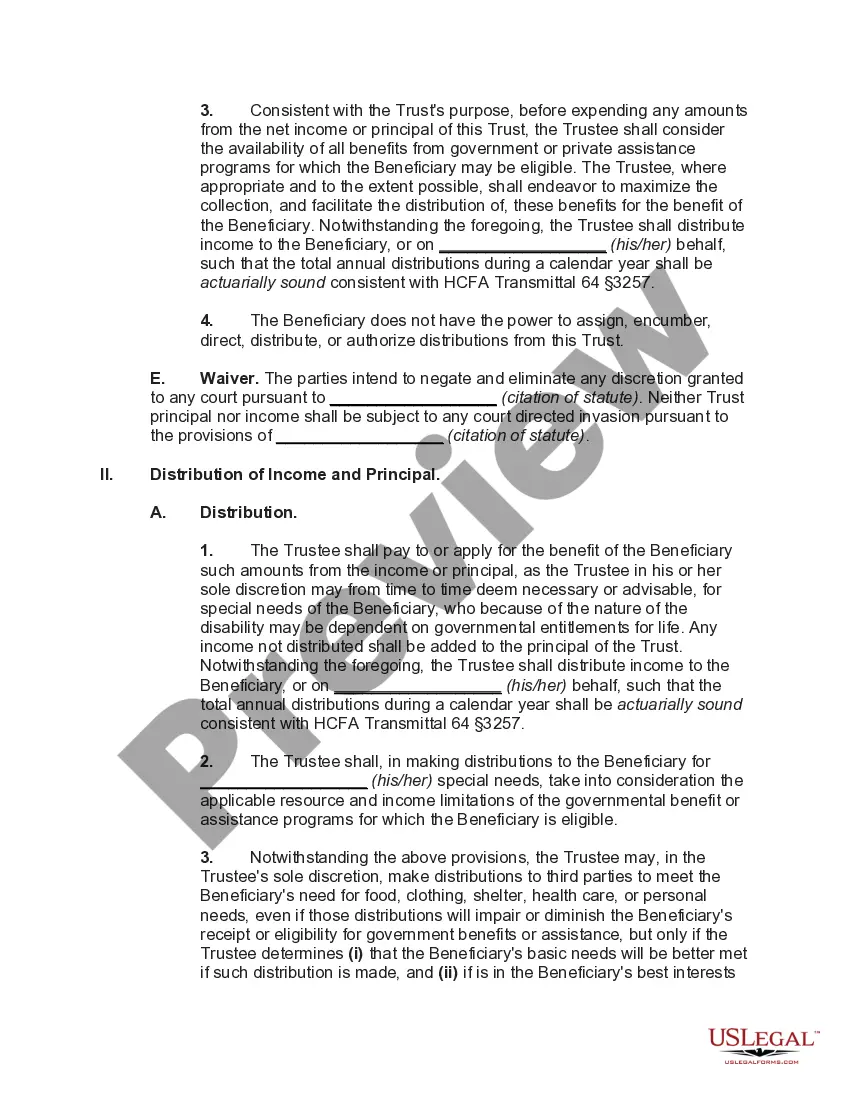
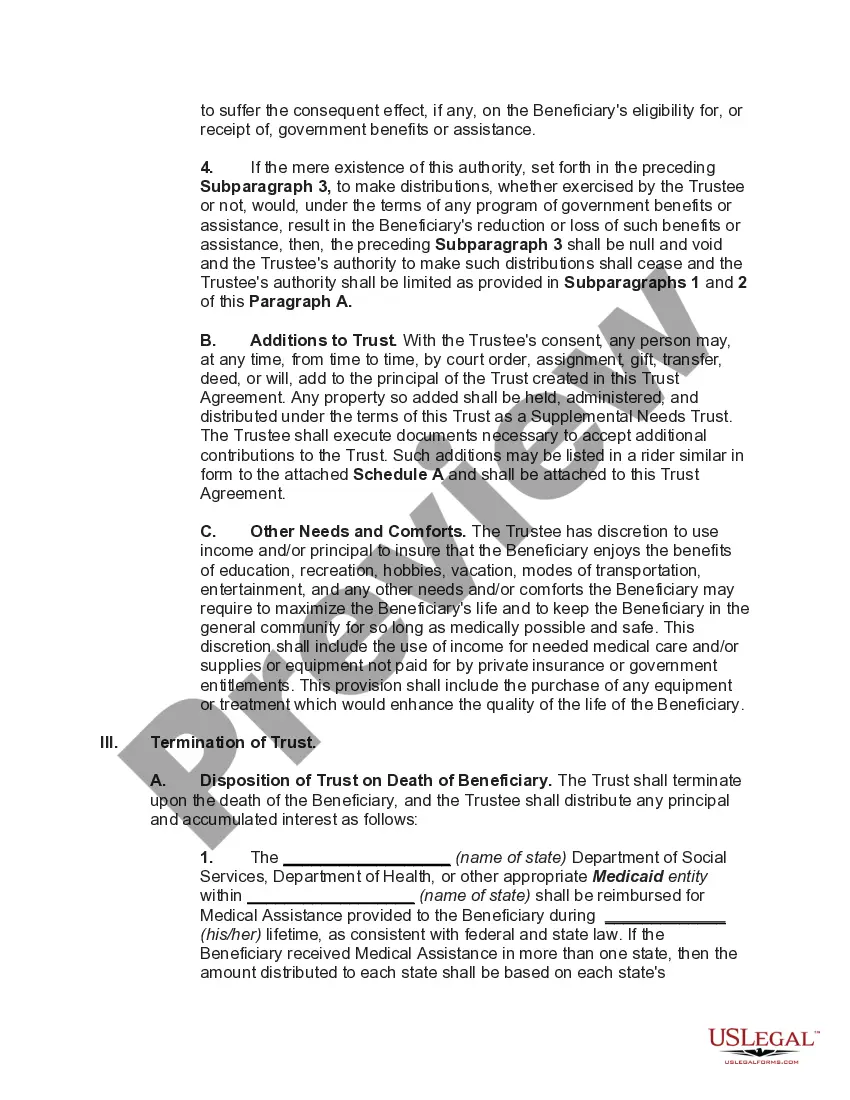
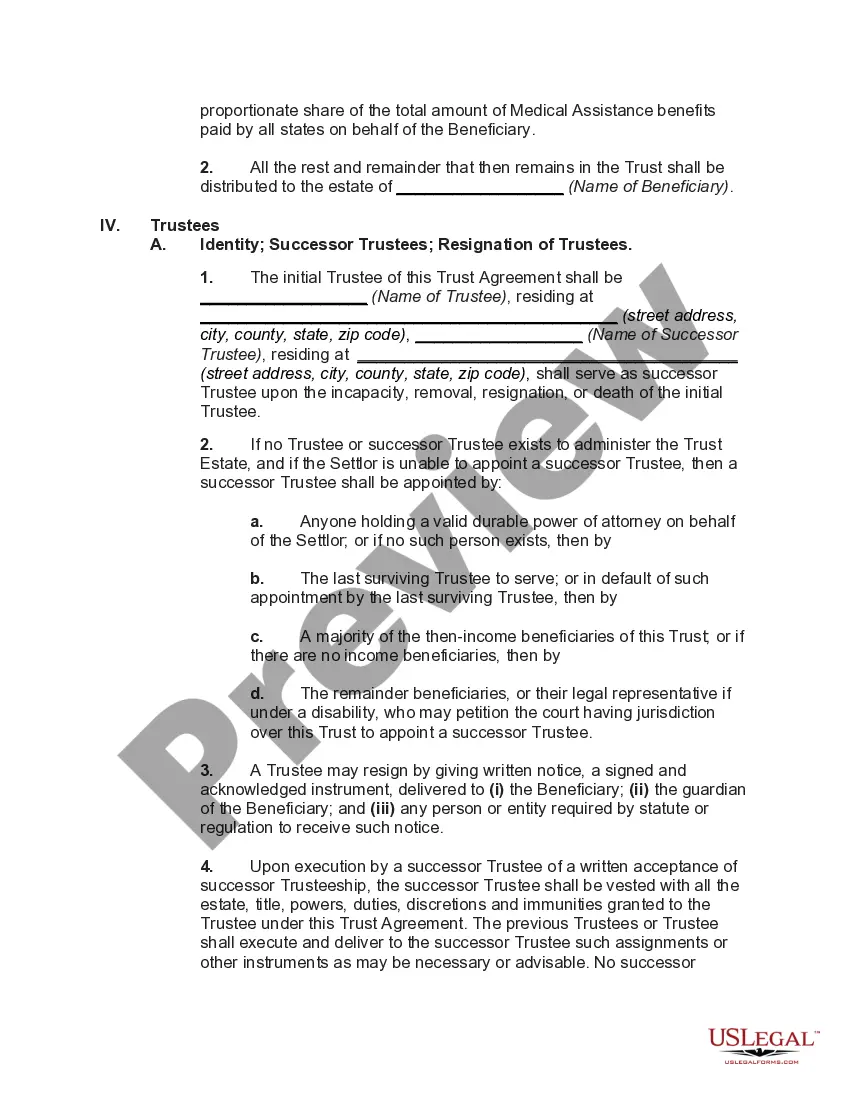
Description

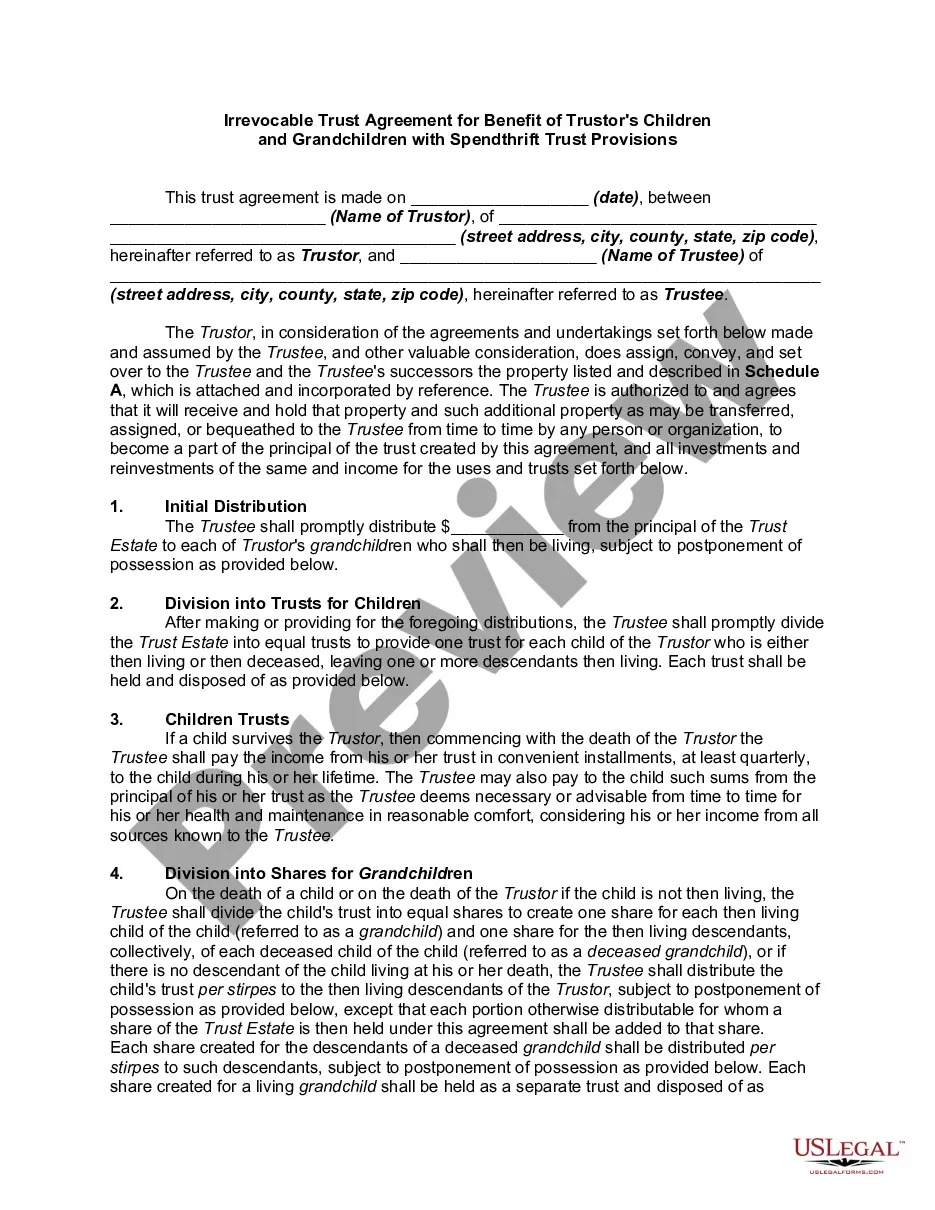
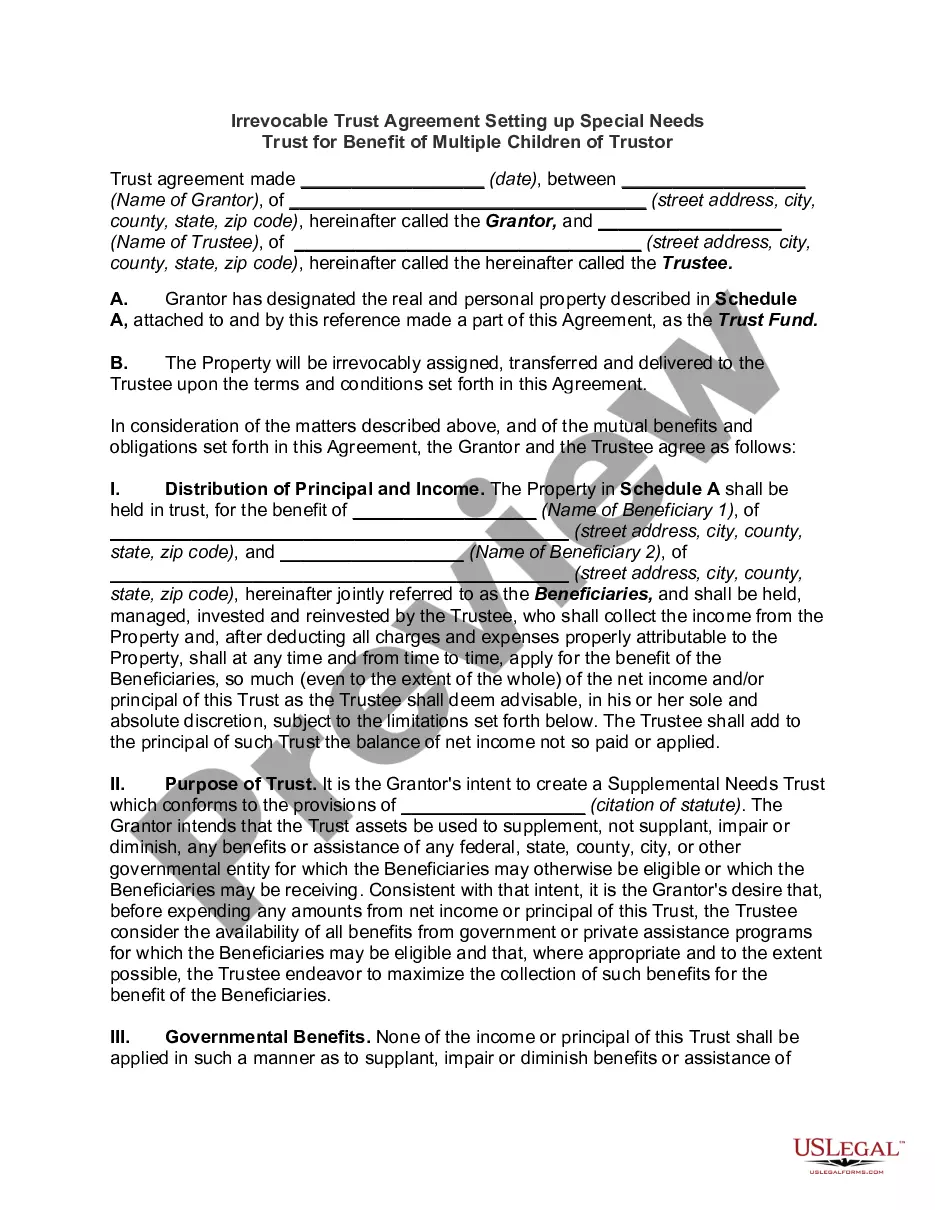
Get your form ready online
Our built-in tools help you complete, sign, share, and store your documents in one place.
Make edits, fill in missing information, and update formatting in US Legal Forms—just like you would in MS Word.
Download a copy, print it, send it by email, or mail it via USPS—whatever works best for your next step.
Sign and collect signatures with our SignNow integration. Send to multiple recipients, set reminders, and more. Go Premium to unlock E-Sign.
If this form requires notarization, complete it online through a secure video call—no need to meet a notary in person or wait for an appointment.
We protect your documents and personal data by following strict security and privacy standards.

Make edits, fill in missing information, and update formatting in US Legal Forms—just like you would in MS Word.

Download a copy, print it, send it by email, or mail it via USPS—whatever works best for your next step.

Sign and collect signatures with our SignNow integration. Send to multiple recipients, set reminders, and more. Go Premium to unlock E-Sign.

If this form requires notarization, complete it online through a secure video call—no need to meet a notary in person or wait for an appointment.

We protect your documents and personal data by following strict security and privacy standards.
Looking for another form?

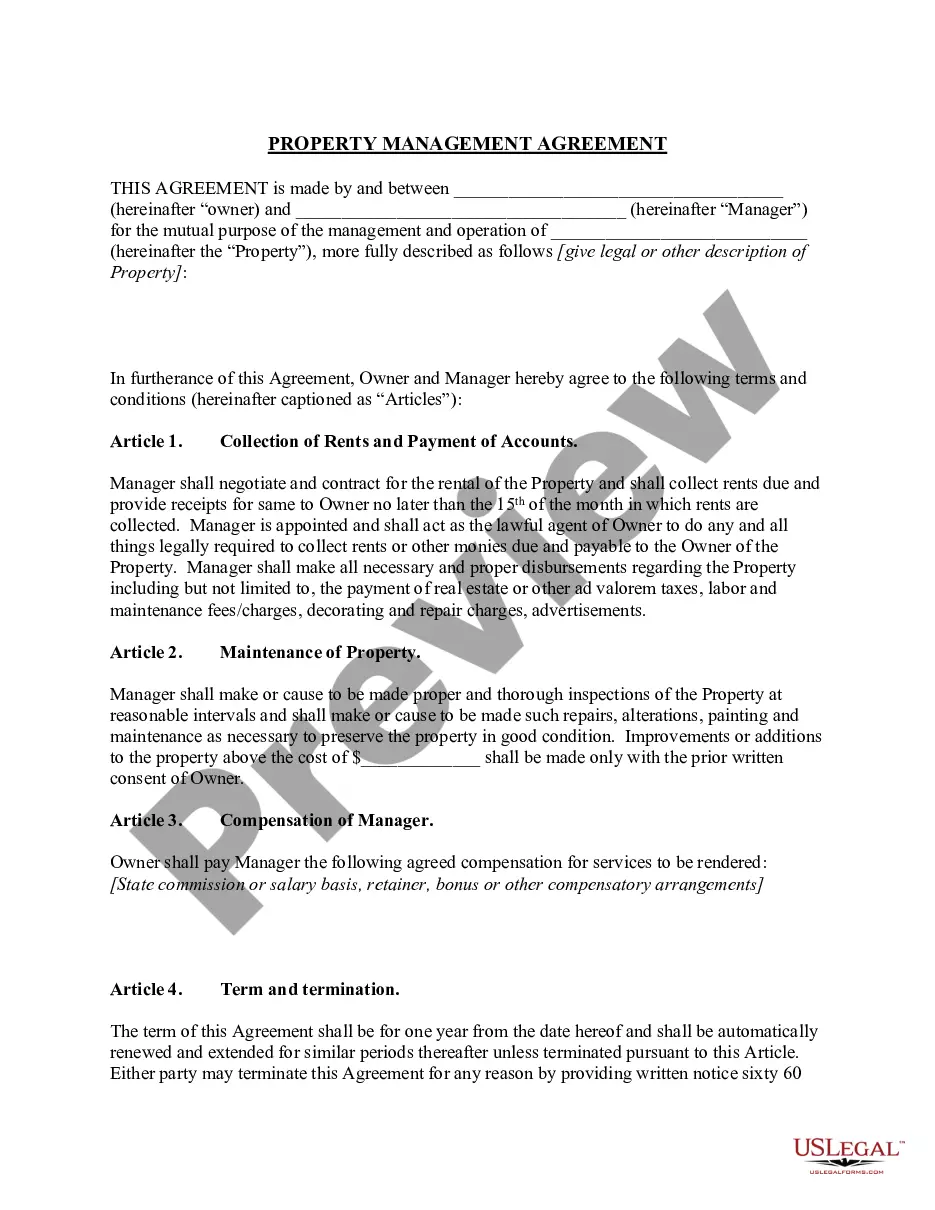





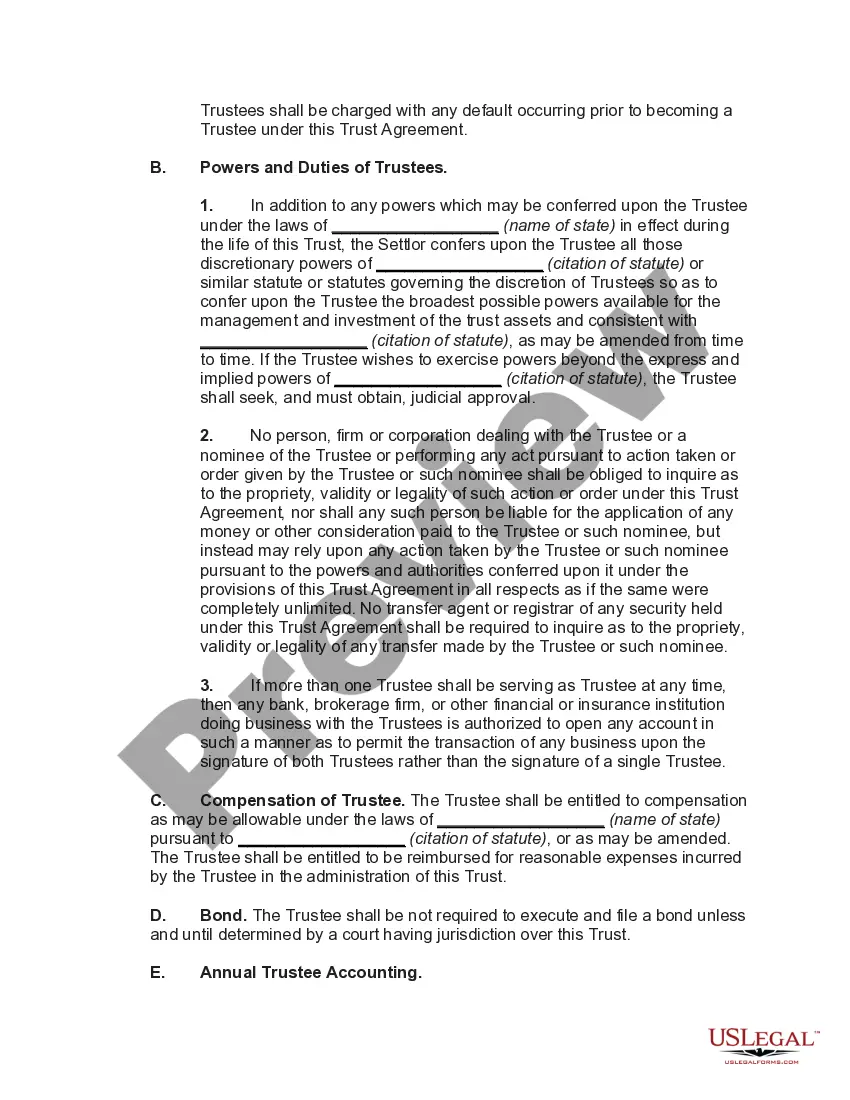
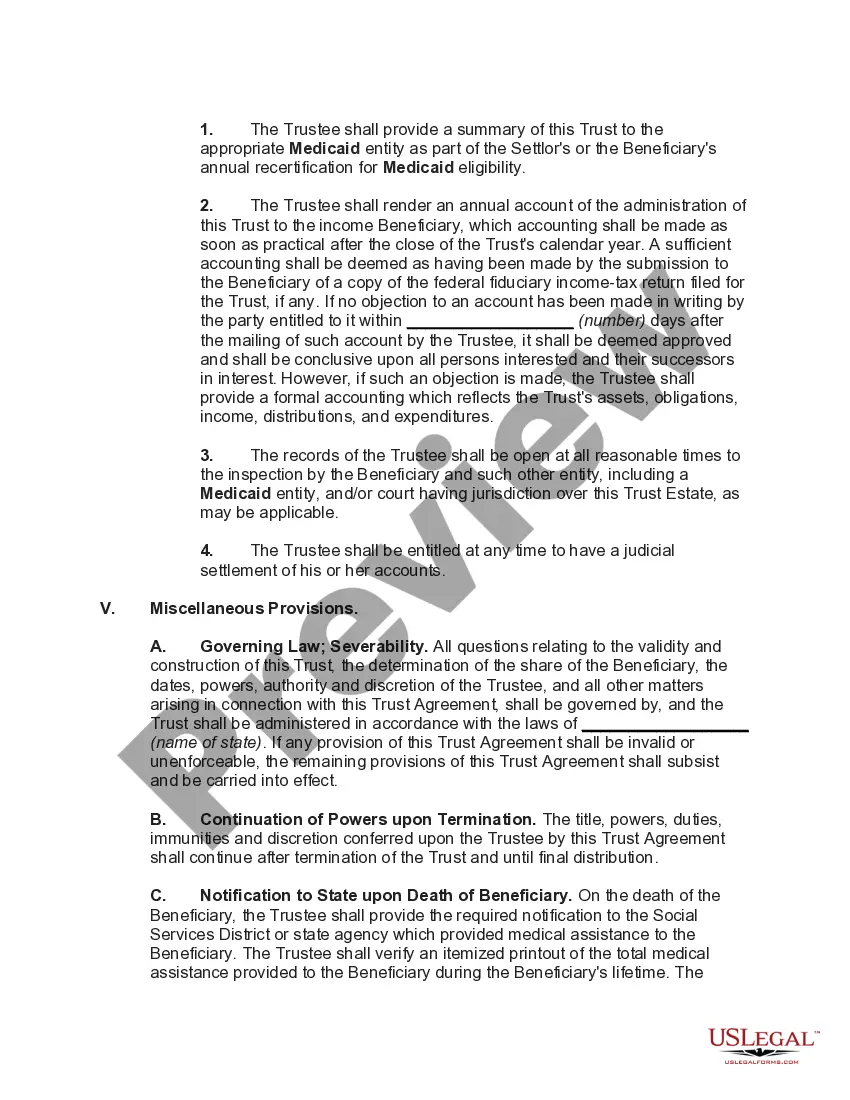
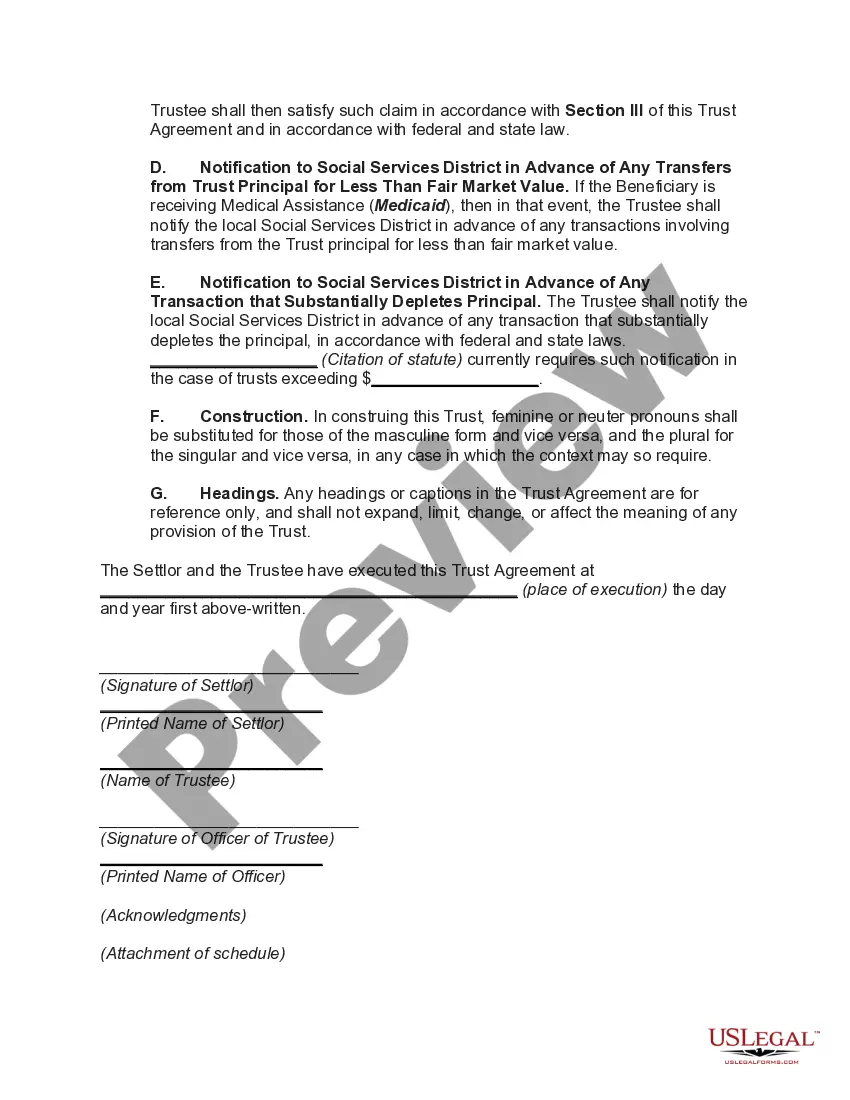
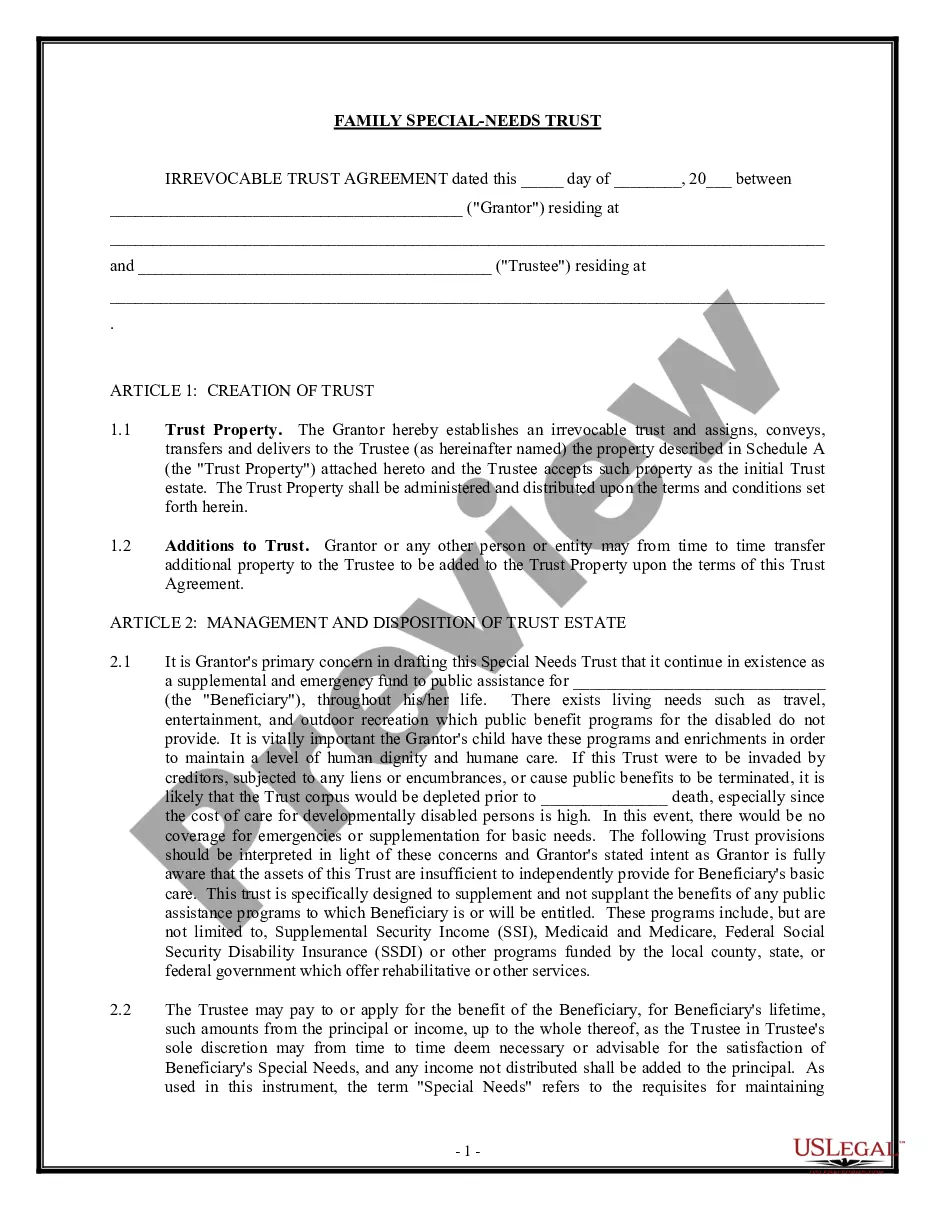
How to fill out Special Needs Irrevocable Trust Agreement For Benefit Of Disabled Child Of Trustor?
- Log in to your existing US Legal Forms account to access your form template. Ensure your subscription is active; if not, renew it to continue.
- If you're new to US Legal Forms, start by browsing the extensive library. Use the Preview mode to review the descriptions and confirm the selected form fits your local jurisdiction.
- In case of discrepancies or if you need a different template, utilize the search function to locate the correct document.
- Once you find the appropriate form, click the 'Buy Now' button. Select a subscription plan that meets your requirements and create an account for full access.
- Complete your purchase by entering your payment information via credit card or PayPal.
- Finally, download the form and save it on your device. You can easily access it later from the 'My Forms' section on your profile.
In conclusion, US Legal Forms provides a seamless way to manage your legal documents, ensuring you have everything you need at your fingertips. With a diverse form collection and expert assistance, you can confidently handle your legal needs.
Get started today to simplify your legal paperwork process!
Form popularity
FAQ
An estate may allocate estimated tax payments to a beneficiary in situations where the estate generates income that could impact the beneficiary’s tax situation. This allocation helps beneficiaries manage their tax obligations effectively, especially if they receive distributions. It's wise to utilize a service like uslegalforms to ensure compliance with special trust child statement withholding and other tax requirements when handling these allocations.
Trust capital losses generally cannot be directly distributed to beneficiaries like income can. However, the trust can use those losses to offset any capital gains within the trust, which may reduce the overall tax burden. If beneficiaries receive distributions, the trust may provide special trust child statement withholding to clarify any tax implications related to those distributions.
Yes, a trust can allocate withholding to a beneficiary, allowing them to receive distributions while still addressing tax obligations. When the trust makes distributions, it can provide a special trust child statement withholding that specifies the allocated amount for the beneficiary's tax purposes. This process helps to ensure that both the trust and the beneficiaries meet their tax responsibilities efficiently.
To close a trust with the IRS, you need to file a final tax return, specifically Form 1041, which reports the trust's income and expenses for the year of closure. Be sure to indicate that this is the final return by checking the appropriate box on the form. After settling any tax liabilities, you can distribute the remaining assets to beneficiaries, being mindful of special trust child statement withholding, if applicable.
If your child receives a 1099-INT, you typically need to report that income on your tax return. The 1099-INT indicates interest income, which is generally taxable. Understanding how special trust child statement withholding interacts with this reporting is important, so consulting a tax professional may help clarify your obligations.
Alternatives to a special needs trust include ABLE accounts, pooled trusts, or simply providing direct financial support. Each option has unique benefits and drawbacks; thus, it's essential to evaluate carefully. Utilizing resources like US Legal Forms can help you explore these alternatives effectively, particularly concerning special trust child statement withholding.
Yes, a special needs trust can be taxed, depending on how it generates income. If the trust earns interest or dividends, that income is typically subject to taxation. Understanding the implications of special trust child statement withholding is vital in managing overall tax liability effectively.
The IRS treats special needs trusts under specific tax rules. Generally, they are considered separate tax entities, meaning they must file their own tax returns. This may involve reporting income generated by the trust. It’s essential to understand the concept of special trust child statement withholding, which can influence tax responsibilities.
Yes, a special needs trust must obtain its own tax identification number, known as an Employer Identification Number (EIN). This number is necessary for the trust to file tax returns independently of the grantor. Securing an EIN sets the foundation for managing the trust’s financial activities properly. Consider using platforms like US Legal Forms to navigate this process smoothly.
One downside of a special needs trust is the limited flexibility in how funds can be used. The trust must adhere to strict guidelines to maintain eligibility for government benefits. Additionally, administrative costs and potential tax implications can arise. Careful planning from professionals can help mitigate these issues and ensure the trust meets its intended purpose.