Special Needs Trustee
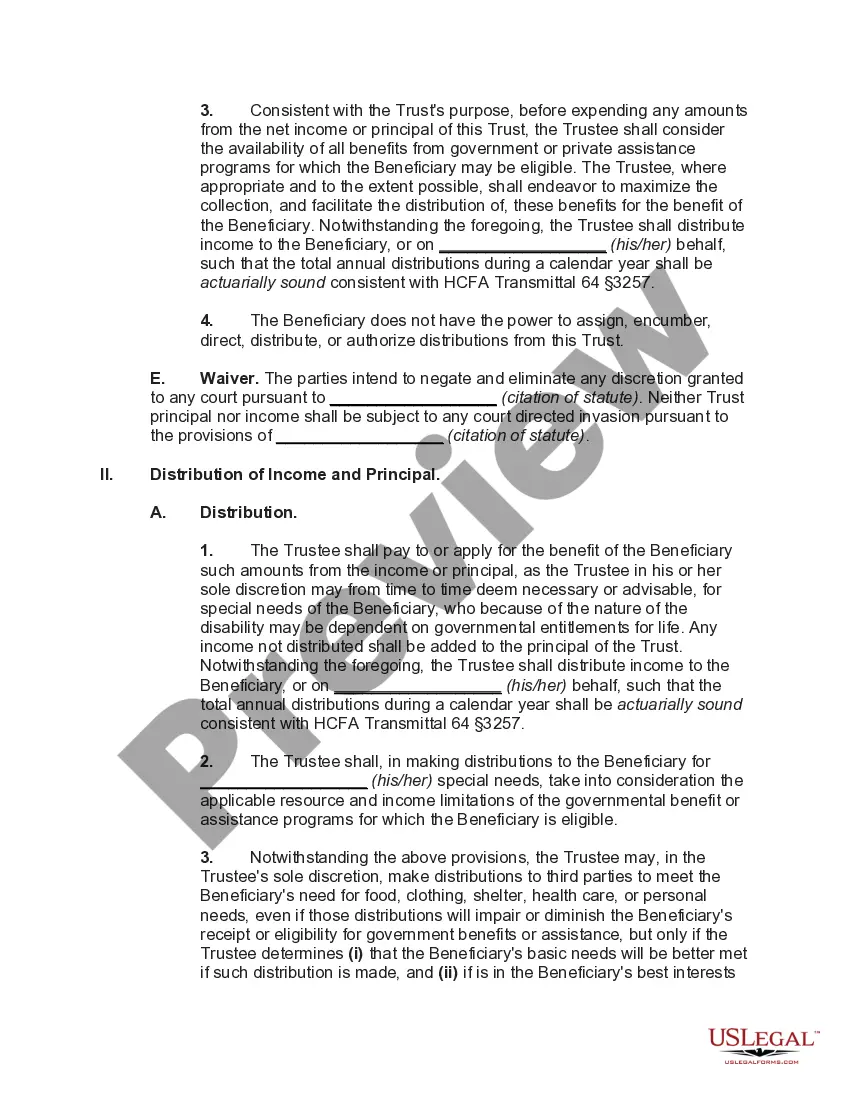
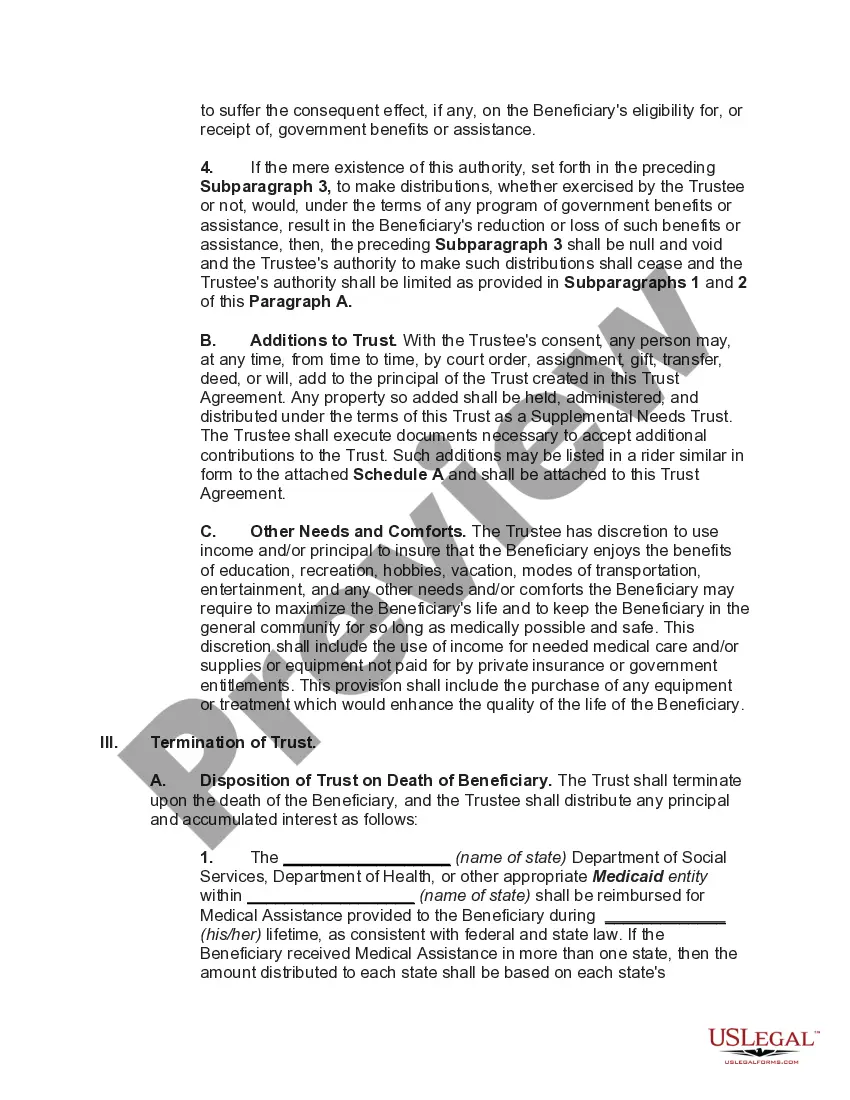
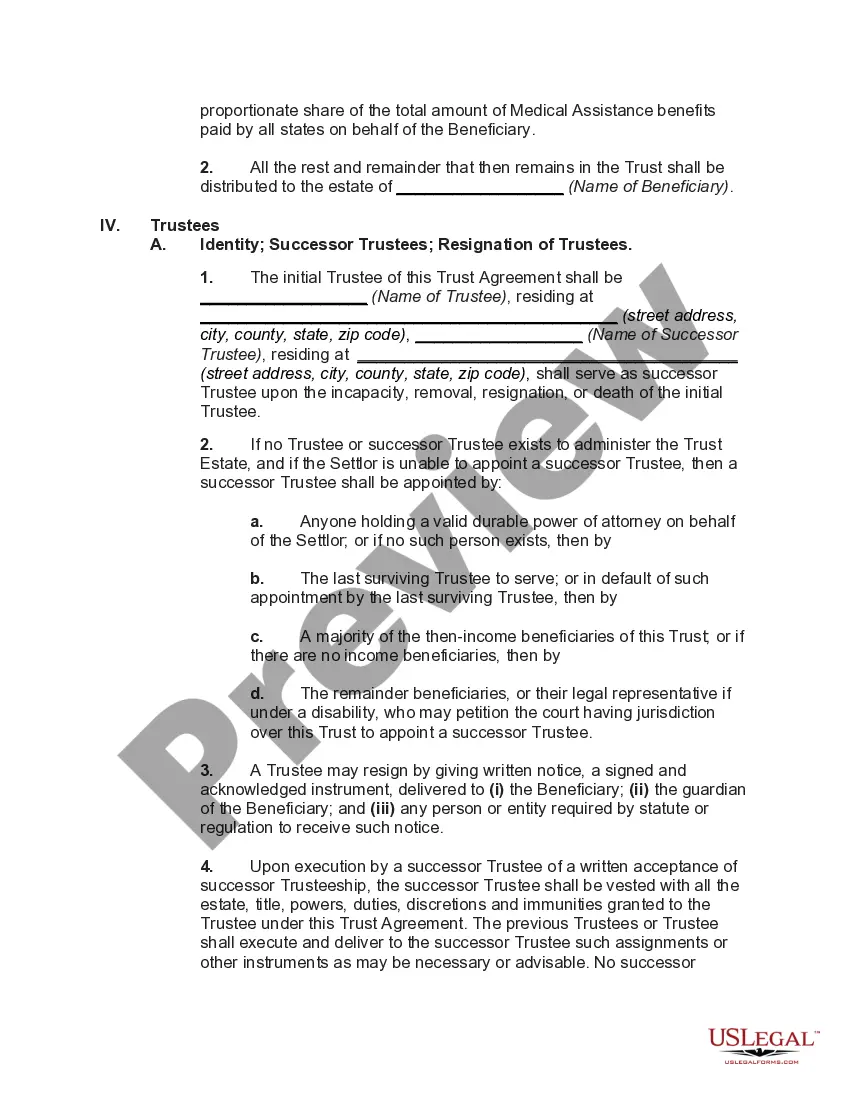
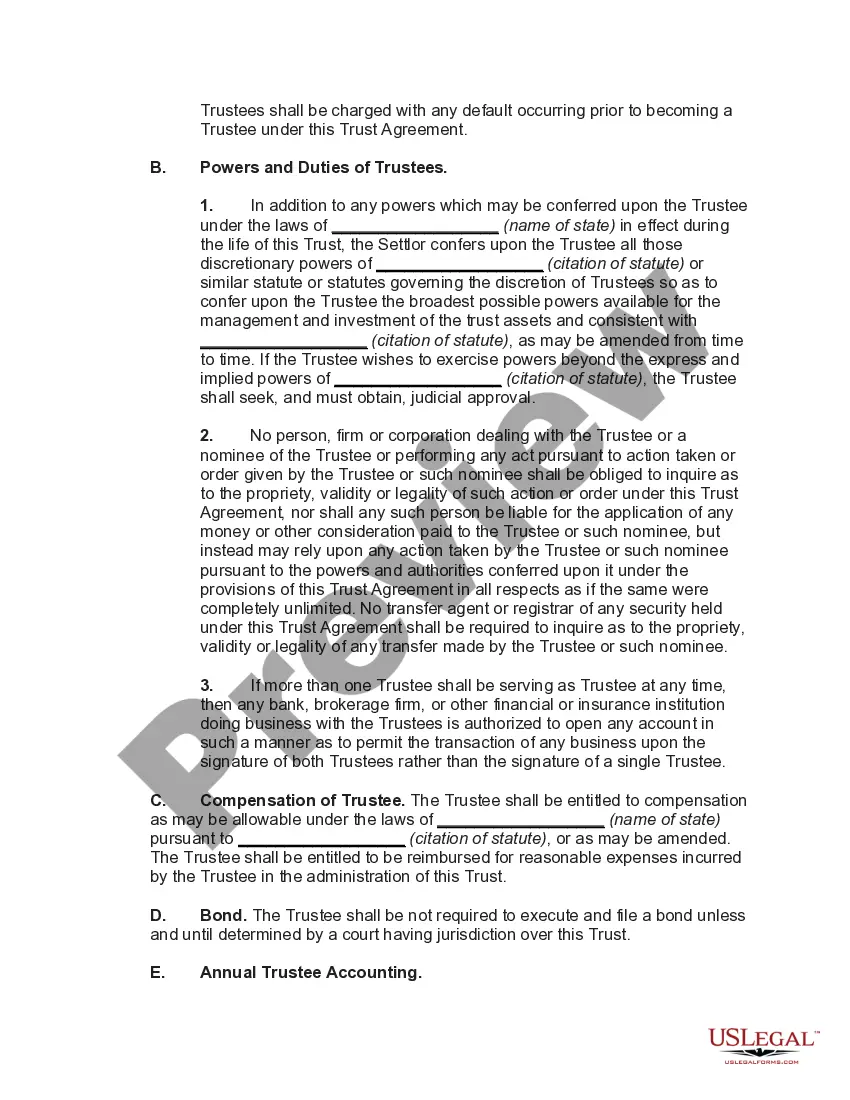
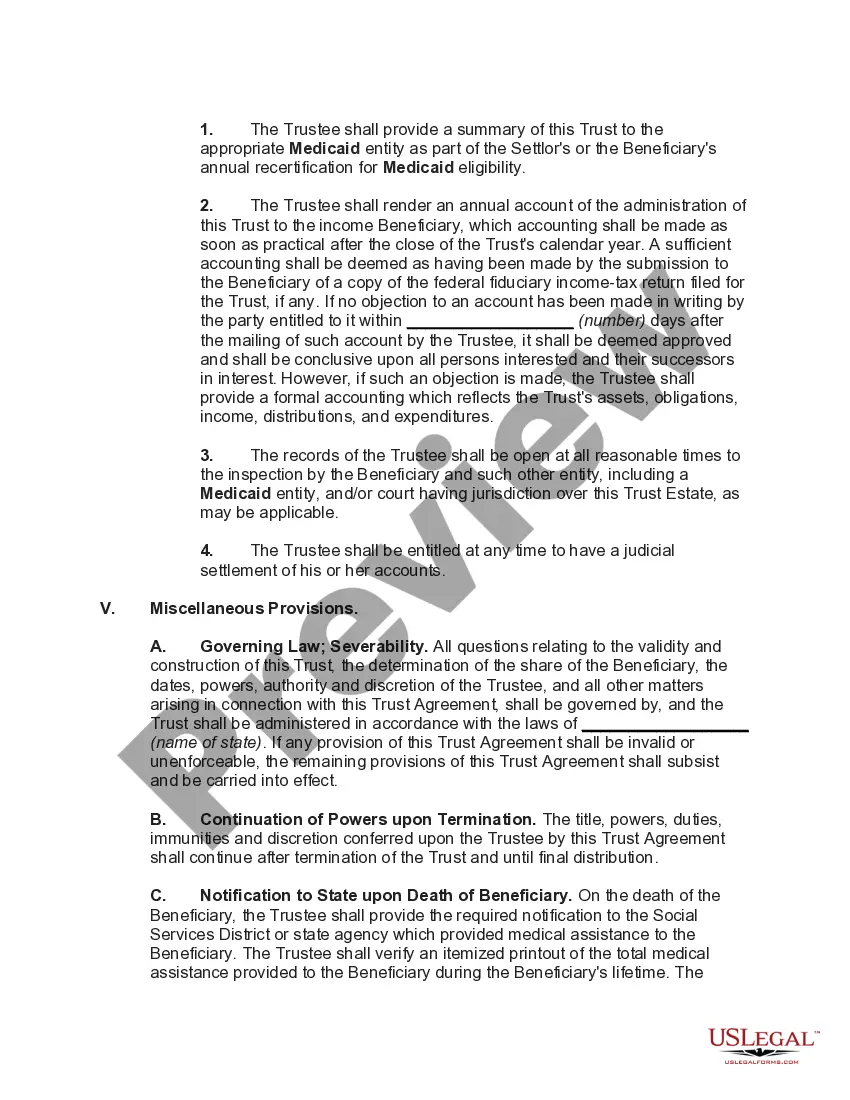
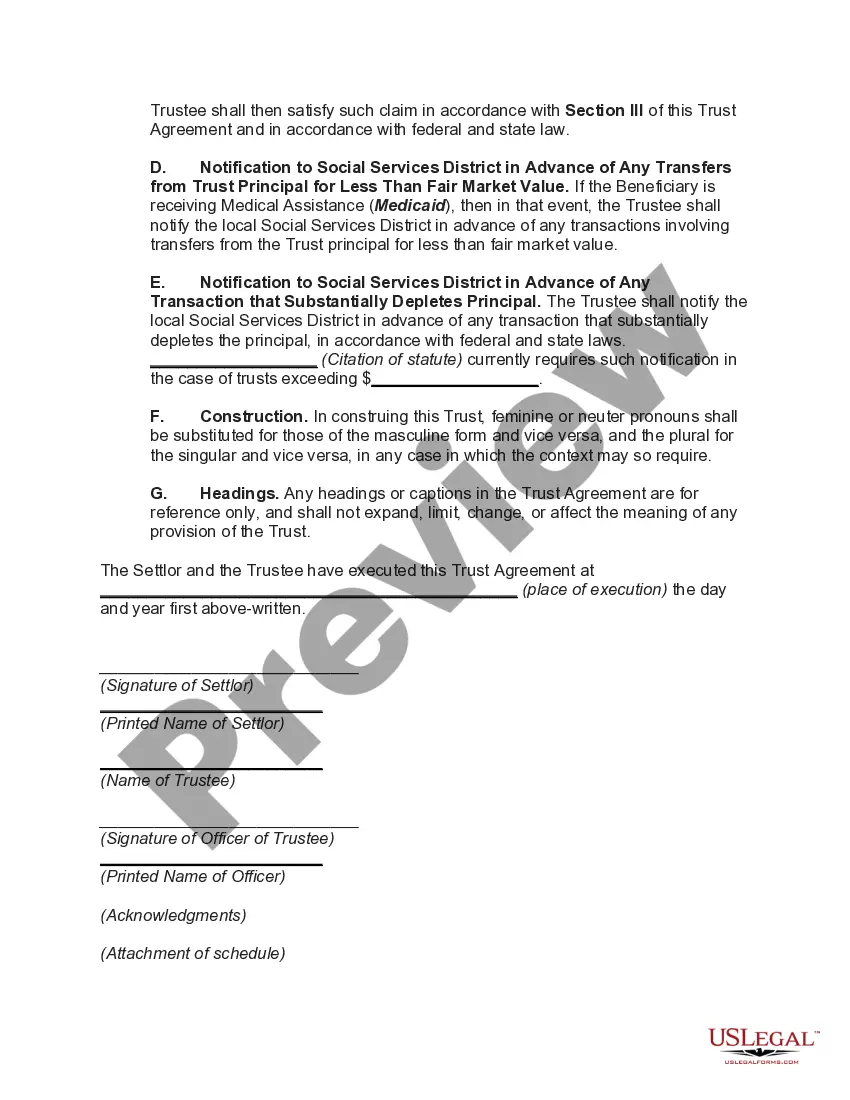
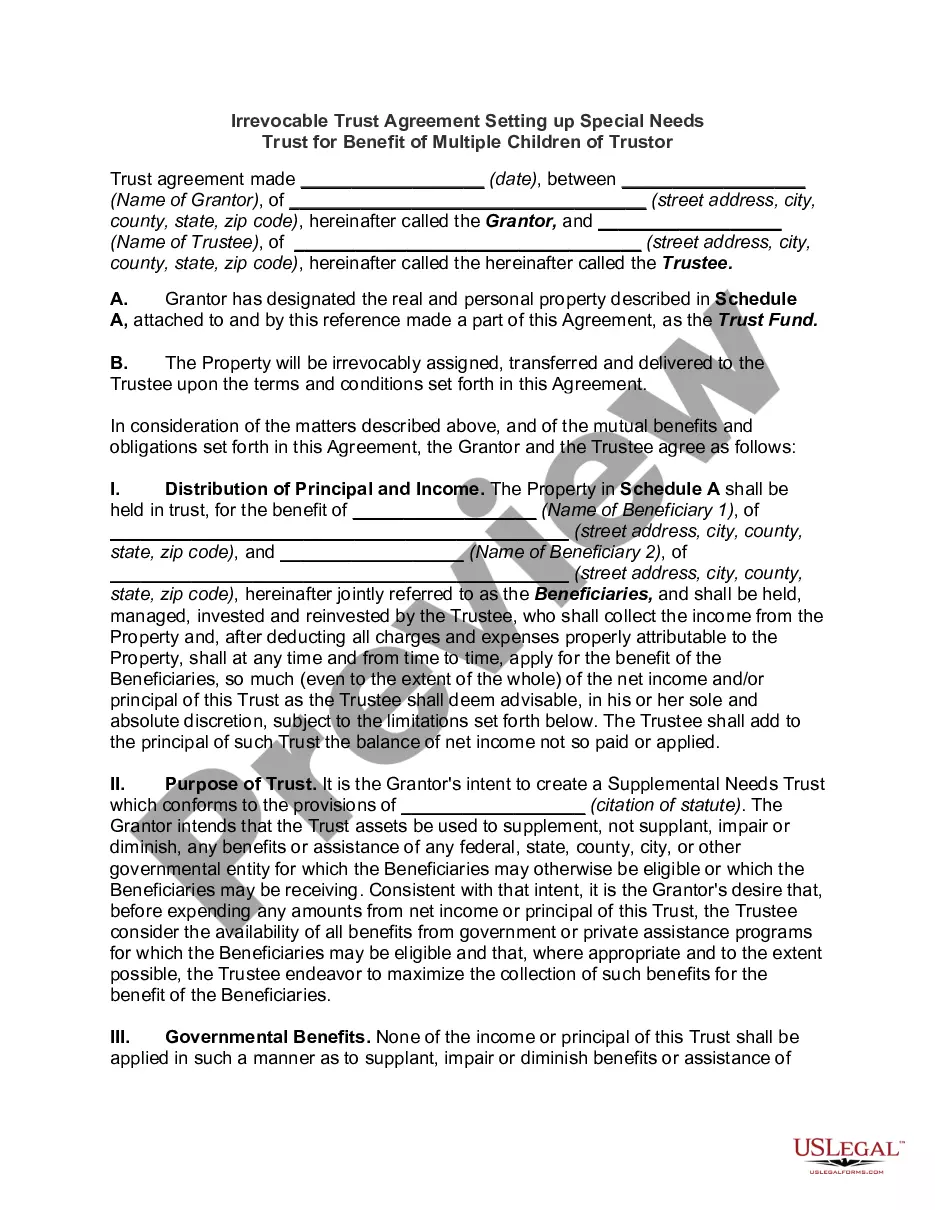
Description




Get your form ready online
Our built-in tools help you complete, sign, share, and store your documents in one place.
Make edits, fill in missing information, and update formatting in US Legal Forms—just like you would in MS Word.
Download a copy, print it, send it by email, or mail it via USPS—whatever works best for your next step.
Sign and collect signatures with our SignNow integration. Send to multiple recipients, set reminders, and more. Go Premium to unlock E-Sign.
If this form requires notarization, complete it online through a secure video call—no need to meet a notary in person or wait for an appointment.
We protect your documents and personal data by following strict security and privacy standards.

Make edits, fill in missing information, and update formatting in US Legal Forms—just like you would in MS Word.

Download a copy, print it, send it by email, or mail it via USPS—whatever works best for your next step.

Sign and collect signatures with our SignNow integration. Send to multiple recipients, set reminders, and more. Go Premium to unlock E-Sign.

If this form requires notarization, complete it online through a secure video call—no need to meet a notary in person or wait for an appointment.

We protect your documents and personal data by following strict security and privacy standards.
Looking for another form?

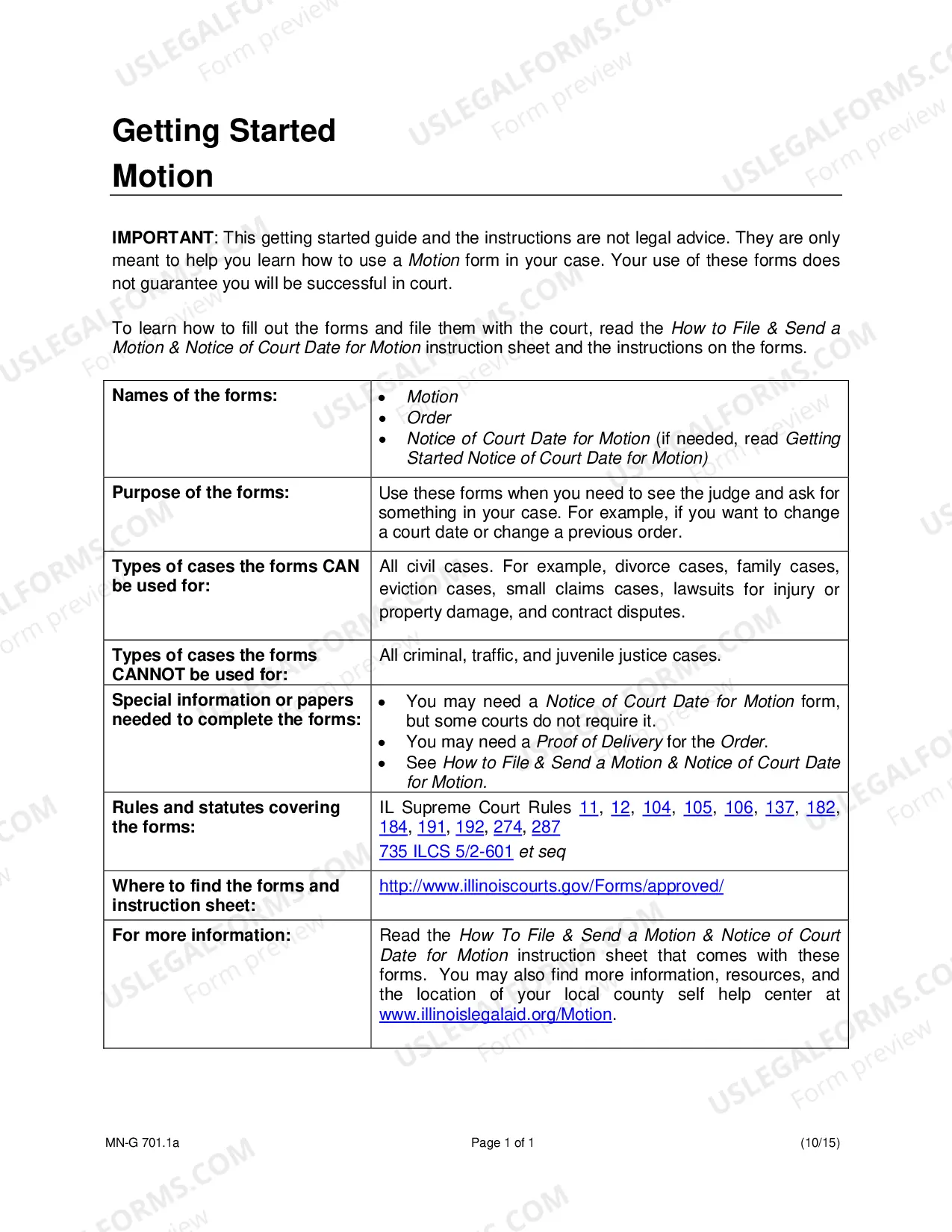





How to fill out Special Needs Irrevocable Trust Agreement For Benefit Of Disabled Child Of Trustor?
- For returning users, log in to your account and ensure your subscription is active. Download the required form template directly to your device.
- For new users, start by checking the Preview mode and form description to choose a template that meets your needs and complies with local regulations.
- If the chosen template does not fit, use the Search tab to find a different one that better suits your requirements.
- Purchase the necessary document by clicking the Buy Now button and select your desired subscription plan. You'll need to create an account for full access.
- Complete your payment using either your credit card or PayPal. After your successful transaction, your document will be ready.
- Download the completed form and save it to your device. You can always access it anytime in the My Forms section of your profile.
US Legal Forms not only offers an extensive collection of over 85,000 legal forms but also provides access to premium experts for form completion assistance. This ensures your documents are both accurate and legally sound.
Empower yourself with the tools available at US Legal Forms today. Start your journey in securing the best for your special needs trustee process!
Form popularity
FAQ
The primary purpose of a special trustee is to manage the assets of a special needs trust while ensuring that the beneficiary maintains eligibility for essential government benefits. This role involves thoughtful decision-making about fund distributions and expenditures. By selecting a knowledgeable special needs trustee, you provide peace of mind that the beneficiary's financial needs will be met without jeopardizing their access to critical support services.
Forming a special needs trust involves specific legal steps to ensure compliance with both state and federal laws. You typically start by consulting with an attorney who specializes in special needs planning, as they can help draft the trust document according to your wishes. This process can ensure that the special needs trustee you choose is equipped to manage the trust successfully and protect its benefits.
A special trustee manages the assets held in a special needs trust, making decisions that benefit the trust's beneficiary. Their duties include overseeing investments, disbursing funds for approved expenses, and ensuring compliance with relevant laws and regulations. Ultimately, the special trustee plays a vital role in safeguarding the financial future of a person with special needs.
Choosing a trustee for a special needs trust is a crucial decision that requires careful consideration. You should look for someone who understands the unique needs of the beneficiary and is trustworthy, reliable, and capable of financial management. It’s also a good idea to discuss your choice with an attorney or a financial advisor to ensure that your selected special needs trustee aligns with the trust's goals.
While both a trustee and an executor have important roles in estate management, their powers differ significantly. A trustee, particularly a special needs trustee, administers a trust according to its terms, often over a longer duration. On the other hand, an executor settles a deceased person's estate, handling debt payments and asset distribution, making the scope of a trustee's authority broader in a trust context.
A special needs trustee is responsible for managing and protecting the assets of a special needs trust for the beneficiary. They must ensure that the funds are used in a way that does not disqualify the beneficiary from receiving government benefits. Additionally, the special needs trustee handles the trust's investments and distributions, ensuring compliance with all legal and financial obligations.
To start a special needs trust, begin by assessing the financial situation and future needs of the disabled individual. Next, select a trusted special needs trustee who can effectively manage the trust's assets. Consult with an attorney experienced in trust law to help draft the trust document, making sure it aligns with your intentions. By taking these steps, you can successfully create a plan that enhances your loved one's quality of life.
Setting up a special needs trust involves several essential steps. First, identify the beneficiary and their specific needs, then choose a knowledgeable special needs trustee to manage the trust. After that, work with an attorney to draft the necessary legal documents, ensuring they comply with state and federal laws. Finally, fund the trust appropriately to ensure it meets the beneficiary's future needs.
Typically, the special needs trustee is responsible for filing taxes for the special needs trust. This trustee must report any income generated by the trust, ensuring compliance with tax regulations. It’s advisable to consult a tax professional to navigate the complexities of tax obligations related to the trust. Proper tax management helps protect the financial integrity of the trust and benefits the beneficiary.
While a special needs trust offers many benefits, it also has some disadvantages. One notable challenge is the complexity involved in setting it up and maintaining it, which may require legal assistance. Additionally, funds can only be used for specific purposes, which might limit how you can support the beneficiary. It's essential to weigh these factors carefully before deciding to establish a trust.