Special Needs Trust In Michigan
Description

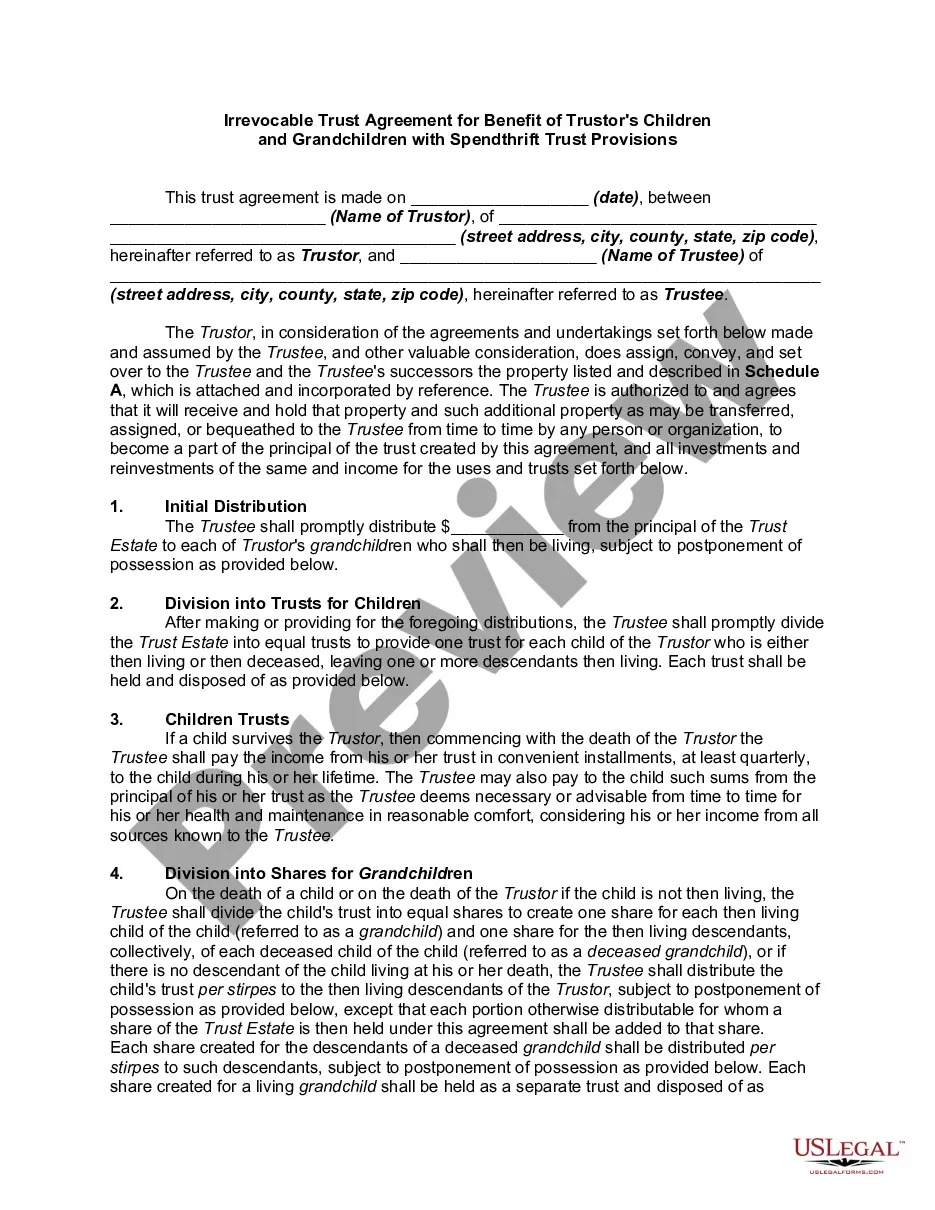
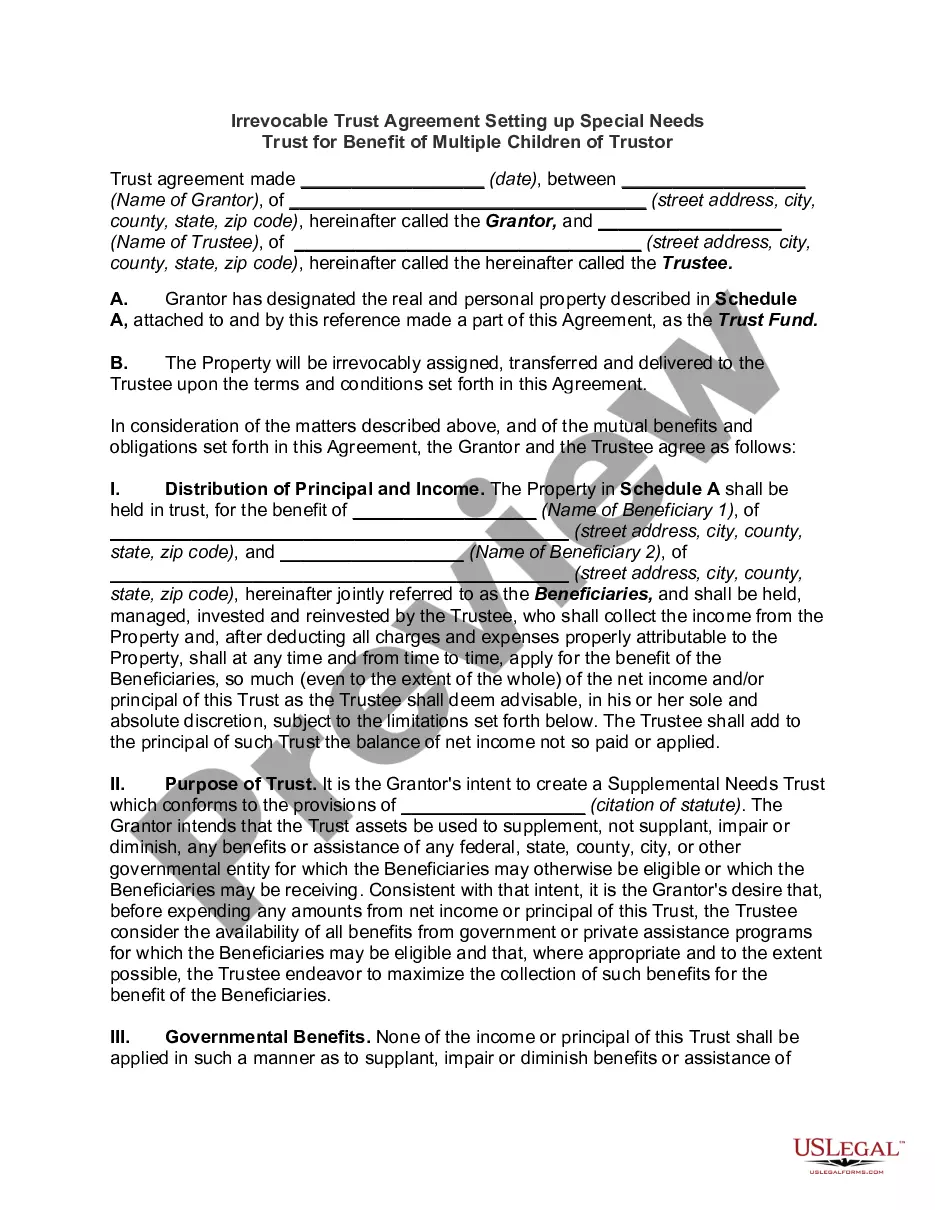
Get your form ready online
Our built-in tools help you complete, sign, share, and store your documents in one place.
Make edits, fill in missing information, and update formatting in US Legal Forms—just like you would in MS Word.
Download a copy, print it, send it by email, or mail it via USPS—whatever works best for your next step.
Sign and collect signatures with our SignNow integration. Send to multiple recipients, set reminders, and more. Go Premium to unlock E-Sign.
If this form requires notarization, complete it online through a secure video call—no need to meet a notary in person or wait for an appointment.
We protect your documents and personal data by following strict security and privacy standards.

Make edits, fill in missing information, and update formatting in US Legal Forms—just like you would in MS Word.

Download a copy, print it, send it by email, or mail it via USPS—whatever works best for your next step.

Sign and collect signatures with our SignNow integration. Send to multiple recipients, set reminders, and more. Go Premium to unlock E-Sign.

If this form requires notarization, complete it online through a secure video call—no need to meet a notary in person or wait for an appointment.

We protect your documents and personal data by following strict security and privacy standards.
Looking for another form?

How to fill out Special Needs Irrevocable Trust Agreement For Benefit Of Disabled Child Of Trustor?
Obtaining legal templates that adhere to federal and state regulations is crucial, and the internet provides numerous choices to select from.
However, what is the benefit of spending time searching for the suitable Special Needs Trust in Michigan example online when the US Legal Forms online repository already has such documents compiled in one location.
US Legal Forms is the largest digital legal library with over 85,000 editable templates crafted by attorneys for any business and personal circumstance. They are easy to navigate with all documents categorized by state and intended use.
All documents you discover through US Legal Forms are reusable. To re-download and complete forms previously acquired, navigate to the My documents section in your account. Enjoy the most comprehensive and user-friendly legal document service!
- Our experts stay current with legal changes, ensuring your documentation is always up to date and compliant when obtaining a Special Needs Trust in Michigan from our site.
- Acquiring a Special Needs Trust in Michigan is straightforward and fast for both existing and new users.
- If you already possess an account with an active subscription, Log In and download the document sample you need in your desired format.
- If you are new to our platform, follow the steps outlined below.
- Preview the template using the Preview feature or via the text outline to confirm it suits your requirements.
Form popularity
FAQ
If you have a trust in Michigan, state law provides that you can register the trust. Registering a Michigan trust is not required (except for certain charitable trusts, as discussed below). Even for non-charitable trusts, there are good reasons that a trust should be registered.
Requirements for Trust Registration A trust must be formed by at least two or more individuals. The trust must be established in ance with the provisions outlined in the Indian Trusts Act of 1882. None of the parties involved should be disqualified under any prevailing law in India.
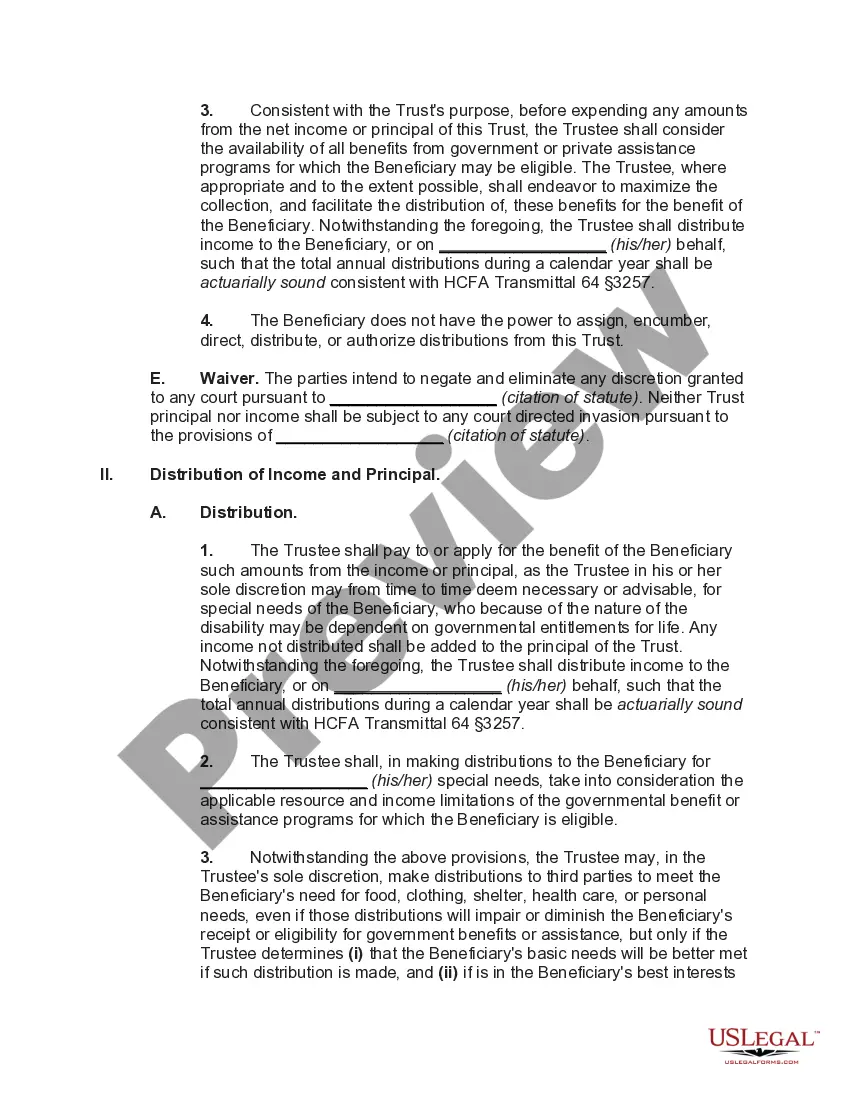
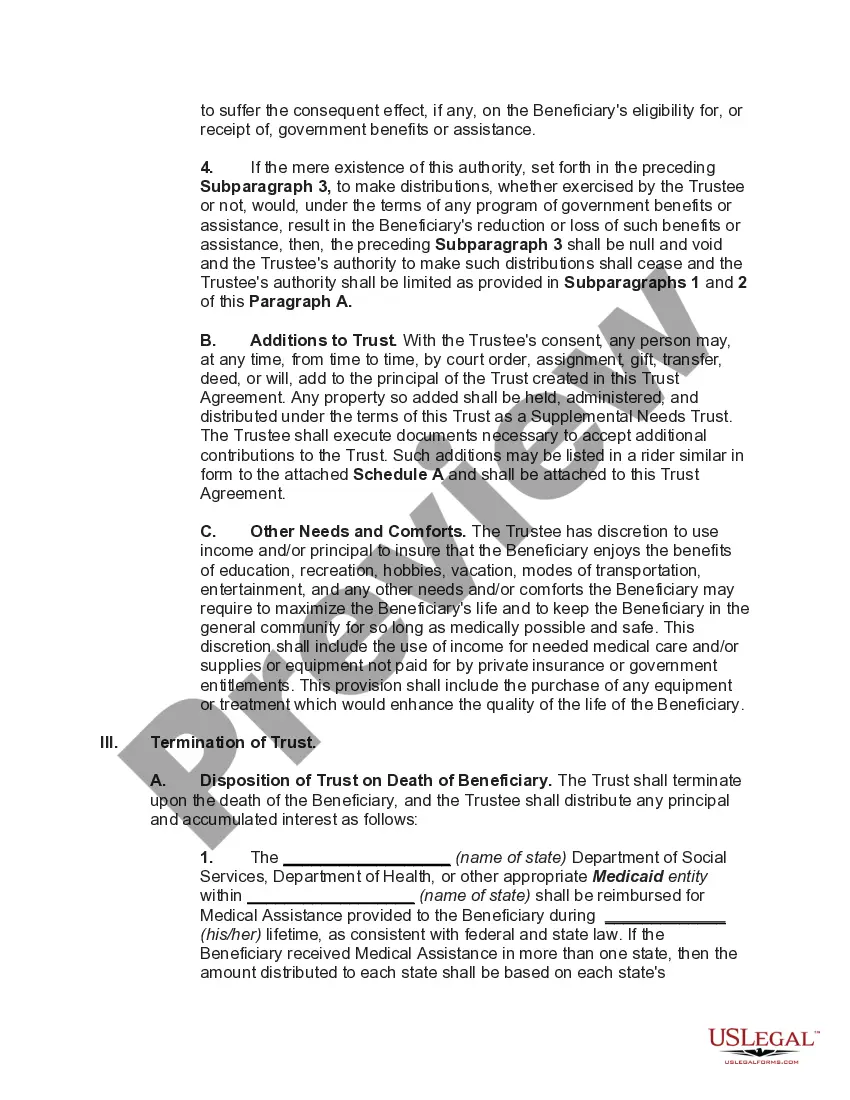
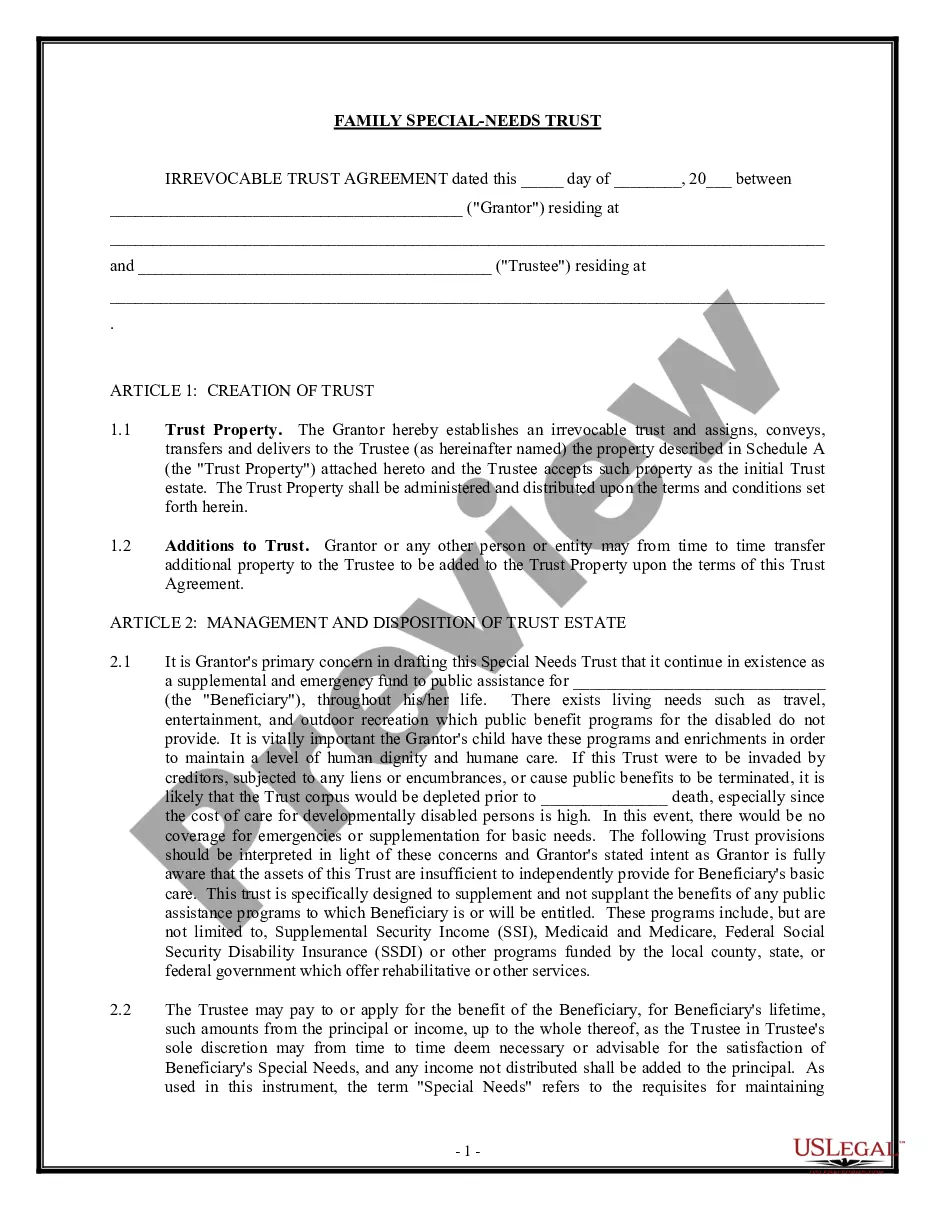
Typically, a third party special needs trust is set up by the family of the disabled person. The family then gifts money to the trust, rather than the disabled person, so the gifts do not interfere with the disabled persons Supplemental Security Income (SSI), Medicaid, vocational rehabilitation, and subsidized housing.
How to Create a Living Trust in Michigan Decide what type of trust you want. ... Next you'll need to take stock of your property. ... Pick a trustee. ... Create the trust document. ... Sign the trust document in front of a notary public. Fund the trust by placing property into it.
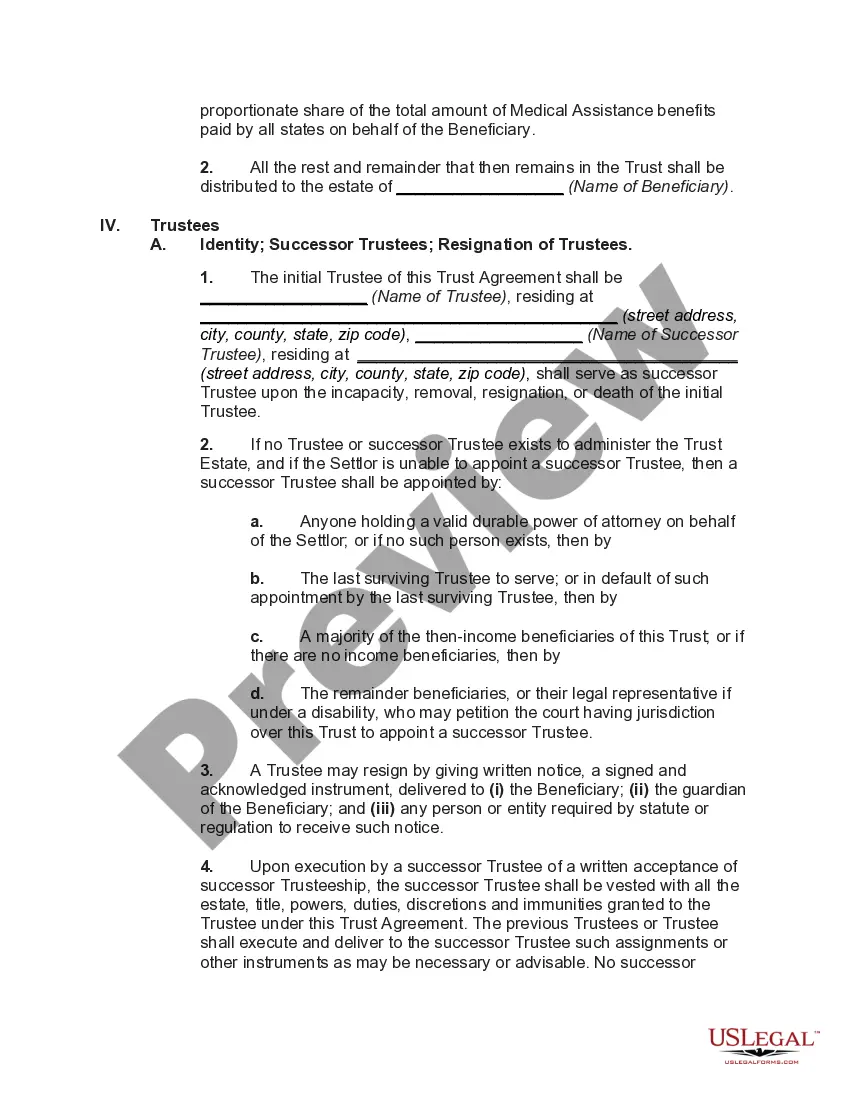
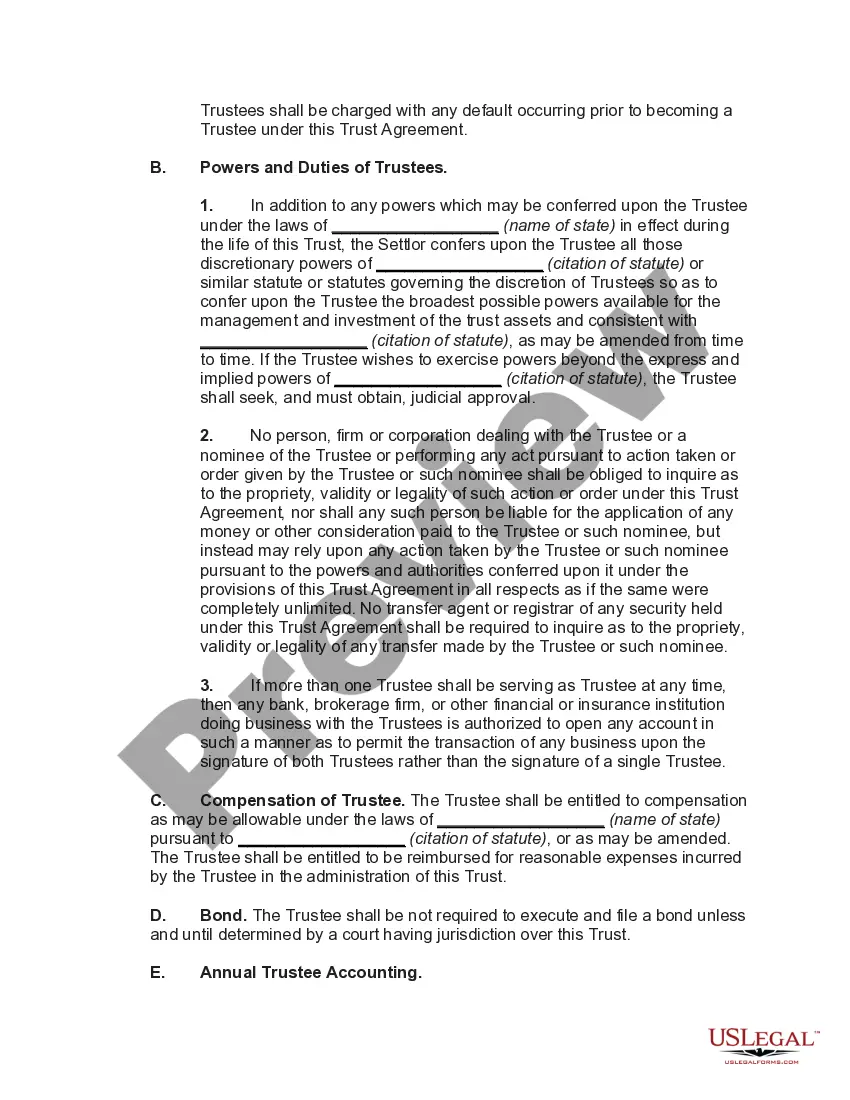
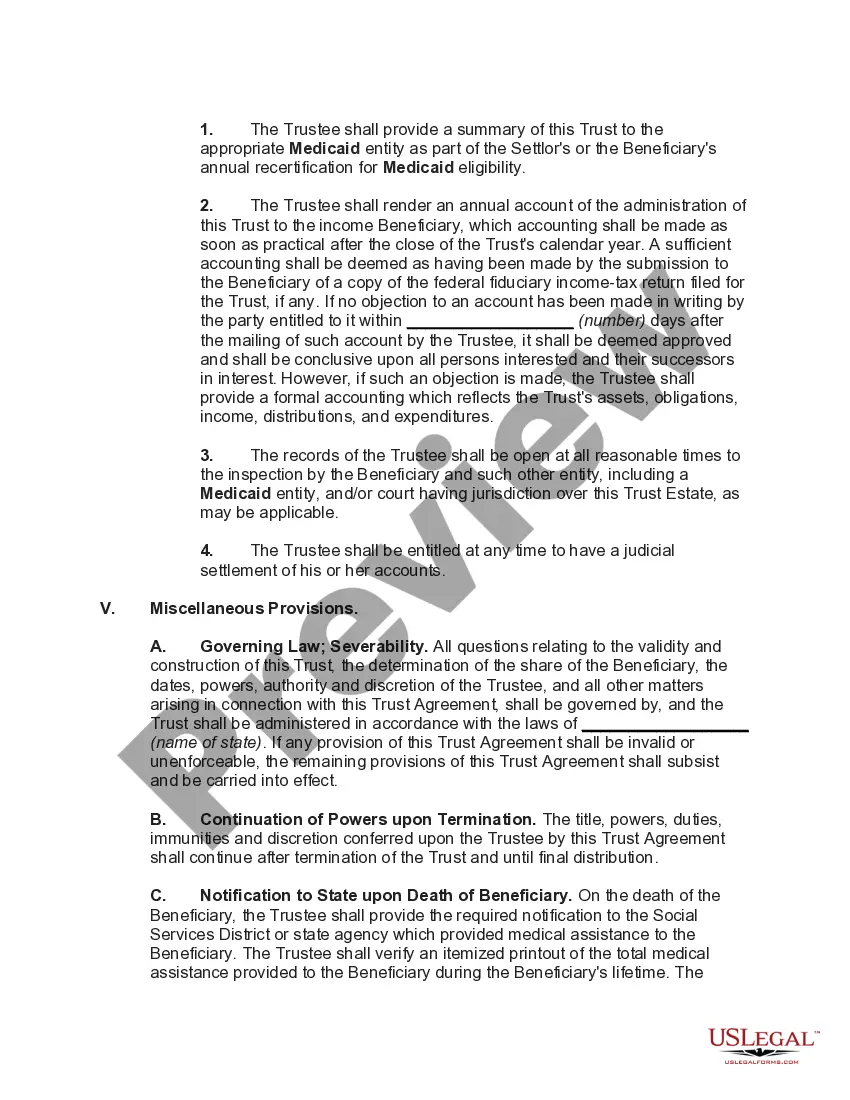
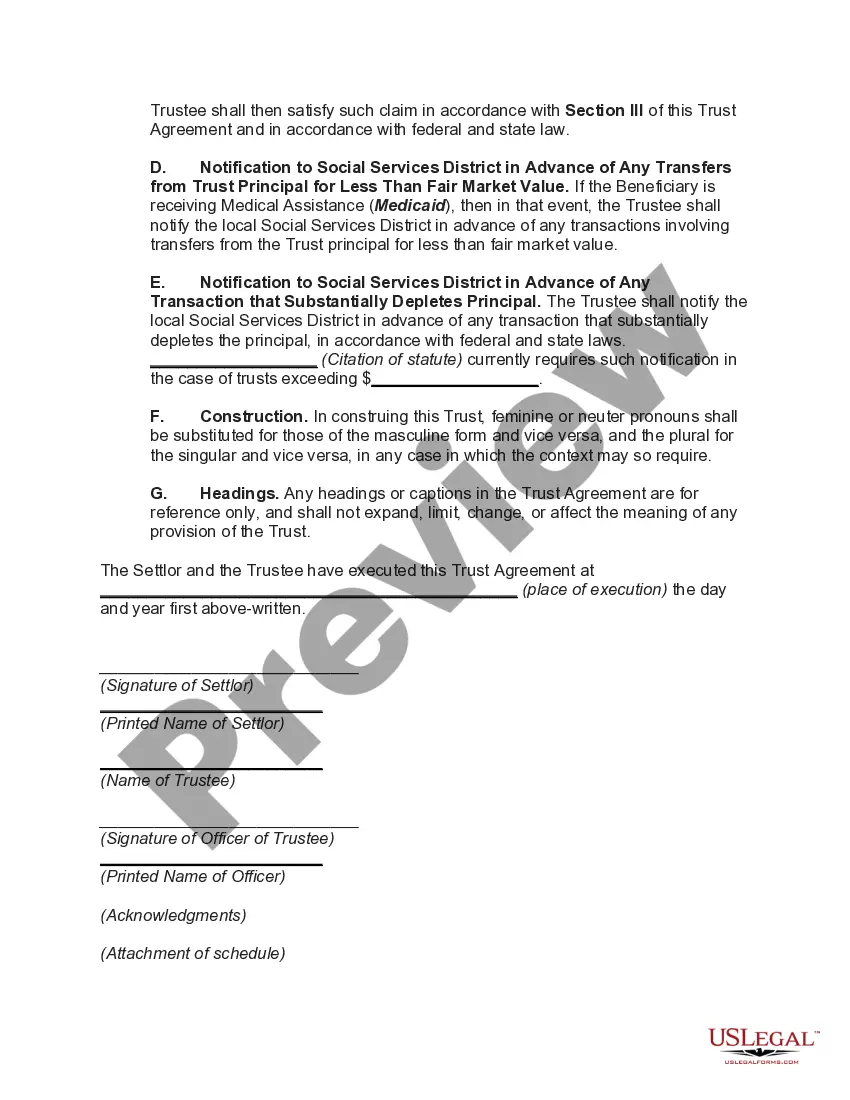
The central purpose of a Special Needs Trust ("SNT") is to hold assets for the "supplemental needs" of a disabled person, without disrupting his or her entitlement to certain public benefits. To accomplish this, the SNT must be carefully drafted to conform to Michigan (or other relevant state) and federal guidelines.