Special Needs Trust For Dummies
Description
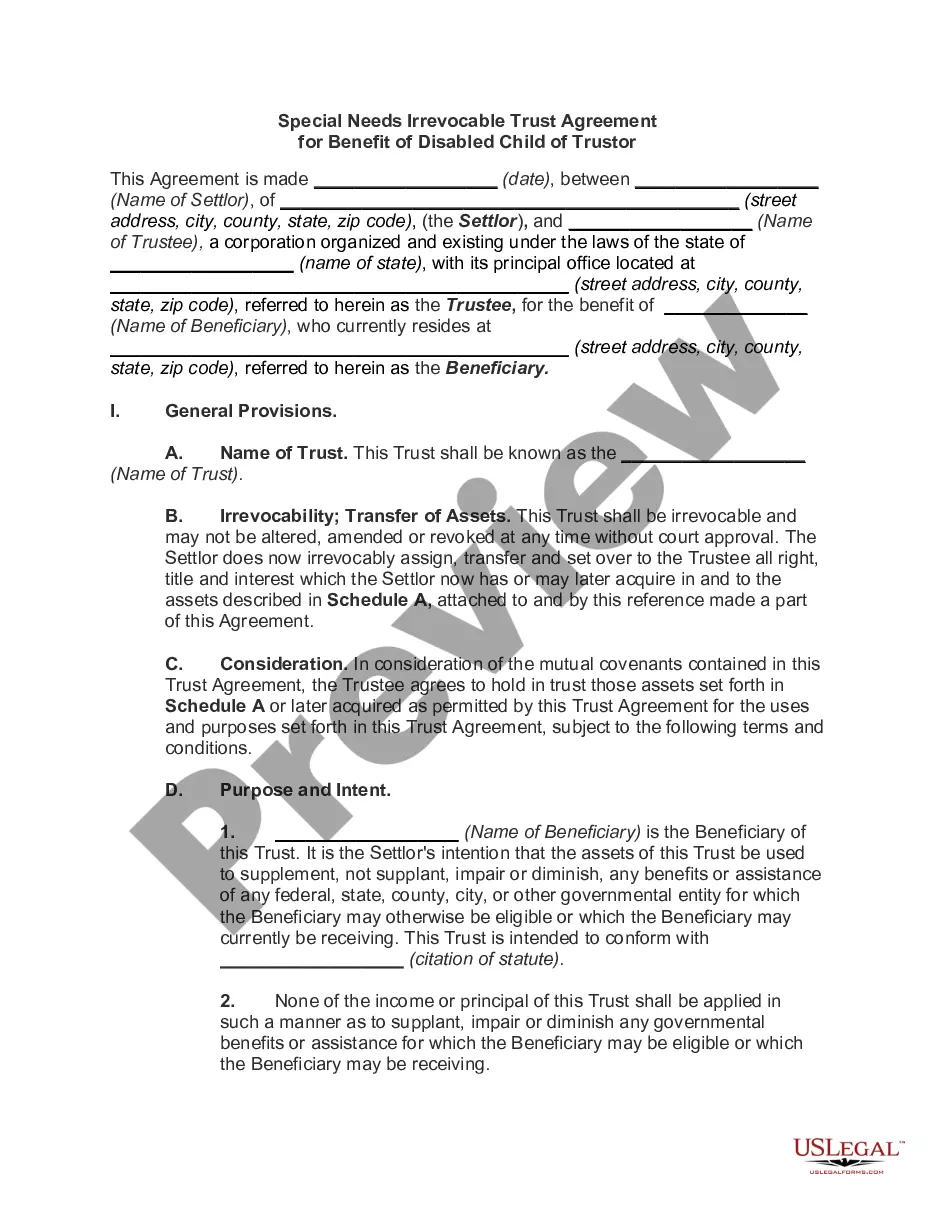
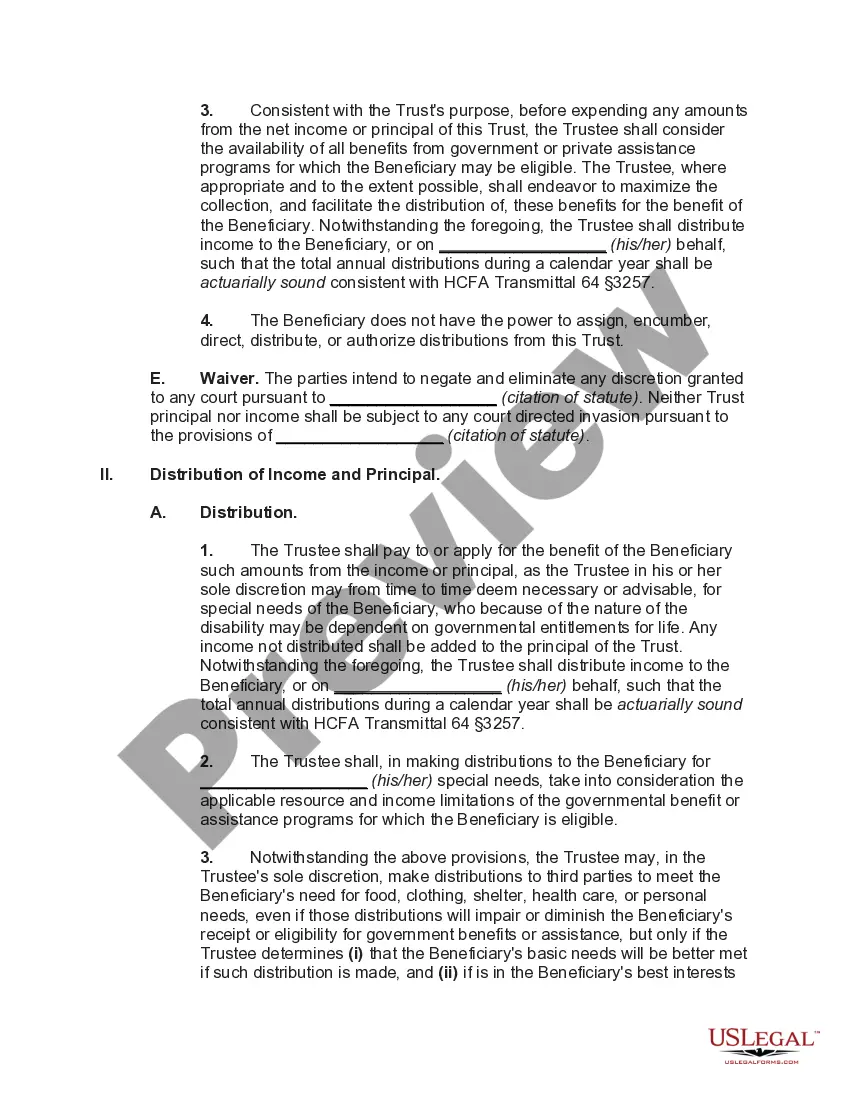
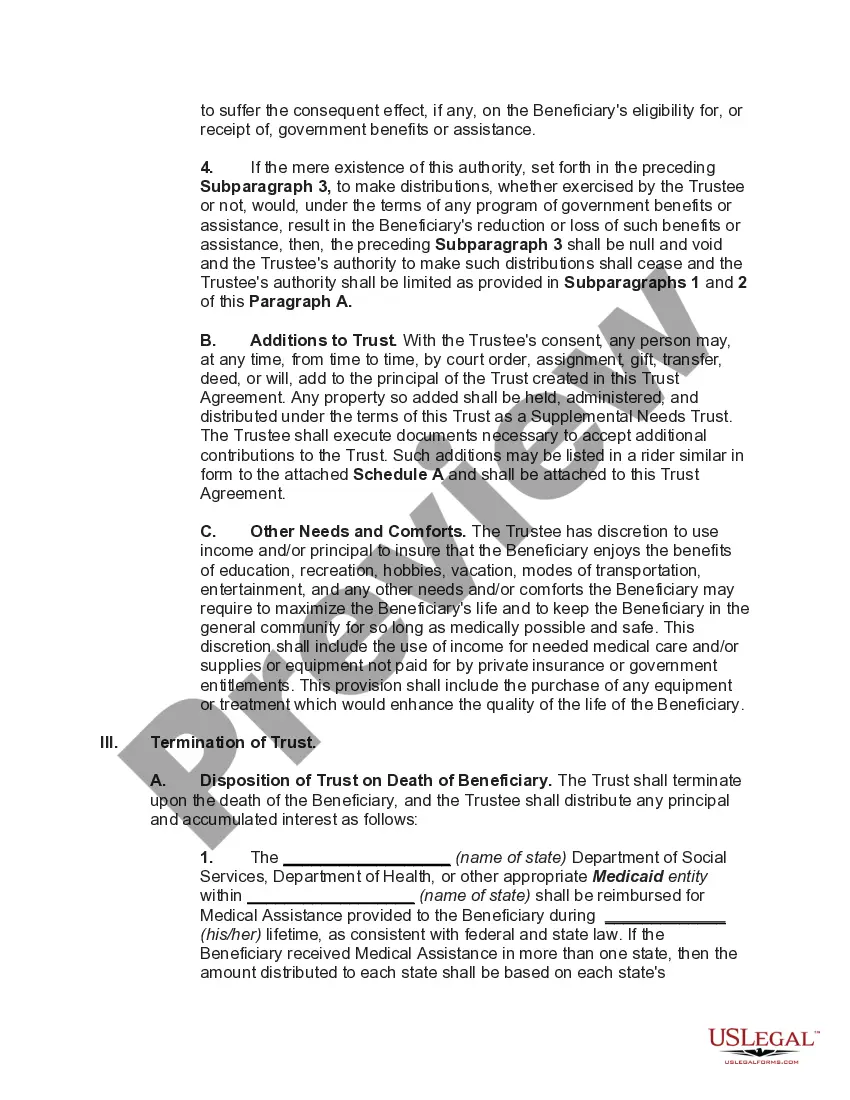
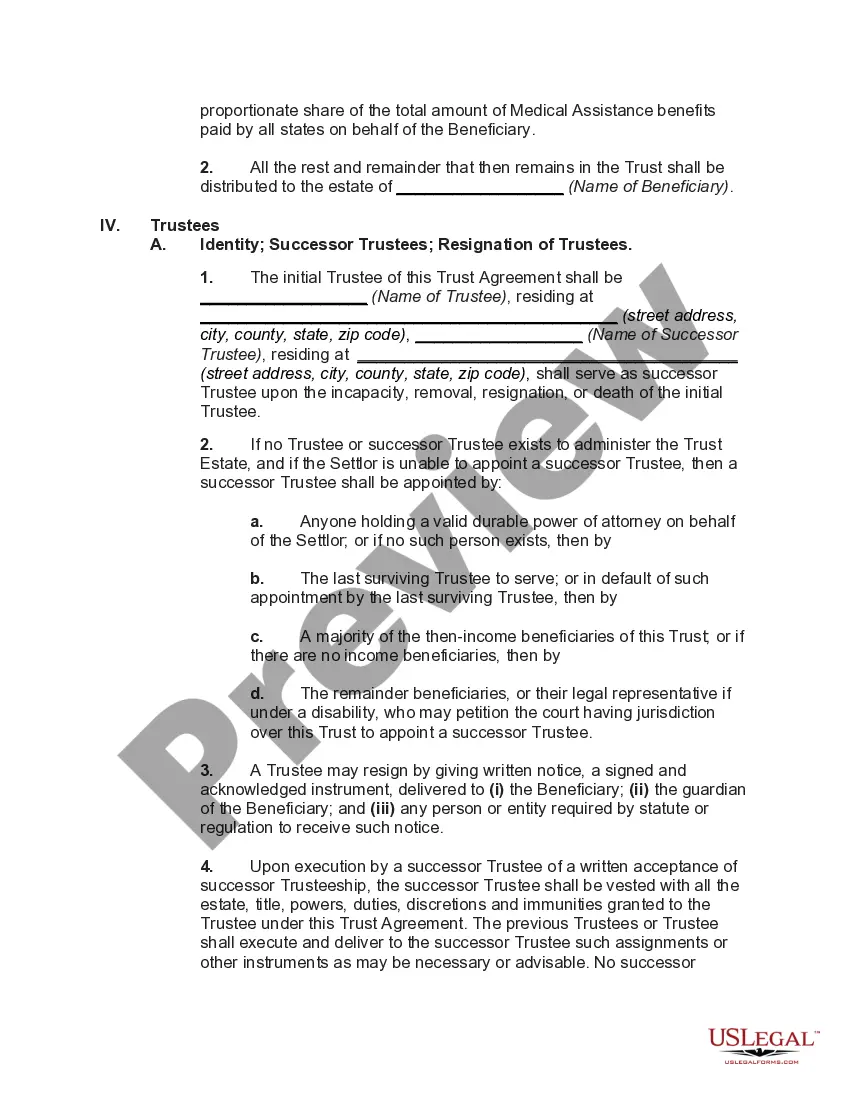
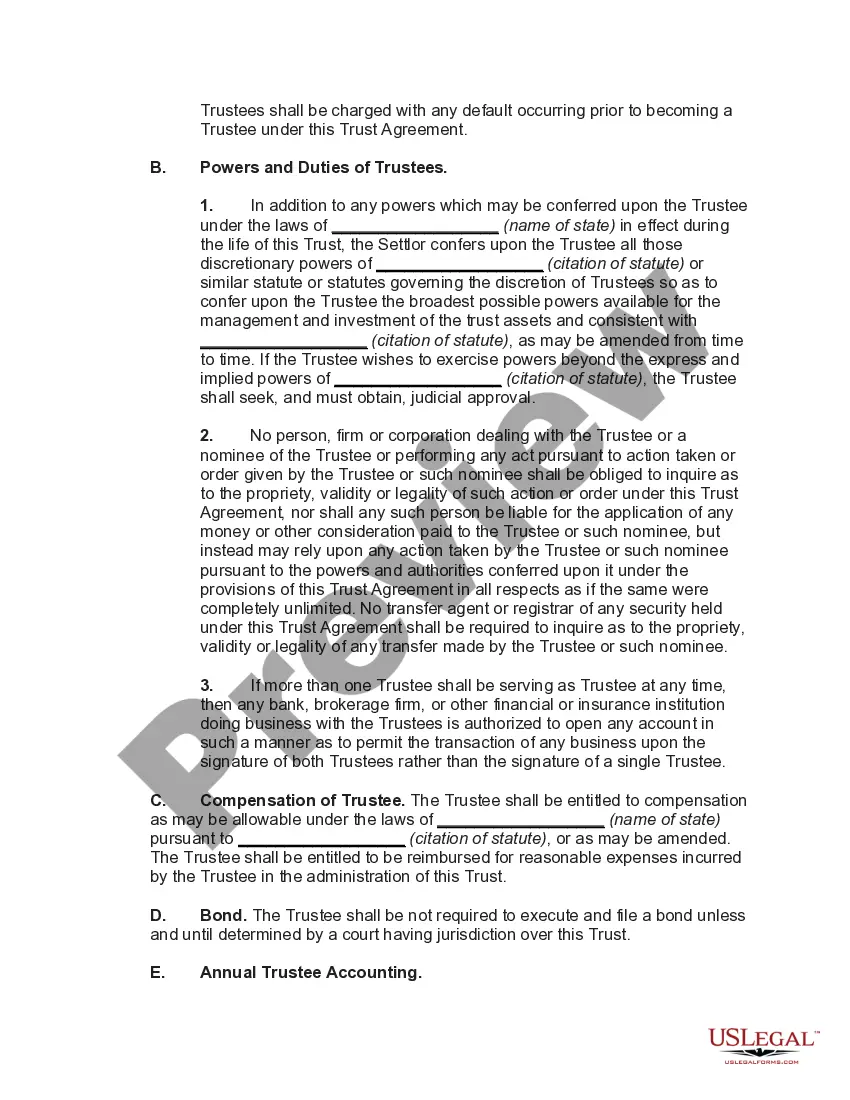
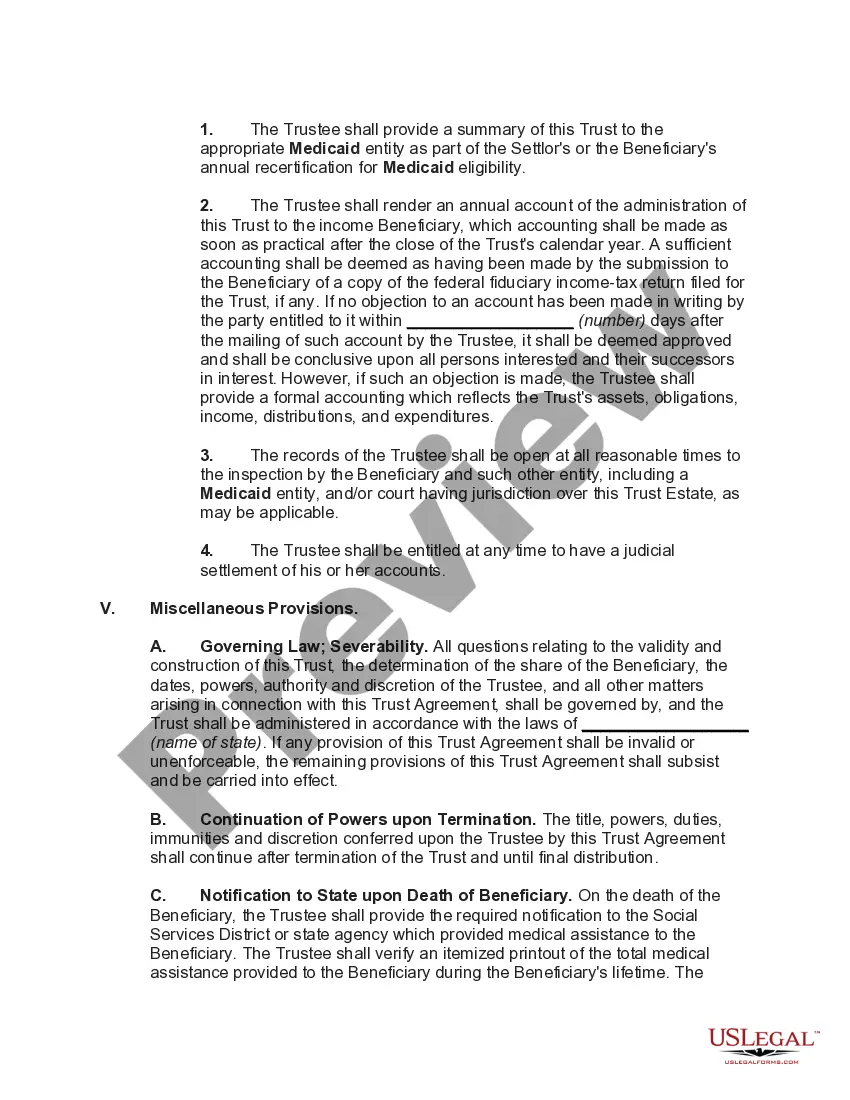
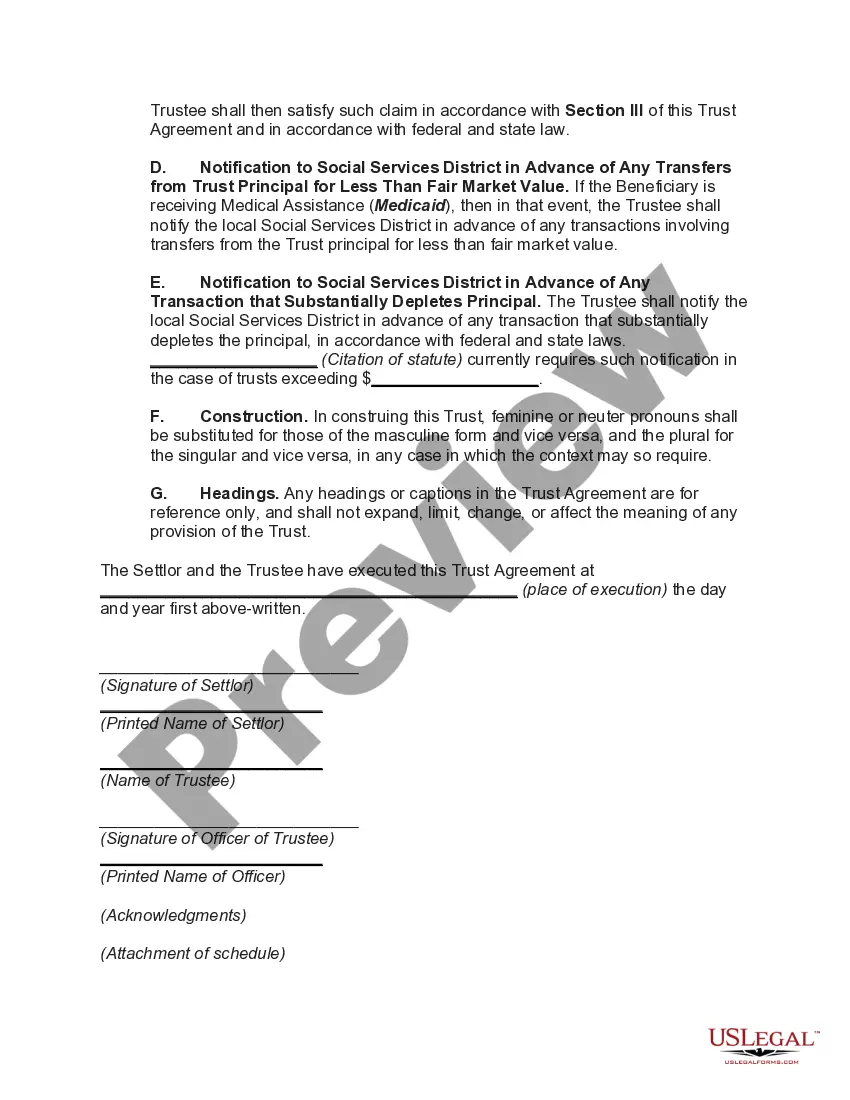
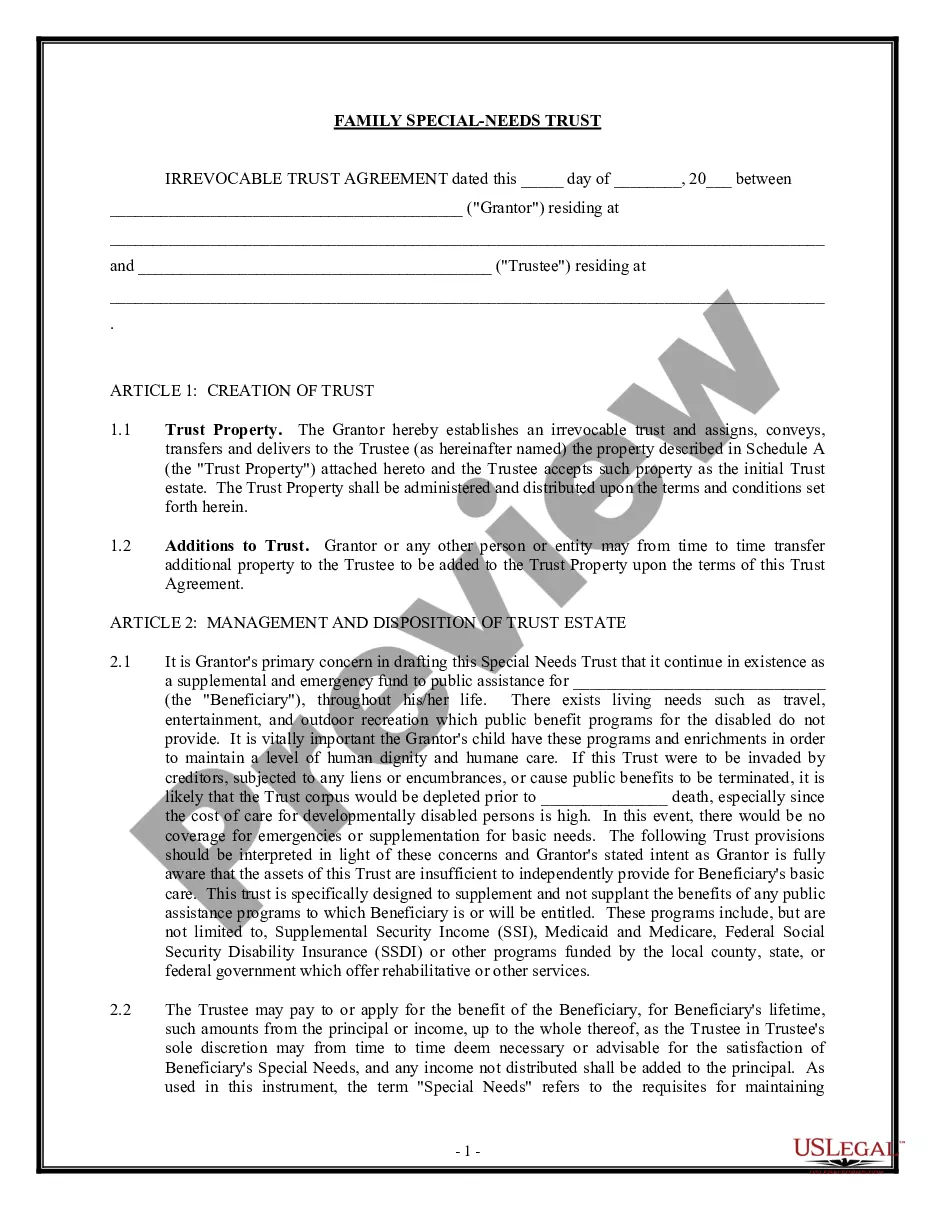
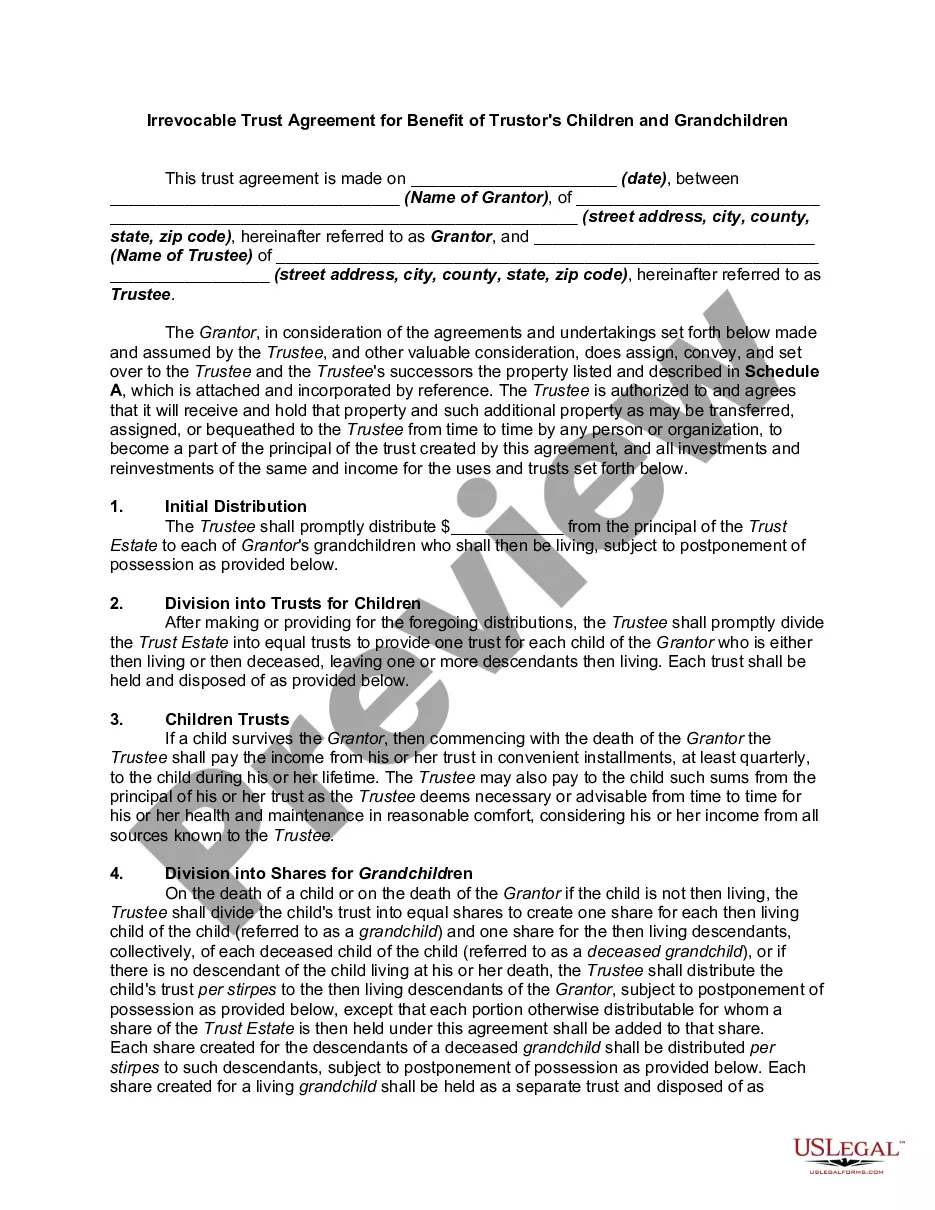
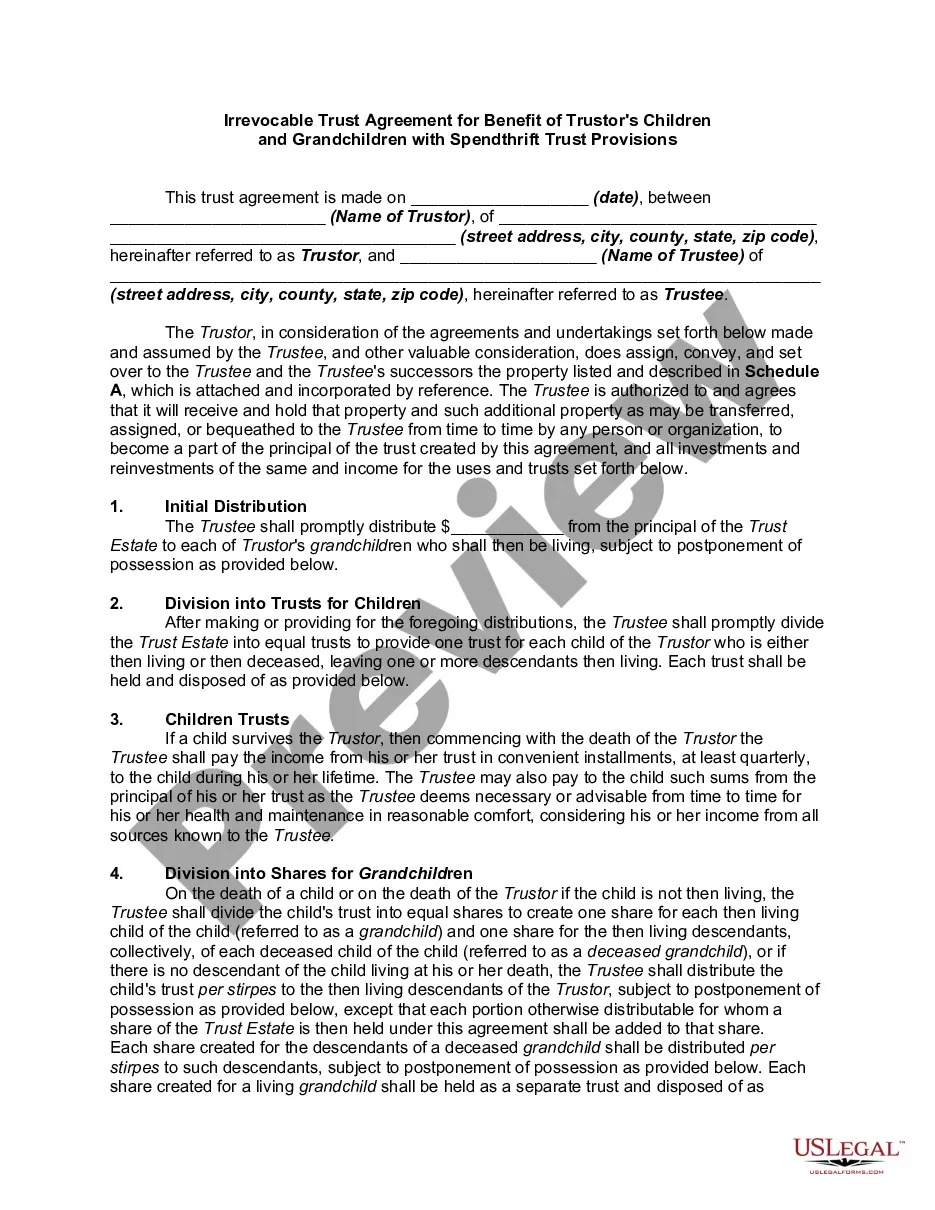
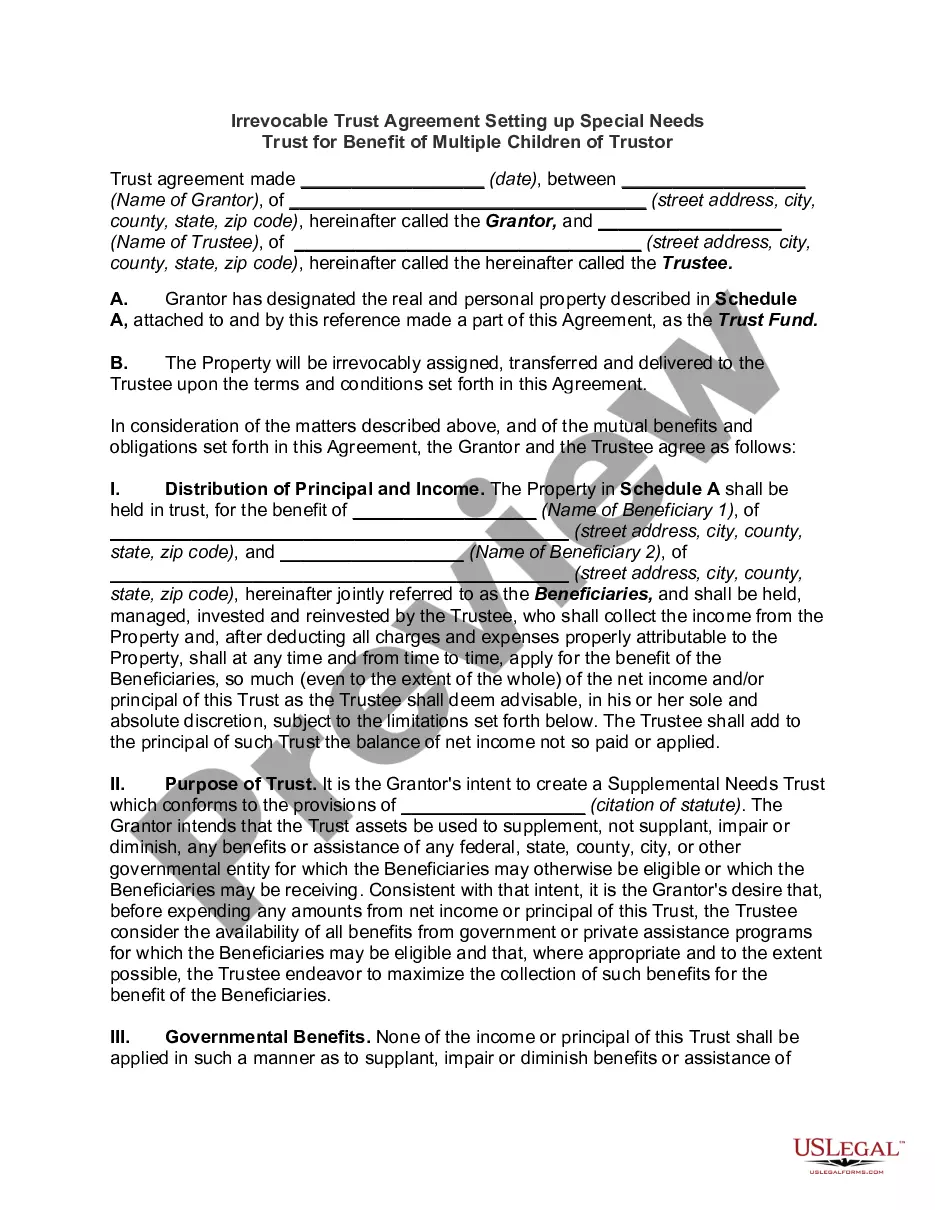
Get your form ready online
Our built-in tools help you complete, sign, share, and store your documents in one place.
Make edits, fill in missing information, and update formatting in US Legal Forms—just like you would in MS Word.
Download a copy, print it, send it by email, or mail it via USPS—whatever works best for your next step.
Sign and collect signatures with our SignNow integration. Send to multiple recipients, set reminders, and more. Go Premium to unlock E-Sign.
If this form requires notarization, complete it online through a secure video call—no need to meet a notary in person or wait for an appointment.
We protect your documents and personal data by following strict security and privacy standards.

Make edits, fill in missing information, and update formatting in US Legal Forms—just like you would in MS Word.

Download a copy, print it, send it by email, or mail it via USPS—whatever works best for your next step.

Sign and collect signatures with our SignNow integration. Send to multiple recipients, set reminders, and more. Go Premium to unlock E-Sign.

If this form requires notarization, complete it online through a secure video call—no need to meet a notary in person or wait for an appointment.

We protect your documents and personal data by following strict security and privacy standards.
Looking for another form?



How to fill out Special Needs Irrevocable Trust Agreement For Benefit Of Disabled Child Of Trustor?
- Log in to your existing US Legal Forms account. Ensure your subscription remains active; renew if necessary.
- Examine the Preview mode for the special needs trust form. Confirm it aligns with your requirements and local laws.
- Use the Search tab to find any additional templates you might need, ensuring you select the most relevant option.
- Purchase the document by clicking the Buy Now button. Choose a suitable subscription plan and create your account for full access.
- Complete your transaction using credit card information or PayPal, securing your subscription.
- Download your special needs trust template to your device for completion and future reference.
In conclusion, US Legal Forms streamlines the process of creating a special needs trust, making legal documentation straightforward and accessible. With a vast library of over 85,000 templates and expert assistance available, you can be assured of accuracy and compliance.
Start your journey toward establishing a special needs trust today by visiting US Legal Forms.
Form popularity
FAQ
Yes, you can fund your own special needs trust, but you must be cautious about how you do it to protect your eligibility for benefits. You may use personal savings, income, or assets while ensuring they do not conflict with government assistance guidelines. Consulting with an attorney experienced in special needs trusts can help you make informed decisions. This approach positions you to secure resources for your future needs.
Creating a special needs trust for yourself is possible, especially if you have disabilities that require additional support. This trust can help you manage your finances while ensuring your eligibility for government assistance programs. However, it’s important to seek legal advice to set it up correctly and avoid jeopardizing benefit access. Proper planning can provide both security and peace of mind.
Yes, you can create a trust fund for yourself, often referred to as a self-settled trust. However, it’s crucial to understand the implications regarding asset protection and government benefits. Establishing this type of trust may affect your eligibility for certain programs. It's best to consult an expert to navigate these complexities effectively.
Setting up a trust for your special needs child involves several steps. First, consult with an attorney who specializes in special needs trusts to understand the legal requirements. Next, choose the type of trust that suits your child's future needs, and gather the necessary documentation. Finally, properly fund the trust to ensure your child has access to resources while maintaining eligibility for government benefits.
One significant mistake parents make is failing to clearly define their child's needs in the special needs trust. This oversight can lead to ineffective management of trust funds and may ultimately hinder the child's quality of life. Another common mistake is not regularly reviewing and updating the trust as circumstances change. Staying proactive keeps the trust aligned with your child’s evolving needs.
Filing taxes on behalf of a trust requires you to fill out Form 1041, ensuring to report all income and deductions accurately. It's important to keep thorough records of all transactions made within the trust. For individuals researching a special needs trust for dummies, engaging with a tax professional can clarify the necessary steps and deadlines involved in this process.
While it is possible to set up a special needs trust by yourself, it is often beneficial to seek professional guidance. The legalities involved can be complex, and a misstep can affect the trust's benefits. Using a special needs trust for dummies guide can provide foundational knowledge, but consider partnering with experienced attorneys or platforms like UsLegalForms to ensure the trust is properly established.
The minimum amount to set up a special needs trust can vary, though many professionals suggest starting with at least $10,000 to make it effective. Having a significant initial amount helps in managing expenses and providing for the beneficiary's needs. If you are exploring your options as a beginner with a special needs trust for dummies, reach out to professionals who can assist you in this process.
A qualified disability trust receives special tax treatment under the IRS rules. Typically, these trusts can take a personal exemption, which is beneficial for reducing taxable income. Anyone learning about a special needs trust for dummies will find this information crucial. Keep in mind that consultation with a tax advisor can provide clarity on this topic.
The IRS taxes a special needs trust based on its income level. If the trust generates income, it may be subject to taxes at the trust tax rates, which can be higher than individual tax rates. To understand these complexities better, a special needs trust for dummies guide can be beneficial. This helps ensure that you comply with IRS regulations while planning for your beneficiary's needs.