Special Needs Trust For Adult
Description

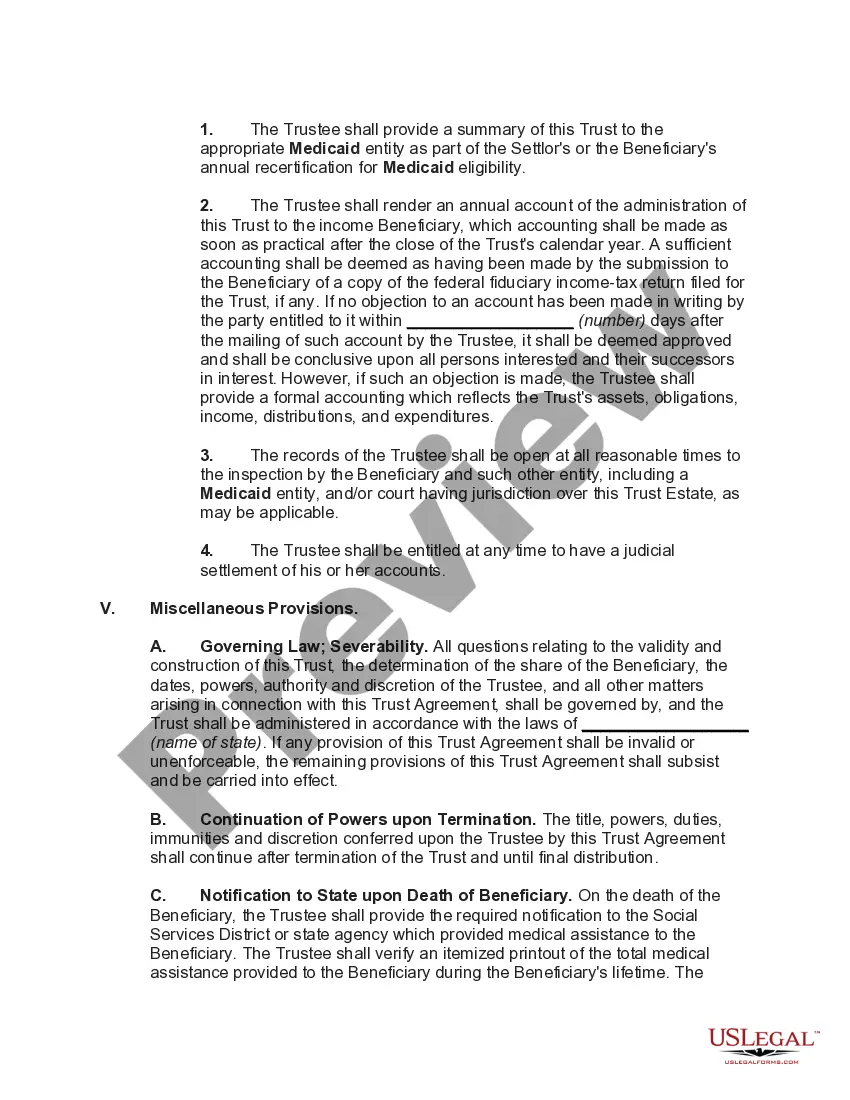




Get your form ready online
Our built-in tools help you complete, sign, share, and store your documents in one place.
Make edits, fill in missing information, and update formatting in US Legal Forms—just like you would in MS Word.
Download a copy, print it, send it by email, or mail it via USPS—whatever works best for your next step.
Sign and collect signatures with our SignNow integration. Send to multiple recipients, set reminders, and more. Go Premium to unlock E-Sign.
If this form requires notarization, complete it online through a secure video call—no need to meet a notary in person or wait for an appointment.
We protect your documents and personal data by following strict security and privacy standards.

Make edits, fill in missing information, and update formatting in US Legal Forms—just like you would in MS Word.

Download a copy, print it, send it by email, or mail it via USPS—whatever works best for your next step.

Sign and collect signatures with our SignNow integration. Send to multiple recipients, set reminders, and more. Go Premium to unlock E-Sign.

If this form requires notarization, complete it online through a secure video call—no need to meet a notary in person or wait for an appointment.

We protect your documents and personal data by following strict security and privacy standards.
Looking for another form?





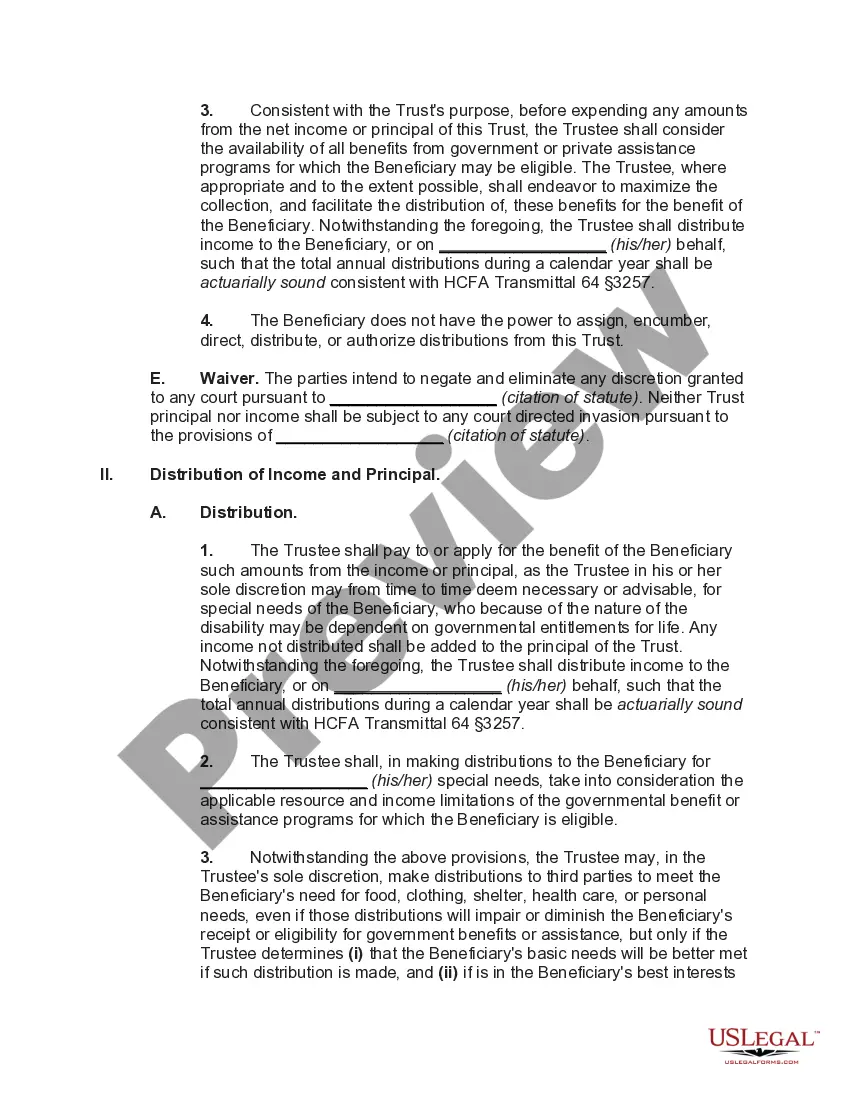
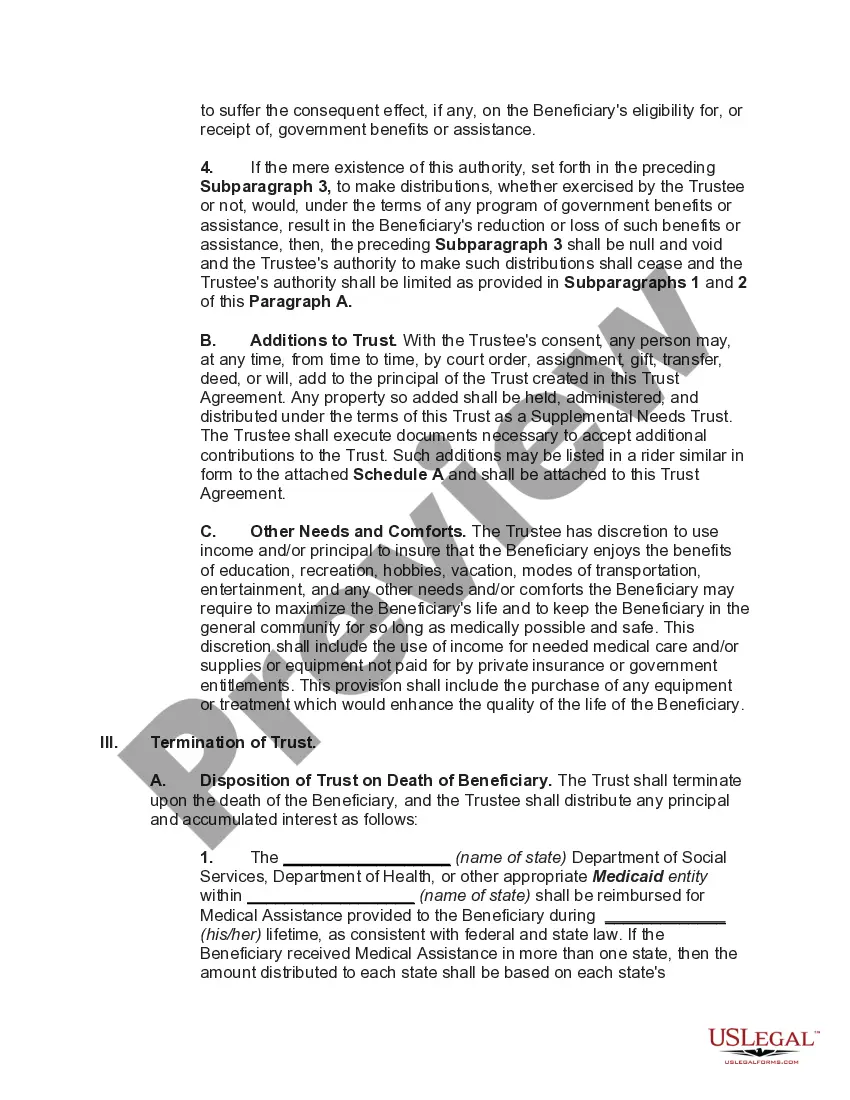
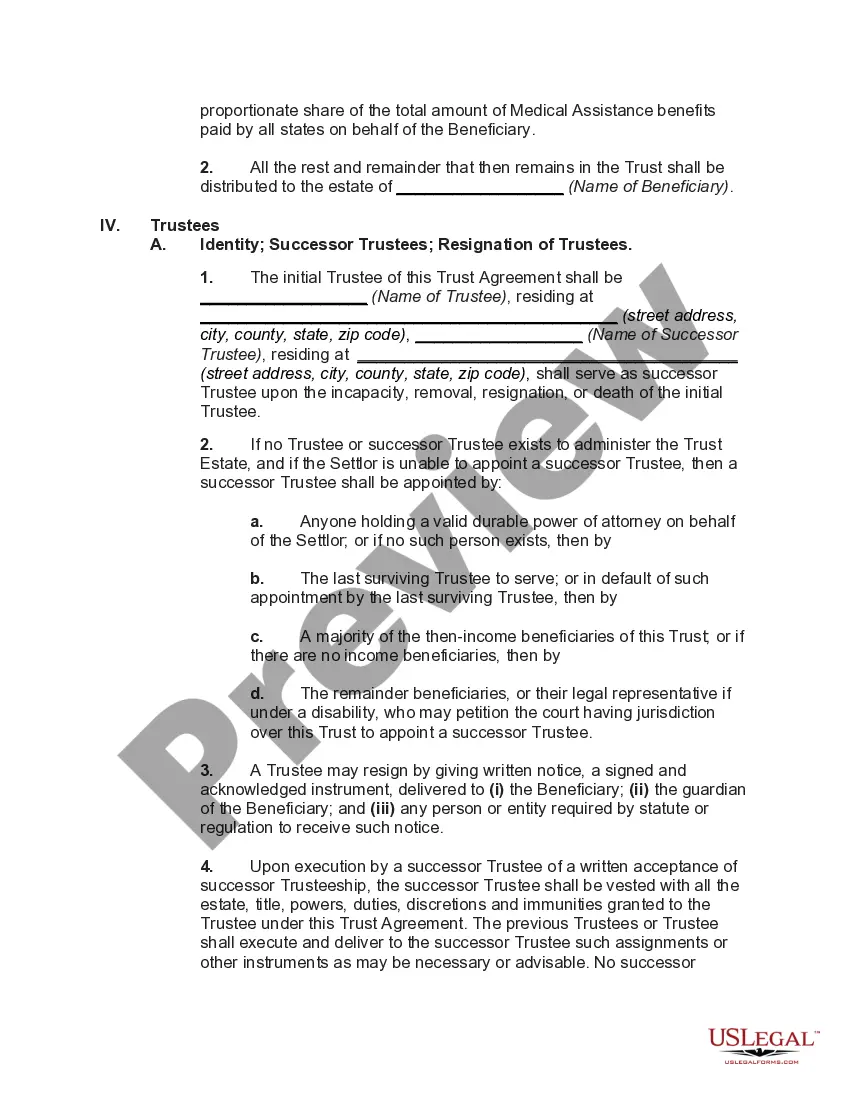
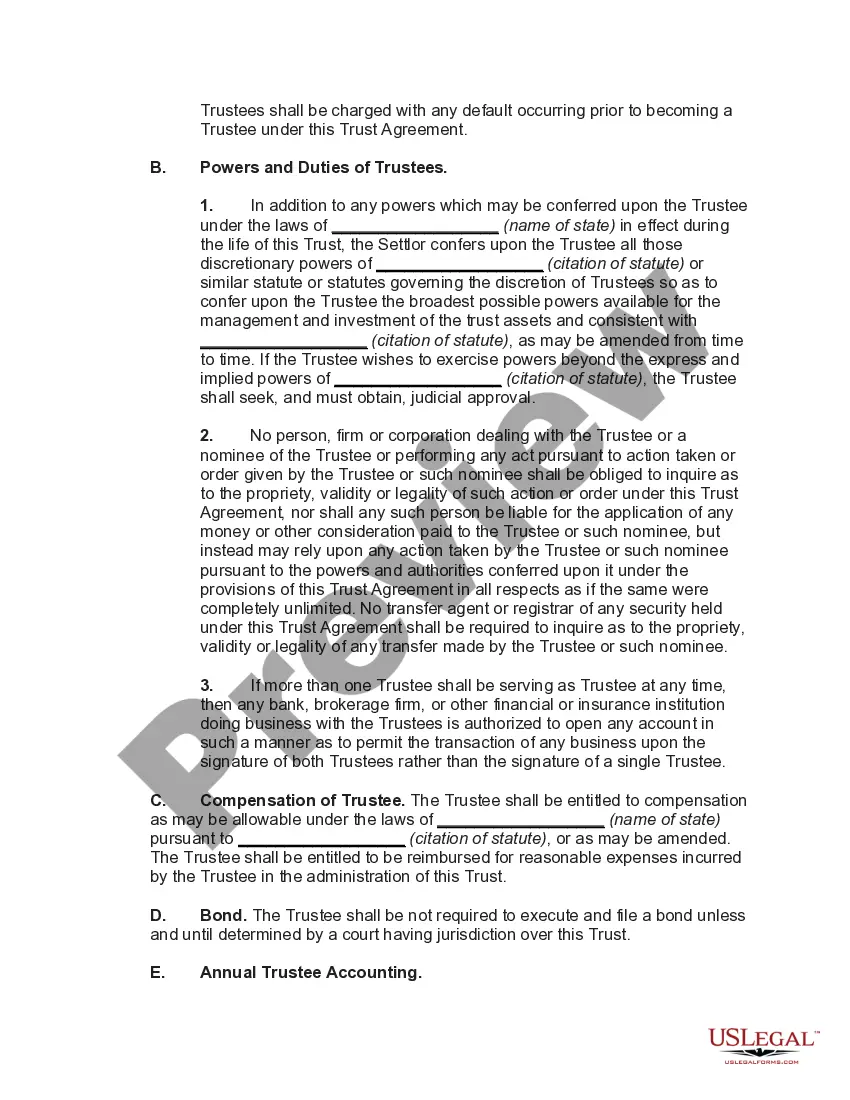
How to fill out Special Needs Irrevocable Trust Agreement For Benefit Of Disabled Child Of Trustor?
- Start by ensuring you have a valid subscription with US Legal Forms. If you're an existing user, log in to your account and access the needed templates.
- Preview the relevant forms to confirm compliance with your local jurisdiction. Check the descriptions carefully.
- If you don’t find the right document, use the Search feature to locate alternative templates that fit your needs.
- Once you select the correct form, click the 'Buy Now' button and choose your preferred subscription plan. Registration may be required to access the full resource library.
- Complete your purchase by entering your payment information, either through credit card or PayPal.
- Finally, download the completed form onto your device. You can access your documents anytime through the 'My Forms' section of your profile.
In conclusion, US Legal Forms is an invaluable resource that empowers you to navigate the complexities of legal documentation with ease. Their extensive library and expert assistance make the process efficient and reliable.
Don't wait—start creating your special needs trust today to secure peace of mind for you and your loved ones.
Form popularity
FAQ
The minimum amount you can place in a special needs trust varies significantly based on its type and purpose. Generally, it is advisable to fund the trust with enough assets to cover the beneficiary's supplemental needs adequately. Starting with a few thousand dollars can help, but it's best to tailor the funding to the specific needs of the individual to ensure their well-being.
There is no strict minimum amount to establish a special needs trust for adults, but many lawyers recommend having at least a few thousand dollars to make it worthwhile. A larger trust amount can provide better financial support for the beneficiary's needs. Always consult with a legal expert to assess your specific situation and determine the best approach for funding the trust.
While it's possible to establish a special needs trust for adult individuals without legal assistance, it is not advisable. The regulations surrounding special needs trusts are complex, and a lawyer can ensure that the trust meets legal requirements and benefits the individual appropriately. By working with an attorney, you can avoid potential pitfalls and ensure the trust is set up correctly to protect the beneficiary's eligibility for government benefits.
Yes, you can establish a special needs trust for your adult children, especially if they have disabilities. This type of trust helps protect their eligibility for government benefits while allowing you to provide financial support. When creating the trust, it's crucial to follow legal guidelines to ensure it functions as intended. Platforms like US Legal Forms can assist you in drafting an appropriate trust document tailored to your family's needs.
Individuals who have disabilities and rely on government benefits often qualify for a special needs trust for adult individuals. Eligibility typically includes those receiving Social Security Disability Insurance or Medicaid. However, requirements can vary by state, so it's essential to check local regulations. Consulting with a knowledgeable attorney can help clarify your situation and guide you through the process.
The timeline for establishing a special needs trust for adult individuals can vary depending on several factors. Generally, the process can take a few weeks to a couple of months, depending on the complexity of your situation and the attorney's workload. Gathering necessary documentation and clarifying your family's needs can also influence the timeframe. To streamline the process, prepare your information ahead of time and consult with a reliable legal service.
One significant mistake parents make when creating a special needs trust for adult children is not clearly defining the terms and beneficiaries. Ambiguity in the trust document can lead to confusion, disputes, and unintended consequences over time. Parents often overlook the importance of regular reviews and updates to reflect changes in laws or family dynamics. Working with an experienced attorney can help you navigate these complexities.
The primary alternative to a special needs trust for adult individuals is directly gifting assets to them. However, this approach can impact eligibility for government benefits, which can be crucial for those with special needs. Additionally, parents can consider purchasing life insurance or setting up a pooled special needs trust managed by a nonprofit. It's essential to evaluate these alternatives carefully to ensure they meet your family’s financial and emotional needs.
The three types of special needs often refer to physical disabilities, developmental disabilities, and mental health challenges. Each category requires different support systems and resources, with special needs trusts for adults playing a vital role in providing for their unique needs without jeopardizing public assistance. Understanding these types helps in creating comprehensive and tailored plans.
While a special needs trust for adults offers many advantages, there are also downsides to consider. Establishing a trust can be complex and may involve legal fees and ongoing management costs. Additionally, funds in the trust cannot be used for non-qualifying expenses, which can restrict the beneficiary's financial flexibility. It's important to weigh these factors when planning.