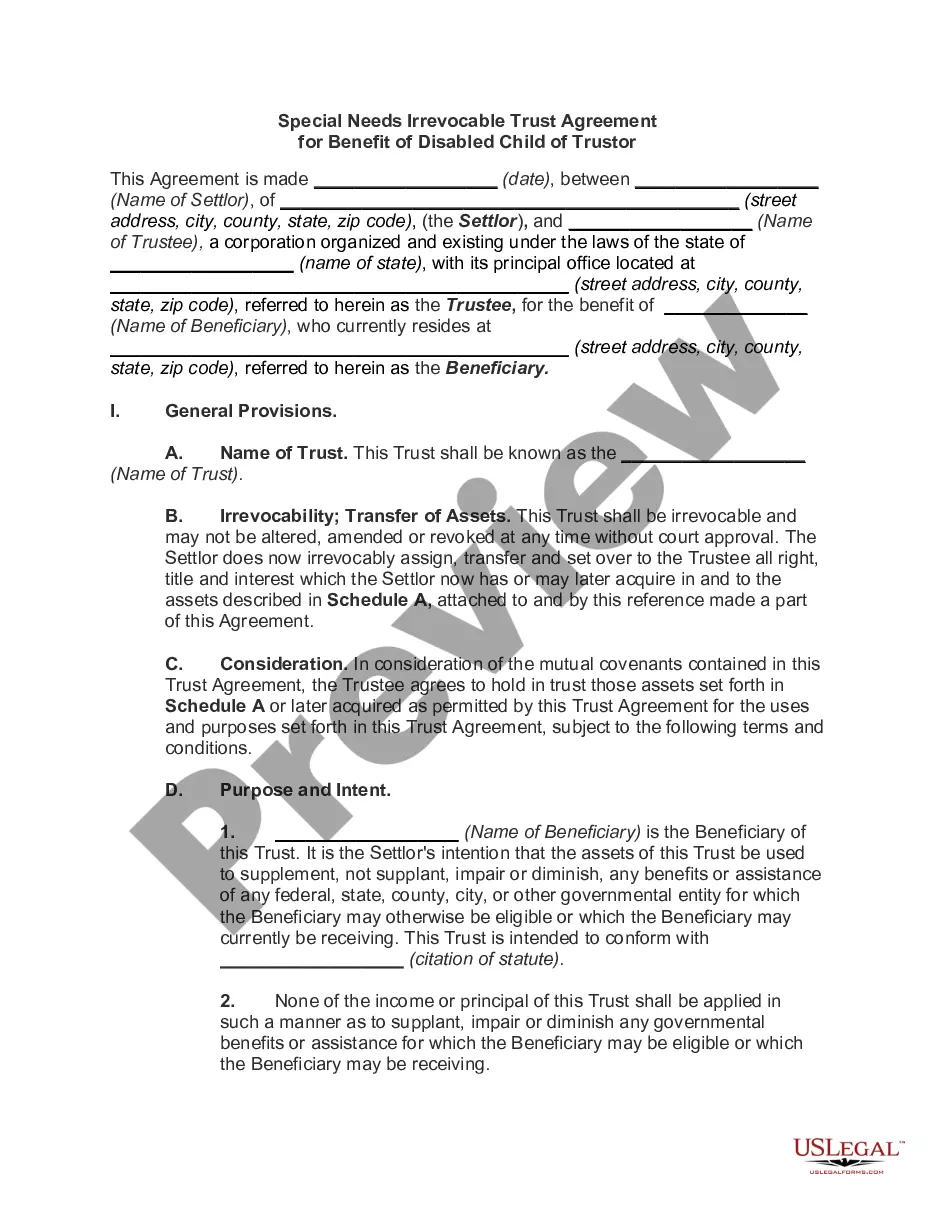
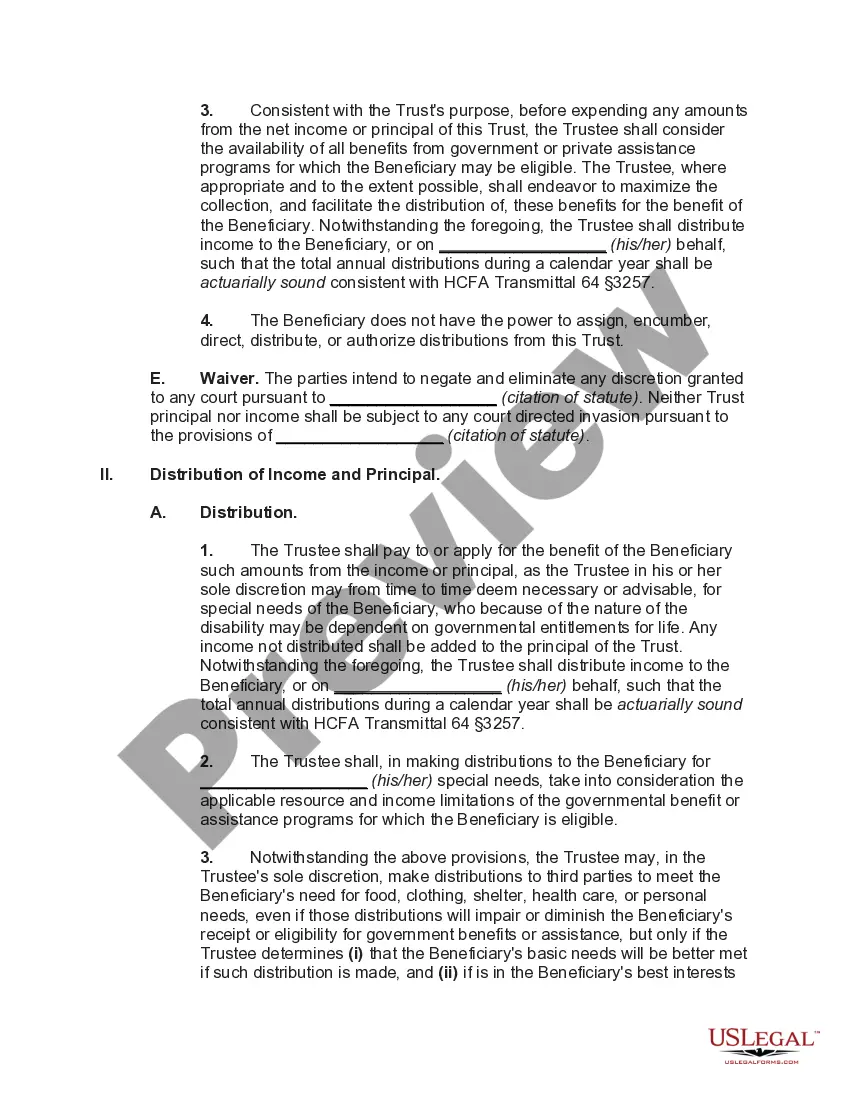
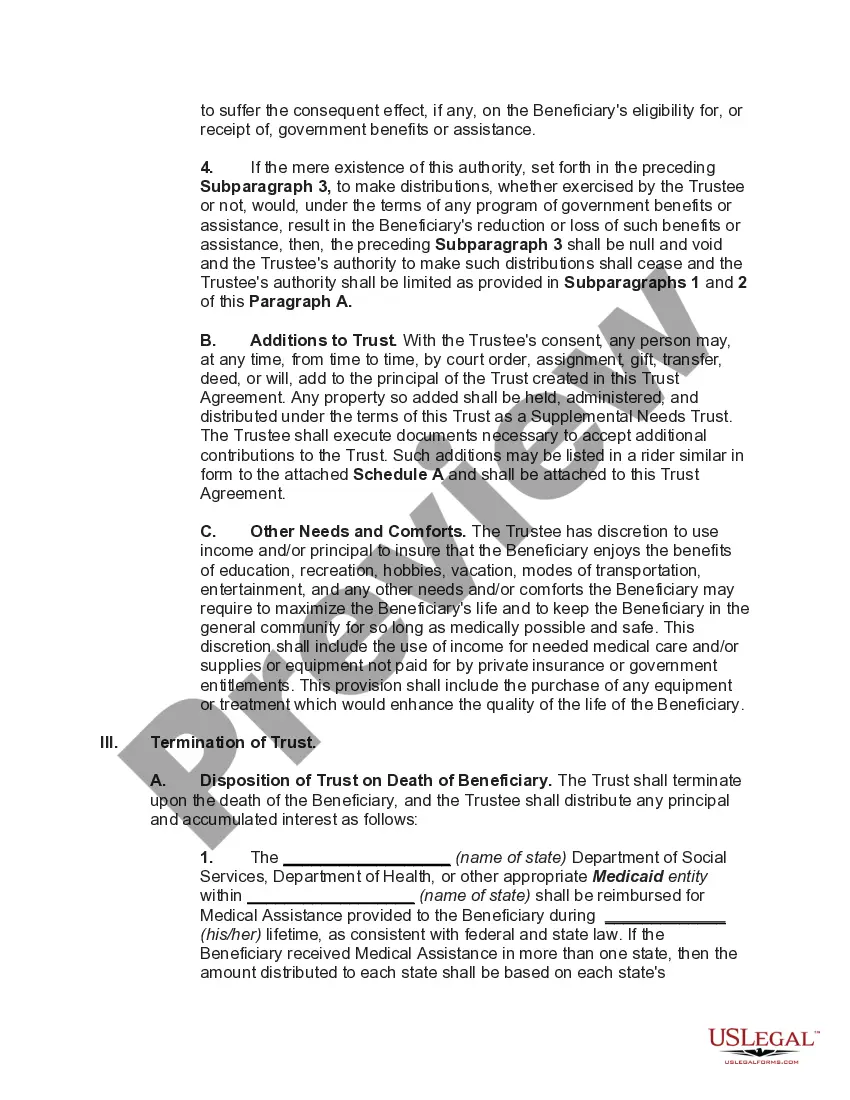
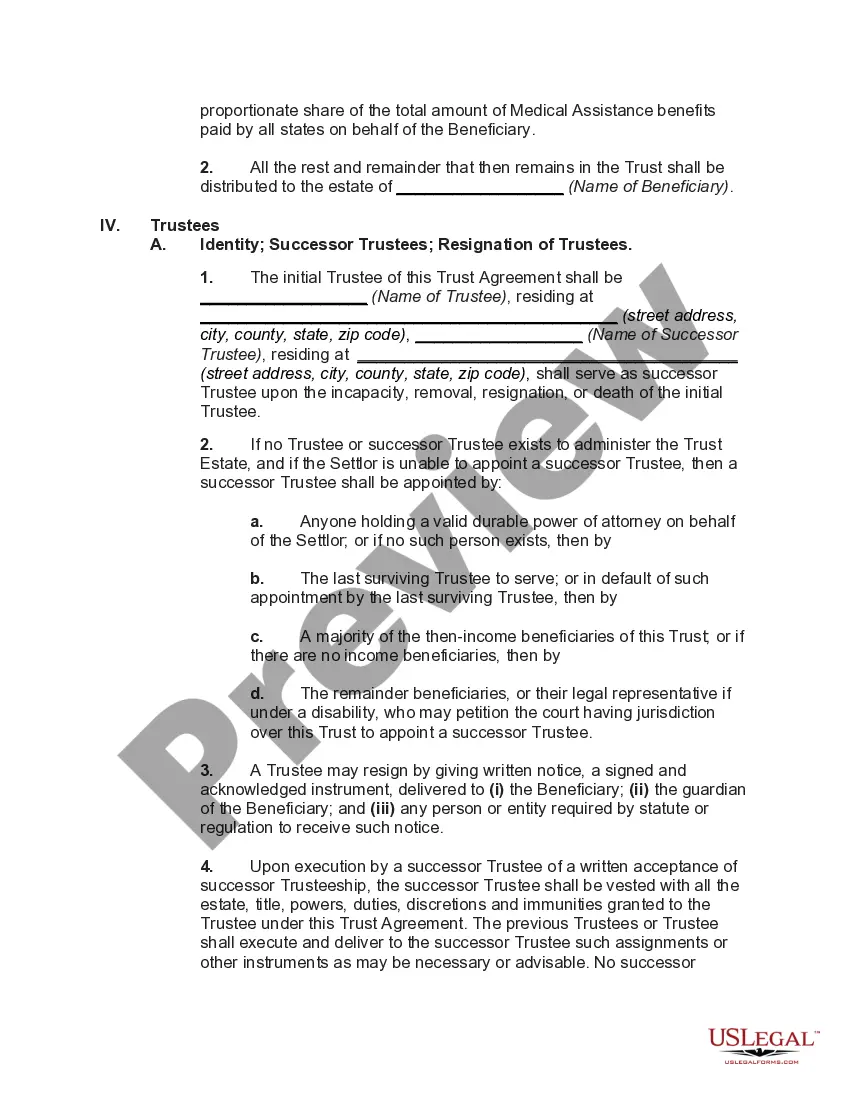
Special Needs Trust Contract With Will
Description
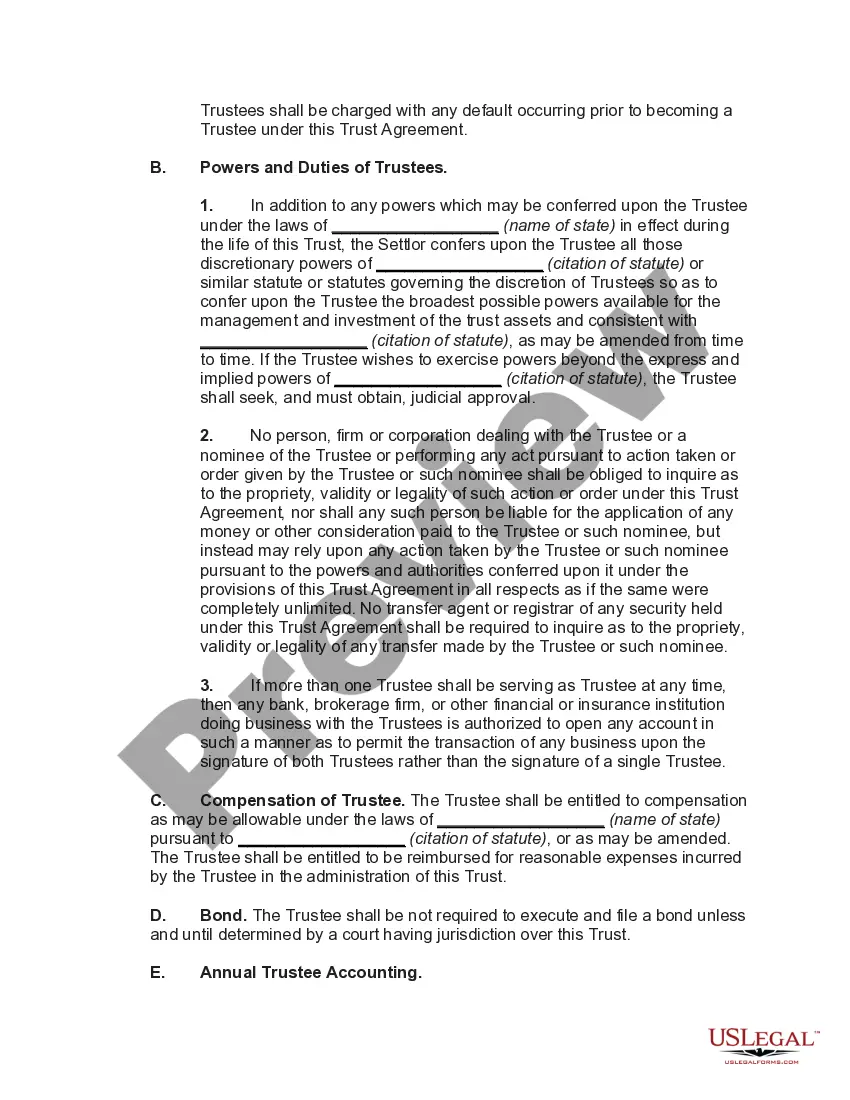
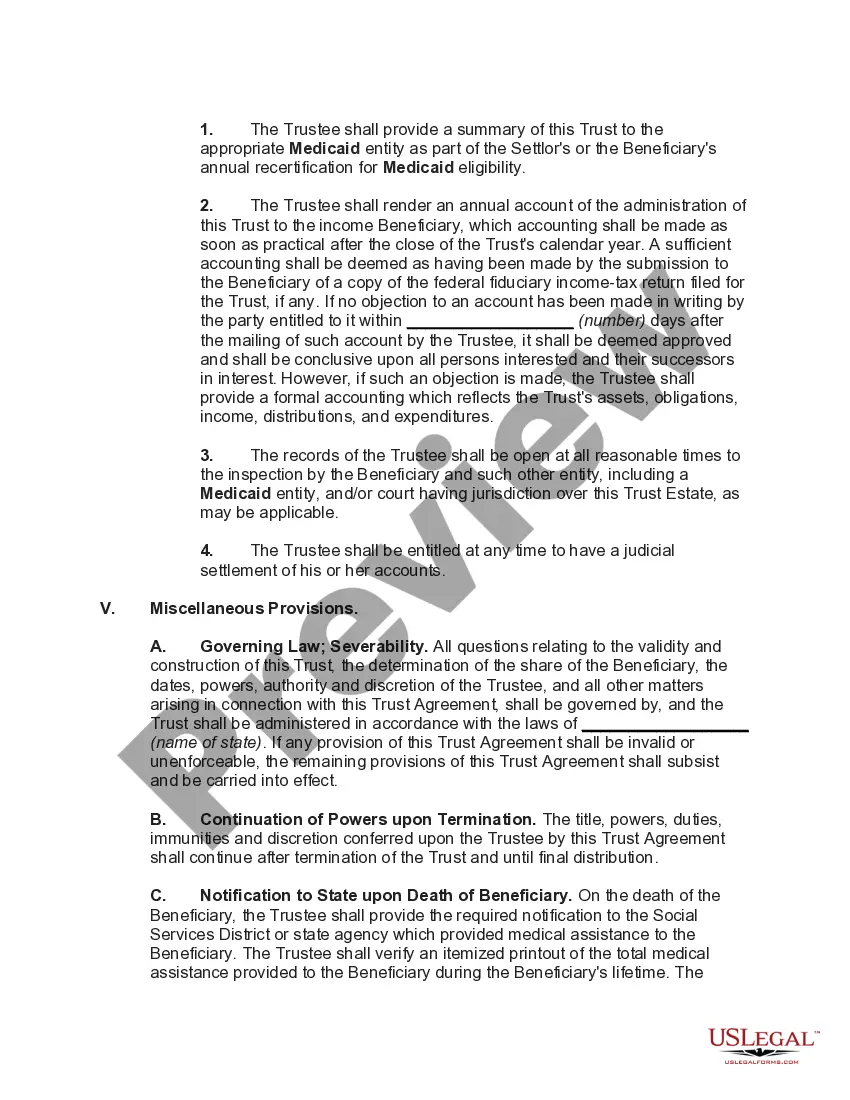
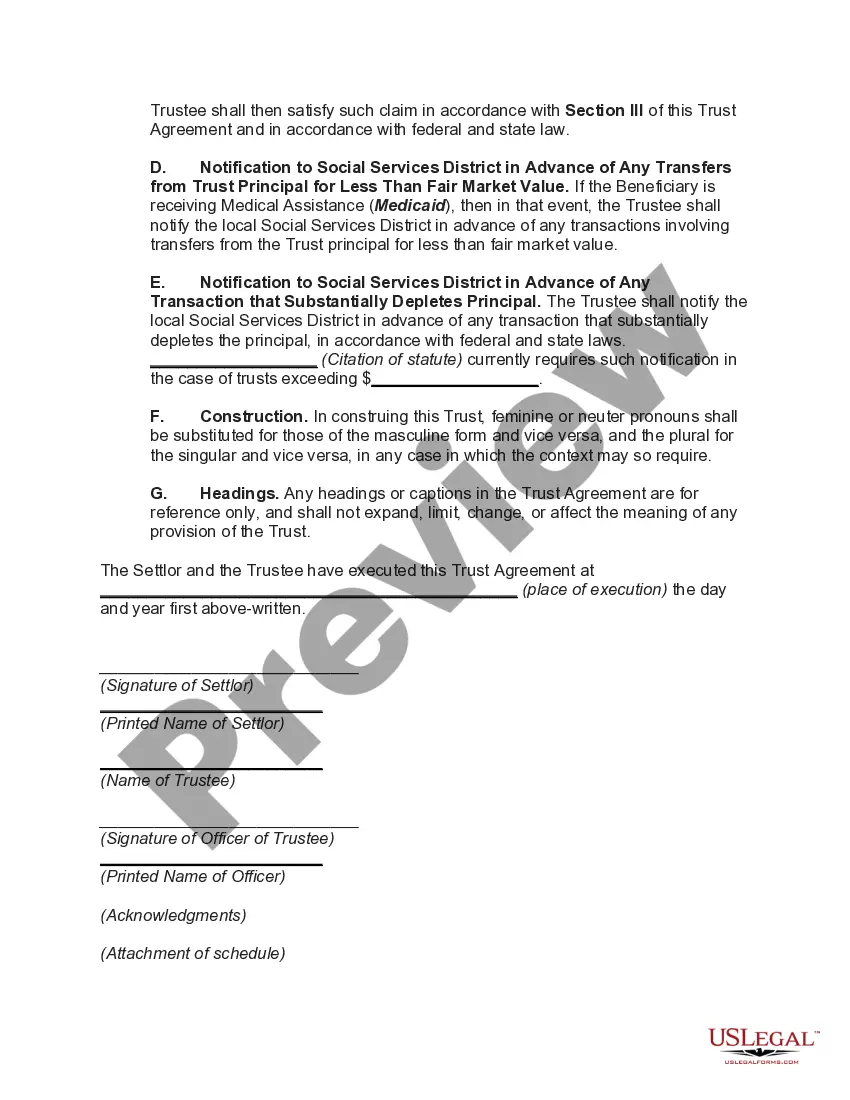
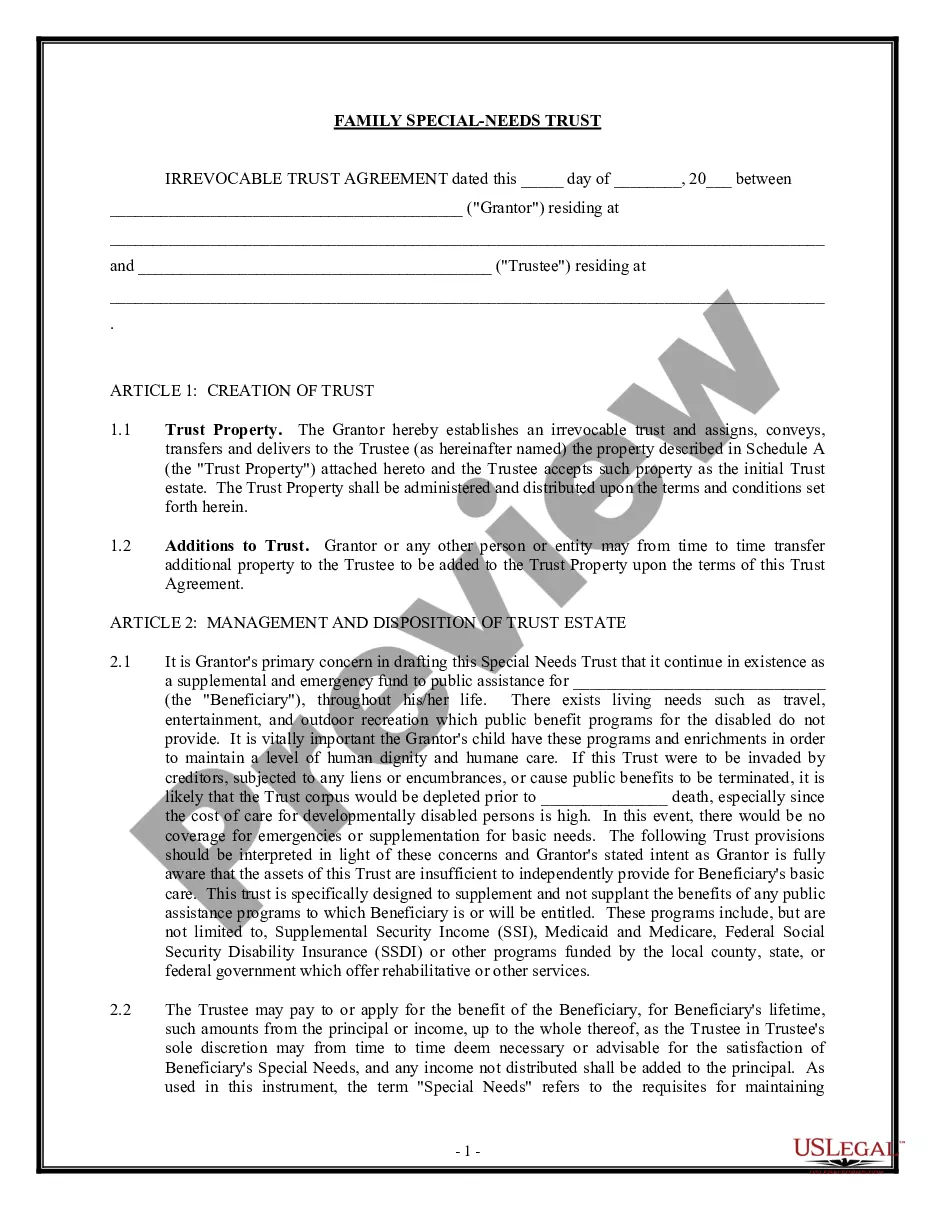

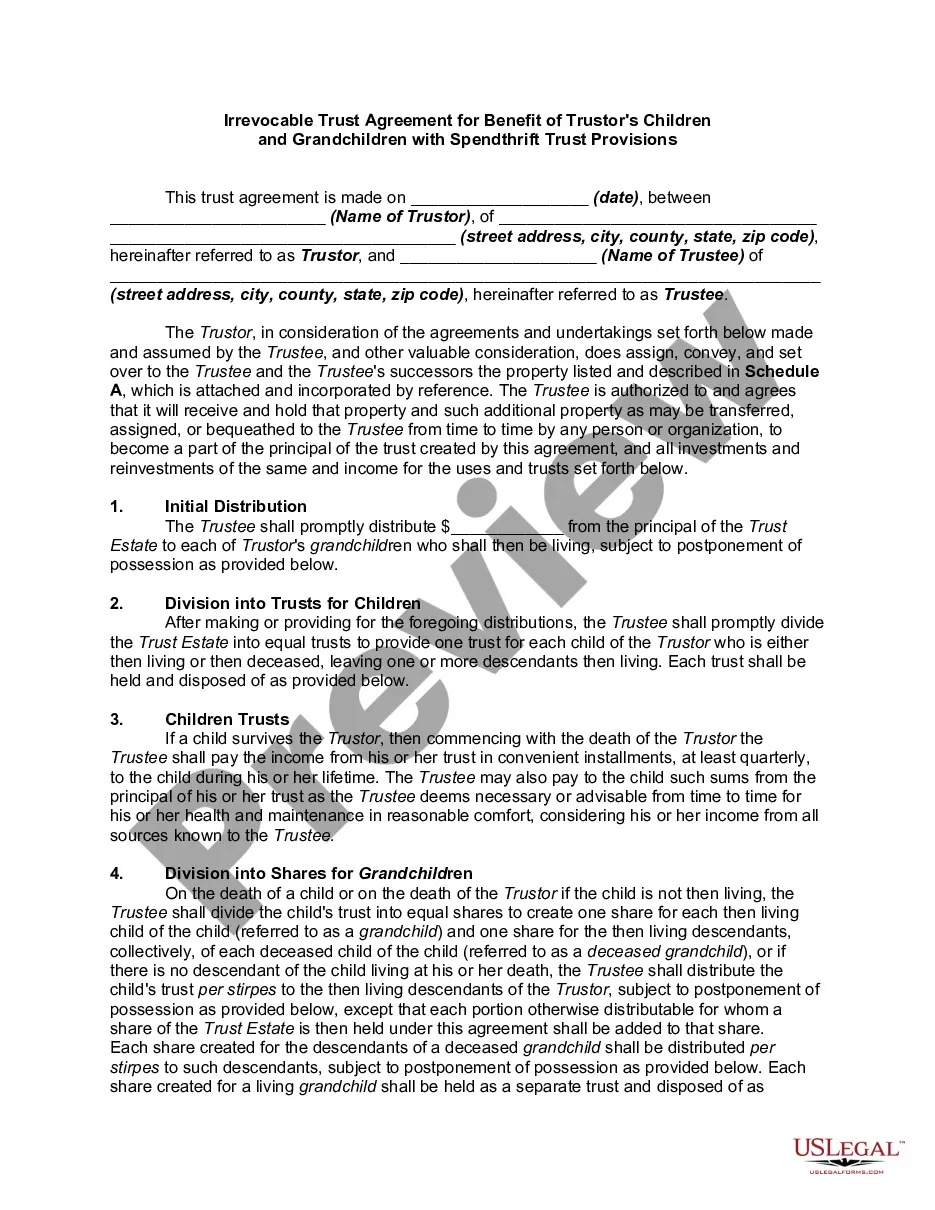
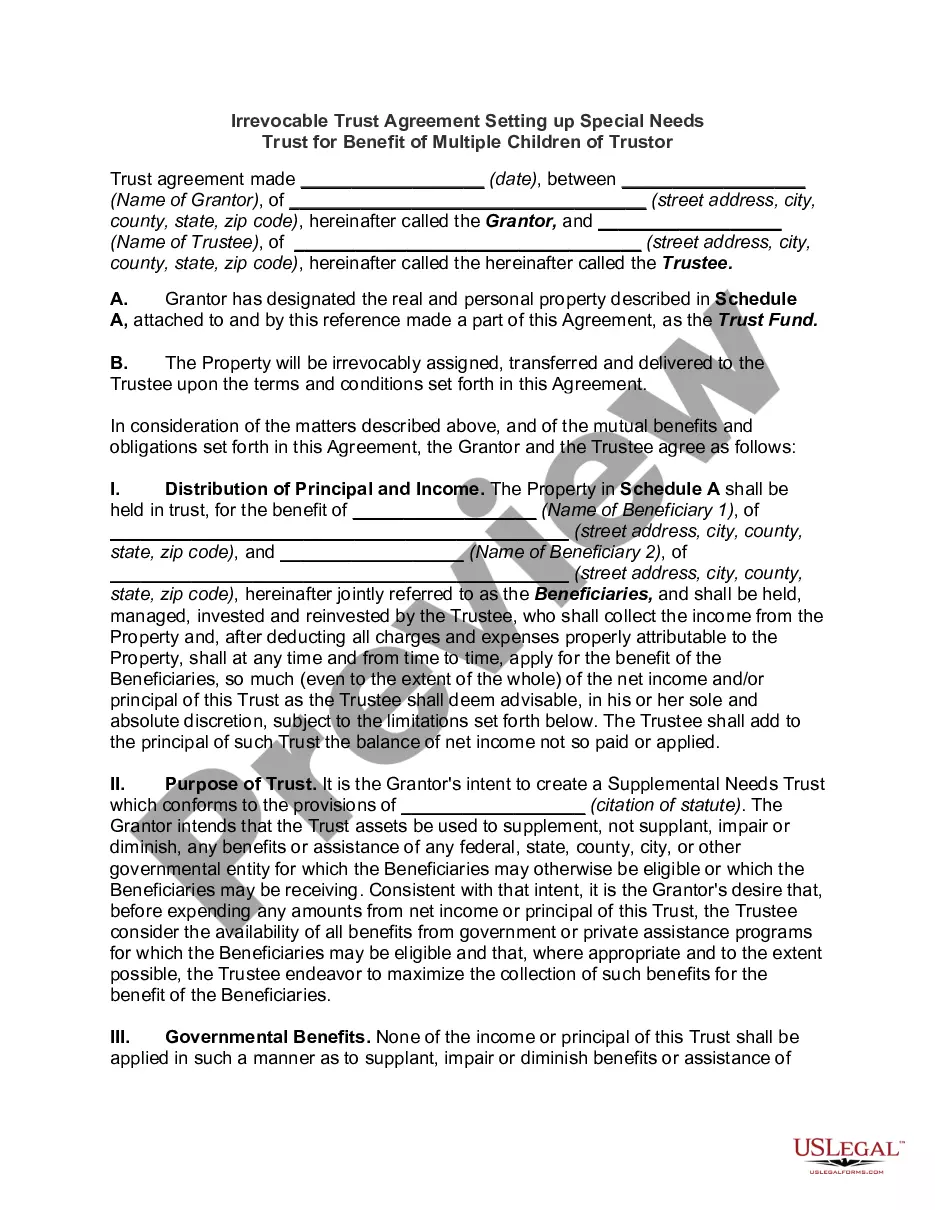
Get your form ready online
Our built-in tools help you complete, sign, share, and store your documents in one place.
Make edits, fill in missing information, and update formatting in US Legal Forms—just like you would in MS Word.
Download a copy, print it, send it by email, or mail it via USPS—whatever works best for your next step.
Sign and collect signatures with our SignNow integration. Send to multiple recipients, set reminders, and more. Go Premium to unlock E-Sign.
If this form requires notarization, complete it online through a secure video call—no need to meet a notary in person or wait for an appointment.
We protect your documents and personal data by following strict security and privacy standards.

Make edits, fill in missing information, and update formatting in US Legal Forms—just like you would in MS Word.

Download a copy, print it, send it by email, or mail it via USPS—whatever works best for your next step.

Sign and collect signatures with our SignNow integration. Send to multiple recipients, set reminders, and more. Go Premium to unlock E-Sign.

If this form requires notarization, complete it online through a secure video call—no need to meet a notary in person or wait for an appointment.

We protect your documents and personal data by following strict security and privacy standards.
Looking for another form?
How to fill out Special Needs Irrevocable Trust Agreement For Benefit Of Disabled Child Of Trustor?
- If you're a returning user, log in to your account and ensure your subscription is active. Choose the appropriate template and click the Download button.
- For first-time users, start by exploring the Preview mode and reading the form description. Make sure the selected document meets your specific requirements.
- Should you find discrepancies or need an alternative template, utilize the Search tab above to locate the correct option that fits your needs.
- Once you've selected the proper document, click on the Buy Now button. Choose the subscription plan that suits you best and create an account for full access.
- Proceed to make your purchase by entering your credit card information or using your PayPal account for the subscription fee.
- Finally, download the document and save it to your device. Access it anytime through the My Forms section in your profile.
In conclusion, using US Legal Forms simplifies the process of creating legal documents like a special needs trust contract with will. Not only do users gain access to a library of over 85,000 forms, but they also benefit from expert assistance throughout the document completion process.
Start your journey today by visiting US Legal Forms and empower yourself to create legally sound documents with ease!
Form popularity
FAQ
A trust agreement in a will, specifically a special needs trust contract with will, outlines how assets will be managed for a beneficiary with special needs after your passing. This document specifies the trustee's responsibilities, the terms under which funds can be used, and the protection of the beneficiary’s eligibility for government benefits. Essentially, it provides a detailed plan for financial support tailored to the needs of your loved one. Utilizing platforms like US Legal Forms can assist you in creating a solid trust agreement.
Yes, you can create your own special needs trust contract with will, but it requires careful planning and a clear understanding of legal guidelines. It is essential to ensure that the trust complies with state laws to protect the beneficiary's government benefits. Although you can draft one independently, consider consulting with professionals or using reliable resources like US Legal Forms for guidance. This can help minimize errors and enhance the trust's effectiveness.
A will and a special needs trust contract with will serve complementary roles in estate planning. The will dictates how your assets will be distributed upon your passing, while the trust allows for ongoing management of funds for a specific beneficiary, especially someone with special needs. Together, they ensure that your estate is handled according to your wishes and that beneficiaries receive necessary support. This integrated approach helps prevent disruptions in financial aid eligibility.
Incorporating a special needs trust contract with will involves outlining the terms of the trust within the will document. You will need to specify the trustee, the beneficiary, and how the trust assets will be managed. By clearly stating these elements, you create a legal framework that supports your intentions. Services like US Legal Forms can simplify the drafting of a will that includes a trust.
Yes, you can include a special needs trust contract with will to manage your assets effectively. This allows you to designate specific funds for your beneficiary while ensuring they remain eligible for government assistance. Integrating a trust into your will can provide peace of mind, knowing that your loved one’s future is secure. Consider using a reliable platform like US Legal Forms to help you navigate this process.
Upon the death of the individual, a special needs trust contract with will dictates how remaining assets are handled. Typically, any funds left in the trust can be distributed according to the trust's terms or used to settle debts and taxes. It's crucial to ensure that the trust's provisions align with your overall estate plans, as this can impact the remaining beneficiaries. Consult an experienced professional for tailored advice on this aspect.
While a special needs trust contract with will offers significant benefits, it is not without its drawbacks. For example, setting up such a trust can entail high initial costs, and its management may require ongoing administrative fees. Moreover, if the trust is not updated with life changes, it can lead to complications down the line. Carefully weigh these cons with the potential benefits before proceeding.
Yes, a trust agreement typically supersedes a will when it concerns the distribution of assets. In cases where both documents exist, the terms of the trust contract take precedence over those in the will. This arrangement can help ensure that intended beneficiaries receive support and resources without disruption. Familiarizing yourself with this distinction is essential for a comprehensive estate plan.
A special needs trust contract with will can provide financial safety for individuals with disabilities, but it often has limitations. One major downside is the complexity involved in setting it up and managing it, which may require professional help. Additionally, if not properly funded, the trust may not meet the financial needs of the beneficiary. Always consider these factors when planning.
There is no set minimum amount required to establish a special needs trust, but you should consider what funds are necessary to meet your child's needs effectively. Even a smaller trust can provide significant benefits if managed well. When drafting a special needs trust contract with will, assess your unique situation to determine the appropriate funding levels.