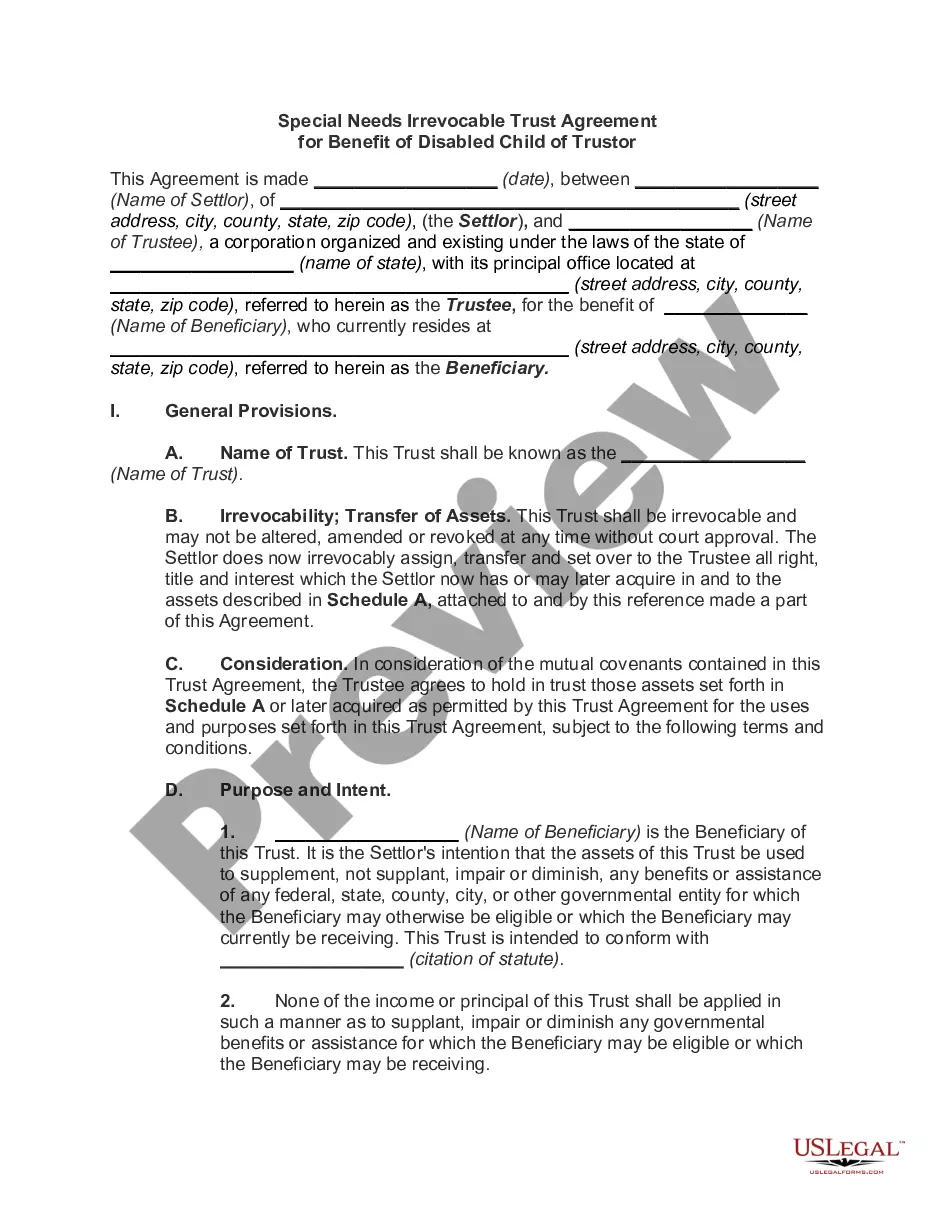
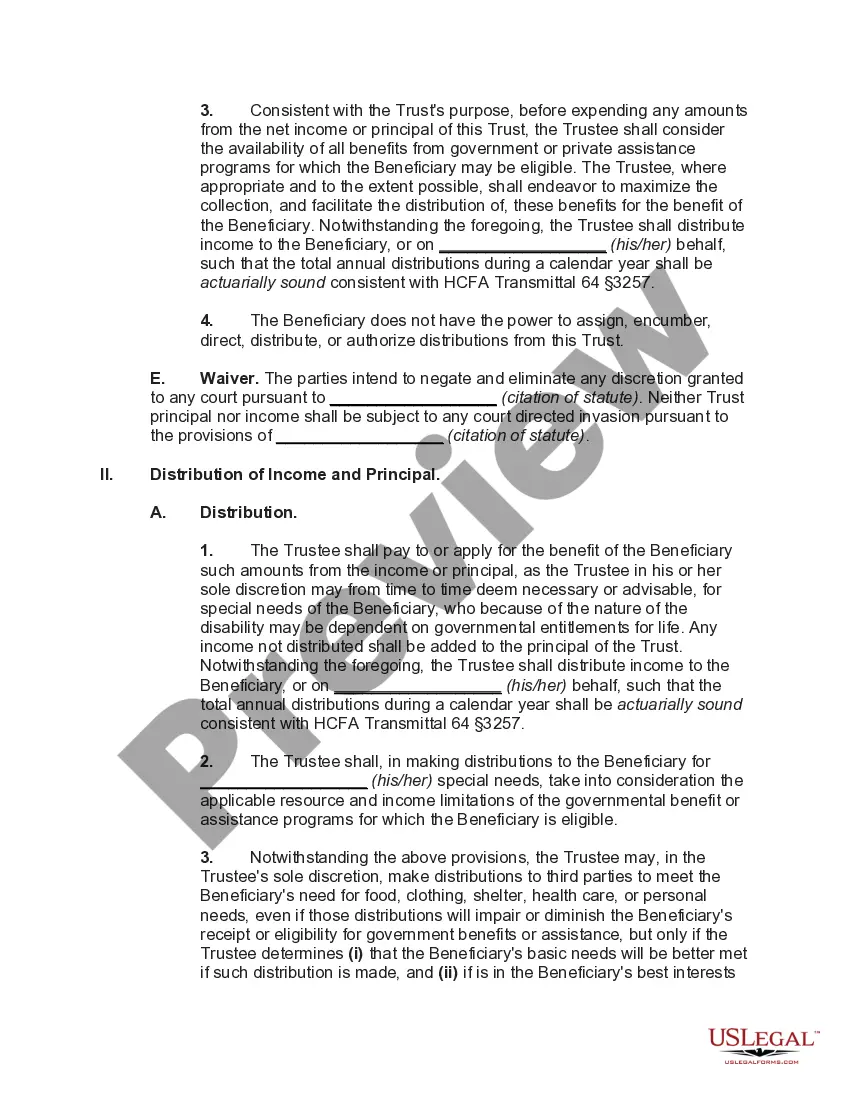
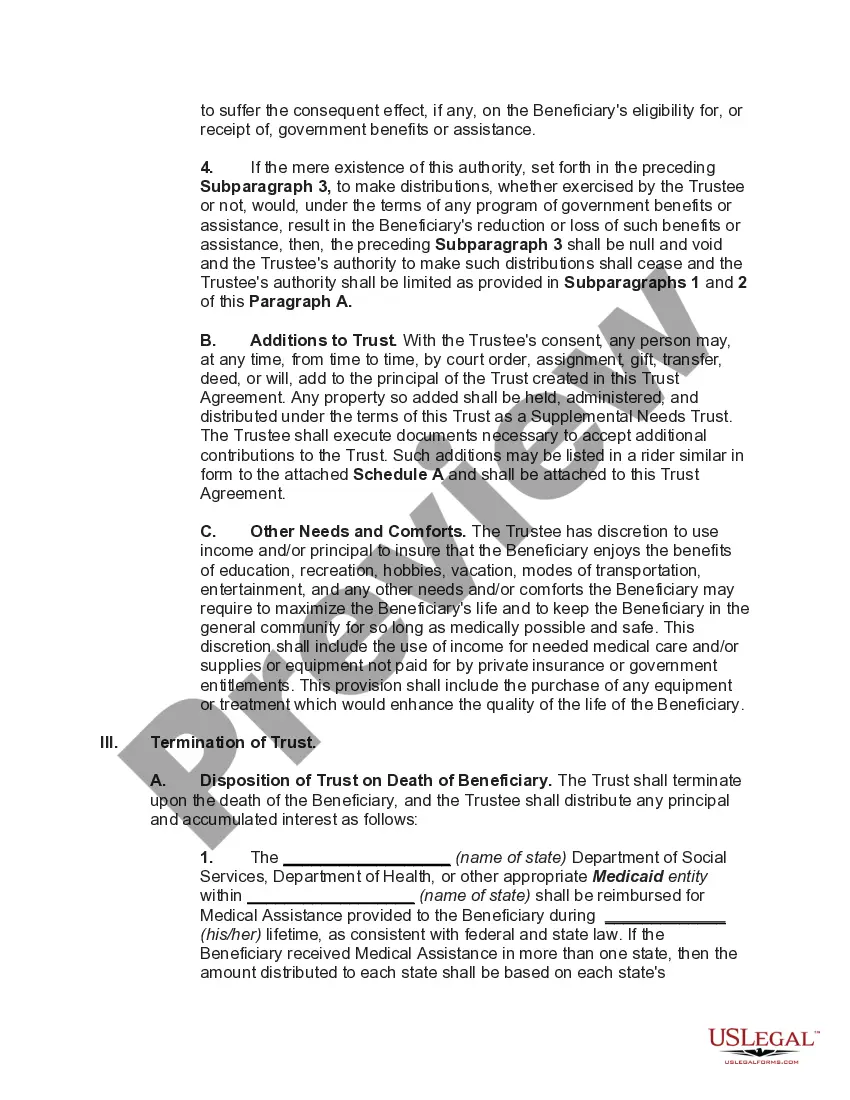
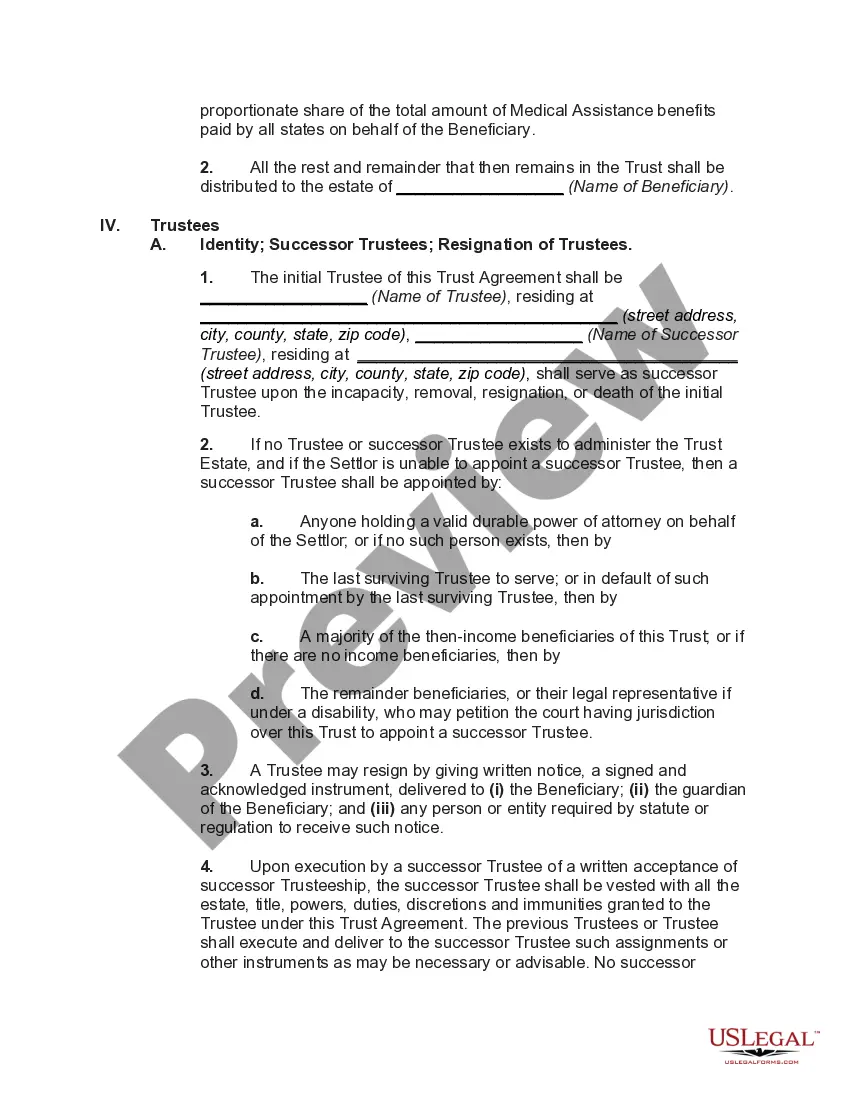
Special Needs Trust Contract With Employer
Description
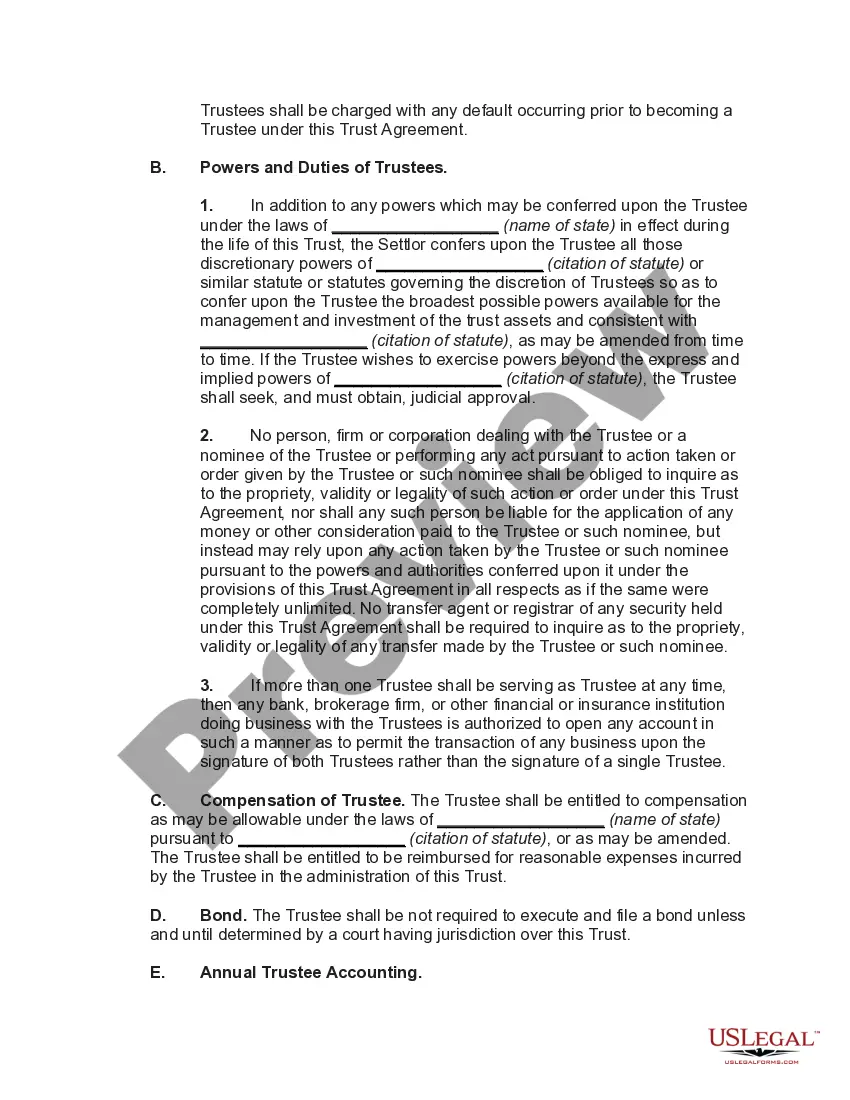
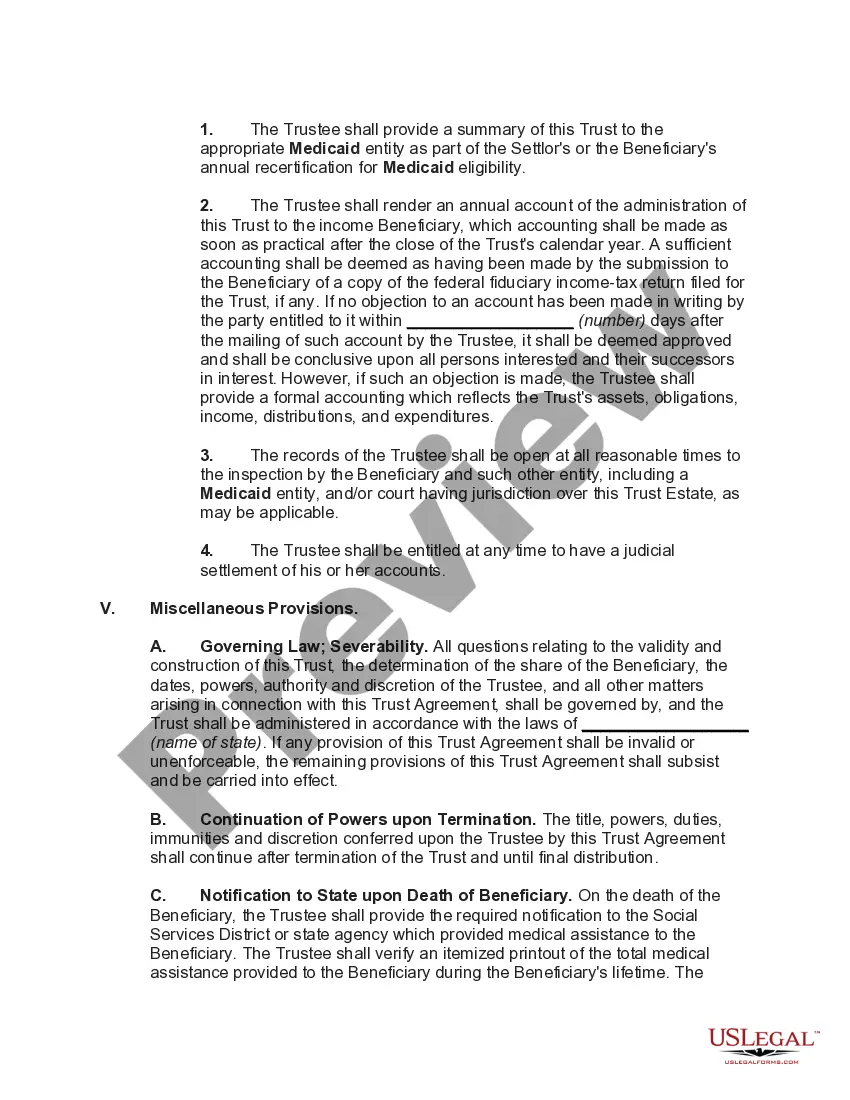
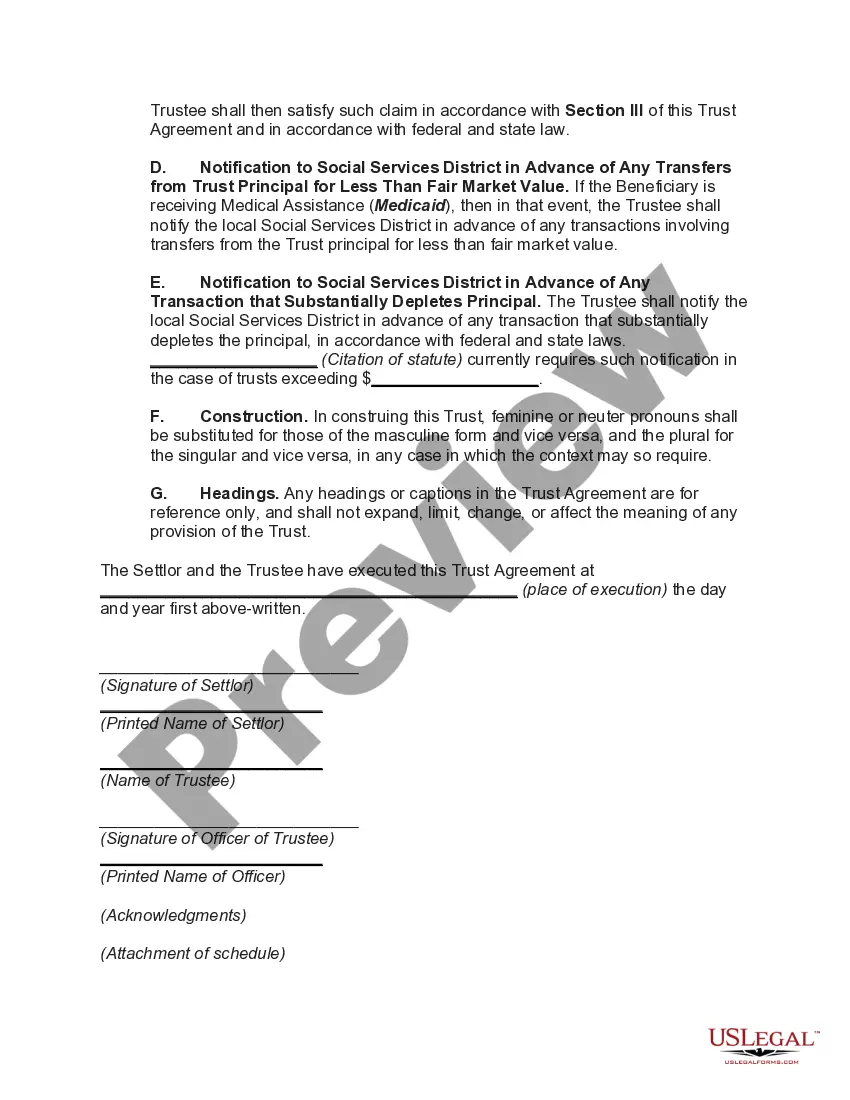
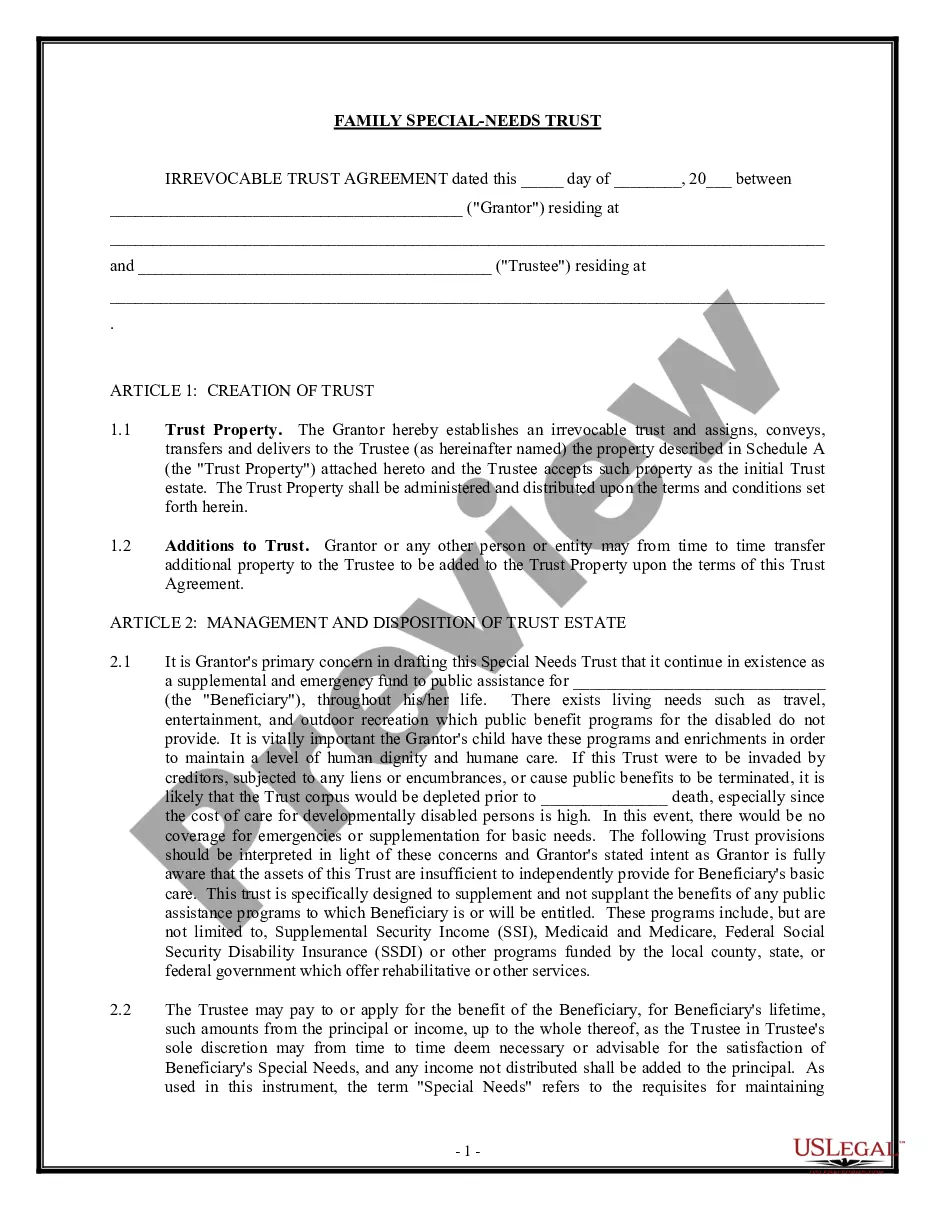

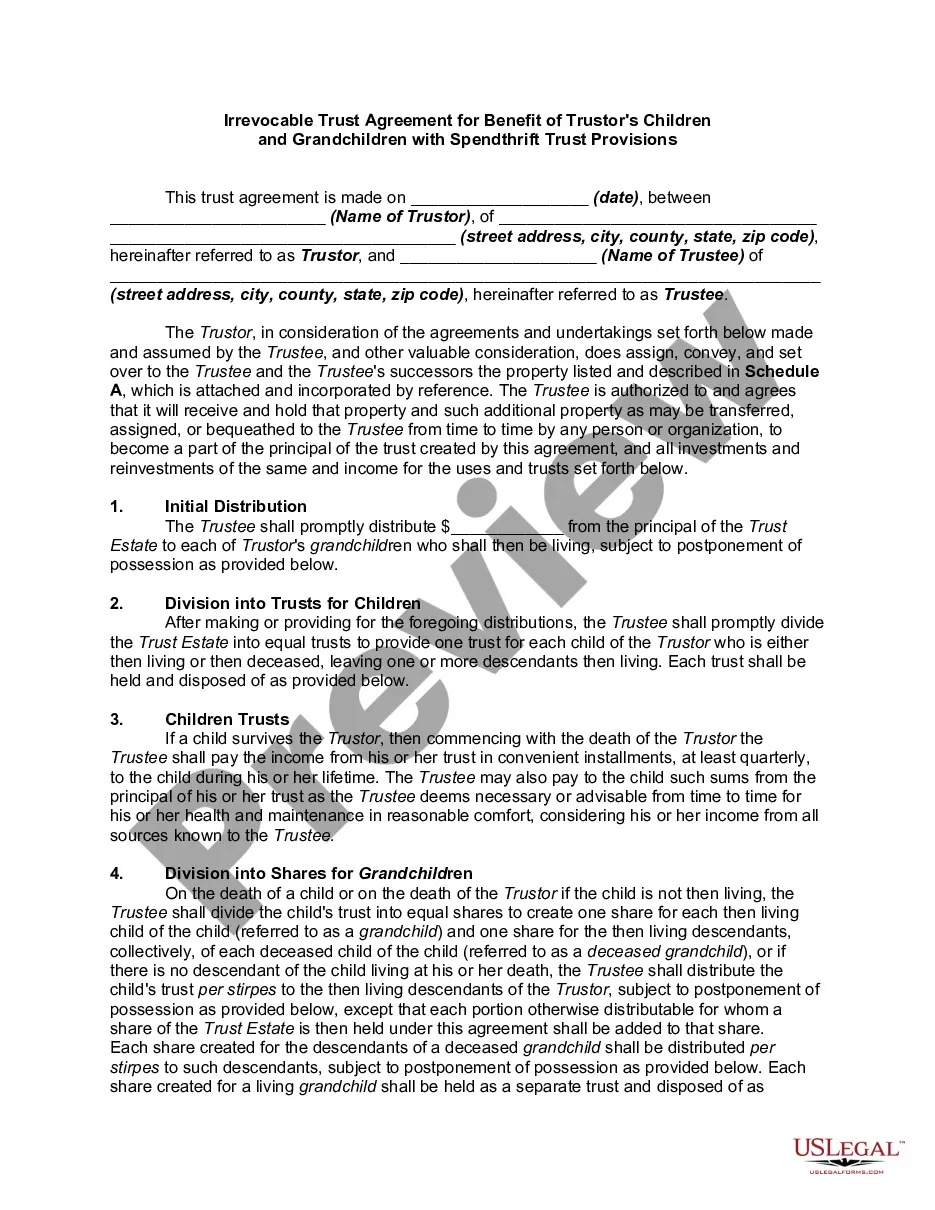
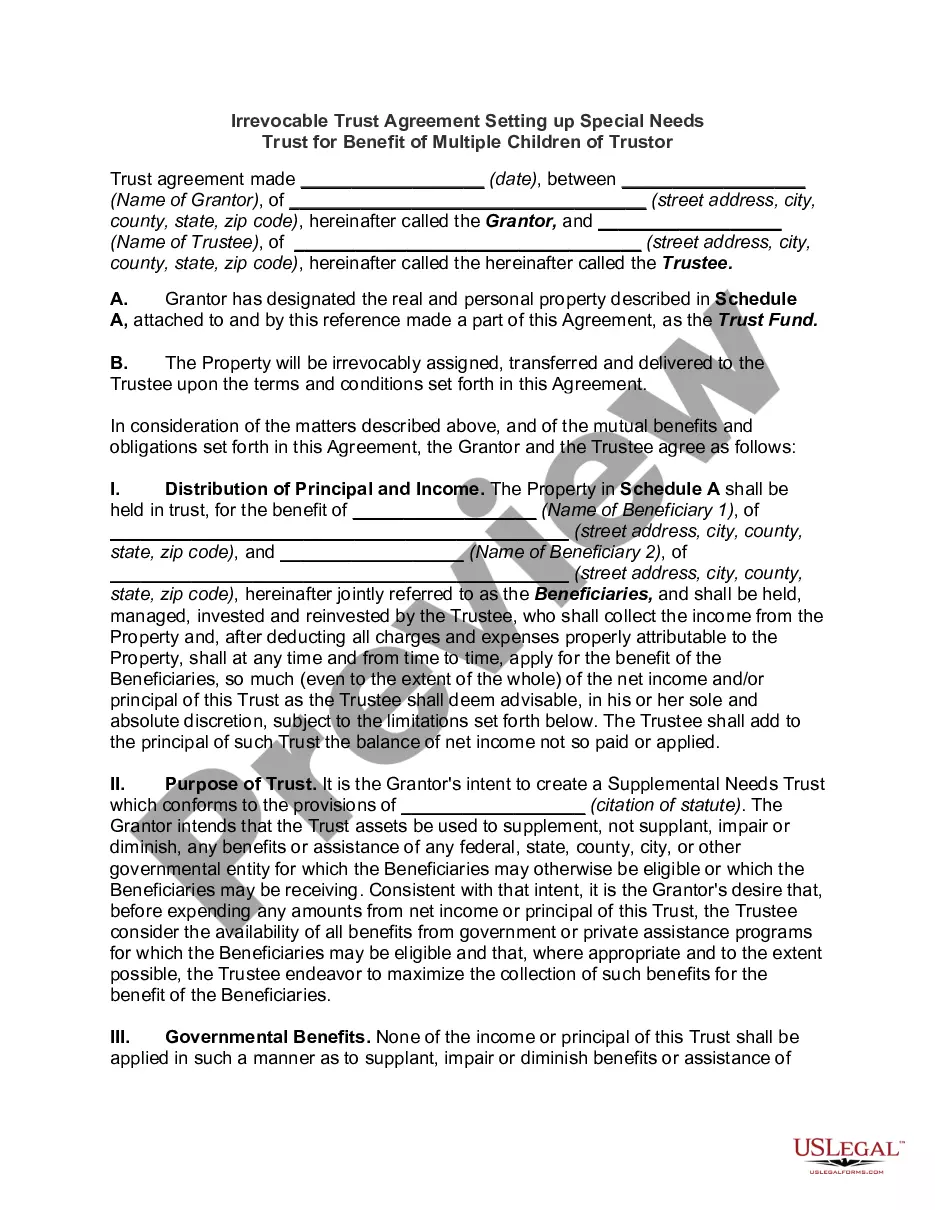
Get your form ready online
Our built-in tools help you complete, sign, share, and store your documents in one place.
Make edits, fill in missing information, and update formatting in US Legal Forms—just like you would in MS Word.
Download a copy, print it, send it by email, or mail it via USPS—whatever works best for your next step.
Sign and collect signatures with our SignNow integration. Send to multiple recipients, set reminders, and more. Go Premium to unlock E-Sign.
If this form requires notarization, complete it online through a secure video call—no need to meet a notary in person or wait for an appointment.
We protect your documents and personal data by following strict security and privacy standards.

Make edits, fill in missing information, and update formatting in US Legal Forms—just like you would in MS Word.

Download a copy, print it, send it by email, or mail it via USPS—whatever works best for your next step.

Sign and collect signatures with our SignNow integration. Send to multiple recipients, set reminders, and more. Go Premium to unlock E-Sign.

If this form requires notarization, complete it online through a secure video call—no need to meet a notary in person or wait for an appointment.

We protect your documents and personal data by following strict security and privacy standards.
Looking for another form?

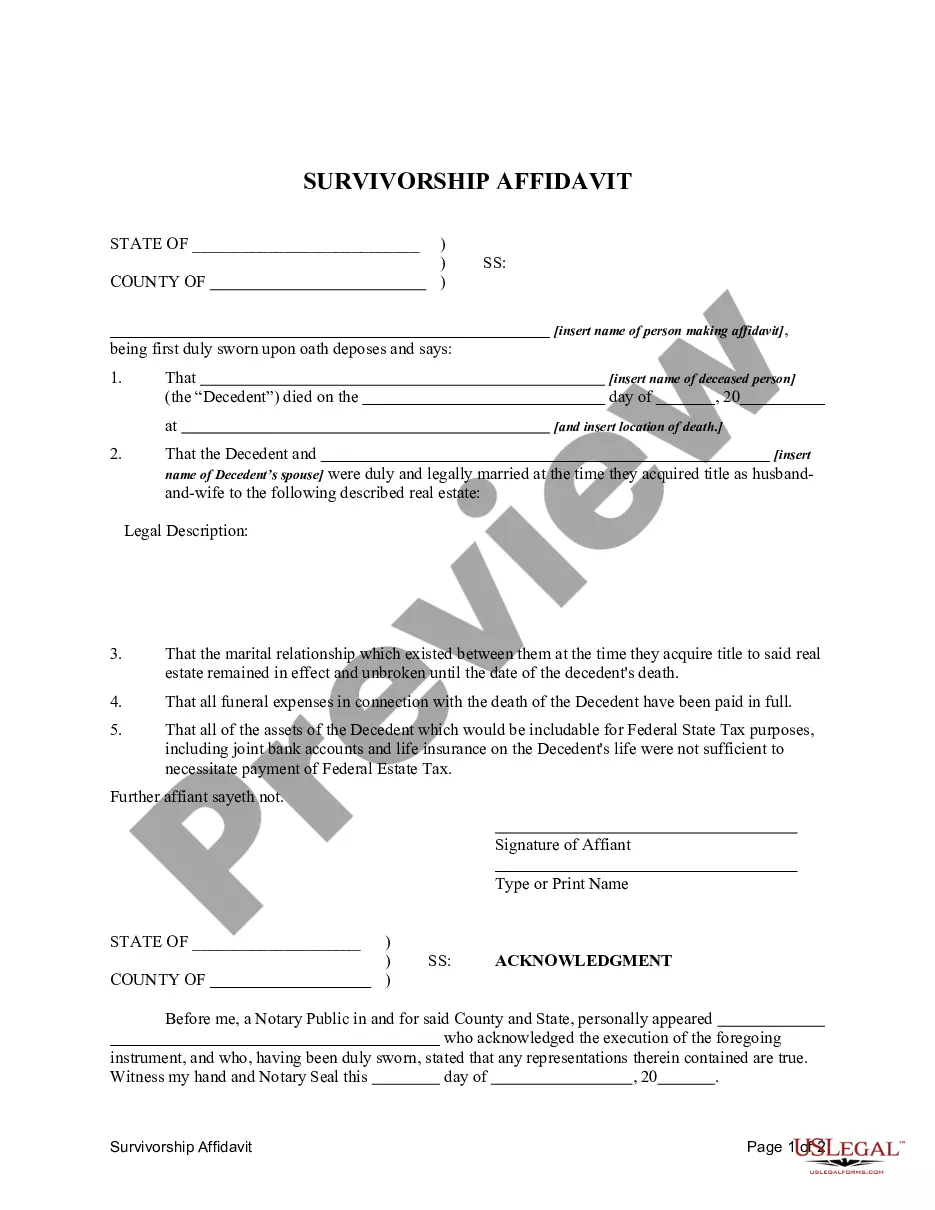



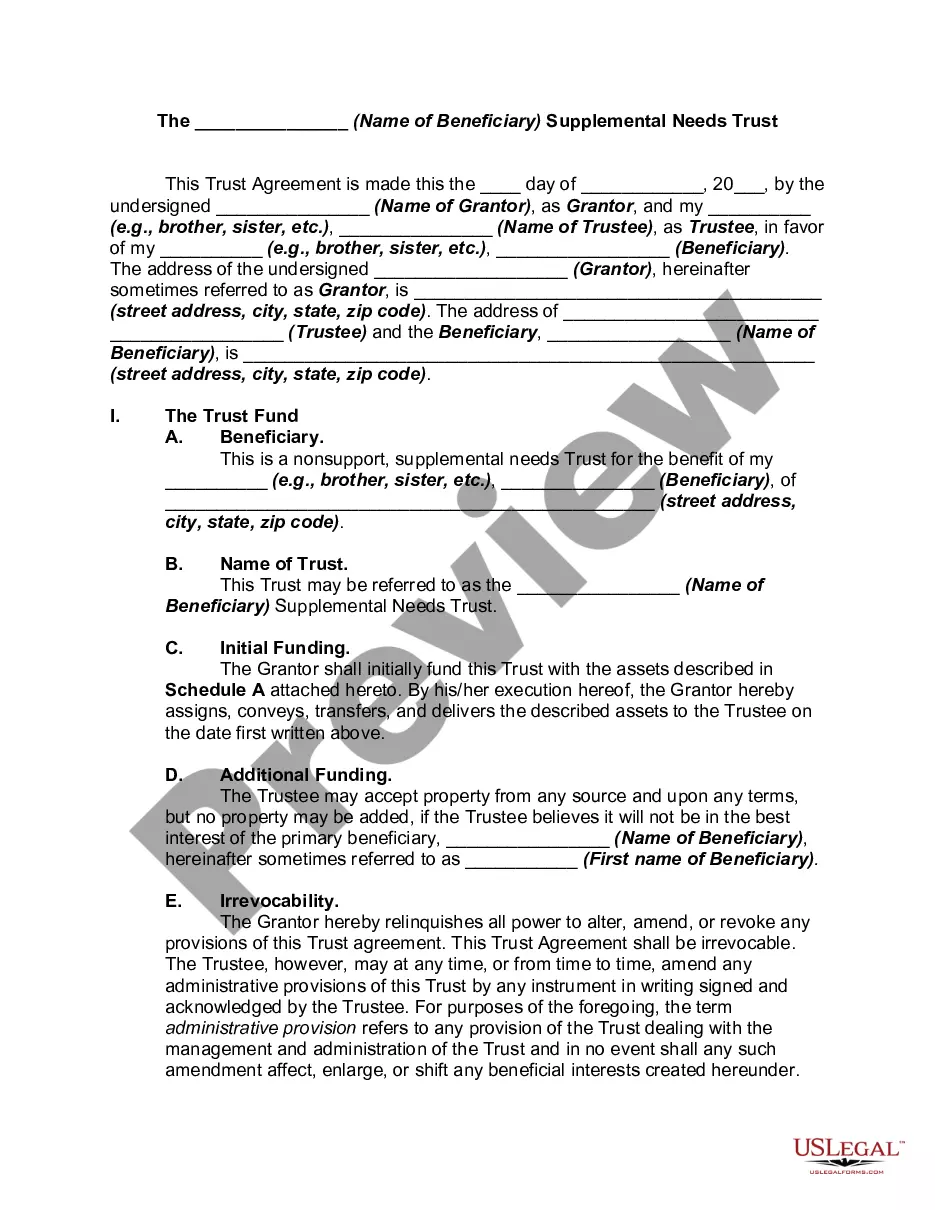


How to fill out Special Needs Irrevocable Trust Agreement For Benefit Of Disabled Child Of Trustor?
- Review your account status on US Legal Forms. If you are a returning user, log in to download the required form. Ensure your subscription is active; renew if necessary.
- Explore the preview mode and description of the special needs trust form. Confirm that it aligns with your needs and complies with your local jurisdiction.
- If the selected template isn't adequate, use the Search function to find a better fit. Make sure it satisfies your requirements before proceeding.
- Purchase the document by clicking on the Buy Now button. Choose a subscription plan that fits your needs, and create your account to access additional resources.
- Complete the payment process by entering your credit card information or using your PayPal account.
- Download the form and save it on your device. You can always access it later through the My Forms section of your US Legal Forms profile.
In conclusion, utilizing US Legal Forms offers an efficient, user-friendly platform to acquire the special needs trust contract with your employer. With access to a vast legal document library and expert assistance, you can ensure your agreement is both comprehensive and personalized.
Don't hesitate—start your journey towards securing your needs today!
Form popularity
FAQ
While a special needs trust contract with your employer offers numerous benefits, there are potential disadvantages to consider. One notable concern is the complexity of setting up and maintaining the trust, which may require professional guidance. Additionally, funds in the trust may be limited to specific uses, potentially restricting the beneficiary's choices. Being aware of these drawbacks helps you make informed decisions about your trust setup.
Yes, you typically need an Employer Identification Number (EIN) for a special needs trust contract with your employer. This number is essential for tax purposes and helps you manage income and expenses associated with the trust. Obtaining an EIN is straightforward, and many online resources can guide you through the application process. Having this number ensures compliance with federal tax regulations.
Choosing a trustee for your special needs trust contract with your employer is a vital decision. You should consider someone who understands the complexities of managing funds for individuals with special needs. Look for a person or organization that is trustworthy, reliable, and familiar with the laws governing special needs trusts. Additionally, ensure they are willing to act in the best interest of the beneficiary.
One downside of a special needs trust contract with employer is the potential complexity in setting it up. The management of funds can require careful monitoring to ensure compliance with government benefit programs. Additionally, beneficiaries may face restrictions on the types of distributions they can receive, limiting their financial flexibility. It is essential to work with legal professionals to navigate these challenges and ensure that the trust operates effectively.
Setting up a special needs trust involves a few key steps. First, you need to consult with a legal expert who specializes in estate planning and special needs trusts. They will guide you through drafting the trust document, ensuring it aligns with both legal requirements and your beneficiary's needs. Additionally, if you have a special needs trust contract with your employer, it's beneficial to factor in how employment benefits can complement the trust structure for a more secure future.
A special trustee plays a crucial role in managing a special needs trust. Their primary responsibility is to ensure that the trust funds are used appropriately for the beneficiary's needs while safeguarding eligibility for public assistance programs. A special trustee must navigate complex regulations and make informed decisions based on the beneficiary's best interests. If you're creating a special needs trust contract with your employer, selecting a qualified trustee can make all the difference in effective fund management.
One common mistake parents make is failing to consider the unique needs of their child when establishing a trust fund. It is essential to structure the trust in a way that maintains eligibility for governmental benefits while providing financial support. Another pitfall is not updating the trust as circumstances change, which can lead to mismanagement later on. To avoid these issues, reviewing your special needs trust contract with your employer and consulting professionals in this area is highly advisable.
Yes, a special needs trust typically requires its own Employer Identification Number (EIN). This number is necessary for tax purposes, and it helps keep your trust's finances separate from your personal finances. Having a distinct EIN simplifies reporting and fulfills obligations when dealing with the IRS. If you're navigating the process of establishing a special needs trust contract with your employer, it's wise to consult with a tax professional or legal expert.
Finding a trustee for your special needs trust involves selecting someone trustworthy and experienced in managing assets. It is crucial that the person understands the special needs trust contract with employer and its implications for the beneficiary's financial well-being. You may consider family members, friends, or professional fiduciaries, and platforms like US Legal Forms can assist you in drafting the necessary documentation to formally appoint your chosen trustee.
To qualify for a special needs trust, individuals typically need to demonstrate that they have a disability or a condition that limits their ability to earn income or manage assets. The special needs trust contract with employer can help maintain eligibility for public benefits while protecting assets. Review your specific situation and consider consulting with financial advisors or platforms like US Legal Forms for insights tailored to your unique circumstances.