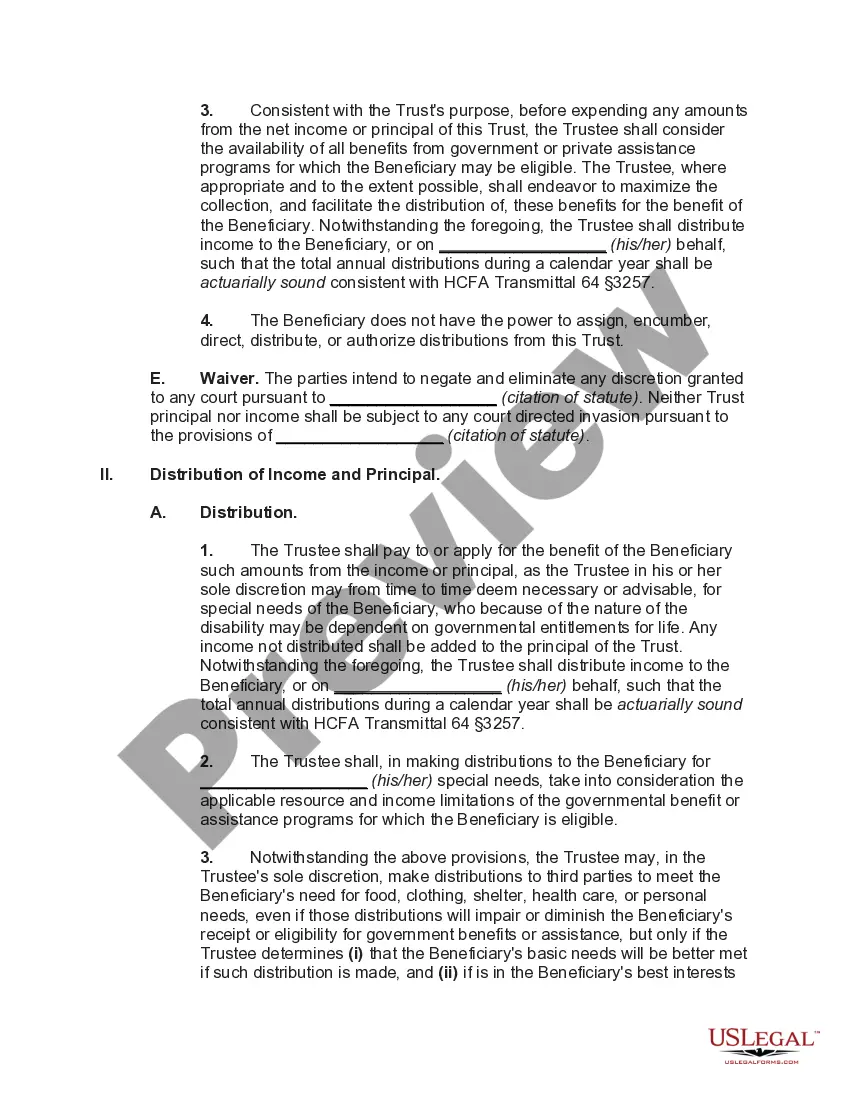
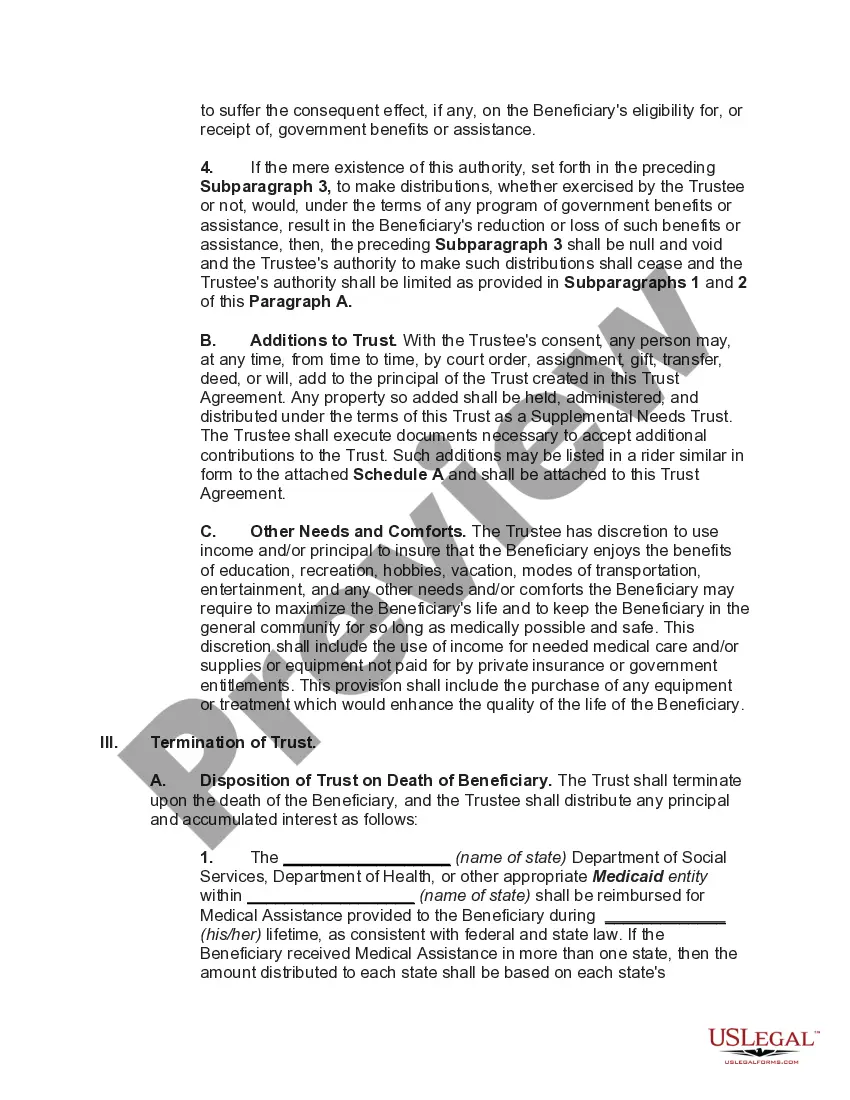
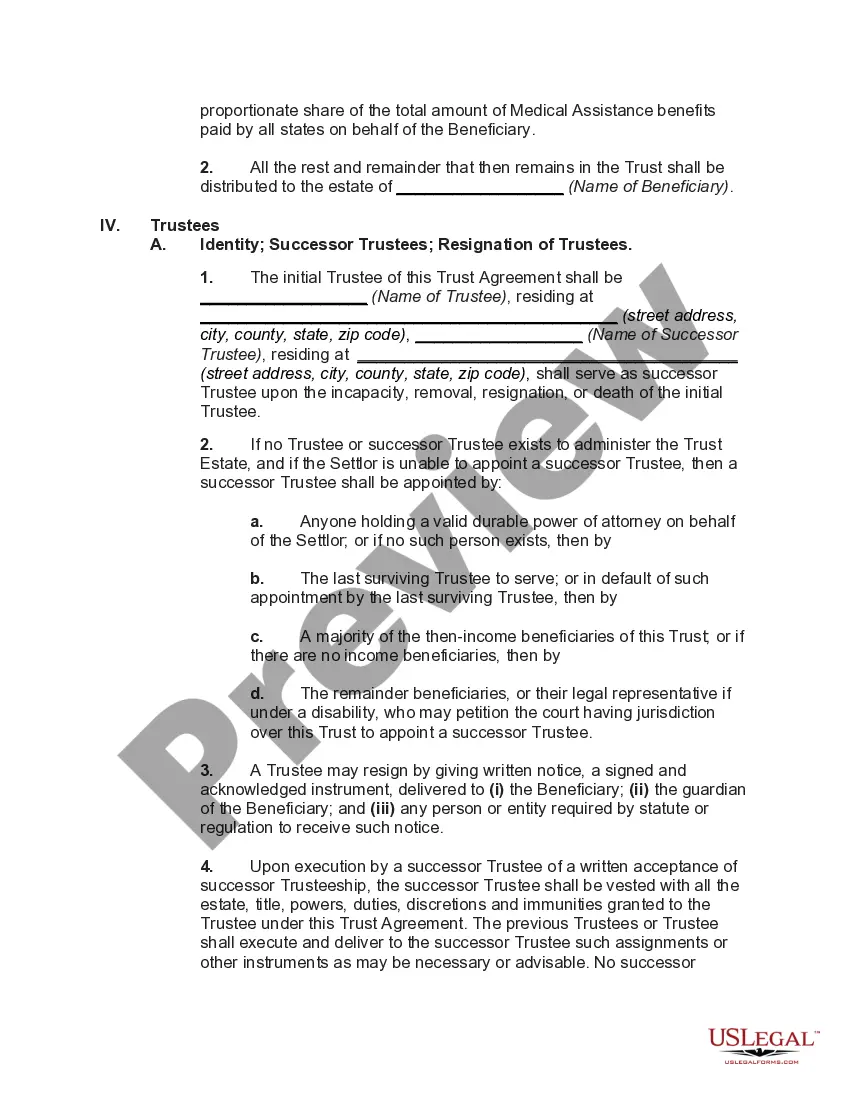
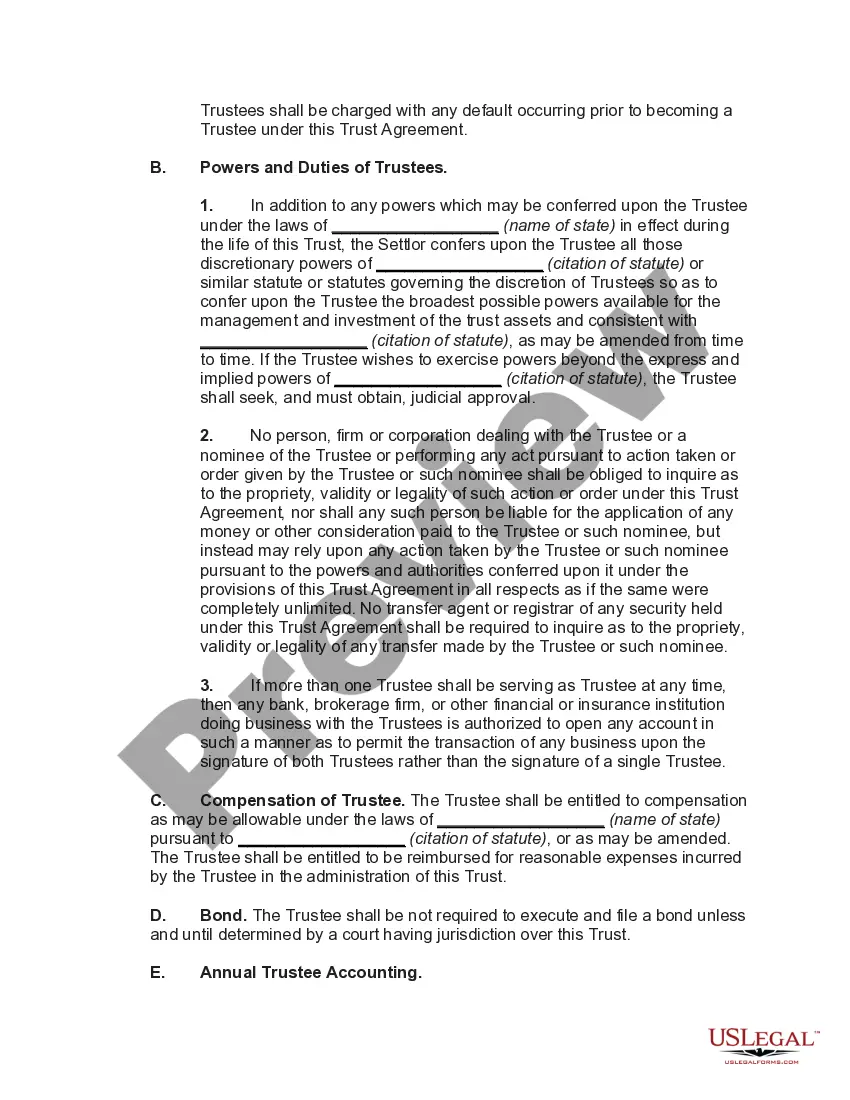
Special Needs Trust Contract With Beneficiary
Description

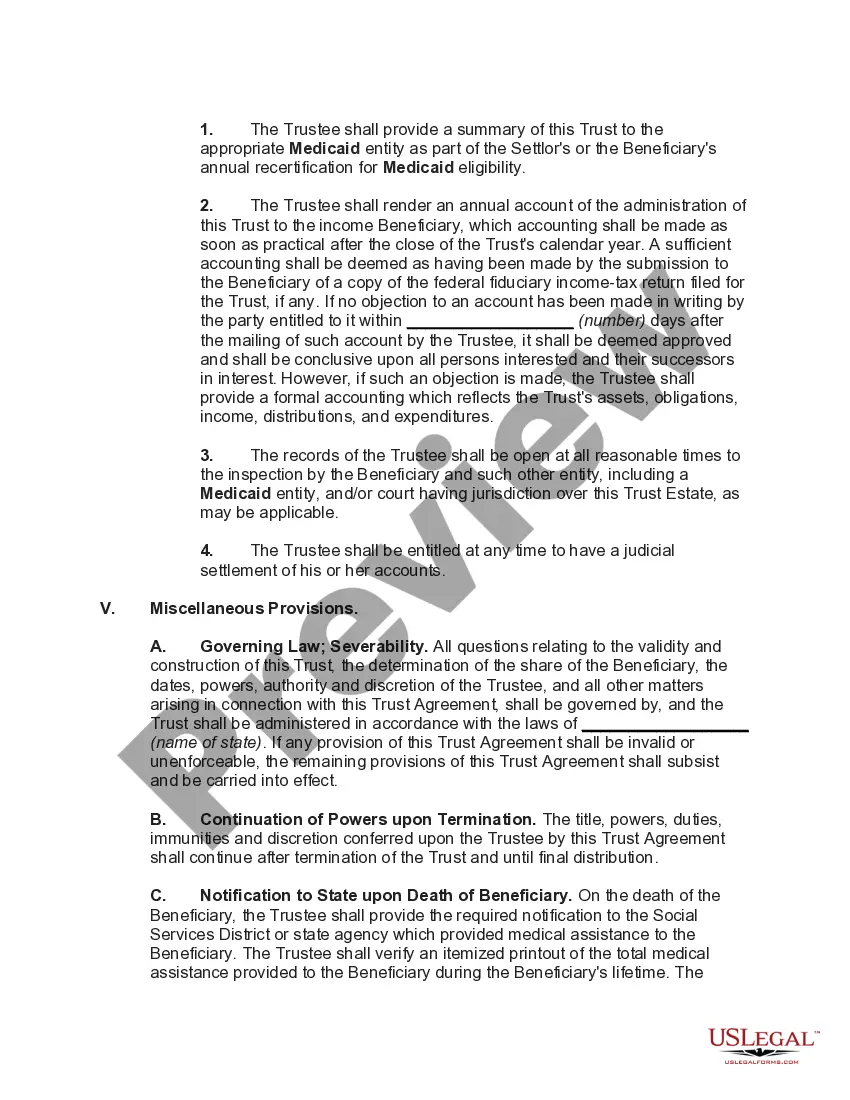
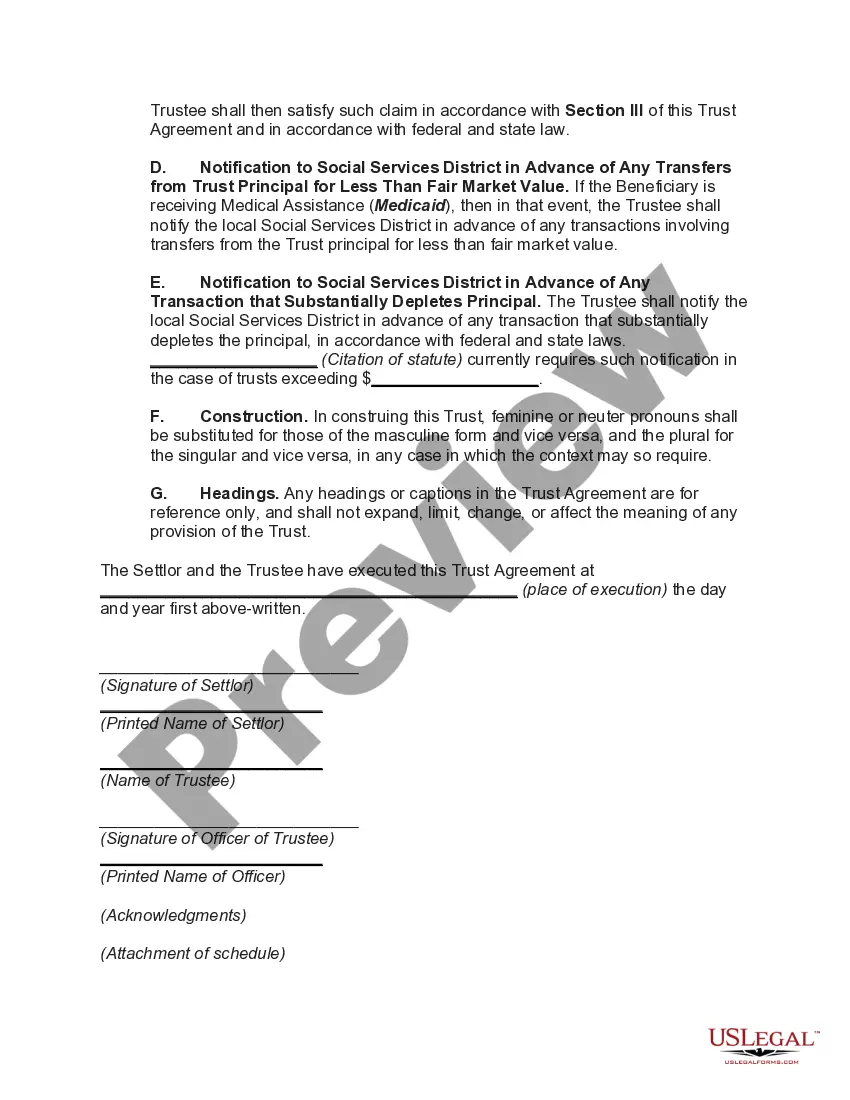



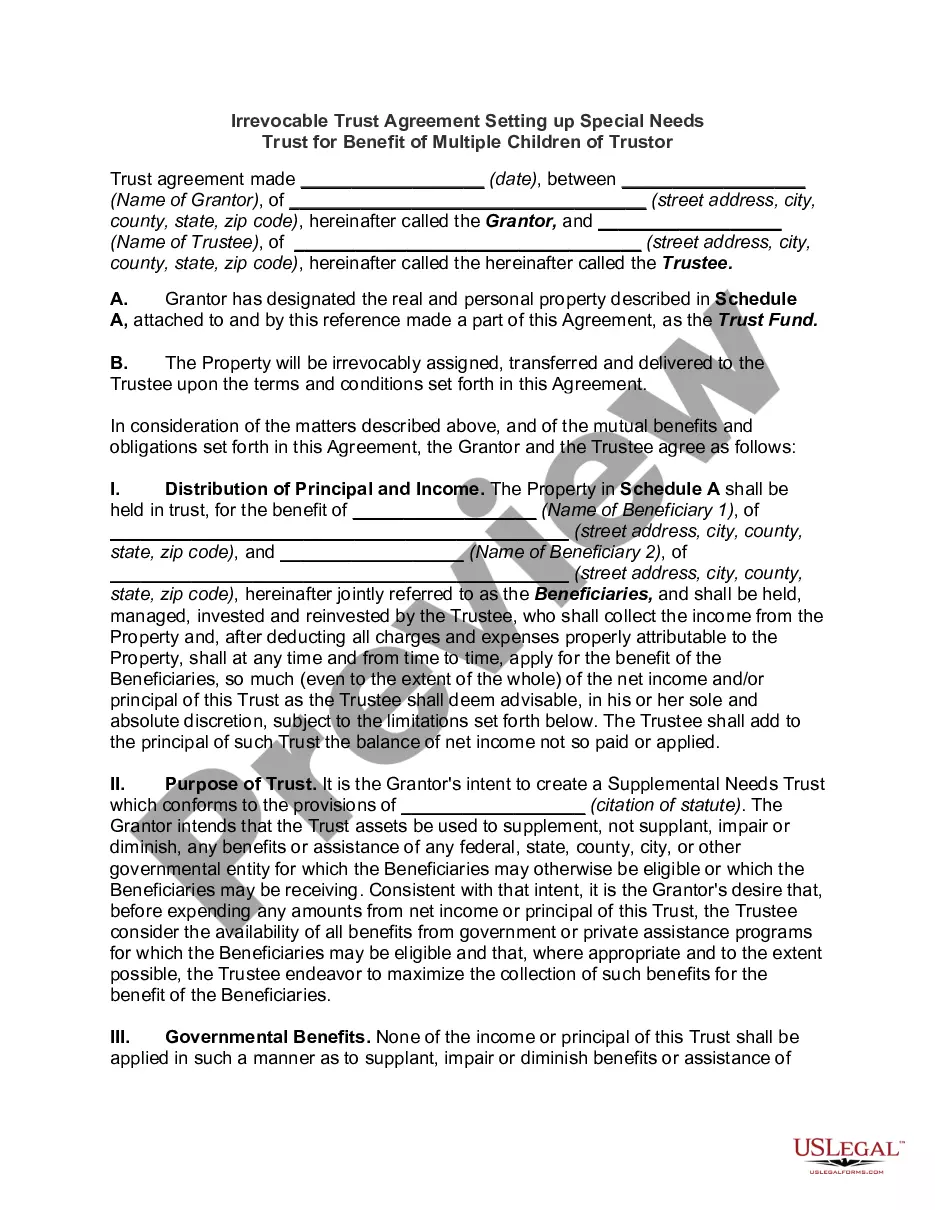
Get your form ready online
Our built-in tools help you complete, sign, share, and store your documents in one place.
Make edits, fill in missing information, and update formatting in US Legal Forms—just like you would in MS Word.
Download a copy, print it, send it by email, or mail it via USPS—whatever works best for your next step.
Sign and collect signatures with our SignNow integration. Send to multiple recipients, set reminders, and more. Go Premium to unlock E-Sign.
If this form requires notarization, complete it online through a secure video call—no need to meet a notary in person or wait for an appointment.
We protect your documents and personal data by following strict security and privacy standards.

Make edits, fill in missing information, and update formatting in US Legal Forms—just like you would in MS Word.

Download a copy, print it, send it by email, or mail it via USPS—whatever works best for your next step.

Sign and collect signatures with our SignNow integration. Send to multiple recipients, set reminders, and more. Go Premium to unlock E-Sign.

If this form requires notarization, complete it online through a secure video call—no need to meet a notary in person or wait for an appointment.

We protect your documents and personal data by following strict security and privacy standards.
Looking for another form?
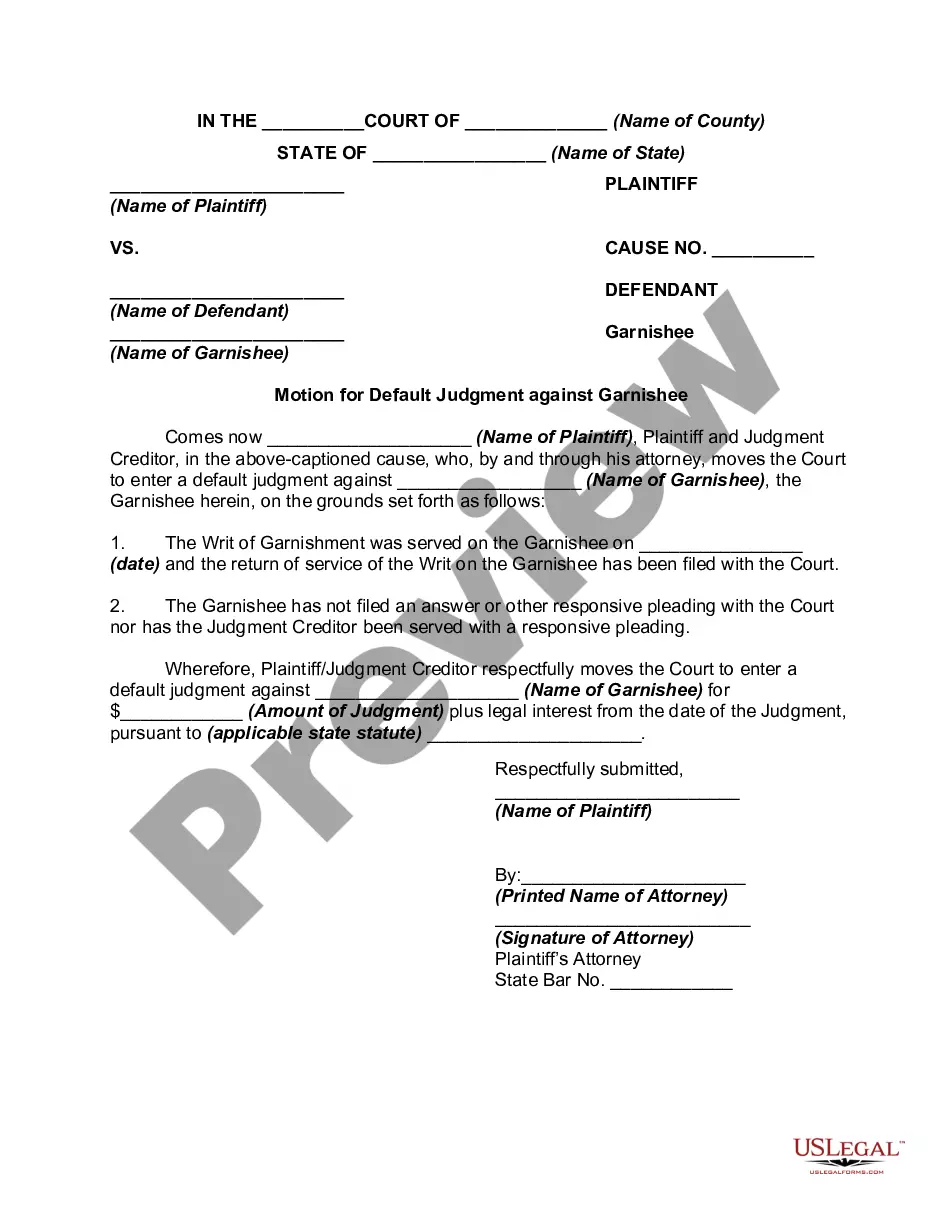
How to fill out Special Needs Irrevocable Trust Agreement For Benefit Of Disabled Child Of Trustor?
- Log in to your US Legal Forms account if you're an existing user, making sure your subscription is current. If needed, renew your plan.
- Preview the relevant forms and their descriptions to confirm you have selected the correct special needs trust template suitable for your jurisdiction.
- If the selected form does not completely meet your requirements, utilize the Search function to find alternative templates.
- Purchase the form by clicking the Buy Now button, selecting your desired subscription level, and registering for an account if you are a first-time user.
- Complete the payment process using your credit card or PayPal account.
- Download the completed document onto your device, and access it anytime through the My Forms section of your profile.
Utilizing US Legal Forms ensures that you have access to a vast library of over 85,000 forms and packages, providing you the necessary resources to create legally sound documents.
Don't wait to secure peace of mind – start creating your special needs trust contract today with US Legal Forms and ensure a stable future for your loved ones.
Form popularity
FAQ
The three types of special needs trusts include first-party special needs trusts, third-party special needs trusts, and pooled special needs trusts. A first-party trust uses the beneficiary's own assets, while a third-party trust is funded by another person, typically a parent. Pooled trusts gather funds from multiple beneficiaries, managed by a nonprofit organization. Understanding these distinctions ensures you select the right special needs trust contract with beneficiary, addressing the unique requirements of your loved one.
The best trust for a special needs child typically is a third-party special needs trust, as it allows parents to maintain control of the assets while preserving the child's eligibility for government benefits. This type of trust helps ensure that funds are available for supplementary needs that enhance the child's quality of life. Evaluating options carefully, often with the guidance of uslegalforms, can help create an effective special needs trust contract with beneficiary tailored specifically for your child's needs. Each situation is unique, so a personalized approach is essential.
The minimum amount to establish a special needs trust varies, but generally, it can start around $5,000 to $10,000. This amount often depends on state laws and the complexity of the trust tailored for each beneficiary. Using a trusted legal service, like uslegalforms, can help you determine the right minimum amount based on your situation. Investing in a well-drafted special needs trust contract with beneficiary can offer security and peace of mind.
A special needs trust contract with beneficiary can sometimes lead to limited control for the beneficiary over their funds. Beneficiaries may find it challenging to access certain benefits if the trust assets exceed allowable limits. Additionally, setting up this type of trust often requires legal fees and ongoing management costs, which can be a burden for some families. It's important to weigh these factors carefully when considering a special needs trust.
Choosing the right trustee for a special needs trust contract with a beneficiary is essential for effective management. The best trustee should have experience with special needs benefits and financial management. Consider selecting someone trustworthy and knowledgeable, or explore professional services through uslegalforms to find qualified options that suit your situation.
You can create a special needs trust contract with a beneficiary yourself, but it requires careful attention to detail. DIY options may lack the personalized advice that a legal expert could provide, which is crucial to ensure the trust complies with state laws. For thorough guidance, consider using uslegalforms, which offers templates and resources tailored for your needs.
While it is possible to set up a special needs trust contract with a beneficiary without a lawyer, it is not advisable. The legal requirements can be complex, and an error may cause issues for the beneficiary. It may benefit you to use a comprehensive platform like uslegalforms, which guides you through the process, ensuring you meet all necessary legal requirements.
After the beneficiary dies, the special needs trust can provide clarity on asset distribution, depending on the stipulations outlined in the special needs trust contract with beneficiary. If directed, the remaining funds may go to heirs or be redirected to another charitable cause or trust. It is important to review the trust documents and work with a legal expert to navigate any required legal processes. This way, families can ensure that the trust fulfills its intended goals even after the beneficiary's passing.
When the beneficiary of a special needs trust passes away, the fate of the trust depends on how it is structured in the special needs trust contract with beneficiary. Typically, the trust may need to be closed, and any remaining assets will be distributed according to the trust’s terms. If the trust contains provisions for beneficiaries or contingent beneficiaries, those individuals may receive the assets. Consulting with a legal professional ensures that all processes are followed correctly.
Many parents overlook the importance of clearly defining the terms within their special needs trust contract with beneficiary. Failing to specify how funds should be managed can lead to misunderstandings and conflicts in the future. Additionally, not consulting with an attorney who specializes in special needs trusts often results in missed opportunities for optimizing the benefits for their child. It is crucial to address these elements for long-term peace of mind.