Special Needs Trust Certification
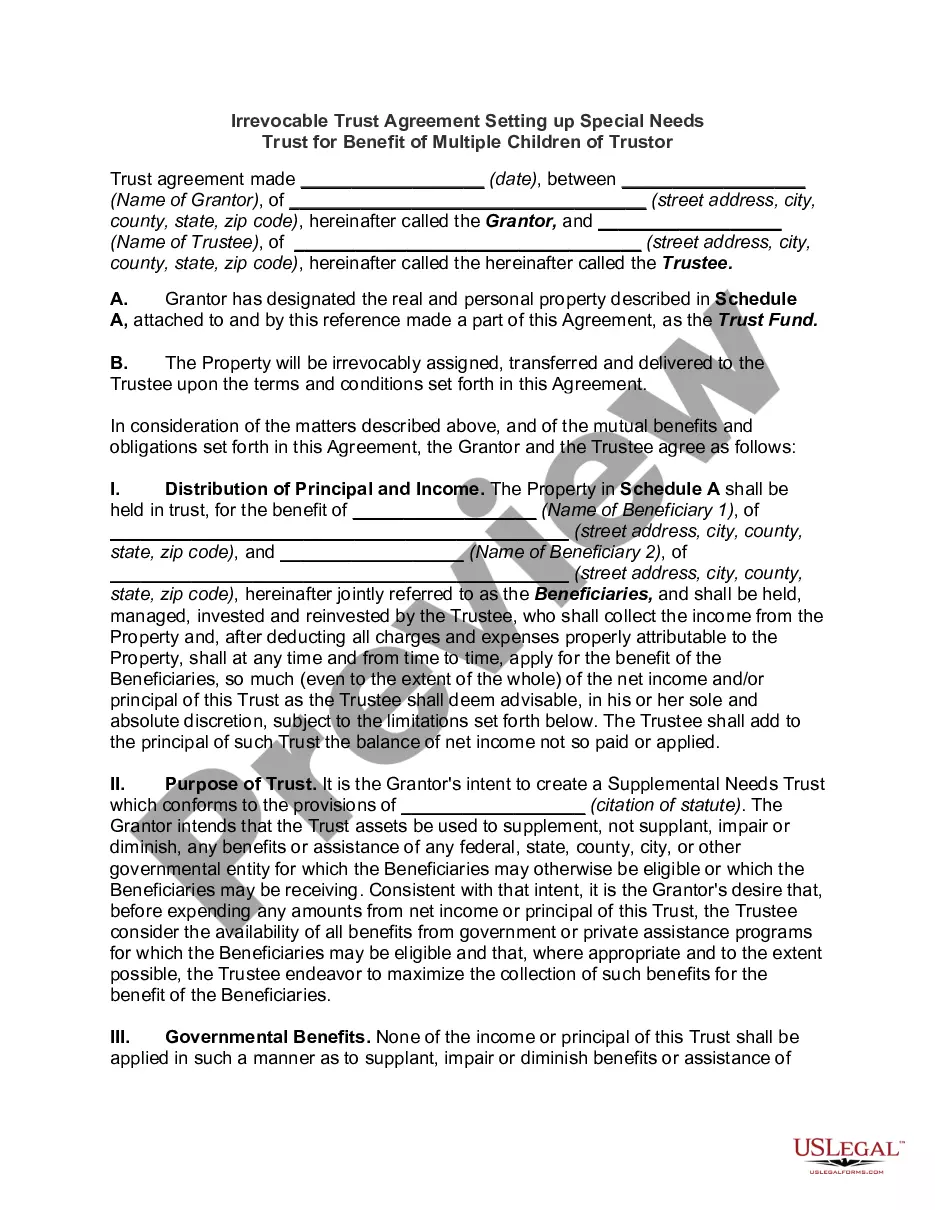
Description
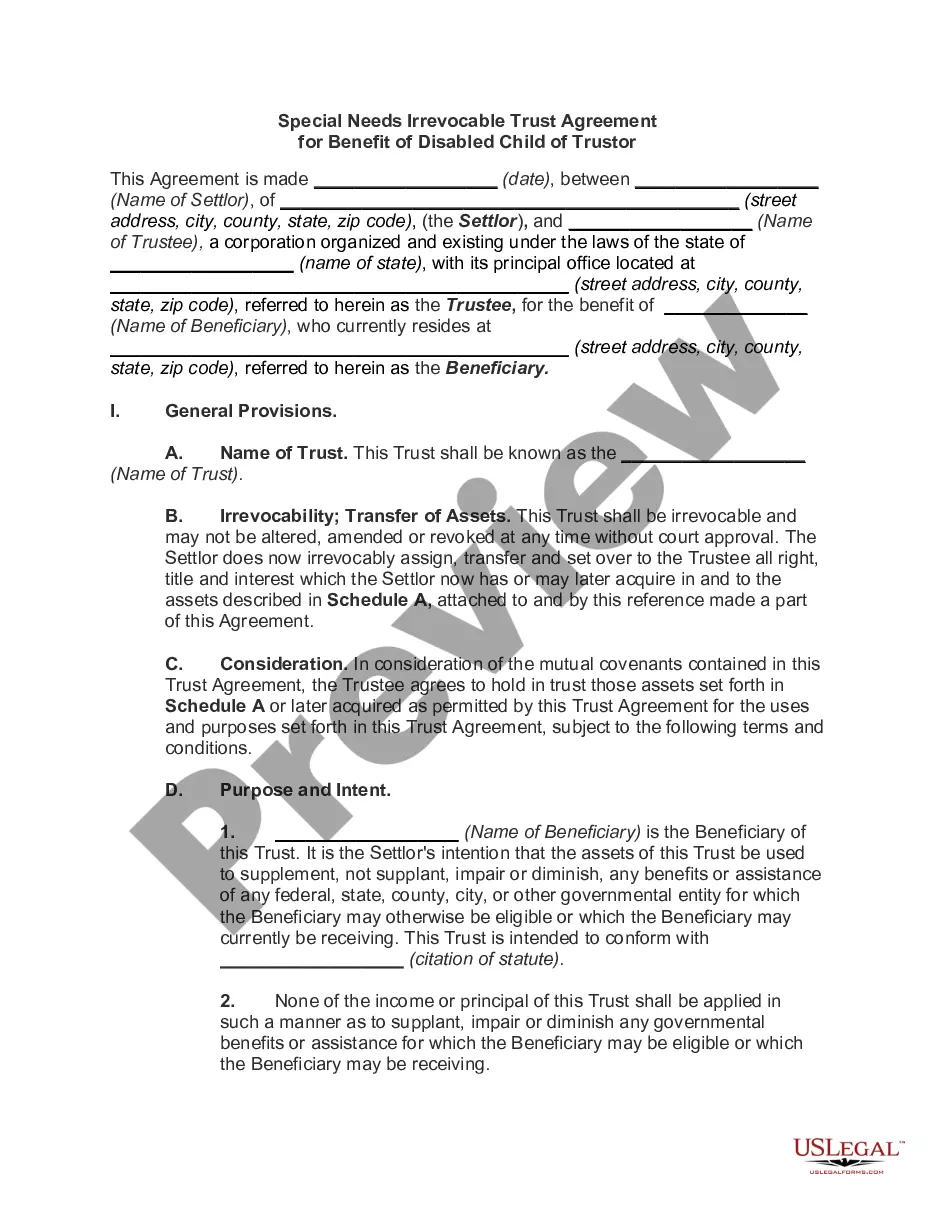
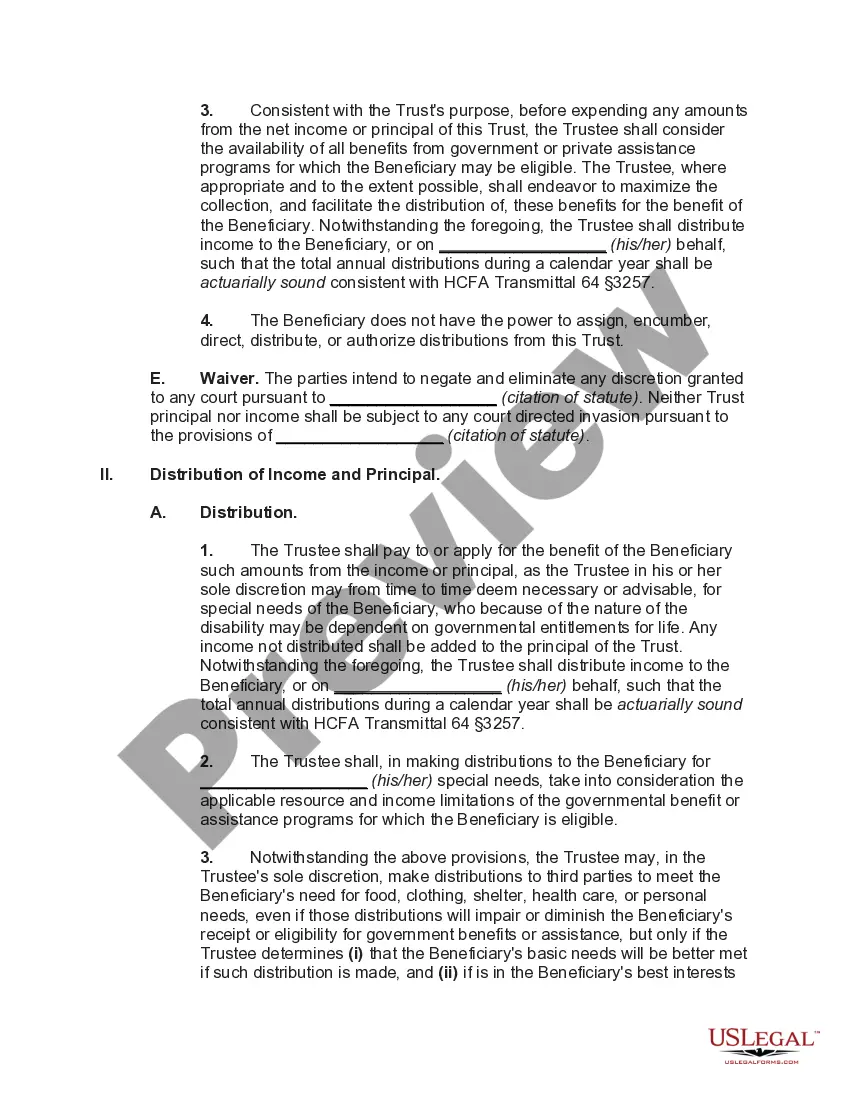
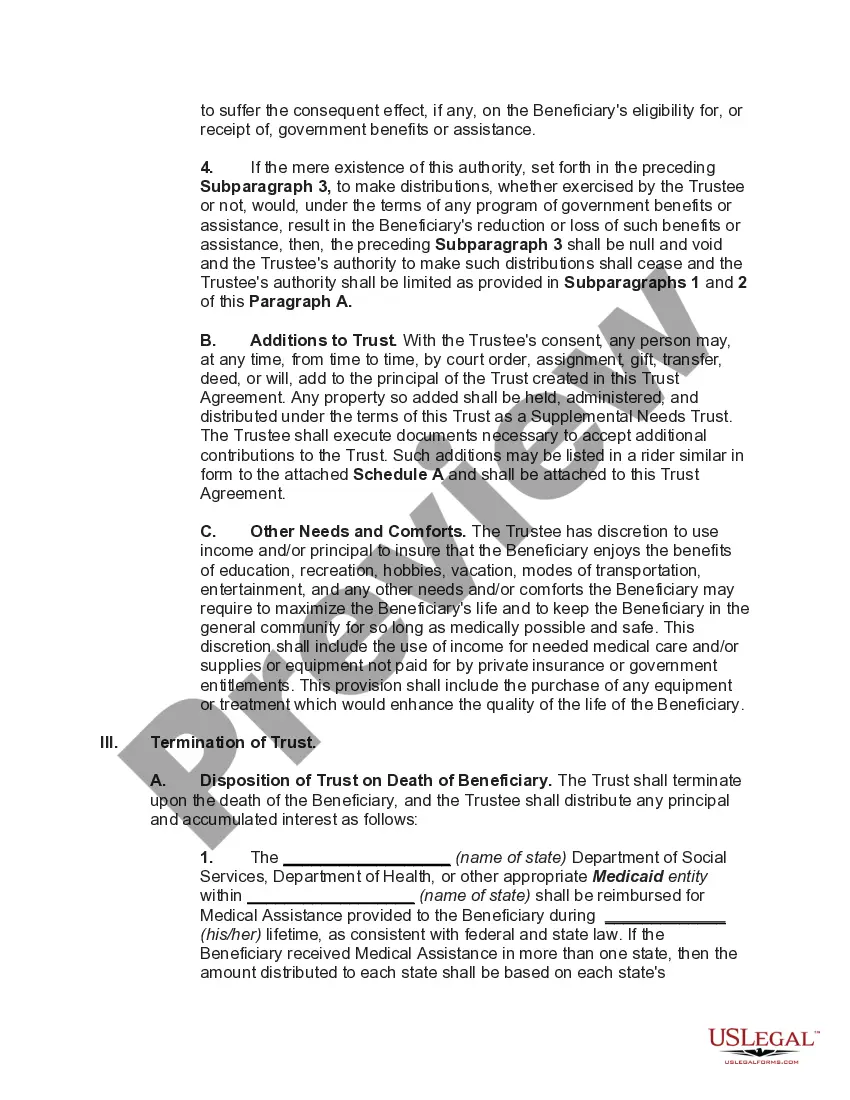
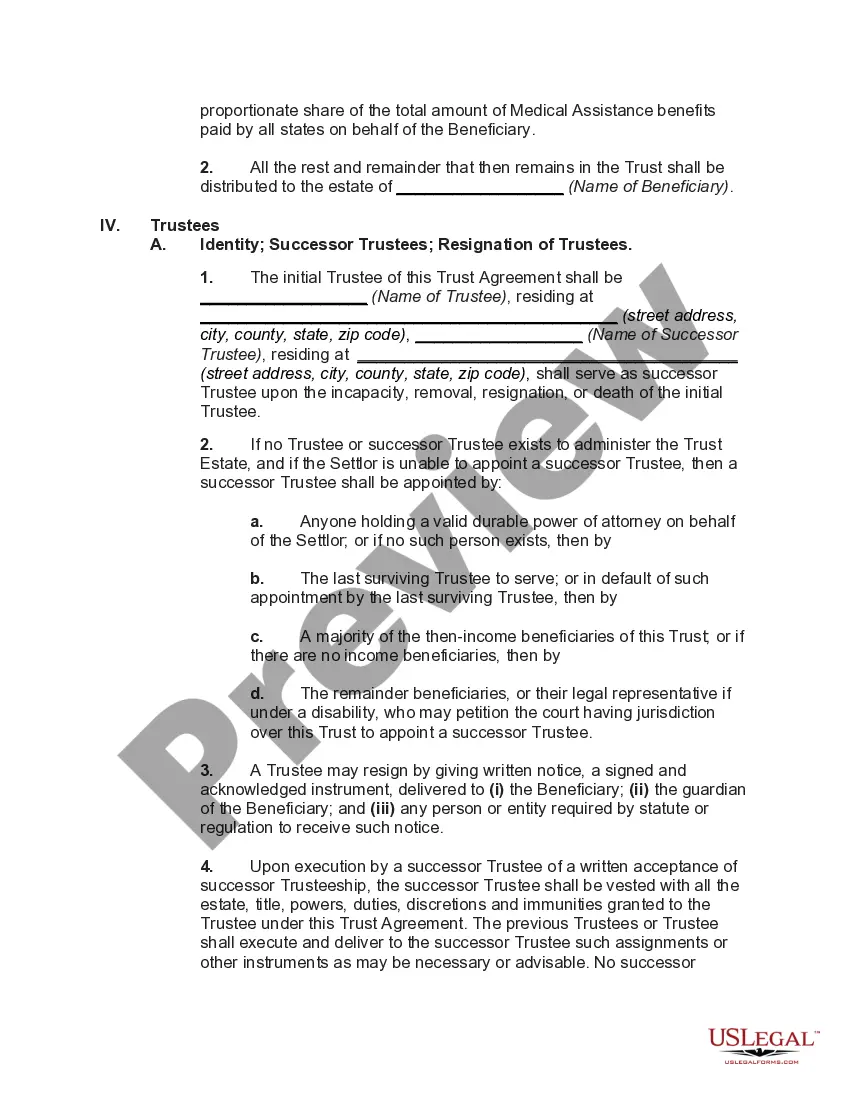
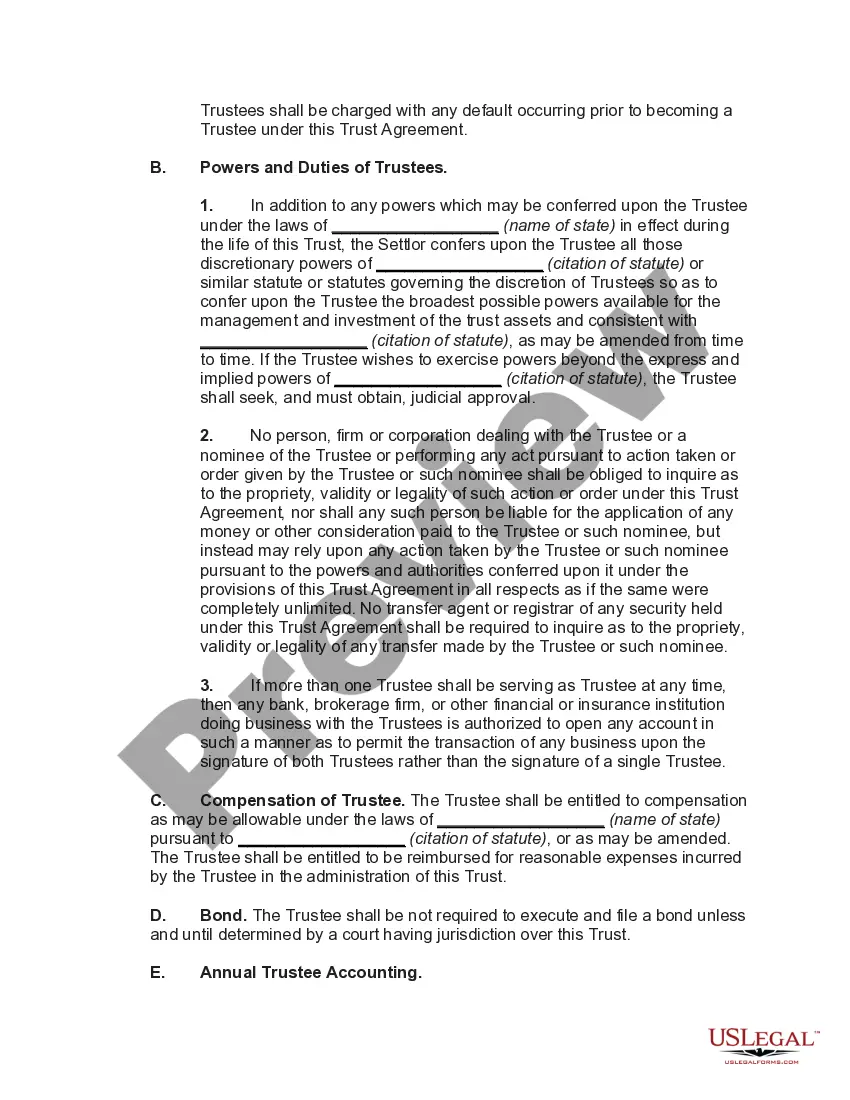
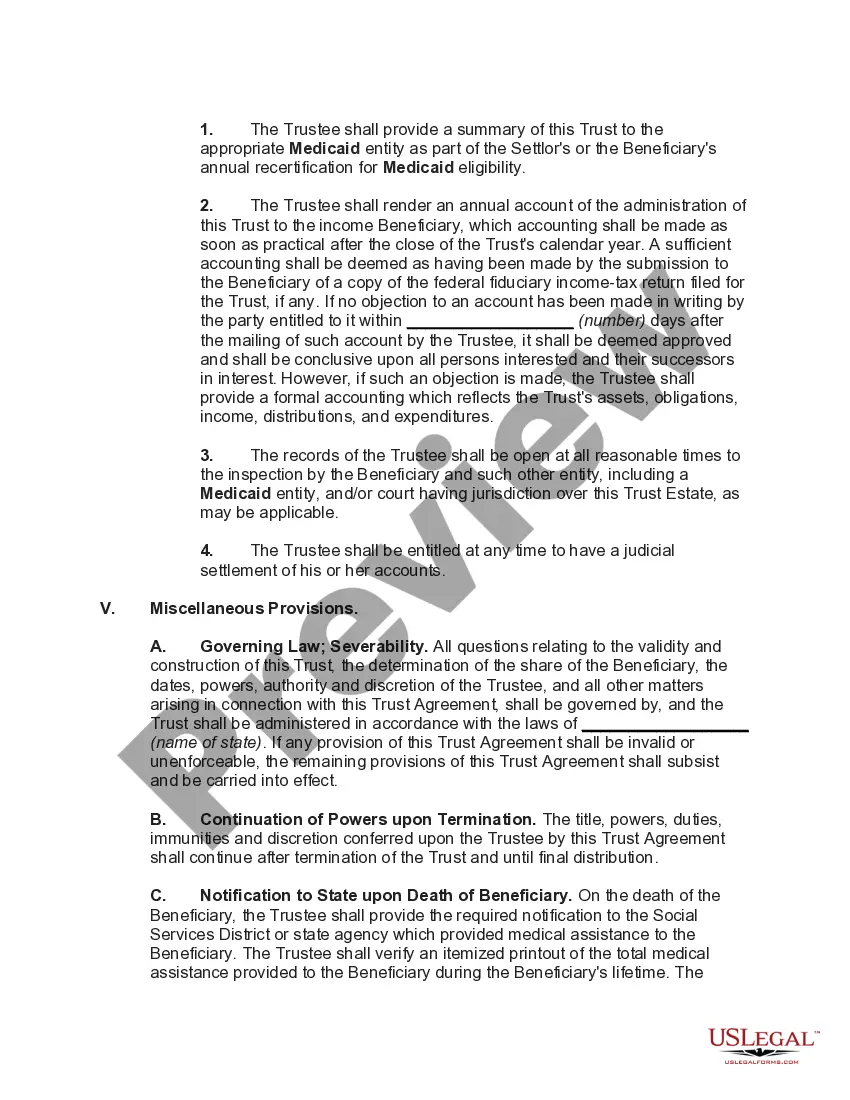
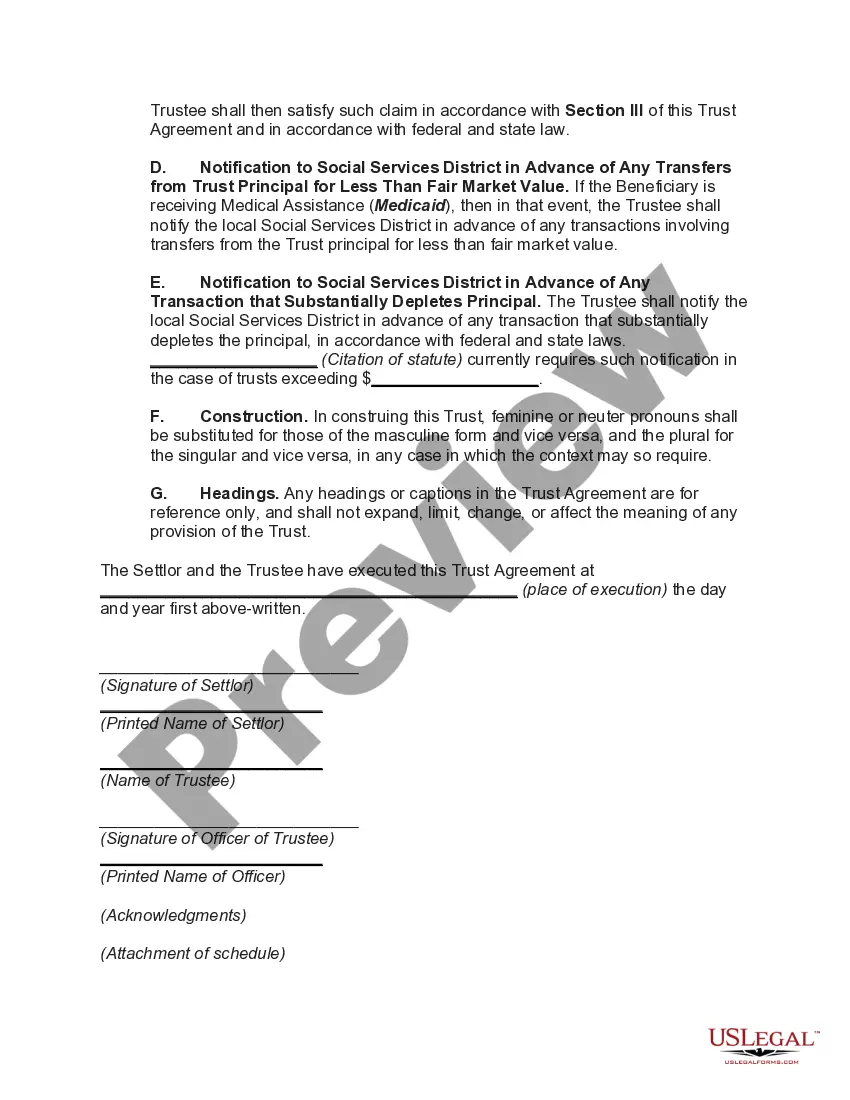
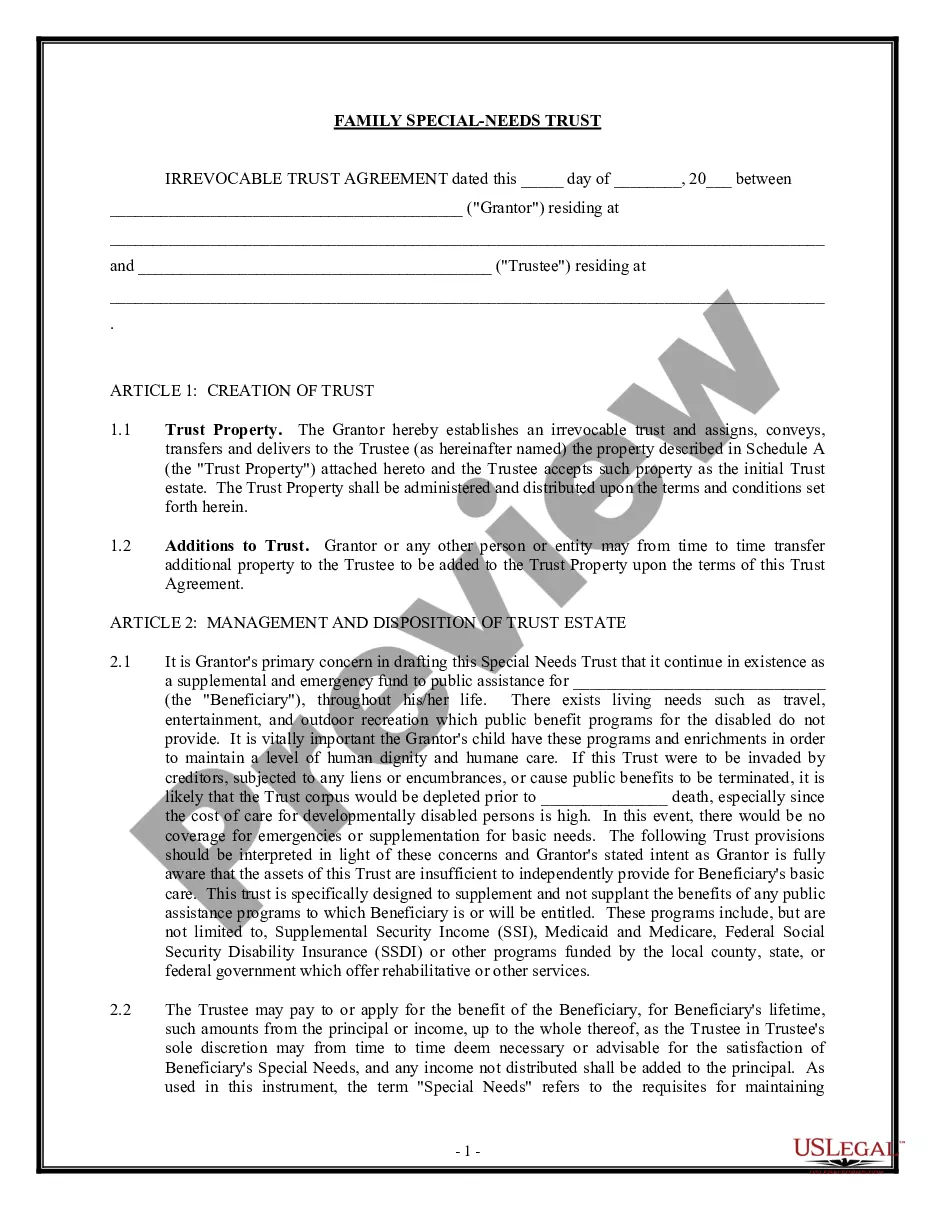

Get your form ready online
Our built-in tools help you complete, sign, share, and store your documents in one place.
Make edits, fill in missing information, and update formatting in US Legal Forms—just like you would in MS Word.
Download a copy, print it, send it by email, or mail it via USPS—whatever works best for your next step.
Sign and collect signatures with our SignNow integration. Send to multiple recipients, set reminders, and more. Go Premium to unlock E-Sign.
If this form requires notarization, complete it online through a secure video call—no need to meet a notary in person or wait for an appointment.
We protect your documents and personal data by following strict security and privacy standards.

Make edits, fill in missing information, and update formatting in US Legal Forms—just like you would in MS Word.

Download a copy, print it, send it by email, or mail it via USPS—whatever works best for your next step.

Sign and collect signatures with our SignNow integration. Send to multiple recipients, set reminders, and more. Go Premium to unlock E-Sign.

If this form requires notarization, complete it online through a secure video call—no need to meet a notary in person or wait for an appointment.

We protect your documents and personal data by following strict security and privacy standards.
Looking for another form?



How to fill out Special Needs Irrevocable Trust Agreement For Benefit Of Disabled Child Of Trustor?
- If you are an existing user, log in and download the form template. Ensure your subscription is active; renew if needed.
- For new users, start by inspecting the Preview mode and choosing a form that fits your requirements and complies with your local jurisdiction.
- If necessary, utilize the Search tab at the top to find alternate templates that better meet your needs and requirements.
- Once satisfied with your selection, click the Buy Now button and select your preferred subscription plan to gain access to the library.
- Complete the purchase by entering your credit card information or using your PayPal account for payment.
- Download your tailored form and save it on your device. You can always access it later through the My Forms section of your profile.
By leveraging the extensive resources of US Legal Forms, you can ensure that your documents are precise and legally sound.
Start your journey today with US Legal Forms and access thousands of forms to meet your legal needs!
Form popularity
FAQ
A special trustee plays a crucial role in managing a special needs trust to ensure the beneficiary's best interests are met. This individual oversees all financial decisions, safeguarding the trust's assets while maintaining compliance with relevant regulations. Furthermore, the special trustee helps the beneficiary access necessary resources without jeopardizing their eligibility for vital government assistance. With the right tools, like those offered by US Legal Forms, you can choose the best person for this significant role.
Special needs trust certification ensures that a trust complies with legal standards and maintains its intended purpose. By obtaining this certification, you confirm that the trust protects the assets of individuals with disabilities, preserving their eligibility for government benefits. This certification also provides peace of mind, knowing that the trust operates within the law. You can create and manage certified special needs trusts with ease using the US Legal Forms platform.
The three primary types of special needs trusts are first-party special needs trusts, third-party special needs trusts, and pooled trusts. First-party trusts hold assets belonging to the disabled individual, while third-party trusts are funded by someone else, often family members. Pooled trusts manage contributions from multiple individuals, offering shared administrative services and benefiting all participants.
The duration to establish a special needs trust can vary based on several factors, including the complexity of the trust and the legal requirements involved. Typically, it can take anywhere from a few weeks to several months to prepare and finalize the necessary documents. Engaging a professional who specializes in special needs trust certification can help expedite the process and ensure everything is set up correctly.
For disabled individuals, there are various types of trusts available, including special needs trusts, pooled trusts, and discretionary trusts. Special needs trusts are designed to help individuals retain government benefits while managing additional funds. Pooled trusts allow multiple beneficiaries to share resources and costs, while discretionary trusts give trustees the flexibility to allocate funds based on individual needs.
The three main types of special needs generally include physical disabilities, developmental disabilities, and mental health issues. Physical disabilities may affect mobility or physical function, while developmental disabilities can impact learning and social interactions. Mental health conditions can vary widely but also fall under special needs, requiring tailored support and resources.
To set up a special needs trust effectively, you usually need a written trust document, a trustee, and a clear understanding of the beneficiary’s needs. The document should outline how assets will be managed and distributed without jeopardizing the beneficiary's eligibility for government assistance. Additionally, seeking special needs trust certification through a qualified attorney is vital to ensure compliance with relevant laws and regulations.
The three primary types of trusts are revocable trusts, irrevocable trusts, and testamentary trusts. Revocable trusts allow the grantor to maintain control and easily make changes during their lifetime. Irrevocable trusts, on the other hand, generally cannot be modified once established, making them suitable for asset protection. Testamentary trusts are created through a will and come into effect after the death of the grantor, often used for managing assets for beneficiaries who may not be ready to handle them.
Choosing the right trustee is critical for managing a special needs trust effectively. A knowledgeable and experienced individual or organization should ideally have a background in financial management and a good understanding of the needs of individuals with disabilities. Consider a trustee with special needs trust certification, as this ensures they are well equipped to make informed decisions regarding trust distributions and compliance.
Setting up a special needs trust can involve considerable costs and complex legal processes that may discourage some families. There is also a risk of mismanaging the funds if the trustee lacks experience or knowledge about special needs requirements. To avoid these pitfalls, securing special needs trust certification is crucial as it confirms compliance with necessary guidelines, protecting your child's interests.