Special Needs Trust Beneficiary Rights
Description
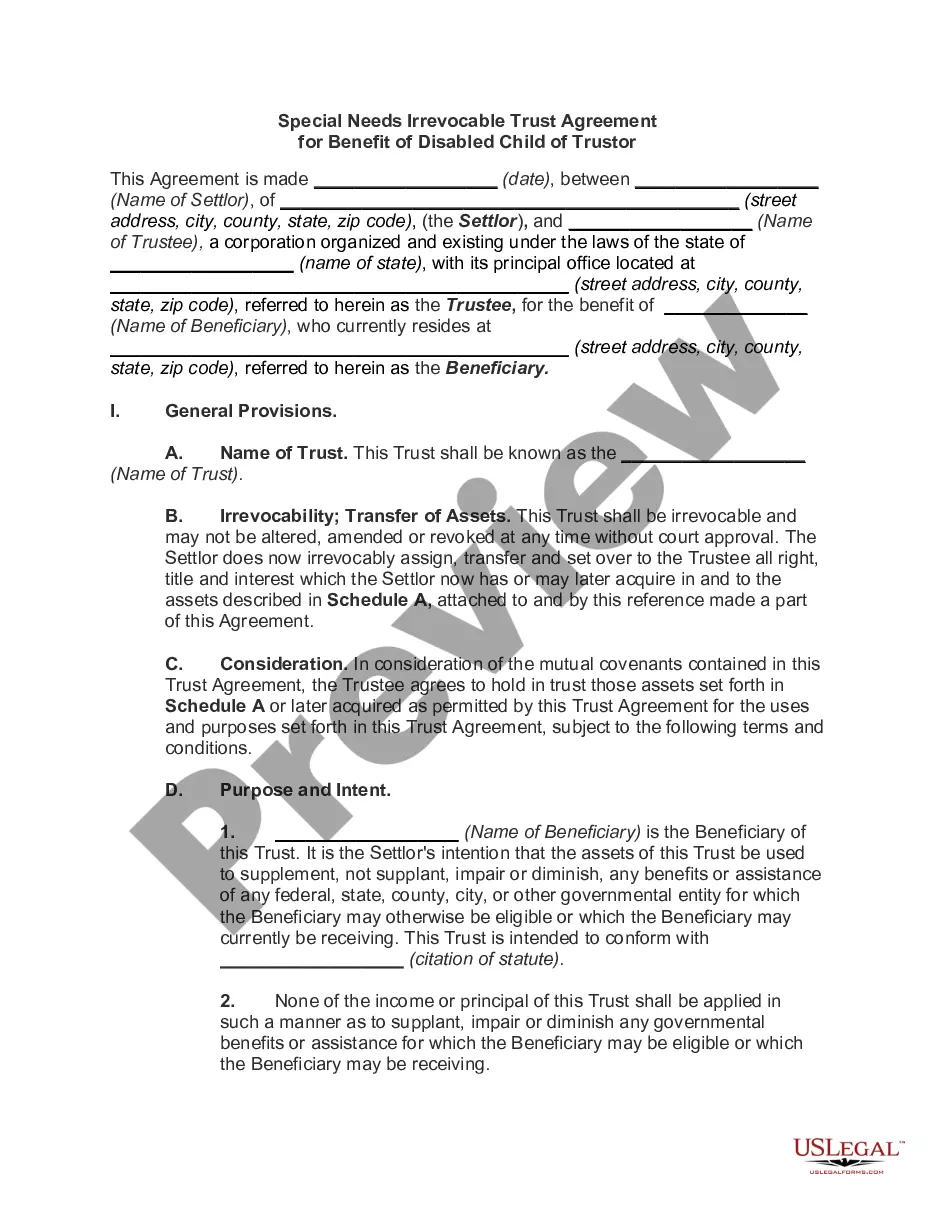
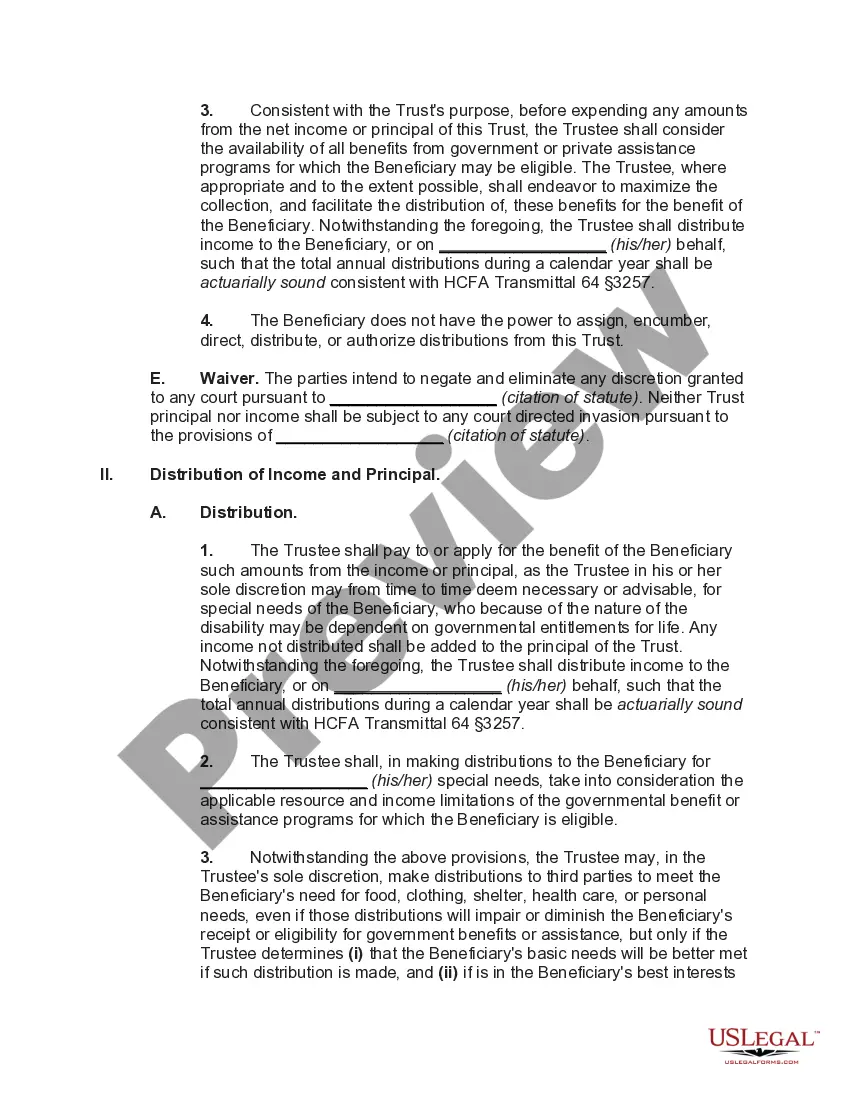
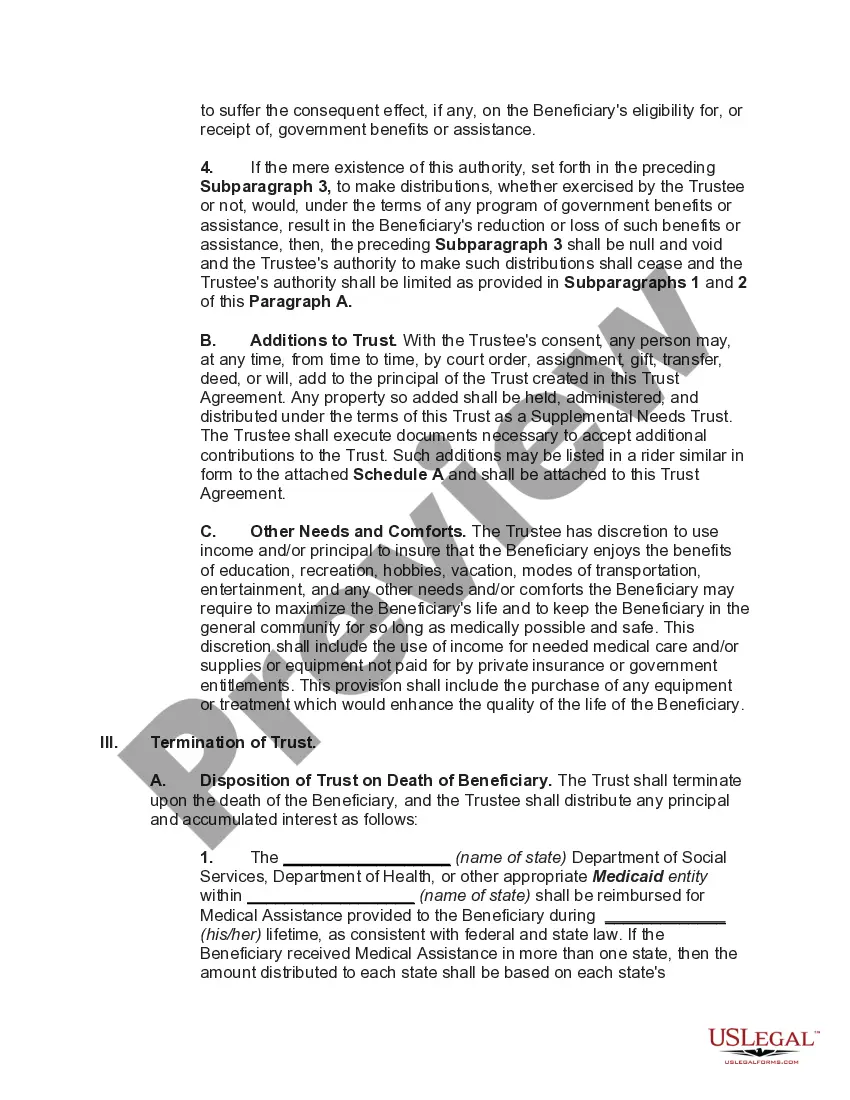
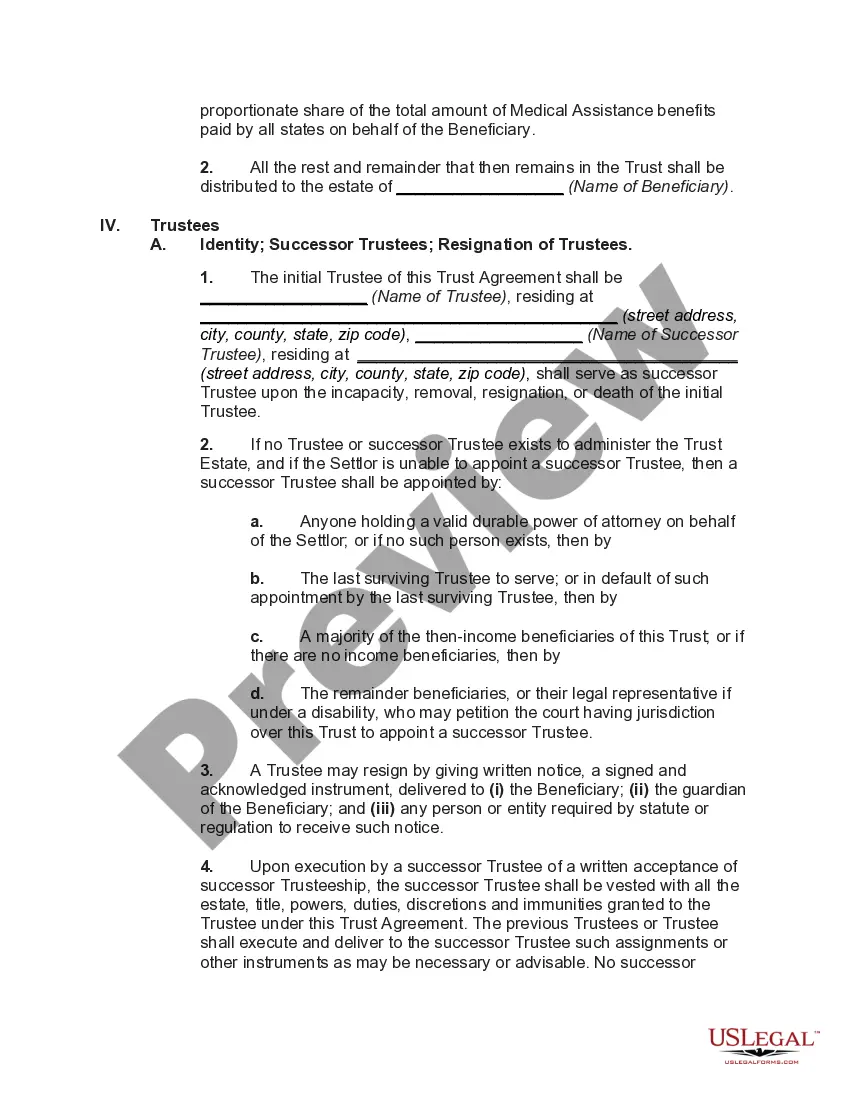
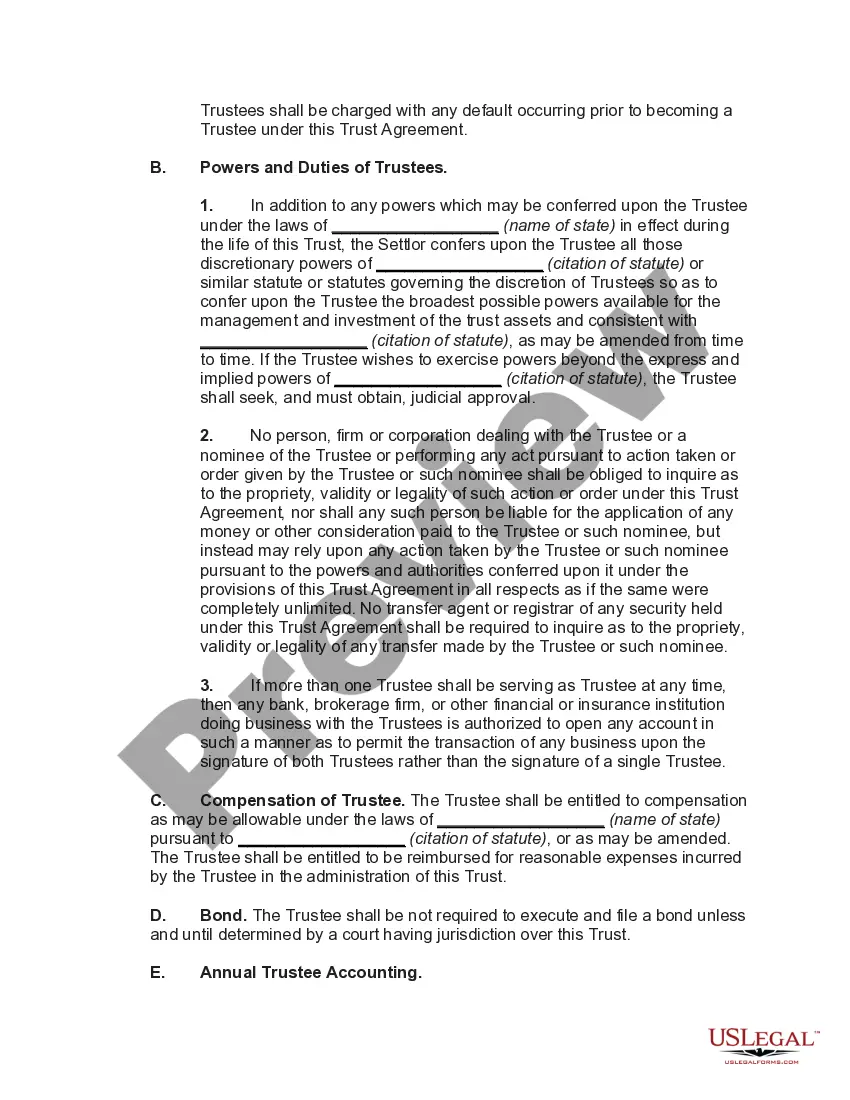
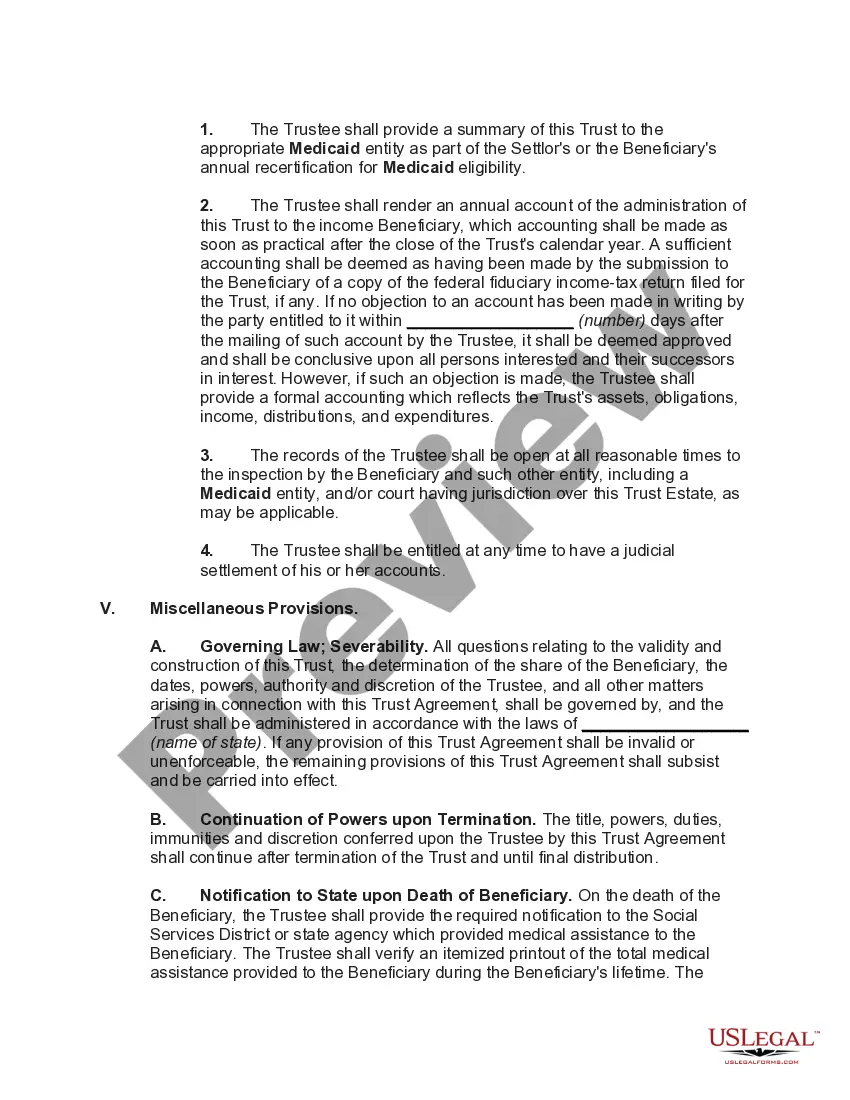
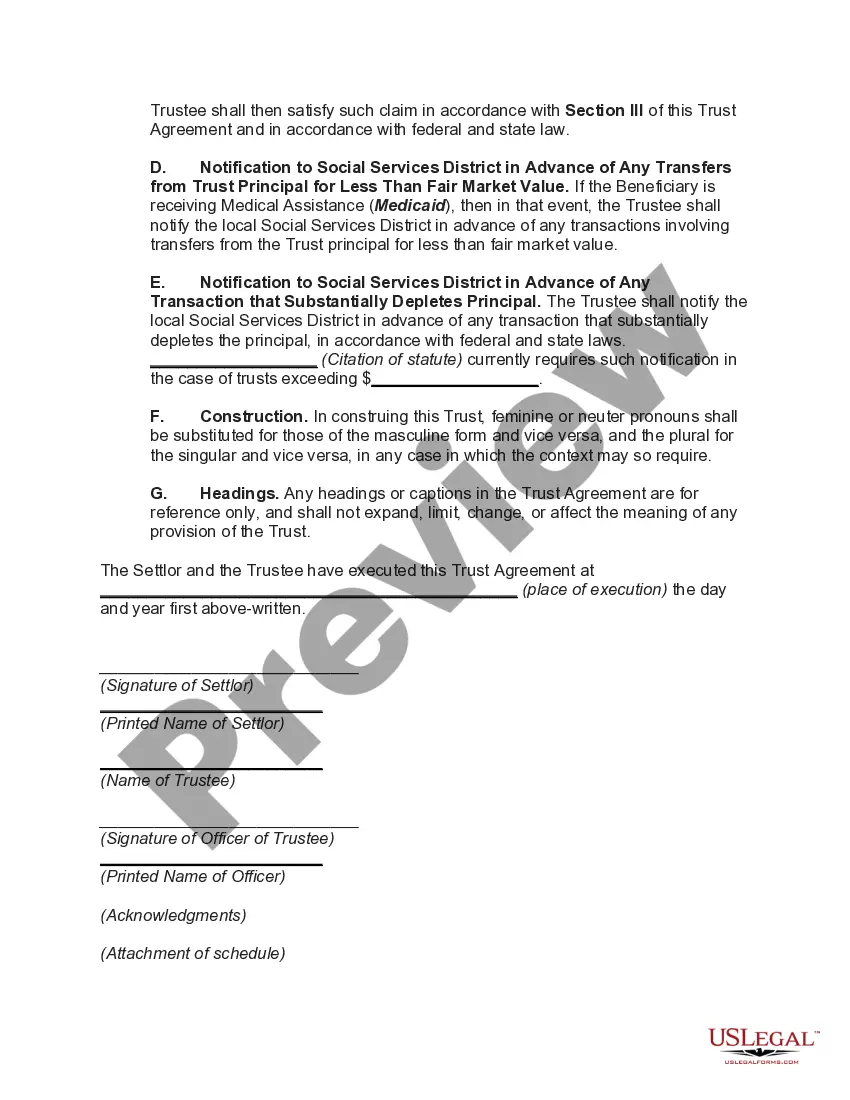
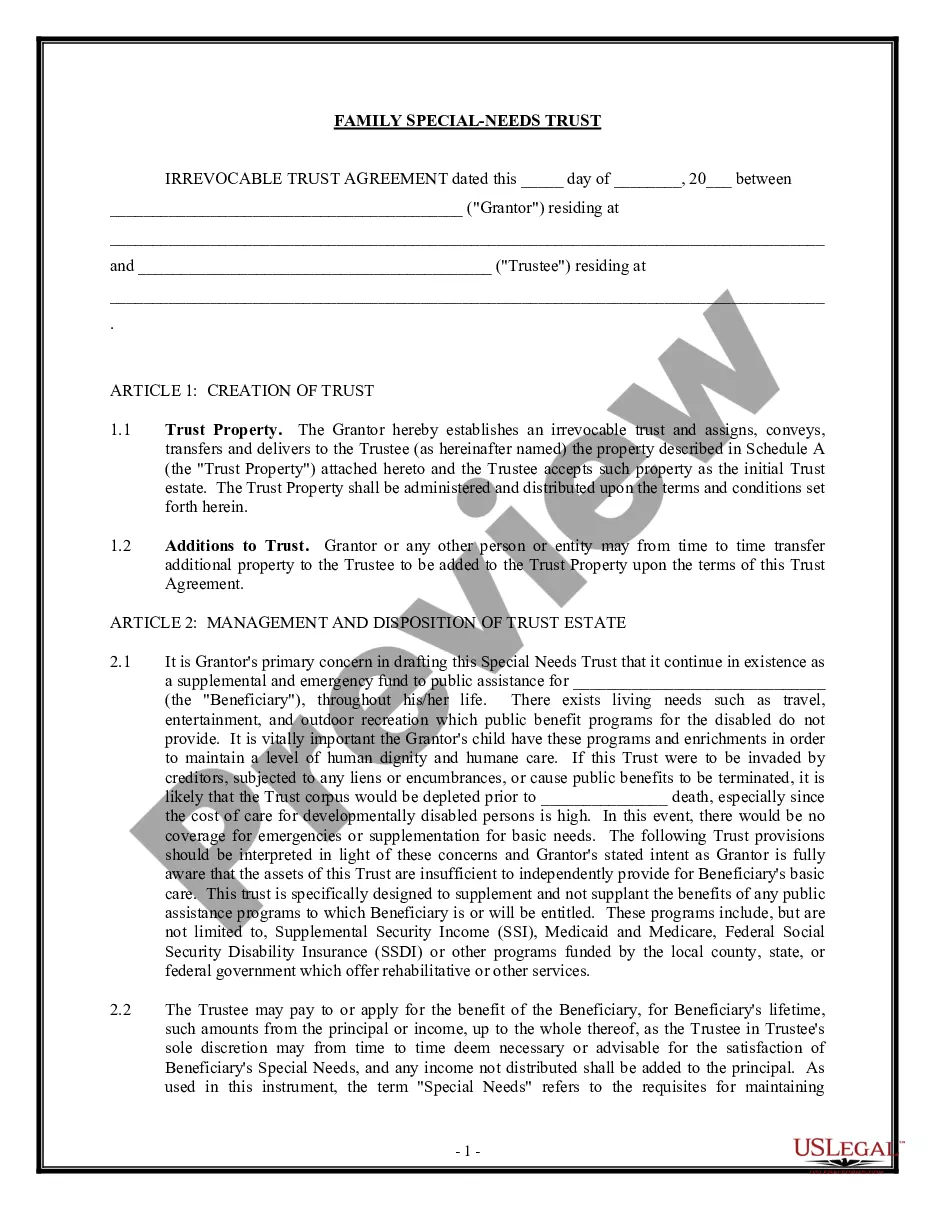
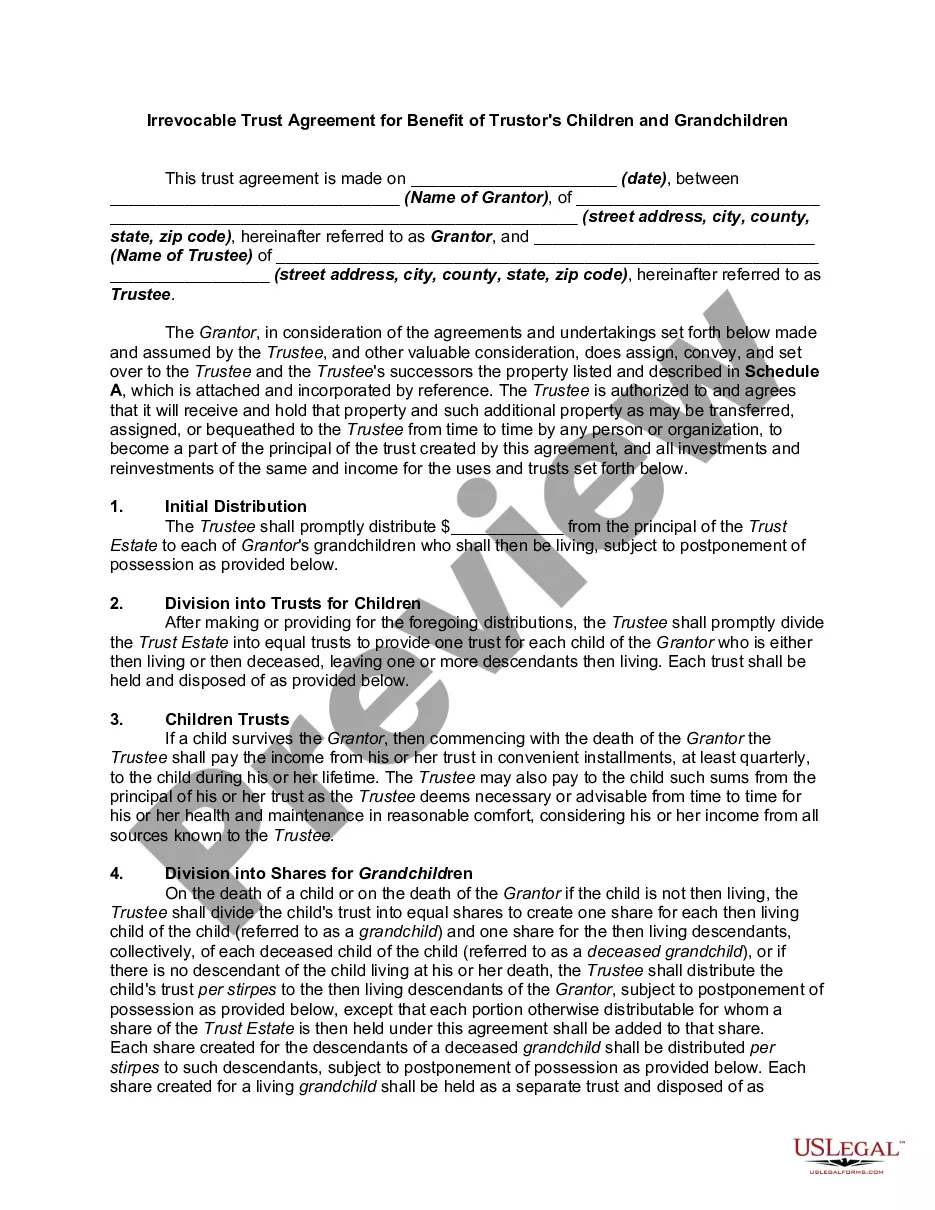

Get your form ready online
Our built-in tools help you complete, sign, share, and store your documents in one place.
Make edits, fill in missing information, and update formatting in US Legal Forms—just like you would in MS Word.
Download a copy, print it, send it by email, or mail it via USPS—whatever works best for your next step.
Sign and collect signatures with our SignNow integration. Send to multiple recipients, set reminders, and more. Go Premium to unlock E-Sign.
If this form requires notarization, complete it online through a secure video call—no need to meet a notary in person or wait for an appointment.
We protect your documents and personal data by following strict security and privacy standards.

Make edits, fill in missing information, and update formatting in US Legal Forms—just like you would in MS Word.

Download a copy, print it, send it by email, or mail it via USPS—whatever works best for your next step.

Sign and collect signatures with our SignNow integration. Send to multiple recipients, set reminders, and more. Go Premium to unlock E-Sign.

If this form requires notarization, complete it online through a secure video call—no need to meet a notary in person or wait for an appointment.

We protect your documents and personal data by following strict security and privacy standards.
Looking for another form?






How to fill out Special Needs Irrevocable Trust Agreement For Benefit Of Disabled Child Of Trustor?
- If you are an existing user, log in to your account and download the required form by clicking the Download button. Confirm your subscription is still active; if not, renew it based on your payment plan.
- For first-time users, start by previewing the form description to verify you have selected the appropriate document that meets your local jurisdiction requirements.
- Use the Search tab to find alternative templates if the initial choice doesn't align with your needs.
- Once you've made your selection, click the Buy Now button and select a subscription plan. To access the document library, you'll need to create an account.
- Proceed with the purchase by entering your payment information or using your PayPal account. Finally, download your form directly to your device.
After downloading, you can customize the document to fit your specific situation. All templates can be accessed later through the 'My Forms' section of your profile.
With US Legal Forms, you gain a powerful ally in drafting legal documents efficiently. Empower yourself with easy access to a vast library and expert assistance today!
Form popularity
FAQ
To establish a trust for a special needs child, you should first consult with an attorney who specializes in estate planning or special needs trusts. The attorney can guide you through the process, making sure to protect the special needs trust beneficiary rights. You will need to define the trust terms, select a trustee, and fund the trust appropriately. Utilizing platforms like US Legal Forms can simplify the documentation process and ensure that you meet all legal requirements.
Yes, generally, a special needs trust must file an annual tax return if it has any income. You must report the trust's income on IRS Form 1041. However, the special needs trust beneficiary rights allow some tax benefits, as the beneficiary may not be taxed on the trust income if properly structured. It's advisable to consult with a tax professional to ensure compliance and optimize the trust's benefits.
Qualified beneficiaries of a trust are individuals who are entitled to receive distributions from the trust, either presently or in the future. In terms of special needs trusts, those beneficiaries may include individuals with disabilities who require support to maintain their well-being. Understanding who qualifies helps protect the special needs trust beneficiary rights of the individuals involved, ensuring they receive the benefits intended for them.
In most cases, a beneficiary should not serve as the trustee of their own special needs trust due to potential conflicts of interest. If the beneficiary holds both roles, it could jeopardize their special needs trust beneficiary rights and complicate the trust's purpose. To avoid conflicting interests and to maintain proper management, it is advisable to appoint an independent trustee who can act objectively on behalf of the beneficiary.
The beneficiary of a special needs trust is typically an individual with disabilities who requires financial support while maintaining their access to government benefits. This arrangement protects their special needs trust beneficiary rights, allowing them to receive funds without jeopardizing eligibility for essential assistance programs. It is key to define the beneficiary clearly within the trust document to ensure their needs are met effectively.
When the person who established the special needs trust dies, the handling of the trust can vary based on its terms. Generally, the trust can either terminate and distribute its assets to named beneficiaries or continue to provide for the special needs trust beneficiary rights of designated individuals. This decision largely depends on the goals outlined in the trust document, making it essential to consult with an attorney for clarity.
A special needs trust can have some disadvantages that you should consider. One challenge is that it can be complex to establish and manage, requiring legal guidance to ensure compliance with laws affecting special needs trust beneficiary rights. Additionally, there may be costs associated with setting up and administering the trust, which could reduce the overall funds available for the beneficiary. Thus, understanding these factors is crucial before proceeding.
When a beneficiary of a special needs trust dies, the distribution of trust assets often depends on the trust terms and state laws. Generally, remaining funds may go to other named beneficiaries or back to the estate, but this can vary widely. It’s vital to consult with a professional to navigate these legal complexities and ensure that the special needs trust beneficiary rights are upheld even after the beneficiary's passing.
Common problems with special needs trusts often stem from improper setup or management. Without proper oversight, funds may be misused, jeopardizing the special needs trust beneficiary rights. Furthermore, beneficiaries may face challenges in understanding what the trust allows, leading to potential conflicts with caregivers or financial managers. Using a clear, structured approach can help mitigate these issues.
While special needs trusts can provide vital support, they do have downsides that beneficiaries should consider. One major concern involves the costs associated with setting up and maintaining the trust, which may include legal fees and administrative expenses. Additionally, misunderstandings about the trust's operation can lead to unintentional loss of government benefits, which is why consulting experienced professionals is crucial.