Revocable Trust Document For Florida
Description

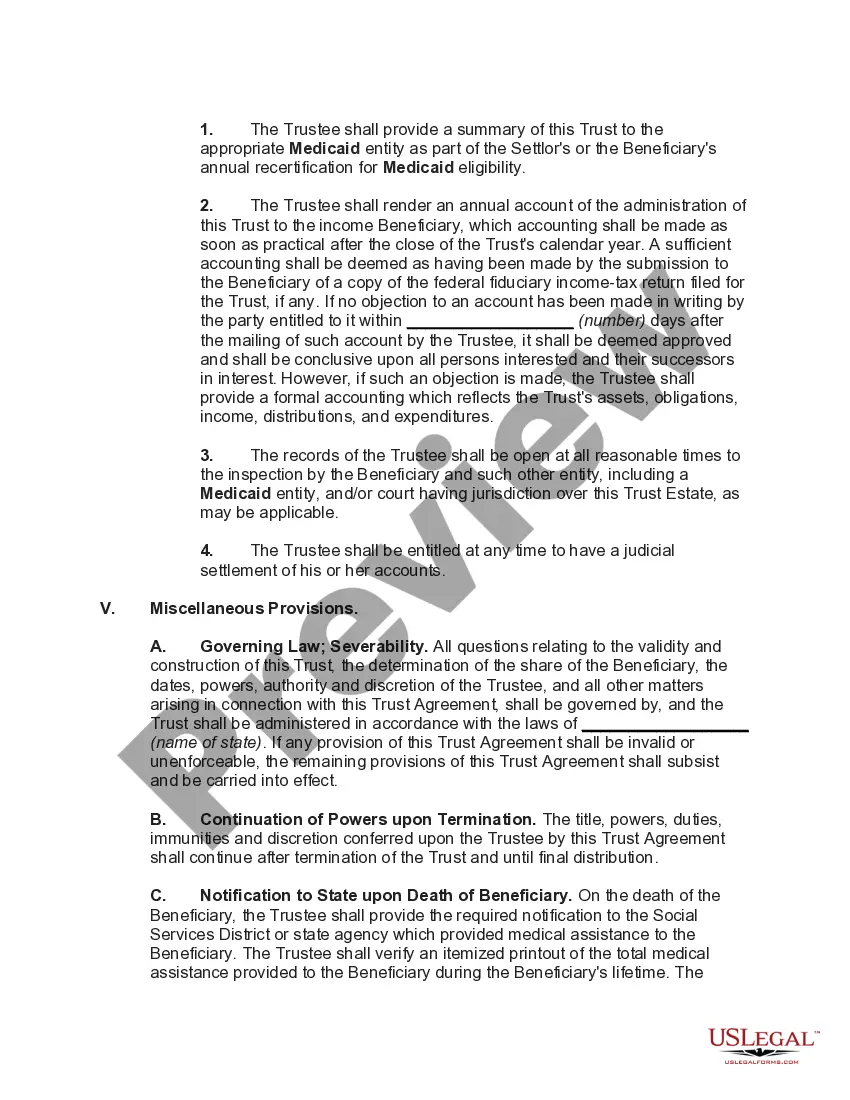
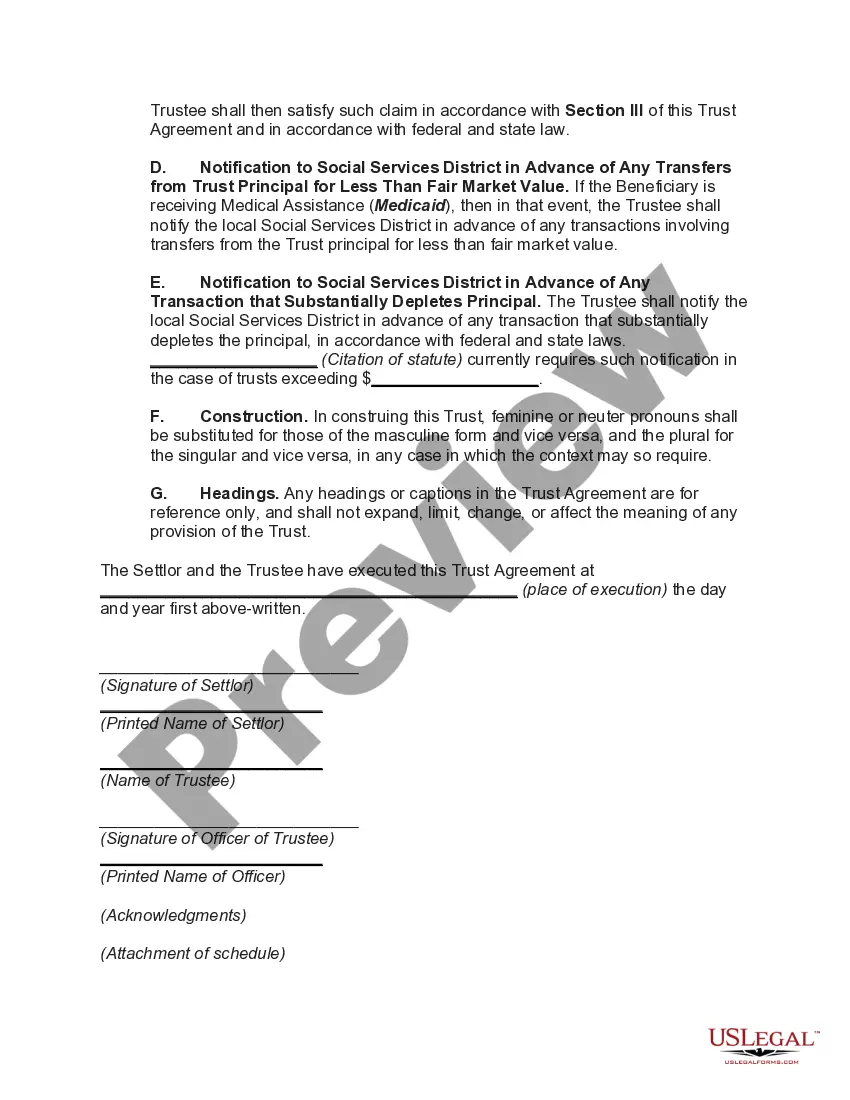



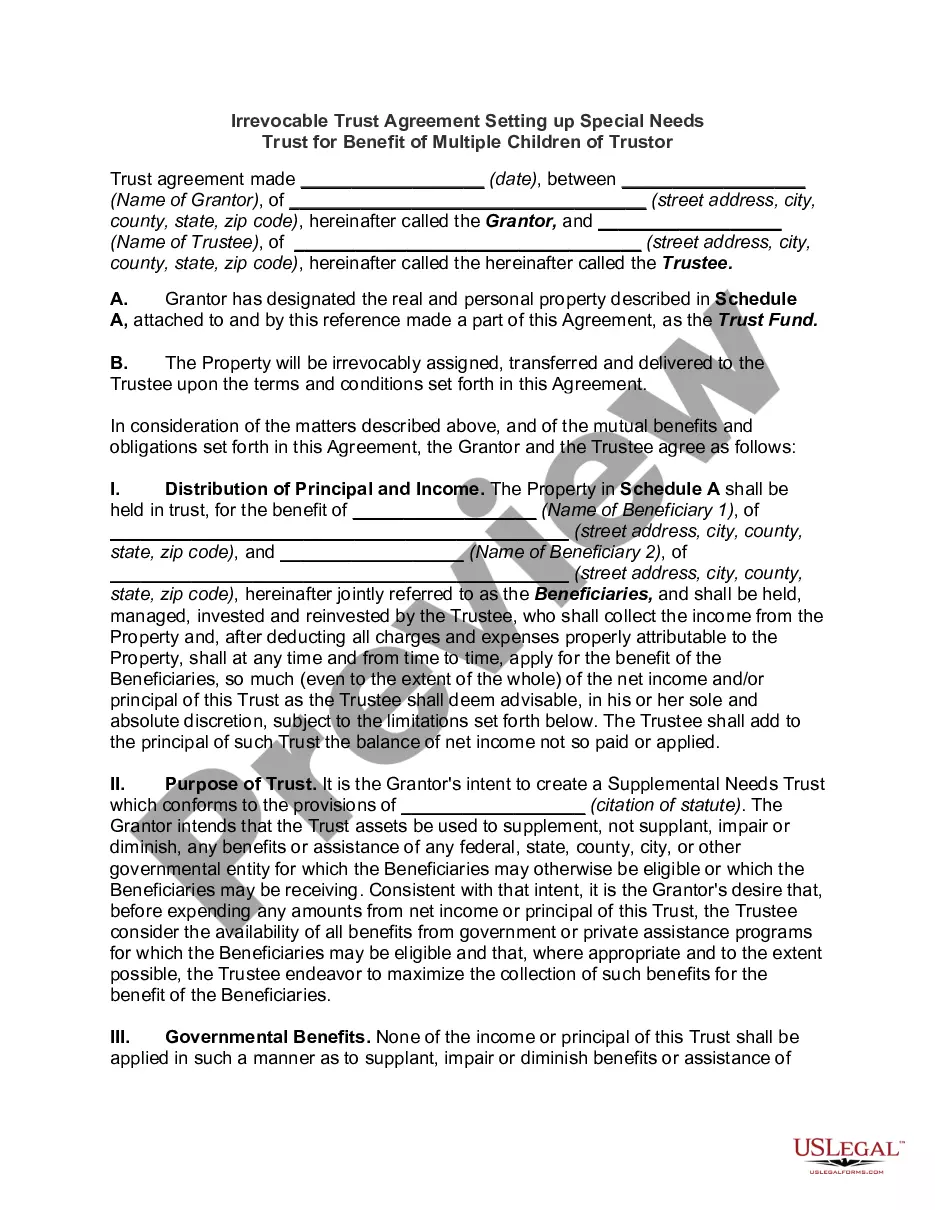
Get your form ready online
Our built-in tools help you complete, sign, share, and store your documents in one place.
Make edits, fill in missing information, and update formatting in US Legal Forms—just like you would in MS Word.
Download a copy, print it, send it by email, or mail it via USPS—whatever works best for your next step.
Sign and collect signatures with our SignNow integration. Send to multiple recipients, set reminders, and more. Go Premium to unlock E-Sign.
If this form requires notarization, complete it online through a secure video call—no need to meet a notary in person or wait for an appointment.
We protect your documents and personal data by following strict security and privacy standards.

Make edits, fill in missing information, and update formatting in US Legal Forms—just like you would in MS Word.

Download a copy, print it, send it by email, or mail it via USPS—whatever works best for your next step.

Sign and collect signatures with our SignNow integration. Send to multiple recipients, set reminders, and more. Go Premium to unlock E-Sign.

If this form requires notarization, complete it online through a secure video call—no need to meet a notary in person or wait for an appointment.

We protect your documents and personal data by following strict security and privacy standards.
Looking for another form?


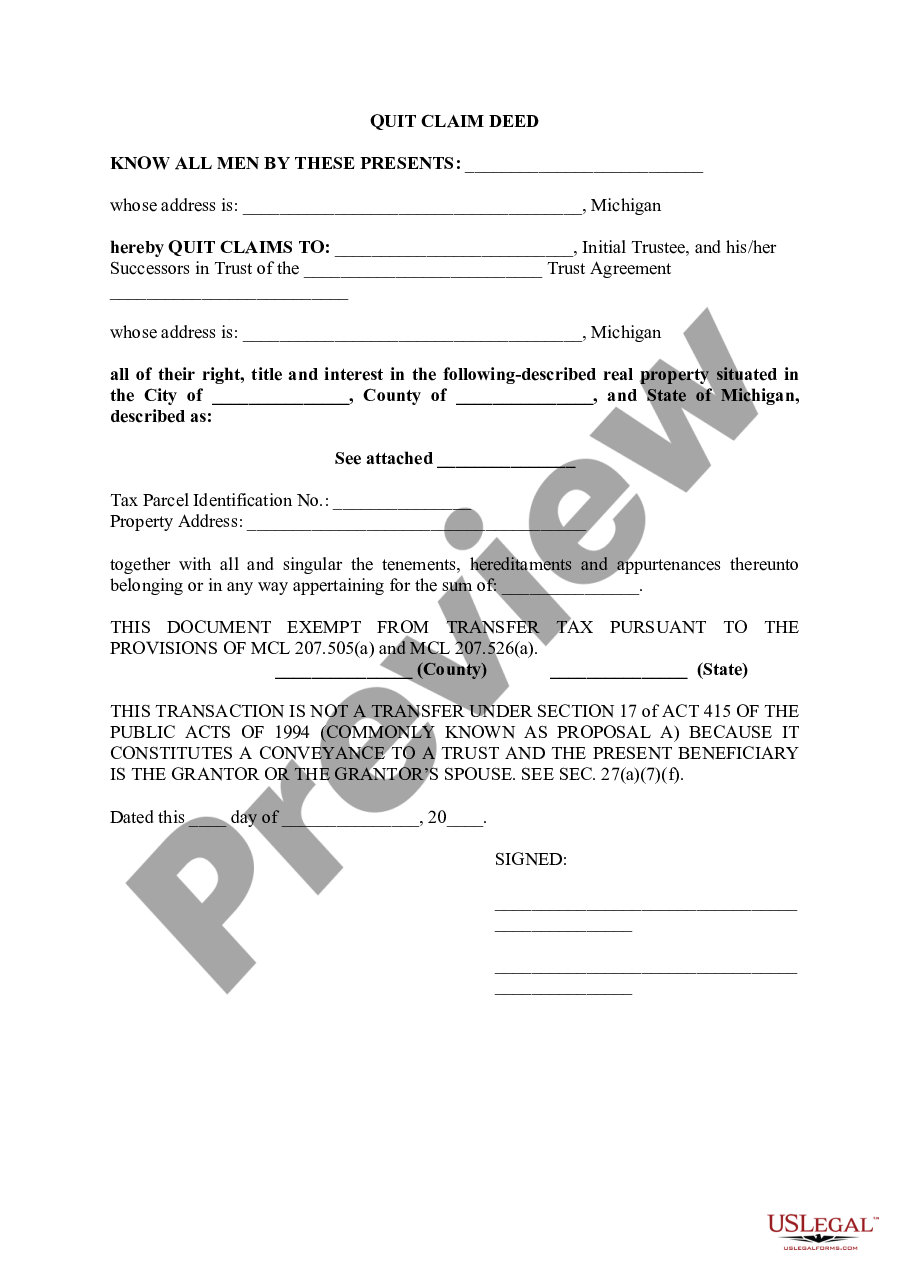




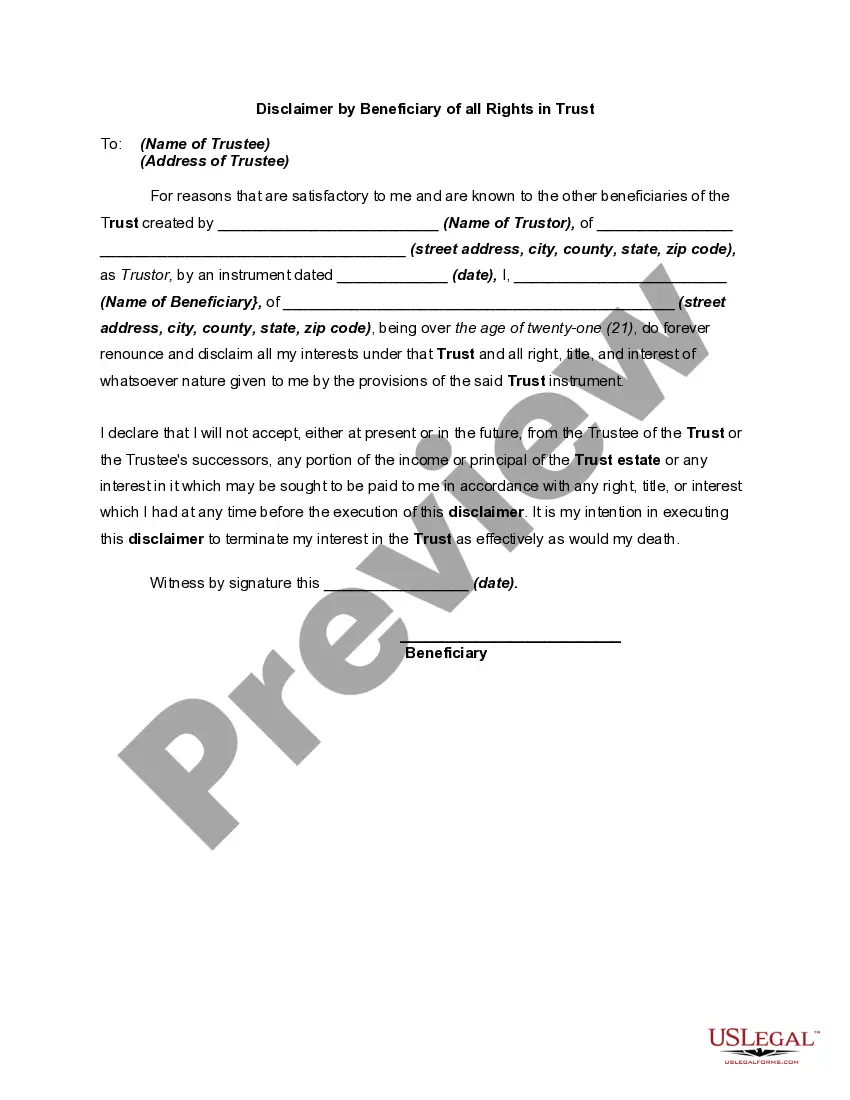
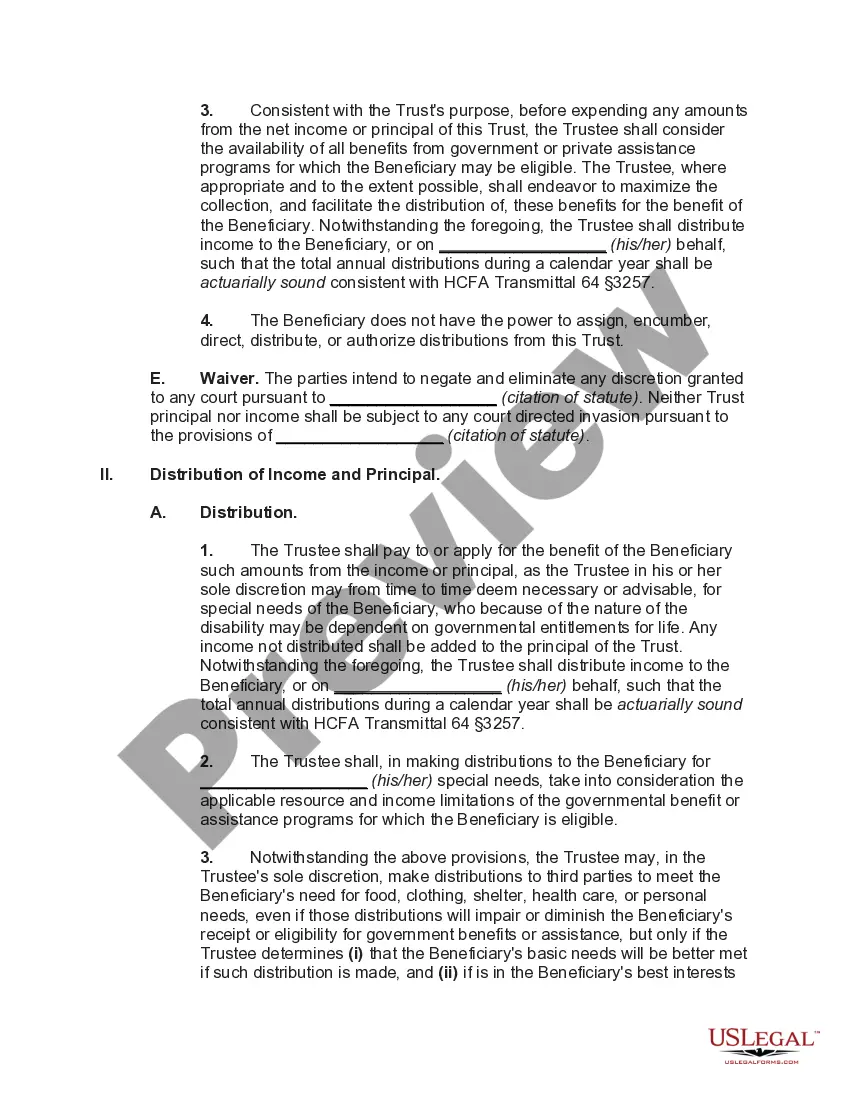
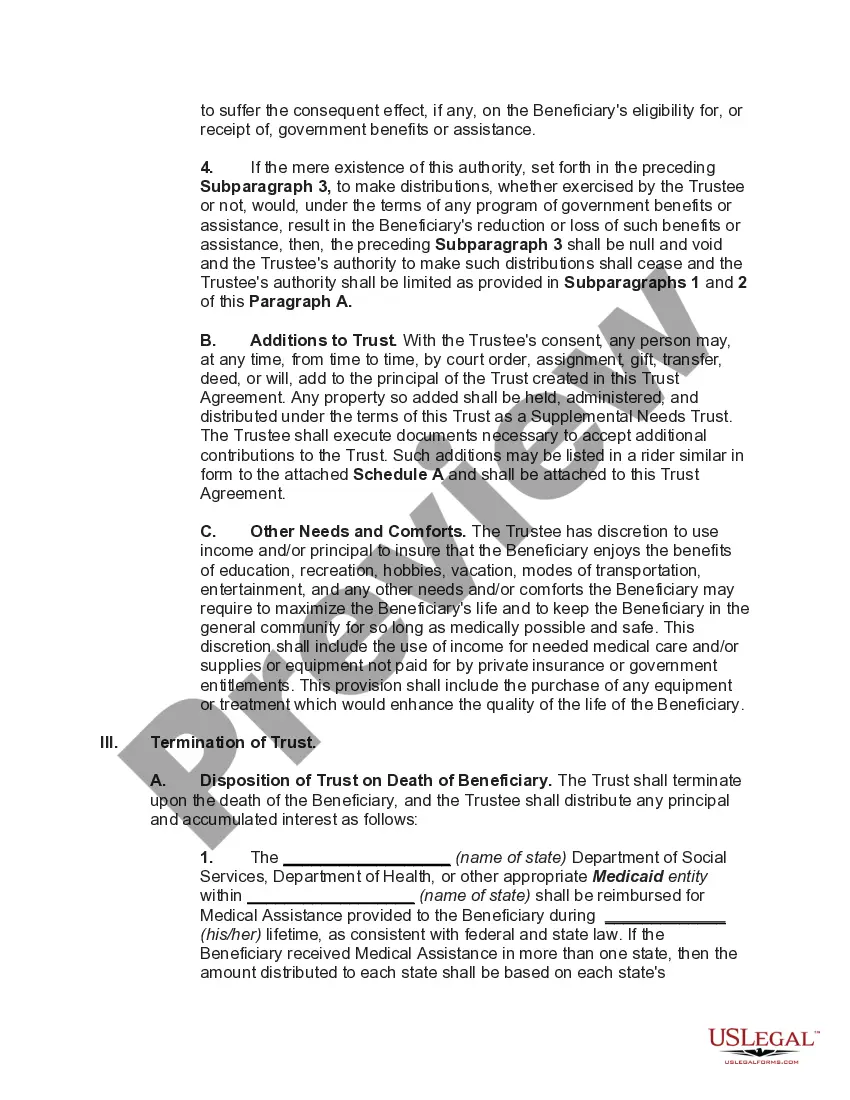
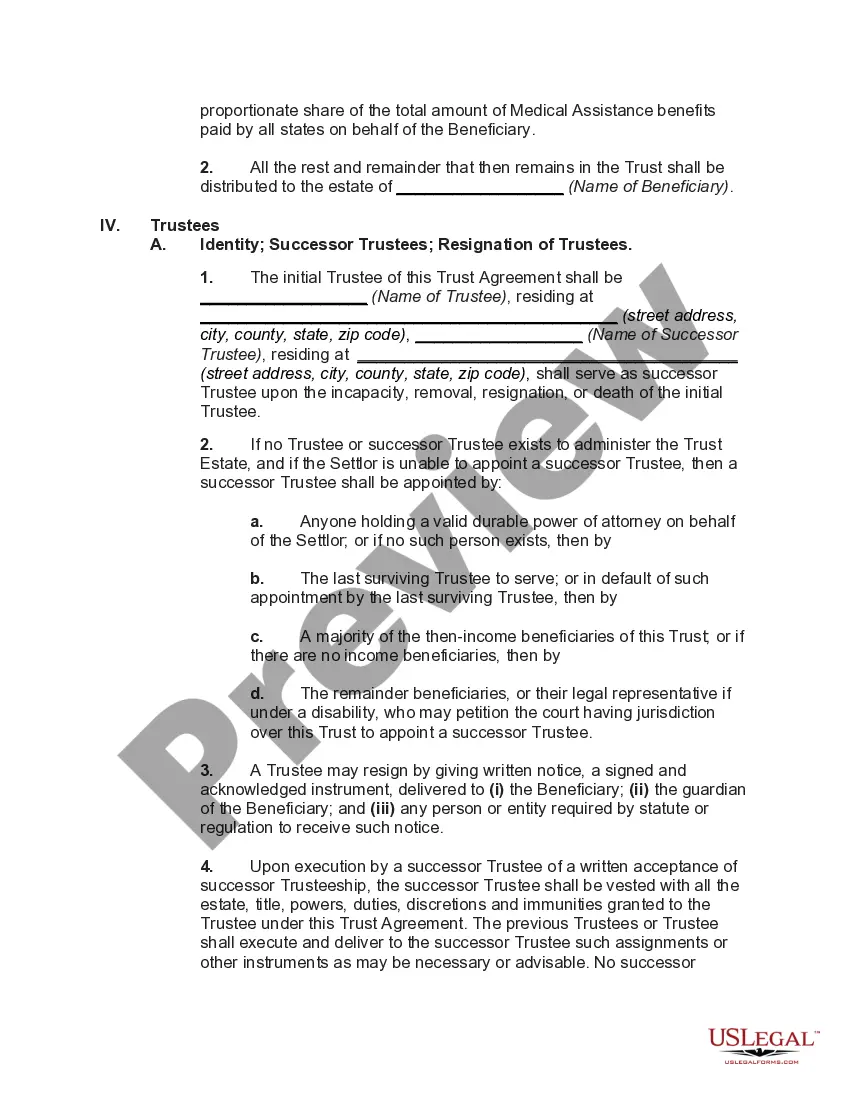
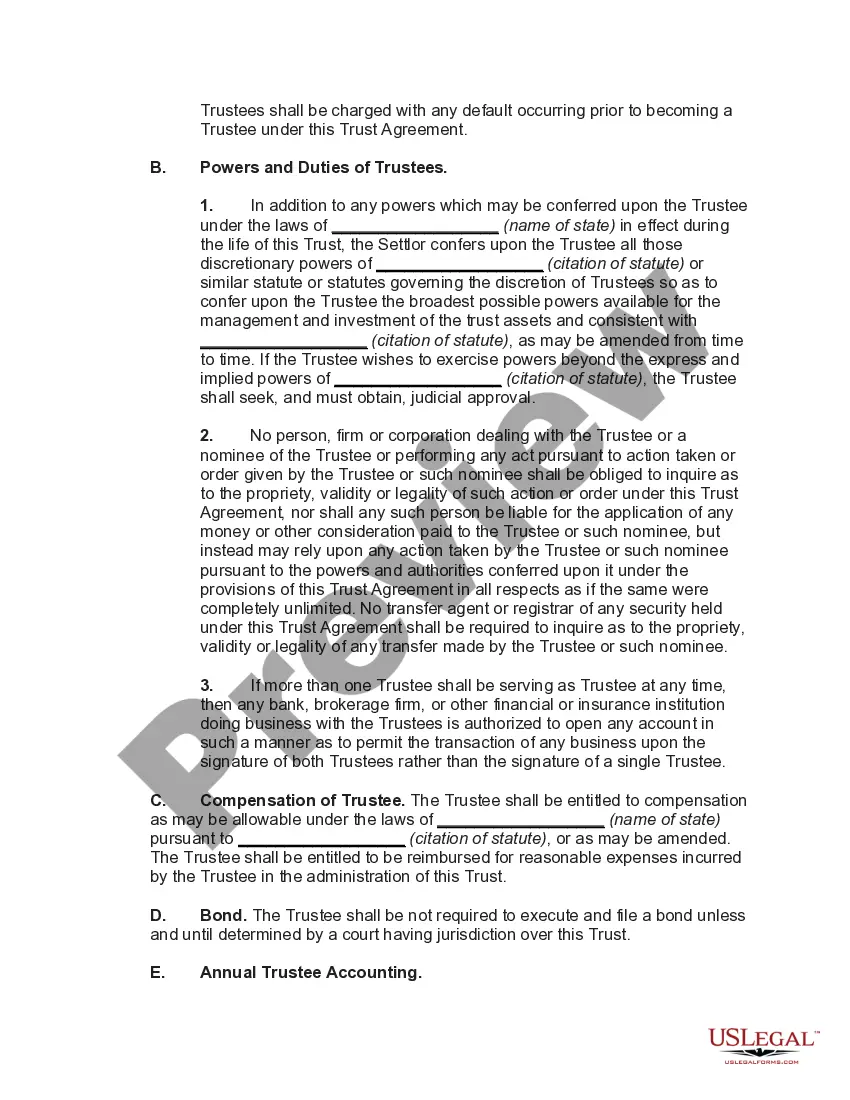
How to fill out Special Needs Irrevocable Trust Agreement For Benefit Of Disabled Child Of Trustor?
- Log in to your US Legal Forms account if you've used the service before. Ensure your subscription is active; if it's not, please renew it according to your payment plan.
- Preview the available forms and check the descriptions carefully to select the revocable trust document that aligns with your needs and complies with Florida laws.
- In case you don't find the right template, utilize the Search feature to explore other options that better suit your requirements.
- Once satisfied, click the 'Buy Now' button to choose a subscription plan that works for you and create an account to access the library.
- Proceed to payment by entering your credit card details or using your PayPal account to finalize the purchase.
- After payment, download your completed document to your device, and you can access it anytime via the 'My Forms' section of your profile.
In conclusion, US Legal Forms offers an extensive range of legal documents that empower individuals and attorneys to streamline the creation of necessary legal paperwork. By following these steps, you can ensure your revocable trust document is prepared correctly and legally sound.
Start your estate planning today with US Legal Forms and secure peace of mind for you and your family!
Form popularity
FAQ
While it is not strictly necessary to have an attorney prepare a revocable trust document for Florida, it is highly beneficial. An attorney can guide you through the complexities of estate planning and ensure that your document meets Florida's legal requirements. Alternatively, using services like US Legal Forms can also provide you with easy-to-understand templates and instructions, making the process accessible without heavy legal fees. Choose the option that best fits your comfort level and needs.
Yes, a revocable trust document for Florida does need to be notarized to ensure its validity. In Florida, the notary acts as a witness to the signing, confirming that you signed the document freely and without any pressure. This process helps protect the trust from challenges or disputes later on. Make sure to have the trust notarized properly to smooth the transfer of assets.
To obtain a revocable trust document for Florida, start by gathering your personal assets and deciding how you want to distribute them. You can draft the trust agreement yourself using online resources, or consider using a service like US Legal Forms for a more streamlined approach. This ensures that all legal requirements are met and your document is tailored to your needs. Once completed, you’ll need to fund the trust by transferring your assets into it.
Writing a revocable trust involves several key steps that require careful consideration. First, you should outline your objectives and identify the assets you want to include in the revocable trust document for Florida. Next, you need to choose a trustee who will manage the trust. Using resources available through US Legal Forms can provide templates and guidance to help you draft a comprehensive document that meets Florida's legal requirements and reflects your desires.
One of the biggest mistakes parents make when setting up a trust fund is not clearly defining the terms and conditions for the distribution of assets. They may assume their children will understand their wishes, but without a detailed revocable trust document for Florida, their intentions can be misinterpreted. It's crucial to outline specific guidelines to avoid confusion and potential conflict among heirs. Considering using a reliable platform like US Legal Forms can simplify this process and ensure all necessary details are accounted for.
No, you do not need to file a revocable trust in Florida. This confidentiality is one of the advantages of creating a revocable trust document for Florida. Instead, focus on keeping the details organized and ensuring that relevant parties are informed about the trust’s existence and terms.
Generally, a revocable trust does not need to file a separate tax return while you are alive. The income generated by the trust is reported on your individual tax return. However, when the trust becomes irrevocable upon your passing, it may then be subject to specific tax filing requirements.
While revocable living trusts offer flexibility and management advantages, they come with some disadvantages. For instance, they do not provide asset protection from creditors, and any assets in the trust are included in your estate for tax purposes. It’s vital to weigh these factors, possibly with the help of a reliable service, like USLegalForms, to create a tailored revocable trust document for Florida.
No, a revocable trust does not need to be recorded in Florida. This means you can keep your revocable trust document for Florida private, avoiding unnecessary exposure to public records. Nevertheless, proper documentation and organization of your trust are essential for clarity and effectiveness.
A trust, including a revocable trust document for Florida, does not need to be filed with the state. Trusts function privately, allowing you to maintain discretion over your assets during your lifetime and after your passing. However, beneficiaries and relevant parties should be informed about the existence and terms of the trust.