Irrevocable Trust Trustor For Estate
Description





Get your form ready online
Our built-in tools help you complete, sign, share, and store your documents in one place.
Make edits, fill in missing information, and update formatting in US Legal Forms—just like you would in MS Word.
Download a copy, print it, send it by email, or mail it via USPS—whatever works best for your next step.
Sign and collect signatures with our SignNow integration. Send to multiple recipients, set reminders, and more. Go Premium to unlock E-Sign.
If this form requires notarization, complete it online through a secure video call—no need to meet a notary in person or wait for an appointment.
We protect your documents and personal data by following strict security and privacy standards.

Make edits, fill in missing information, and update formatting in US Legal Forms—just like you would in MS Word.

Download a copy, print it, send it by email, or mail it via USPS—whatever works best for your next step.

Sign and collect signatures with our SignNow integration. Send to multiple recipients, set reminders, and more. Go Premium to unlock E-Sign.

If this form requires notarization, complete it online through a secure video call—no need to meet a notary in person or wait for an appointment.

We protect your documents and personal data by following strict security and privacy standards.
Looking for another form?







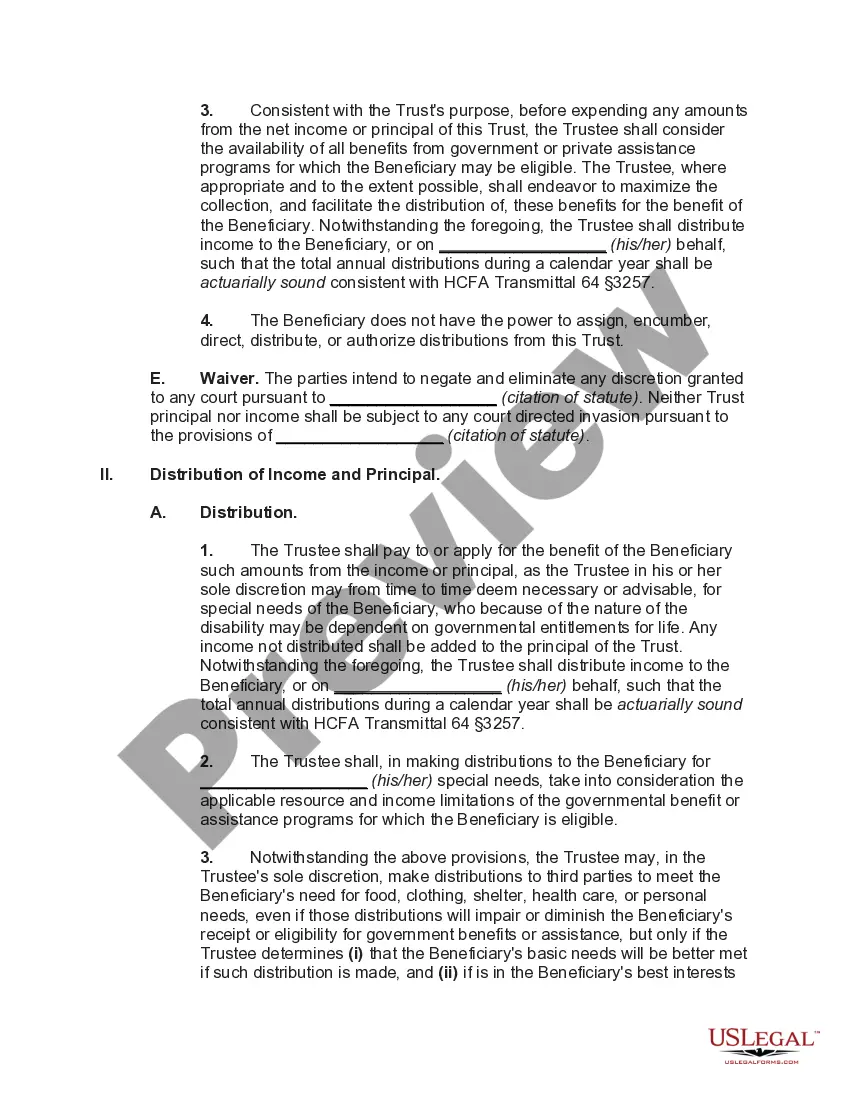
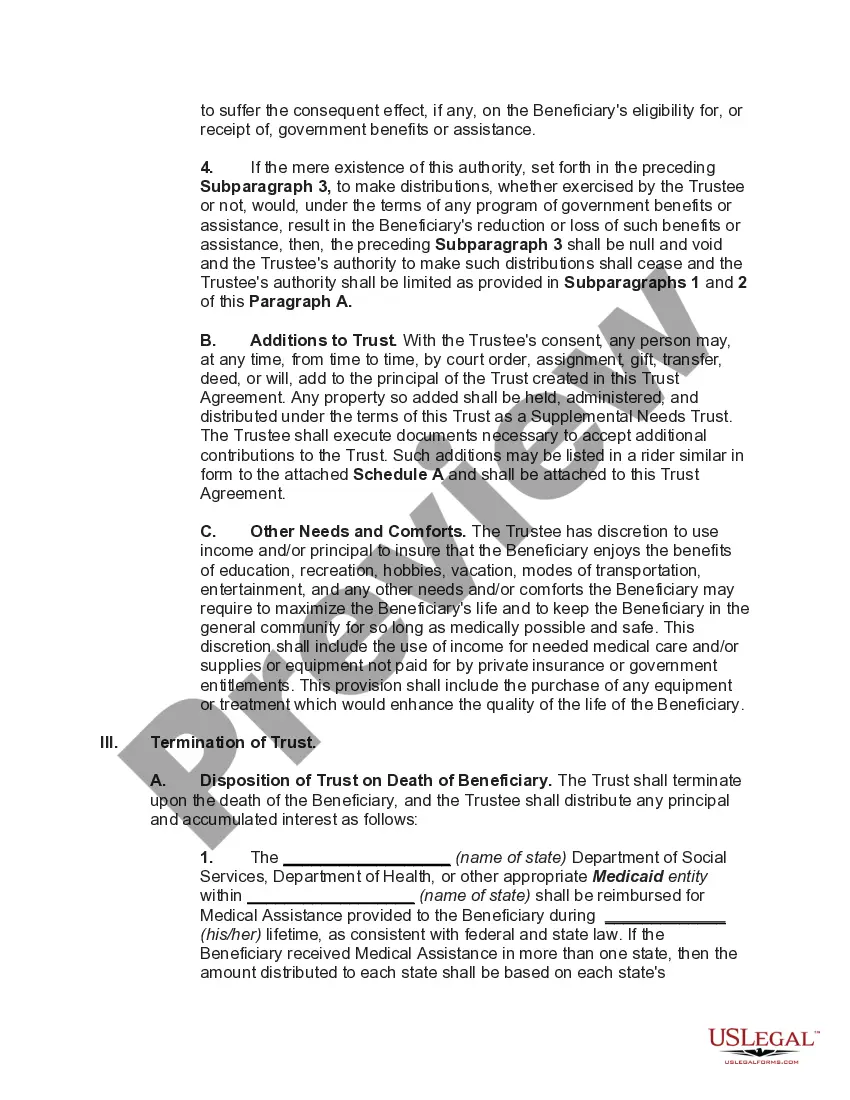
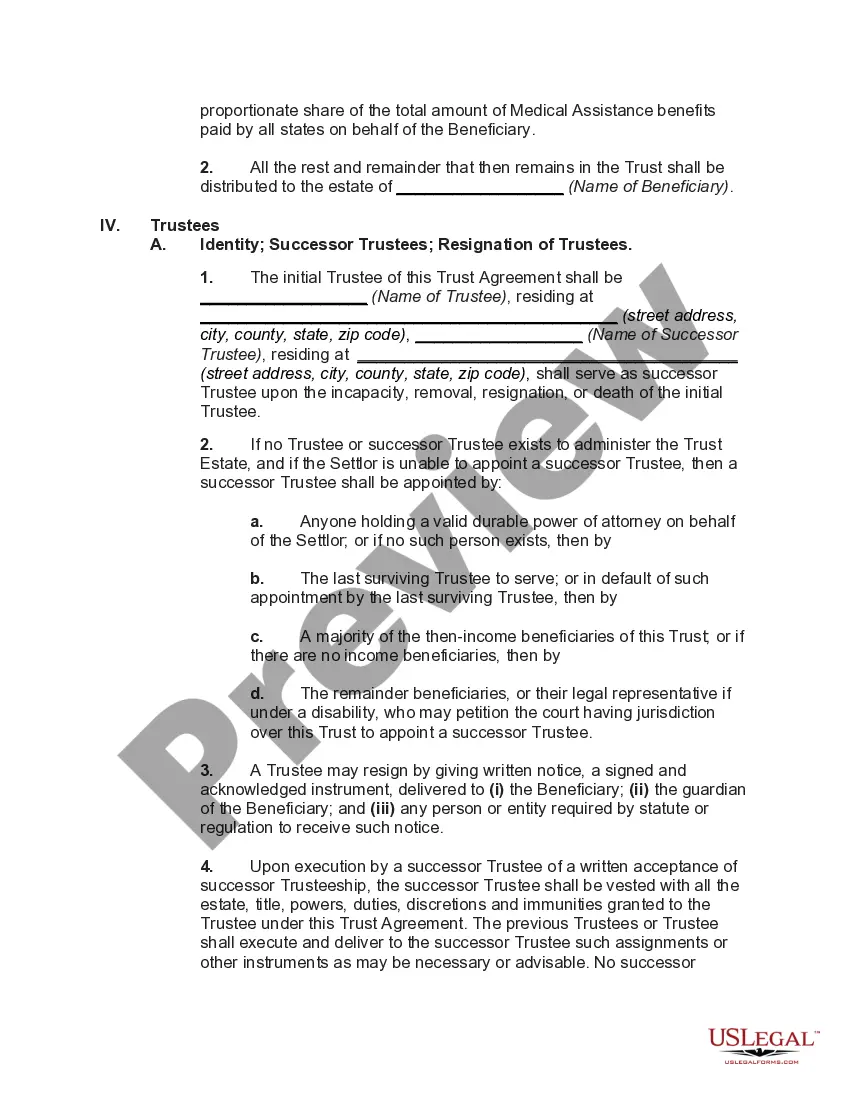
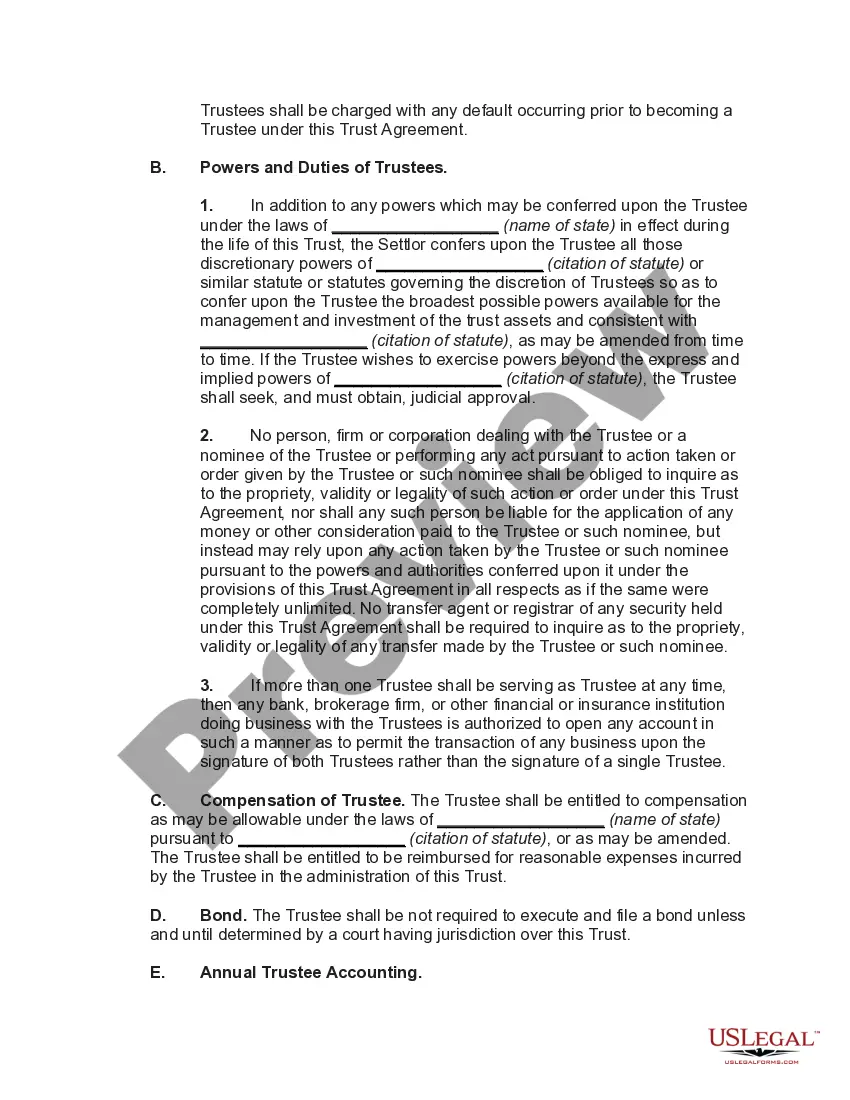
How to fill out Special Needs Irrevocable Trust Agreement For Benefit Of Disabled Child Of Trustor?
- If you are an existing user, log in to your account to access your previous documents. Ensure your subscription is active; if it's expired, renew it as per your payment plan.
- For new users, start by browsing the wide array of templates available. Use the Preview feature to confirm that the selected form fits your needs and adheres to your local jurisdiction's regulations.
- Need a different template? Utilize the Search function to pinpoint the exact form that meets your requirements. Once you've found what you need, proceed.
- Purchase the desired document by clicking the Buy Now button. Choose the subscription plan that suits you best. You'll need to register for an account to unlock the full resources available.
- Complete your purchase using your credit card or PayPal for a seamless transaction.
- Download the finalized document to your device. You can access it anytime through the My Forms section of your profile for easy completion.
US Legal Forms is designed to empower both individuals and attorneys, offering an extensive library of over 85,000 forms. This user-friendly resource ensures legal documents can be executed swiftly and accurately.
Don’t delay your estate planning any longer. Start your journey with US Legal Forms today to secure your estate and protect your legacy.
Form popularity
FAQ
Selecting the right trustee for an irrevocable trust is critical for its success. Ideal candidates often include individuals with financial expertise, integrity, and a willingness to fulfill the responsibilities involved. Some people may opt for a trusted family member or a professional trustee. Using a platform like US Legal Forms can help you navigate the complexities of choosing the right trustee and ensure your irrevocable trust trustor for estate is set up properly.
When a trustee dies, the management of the irrevocable trust typically passes to a successor trustee appointed in the trust document. If the trust does not designate a successor, the beneficiaries may need to petition the court to appoint one. This transition process can impact how effectively the trust is managed. Therefore, having a clear plan is essential for the continuity of the irrevocable trust trustor for estate.
Yes, you can be a trustee of an estate if you meet the necessary qualifications and are appointed according to the terms of the trust. Many individuals choose to appoint family members, friends, or professionals as trustees. Being a trustee comes with both privileges and responsibilities. Therefore, it's essential to understand your obligations within the context of managing an irrevocable trust trustor for estate.
Being a trustee of an estate means you oversee and manage the assets held in an irrevocable trust. The trustee ensures that the trust is administered according to the trustor's instructions, following legal guidelines and the trust's terms. This role involves managing finances, paying debts, and distributing assets to beneficiaries. As such, the trustee's actions can significantly impact the efficacy of the irrevocable trust trustor for estate.
Certain individuals may be disqualified from serving as a trustee of an irrevocable trust. Generally, anyone who has a criminal history, particularly related to fraud or dishonesty, cannot act as a trustee. Additionally, minors or individuals deemed incapacitated by a court may also be unable to fulfill this role. It's crucial for the trustor to select a reliable and capable trustee for the effective management of the irrevocable trust trustor for estate.
A trustee has significant authority to manage the assets within the irrevocable trust. This includes making decisions about investments, distributions, and handling expenses. However, this power must be exercised in the best interest of the beneficiaries, following the terms set by the trustor. Thus, a well-informed trustee plays a vital role in fulfilling the purpose of the irrevocable trust trustor for estate.
Being a trustee can come with certain responsibilities that might feel overwhelming. You must manage the assets of the irrevocable trust and ensure they are distributed according to the trustor's wishes. This role can lead to personal liability if anything goes wrong. Therefore, it's essential to understand the responsibilities and challenges associated with being a trustee of an irrevocable trust trustor for estate.
In an irrevocable trust, the trustor relinquishes ownership of the assets placed into the trust. Instead, the trust itself becomes the owner of those assets, managed by the appointed trustee. This arrangement allows the irrevocable trust trustor for estate to dictate how and when the assets are distributed without retaining direct control over the property.
When someone dies, an irrevocable trust generally remains intact and continues to operate according to its terms. The trust assets are not subject to probate, which can expedite the distribution process. The irrevocable trust trustor for estate’s instructions guide how assets are managed and distributed after death, preserving the trust's intended purpose.
After the death of the irrevocable trust trustor for estate, the trustee continues to hold the responsibility for managing the trust. The trustee must distribute assets as outlined in the trust document and uphold the trust's terms. This person plays a crucial role in ensuring that the trust operates smoothly, following the deceased trustor's final wishes.