Irrevocable Trust Form Printable For Dummies
Description
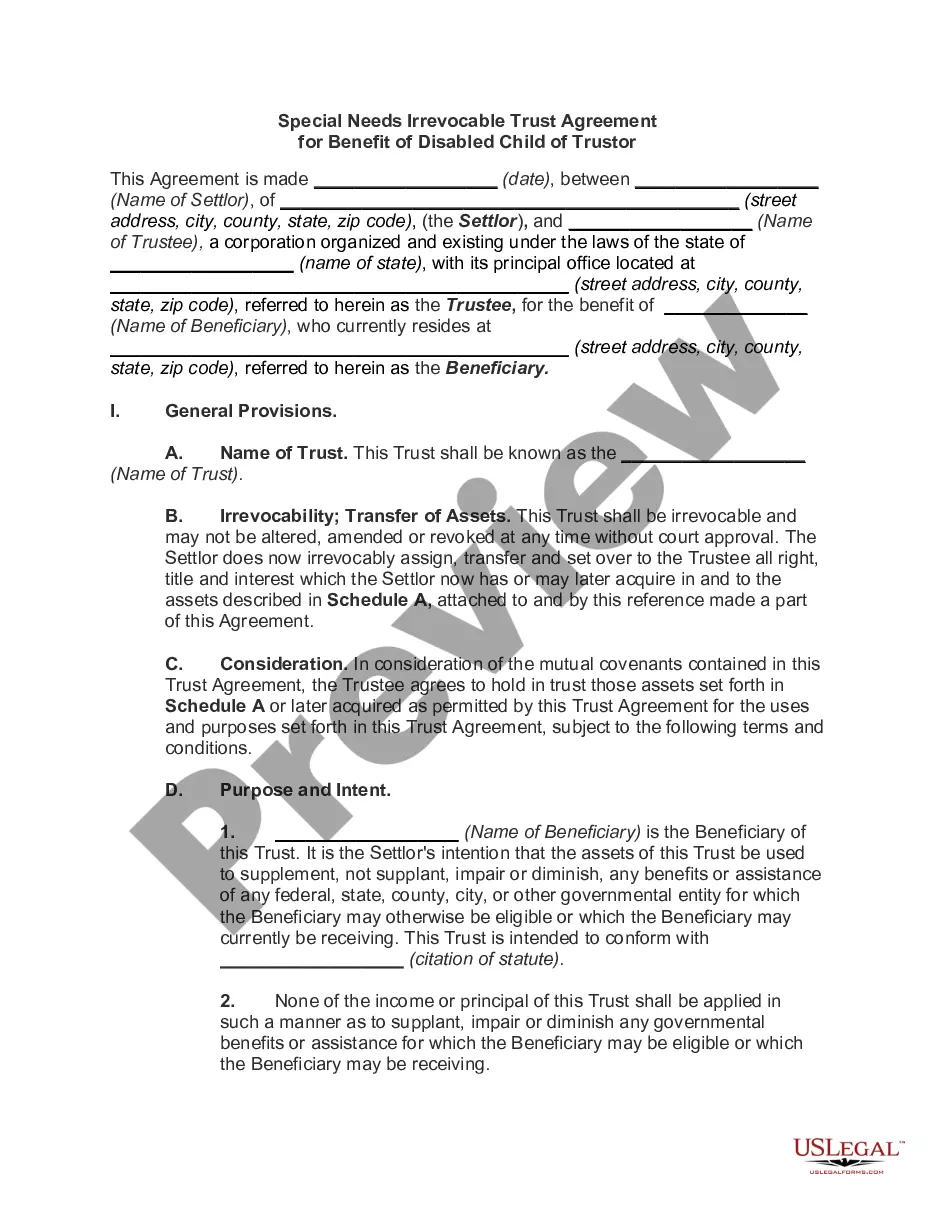
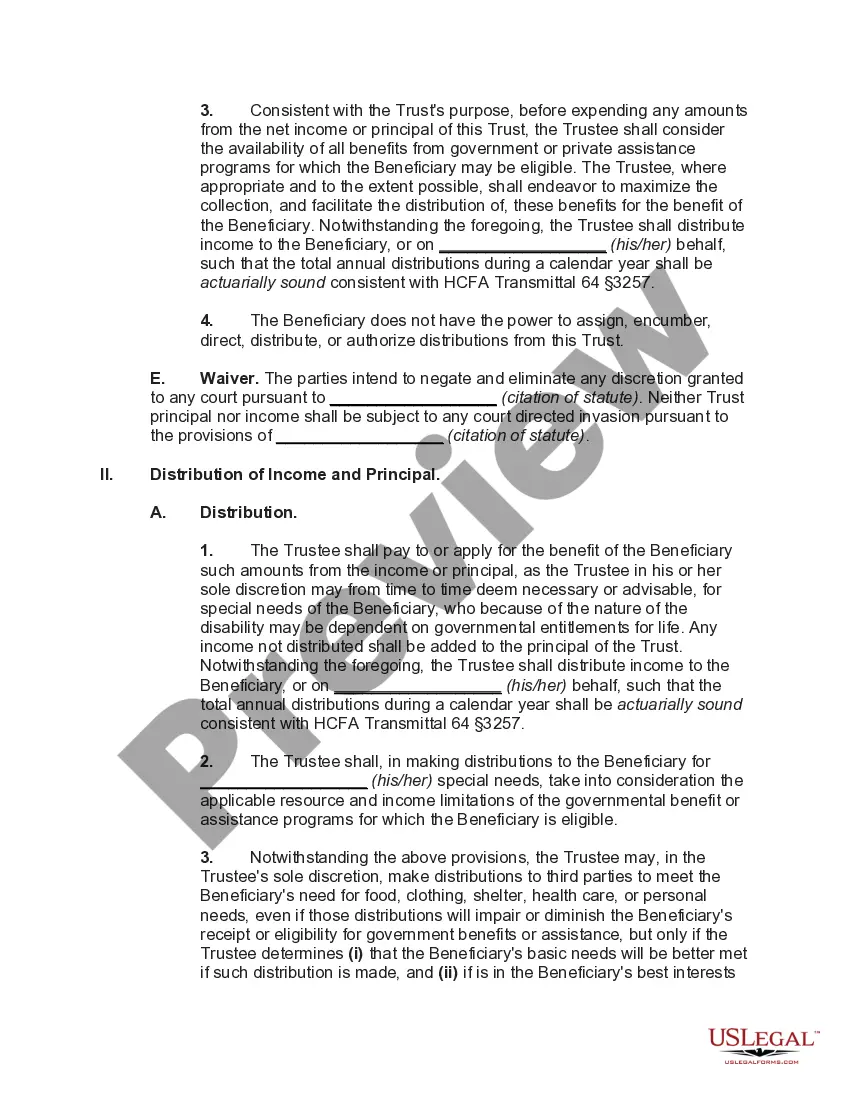
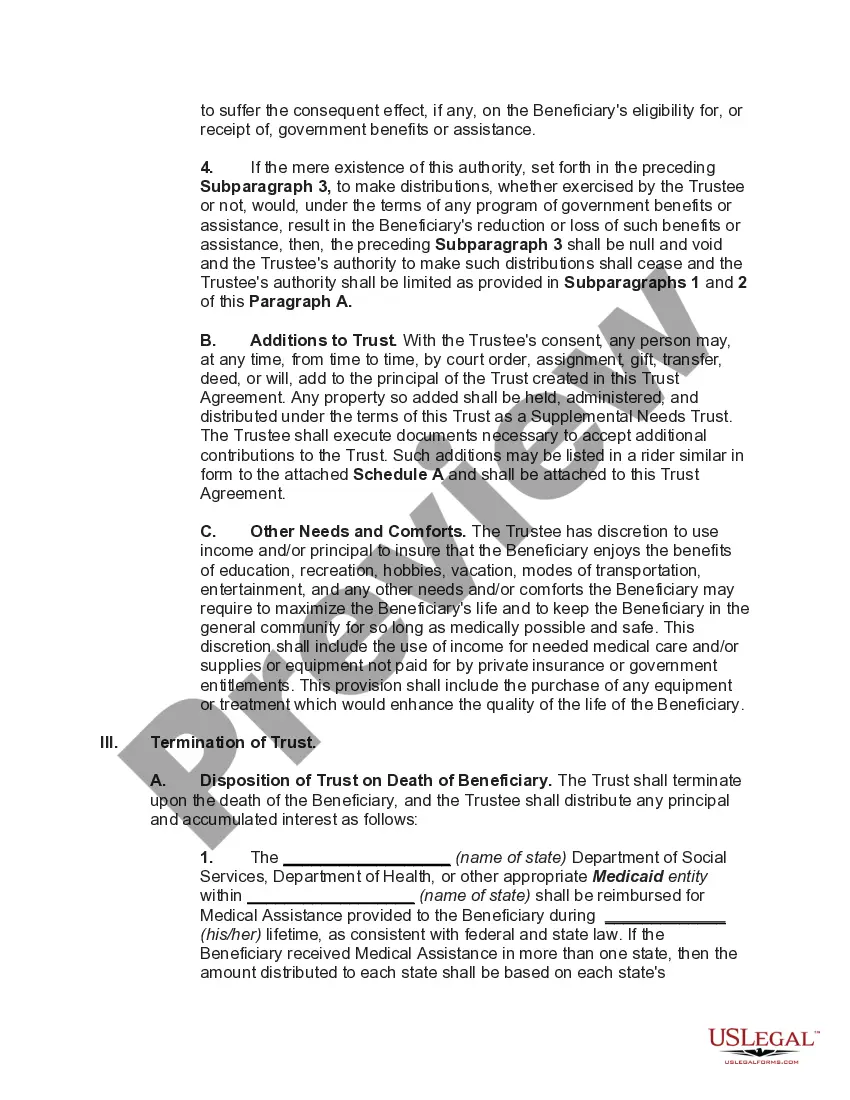
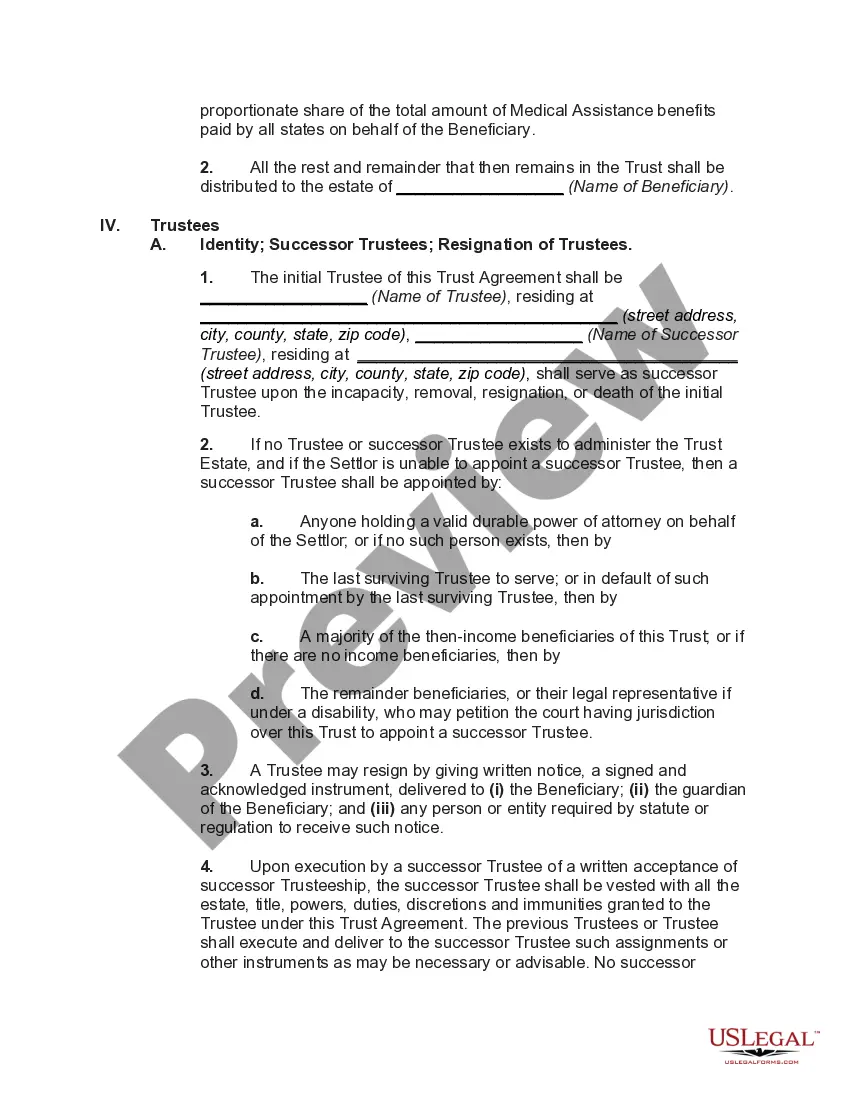
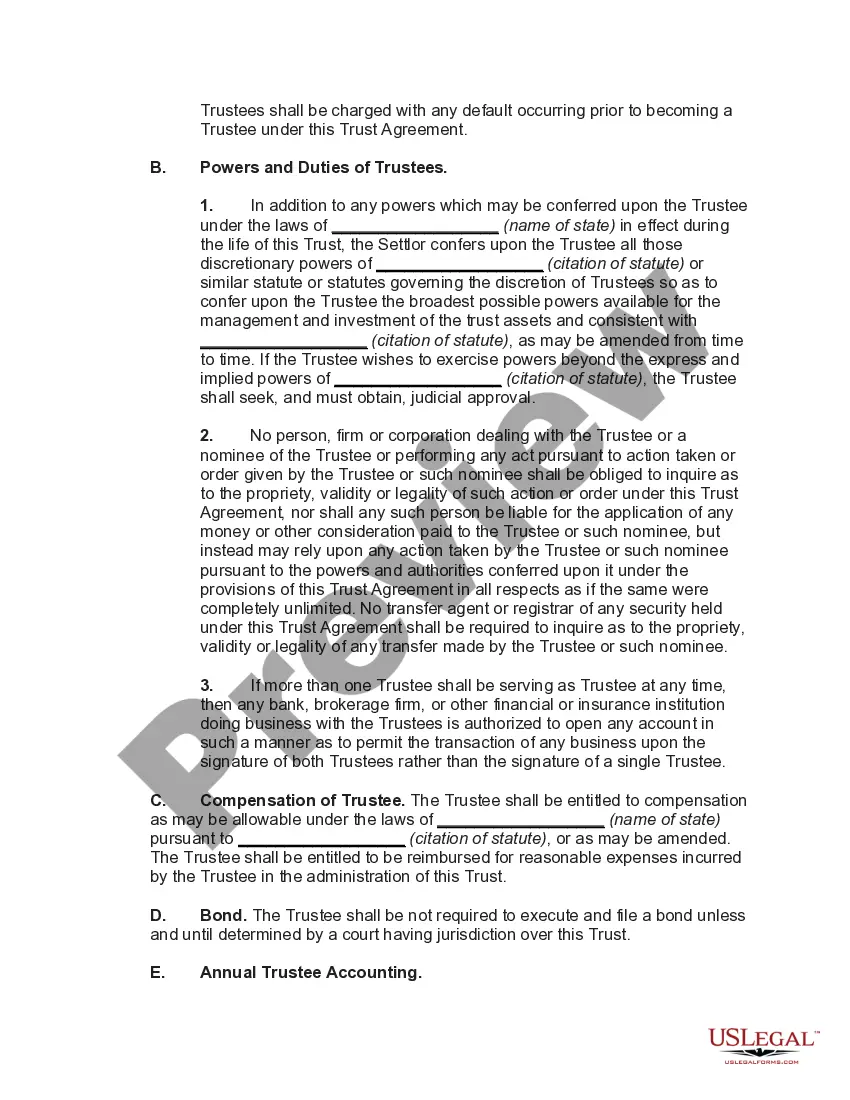
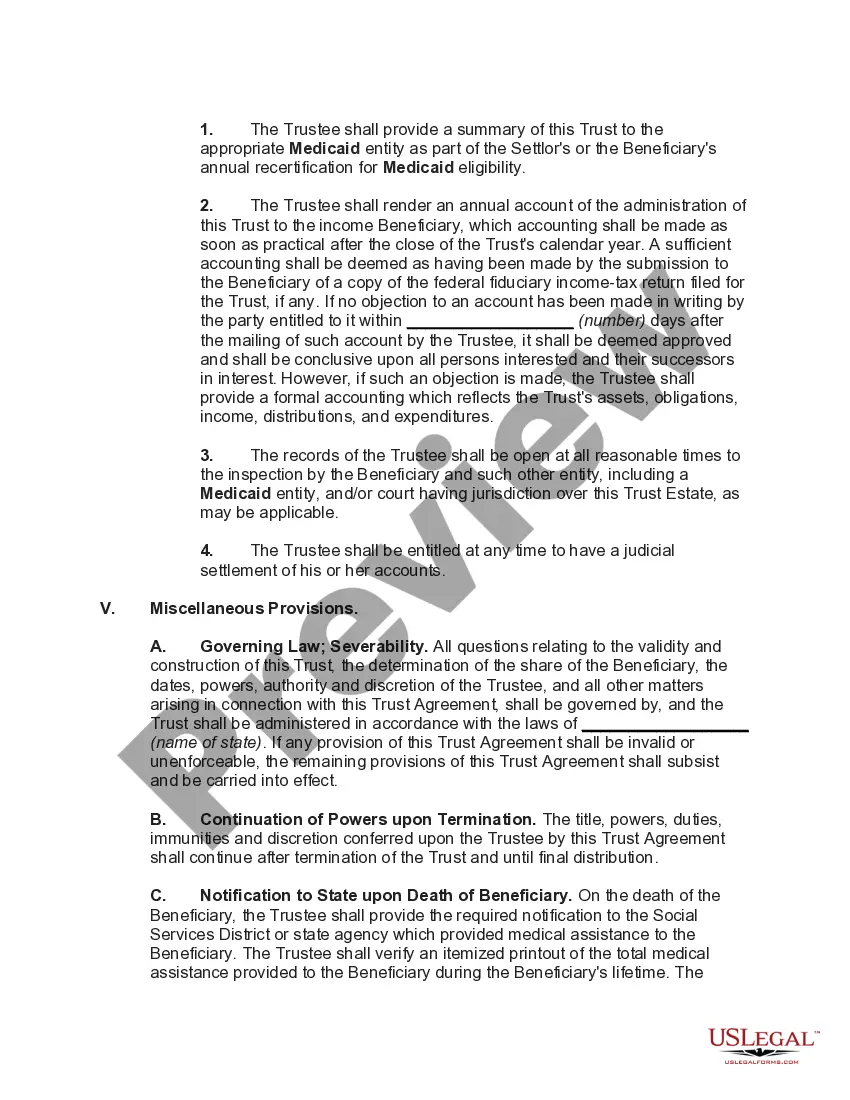
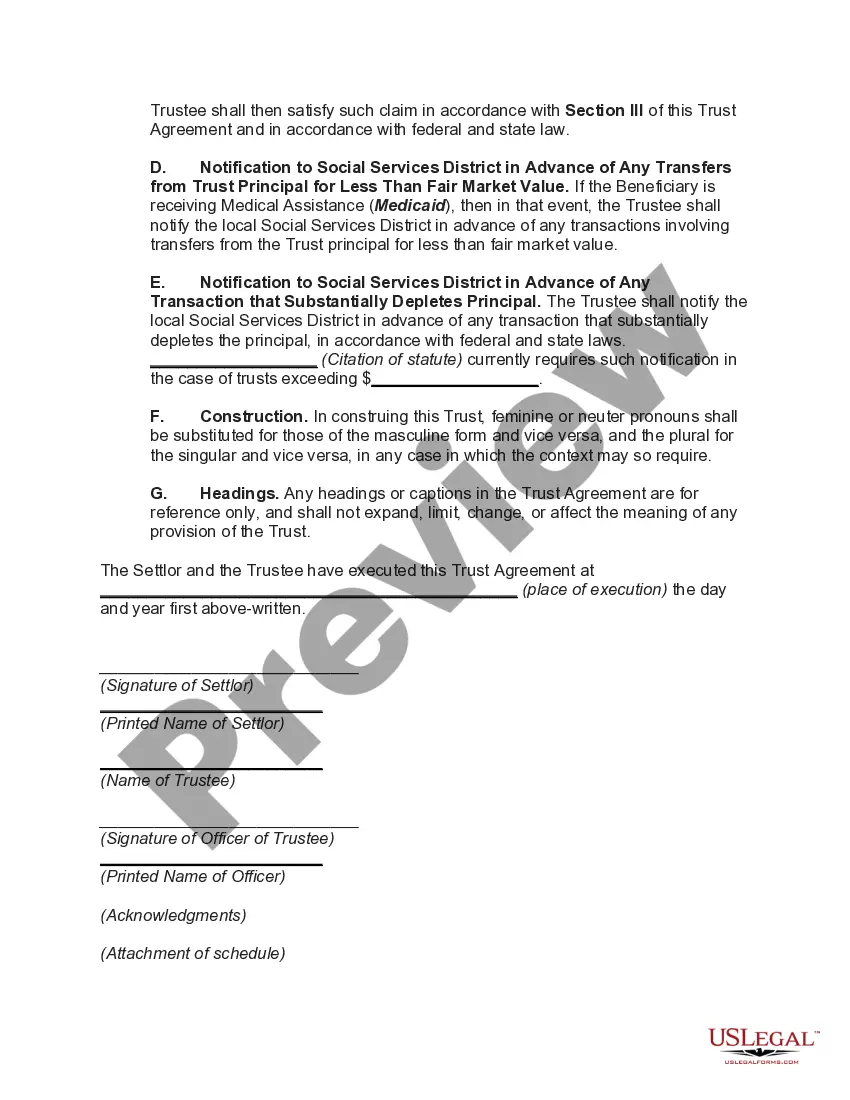
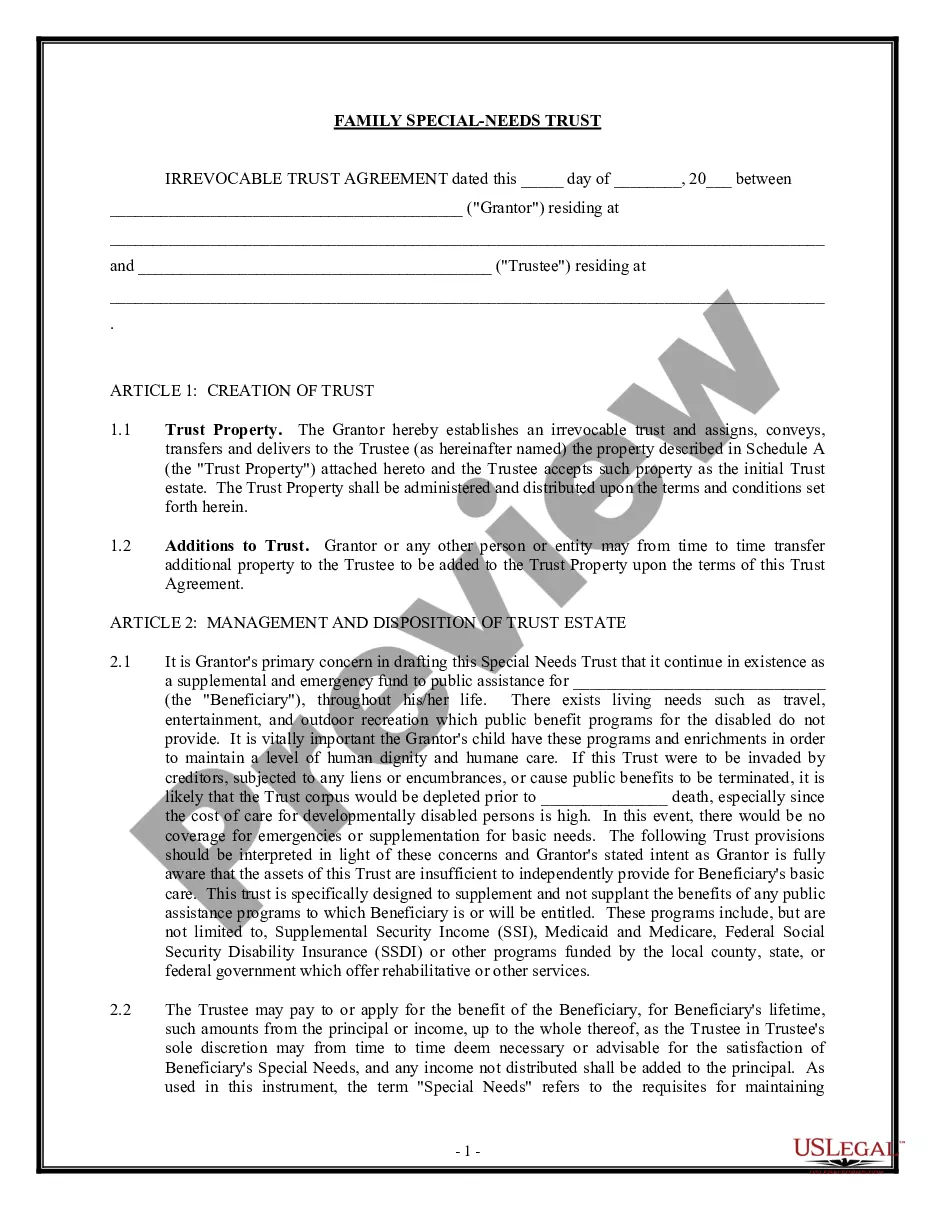

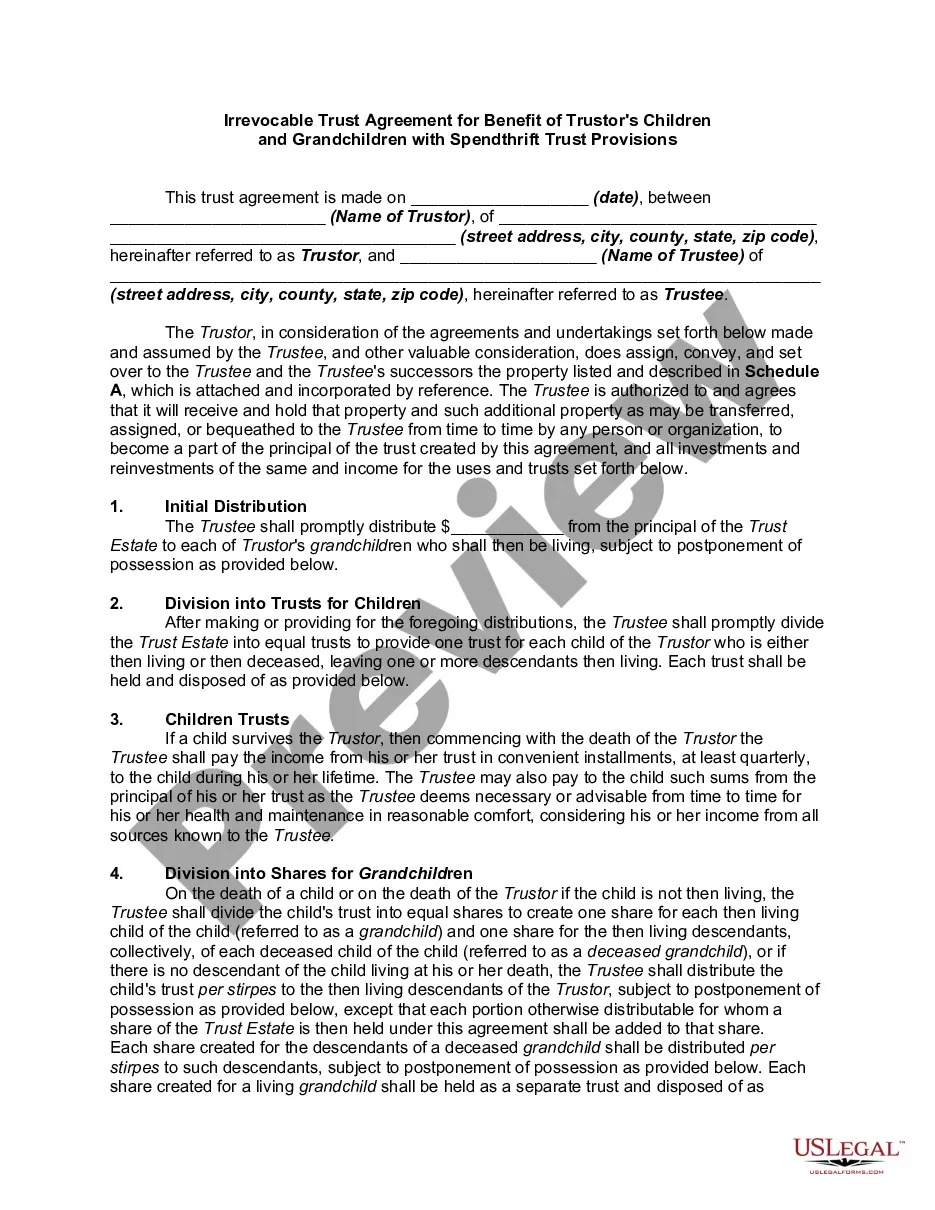
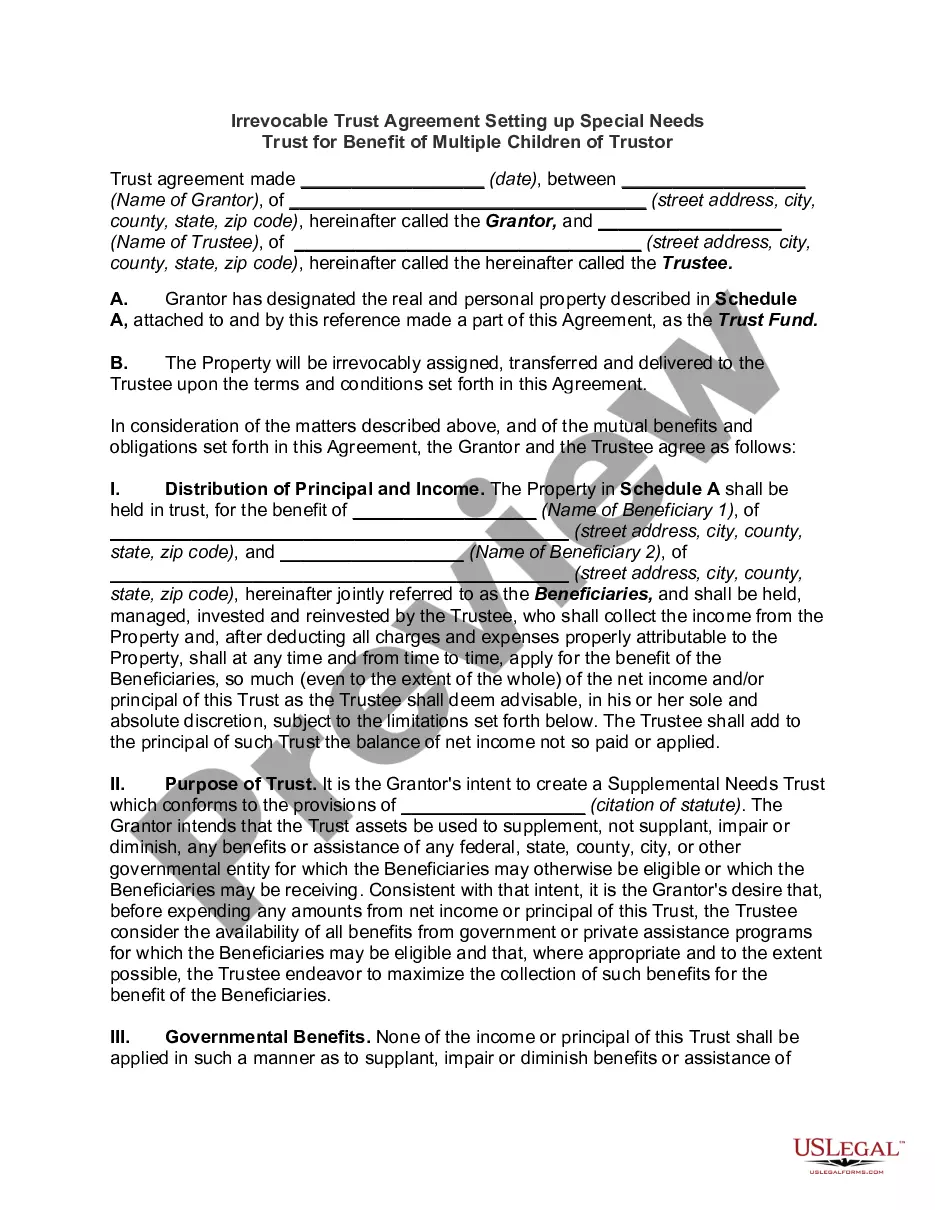
Get your form ready online
Our built-in tools help you complete, sign, share, and store your documents in one place.
Make edits, fill in missing information, and update formatting in US Legal Forms—just like you would in MS Word.
Download a copy, print it, send it by email, or mail it via USPS—whatever works best for your next step.
Sign and collect signatures with our SignNow integration. Send to multiple recipients, set reminders, and more. Go Premium to unlock E-Sign.
If this form requires notarization, complete it online through a secure video call—no need to meet a notary in person or wait for an appointment.
We protect your documents and personal data by following strict security and privacy standards.

Make edits, fill in missing information, and update formatting in US Legal Forms—just like you would in MS Word.

Download a copy, print it, send it by email, or mail it via USPS—whatever works best for your next step.

Sign and collect signatures with our SignNow integration. Send to multiple recipients, set reminders, and more. Go Premium to unlock E-Sign.

If this form requires notarization, complete it online through a secure video call—no need to meet a notary in person or wait for an appointment.

We protect your documents and personal data by following strict security and privacy standards.
Looking for another form?



How to fill out Special Needs Irrevocable Trust Agreement For Benefit Of Disabled Child Of Trustor?
- Log in to your US Legal Forms account if you're a returning user. Ensure your subscription is active for seamless access.
- If you're new, start by examining the form description and preview mode to confirm that it's the right template for your specific requirements.
- Use the Search tab if you need to find an alternative form that better suits your jurisdiction and legal needs.
- Select your desired document by clicking the Buy Now button and choose a subscription plan that fits your preferences.
- Proceed to finalize your purchase by entering your payment details with either a credit card or PayPal.
- Once your purchase is complete, download the form directly to your device. You can access it again anytime from the My Forms section of your profile.
Following these steps will help you navigate the process efficiently, ensuring you have all the required forms at your fingertips. US Legal Forms stands out with its robust collection of over 85,000 fillable legal templates, making it a valuable resource for anyone looking to handle legal documentation.
Start simplifying your legal processes today. Visit US Legal Forms and take advantage of their comprehensive service!
Form popularity
FAQ
One significant downside of an irrevocable trust is the loss of control over the assets once they are transferred into the trust. You cannot make changes or revoke the trust easily, which limits your flexibility. Understanding these limitations is crucial, and an Irrevocable trust form printable for dummies can assist you in weighing the pros and cons before you commit.
Filling out an irrevocable trust involves several key steps, including identifying the assets you want to place in the trust and designating a trustee. Be sure to specify beneficiaries clearly to avoid confusion later. Utilizing an Irrevocable trust form printable for dummies can help you complete the document correctly and ensure that all necessary details are included.
While it is possible to set up an irrevocable trust on your own, it's wise to seek legal advice to ensure you comply with state laws and your wishes are accurately reflected. Using an Irrevocable trust form printable for dummies can simplify the process, but professional guidance can provide added protection and clarity in your decisions.
No, you cannot create an irrevocable trust for your own benefit. An irrevocable trust typically requires an independent trustee to manage the assets. However, you can use an Irrevocable trust form printable for dummies to understand how to set up a trust that benefits your loved ones while removing your assets from your estate.
When creating an irrevocable trust, avoid placing assets that may require your control in the future, such as your primary residence or personal items with sentimental value. Additionally, steer clear of assets that could generate tax liabilities that you are not prepared to handle. The Irrevocable trust form printable for dummies can help guide you through the process and highlight assets that are best left outside the trust.
The new IRS rule on irrevocable trusts has introduced critical changes that impact how these trusts are taxed and reported. Essentially, these rules provide clearer guidelines on income reporting and tax responsibilities for beneficiaries. As you navigate this complex landscape, utilizing an irrevocable trust form printable for dummies can simplify your understanding and help you comply with the latest requirements. By using these resources, you can ensure that your trust operates efficiently within the updated legal framework.
Generally, assets that benefit from protection from creditors or estate taxes are ideal for an irrevocable trust. This may include life insurance policies, investments, and real estate. Additionally, assets that you want to pass on to beneficiaries without going through probate can be good candidates. Using an irrevocable trust form printable for dummies can guide you in determining the best assets to include.
An irrevocable trust, in simple terms, is a type of trust that cannot be changed or revoked once it is established. It allows you to transfer assets out of your estate while providing certain protections and benefits for your beneficiaries. This trust can also be useful for tax planning and asset protection. By utilizing an irrevocable trust form printable for dummies from US Legal Forms, you can gain a clearer understanding of how this trust works.
One significant mistake parents make when setting up a trust fund is failing to communicate their intentions clearly. They often overlook discussing the purpose and benefits of the trust with their children, which can lead to misunderstandings later on. Additionally, not properly funding the trust with appropriate assets can undermine its effectiveness. Using an irrevocable trust form printable for dummies can help parents avoid these pitfalls and ensure a smoother process.
Certain assets cannot be placed in an irrevocable trust. Primarily, assets that you continue to use or control directly, such as your primary residence, may not be suitable. Additionally, assets with significant liabilities or those that are not properly structured for trust funding may also be excluded. For a complete understanding, consider using an irrevocable trust form printable for dummies from US Legal Forms.