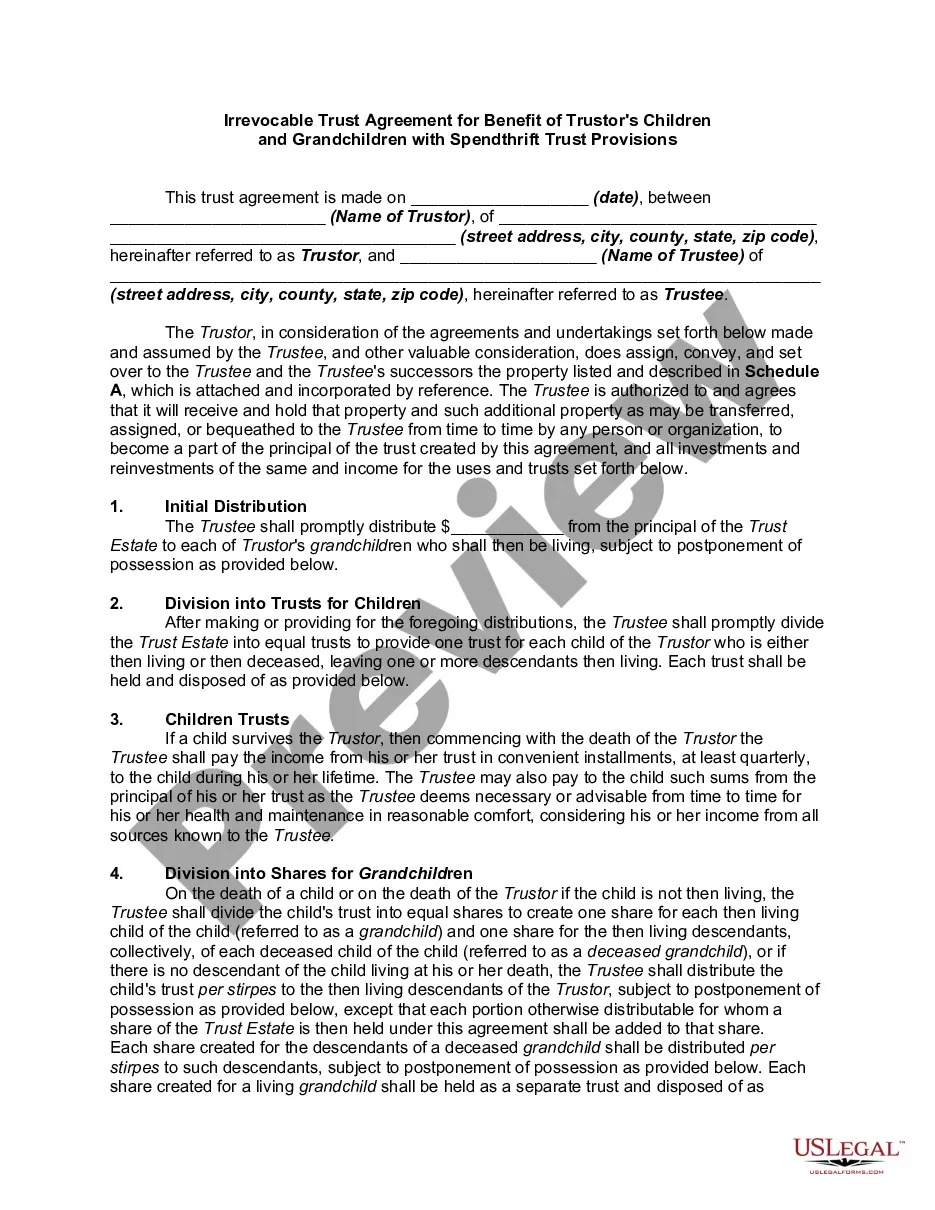
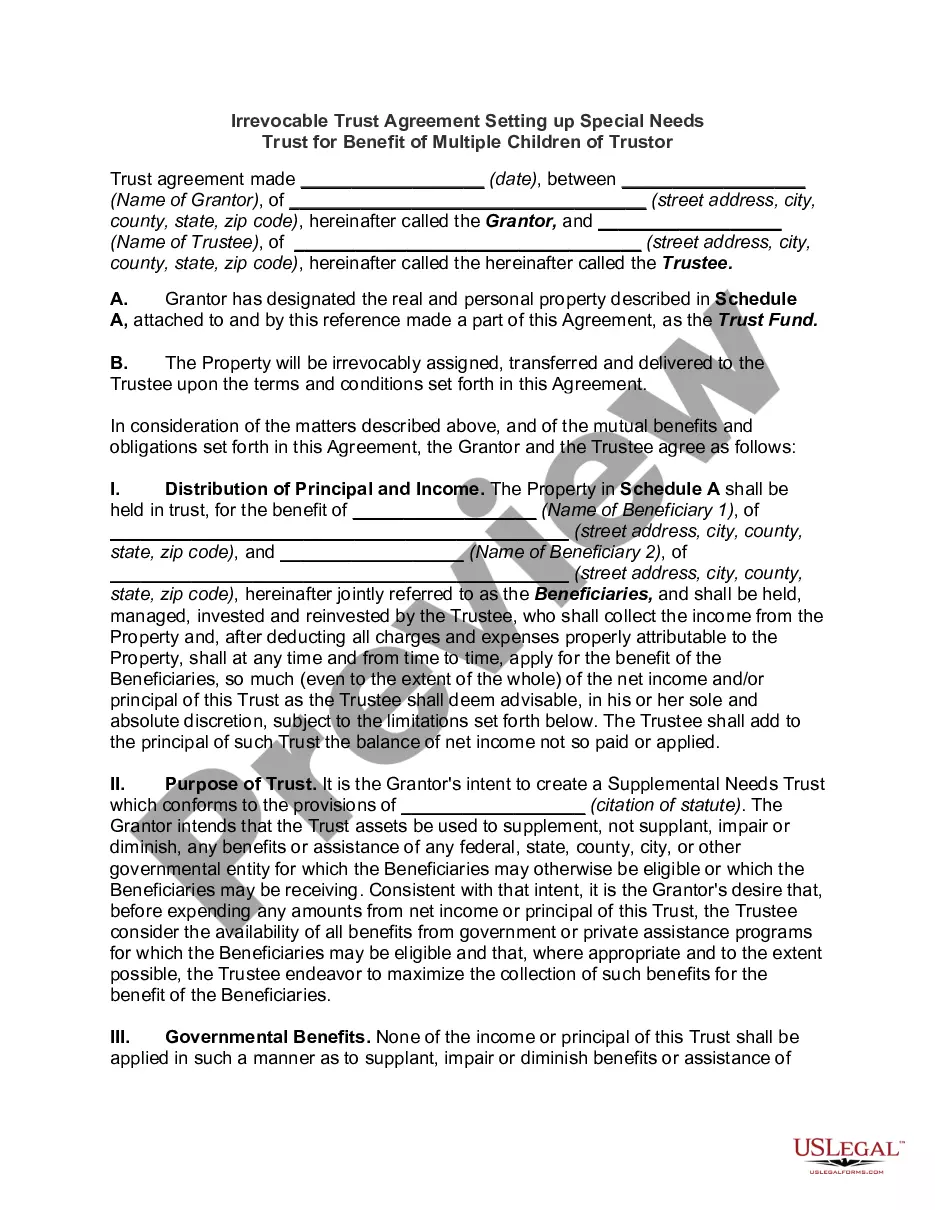
Indiana Special Needs Trust For Elderly
Description
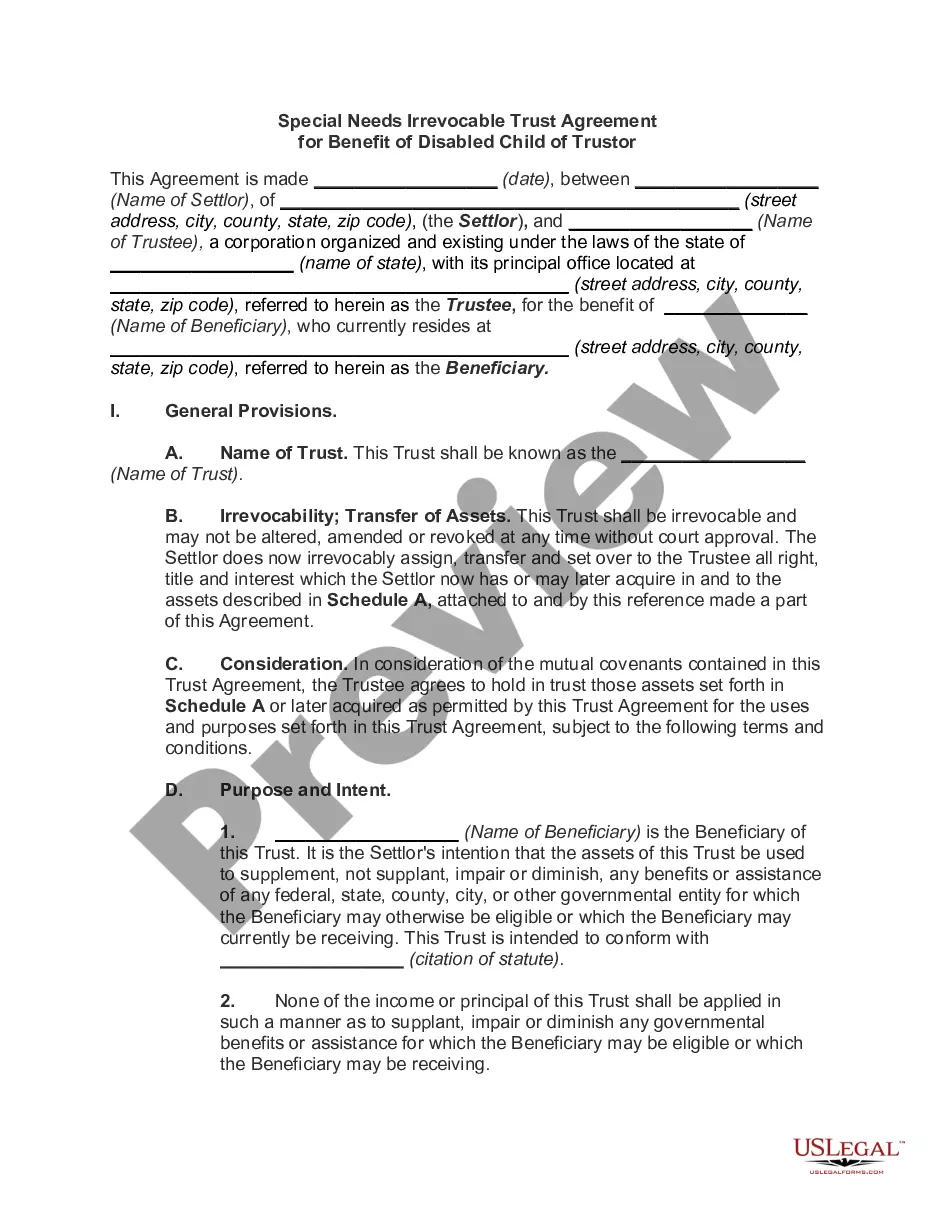
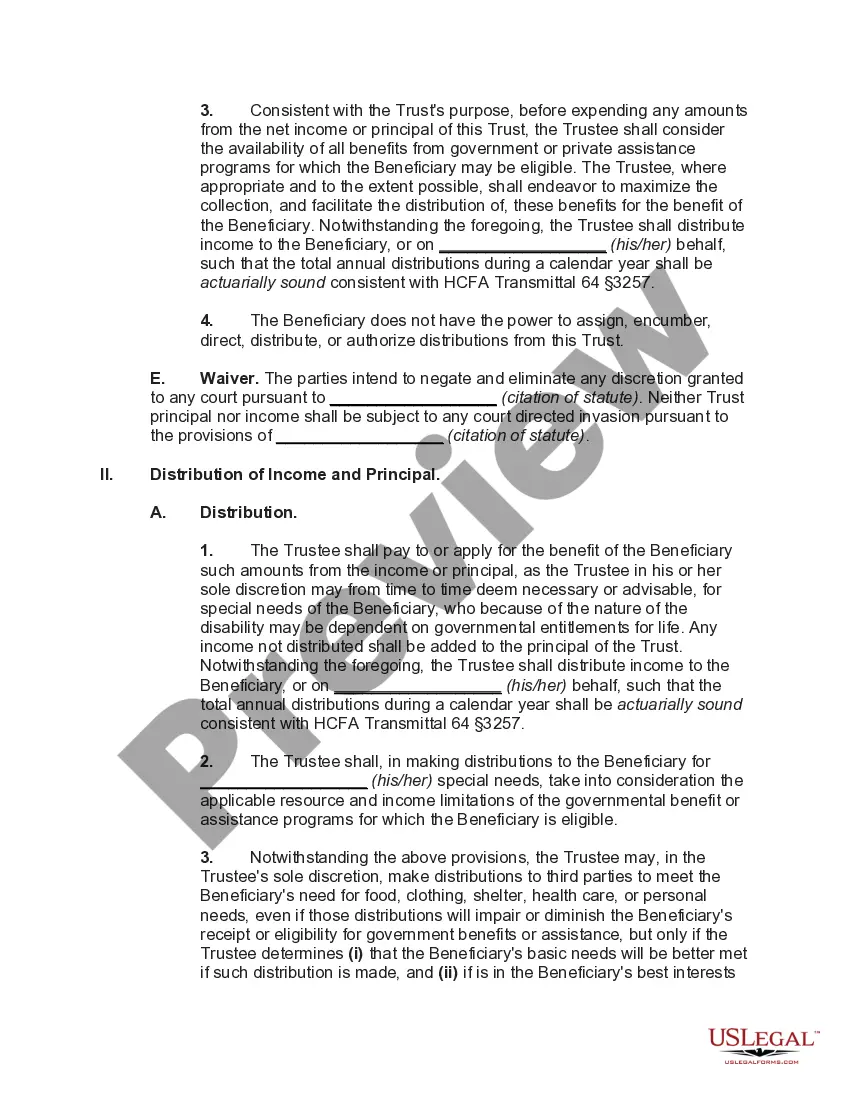
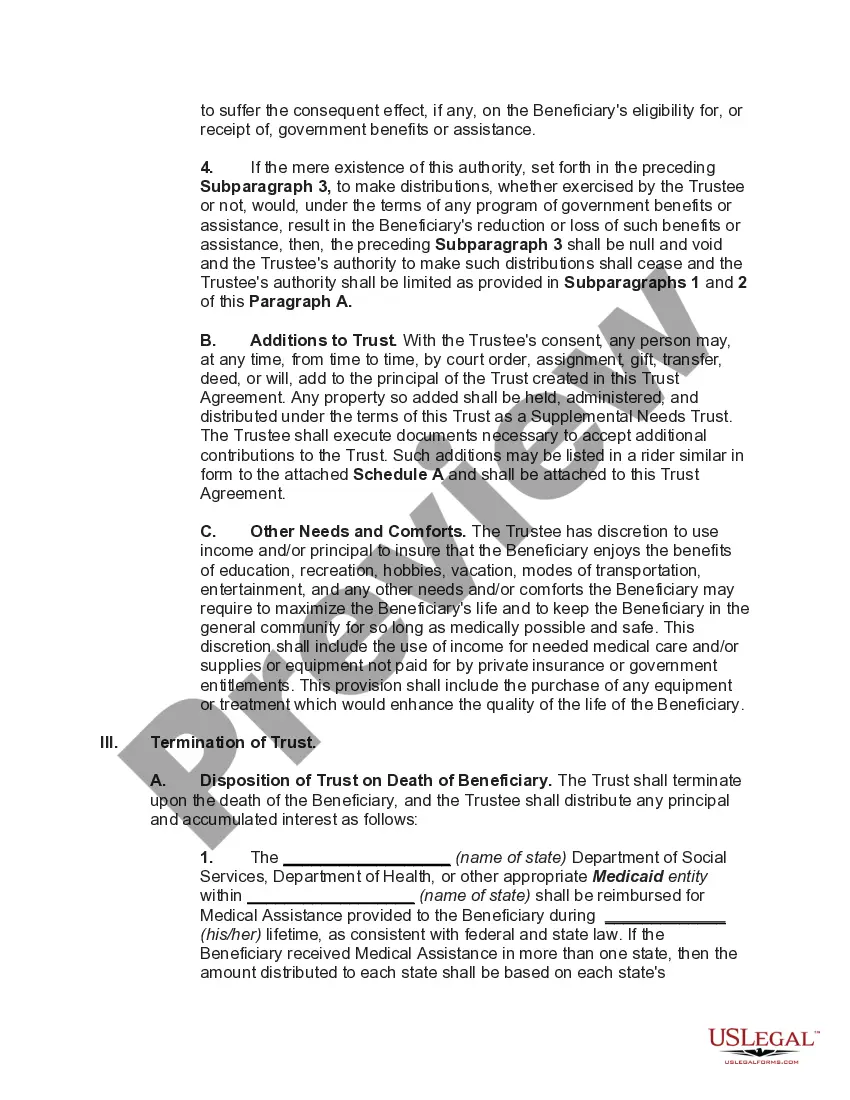
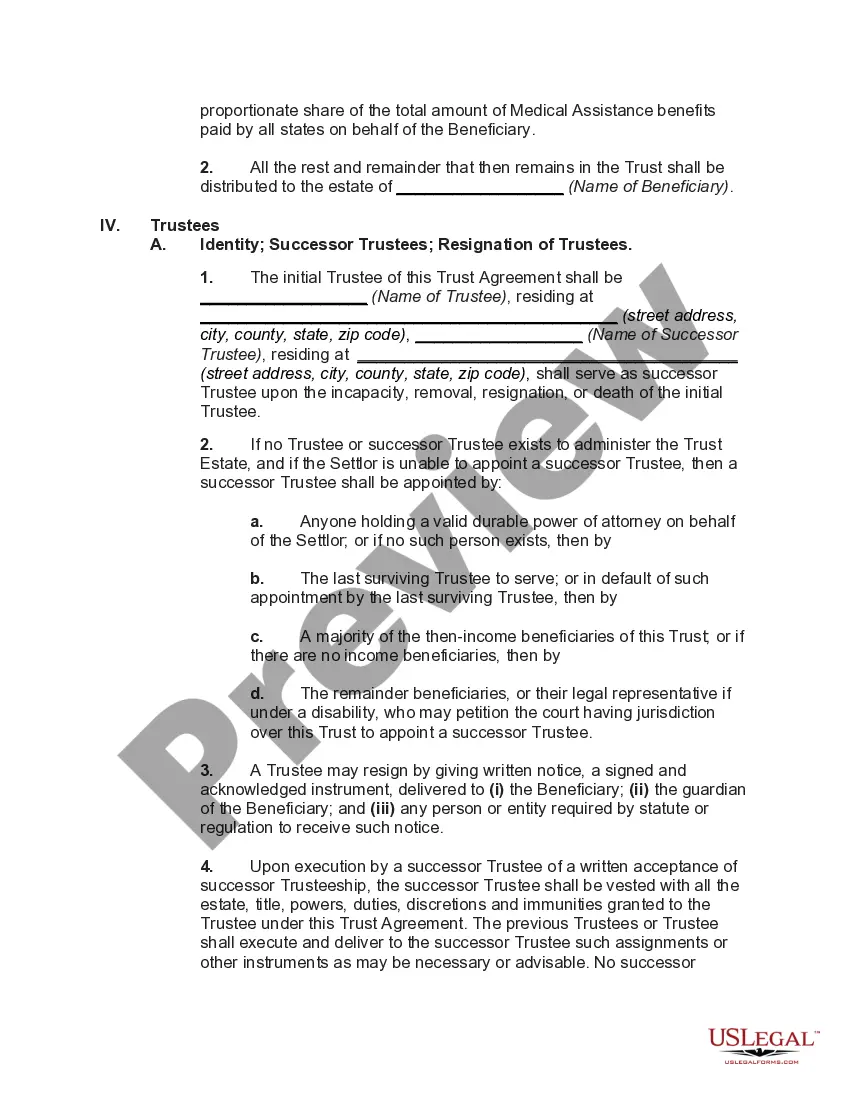
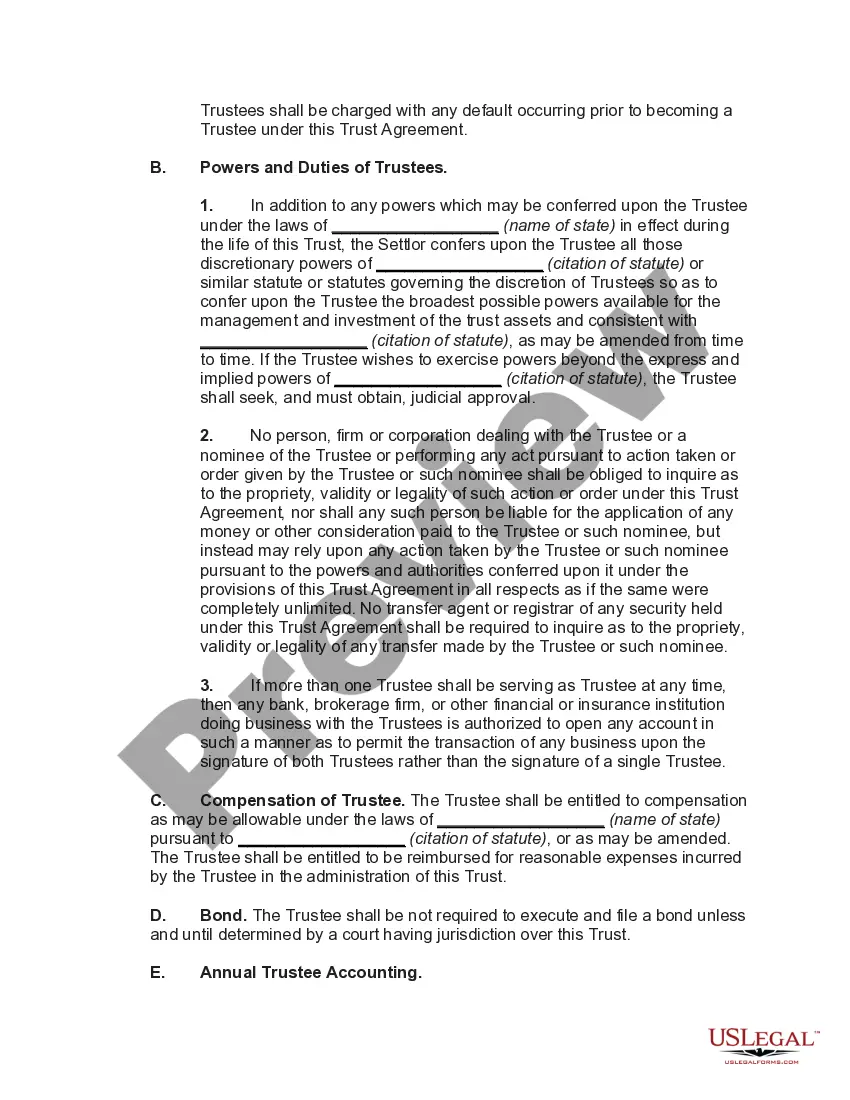
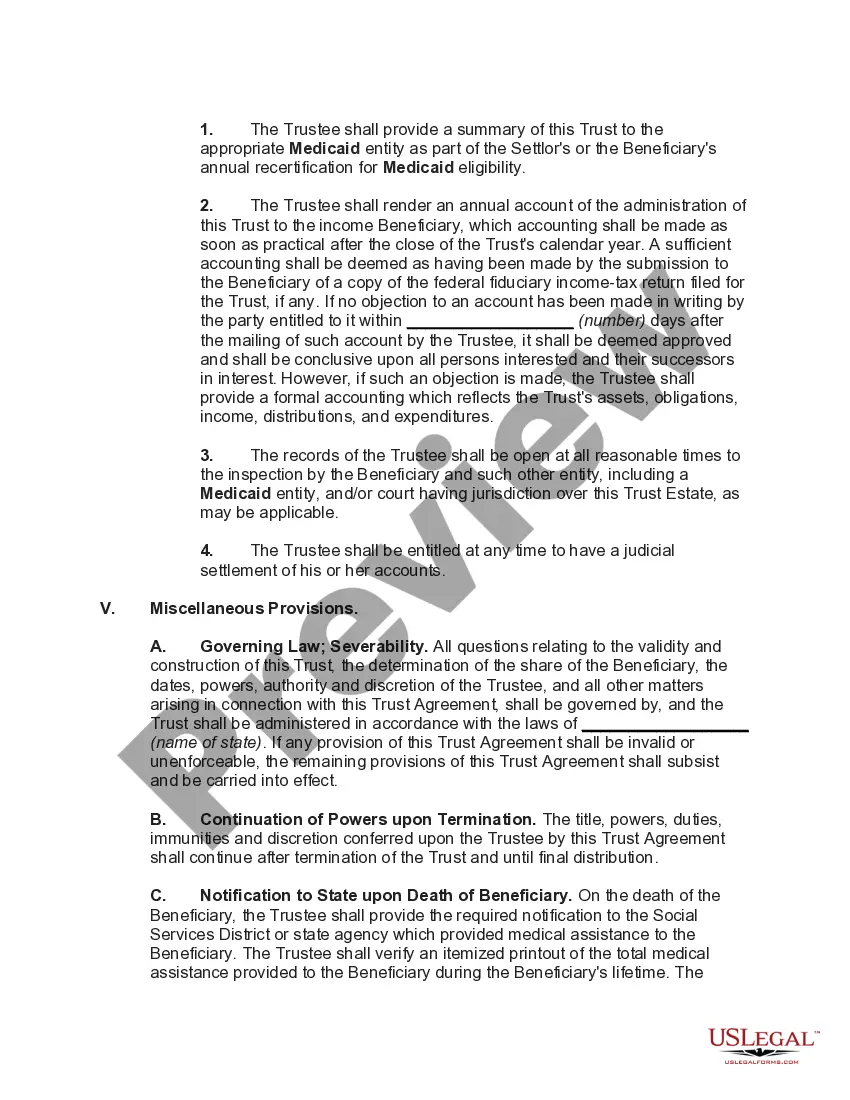
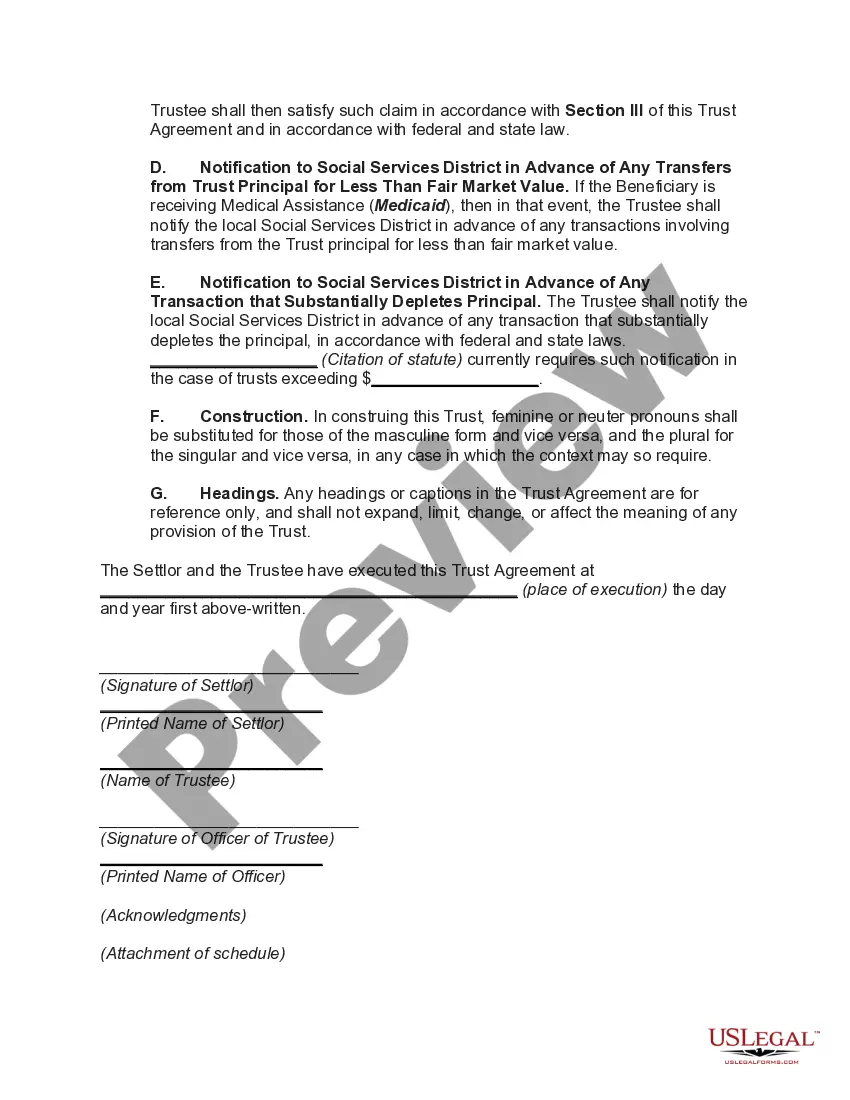
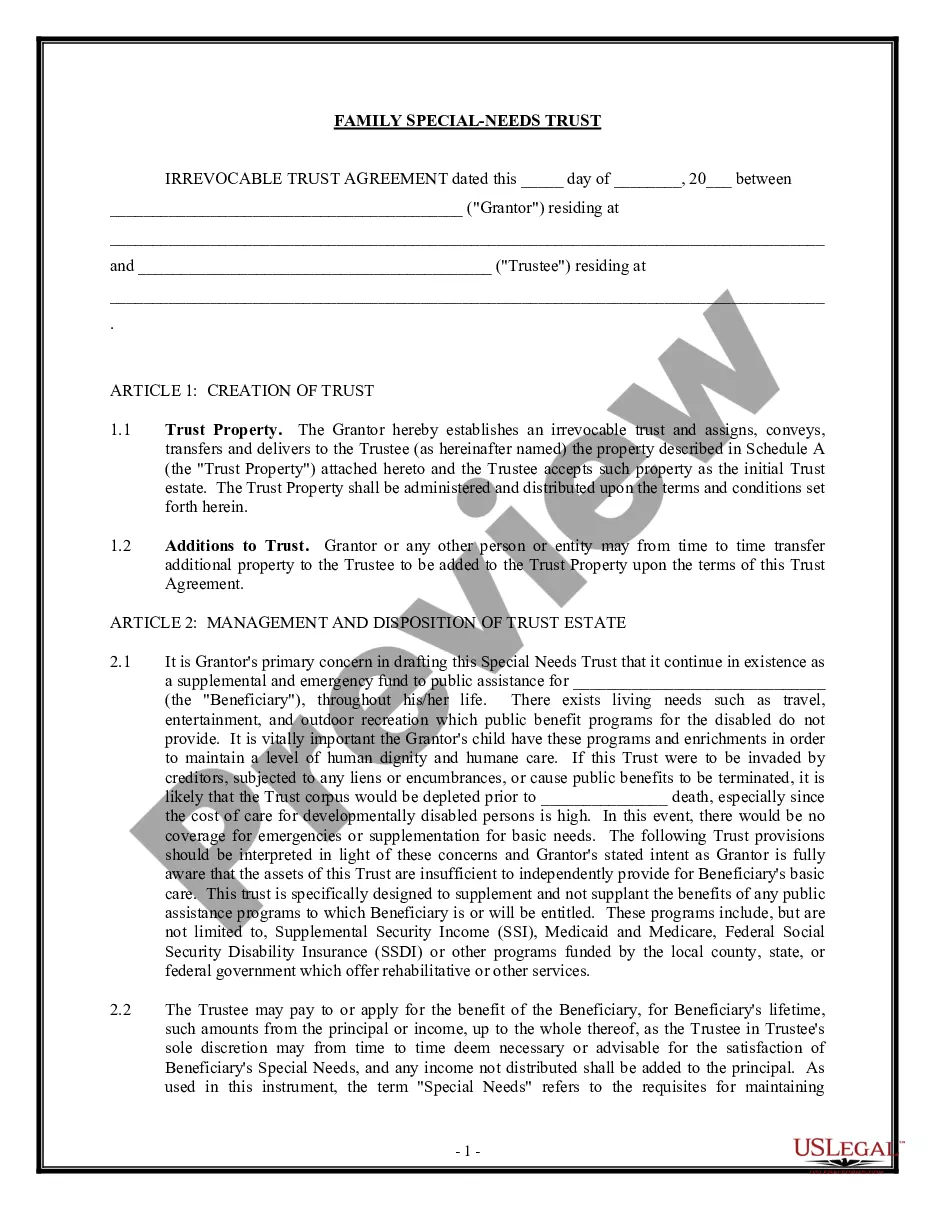

Get your form ready online
Our built-in tools help you complete, sign, share, and store your documents in one place.
Make edits, fill in missing information, and update formatting in US Legal Forms—just like you would in MS Word.
Download a copy, print it, send it by email, or mail it via USPS—whatever works best for your next step.
Sign and collect signatures with our SignNow integration. Send to multiple recipients, set reminders, and more. Go Premium to unlock E-Sign.
If this form requires notarization, complete it online through a secure video call—no need to meet a notary in person or wait for an appointment.
We protect your documents and personal data by following strict security and privacy standards.

Make edits, fill in missing information, and update formatting in US Legal Forms—just like you would in MS Word.

Download a copy, print it, send it by email, or mail it via USPS—whatever works best for your next step.

Sign and collect signatures with our SignNow integration. Send to multiple recipients, set reminders, and more. Go Premium to unlock E-Sign.

If this form requires notarization, complete it online through a secure video call—no need to meet a notary in person or wait for an appointment.

We protect your documents and personal data by following strict security and privacy standards.
Looking for another form?







How to fill out Special Needs Irrevocable Trust Agreement For Benefit Of Disabled Child Of Trustor?
Obtaining legal templates that comply with federal and state regulations is essential, and the internet provides a multitude of choices to select from.
However, what is the use of spending time searching for the properly drafted Indiana Special Needs Trust For Elderly example online when the US Legal Forms digital library already has such templates gathered in one location.
US Legal Forms is the largest online legal repository featuring over 85,000 editable templates created by attorneys for various business and personal circumstances.
Review the template using the Preview feature or through the text description to verify it meets your requirements.
- They are simple to navigate with all documents organized by state and intended usage.
- Our experts stay updated with legislative modifications, ensuring that your form is current and compliant when acquiring an Indiana Special Needs Trust For Elderly from our site.
- Acquiring an Indiana Special Needs Trust For Elderly is fast and straightforward for both existing and new users.
- If you already have an account with an active subscription, Log In and save the document sample you need in your desired format.
- If you are new to our platform, follow the instructions below.
Form popularity
FAQ
To create a first-party SNT, the government must officially recognize your disability status, and you need to be under the age of 65. The trust will only hold your assets and not serve as a receptacle for funds from other family members.
Creating a living trust in Indiana is simple. There is no specific form required and your trust document must simply be clear in its terms. You sign the document in front of a notary and then fund the trust by placing ownership of assets in its name. A living trust provides many benefits that can be very appealing.
Indiana Law requires that a settlor be over the age of 18 and be of sound mind. A trust must be described in writing and state what is included in the trust, name the trustee, name the beneficiaries, what each beneficiary will receive, and how the trust will be distributed.
When you create and fund the trust, you draw up a trust agreement. In this agreement you name a trustee to administer the trust. The beneficiary cannot directly handle assets that have been conveyed into the trust. However, the trustee can use of the trust's assets to address the supplemental needs of the beneficiary.
In general, the trust pays for essential parts of a person's life, such as education, medical treatment and recreation. Specifically, a special needs trust may help your loved one cover the following types of costs: Medical and dental expenses that Medicaid won't provide.