Qualified Trust.com
Description
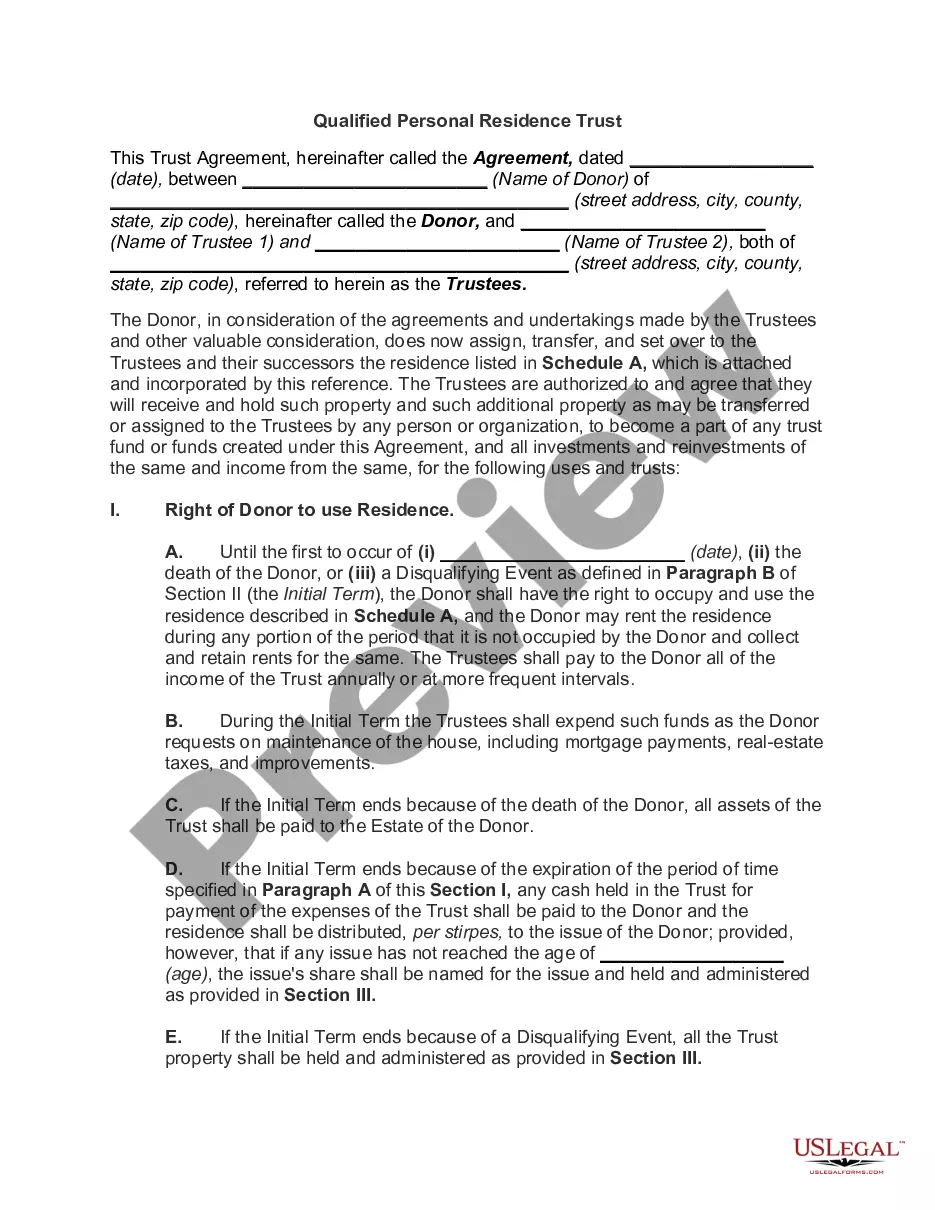
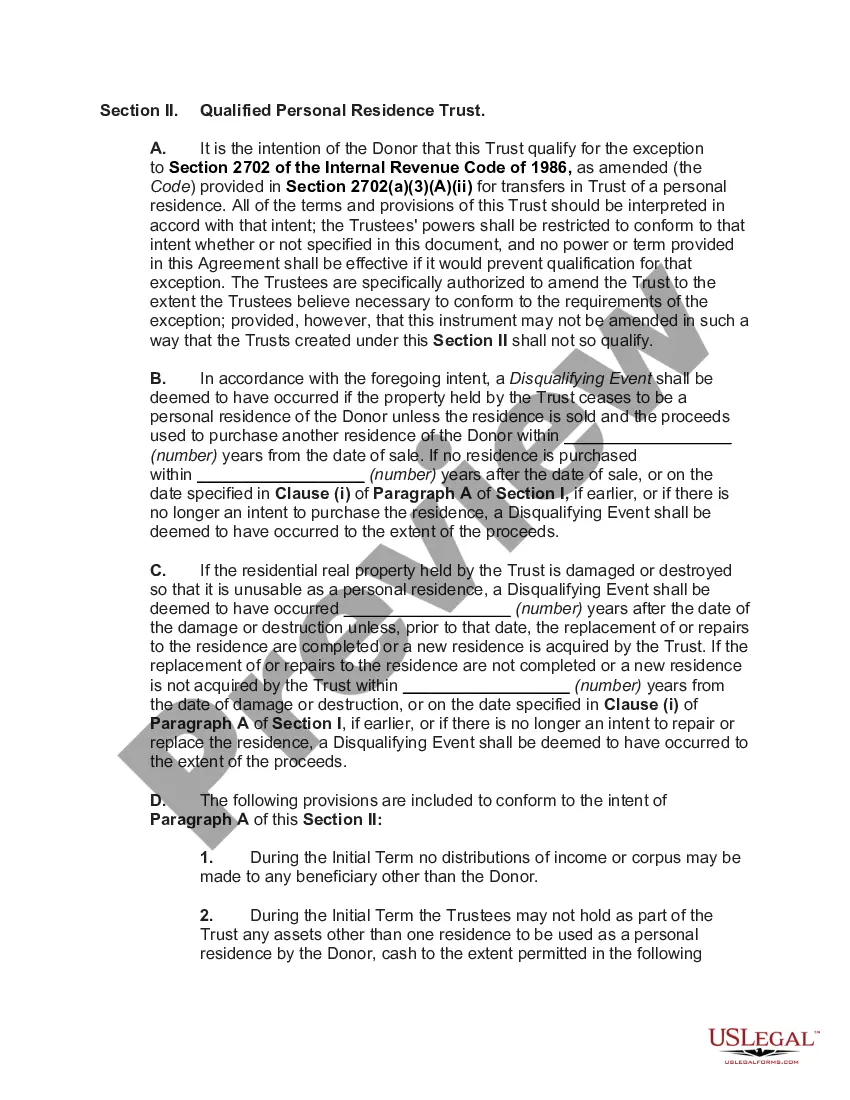
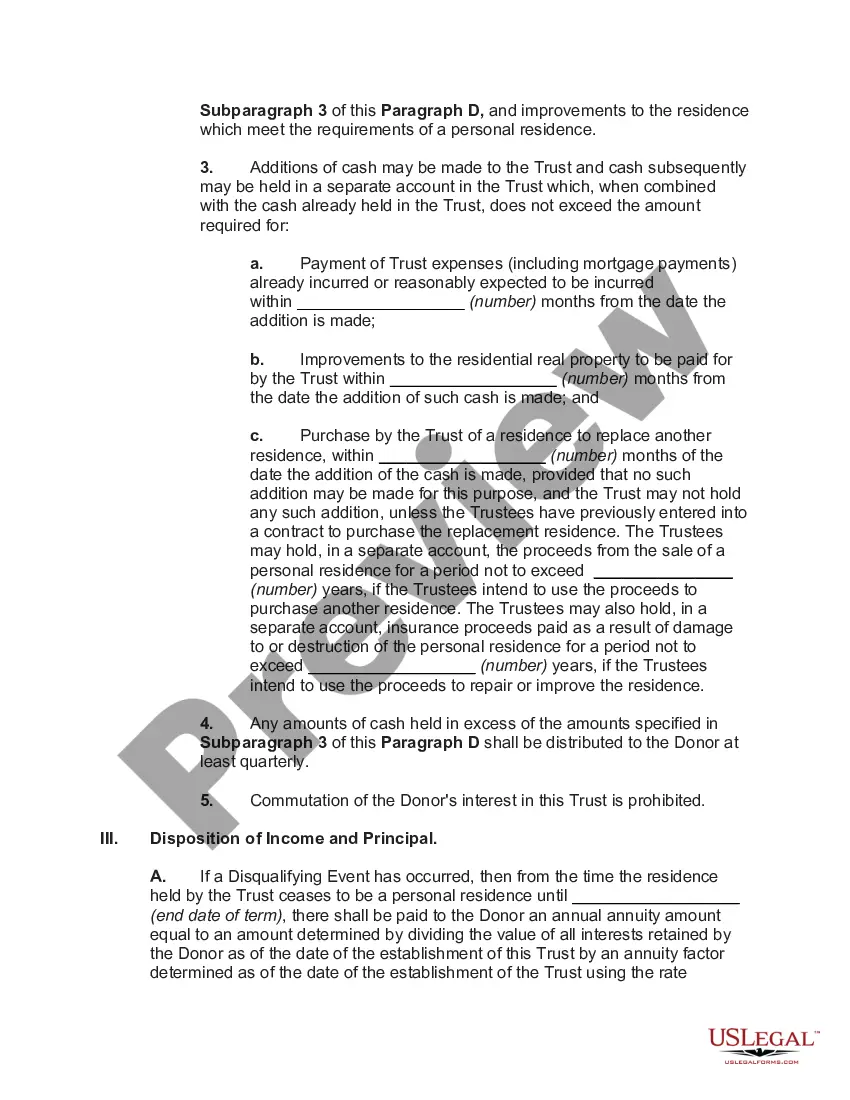
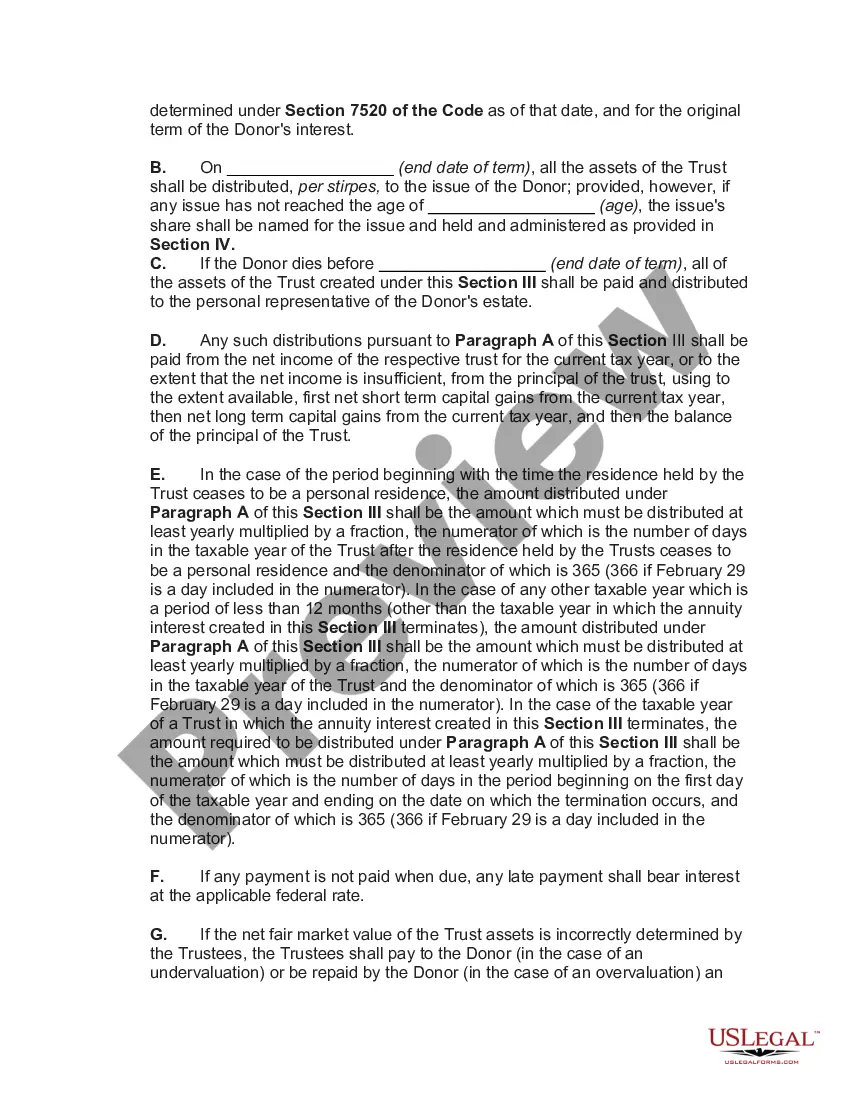
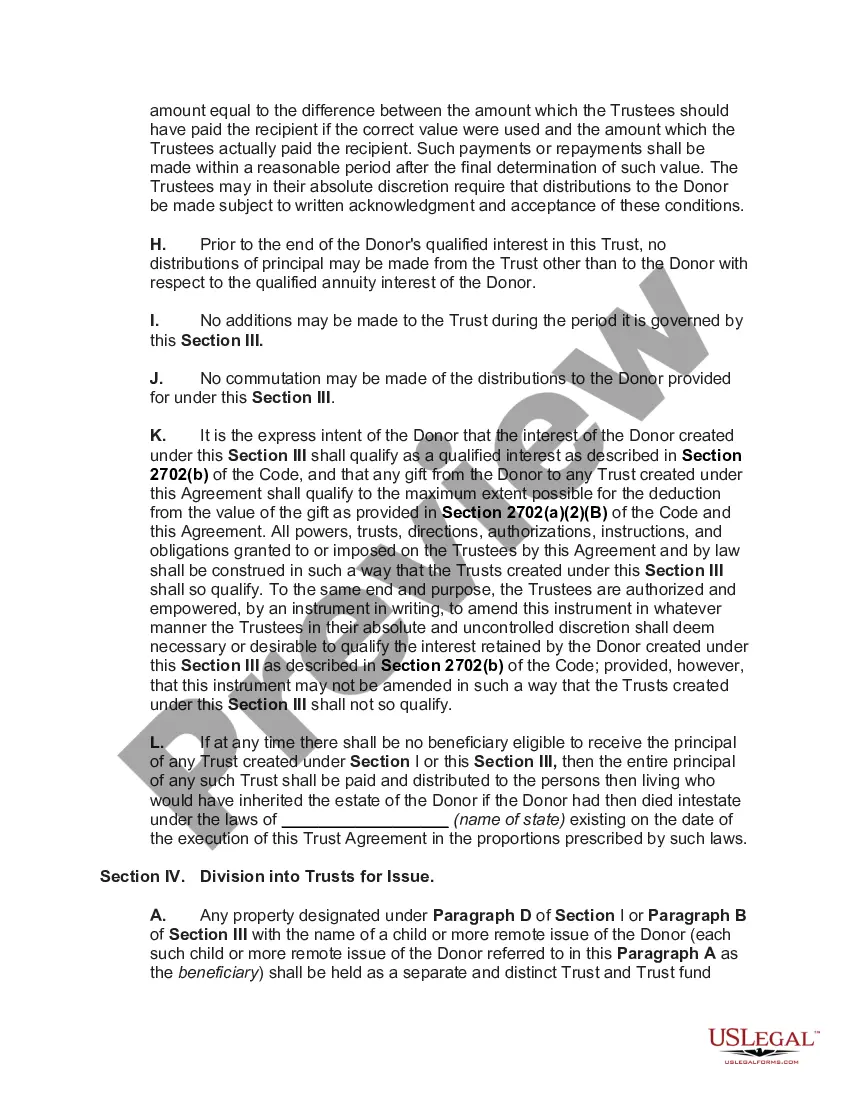
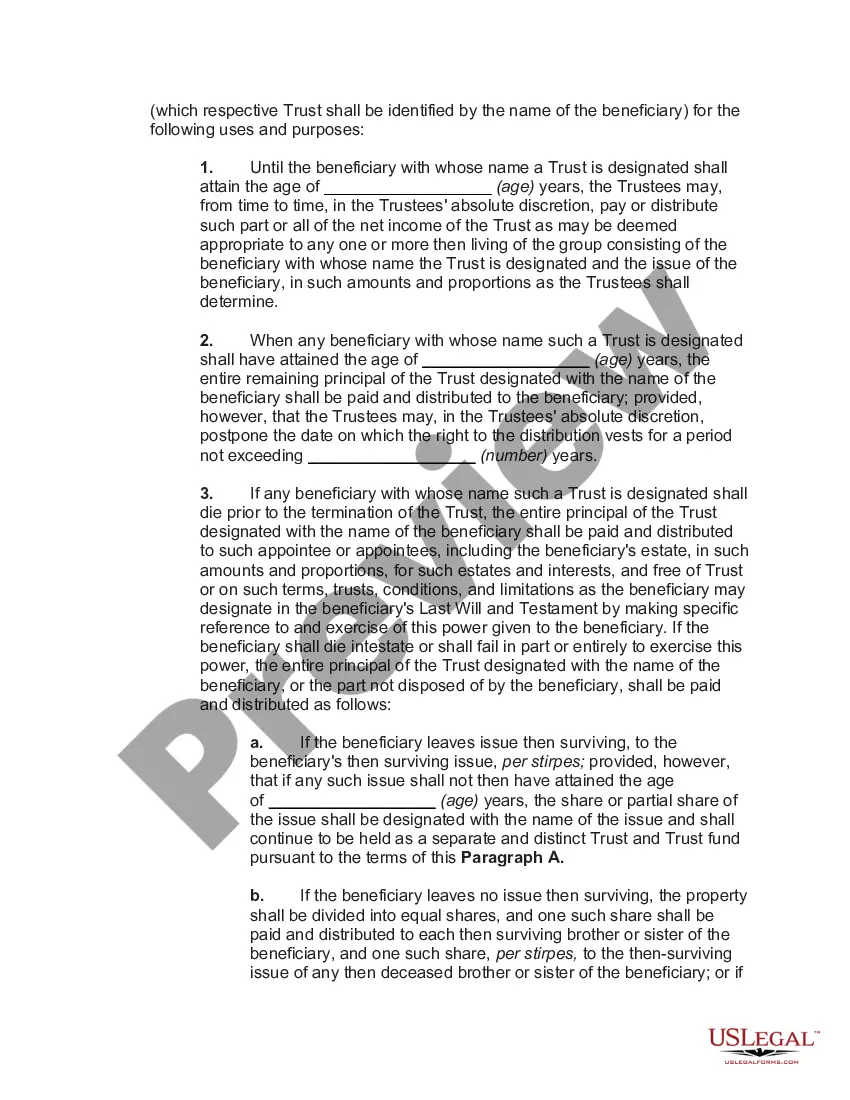
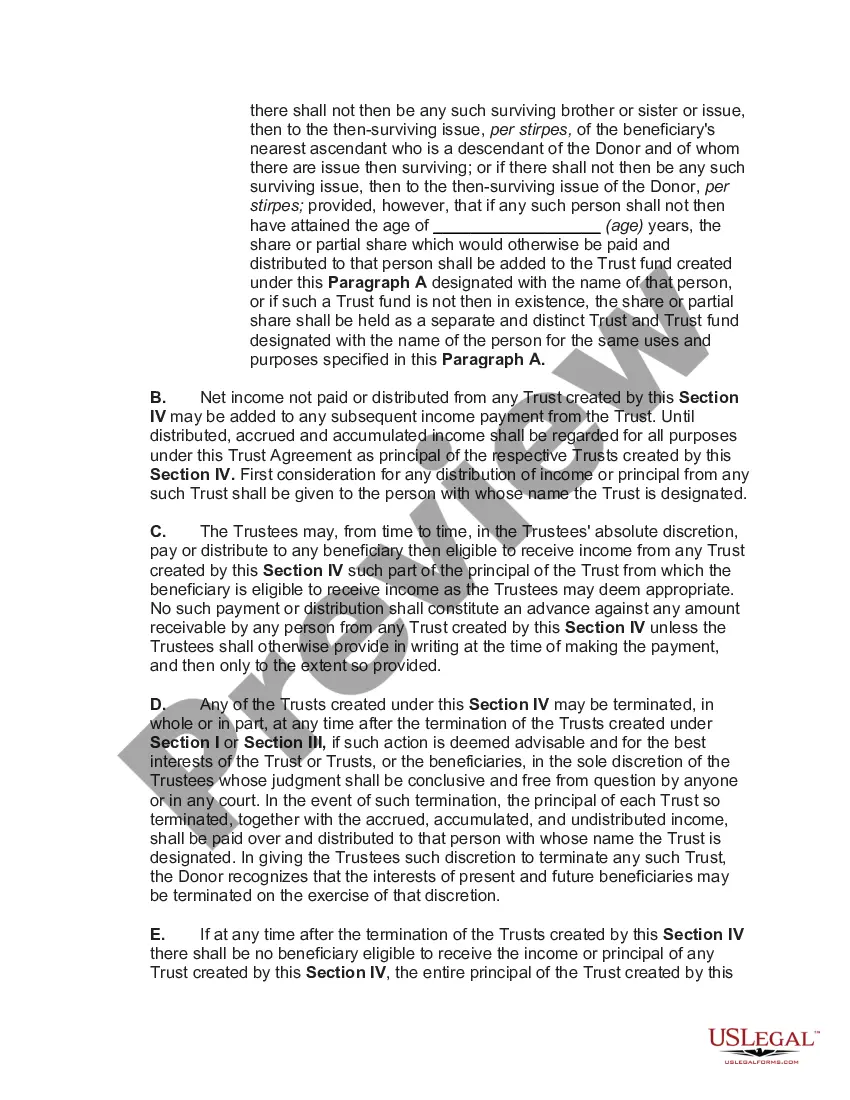
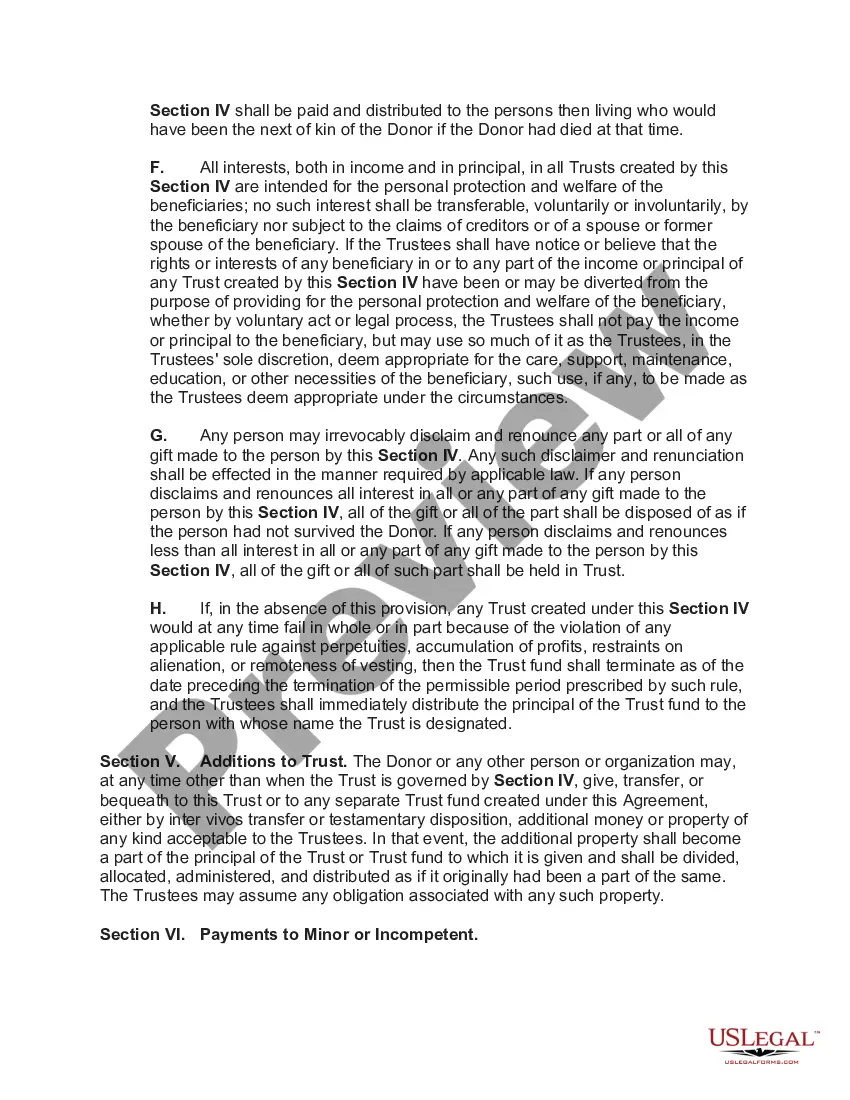
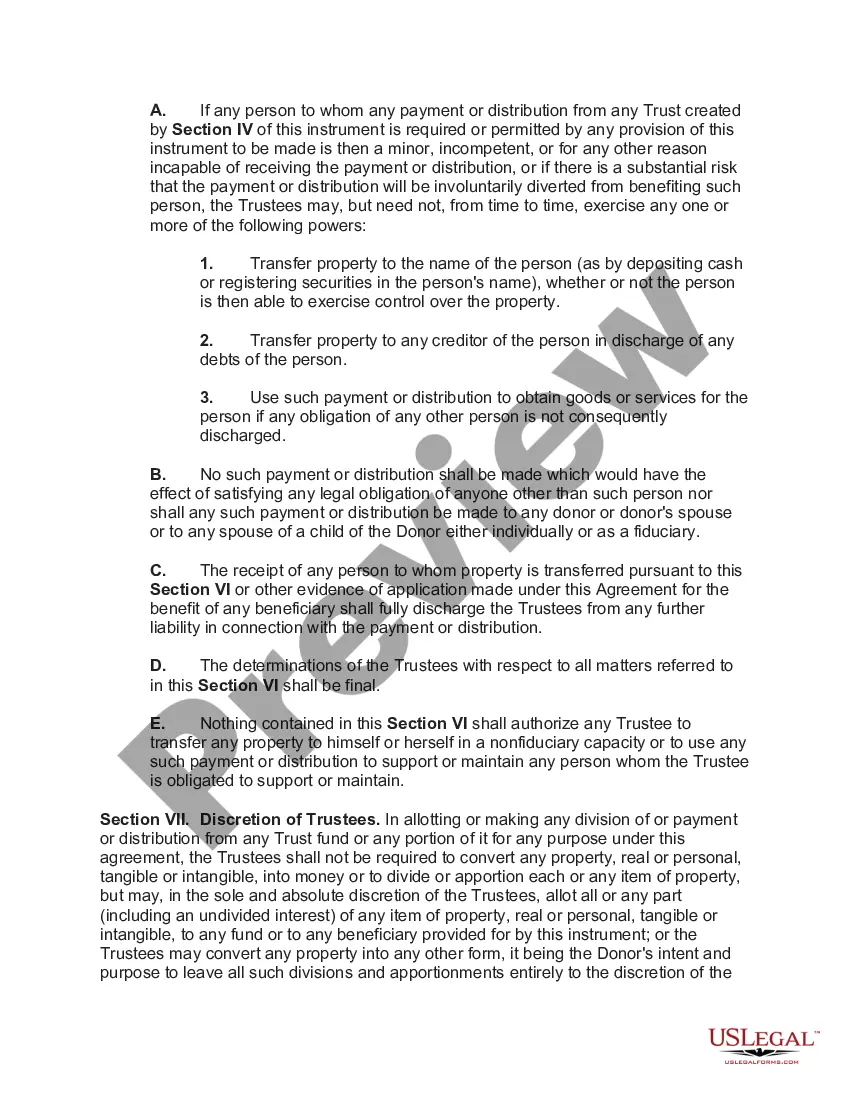
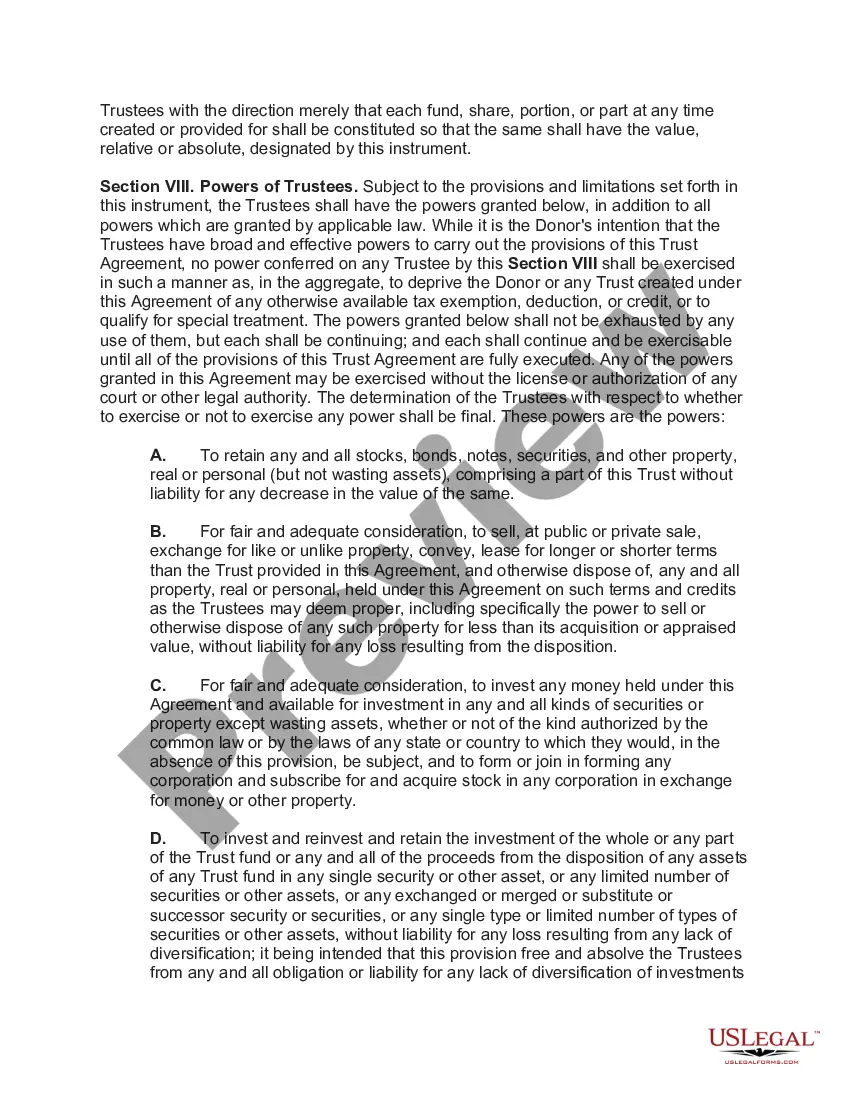

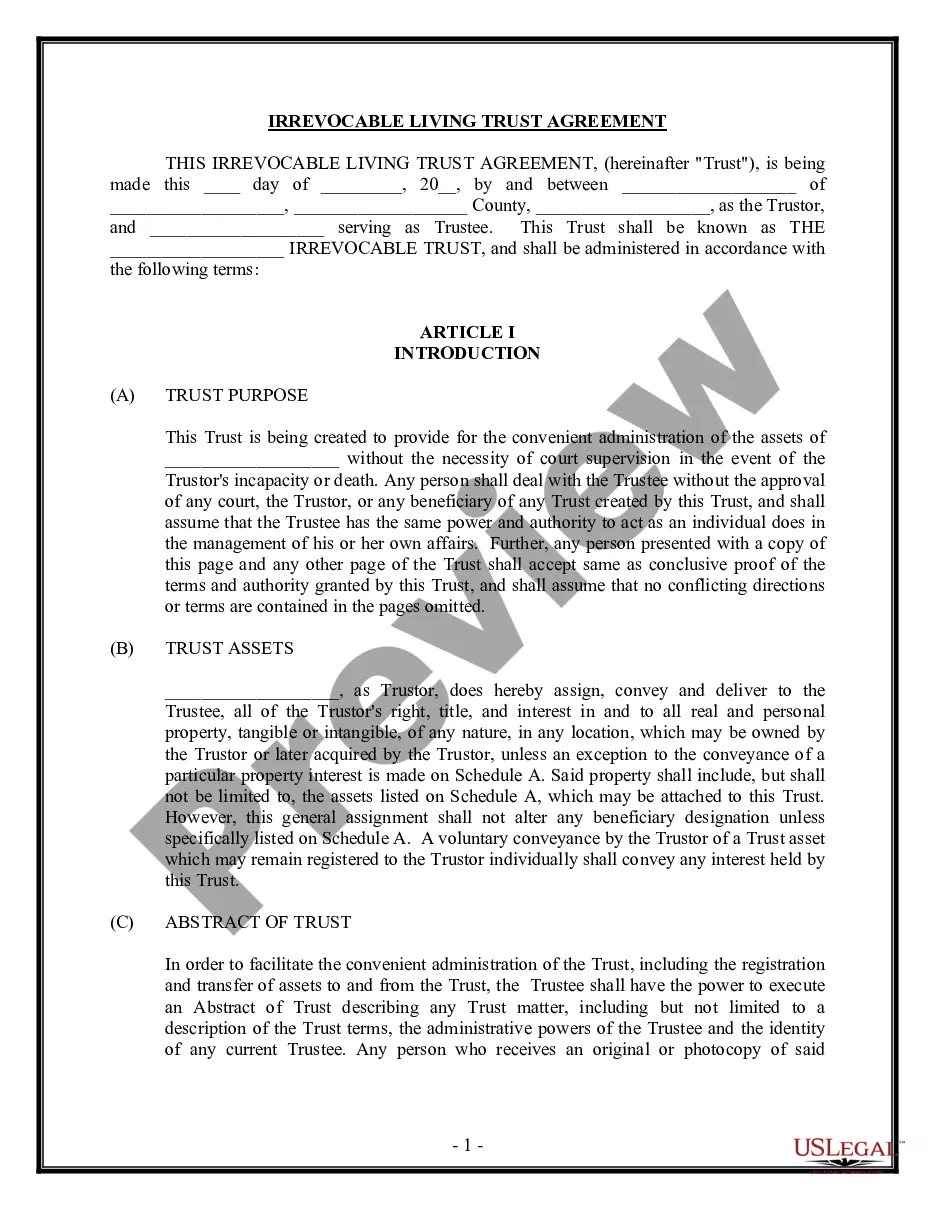
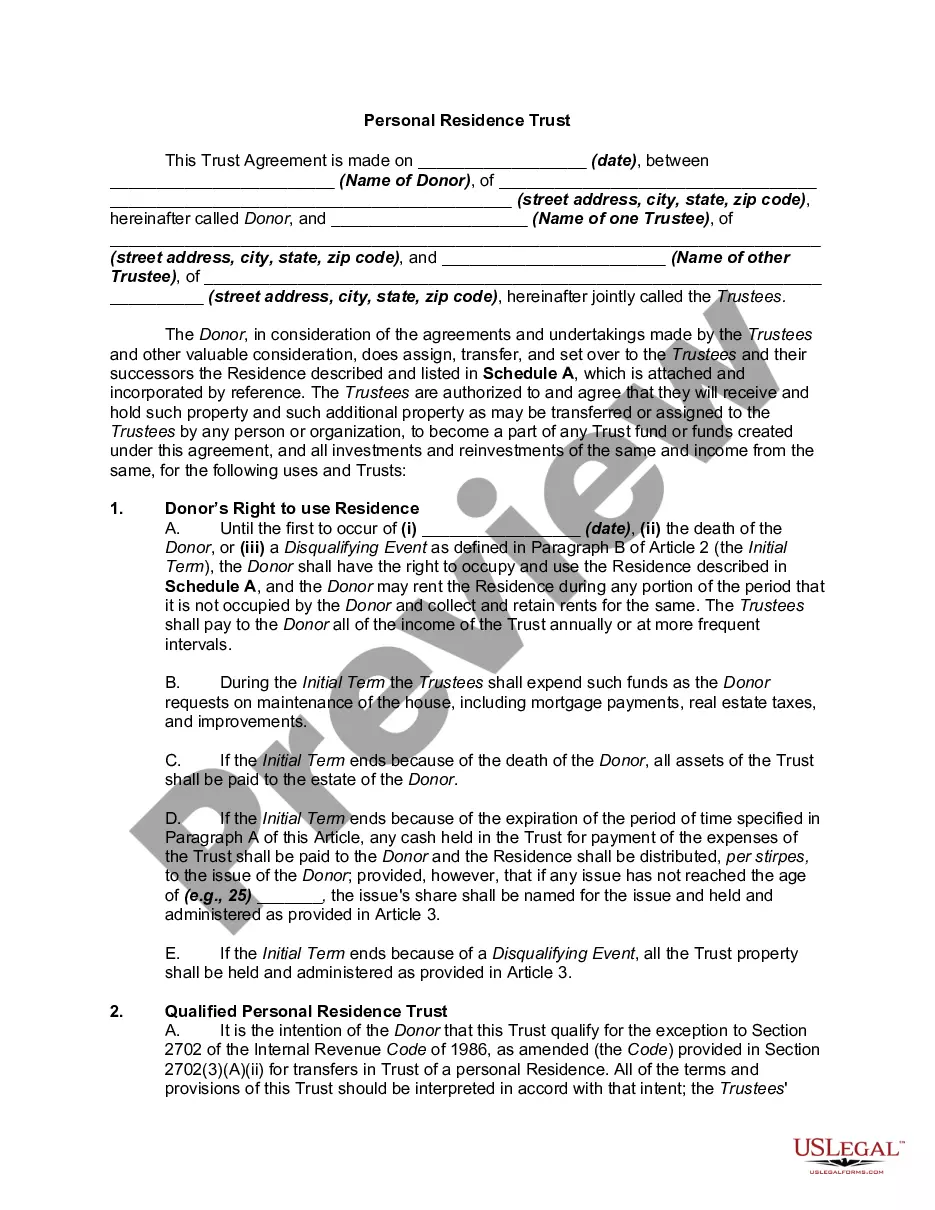
Get your form ready online
Our built-in tools help you complete, sign, share, and store your documents in one place.
Make edits, fill in missing information, and update formatting in US Legal Forms—just like you would in MS Word.
Download a copy, print it, send it by email, or mail it via USPS—whatever works best for your next step.
Sign and collect signatures with our SignNow integration. Send to multiple recipients, set reminders, and more. Go Premium to unlock E-Sign.
If this form requires notarization, complete it online through a secure video call—no need to meet a notary in person or wait for an appointment.
We protect your documents and personal data by following strict security and privacy standards.

Make edits, fill in missing information, and update formatting in US Legal Forms—just like you would in MS Word.

Download a copy, print it, send it by email, or mail it via USPS—whatever works best for your next step.

Sign and collect signatures with our SignNow integration. Send to multiple recipients, set reminders, and more. Go Premium to unlock E-Sign.

If this form requires notarization, complete it online through a secure video call—no need to meet a notary in person or wait for an appointment.

We protect your documents and personal data by following strict security and privacy standards.
Looking for another form?

How to fill out Qualified Personal Residence Trust?
- If you’re a returning user, log in to your account and confirm your subscription is active before downloading the required form.
- First-time users should start by exploring the Preview mode and reading the form descriptions. Verify that the selected document fits your needs and complies with local jurisdiction requirements.
- If adjustments are needed, utilize the Search tab to find an alternative template. Once a suitable option is identified, proceed to the next step.
- Select the document you need. Click on the Buy Now button and choose a subscription plan that caters to your requirements. An account registration will be necessary for library access.
- Complete your purchase by entering your credit card information or using your PayPal account to finalize your subscription.
- Download your chosen form and save it to your device. You can access it later via the My Forms section in your profile.
Utilizing US Legal Forms through Qualified trust.com empowers you to access a robust collection of over 85,000 formatted legal documents quickly and easily, often at a lower cost than competitors.
Don’t hesitate to start your legal journey with US Legal Forms today—get the documentation you need without the stress of a complicated process!
Form popularity
FAQ
Creating a valid trust requires five essential components: a settlor (the person establishing the trust), a clear intent to create a trust, a defined beneficiary, trust property, and a lawful purpose for the trust. Meeting these requirements is crucial for legal recognition. On QualifiedTrust, you can explore resources that guide you through each requirement, making the process seamless.
One of the biggest mistakes parents often make when setting up a trust fund is not clearly defining their intentions for the trust's use. This lack of clarity can lead to disputes or misuse of funds among beneficiaries. By utilizing QualifiedTrust, you can find resources to help outline clear objectives for your trust, ensuring that it serves its purpose effectively.
Determining whether a trust is qualified or nonqualified involves assessing its compliance with established legal criteria. A qualified trust generally meets specific requirements set forth in tax laws and regulations. You can find detailed descriptions of these distinctions on QualifiedTrust. Evaluating these factors carefully will help you make informed decisions.
Qualified trusts follow specific regulations that ensure they meet legal standards. Generally, they must be established for a legitimate purpose, have a written agreement, and operate under clearly defined terms. It’s essential to consult the guidelines on QualifiedTrust to understand the requirements that apply to your specific situation. Adhering to these rules will help you avoid any pitfalls.
To set up a QIT account on QualifiedTrust, begin by visiting our website and selecting the registration option. You'll need to provide necessary details such as personal information and the type of trust you wish to establish. After confirming your information, follow the prompts to create your account. Once your account is active, you can easily manage and review your trust details.
A qualified trust company offers specialized services in managing trusts that meet legal requirements. They provide essential services such as investment management, tax compliance, and legal guidance, catering specifically to the needs of clients. For more information on qualified trust companies and their services, visit QualifiedTrust.
A qualified trust company is an establishment authorized to manage trusts, having met regulatory standards and demonstrated expertise in trust administration. These companies play a vital role in ensuring compliance and protecting beneficiaries' interests. You can explore qualified trust companies listed at QualifiedTrust for further details.
To qualify as a qualified trust, it must meet criteria set by the IRS, including proper documentation and specific beneficiary designations. Additionally, the trust should follow state regulations regarding management and distribution. For comprehensive information on these requirements, check out QualifiedTrust.
A trust is a legal entity that holds assets on behalf of beneficiaries, while a trust company is an institution that manages such trusts. Trust companies provide professional guidance, ensuring compliance with laws and optimal asset management. For more details on the roles they serve, consider visiting QualifiedTrust.
A qualified trust typically includes provisions that conform to IRS regulations, such as having identifiable beneficiaries and adhering to distribution requirements. These trusts are essential for effective estate management and tax advantages. To better understand what constitutes a qualified trust, explore resources on QualifiedTrust.