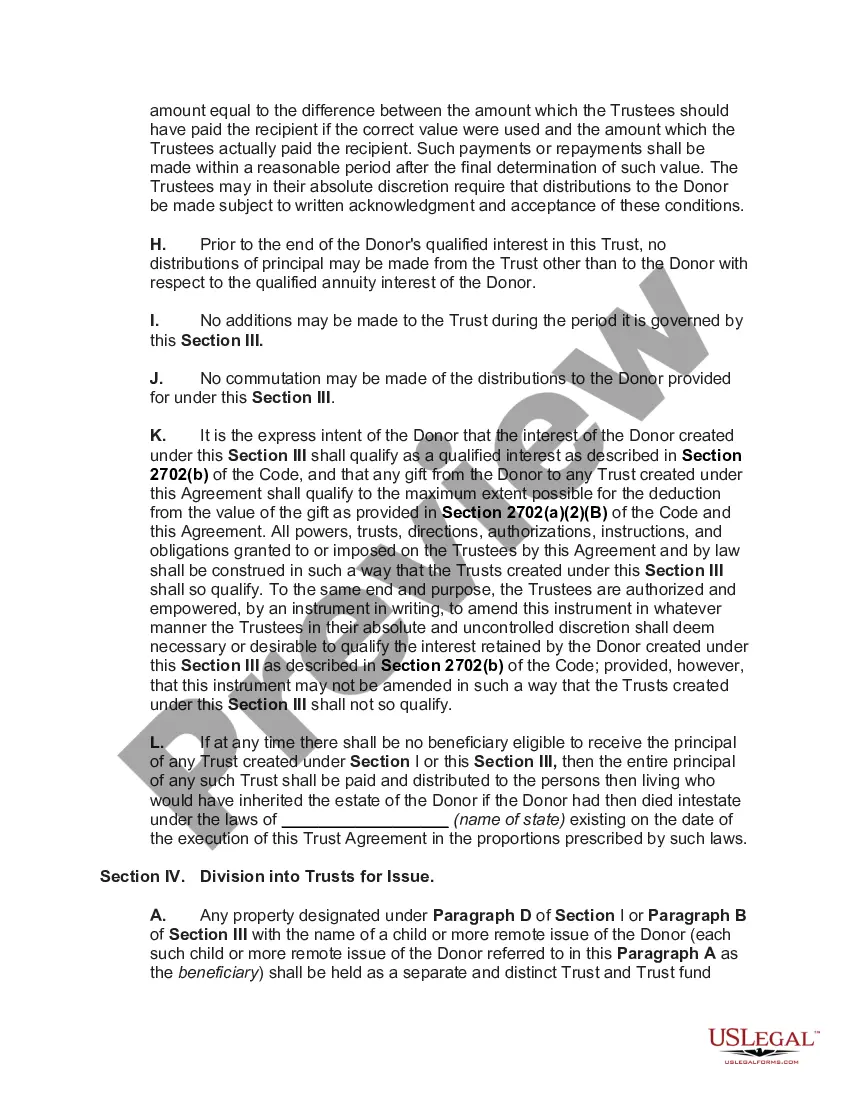
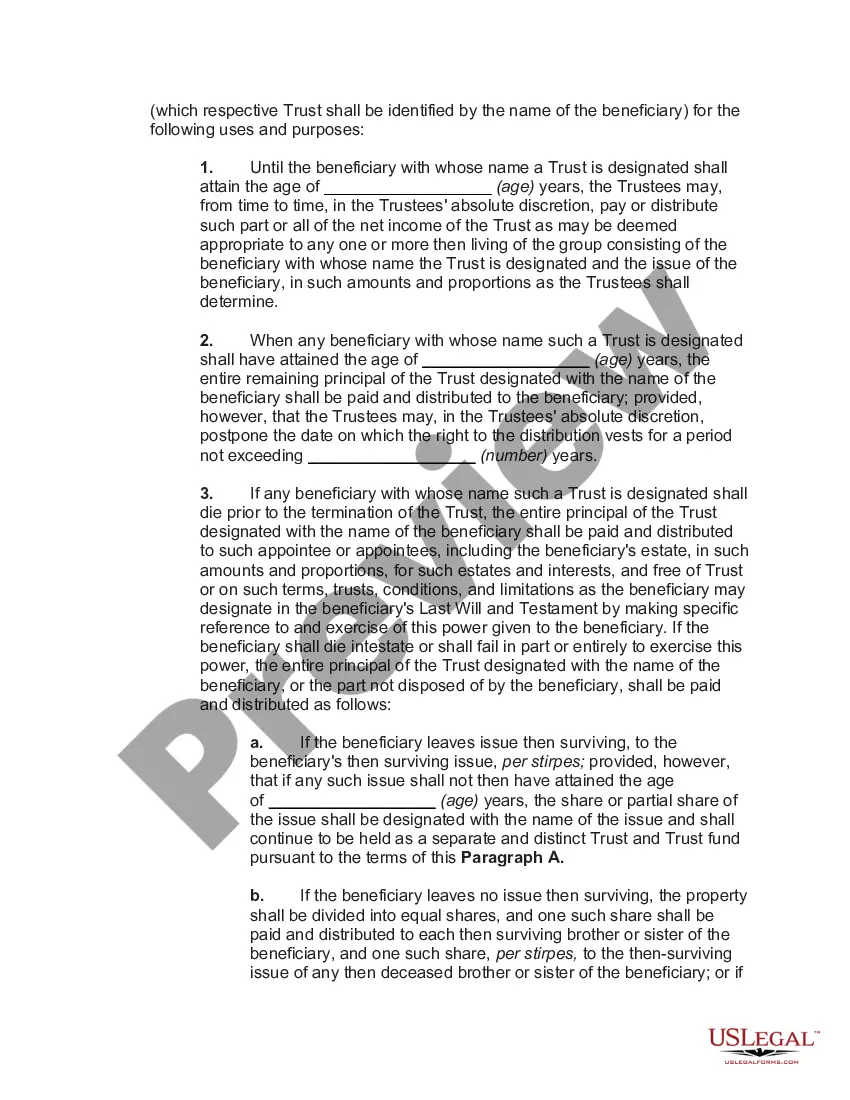
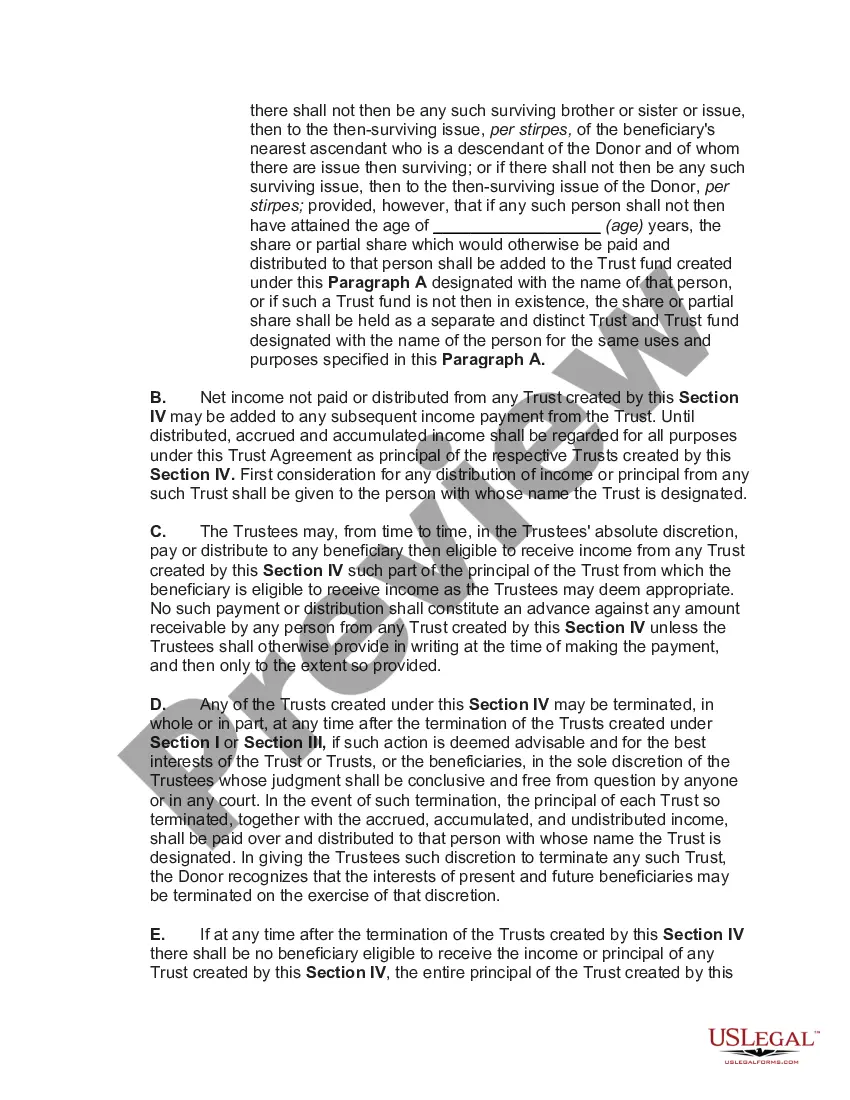
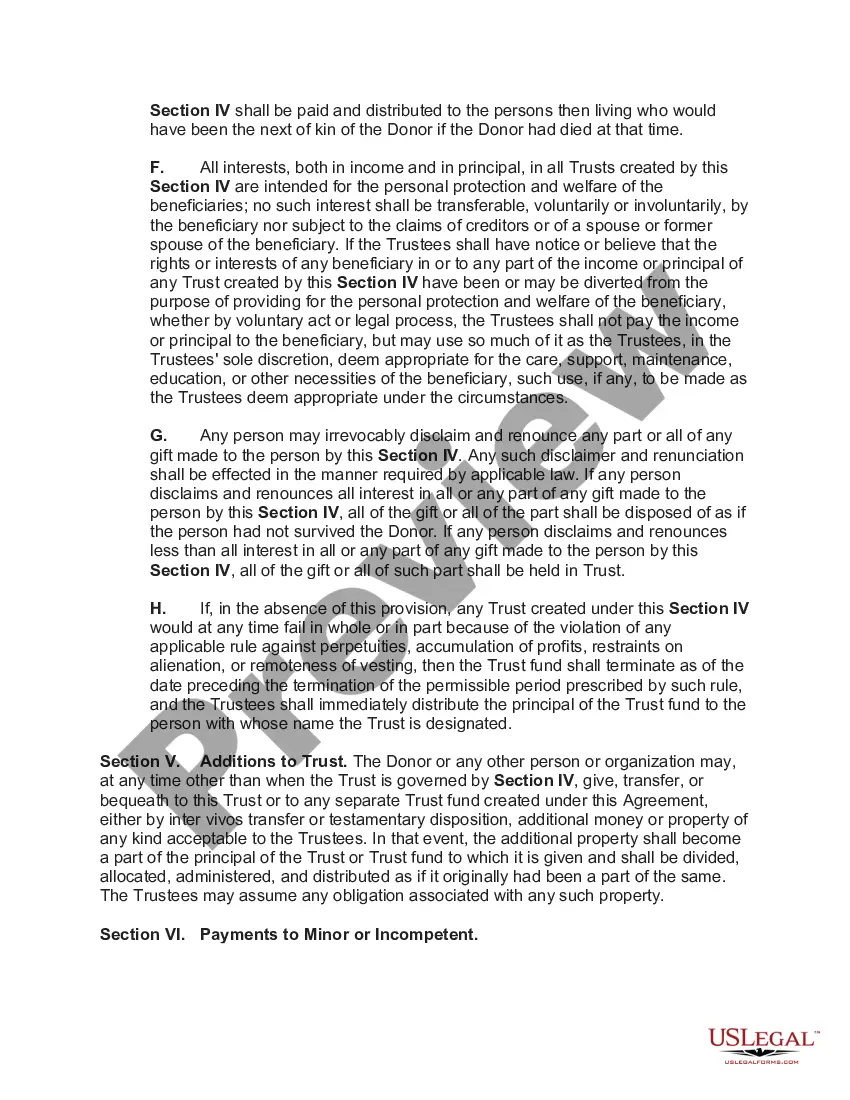
Qualified Domestic Trusts
Description
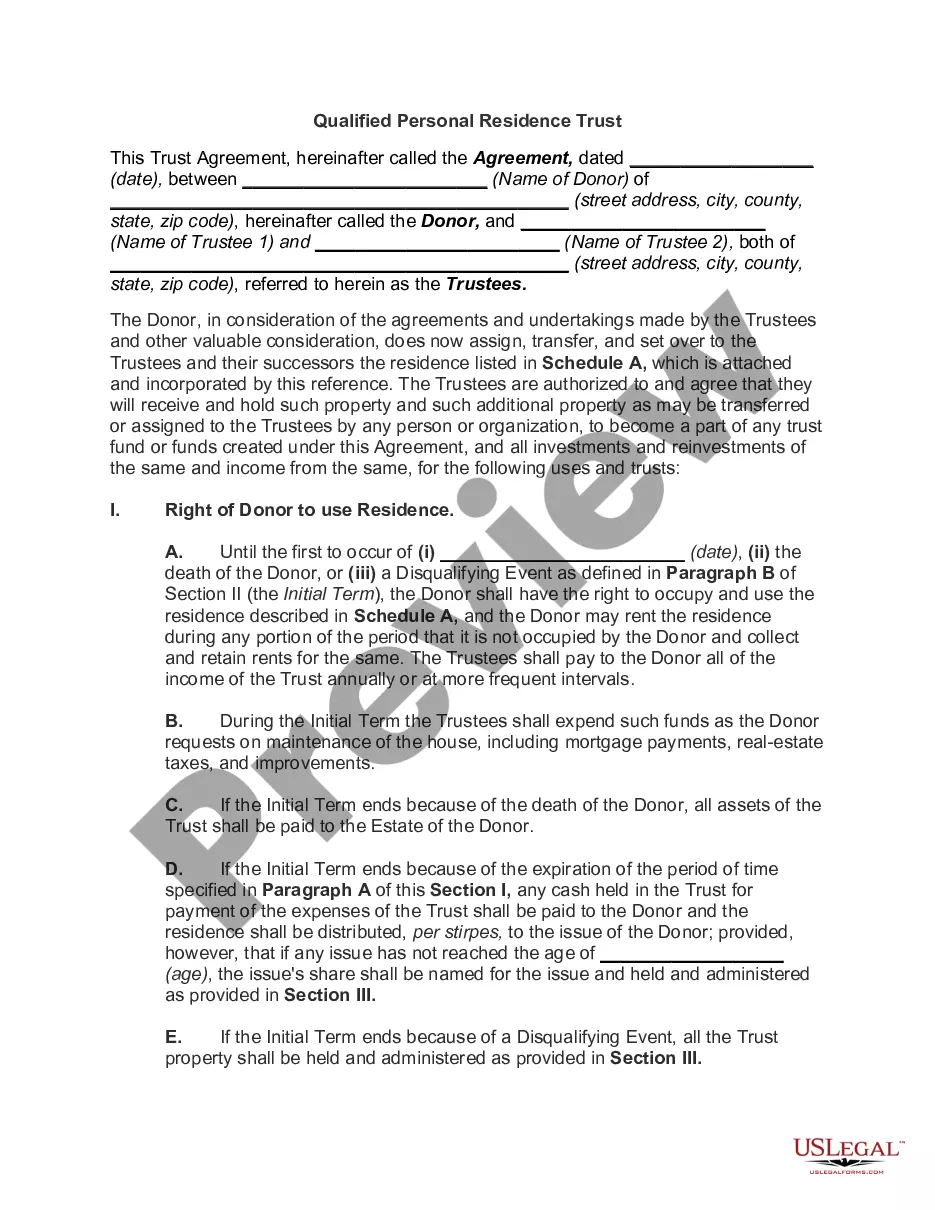
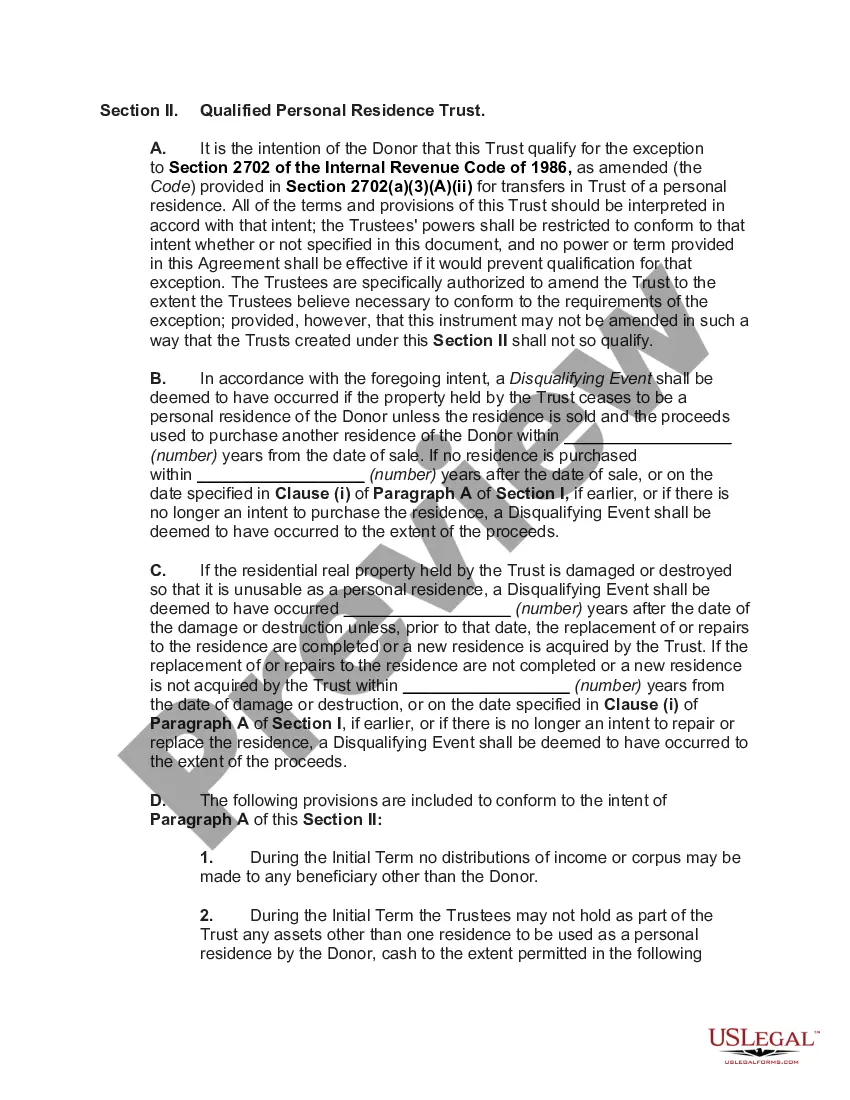
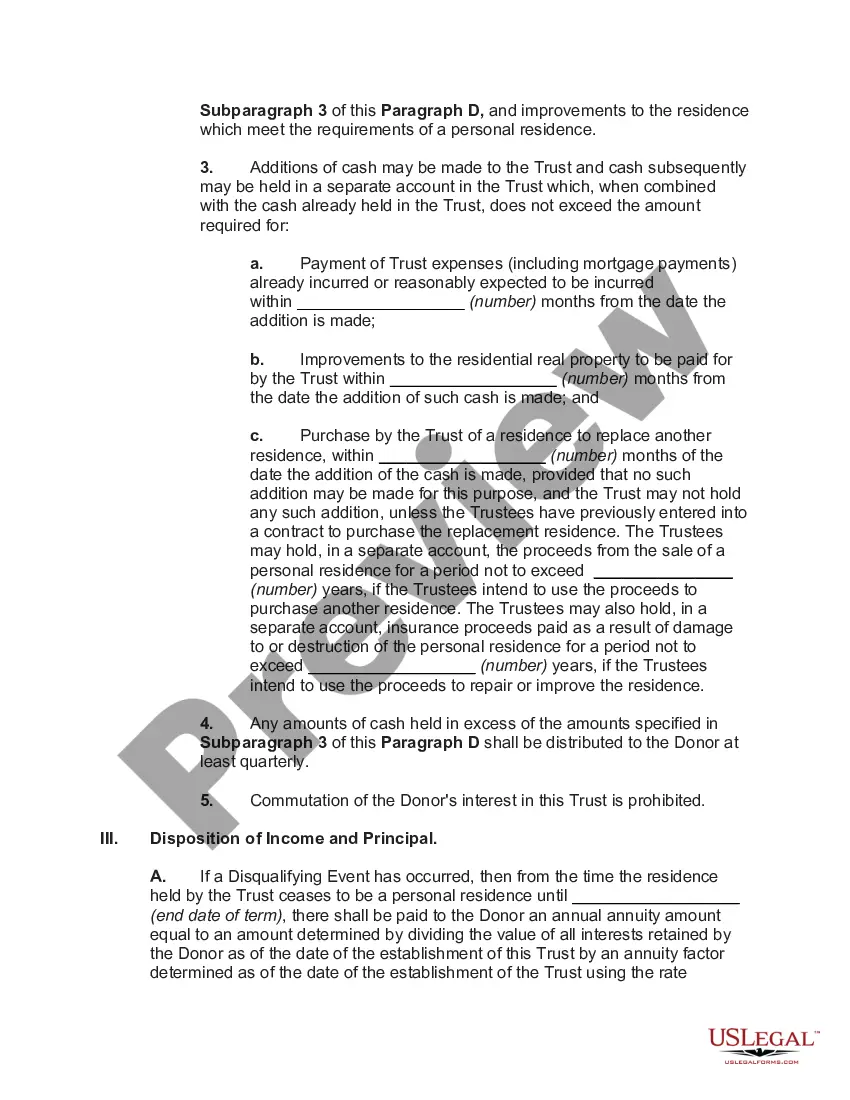
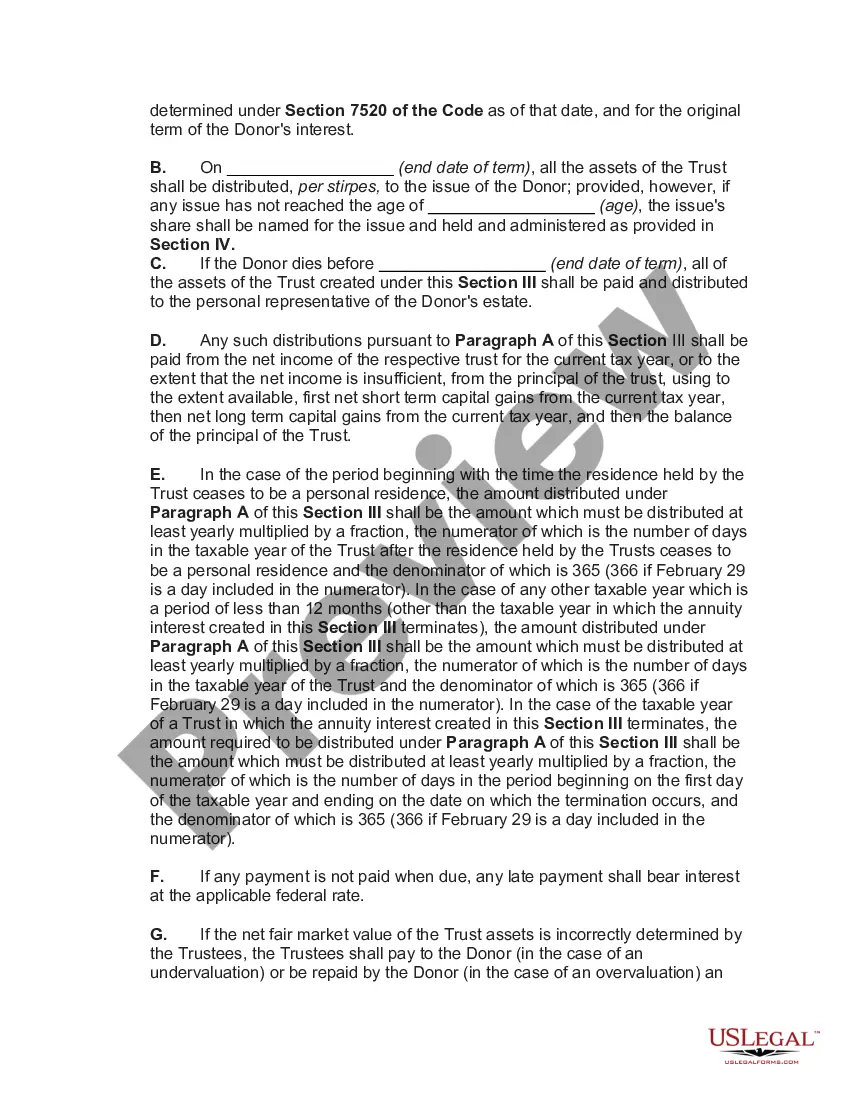
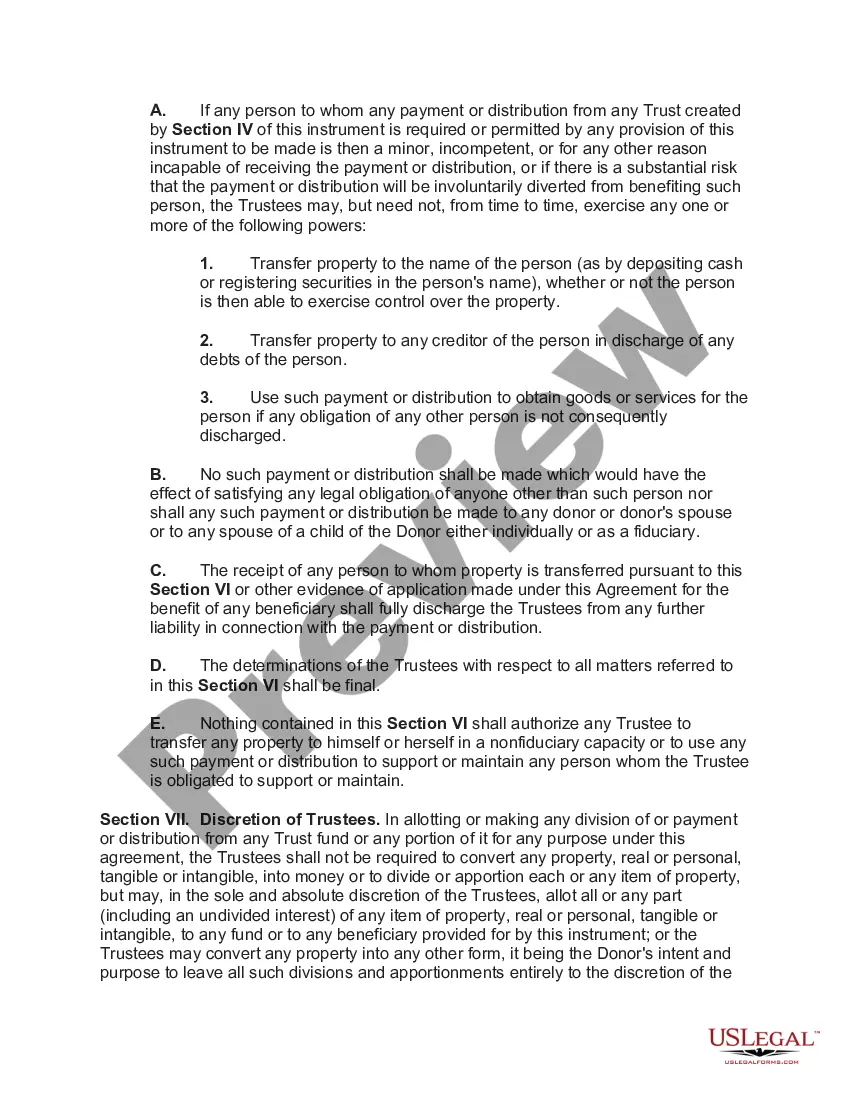
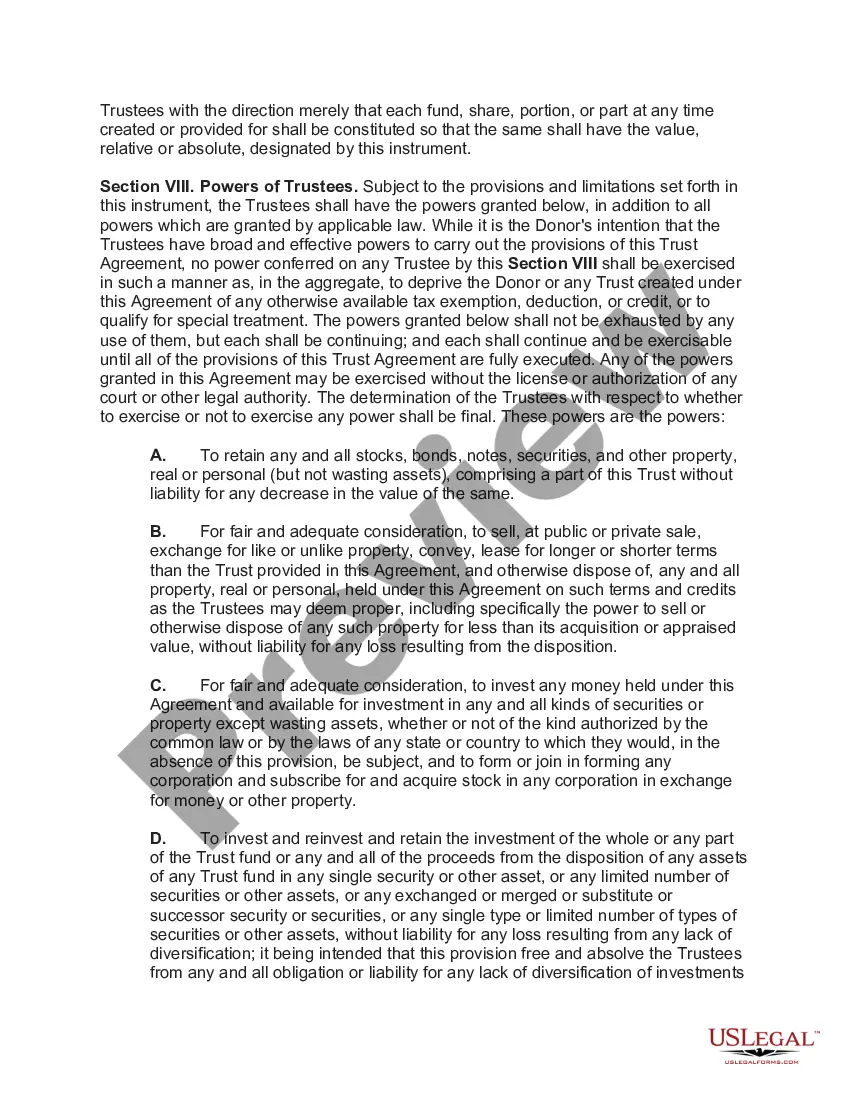

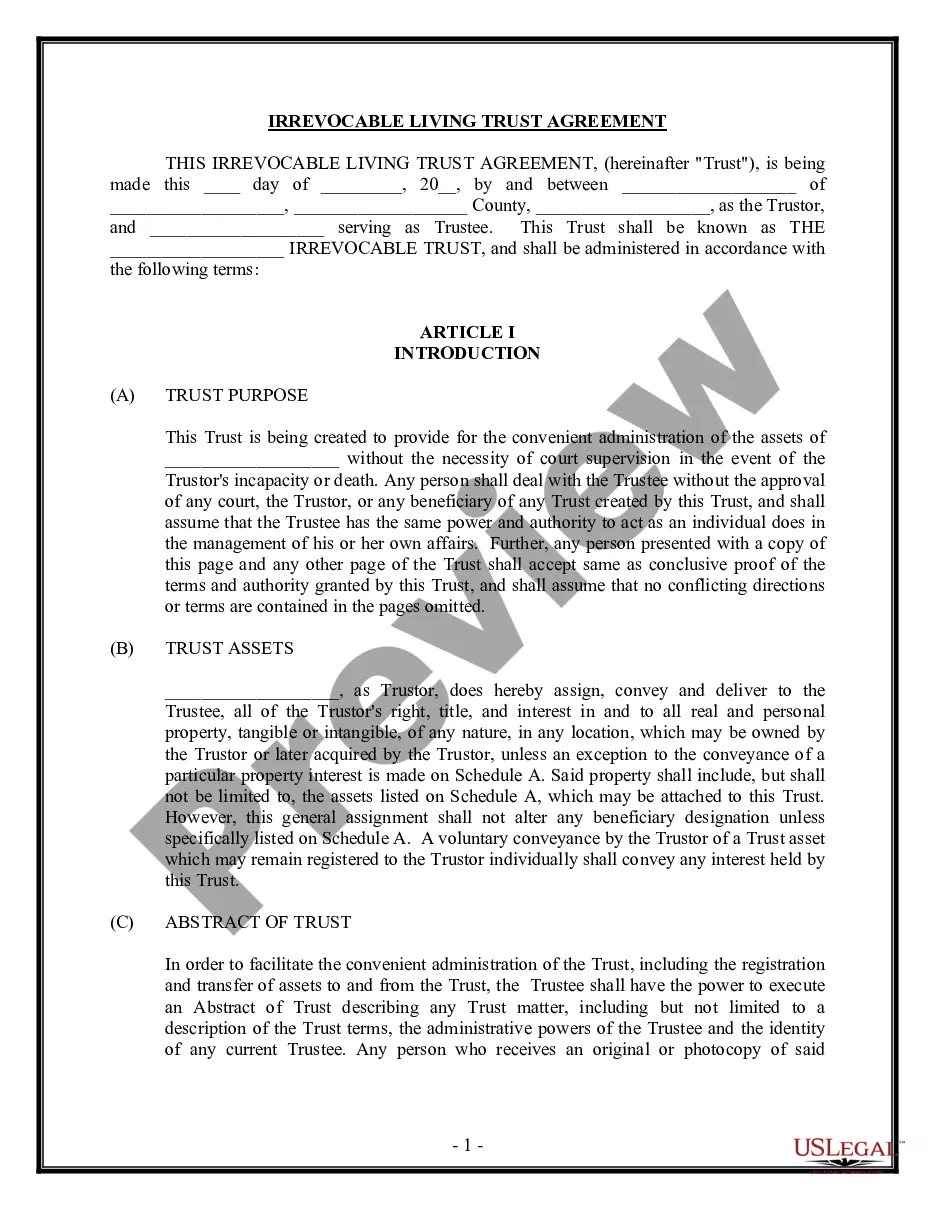
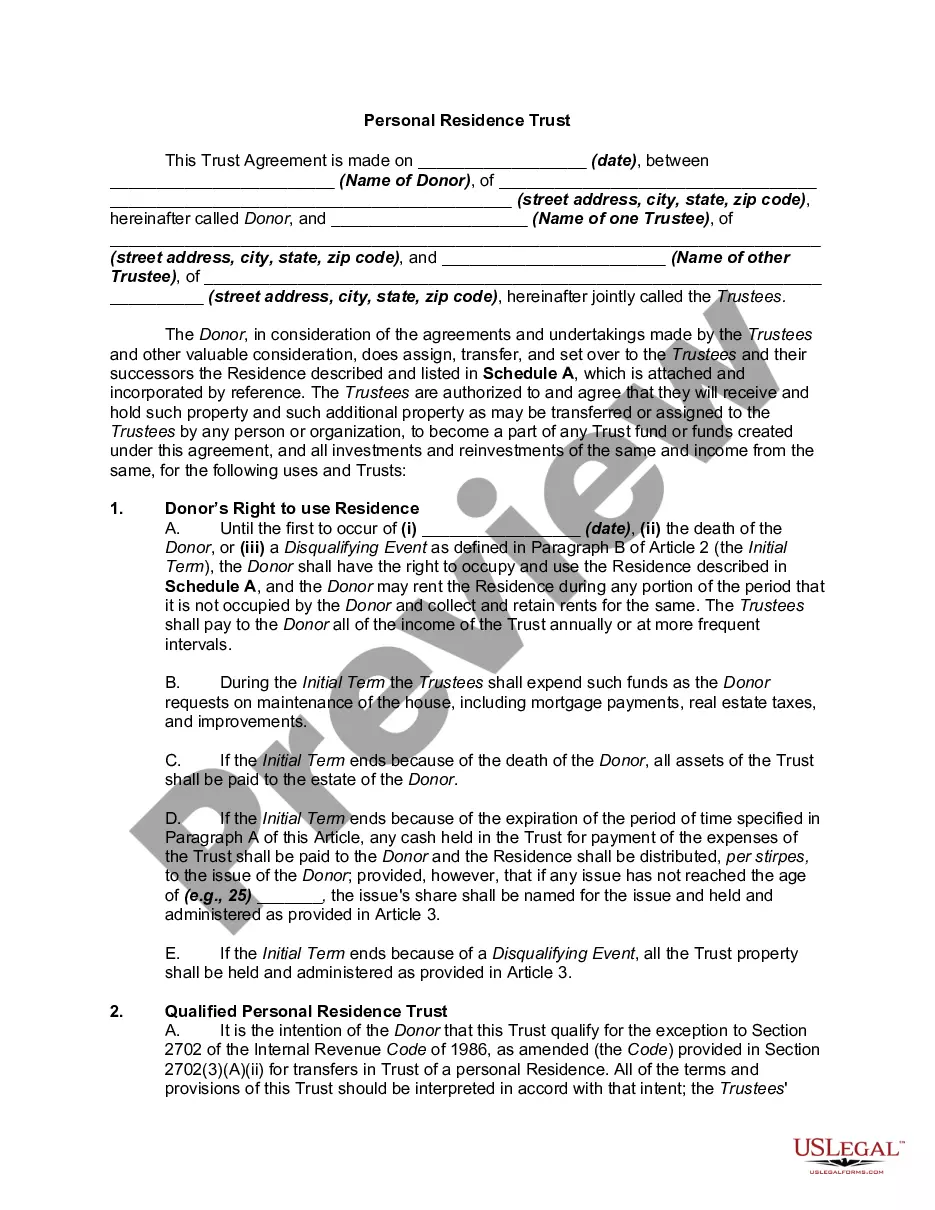
Get your form ready online
Our built-in tools help you complete, sign, share, and store your documents in one place.
Make edits, fill in missing information, and update formatting in US Legal Forms—just like you would in MS Word.
Download a copy, print it, send it by email, or mail it via USPS—whatever works best for your next step.
Sign and collect signatures with our SignNow integration. Send to multiple recipients, set reminders, and more. Go Premium to unlock E-Sign.
If this form requires notarization, complete it online through a secure video call—no need to meet a notary in person or wait for an appointment.
We protect your documents and personal data by following strict security and privacy standards.

Make edits, fill in missing information, and update formatting in US Legal Forms—just like you would in MS Word.

Download a copy, print it, send it by email, or mail it via USPS—whatever works best for your next step.

Sign and collect signatures with our SignNow integration. Send to multiple recipients, set reminders, and more. Go Premium to unlock E-Sign.

If this form requires notarization, complete it online through a secure video call—no need to meet a notary in person or wait for an appointment.

We protect your documents and personal data by following strict security and privacy standards.
Looking for another form?









How to fill out Qualified Personal Residence Trust?
- If you are a returning user, log in to your account and locate the required form template. Click the Download button after confirming your subscription remains active. If necessary, renew your plan.
- For first-time users, start by previewing the available forms and their descriptions to ensure you select the correct one that aligns with your needs and local laws.
- If the chosen template does not meet your needs, use the Search feature to find another suitable option. Ensure it complies with your requirements before proceeding.
- Purchase your selected document by clicking the Buy Now button and choose an appropriate subscription plan. An account registration is necessary to access additional resources.
- Complete your purchase by entering credit card details or using PayPal. Make sure the transaction is successful.
- Finally, download the form to your device. You can access it anytime from the My Forms section of your profile.
US Legal Forms stands out with its extensive collection of over 85,000 legal documents. Users benefit from a robust form selection, ensuring better value compared to competitors.
With access to premium legal experts for document assistance, you can ensure your forms are completed accurately and in accordance with the law. Start today and streamline your legal document processes!
Form popularity
FAQ
A QTIP, or Qualified Terminable Interest Property trust, allows a surviving spouse to receive income from the trust during their lifetime, while a QDOT is specifically designed for non-citizen spouses to avoid estate taxes. The main difference lies in the beneficiary's citizenship status and the tax implications. Each type of trust serves distinct purposes, ensuring tailored solutions for estate management.
To complete a W-9 for a trust, you must provide the trust's name, its taxpayer identification number, and any additional information as required. This form is crucial for tax reporting and ensures that income generated by the trust is correctly attributed to the appropriate tax entity. If you find the process challenging, consider turning to USLegalForms for guidance and templates to streamline the completion.
Filling out a trust fund involves outlining the assets, specifying beneficiaries, and detailing how the funds will be managed and distributed. It's essential to be clear about who receives what and when to avoid confusion later on. Utilizing platforms like USLegalForms can help you create a well-structured trust fund tailored to your needs, ensuring every detail is addressed.
The primary purpose of a qualified domestic trust is to allow a non-U.S. citizen spouse to inherit property without incurring immediate estate taxes. This trust structure provides financial security and makes it easier for the surviving spouse to access funds. Additionally, it ensures that the deceased spouse's assets are protected and managed according to their wishes.
A qualified trust is a trust that meets certain legal criteria under the Internal Revenue Code to receive favorable tax treatment. For instance, if a trust is designed to benefit a surviving spouse, it must meet specific requirements to qualify for estate tax exemptions. To create a qualified domestic trust, it is vital to adhere to these legal requirements to safeguard your assets from taxes.
A qualified domestic trust is a specialized type of trust designed to allow a non-citizen spouse to receive benefits while meeting specific IRS requirements. This trust enables tax advantages that would not be available otherwise, ensuring that assets can be transferred without incurring significant tax burdens. Understanding the intricacies of qualified domestic trusts is essential for effective estate planning. Consider utilizing USLegalForms for guidance and relevant forms.
The requirements for a qualified trust include having a spouse as the sole beneficiary, ensuring the trust is irrevocable, and meeting IRS regulations. Additionally, the trust must allow for all income to be distributed to the spouse during their lifetime. These criteria help ensure the trust maintains its qualified status for tax purposes. Resources from USLegalForms can assist you in fulfilling these requirements effectively.
One of the biggest mistakes parents make when setting up a trust fund is failing to communicate their intentions clearly with their beneficiaries. This can lead to misunderstandings and potential conflicts later on. Additionally, not updating the trust as family dynamics change can also pose issues. Using USLegalForms can help clarify your wishes and ensure your trust is set up correctly.
While a QTIP trust has benefits, it also has downsides. One drawback is that it may lead to higher estate taxes upon the surviving spouse's death, as assets are included in their estate. Furthermore, it can restrict the surviving spouse's control over the trust assets, as the income must go to them. Being aware of these potential challenges can help you make informed decisions, and resources available at USLegalForms can guide you through the process.
The rules for a qualified trust include distributing income to a surviving spouse, ensuring that the trust is irrevocable, and satisfying other IRS stipulations. Additionally, the trust must comply with specific tax regulations set by the IRS to receive favorable tax treatment. Understanding these rules is crucial to making the most of your estate planning. You can find helpful templates and information on qualified trusts at USLegalForms.