Dot For Texas
Description
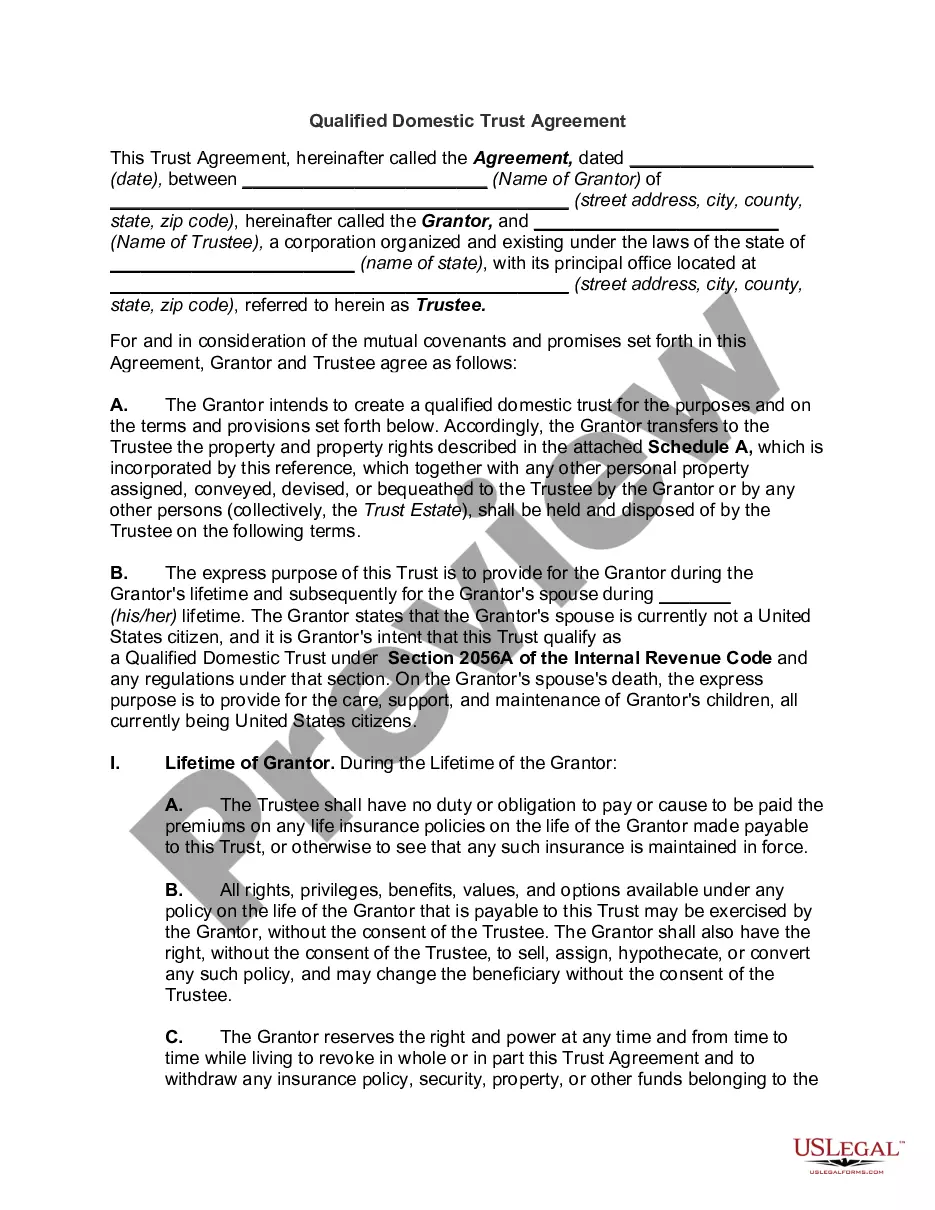
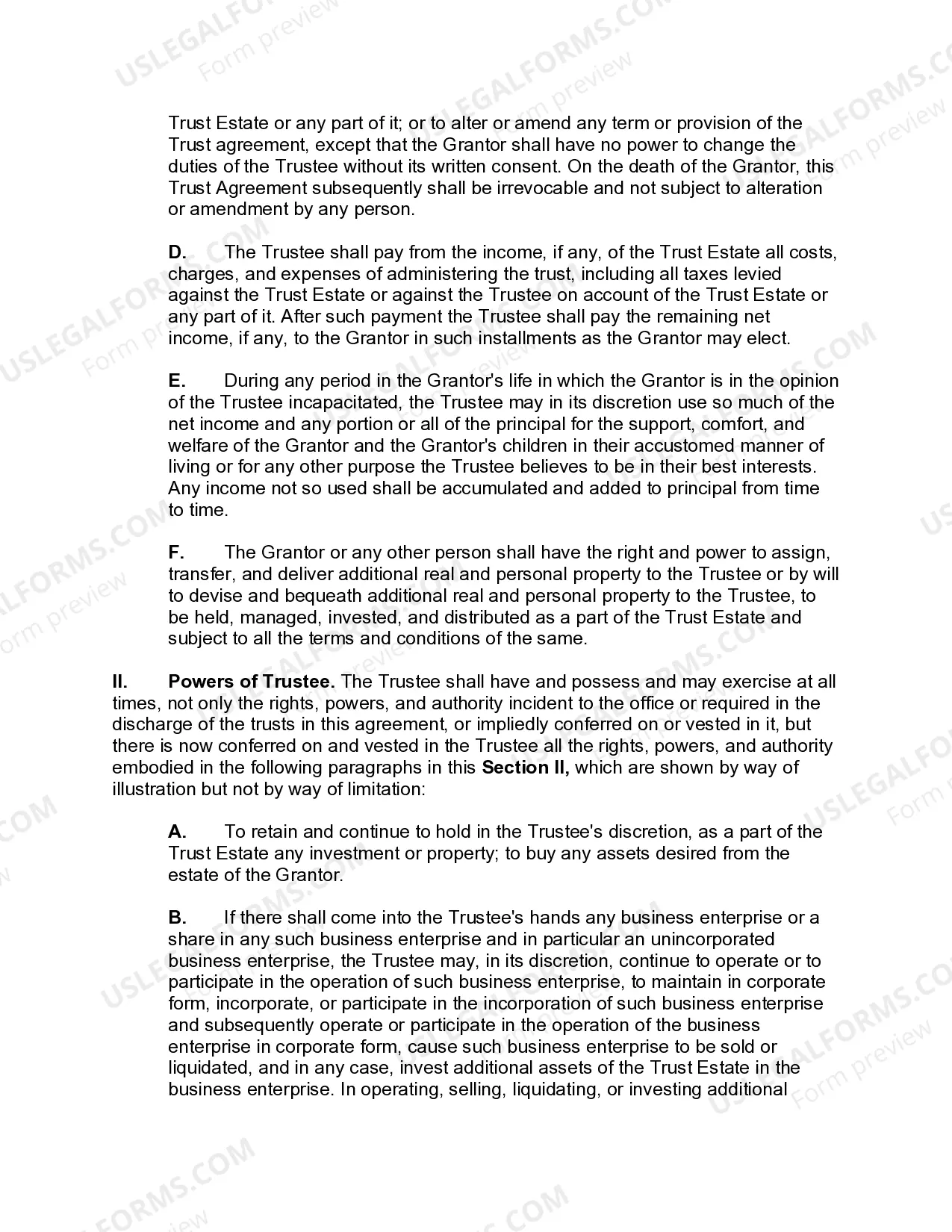
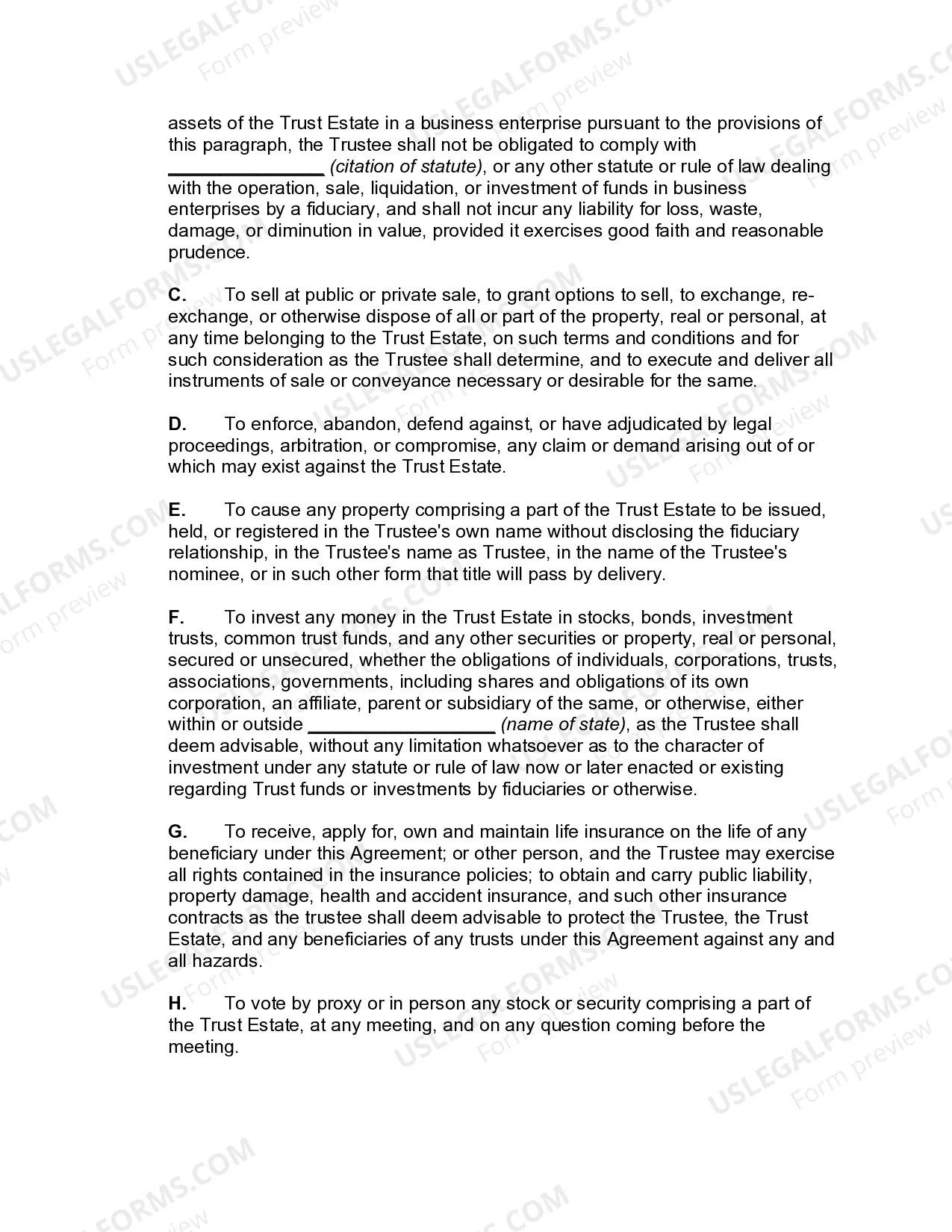
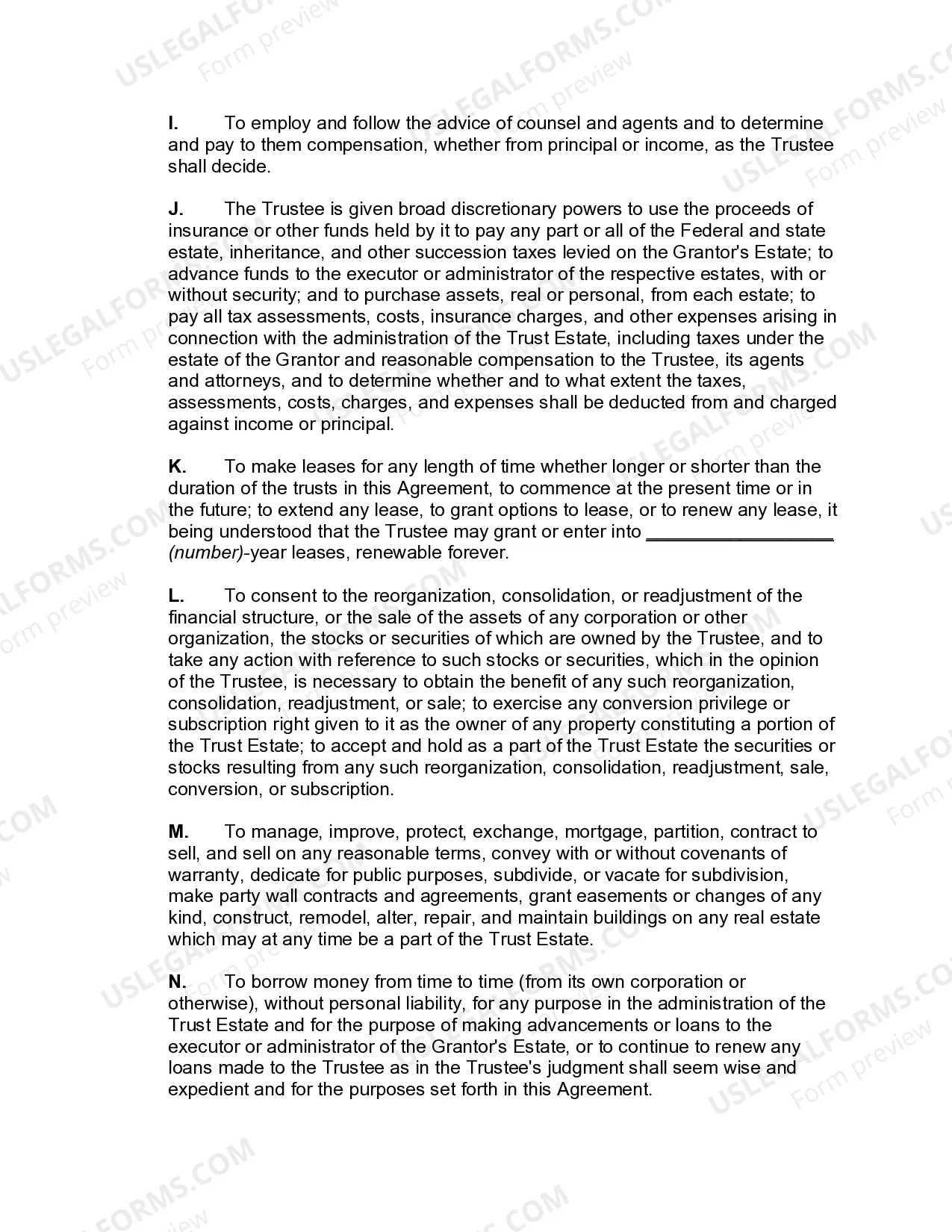


Get your form ready online
Our built-in tools help you complete, sign, share, and store your documents in one place.
Make edits, fill in missing information, and update formatting in US Legal Forms—just like you would in MS Word.
Download a copy, print it, send it by email, or mail it via USPS—whatever works best for your next step.
Sign and collect signatures with our SignNow integration. Send to multiple recipients, set reminders, and more. Go Premium to unlock E-Sign.
If this form requires notarization, complete it online through a secure video call—no need to meet a notary in person or wait for an appointment.
We protect your documents and personal data by following strict security and privacy standards.

Make edits, fill in missing information, and update formatting in US Legal Forms—just like you would in MS Word.

Download a copy, print it, send it by email, or mail it via USPS—whatever works best for your next step.

Sign and collect signatures with our SignNow integration. Send to multiple recipients, set reminders, and more. Go Premium to unlock E-Sign.

If this form requires notarization, complete it online through a secure video call—no need to meet a notary in person or wait for an appointment.

We protect your documents and personal data by following strict security and privacy standards.
Looking for another form?

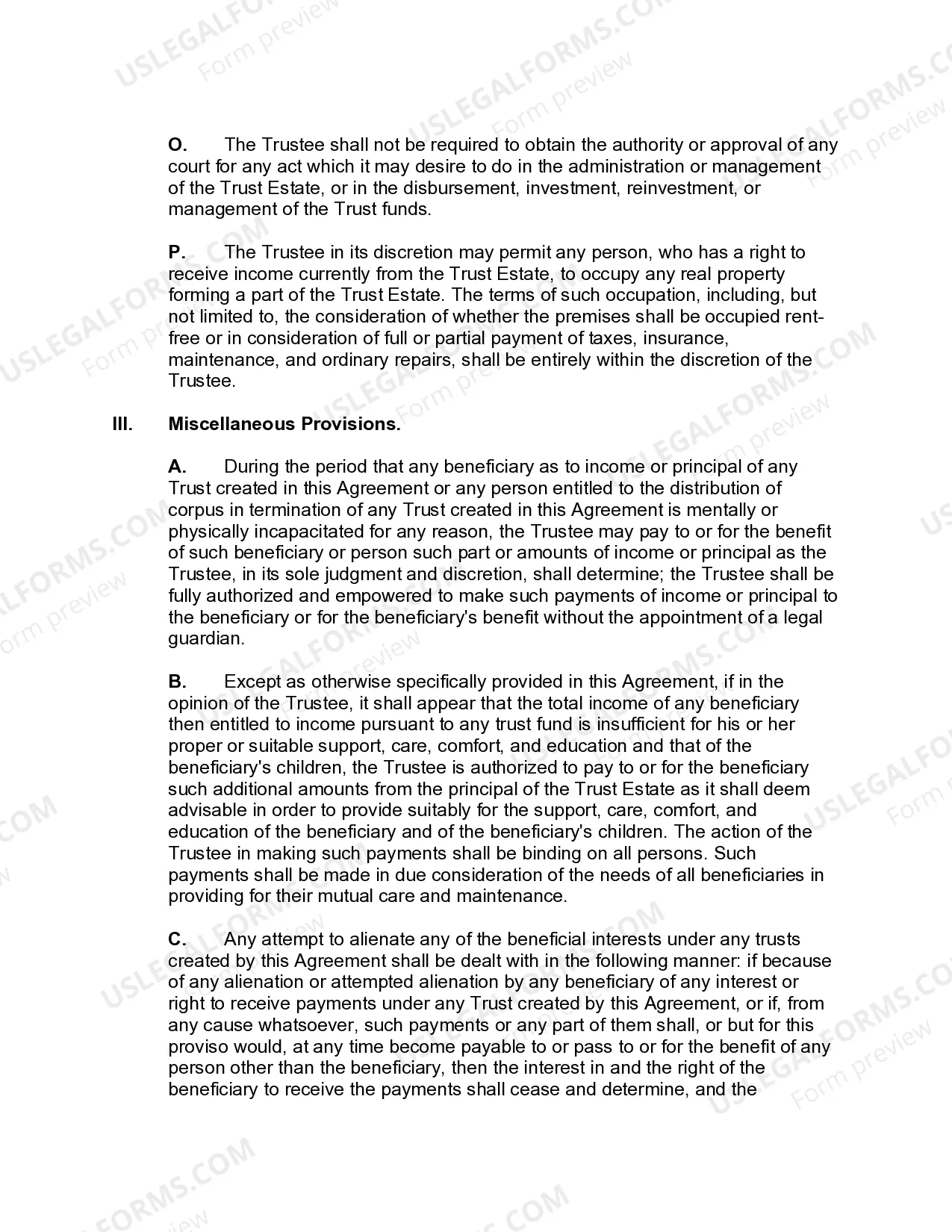
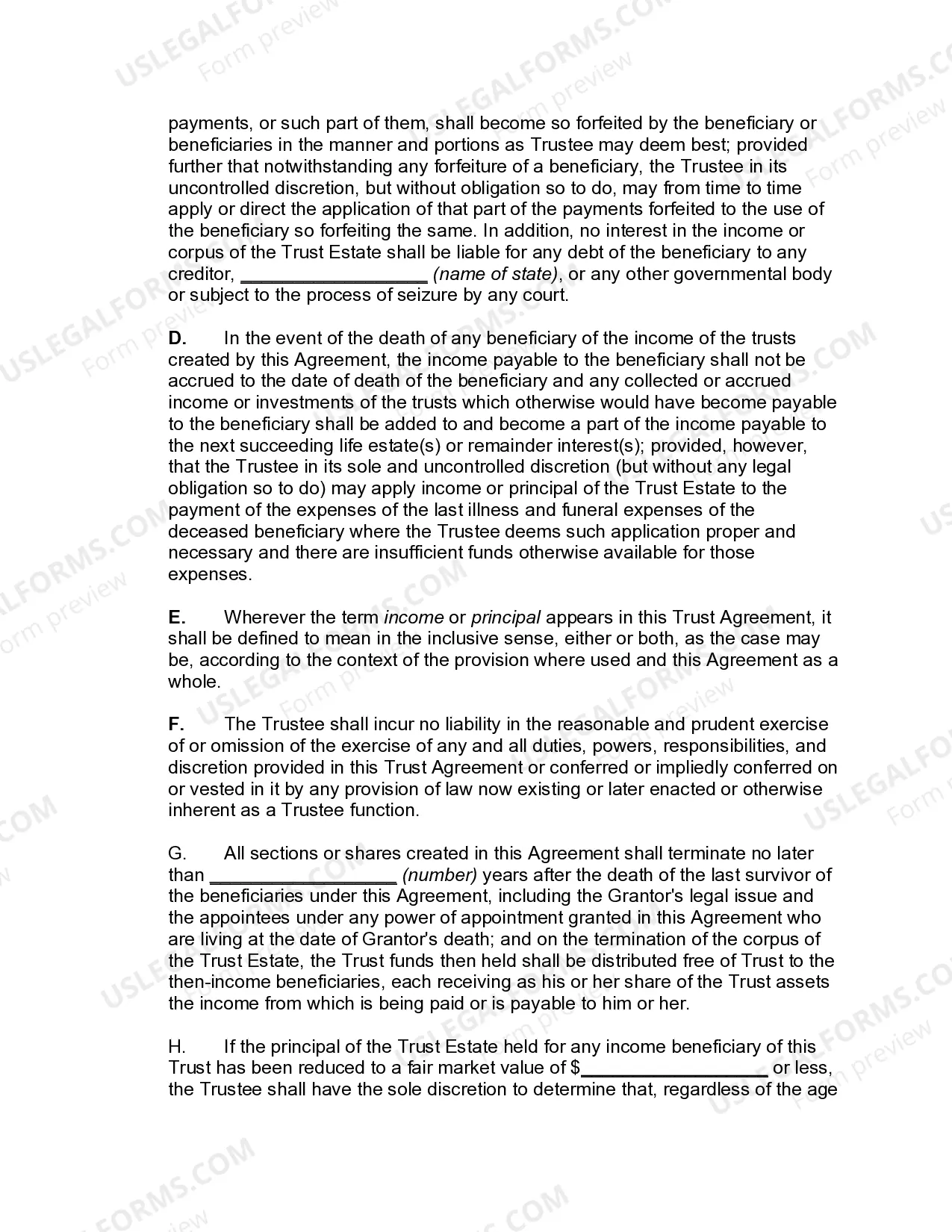
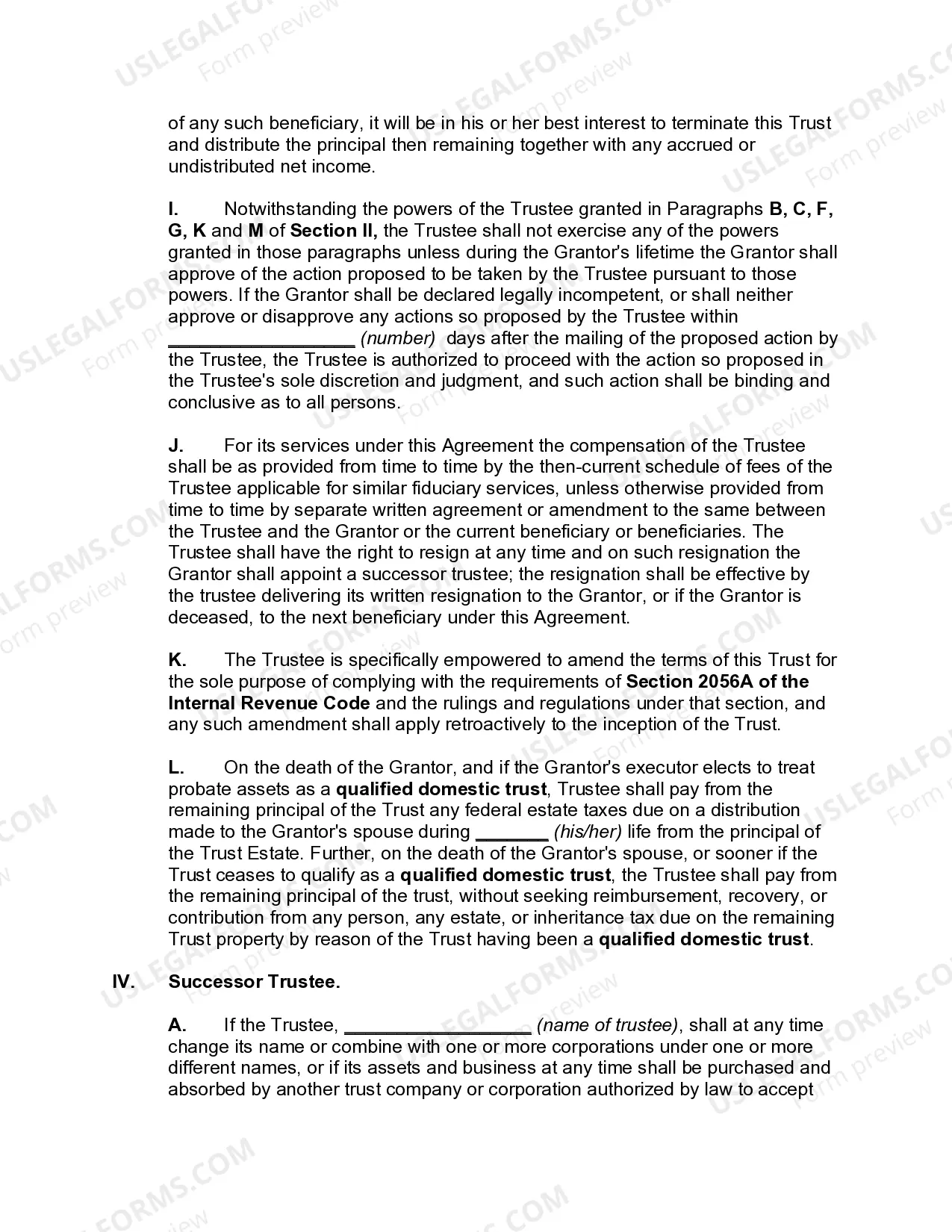
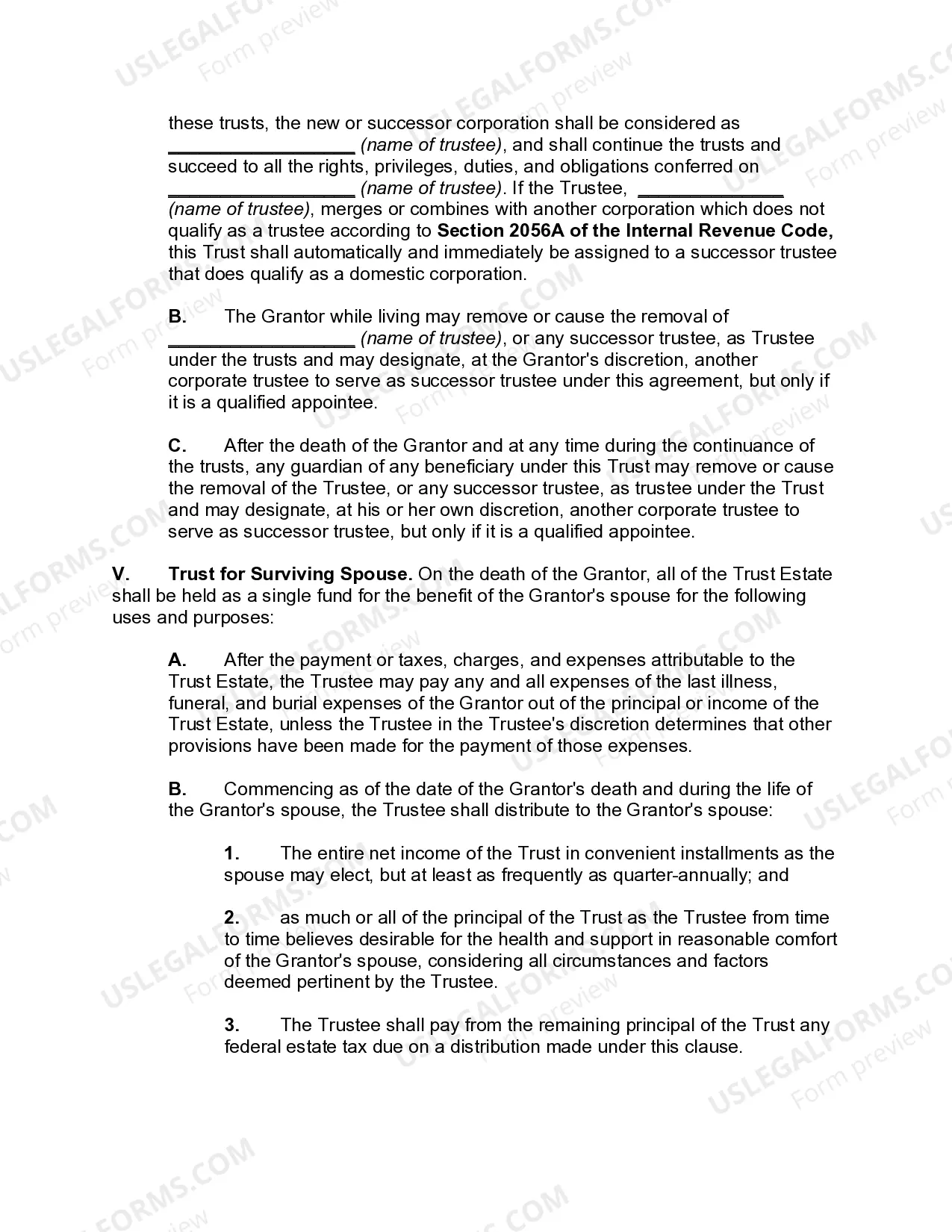
How to fill out Qualified Domestic Trust Agreement?
- Log into your US Legal Forms account if you're an existing user. Ensure your subscription is active to access the required templates.
- If you're new, start by checking the preview and description of the forms available. Make sure to select the correct document that fits your specific needs and complies with local regulations.
- In case the initial template does not meet your requirements, utilize the search function to find alternative forms that suit your situation.
- Once you identify the right document, click on the 'Buy Now' button and choose your preferred subscription plan. You'll need to register for an account to use the platform's full features.
- Complete your purchase by providing payment details through credit card or PayPal.
- After the payment is processed, download your chosen form to your device. You can also access it anytime via the 'My Forms' section in your account.
By utilizing US Legal Forms, you gain access to an unmatched collection of over 85,000 forms that are easy to fill and customize. Additionally, premium expert assistance is available to help ensure your documents are accurately completed.
Take the first step in managing your legal documents efficiently. Start using Dot for Texas today and benefit from the vast resources offered by US Legal Forms!
Form popularity
FAQ
Everyone who operates a commercial vehicle in Texas should strive to be DOT compliant. This includes truck drivers, freight companies, and transport businesses specializing in passenger services. Maintaining compliance protects you from legal issues and enhances safety on the roads. Utilizing resources like US Legal Forms can help you navigate the complex requirements to ensure your compliance with the DOT for Texas.
Certain small vehicle operators in Texas may be exempt from needing a DOT number. For instance, personal vehicles and those not primarily used for commercial purposes do not require a DOT registration. Additionally, some agricultural vehicles used solely for farming may also be exempt. However, it’s wise to verify your specific situation against Texas regulations to avoid any oversights.
In Texas, drivers of commercial vehicles that meet certain criteria must have a DOT number. This includes those transporting passengers or goods, especially if the vehicle exceeds 10,000 pounds or if you operate within interstate commerce. It's important that you confirm the specific needs for your operation to ensure compliance. Having your DOT number not only fulfills legal requirements but also demonstrates your commitment to safety.
Anyone operating a commercial vehicle in Texas may need a DOT number. Specifically, businesses and individuals transporting goods across state lines must secure one. It's crucial for truckers, freight companies, and transporters to understand these requirements. A Texas DOT number enhances your credibility and compliance in commercial transportation.
In Texas, vehicles require a DOT number if they are used for commercial purposes and weigh more than 10,000 pounds. This includes buses, trucks, and trailers that transport goods or passengers for hire. Additionally, vehicles carrying hazardous materials or operating in interstate commerce must obtain a DOT number. Ensuring your compliance with DOT regulations is essential for legal operations.
Whether you need both USDOT and TxDOT numbers depends on your specific operations. If you operate across state lines or handle regulated transport activities, you'll likely need both. It's essential to understand the distinctions and requirements of each to maintain compliance. To navigate this complex landscape, consider consulting resources like USLegalForms to clarify your obligations and simplify the application process.
Applying for a dot number involves several straightforward steps. First, gather necessary documents, including your vehicle details and business information. Next, you can apply online through the Federal Motor Carrier Safety Administration’s website or through state resources. Platforms like USLegalForms are invaluable in guiding you through this process effectively, ensuring that you have everything you need for your dot for Texas application.
Operating without a USDOT number can lead to significant penalties and legal repercussions. You may face fines, and your ability to operate legally on interstate roads could be compromised. In essence, not having this number puts you at risk of complications when engaging in commercial operations. Investigate options for obtaining a USDOT number to ensure your compliance with transportation laws.
Yes, having a USDOT number does not automatically mean you are exempt from needing TxDOT registration. The USDOT number is primarily for federal regulations, while TxDOT oversees state-level requirements. It's important to ensure compliance with both to avoid legal issues. Utilizing platforms like USLegalForms can simplify the process of understanding and applying for the necessary registrations.
Certain entities are exempt from needing a dot number in Texas. Typically, vehicles that only transport personal property, or those engaged in farming, may not require one. Additionally, vehicles that weigh less than a specific threshold are often excluded. If you're unsure, consider checking the Texas Department of Transportation guidelines for specific details regarding the dot for Texas.