Trust Special Needs Benefit Within Canada
Description

Get your form ready online
Our built-in tools help you complete, sign, share, and store your documents in one place.
Make edits, fill in missing information, and update formatting in US Legal Forms—just like you would in MS Word.
Download a copy, print it, send it by email, or mail it via USPS—whatever works best for your next step.
Sign and collect signatures with our SignNow integration. Send to multiple recipients, set reminders, and more. Go Premium to unlock E-Sign.
If this form requires notarization, complete it online through a secure video call—no need to meet a notary in person or wait for an appointment.
We protect your documents and personal data by following strict security and privacy standards.

Make edits, fill in missing information, and update formatting in US Legal Forms—just like you would in MS Word.

Download a copy, print it, send it by email, or mail it via USPS—whatever works best for your next step.

Sign and collect signatures with our SignNow integration. Send to multiple recipients, set reminders, and more. Go Premium to unlock E-Sign.

If this form requires notarization, complete it online through a secure video call—no need to meet a notary in person or wait for an appointment.

We protect your documents and personal data by following strict security and privacy standards.
Looking for another form?



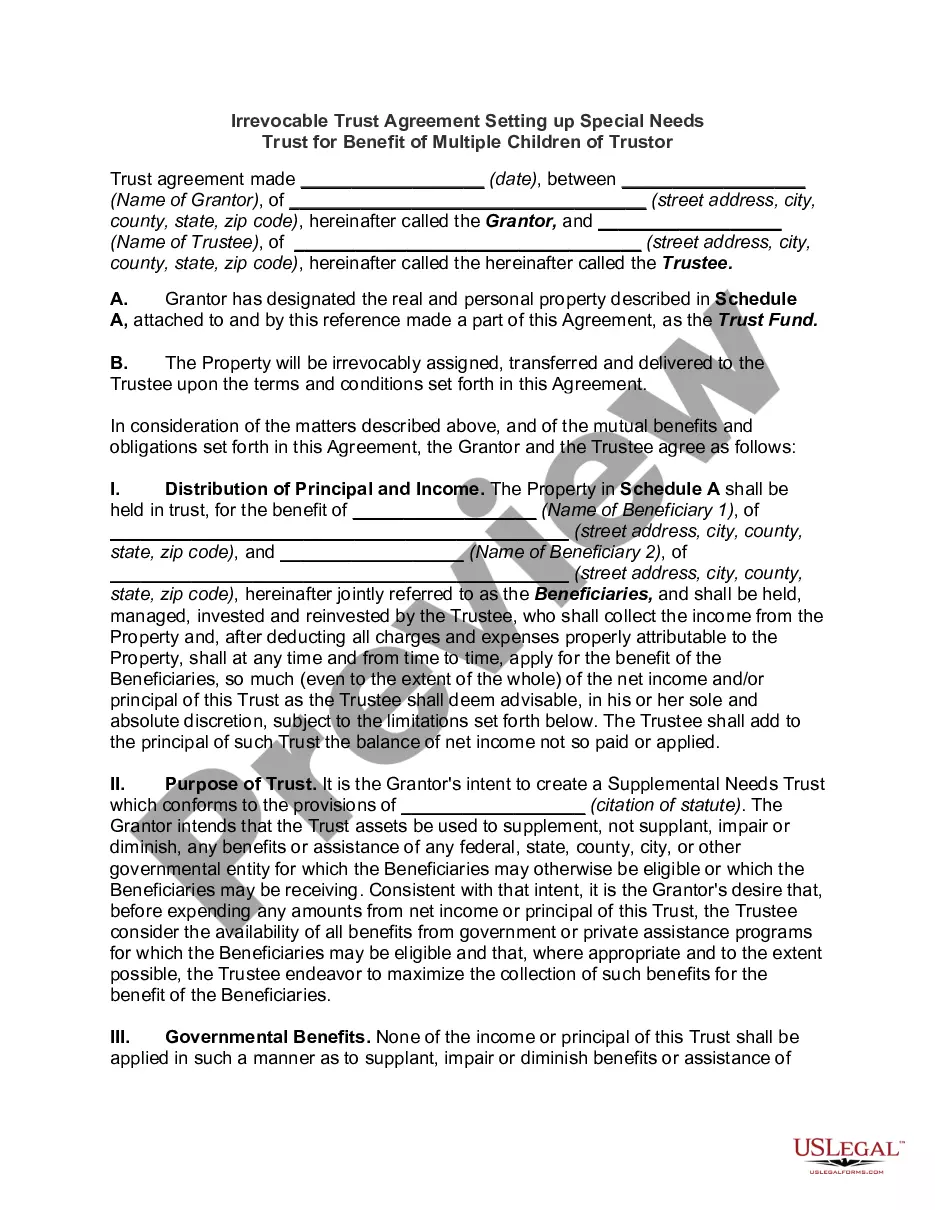
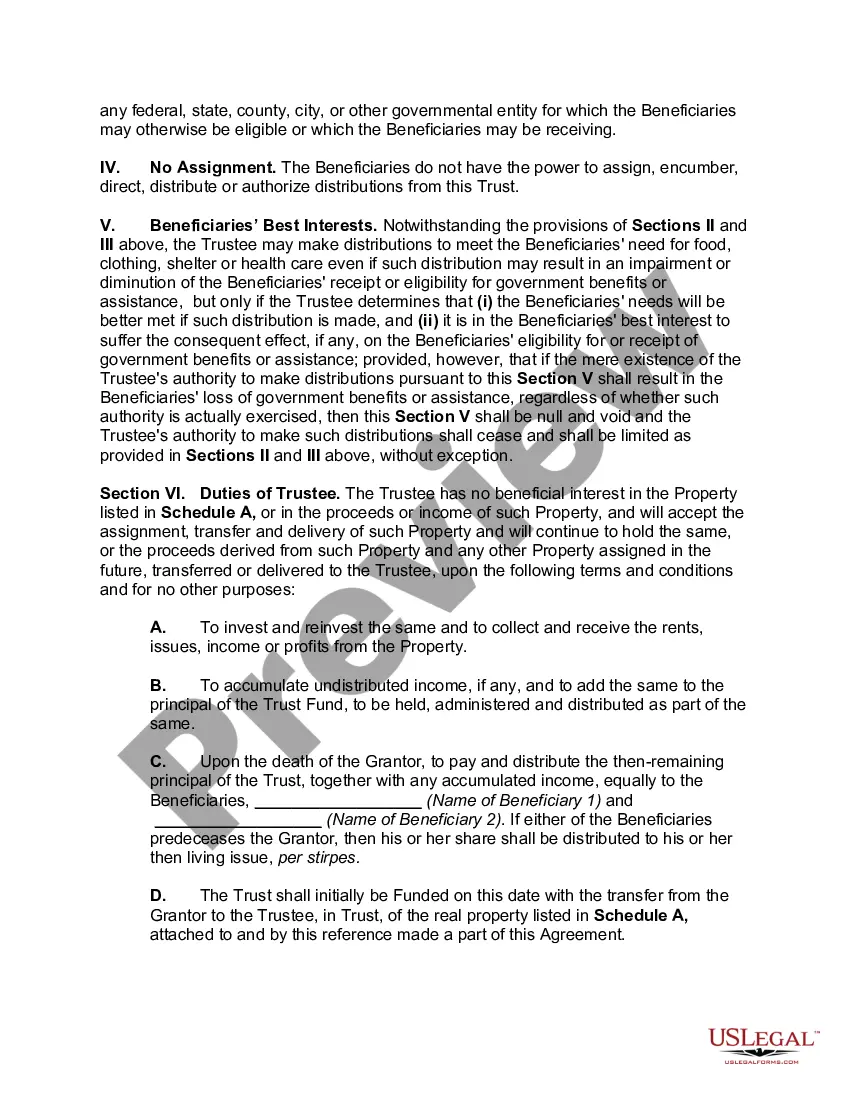
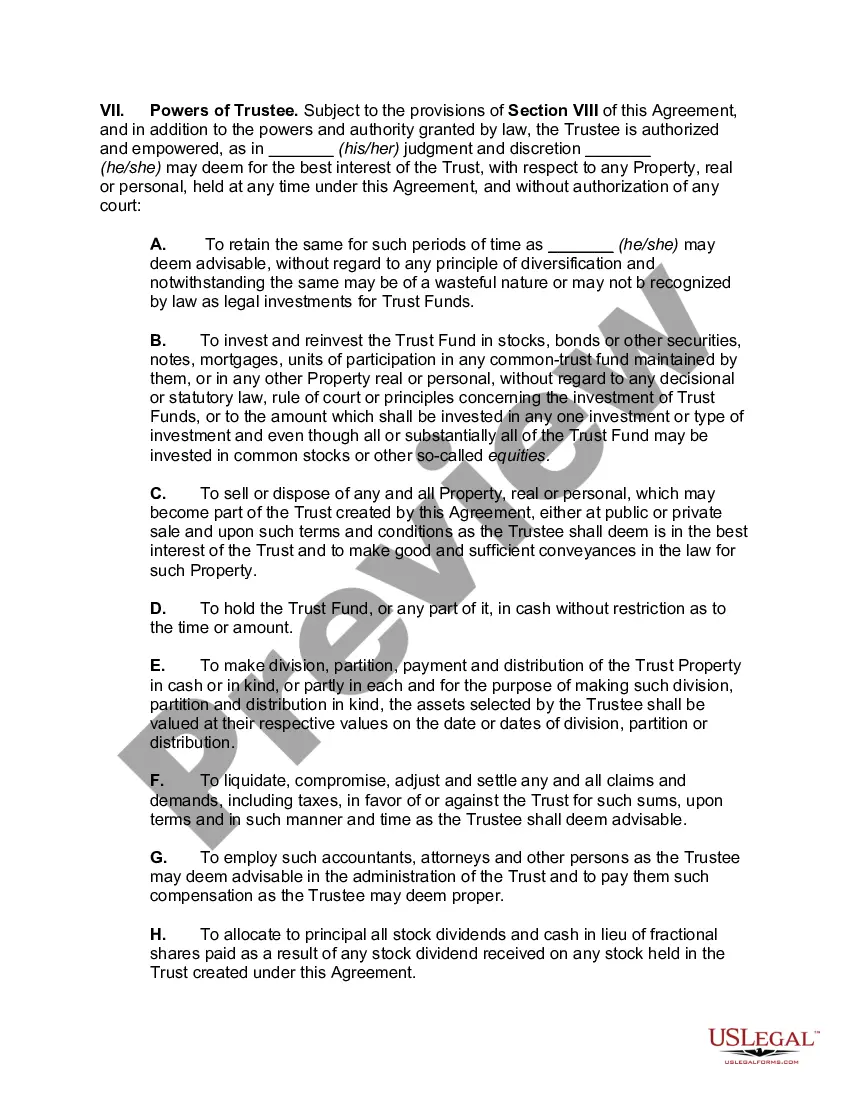
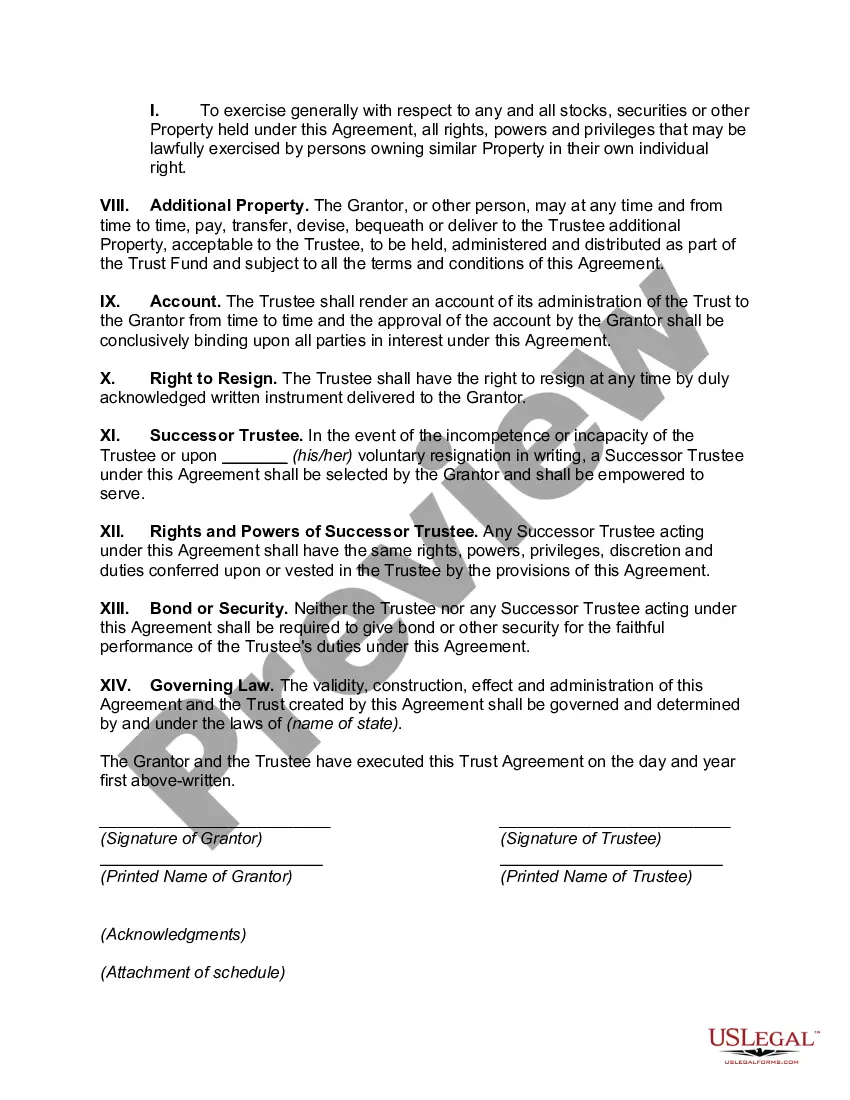
How to fill out Irrevocable Trust Agreement Setting Up Special Needs Trust For Benefit Of Multiple Children?
Managing legal documents and tasks can be a lengthy addition to your day.
Rely on Trust Special Needs Benefit Within Canada and similar forms usually necessitate you to locate them and comprehend how to fill them out correctly.
Hence, whether you are handling financial, legal, or personal issues, possessing a comprehensive and efficient online directory of forms readily available will be immensely beneficial.
US Legal Forms is the leading online platform for legal templates, offering over 85,000 state-specific documents and various tools to assist you in efficiently completing your paperwork.
Is this your first time using US Legal Forms? Sign up and create an account in just a few minutes, and you will gain access to the forms library and Trust Special Needs Benefit Within Canada. Then, follow the steps below to complete your form.
- Explore the collection of relevant documents available with a single click.
- US Legal Forms provides you with state- and county-specific documents available for download at any moment.
- Protect your document handling activities with a premium service that allows you to prepare any form in minutes without any additional or hidden fees.
- Simply Log In to your account, find Trust Special Needs Benefit Within Canada, and obtain it instantly from the My documents section.
- You can also access previously saved forms.
Form popularity
FAQ
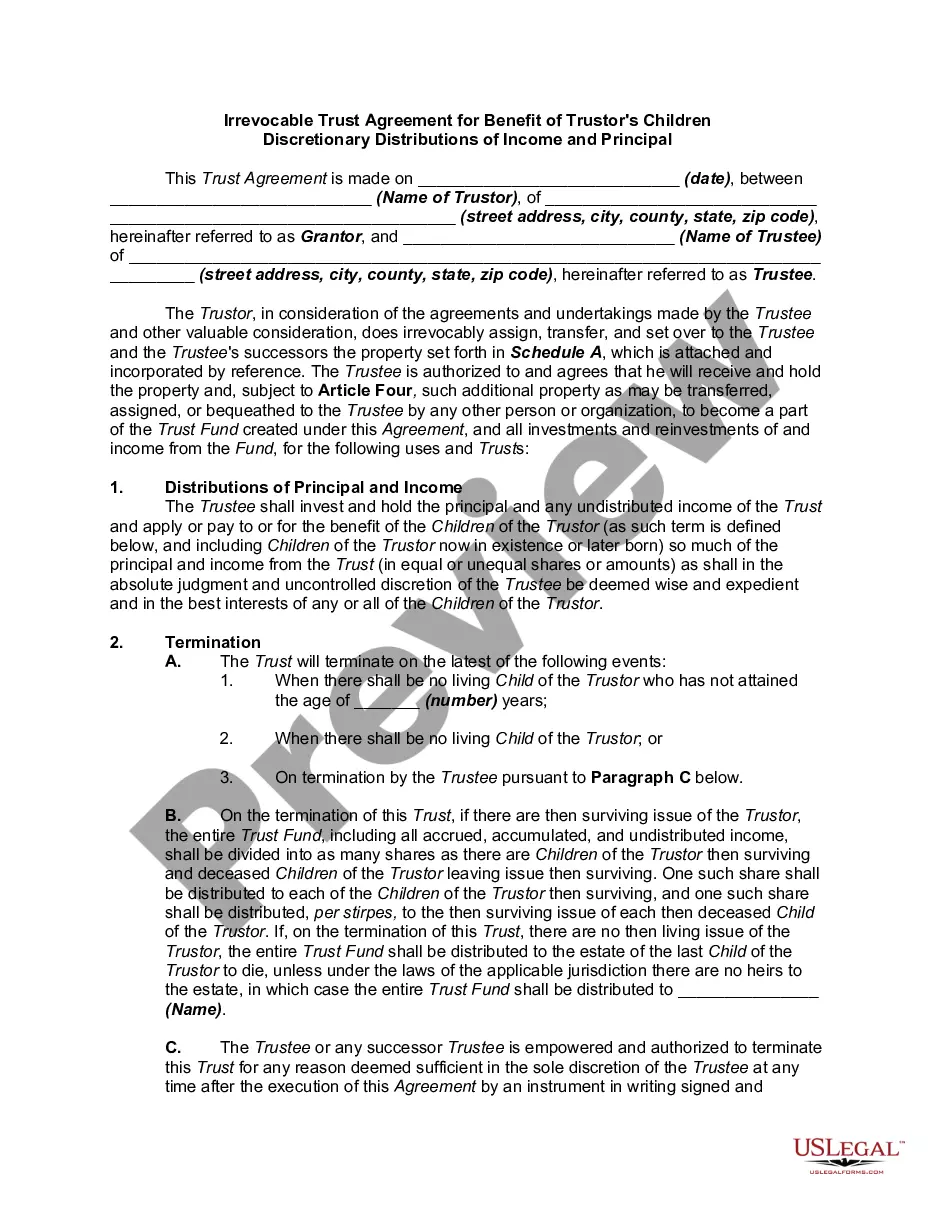
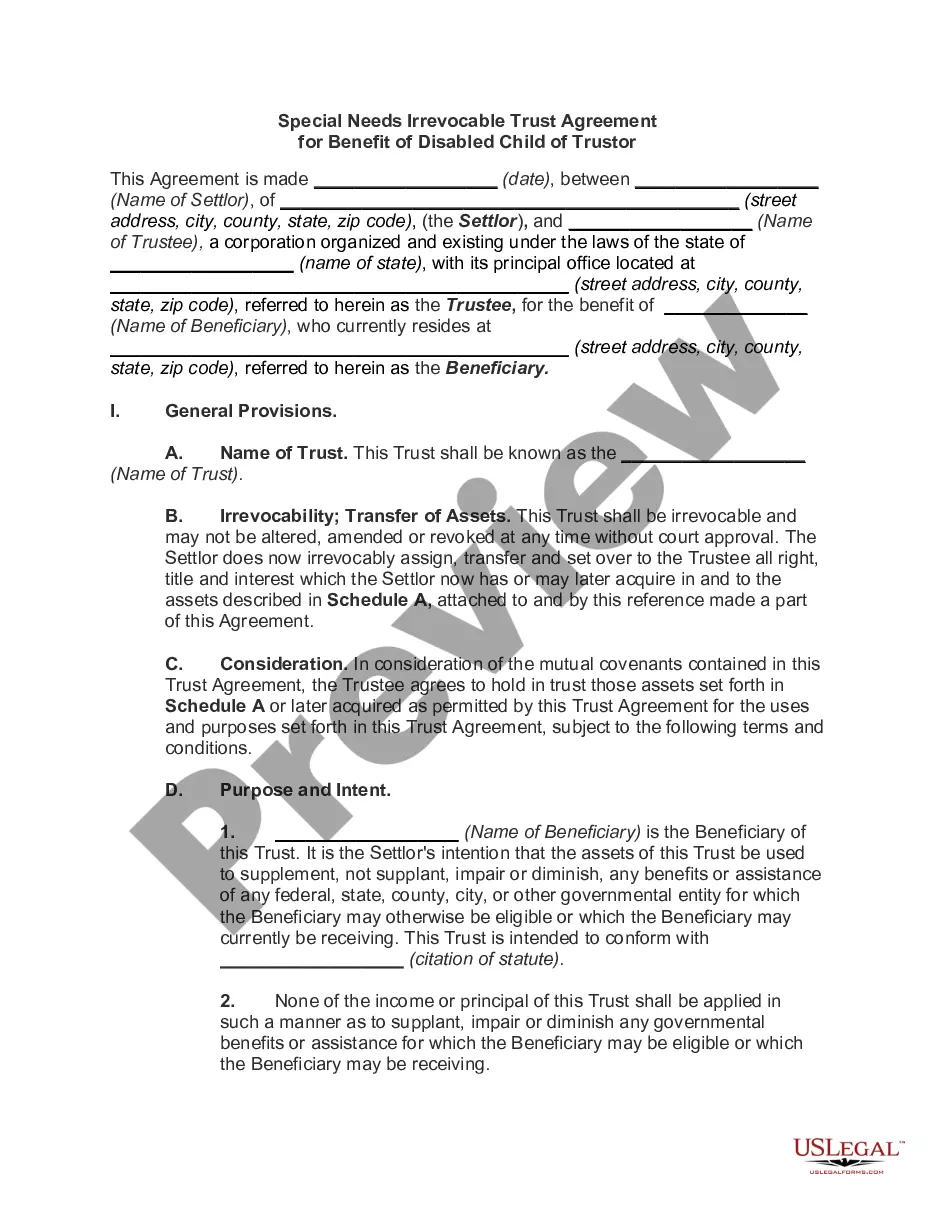
Special needs trusts are one option open to parents, grandparents, friends or anyone else wishing to leave an inheritance or other assistance to care for someone.
You can usually create a trust in four steps: Draft an agreement. A lawyer or other legal entity drafts a formal trust agreement. ... Establish the trust's property. The settlor makes an irrevocable donation into the trust, which becomes the trust property. ... Open a trust account(s) ... Complete the process.
The trustee works in very close contact with the beneficiary and/or their caregiver to manage the trust and its financial distributions to pay for these things. The main takeaway regarding distribution of SNT funds is this: The beneficiary never sees the money directly, but the money is used to pay for their needs.
A special needs trust is a legal arrangement that provides access to funding to someone who is physically or mentally disabled or chronically ill. This trust allows for the additional financial support of an individual without potentially jeopardizing the benefits provided by public assistance programs.
A trust is considered a taxpayer in Canada even though it is not considered a legal entity. A trust pays tax at the highest personal marginal tax rate on its taxable income and doesn't have the benefit of individual tax credits.