Technology Transfer Fee
Description
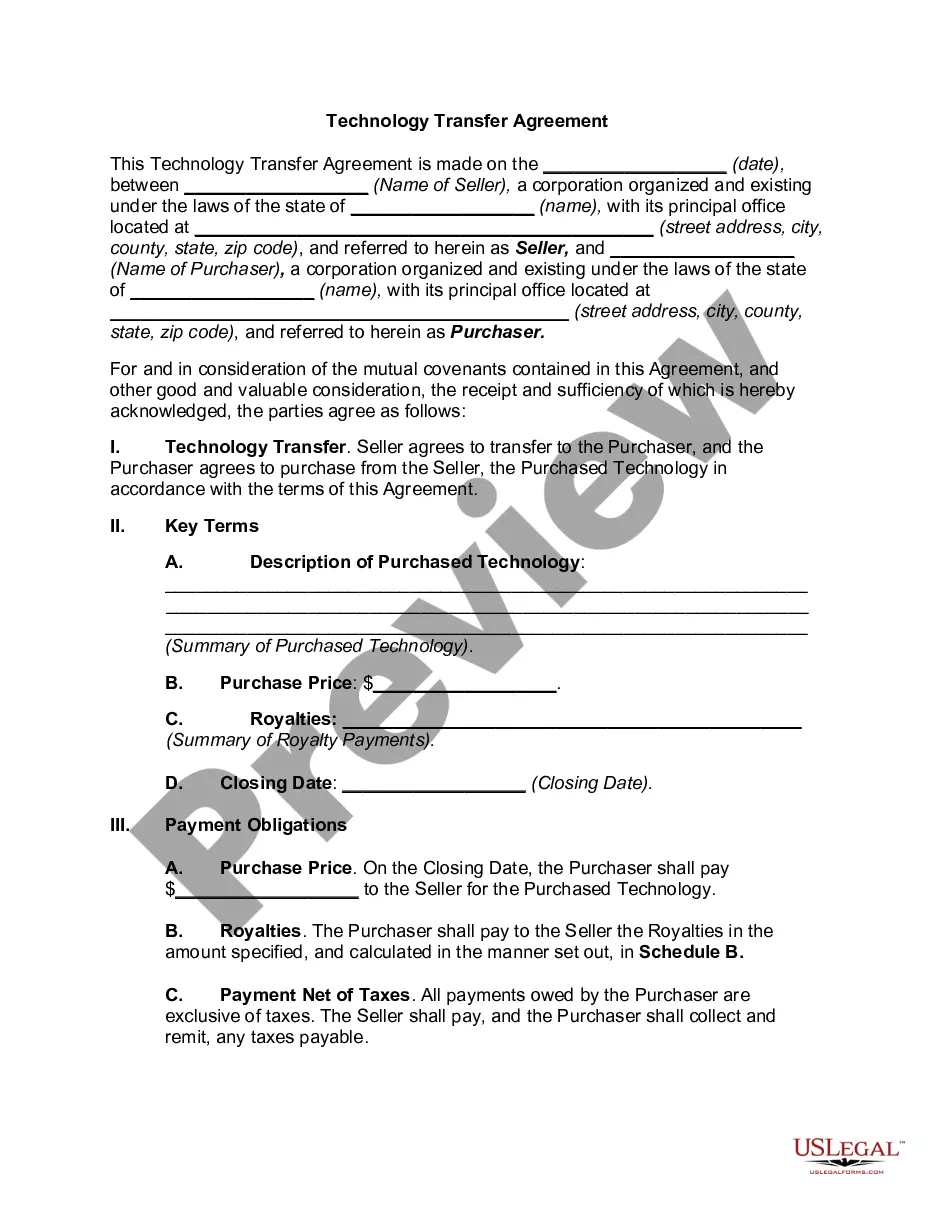
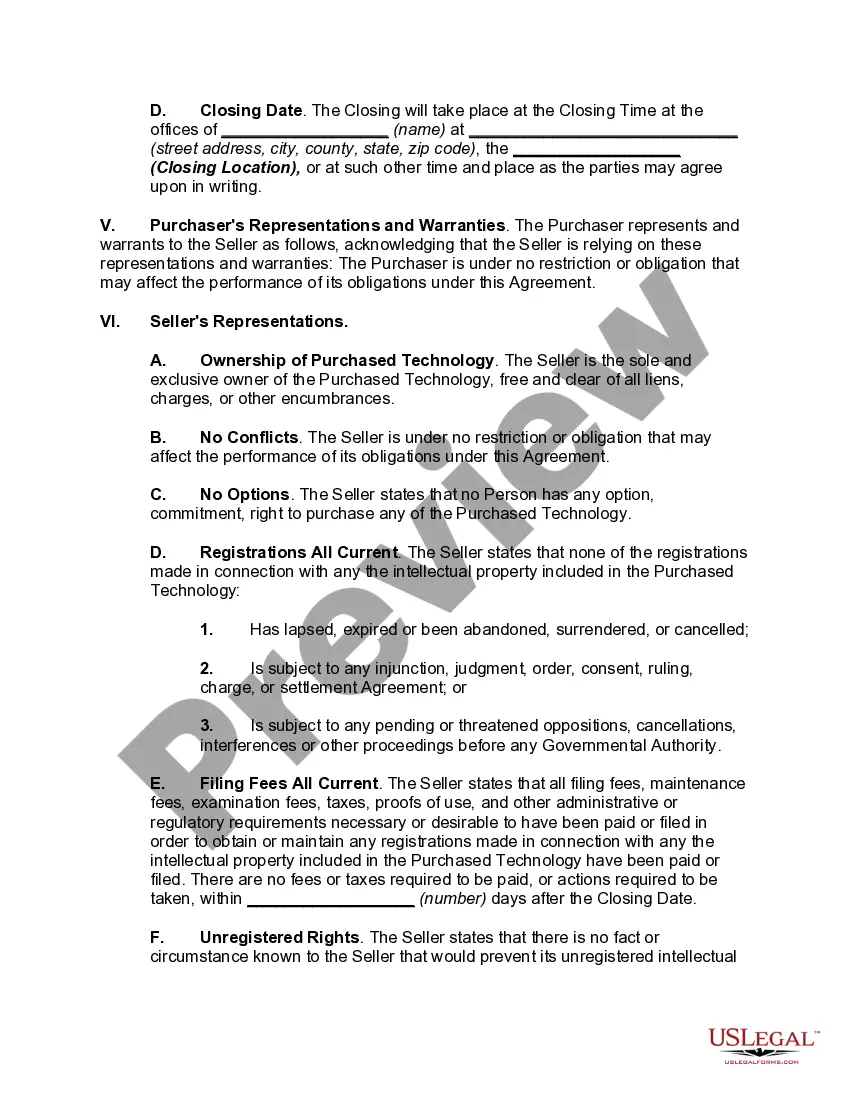
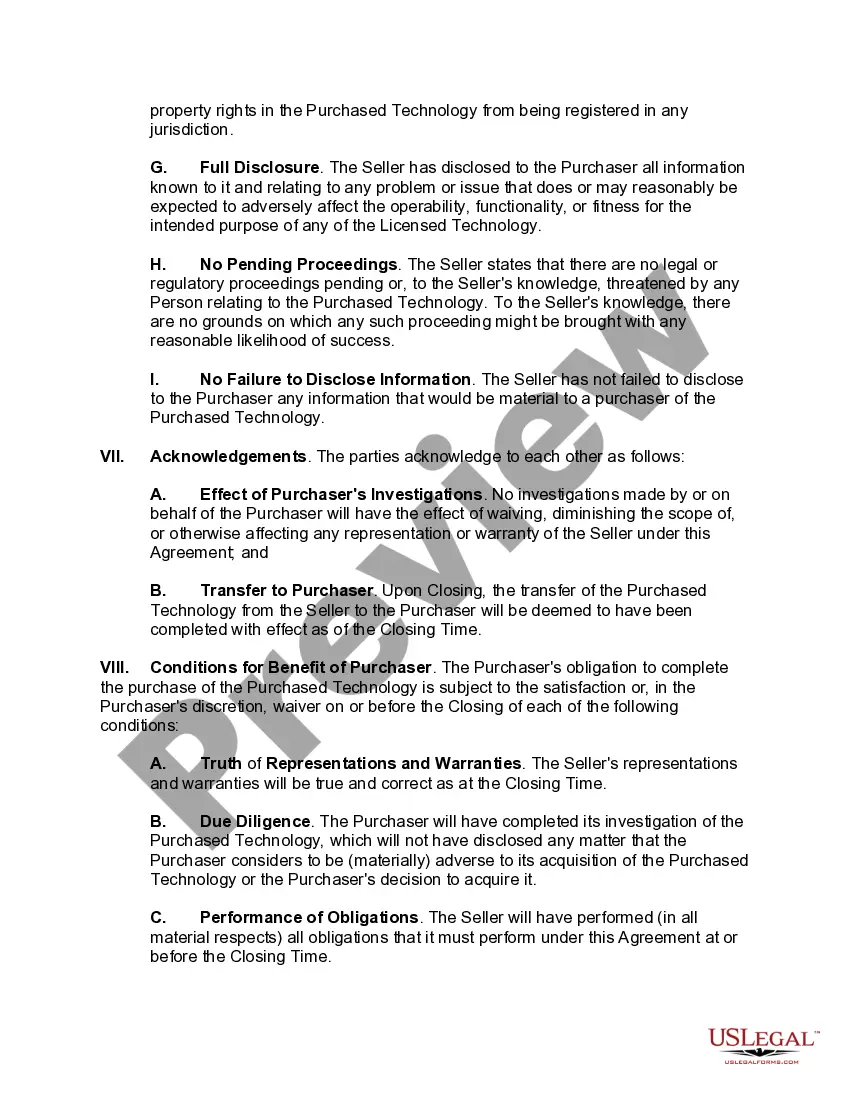
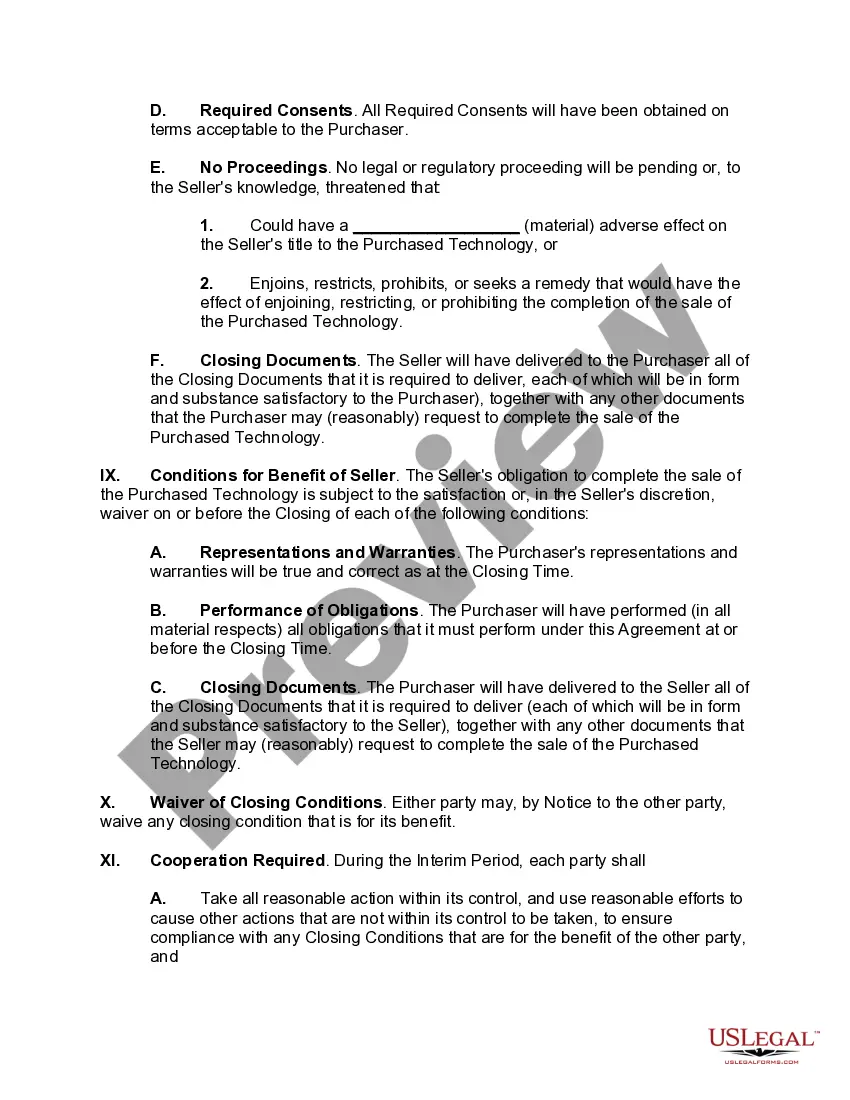
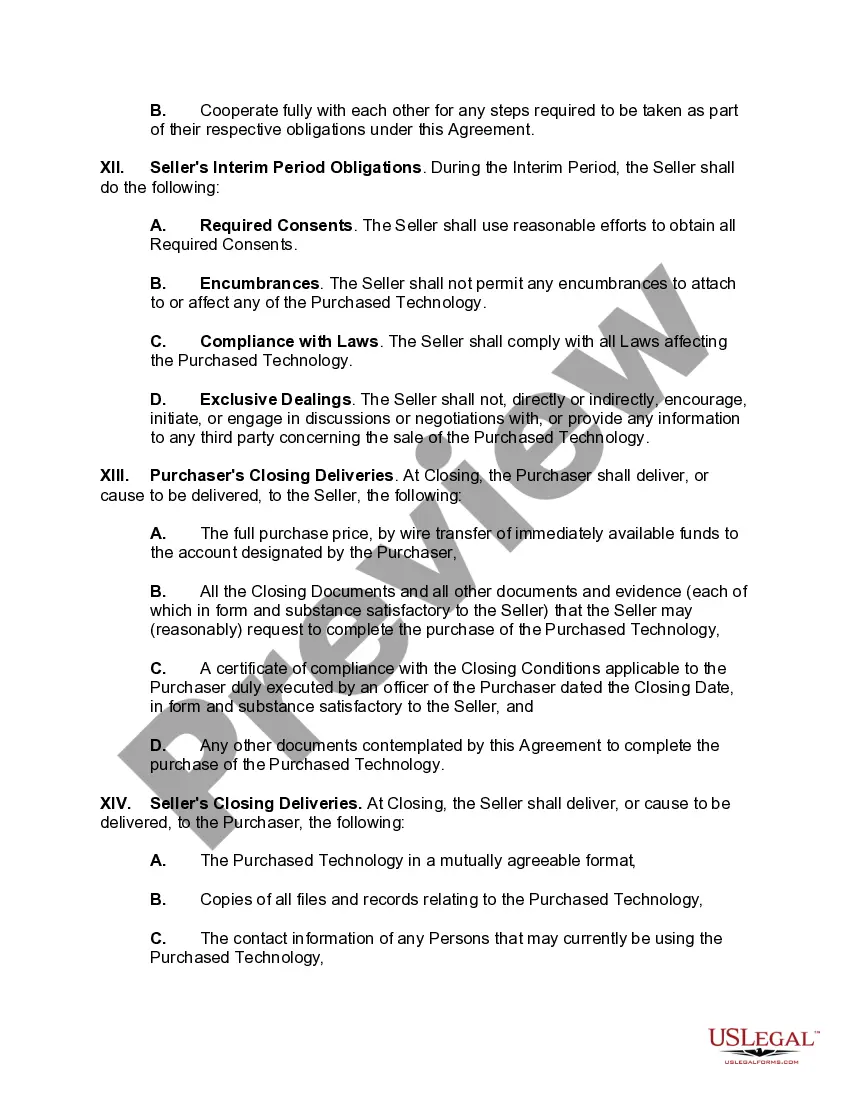
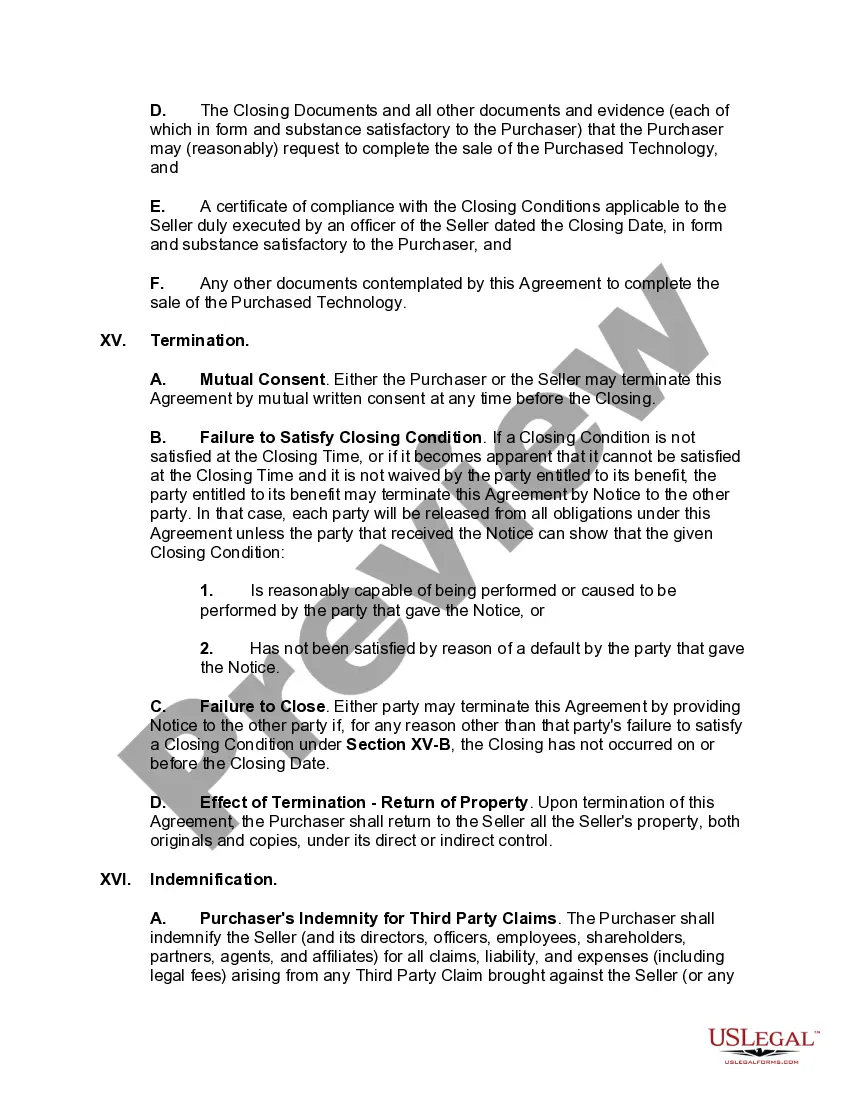
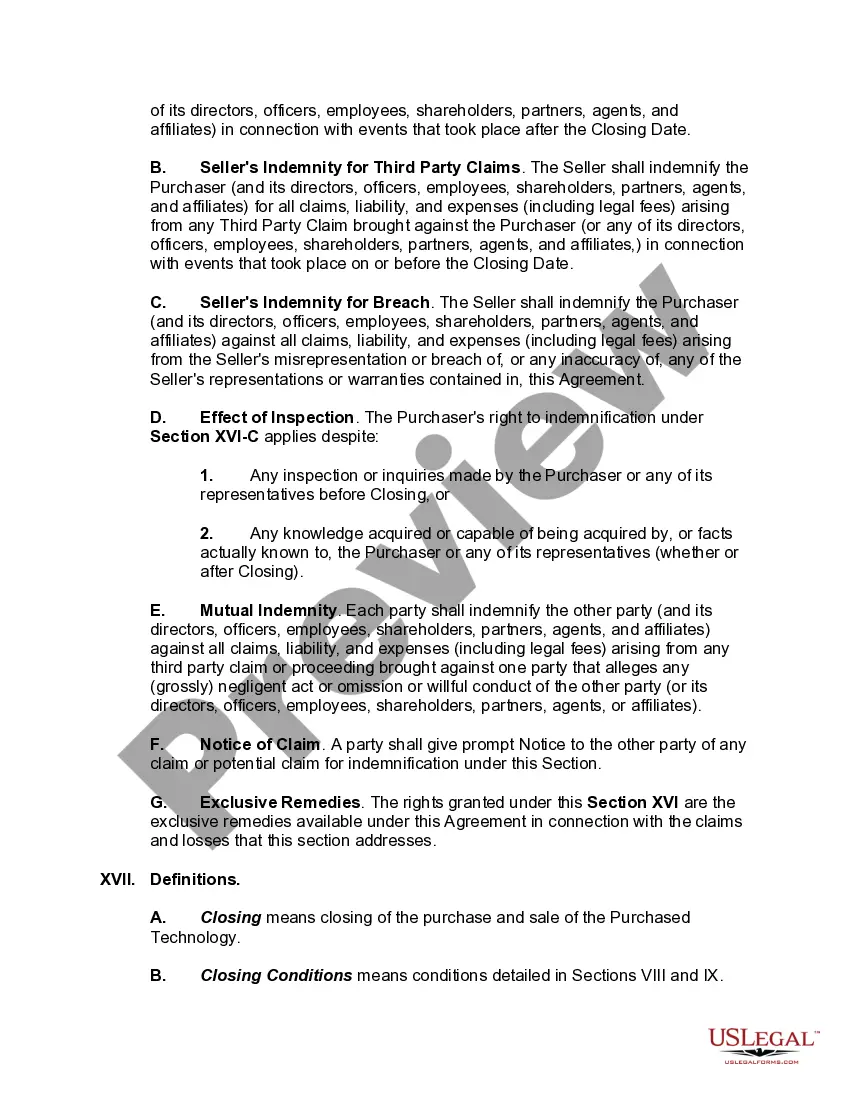
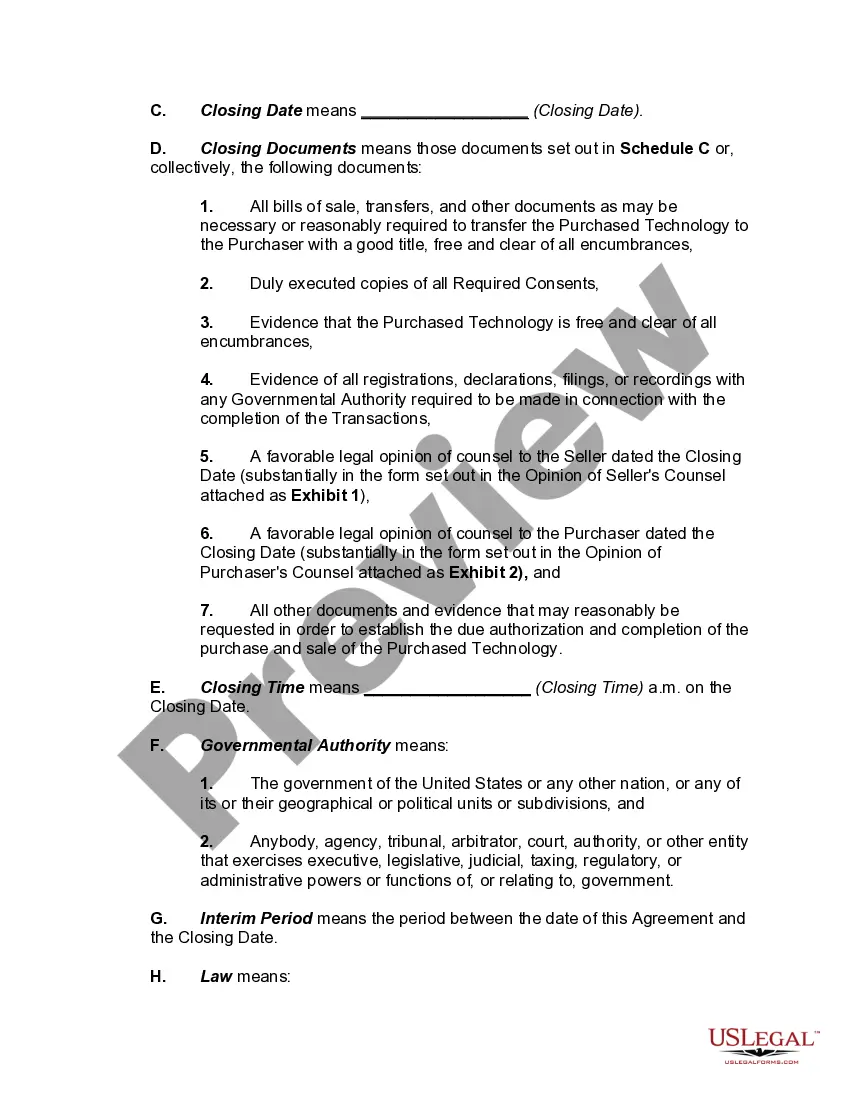
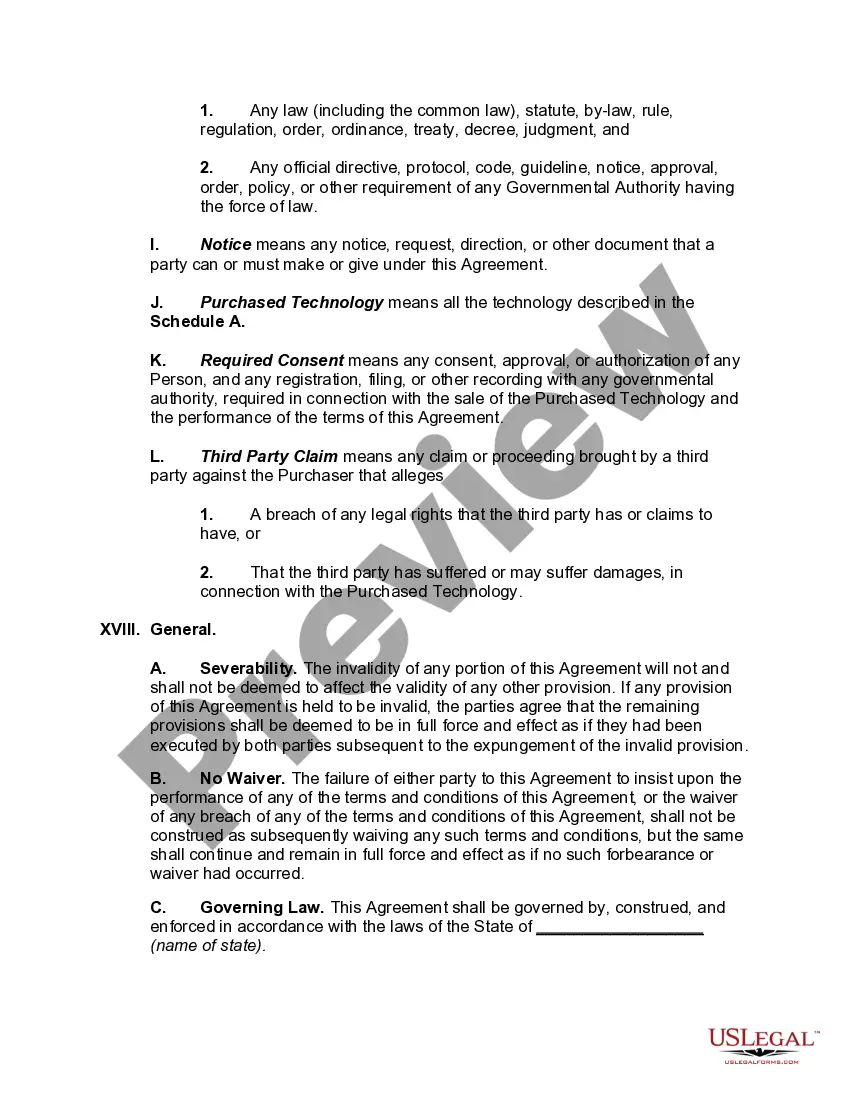
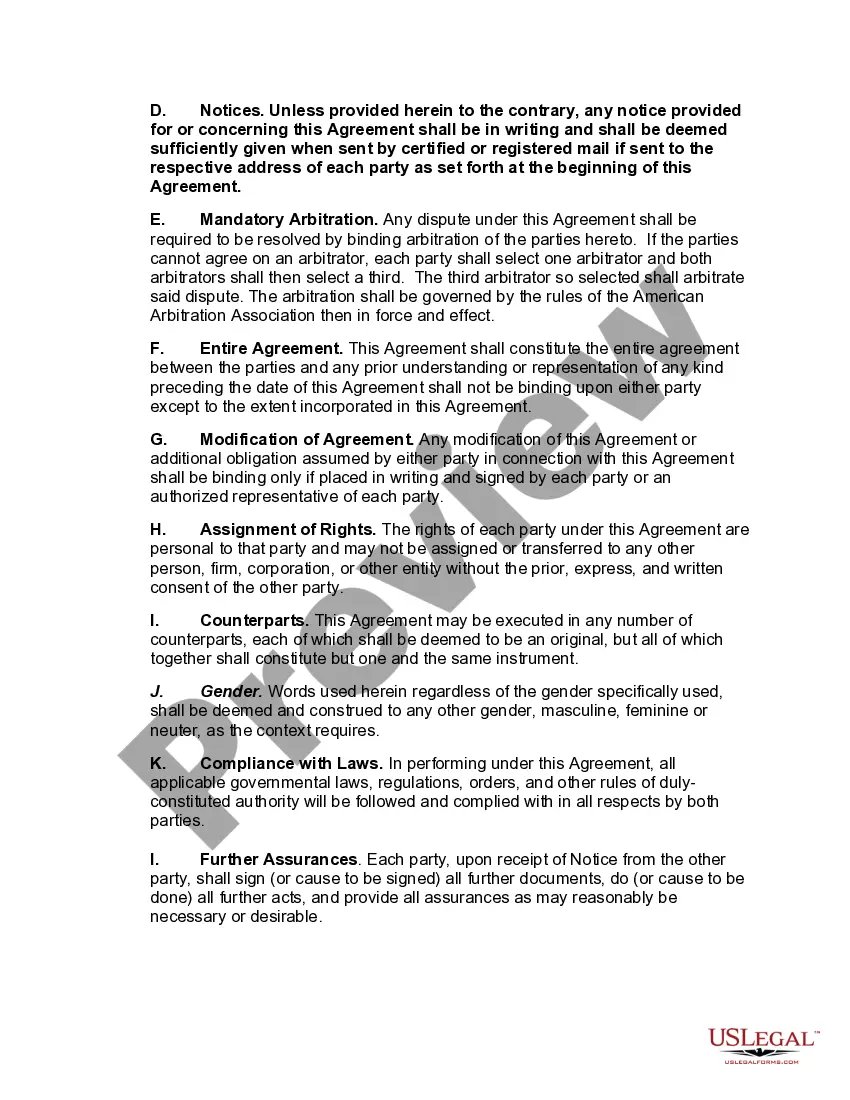

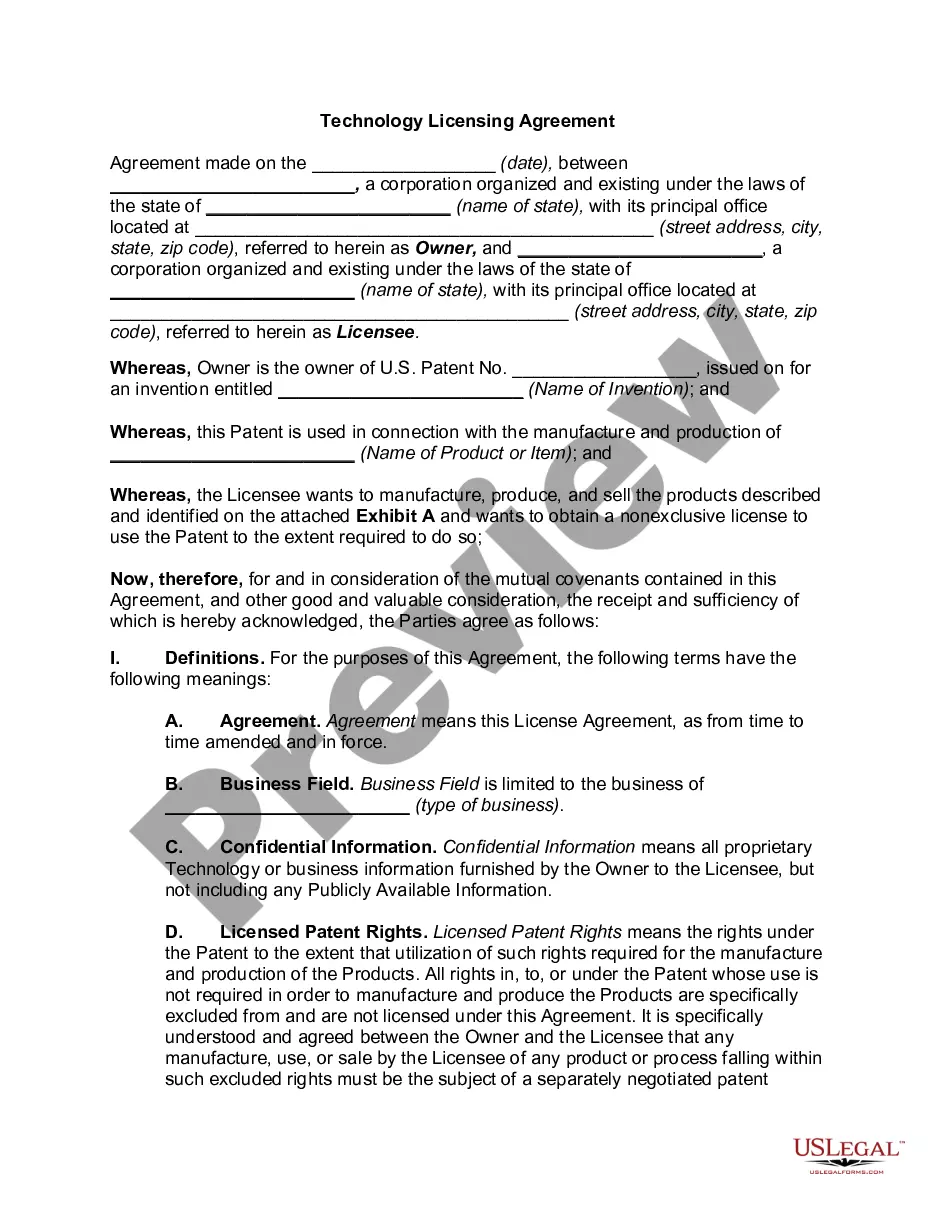
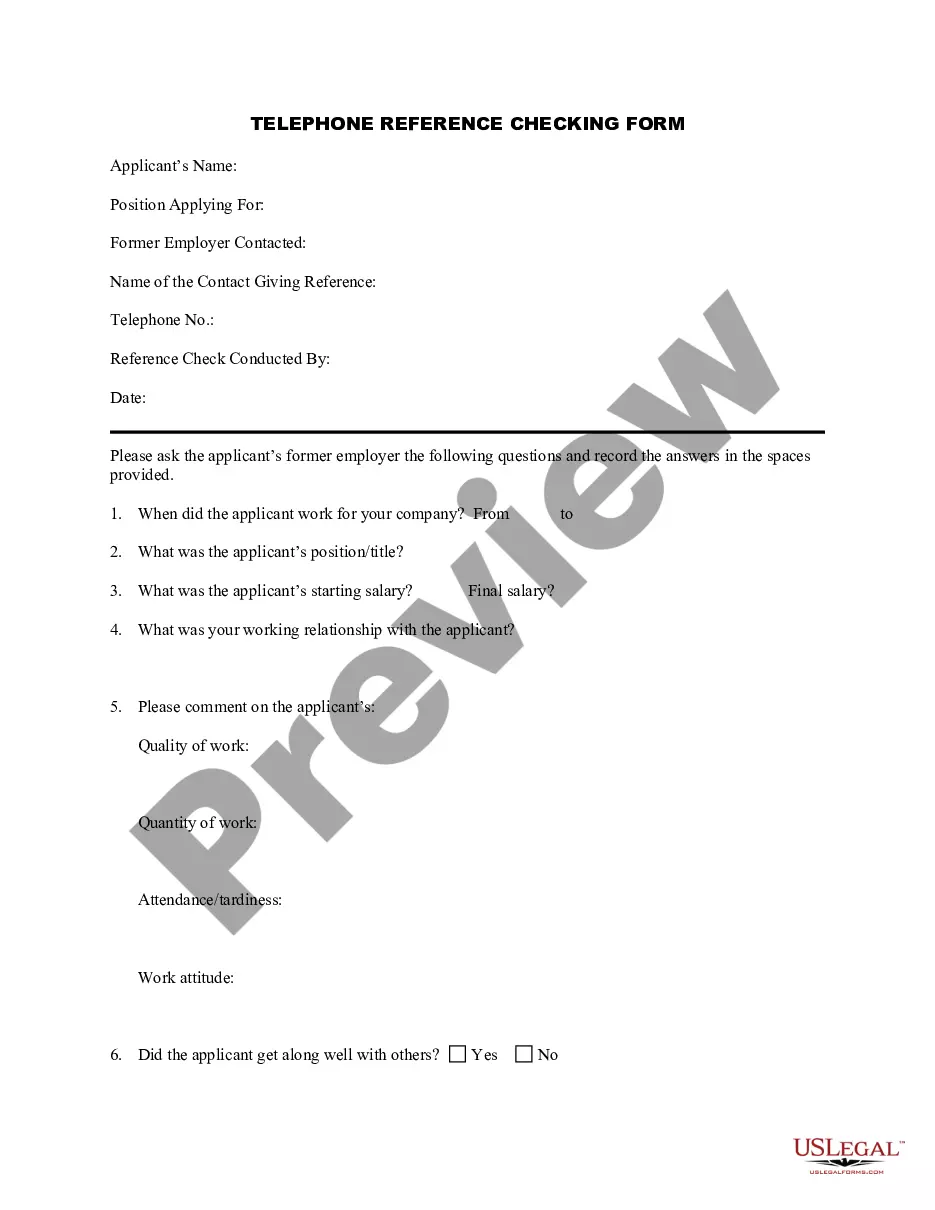
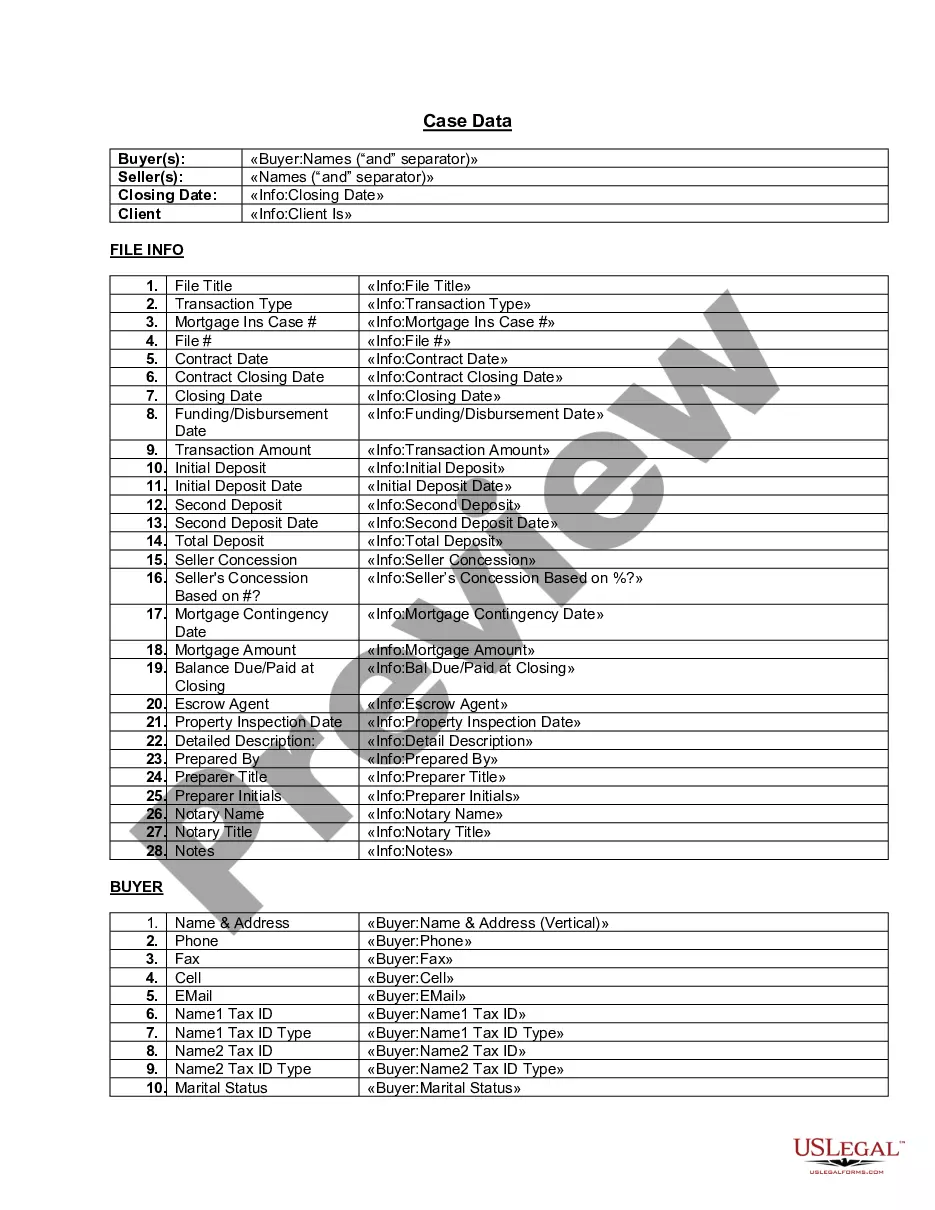
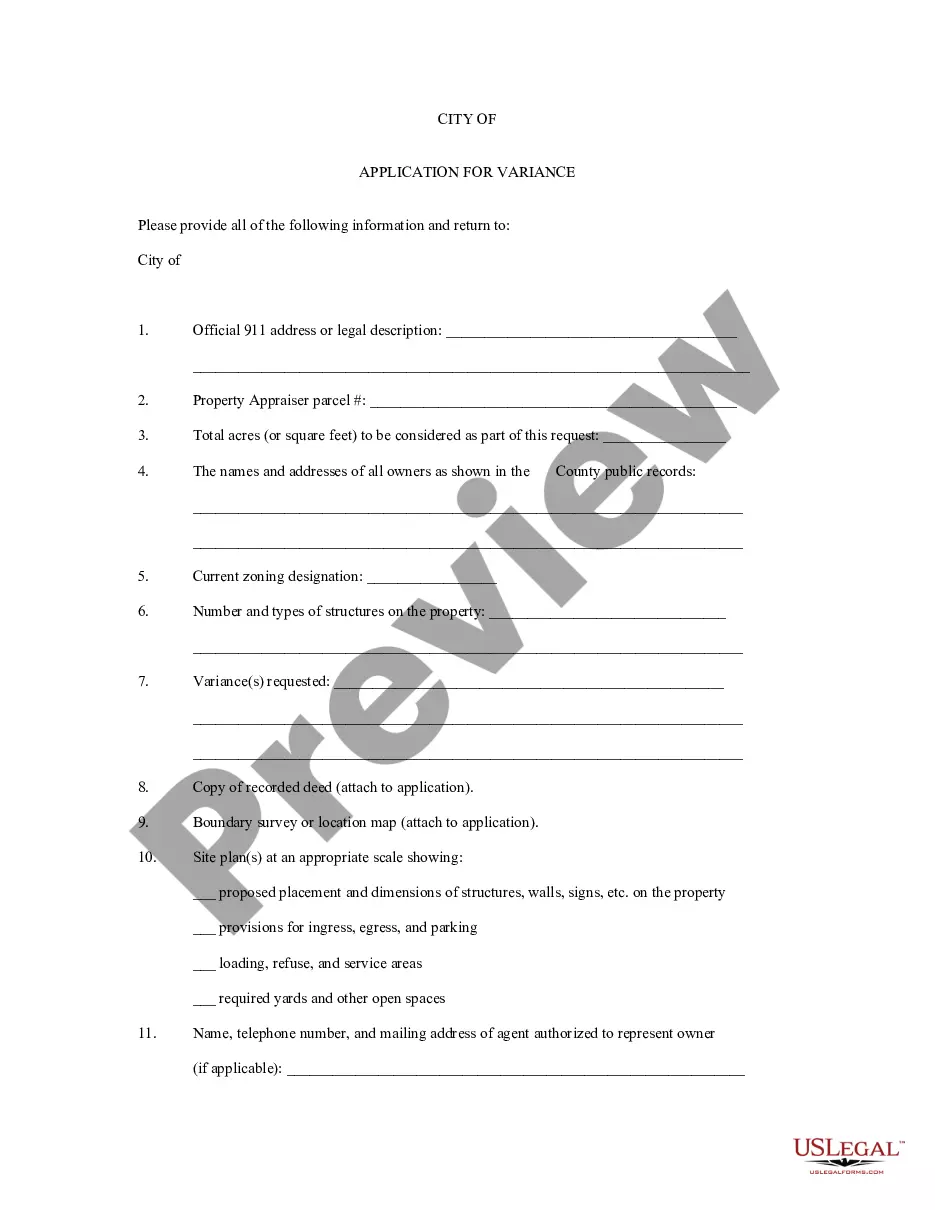
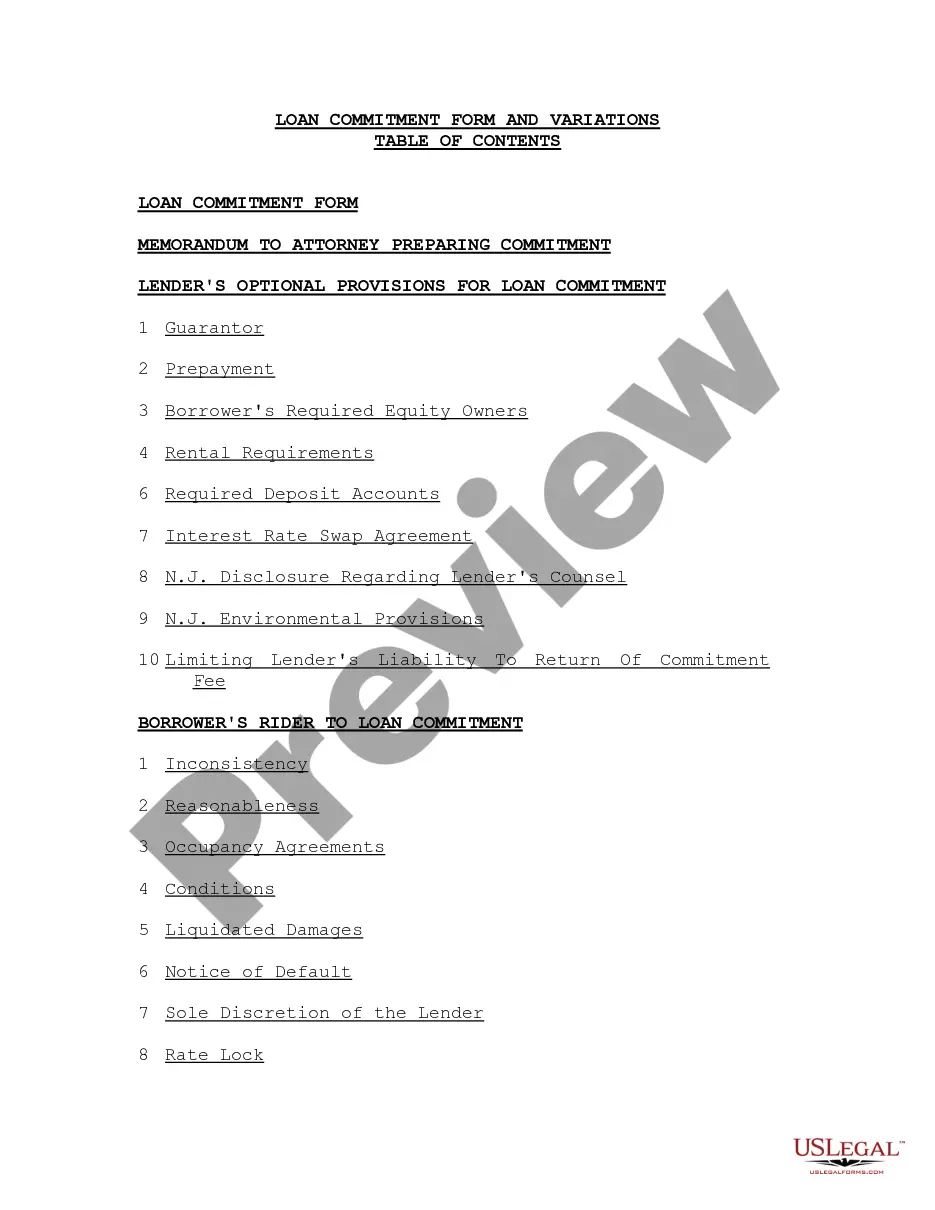
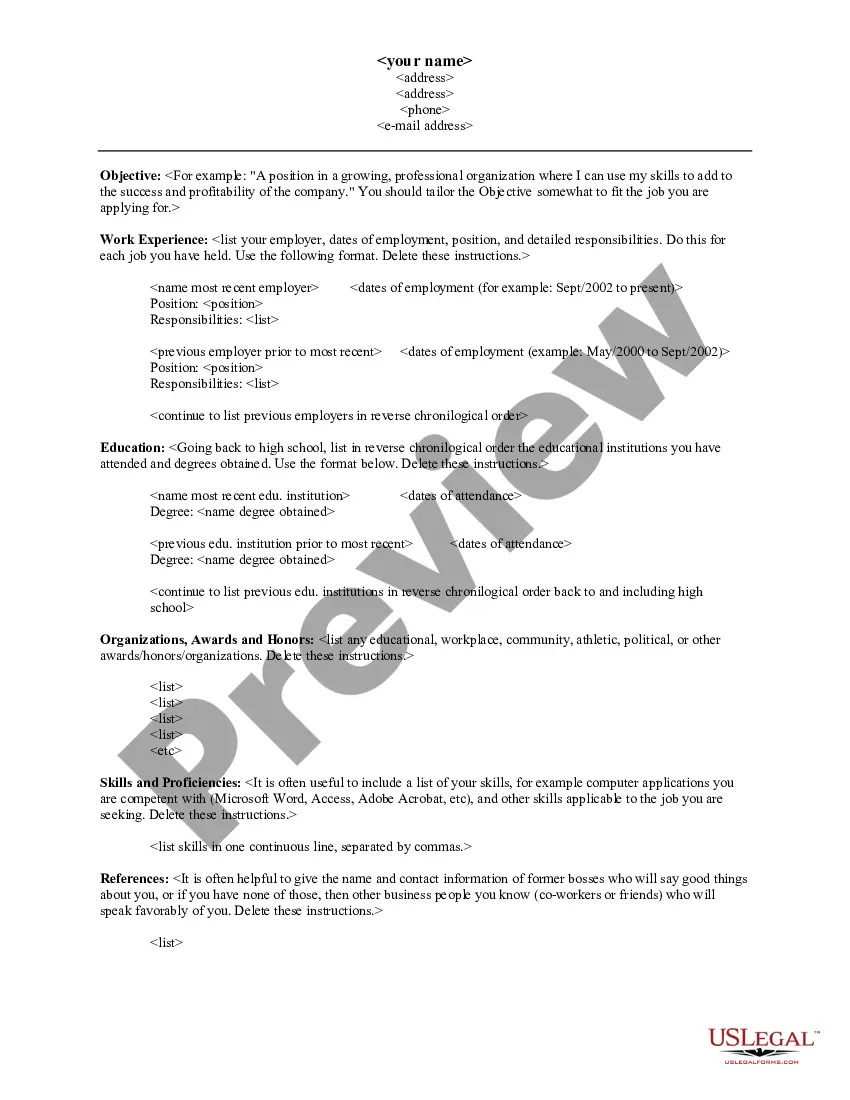
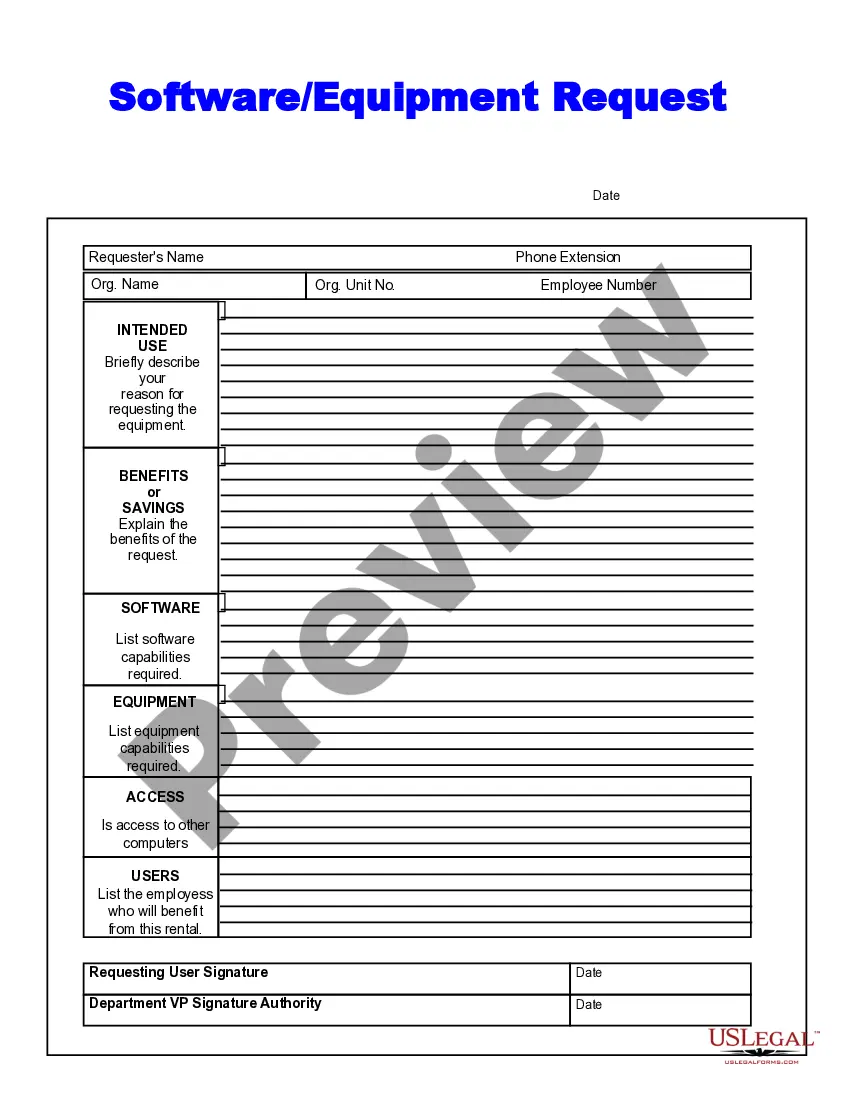
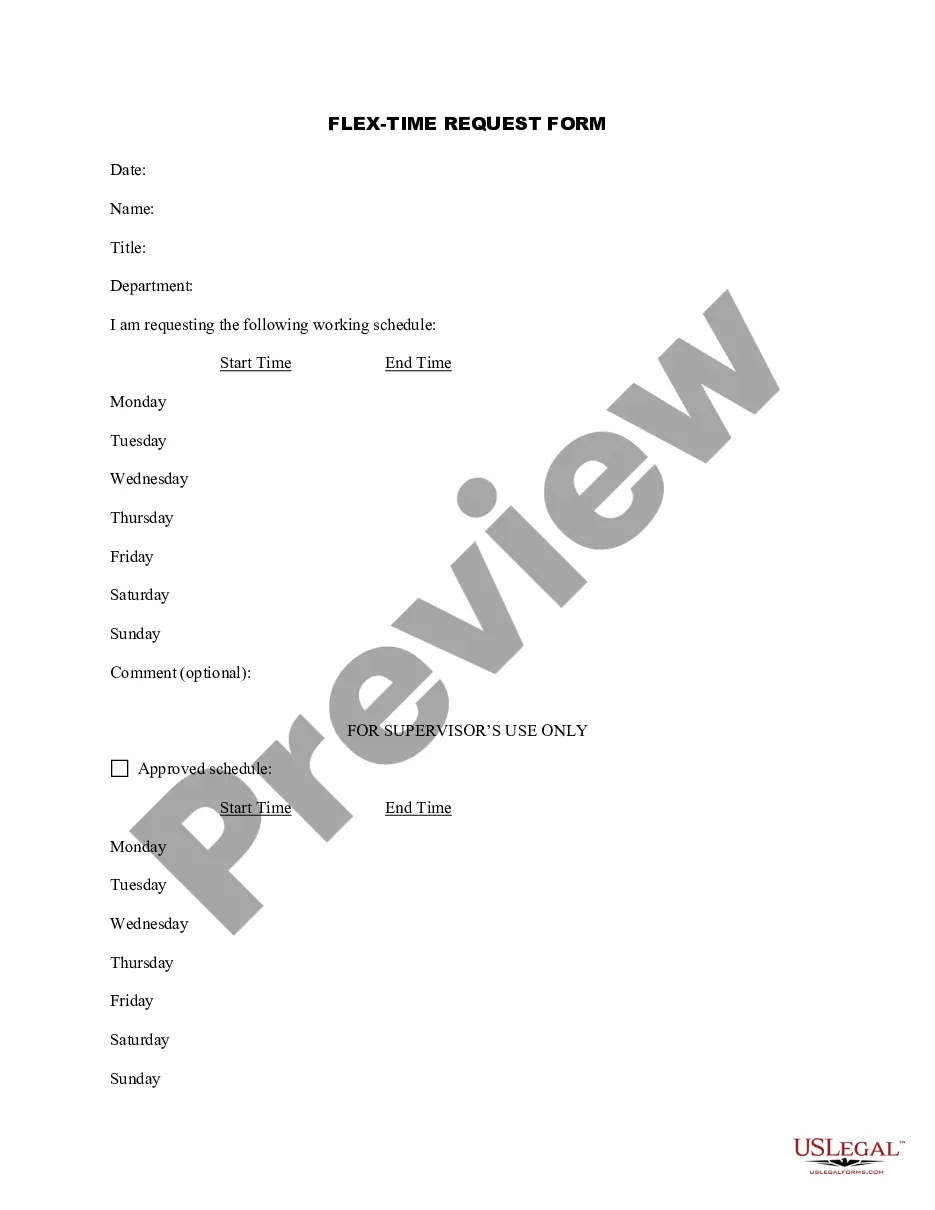
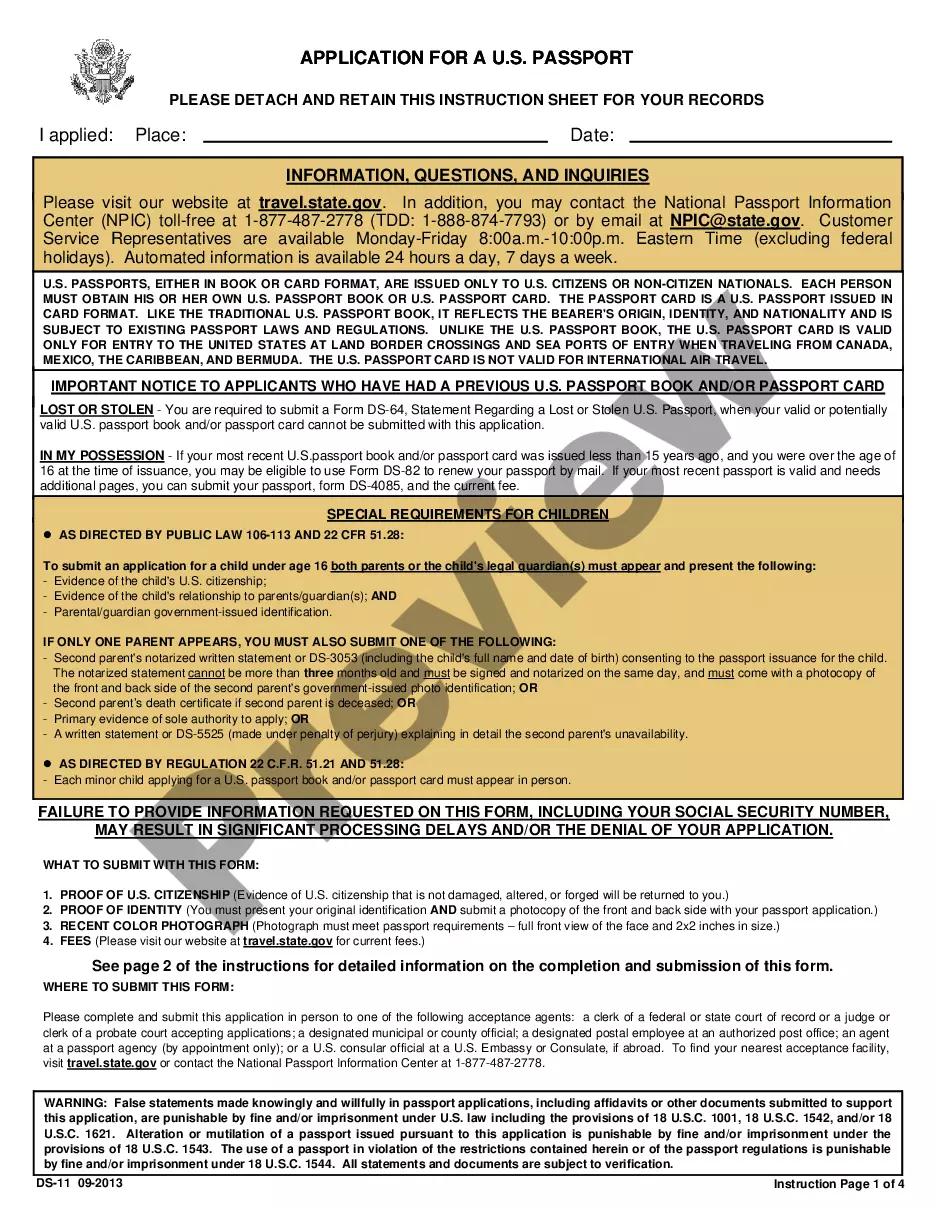
How to fill out Technology Transfer Agreement?
Engaging with legal documents and processes can be an arduous addition to your routine.
Technology Transfer Fee and similar forms typically necessitate you to seek them out and determine the most efficient way to complete them accurately.
Thus, if you are managing financial, legal, or personal issues, having an extensive and useful online repository of forms readily available will be incredibly beneficial.
US Legal Forms is the leading online resource for legal documents, providing over 85,000 state-specific forms and numerous tools to assist you in swiftly completing your paperwork.
Is this your first time using US Legal Forms? Register and establish a free account in just a few minutes, granting you access to the form repository and Technology Transfer Fee. Then, follow the instructions below to finish your form: Ensure you have located the correct form by utilizing the Review feature and examining the form description. Select Buy Now when ready, and choose the subscription plan that suits you best. Click Download, then complete, sign, and print the form. US Legal Forms has 25 years of expertise aiding individuals with their legal documents. Obtain the form you require today and streamline any procedure effortlessly.
- Explore the collection of applicable documents accessible to you with just one click.
- US Legal Forms supplies state- and county-specific documents that you can download at any time.
- Protect your document management processes by utilizing a premier service that lets you prepare any form in minutes without extra or concealed fees.
- Simply Log In to your account, locate Technology Transfer Fee, and obtain it instantly from the My documents section.
- You can also retrieve previously saved forms.
Form popularity
FAQ
A release of liability, also known as a liability waiver or a hold harmless agreement, is a contract in which one party agrees not to hold another party liable for damages or injury.
Release Versus Waiver The main difference between releases and waivers is the transferring of ownership. When rights are released, they are transferred to another party. When rights are waived, they are gone altogether.
As far as adult injuries are concerned, waiver/releases can be very effective and may result in lawsuit dismissals in most states as long as the three above-listed conditions are satisfied. There are a few states where the courts are not likely to uphold a waiver/release even if those three conditions are met.
Key Takeaways On How To Write A Waiver Choose a waiver template. Determine the type of activity or service. State the purpose of the waiver. Identify the risks. Include a title. Include customer information. Include waiver terms. Include a statement of understanding.
10 Things to Include in a Liability Waiver Business Information. Detailed Description of the Activity. Inherent Risks of the Activity. Acknowledgement and Voluntary Assumption of Risk. Choice of Law Provision Section. Release Clause. Indemnification Clause. Forum Selection or Venue Clause.
A release and waiver agreement is an enforceable promise not to pursue legal action in exchange for compensation. The releasee gives money or some other form of compensation to the releasor, who then agrees not to press charges, sue, or take any other legal action against the releasee.
A liability waiver is a legal document that a person who participates in an activity may sign to acknowledge the risks involved in their participation. By doing so, the company attempts to remove legal liability from the business or person responsible for the activity.
A release form, also known as a waiver, is a legal document that grants permission for a person or organization to use someone else's image, likeness, or property in a specific context. They are commonly used in various settings, including photography, video production, and events.